
The number of signs a writing system requires is not a technical detail. It determines who can be literate.
A system with several thousand signs can be learned, and learning it takes years of dedicated training. That confines literacy to people who can be supported through that training, which in practice means a professional scribal class attached to a palace or temple.
A system with two dozen signs can be learned by a person in a matter of weeks. That is a fundamentally different proposition, and it changes what writing is for and who gets to do it.
The transition between those two situations is one of the more consequential events in human history, and the striking thing about it is how few times it happened.
Why Early Systems Were So Large
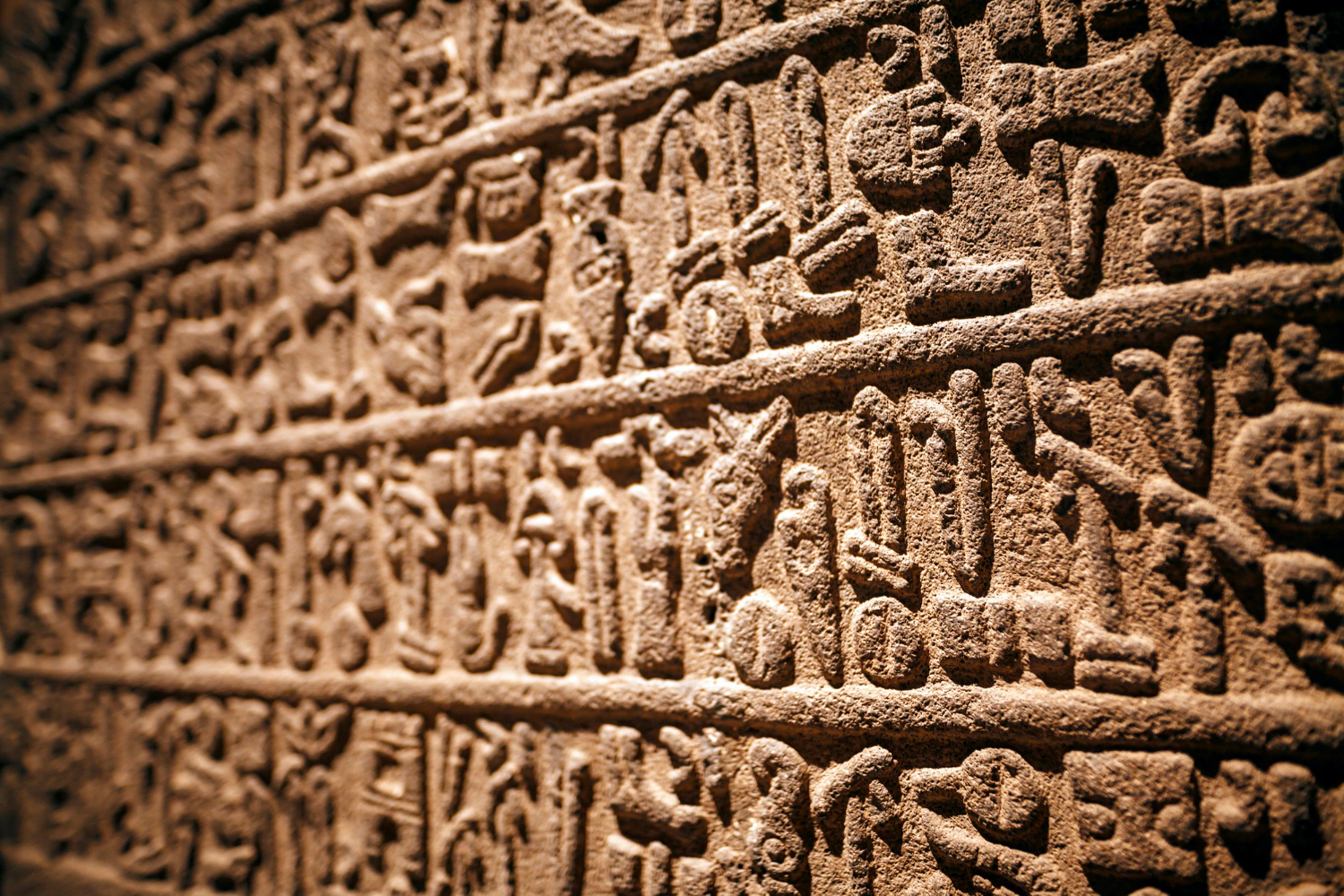
The size of early writing systems follows from how they developed.
Writing generally begins pictorially, with signs representing things. That works for accounting and produces an immediate problem: most of what people say cannot be drawn.
The solution repeatedly arrived at is to use signs for sounds as well as for things — a sign depicting an object comes to represent the sound of that object’s name, and can then be used for that sound anywhere.
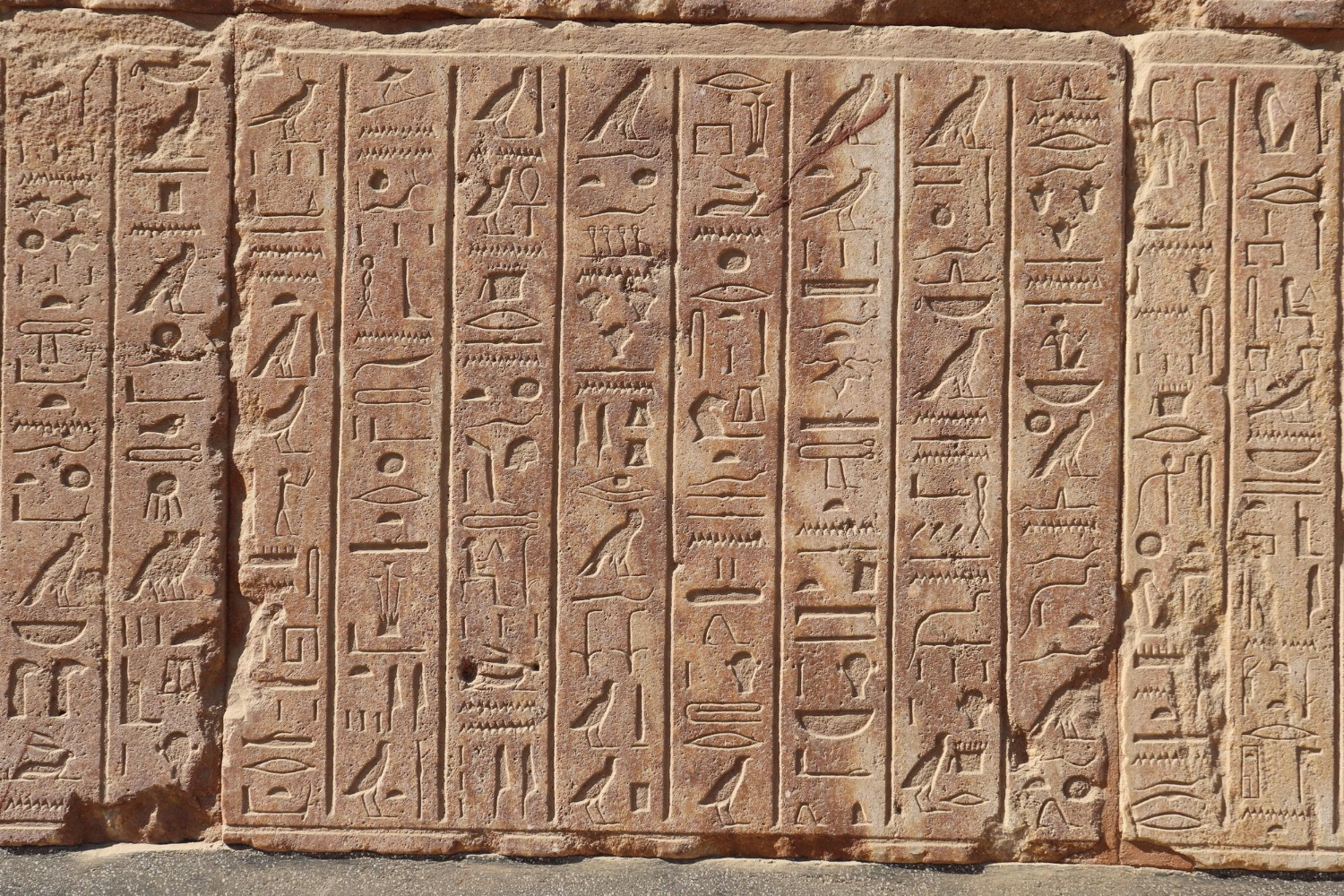
That is a real breakthrough and it does not reduce the sign count. Systems developing this way end up with signs for things, signs for syllables, and signs indicating which category a neighbouring sign belongs to, all in use simultaneously.
The result is a system of several hundred to several thousand signs that works well, encodes the language fully, and requires professional training to operate.
Nothing about that is a failure. Those systems supported literature, administration, law and science for a very long time, and some remain in use. They simply have a high entry cost.
Like our content? Follow us for more.
The Idea
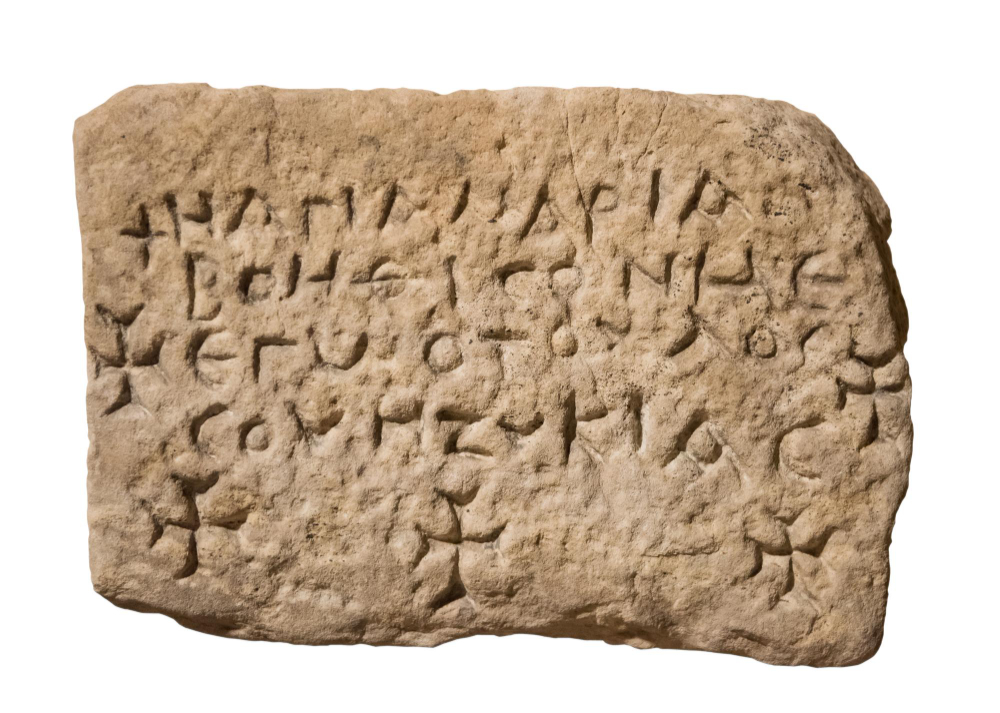
The alphabetic principle is a specific and unobvious move: use one sign for each individual consonant sound in the language, and nothing else.
That requires noticing that words divide into consonants and vowels, that the number of distinct consonants in a language is small, and that a sign can represent a sound with no reference to any object.
The signs themselves were adapted from existing pictorial writing, but used differently — a sign depicting a house came to represent the first sound of the word for house, and thereafter meant only that sound.
That principle is what reduces the count. There are only so many distinct consonants in any language, and typically that number is somewhere in the twenties.
The earliest evidence comes from inscriptions in a mining region, apparently produced by workers who spoke a different language from the administrators around them and who adapted the local pictorial script to write their own.
That context is significant. The innovation appears to come from people using writing rather than from the professional scribes who had mastered the complicated system — which is a recurring pattern in the history of technology.
It is worth noting how long the transition took. The alphabetic principle appears early and takes many centuries to displace the established systems, which continued in parallel use for a very long period.
New technologies rarely replace working ones quickly, particularly where an entire professional class has expertise invested in the existing arrangement – and the scribes who could operate the complicated system had no reason to advocate for one anybody could learn.
Why It Only Happened Once
Every alphabet in use today traces back to that single development, which is a remarkable claim and appears to be correct.
The scripts of Europe, the Middle East, South Asia and a great deal of Africa and Asia all descend from it, adapted and transformed repeatedly over three thousand years. The Latin, Greek, Cyrillic, Arabic, Hebrew and Indic scripts are all branches of one family tree.
That is different from writing itself, which was independently invented several times. The alphabetic principle, once devised, spread rather than being repeatedly rediscovered.
The reason is probably that it is truly difficult to arrive at. It requires an analytical insight about the structure of speech that is not obvious — most people do not naturally perceive words as sequences of individual consonant and vowel sounds, and learning to do so is part of what learning an alphabet teaches.
It also requires the right circumstances: somebody familiar with writing, not fully trained in the established system, needing to write a language it was not designed for.
There is a physical point worth adding. The reduction in sign count also reduced what a writer had to carry in their head and what a scribe had to have in front of them, since a complex system required reference lists and training material that a small sign set does not.
Writing became something that could be done anywhere by anybody who knew it, without institutional support – which is a practical change as much as a conceptual one.
The Missing Vowels

The original system recorded consonants only, and this is worth understanding because it explains a great deal about later scripts.
Writing consonants alone works reasonably well for the languages it was devised for, where the consonant pattern carries the core meaning and vowels indicate grammatical variations that a reader can supply from context.
Several major scripts still work this way, with optional marks available to indicate vowels where ambiguity matters.
Vowel letters were added later, in a particular adaptation, when the system was borrowed to write a language where vowels were not predictable from context. Signs for consonants that did not exist in the borrowing language were repurposed to represent vowel sounds.
That adaptation is what produced the fully alphabetic model where consonants and vowels are written equally, and it is the branch most European scripts descend from.
What Changed Because of It

The consequences are difficult to overstate and worth being precise about.
Literacy became achievable without professional training, which meant it could extend beyond a scribal class to merchants, officials, soldiers and eventually much wider populations.
Writing became portable between languages. An alphabet can be adapted to a new language by adjusting a few signs, whereas a system with thousands of signs tied to a particular language cannot.
Record-keeping became cheaper, which had commercial consequences: an alphabet spread along trade routes, carried by traders who used it for practical purposes.
And the technology of writing became separable from the institutions that had controlled it, which is the deepest change. Writing had been an instrument of palaces and temples because only they could support the training. A system anybody could learn in weeks was no longer theirs.
What It Did Not Do
A correction is worth making, because the significance of the alphabet is routinely overstated in a particular direction.
An alphabet makes literacy achievable without professional training. It does not make a population literate.
Widespread literacy requires schooling, material to read, a reason to read it and the leisure to learn — none of which follows from the script being simple. Societies using alphabetic writing operated for thousands of years with literacy confined to small minorities.
The barrier moved from the script to everything around it. That is a real change and it is not the same as the change frequently claimed.
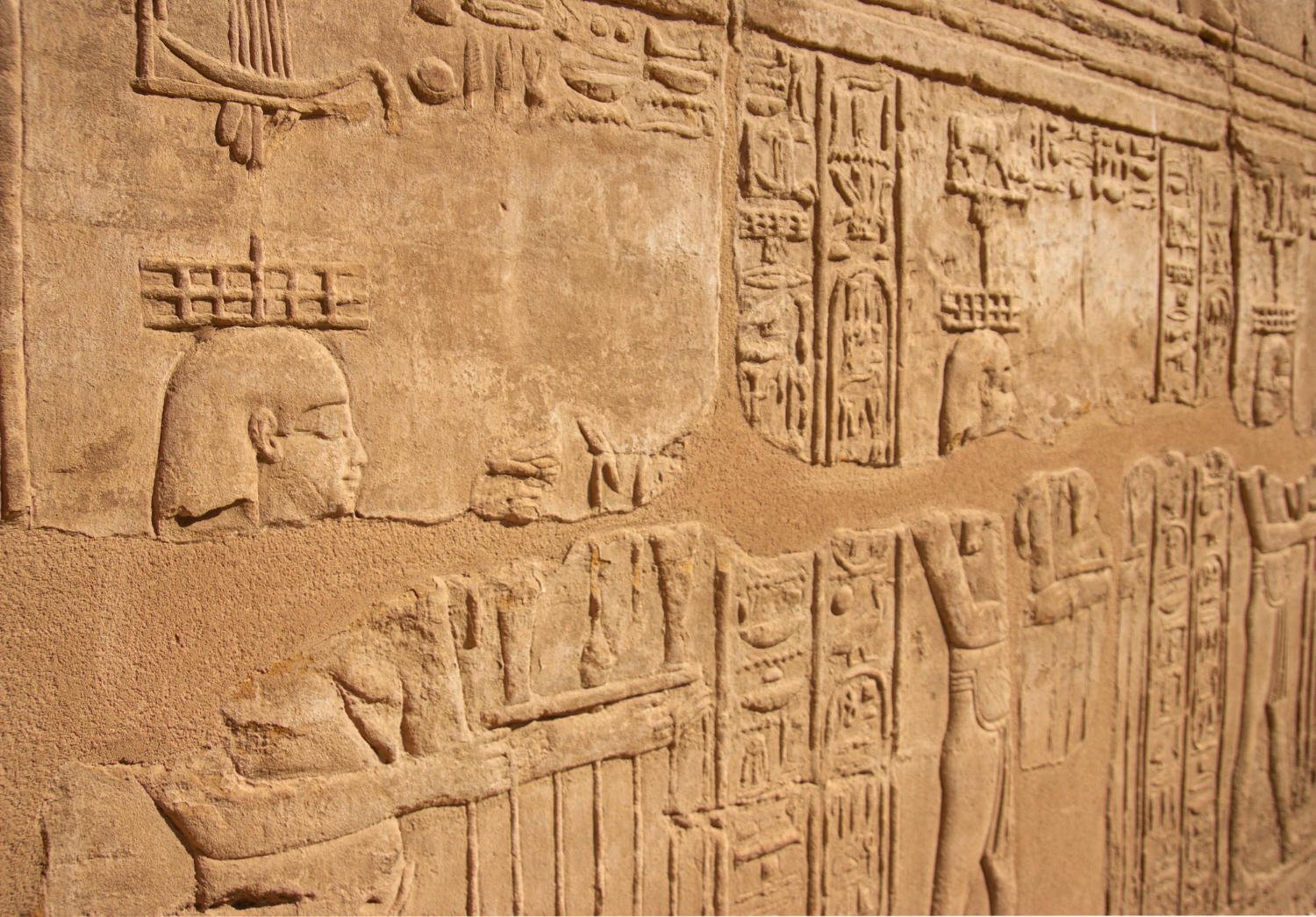
There is a related correction about the systems that were replaced. Complex scripts did not disappear because they were inefficient; several remain in use by very large populations with high literacy rates, which demonstrates that sign count is not the constraint it might appear.
What the alphabetic principle actually did was remove one specific barrier — the years of training required — and make writing portable between languages. Those are substantial achievements and they are narrower than the claim that it democratised reading, which took substantially more than a script and arrived substantially later.
A Small Number of Signs
What makes this worth understanding is the nature of the innovation.
Nothing was added. No new material, no new tool, no new technique. The signs already existed and were already being used to write.
What changed was an analytical decision about what a sign should represent — sounds rather than things or syllables — and a consequent reduction from thousands of signs to about two dozen.
That is a change in idea rather than in equipment, and it produced one of the largest expansions in access to information in human history.
Every alphabet on the planet, in every language that uses one, is a modification of a modification of a set of marks made by people in a mining region who needed to write something down and did not have the training to do it the complicated way.
That is the part worth sitting with. The most consequential innovation in the history of writing appears to have come from outside the profession that owned writing, produced by people improvising with a system they had not been taught properly – which is a pattern that recurs often enough to be worth noticing.
Like our content? Follow us for more.