There is an assumption embedded in ordinary language about growing old, and it is worth examining because it turns out to be misleading.
The assumption is that ageing is what happens to any object over time. Things wear out. Parts fail. A body is a machine, machines degrade with use, and biology is the same story with more moving parts.
That account has a specific problem. If ageing were simply accumulated wear, then organisms with similar body plans, similar metabolic rates and similar environments should age at similar rates.
They do not. Species of comparable size and physiology can differ in lifespan by an order of magnitude. Within some groups the variation is extreme. And a small number of organisms show no detectable increase in mortality risk with age at all.
That pattern indicates something regulated, and the question of what is being regulated is one of the more active areas in biology.
Before going further: this article concerns evolutionary biology and comparative physiology. It contains nothing about human health, longevity or anything anybody should do, and questions of that kind belong with a doctor.
Why Evolution Permits It
The starting point is a question that sounds naive and is not: why does ageing exist at all?
Natural selection acts through reproduction. A trait that increases survival and reproduction spreads; a trait that reduces them does not.
Deterioration with age reduces both, so the intuitive expectation is that selection should have eliminated it.
The standard explanation turns on when things happen. In the wild, most organisms are removed by external causes — predation, disease, accident, starvation — long before any internal deterioration would matter.
That means selection acts very strongly on traits affecting early life and very weakly on traits affecting late life, simply because fewer individuals survive to experience the latter. A harmful effect appearing late is nearly invisible to selection.
Two consequences follow. Harmful late-acting variants accumulate because nothing removes them. And traits that benefit early life at the cost of later function will spread, because the early benefit is selected far more strongly than the late cost is penalised.
That second idea explains something the wear account cannot: ageing may be partly the price of characteristics that were advantageous earlier.
Like our content? Follow us for more.
The Species That Do Not Seem To
The comparative evidence is what makes the subject tractable, and the extremes are informative.
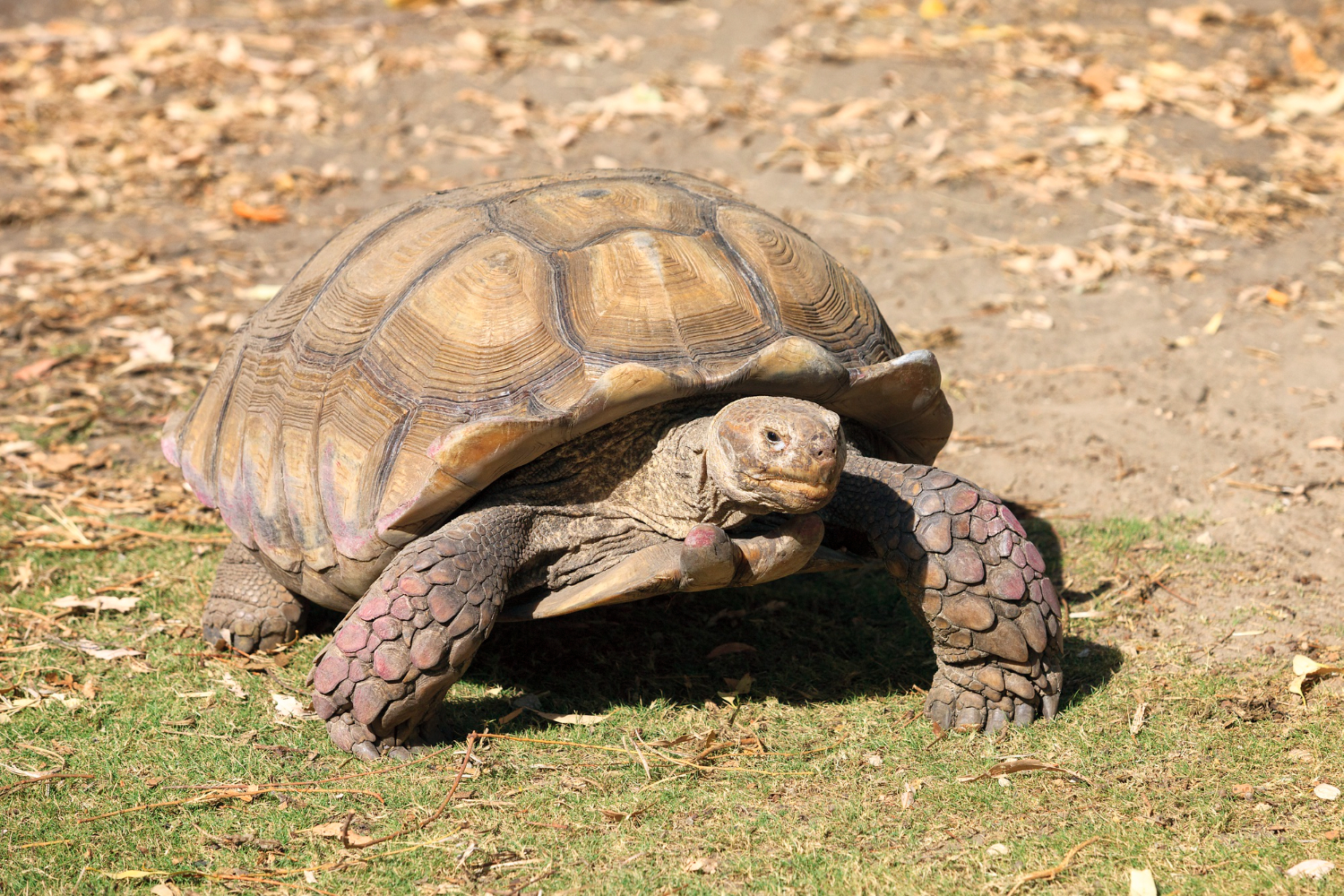
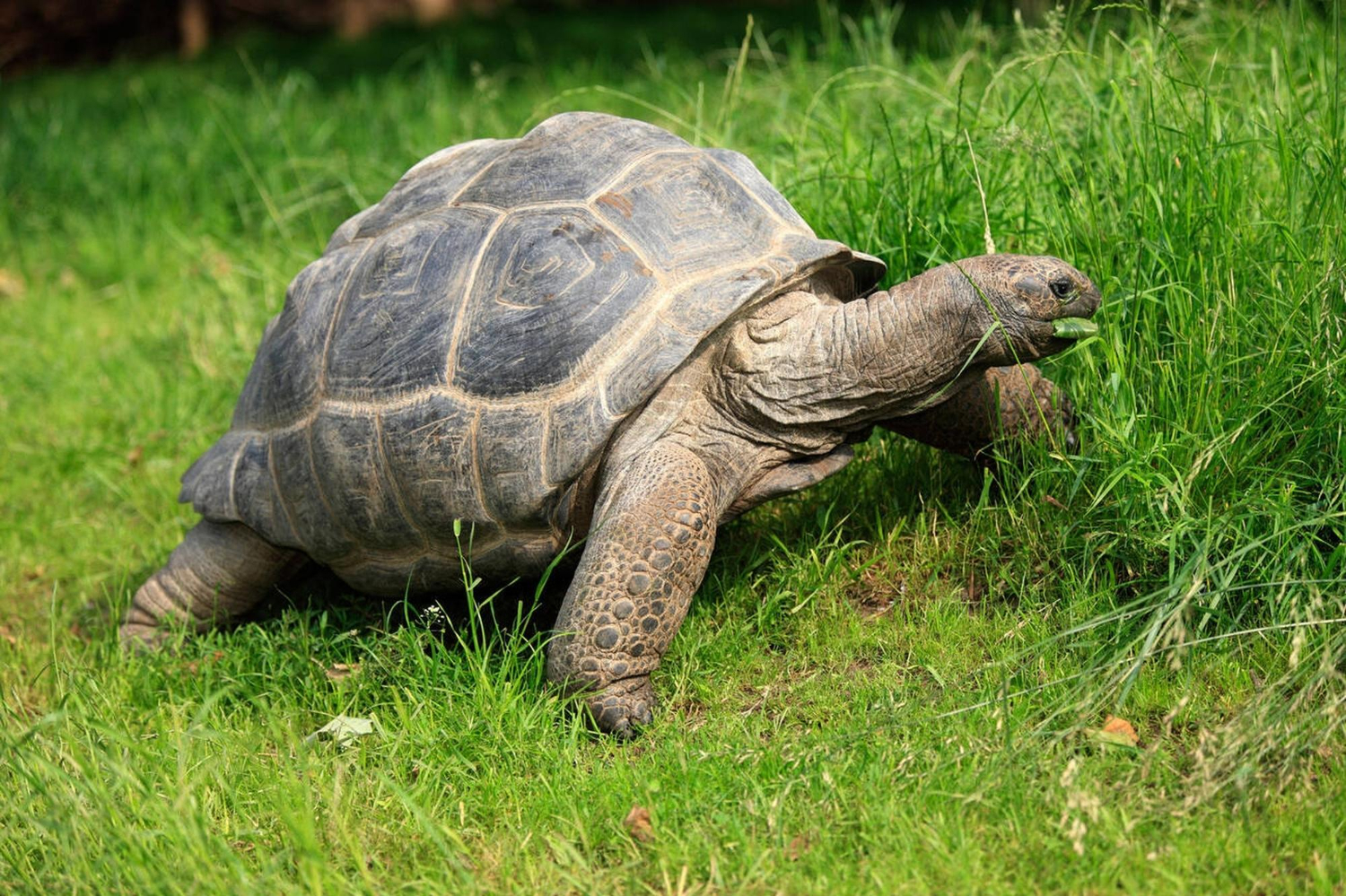
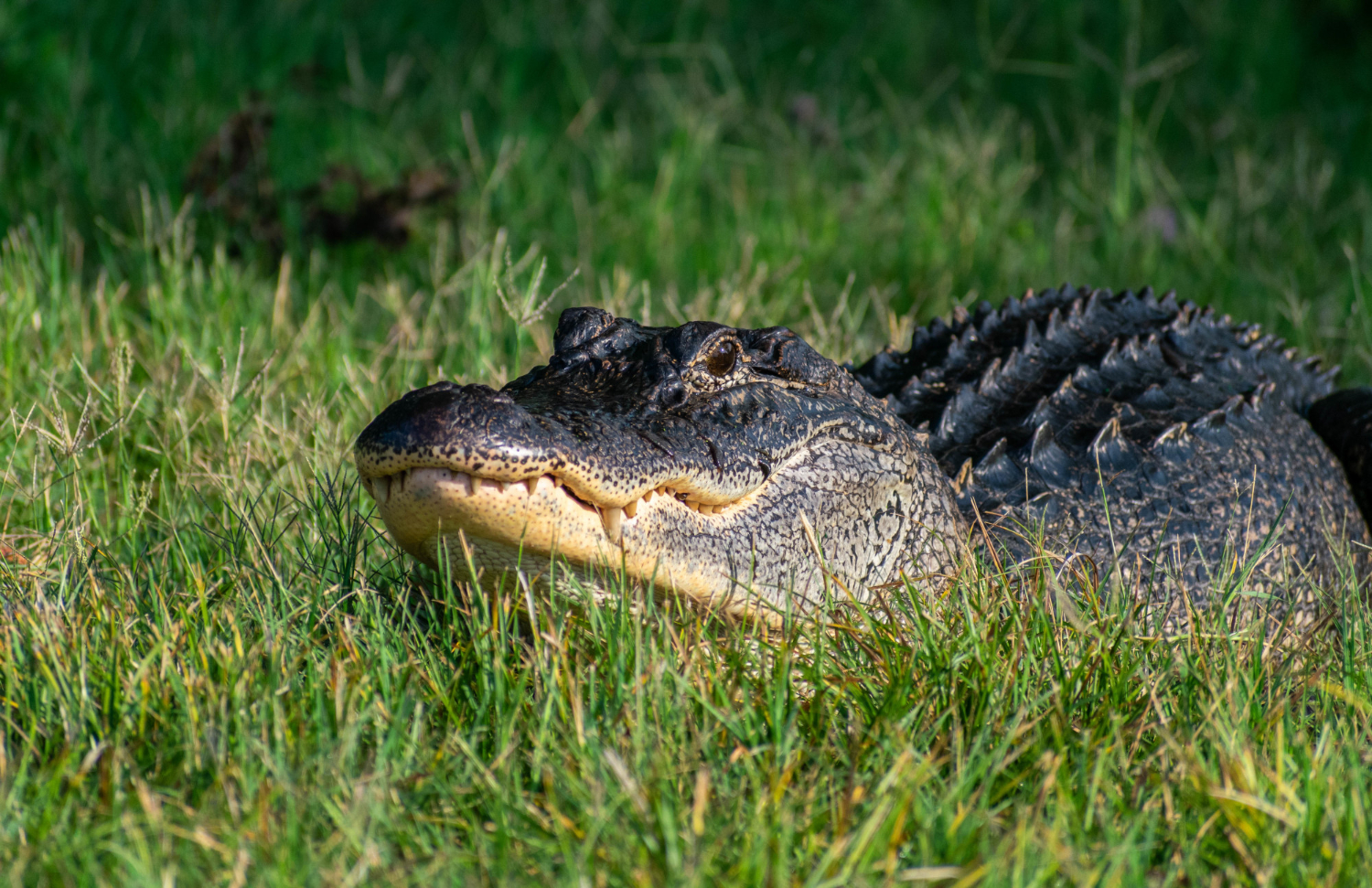
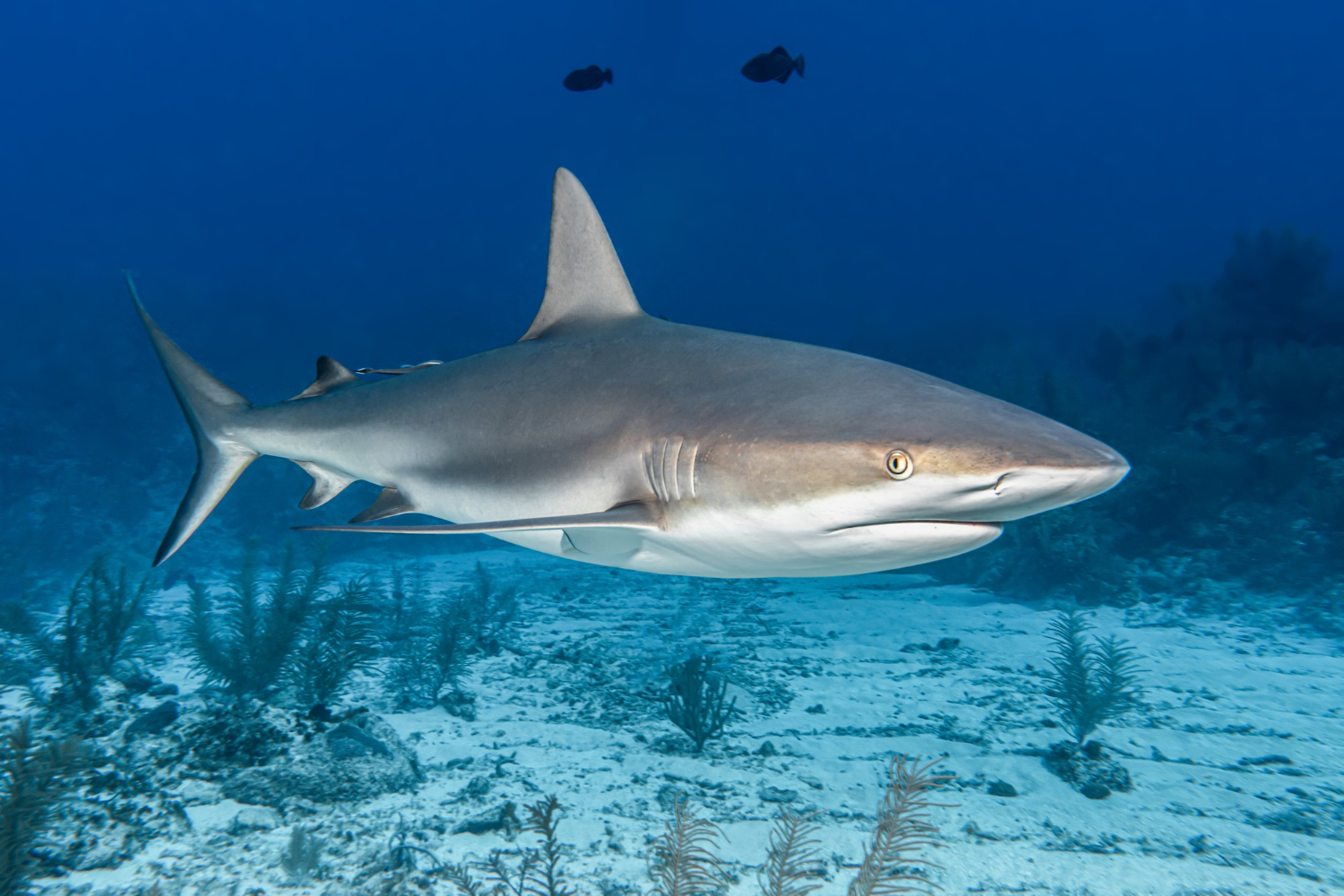
Some species show negligible senescence — no measurable increase in mortality rate with age, and no decline in fertility. Certain long-lived reptiles, some fish and various other organisms have been reported in this category.
That does not mean immortal. They still die, from disease, predation, injury and environmental causes. What is absent is the internal deterioration that makes those things progressively more likely.
The distinction matters enormously. Ageing is not the same as dying, and an organism whose risk of dying stays constant will still eventually die — it simply does not become more fragile first.
There is at least one animal capable of reverting to an earlier developmental stage rather than continuing to age, which is a truly different arrangement and is frequently overstated in popular accounts.
The general point stands regardless. If deterioration with age were an unavoidable consequence of being alive, these organisms could not exist.
What Correlates With Lifespan
Several patterns hold well enough across species to be informative.
Body size correlates with lifespan across mammals, with larger species generally living longer, and the standard explanation involves fewer predators and later maturity relaxing the pressure toward fast reproduction.
Protection correlates strongly. Animals that fly, live underground, carry armour or occupy predator-free environments tend to live substantially longer than their size would predict — which is exactly what the theory expects, since reduced external mortality allows selection to act on late life.
Reproductive strategy correlates. Species producing many offspring early tend toward shorter lives; those investing heavily in few offspring over a long period tend toward longer ones.
Those correlations are the strongest support for the evolutionary account, because they are predicted by it and are difficult to explain by wear.
There is a distinction worth making that popular accounts routinely collapse. Lifespan and ageing rate are not the same measurement.
A species may live a long time because it ages slowly, or because it starts from a large body and long development, or simply because it rarely encounters anything that removes it. Separating those requires measuring how mortality risk changes with age rather than how long individuals happen to live, which is a substantially harder study to run.
Ageing Is Several Processes
At the mechanistic level, the picture involves multiple identified processes rather than one.
Damage accumulates in various forms — to molecules, to cell structures and to the systems responsible for maintenance and repair.
Cellular housekeeping declines. The processes that identify and remove damaged components become less efficient, so damage that would once have been cleared persists.
Cells enter states in which they stop dividing but remain present and continue to affect their surroundings, and the number of such cells increases with age.
Chemical marks regulating which genes are active change in patterned ways over a lifetime, and those changes are consistent enough to be measured.
The relationship between these processes is not fully established. Which are causes, which are consequences and which are simply correlated is a substantial part of the current research question, and popular accounts routinely present one of them as the explanation when the field has not settled that.
There is a related observation that supports the framing. In protected conditions – captivity, laboratories, absence of predators – many species live substantially longer than they do in the wild, sometimes several times longer.
That is not because captivity slows ageing. It is because in the wild almost nothing survives long enough for internal deterioration to become the thing that matters, which is precisely the situation the evolutionary account describes.
Why Repair Is Not Unlimited
The economic framing explains the situation better than any mechanism does.
Maintaining and repairing a body costs energy, and energy is finite and contested between competing demands — growth, reproduction, immune function, activity.
An organism allocating everything to maintenance would be extraordinarily durable and would reproduce less, and would lose to competitors that allocated differently.
So the level of maintenance is a settlement rather than a limit, and it is set by circumstances. Where external mortality is high, heavy investment in durability is wasted, because something will remove the organism regardless. Where external mortality is low, that investment pays.
That predicts exactly the correlations observed: protected species live longer because durability is worth paying for when you are likely to survive long enough to benefit.
The Groups That Break the Pattern
Certain organisms are studied precisely because they contradict the general expectations, and they are informative about the underlying logic.
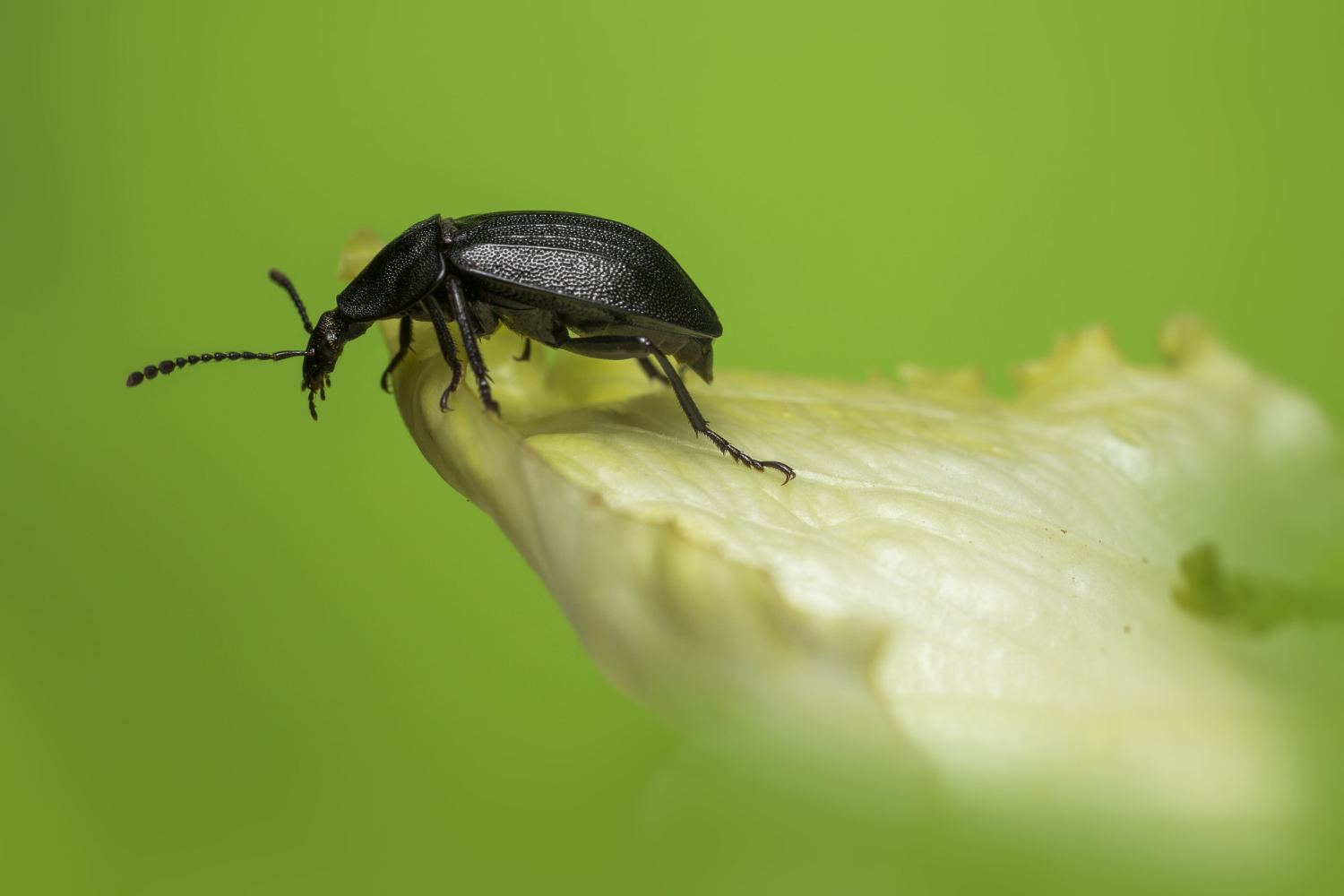
Social insects provide the sharpest case. In several species, individuals that reproduce live enormously longer than genetically similar individuals that do not — sometimes by a factor of tens. Same genome, same environment, entirely different lifespan, determined by role.
That is difficult to reconcile with any account treating ageing as accumulated damage, since the long-lived individuals are frequently the ones being maintained at greater metabolic cost.
It fits the evolutionary account well. Where a reproducing individual is protected and its survival benefits the whole colony, selection acts strongly on its late life, and durability is worth the investment.
Bats are another case. They are small, with high metabolic rates, and by the expectations of body size they should be short-lived. Several species live many times longer than similarly sized mammals, and the standard explanation is flight — an animal that can leave has low external mortality, so maintenance pays.
Naked mole-rats are studied for similar reasons, being subterranean, protected and long-lived for their size.
The pattern across all of them is consistent. Reduced external mortality, whatever produces it, associates with slower ageing — which is what the theory predicts and what a wear account has no reason to expect.
What This Actually Establishes
The conclusion is narrower than popular coverage suggests and worth stating precisely.
Ageing is not an inevitable property of matter, because organisms exist that do not do it in the usual way. It is not simply wear, because wear does not vary by an order of magnitude between similar animals. And it is not a single process, because several are involved and their relationships are unresolved.
What it appears to be is a settlement between maintenance and everything else, arrived at by selection under particular conditions, implemented through multiple mechanisms that are still being characterised.
None of that translates into anything a person can act on, and the gap between comparative biology and human application is where a great deal of unfounded claiming happens. Anybody with a question about their own health should ask a doctor.
What the subject offers instead is a change in the question. Not why do things wear out, which has an obvious answer, but why do some organisms wear out so much more slowly than others — which does not, and is where the interesting work is.
Like our content? Follow us for more.