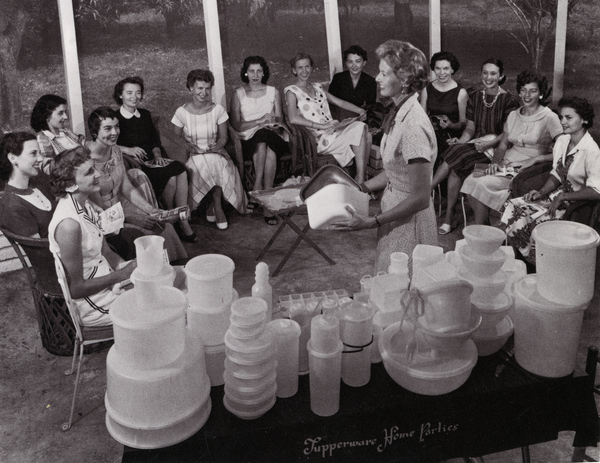
The home party is remembered as a joke: a living room of women, a demonstration, some faintly humiliating games and a catalogue. It is one of the most mocked institutions of mid-century suburban life.
It was also a genuinely radical piece of commercial engineering. It solved a distribution problem that shops could not, it was built and run almost entirely by women at every level, and it put earned money into the hands of people the formal labour market had very little interest in employing.
Here are fifteen things that happened at one in 1968, and why almost none of it was accidental.
1. The Product Could Not Be Sold in a Shop
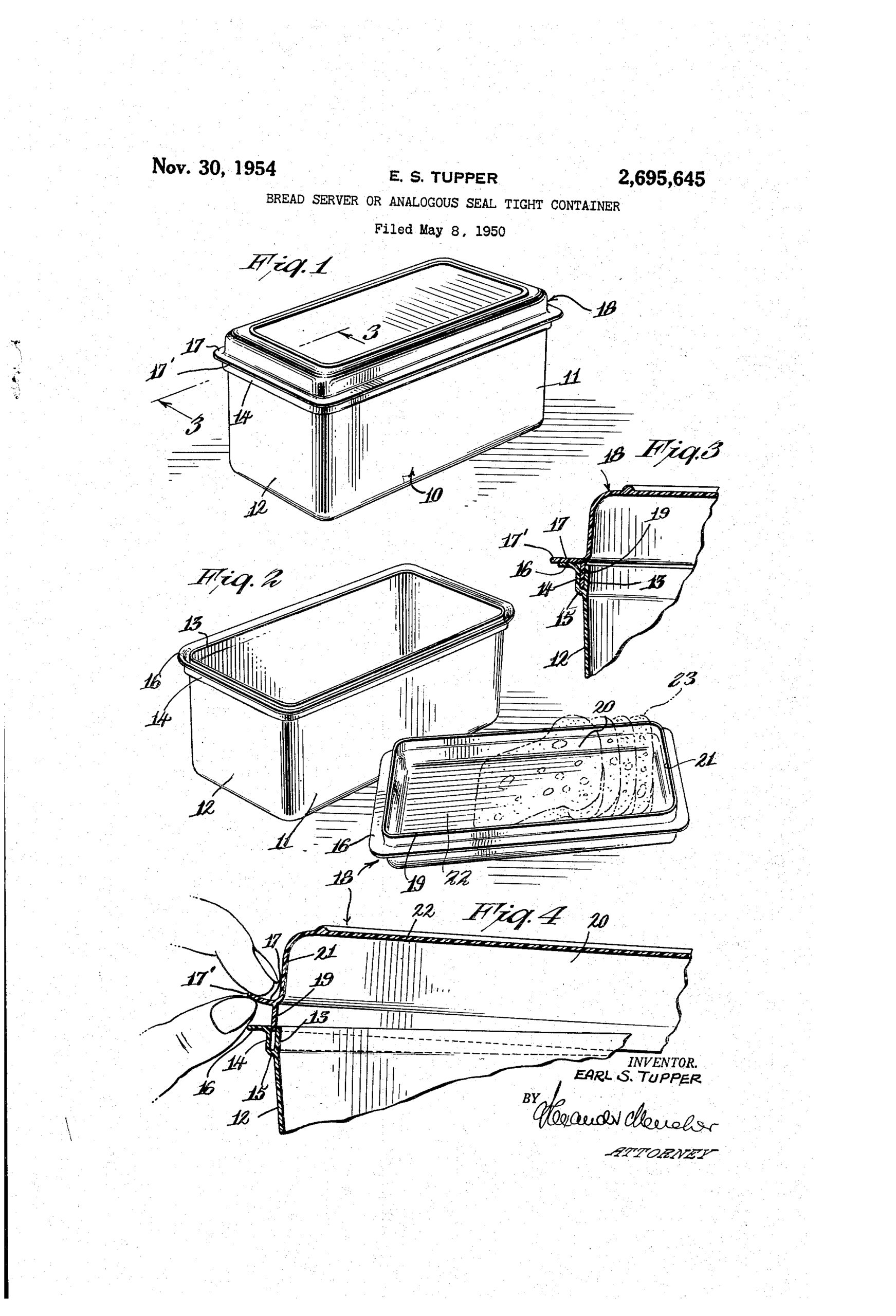
The containers’ selling point was an airtight seal, and the seal had to be demonstrated. A customer looking at a plastic box on a shelf has no way of knowing it is different from any other plastic box, and a shop assistant was not going to fill one with liquid and turn it upside down.
This is the commercial origin of the entire system. The product had failed in conventional retail and succeeded the moment somebody put it in a living room with a jug of water. The party was not a marketing flourish – it was the only format in which the thing could be sold at all.
Like our content? Follow us for more.
2. The Hostess Was Not the Seller
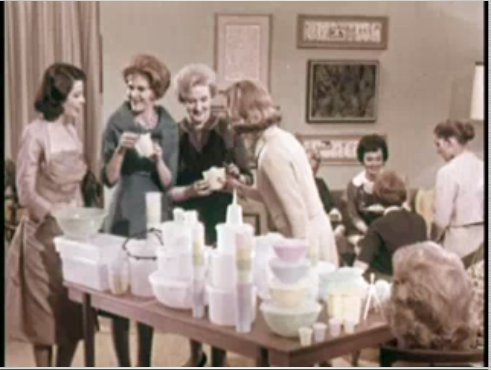
The woman whose house it was did not sell anything. She supplied the room, the guests and the social obligation, and was paid in product on a scale tied to what the party took.
Separating the host from the seller is the structural innovation. It meant the person applying the social pressure was not the person profiting in cash, which made the pressure far more effective and far less resented than a salesperson’s would have been.
3. The Guest List Was the Actual Product
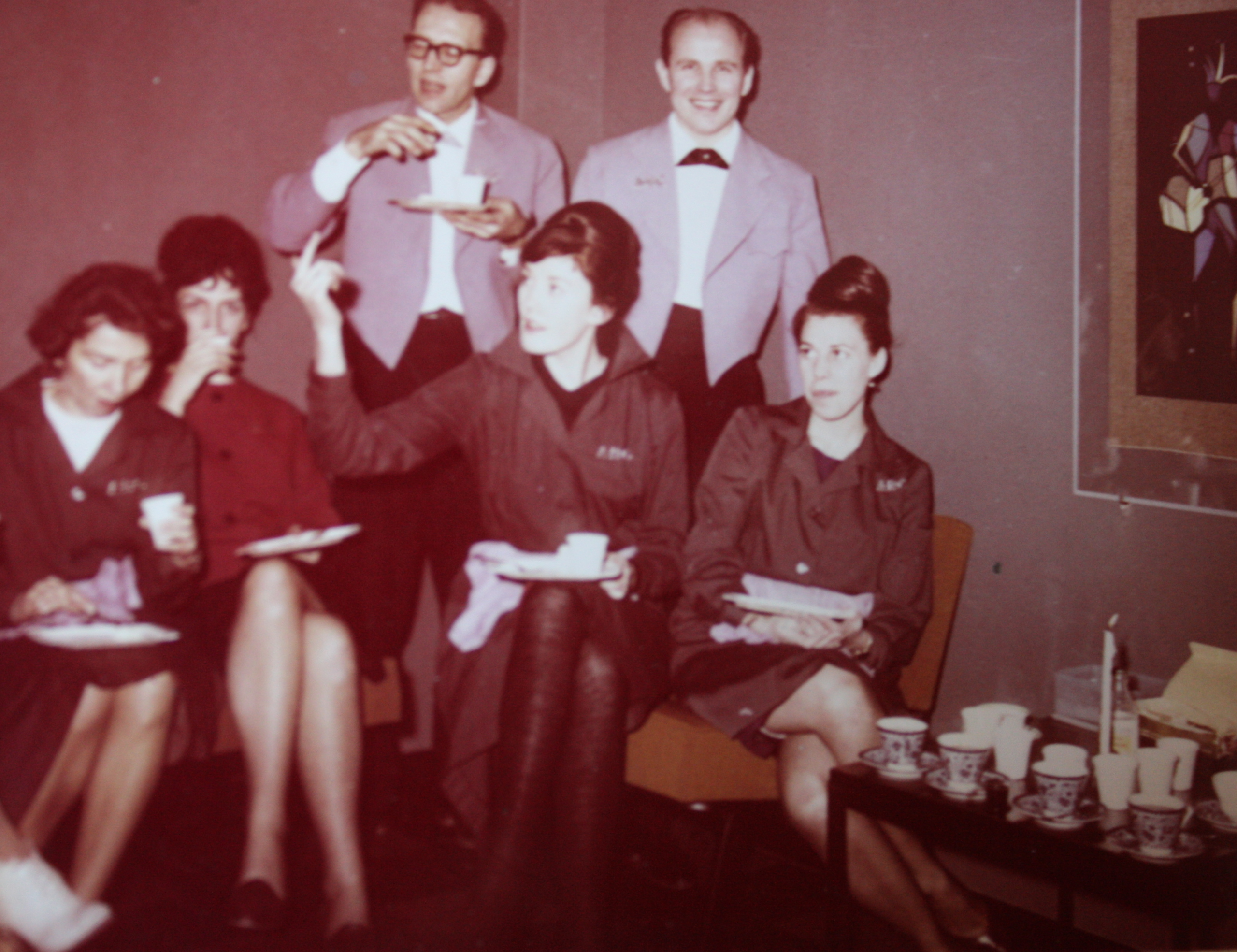
What the company was buying was access to a specific woman’s circle of friends, neighbours and relatives – a list no advertiser could reach and no shop could assemble.
A living room full of people who trust the host is an extraordinarily efficient sales environment, and it costs the company nothing. The modern version of this is an influencer’s audience, and the mechanism is identical.
4. The Games Were a Sales Technique and They Worked
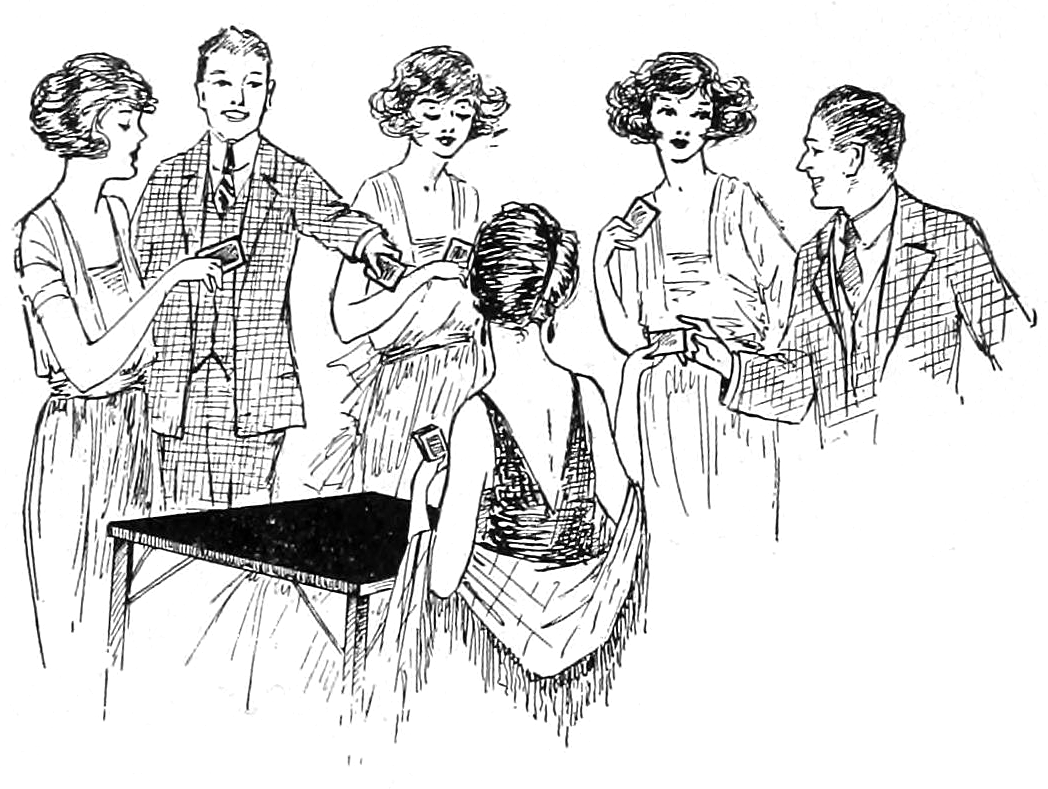
The word games, the guessing games, the passing games and the small prizes are the most mocked element and they were not frivolous. They broke the room’s reserve, they created obligation through small gifts, they produced laughter before any selling started, and they occupied the awkward period while late guests arrived.
Every one of those effects is a recognised feature of how group selling works, and the format was refined over years by people paying close attention to what increased orders. It looked silly because looking silly was the point.
5. The Demonstration Had a Set Structure
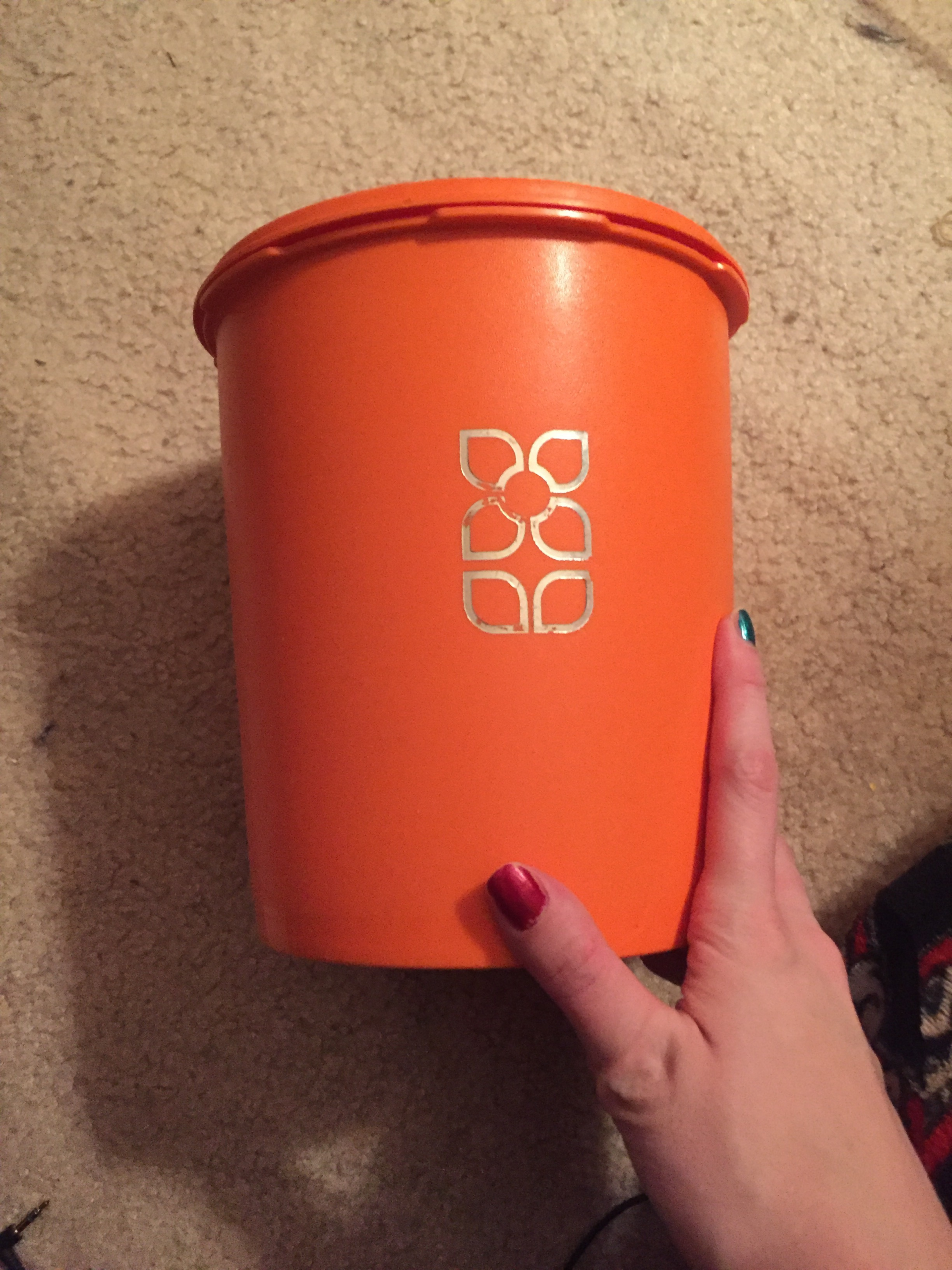
The presentation followed a sequence that dealers were trained in: establish the problem, show the failure of the alternative, demonstrate the seal, pass the item round, state the price last.
Handling the object before hearing the price is a deliberate ordering, and so is demonstrating the failure of whatever the guest currently uses. None of this was invented in the living room – it was taught, rehearsed and standardised.
6. The Woman Running It Was a Self-Employed Dealer
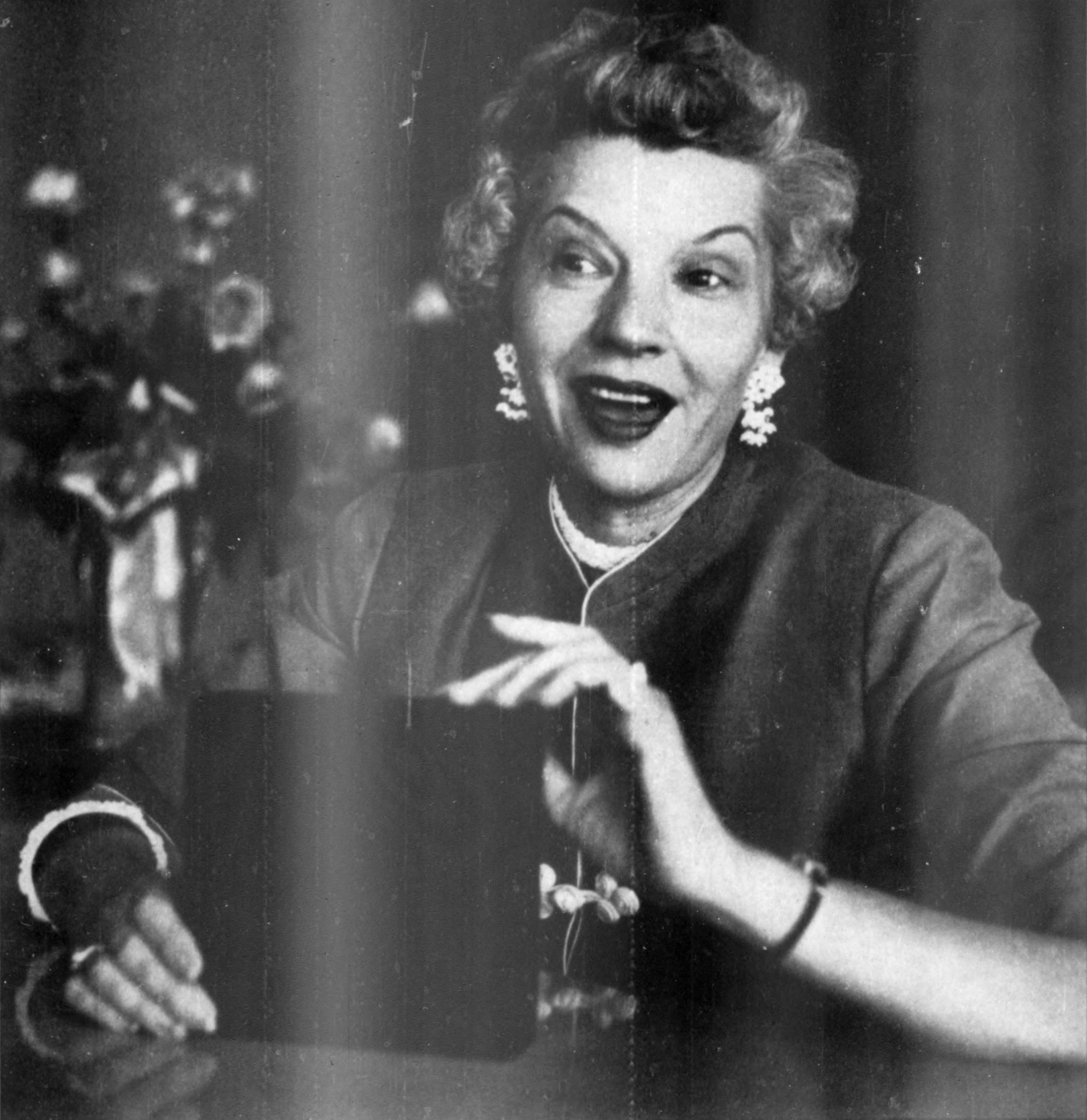
The person demonstrating bought stock at a discount, sold at retail, kept the difference, and carried her own inventory. She was not an employee, had no salary, no benefits and no guaranteed income.
The independence was real and so was the exposure. She also had something extremely unusual for a married woman in 1968, which was money she had earned, in her own name, from work that nobody had hired her to do.
7. Recruitment Was Half the Business
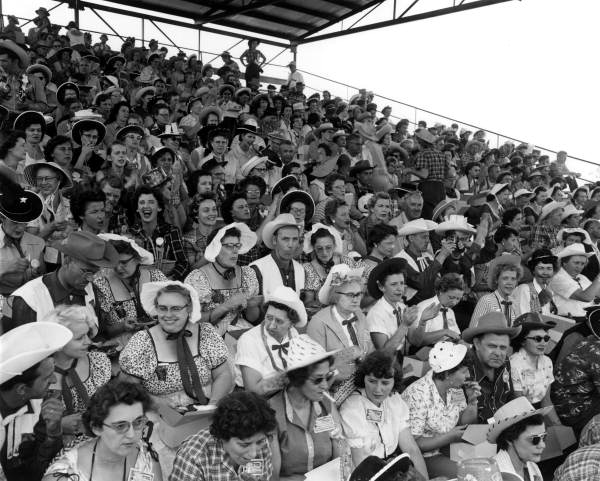
A dealer who recruited other dealers earned on their sales, and progression up the structure depended on building a group rather than on selling more herself.
This is the part that requires honesty. Recruitment-based earning is the structure that, pushed far enough and detached from genuine retail sales, becomes the thing regulators prosecute. In the established direct-selling companies of the period, real product moved to real customers in large volumes, which is the distinction that matters – but the same shape has been used to run arrangements where it did not, and the distinction is not always obvious from inside.
8. She Needed Her Husband’s Signature for Almost Everything Else
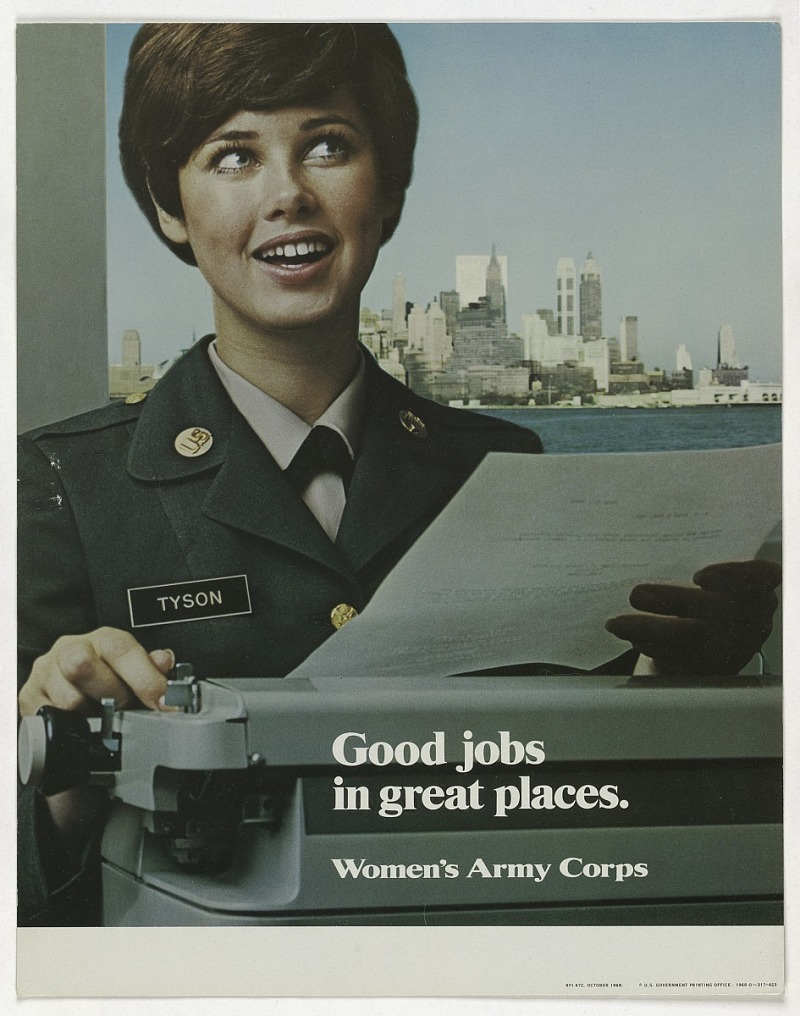
In 1968 a married woman in a great many American states could not reliably obtain credit, a loan or a card in her own name without her husband. The formal labour market was openly restricted, job advertisements were separated by sex, and a woman’s earnings were frequently treated as supplementary by default.
Credit discrimination on the basis of sex and marital status was prohibited in the United States by legislation in the mid-nineteen-seventies, and employment discrimination earlier, but in 1968 neither protection was in place. Against that background, a business a woman could start from her own living room with no interview, no permission and no capital beyond a starter kit was not a quaint hobby. It was one of very few available doors.
9. The Meetings Were Genuinely Motivational and Slightly Evangelical

Above the parties sat a structure of rallies, conventions, recognition ceremonies, badges, pins, crowns and public applause for sales achievement, run with real emotional intensity.
For women whose work was otherwise entirely unrecognised, public recognition in front of a thousand peers was a powerful thing, and the companies understood exactly how powerful. It is easy to mock and it was meeting a genuine shortage.
10. The Prizes Were the Point for a Lot of People

A substantial number of participants were not chasing income. They were working toward a specific object – an appliance, a holiday, a piece of furniture – that household money would not stretch to and that they could obtain by their own effort.
This is the part that gets flattened in retellings. A woman earning a washing machine through her own work, in a household where the money was not hers to allocate, had achieved something the household budget would never have produced.
11. Everybody Smoked and the Coffee Was Constant
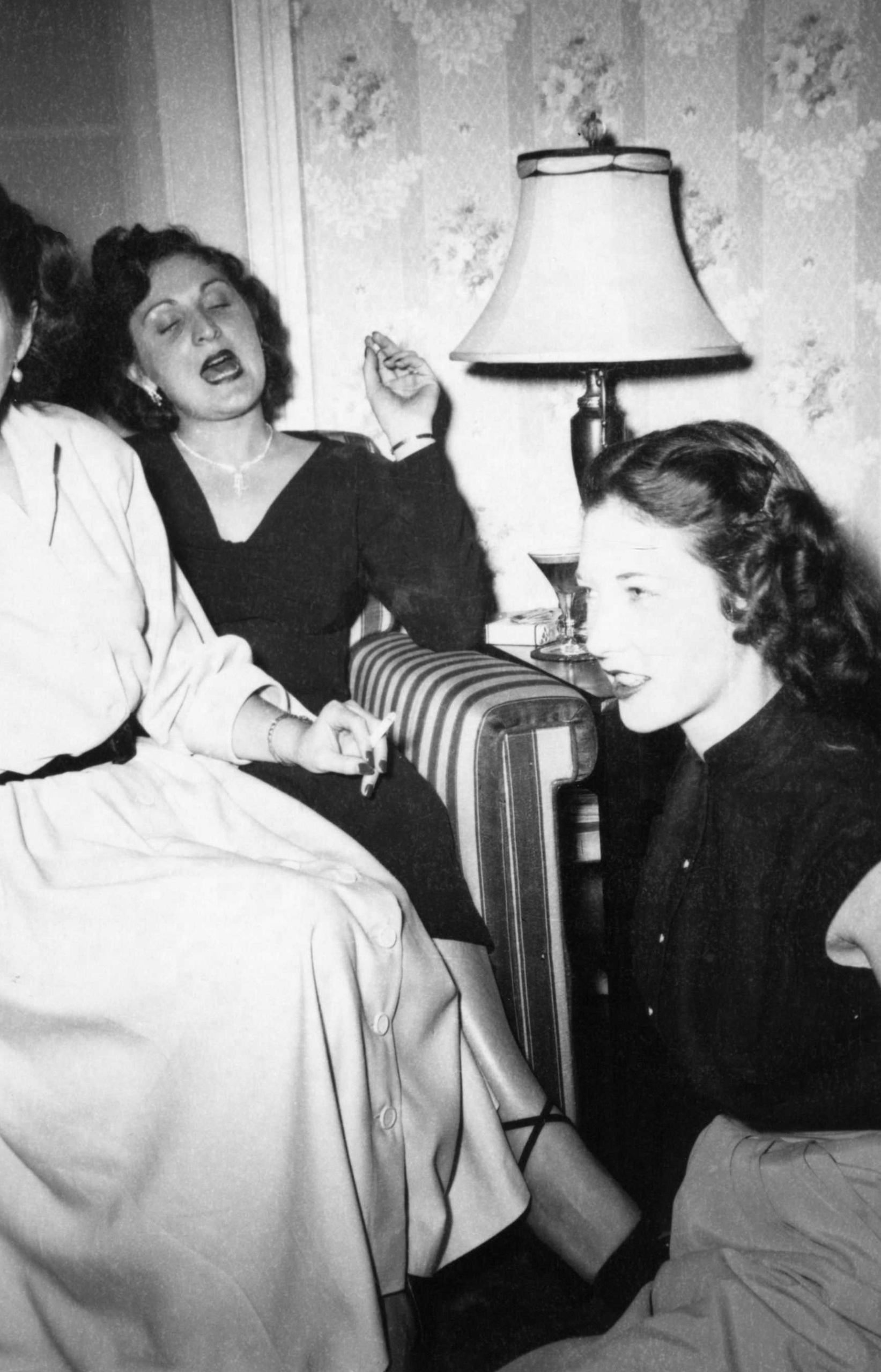
The room was full of cigarettes, there was coffee throughout, and the refreshments were a required element that the hostess provided.
The hospitality obligation on the hostess was real and unpaid, and it is one of the costs that does not appear anywhere in the earnings arithmetic.
12. The Order Form Was Carbon Paper and the Wait Was Weeks
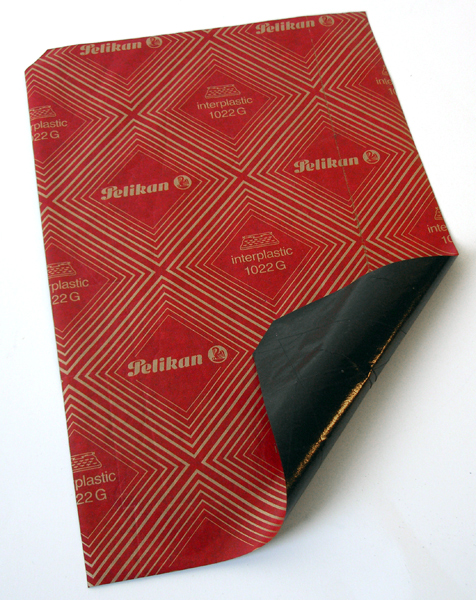
Orders were written by hand in triplicate, collected, posted to a distributor, filled, and delivered back to the dealer, who then delivered to each guest personally – which produced a second visit and a second opportunity.
The delivery visit was not an inefficiency. It was built in, because a dealer standing in a customer’s kitchen with a new product is in the best possible position to book the next party.
13. Nobody Called It Work and It Was Full-Time for Some
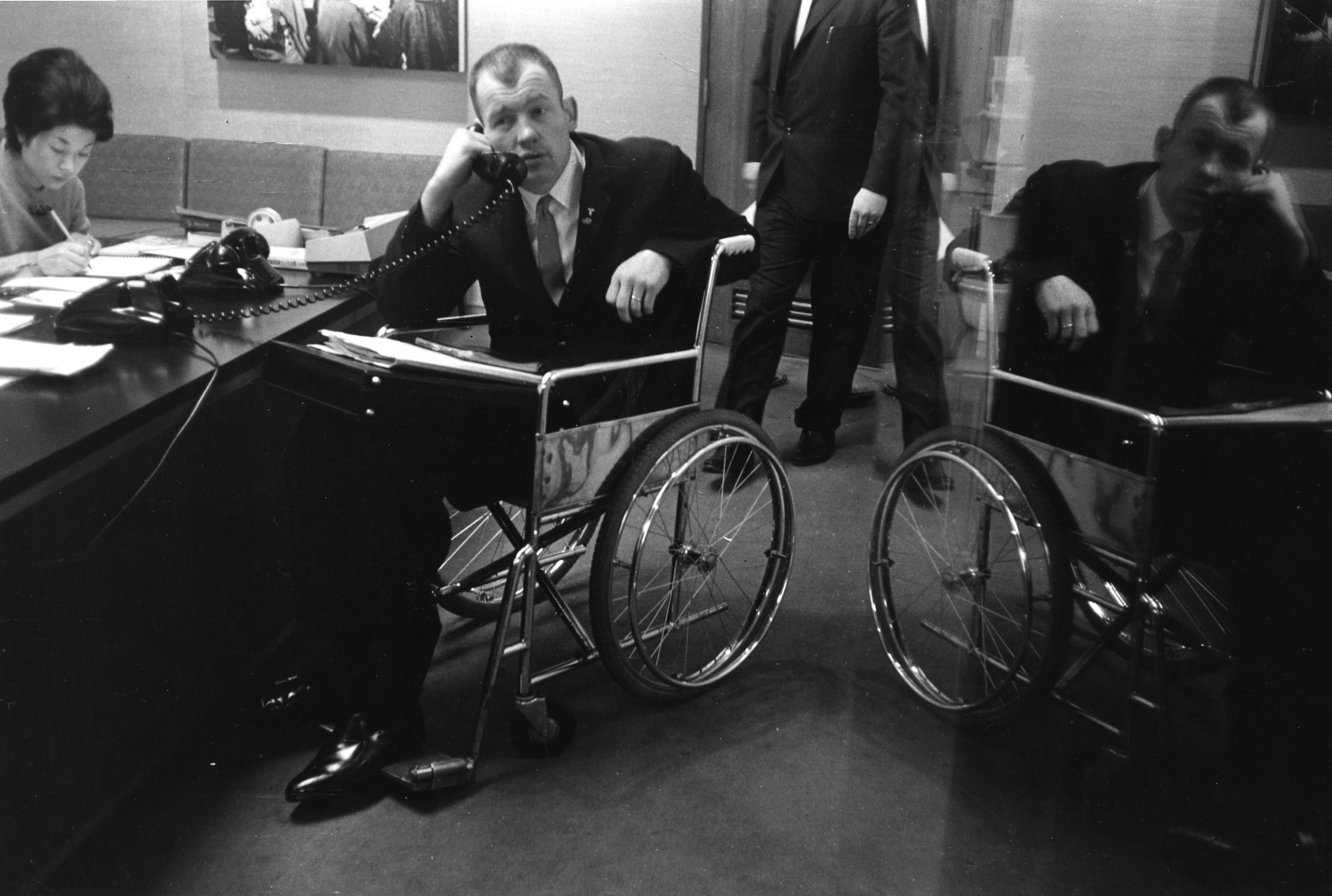
The language throughout was social – a party, a get-together, helping out a friend – and the hours involved in booking, preparing, travelling, demonstrating, chasing orders and delivering could amount to a full working week.
The social framing was essential to the model, because it was what got a woman through a front door, and it was also what allowed the work to be undercounted by everybody including the person doing it.
14. The Products Genuinely Were Better
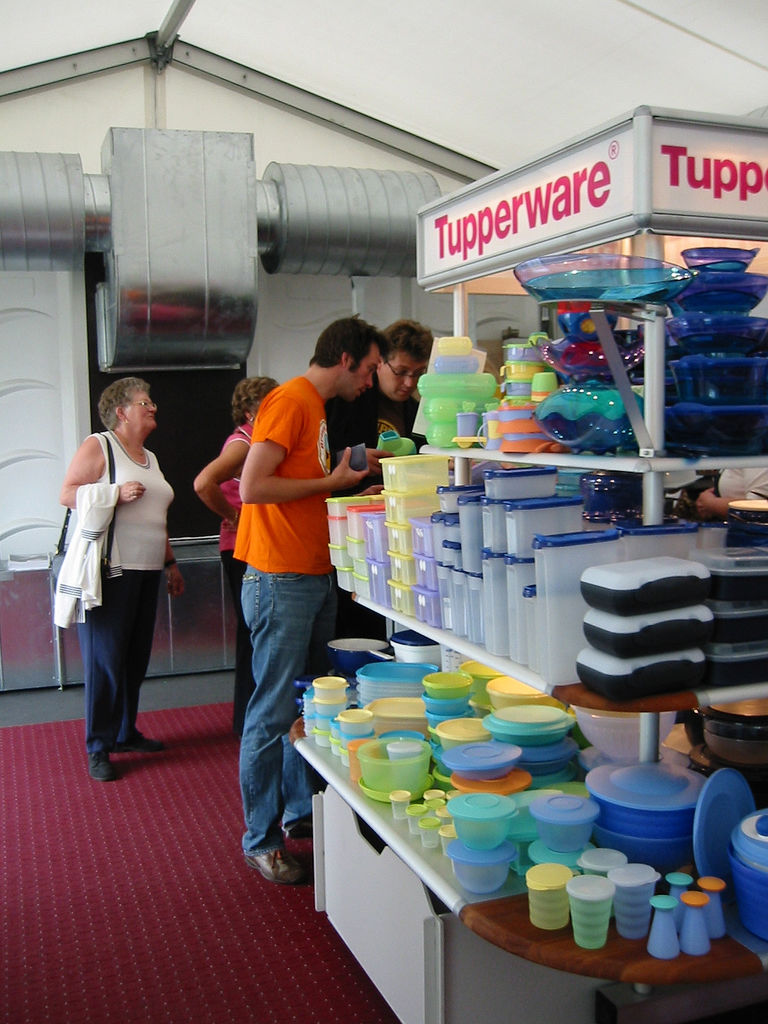
This should be said plainly, because the business model attracts all the attention. The containers worked. The seal was a real innovation, the material was durable, the design was considered, and a great many of the items bought at those parties were still in use thirty years later.
A sales system built on demonstrating a product only works if the demonstration succeeds, and the reason this one ran for decades is that the thing in the hostess’s hands did what the dealer said it would.
15. And Then Women Got Jobs and the Model Lost Its Workforce

The decline came from the thing the system had been substituting for. As the formal labour market opened and women entered paid employment in large numbers, the pool of people for whom a living room business was the best available option shrank – and the same change emptied the daytime living rooms the parties had depended on.
Retail distribution caught up too, and the products eventually appeared in shops. What the model has not lost is its logic: a trusted person with an audience, demonstrating a product, earning on sales and on recruitment, with the social relationship doing the selling. That is now conducted on a telephone rather than in a living room, which is a change of venue rather than of mechanism.
What It Actually Was

Strip away the mockery and the structure is unusually clear.
It solved a real distribution problem. A product whose advantage can only be demonstrated cannot be sold from a shelf, and the living room was the only room in which the demonstration could happen.
It was built on a social asset nobody else could buy, which was one woman’s circle of trust, obtained for a payment in product rather than cash so that the person applying the pressure was not visibly profiting from it.
And it operated in a gap created by exclusion. In 1968 a married woman faced restricted employment, could not reliably get credit in her own name, and had limited access to money she had earned herself. A business requiring no interview, no permission, no qualification and almost no capital was not a lesser option in that context – it was frequently the only one.
The honest qualification is the recruitment structure, which is the same shape that becomes prosecutable when retail sales stop being the point. In the major direct-selling companies of the period a great deal of real product reached real customers, which is the line – but it is a line that can only be seen from the accounts, not from the living room.
And the model declined precisely because the exclusion it exploited began to lift. When women could get the job, the party stopped being the best offer available.
The easiest thing to do with this subject is laugh at it – the games, the pins, the crowns, the relentless cheerfulness of it all.
The harder and more accurate thing is to notice what it was doing. A woman who could not open a credit account without her husband’s signature could, by Thursday evening, be running a business in her own front room, earning money nobody had granted her permission to earn, and standing on a stage in front of a thousand people who knew exactly what it had taken. The games were silly. What they were attached to was not.
Like our content? Follow us for more.