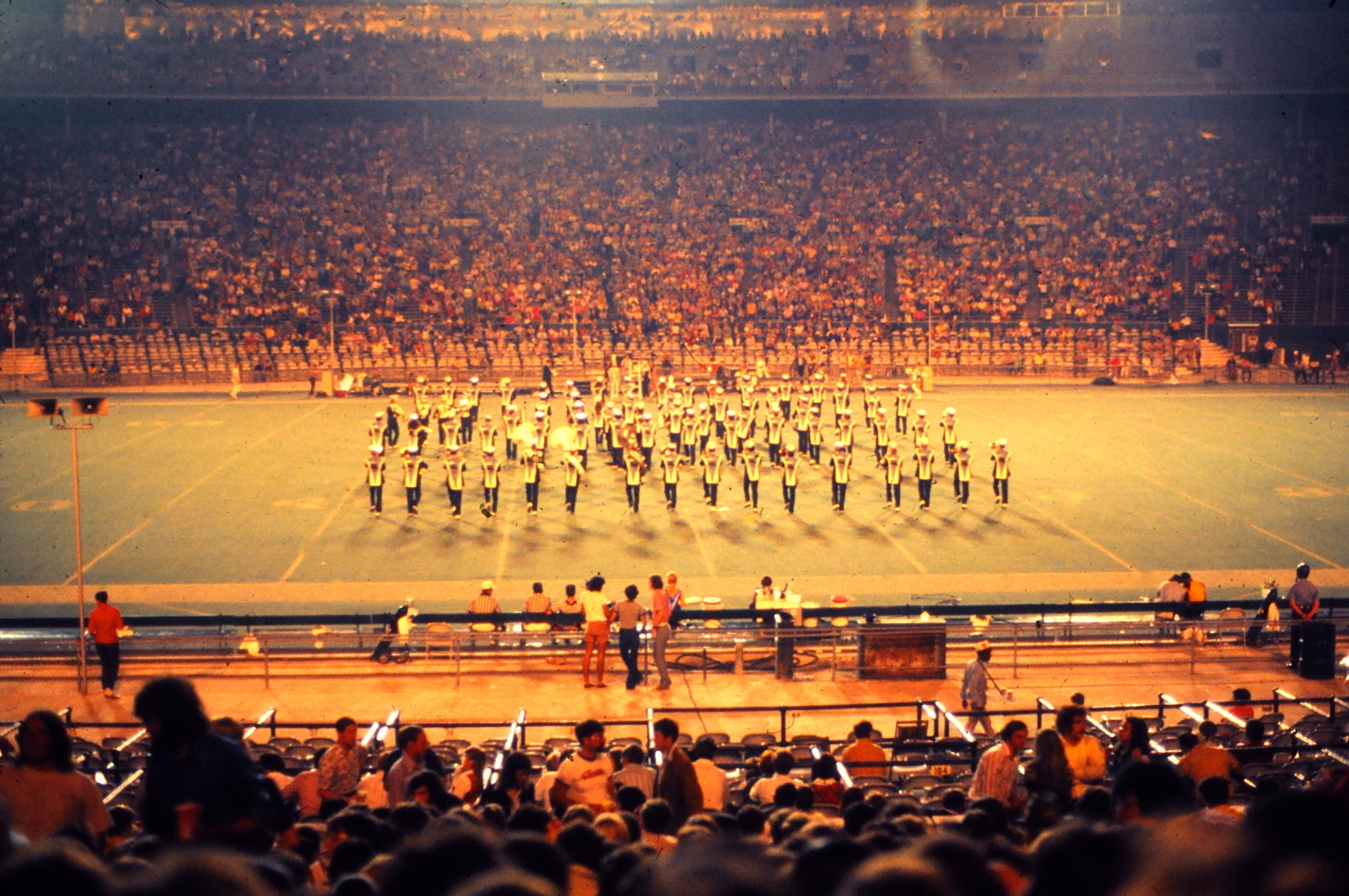
Marching band in 1972 was a military activity wearing a school’s colours. The drill came from the parade ground, the discipline came from the parade ground, and the uniform came from the parade ground by way of a tailor who had never considered what August is like in Alabama.
Roughly a hundred thousand American teenagers did this every autumn. They gave up a month of summer, carried heavy brass several miles a week, and performed an eight-minute show that nobody filmed. Most of them remember it as the best thing about high school.
Here are twelve things that were standard practice in 1972 and would now require a policy review, a budget line, or a conversation with the district’s lawyer.
1. The Uniforms Were Wool, and Nobody Had Thought About September
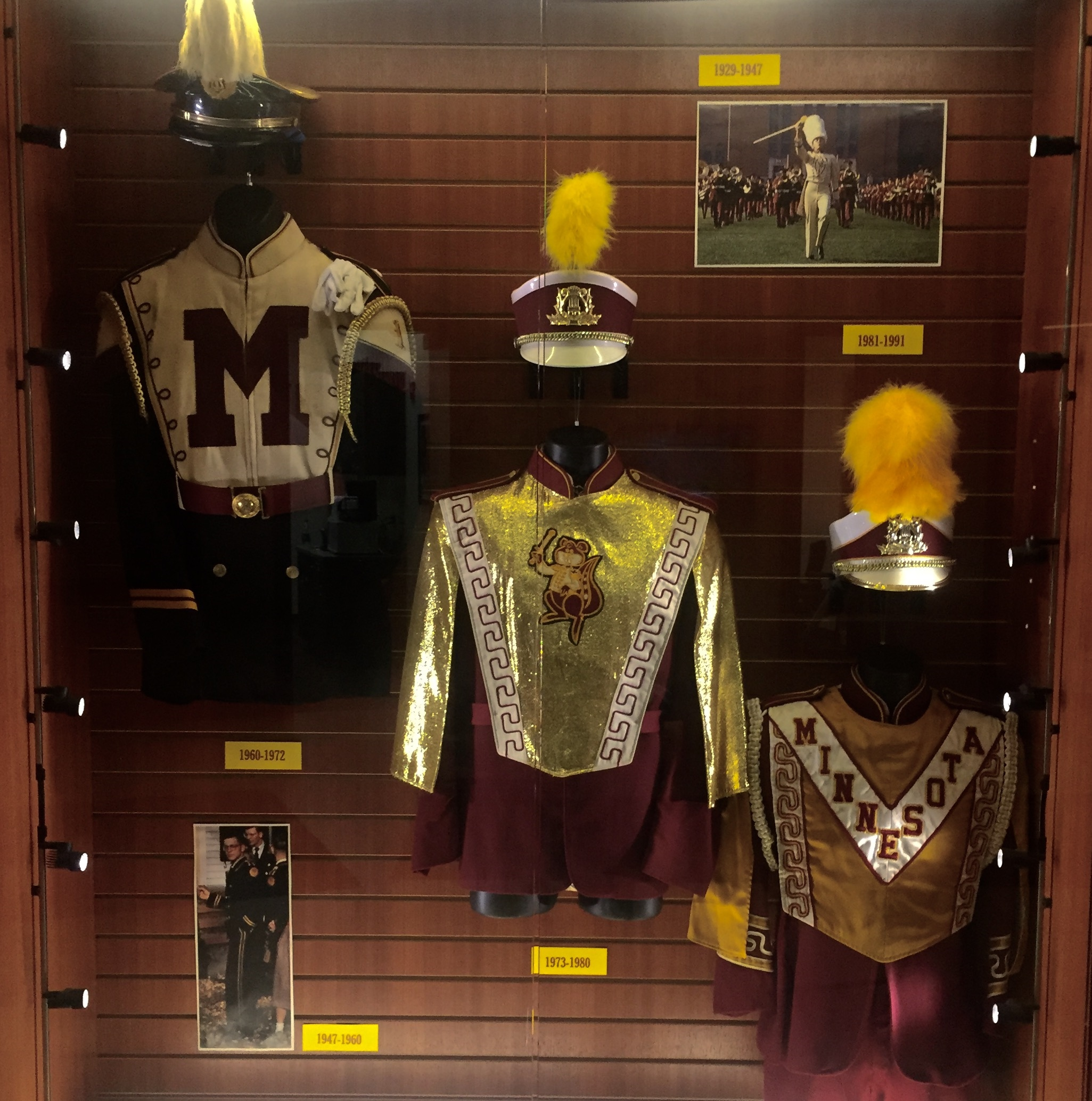
The standard high school marching band uniform in 1972 was heavy wool with a full-length jacket, a high collar that fastened at the throat, and a bib front that buttoned across the chest. It had been designed on a military pattern, because that is where marching bands came from, and military tailoring in the northern hemisphere assumes you are marching in moderate weather or being inspected indoors.
Football season begins in late August. A ninety-piece band in full wool, standing on an open field at two in the afternoon in Georgia or Texas or southern Illinois, was a heat casualty event waiting to happen, and it regularly happened. Directors carried salt tablets. Parents stationed themselves with coolers. Students fainted in formation and were carried off by the two people nearest them, which was itself a drilled manoeuvre in some programmes. The modern answer – lightweight synthetics, bibbers instead of full trousers, shakos ventilated at the crown – did not arrive in quantity until the 1980s.
Like our content? Follow us for more.
2. Every Instrument Was Carried, Including the Ones That Should Not Have Been
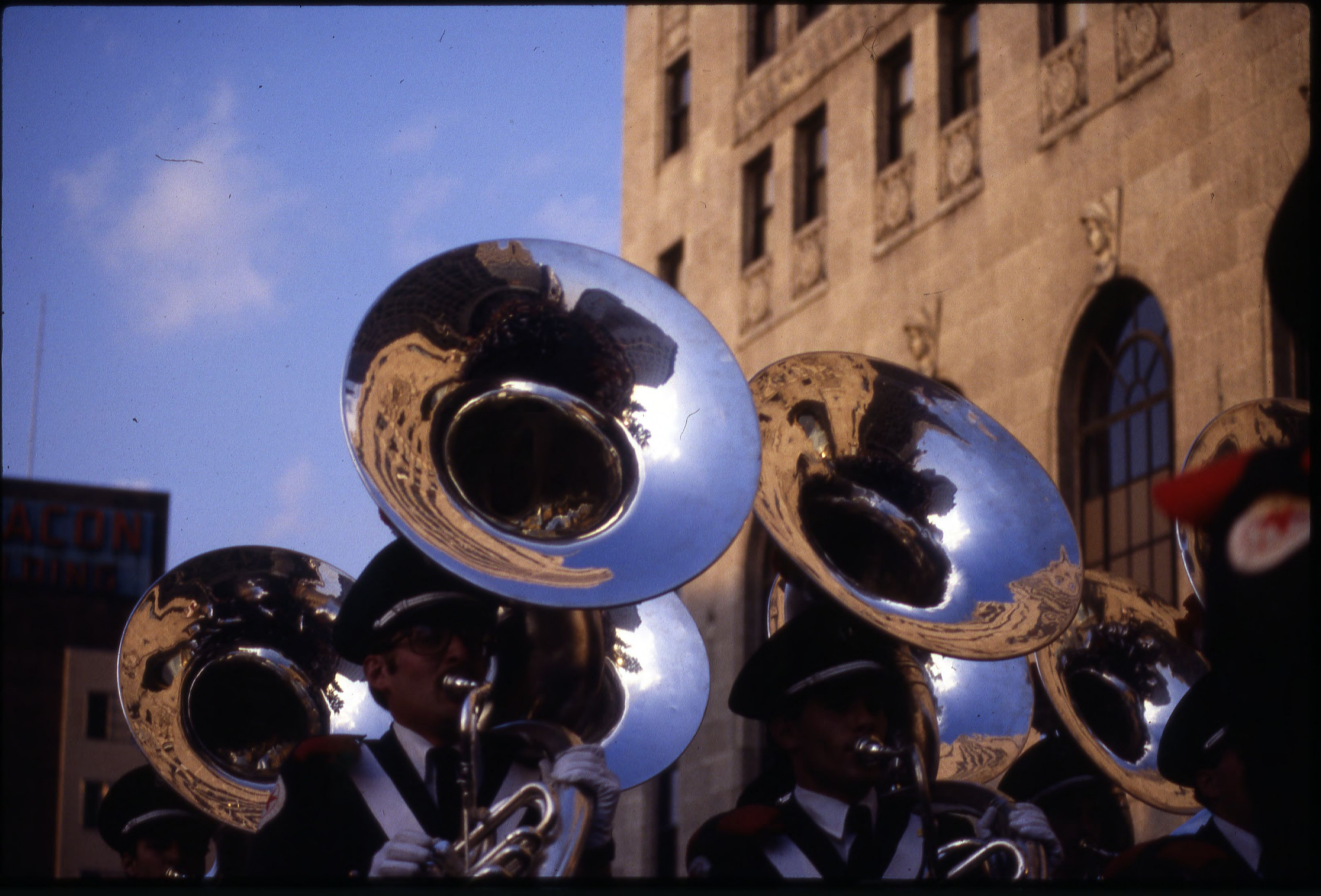
Sousaphones in 1972 were brass. A brass sousaphone weighs between thirty-five and forty-five pounds, and it is carried on one shoulder, which means the load is asymmetric and the spine compensates by bending. Fibreglass models existed and had existed since the late 1930s, but they cost money and school districts replace instruments on a twenty-year cycle at best.
The same held for the bass drum, the baritones, and the marching French horns. A student who played sousaphone for four years spent four autumns walking eight or ten miles a week with forty pounds on one side of their body. Nobody measured what that did. There were no load-distribution harnesses, no weight limits by student size, and no conversation about whether the smallest freshman should be assigned the heaviest horn – which, because sousaphone players were chronically short, is frequently exactly who got it.
3. Practice Started in July, Before the School Year Existed
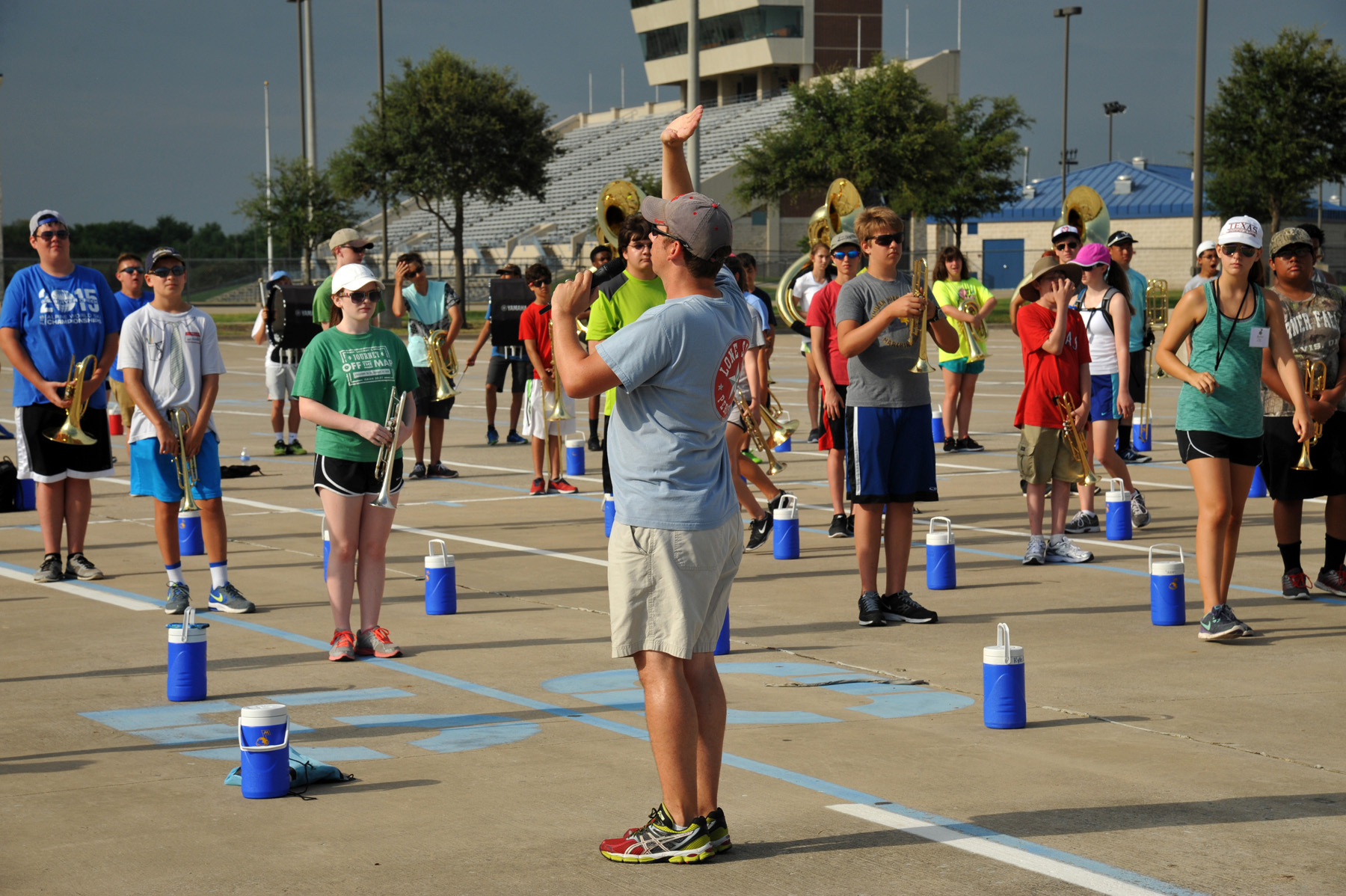
Band camp was not an optional enrichment activity. In most programmes it was a two-week residential or daily commitment in mid-to-late July, six to nine hours a day, and attendance was effectively mandatory because the show could not be set without you. Students reported to a parking lot or a practice field at eight in the morning and were still there at five.
Nothing else in the school calendar did this. Football had two-a-days, but football was football. The band was asking an academic elective to consume a month of a student’s summer before a single day of the school year had begun, and it was asking it of a hundred teenagers at once. The hours were unpaid and uncredited. Parents accepted it because the alternative was a child who was not in band, and in a lot of towns the band was the thing.
4. The Drum Major Had Real Authority Over Other Students
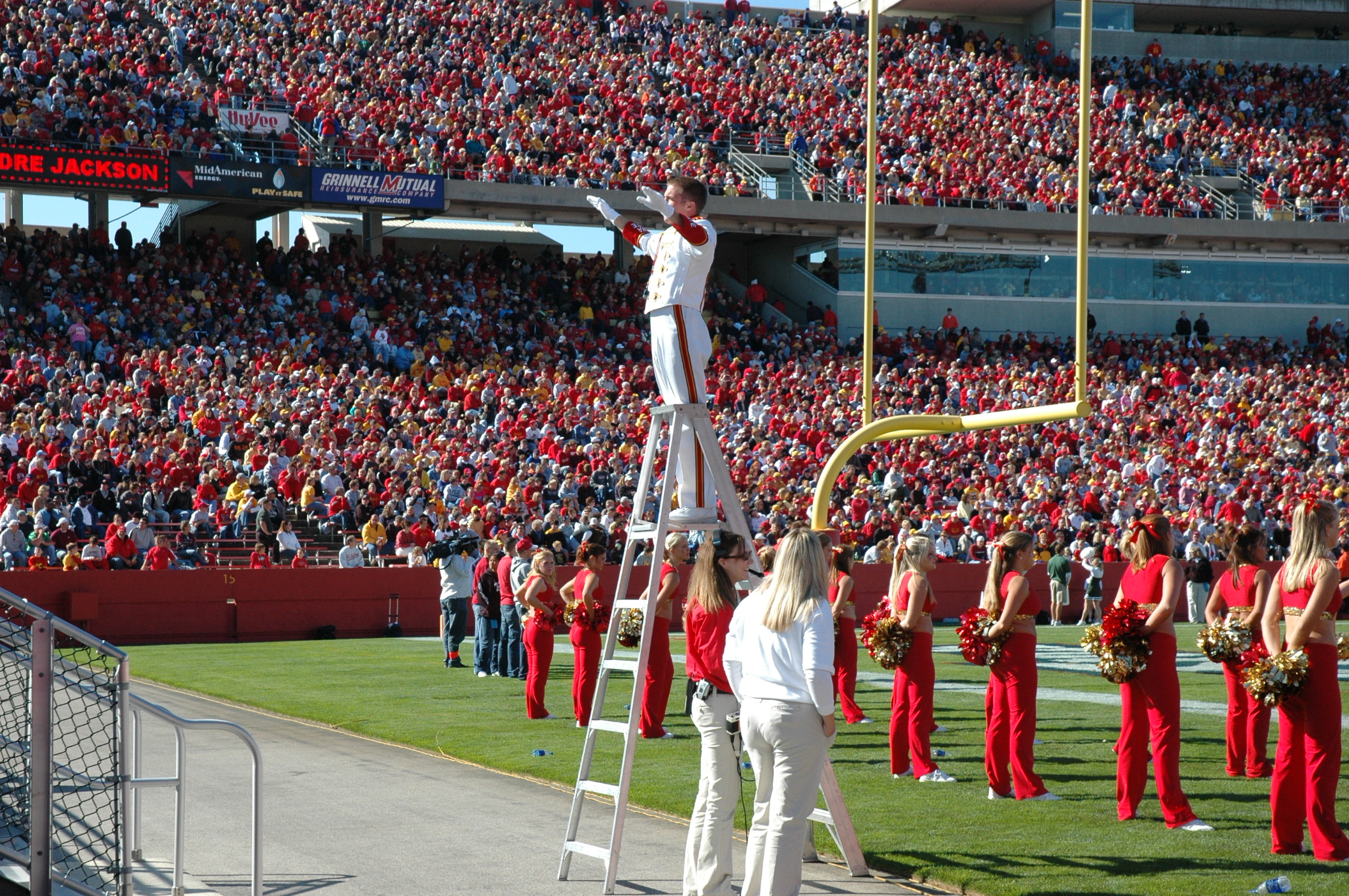
The drum major was a student, usually a junior or senior, who stood on a podium and conducted. But the role carried command authority that would be unusual now: the drum major called the band to attention, dismissed them, enforced silence in the ranks, and in many programmes had the standing to discipline – to order push-ups, to send a student off the field, to report to the director.
This was a seventeen-year-old exercising punitive authority over other seventeen-year-olds with the school’s endorsement. The structure came directly from military drill and nobody found it strange. Modern programmes have mostly kept the podium and the conducting and quietly removed the disciplinary power, which now sits with adults, because the obvious problems with the old arrangement eventually became obvious.
5. The Shows Were Military, Not Theatrical
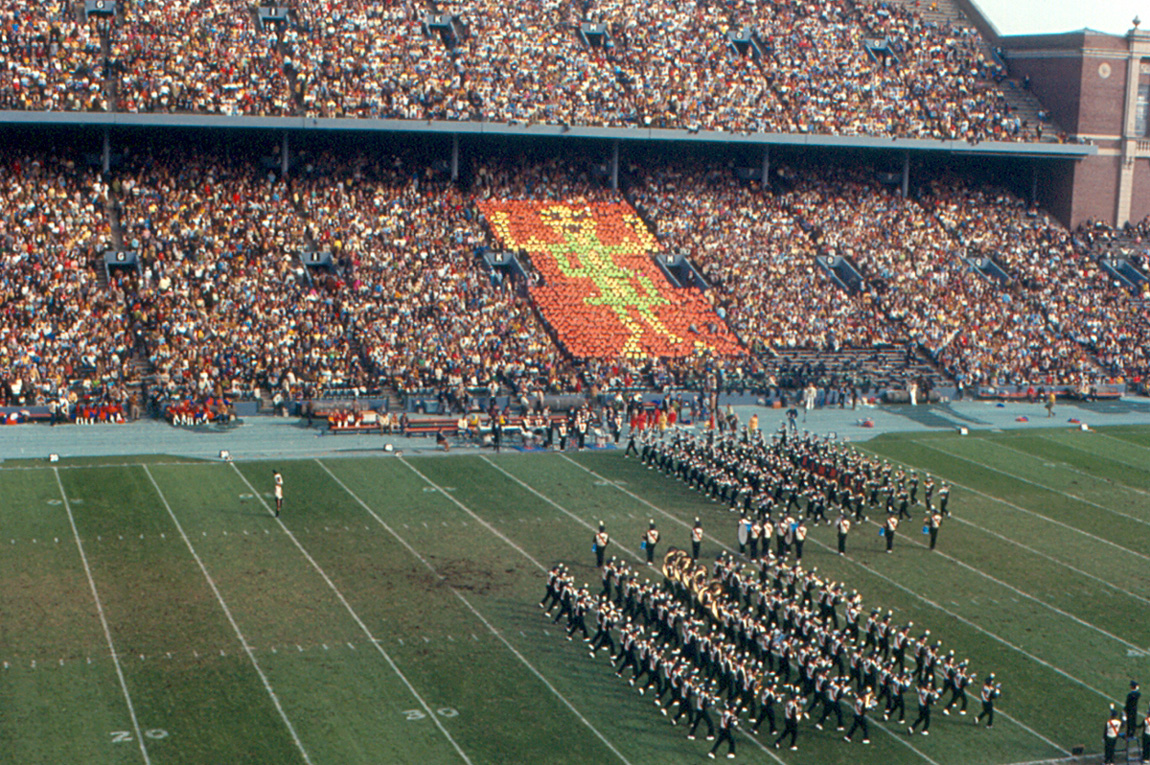
A 1972 field show was built from block formations, straight-line marching at eight steps to five yards, and shapes that resolved into recognisable images – a state outline, a set of letters, a bell. The band played in a forward-facing block most of the time. Movement happened between formations, not during them, and musical difficulty was secondary to precision of alignment.
The modern competitive field show – asymmetric drill, continuous motion while playing, a front ensemble of mallet percussion parked on the sideline, a narrative theme, props – is a product of the drum corps influence that swept through high school programmes from the late 1970s onward. Somebody who marched in 1972 and watched a 2020 show would recognise the uniforms and almost nothing else about what the band is doing.
6. Girls Had Only Recently Been Allowed in Some Sections
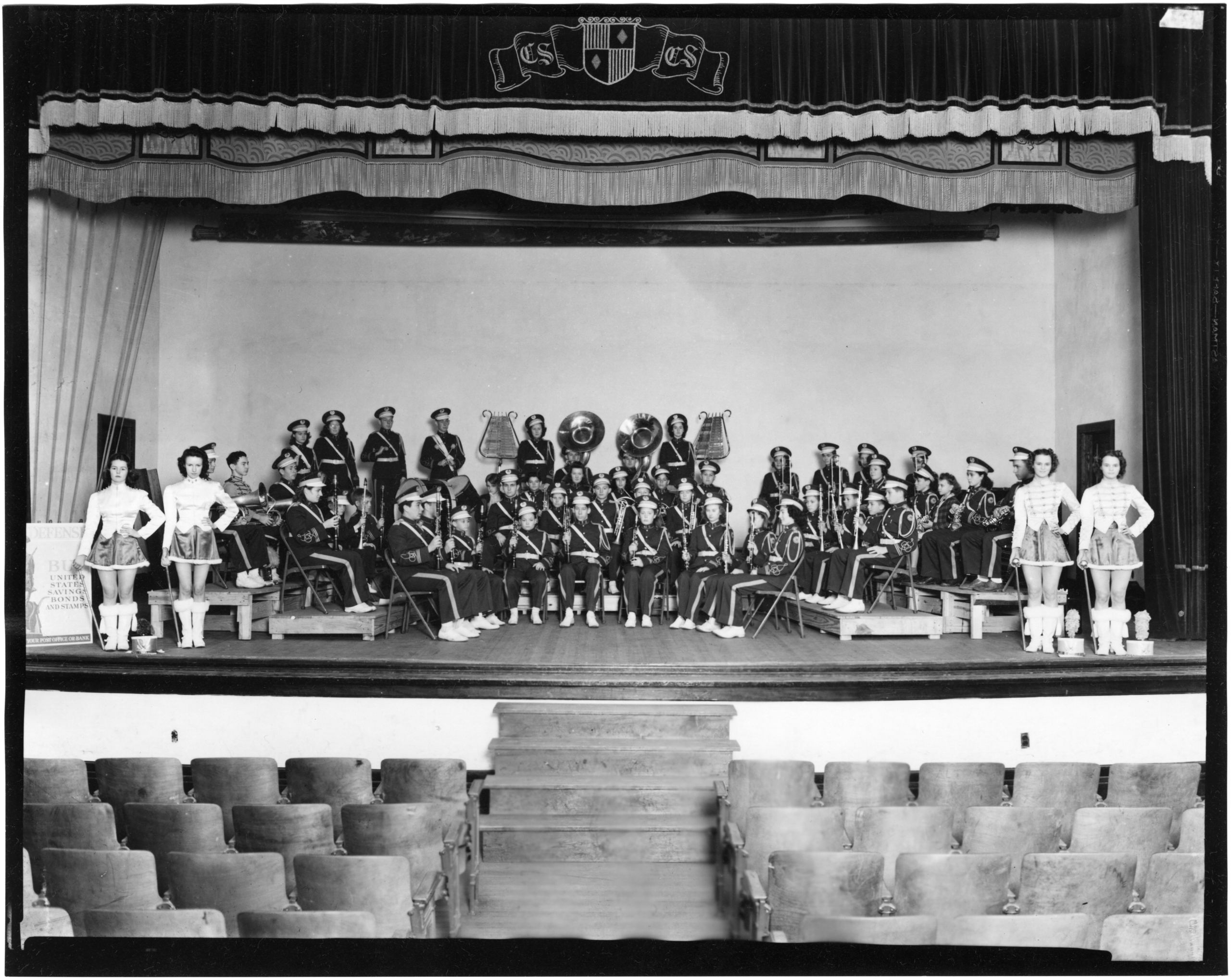
Marching band was coeducational earlier than most school activities, but not uniformly, and not in every section. Drumline in particular was a holdout – a number of programmes kept percussion male into the 1970s on the stated grounds of the weight of the equipment, which was an argument that nobody applied to the colour guard carrying rifles.
Title IX passed in June 1972 and changed the conversation on school activities generally, though its direct force was on athletics. Band’s integration was mostly social and gradual, driven by individual directors and individual students who pushed. By the 1980s the question had effectively closed. In 1972 it was still live enough that a girl auditioning for snare in some districts was doing something that required an argument.
7. Halftime Was the Point, and the Crowd Stayed
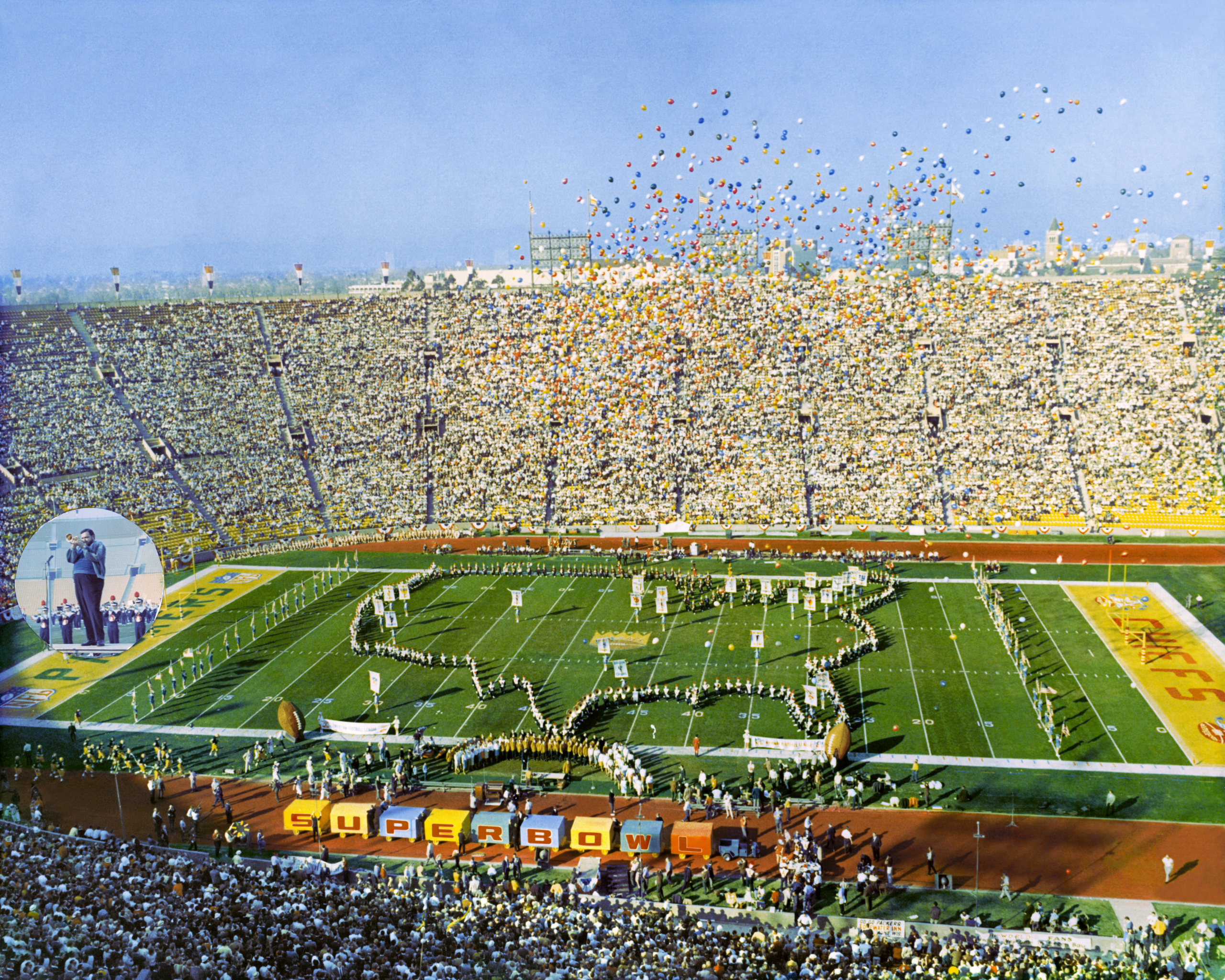
In 1972 a high school football crowd largely remained in the stands for halftime. The band’s performance was a scheduled part of the evening, announced over the public address, and watched. Programmes printed the show’s selections. Local papers reviewed the band alongside the game.
That attention has thinned. The concession rush, the phone, and the general compression of halftime have turned the field show into something a portion of the crowd experiences as background. Competitive band circuits absorbed the displaced attention – a modern competitive programme performs for a judging panel and an audience of other bands’ parents, which is a real audience but a different one. The Friday night crowd, as the primary audience, is largely gone.
8. The Instruments Were Repaired, Not Replaced
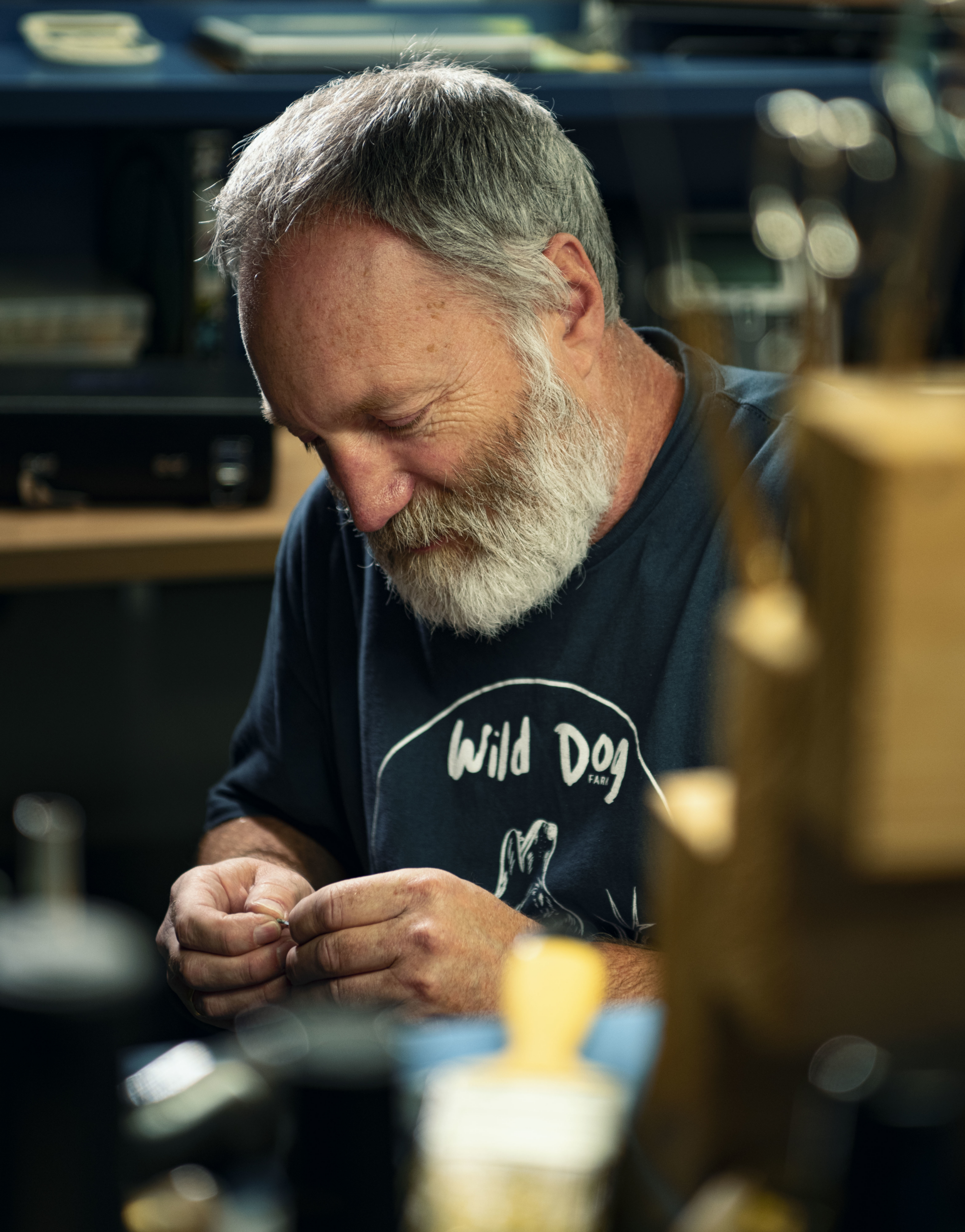
Every district of any size had a relationship with an instrument repair shop, and the shop was a real business with a bench, a buffing wheel, a dent-removal mandrel set, and somebody who could re-solder a brace or replace a pad set on a clarinet overnight. School horns came back from it repeatedly over a service life measured in decades.
Two things ended this. Imported student instruments fell in price through the 1980s and 1990s until a new entry-level trumpet cost less than a serious overhaul of an old one, and the repair trade aged out without replacing itself. A great many towns that had a band instrument repairman in 1972 now ship horns to a regional shop and wait three weeks, which is why a modern director keeps spares instead of keeping a relationship.
9. Nobody Was Recording It
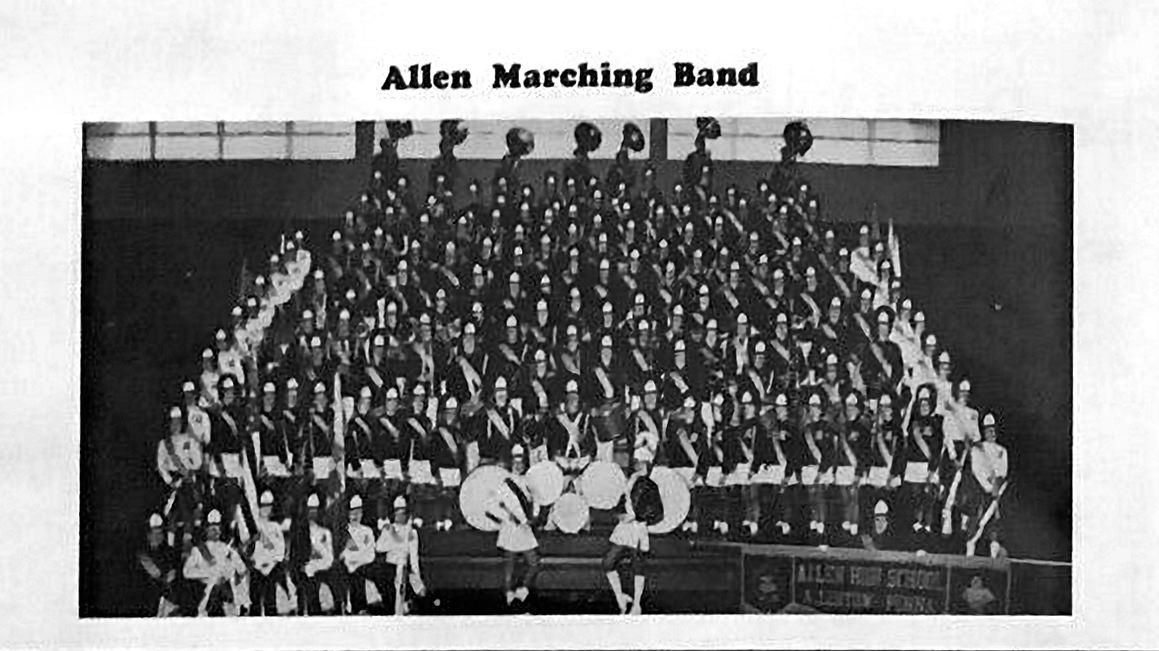
A 1972 field show existed on the afternoon it was performed and then stopped existing. Some programmes had a parent with a reel-to-reel deck in the stands, or a booster club that paid for a vinyl pressing of the concert band’s spring programme. Film was expensive and the angles were wrong. The overwhelming majority of shows were never recorded in any form.
What survives is a stack of still photographs, a handful of programmes, and the memories of the people who were on the field. A band that spent four hundred hours on an eight-minute show has, fifty years later, nothing to show anybody. Modern programmes record every rehearsal from a tower for the director’s own review, which is better for the teaching and has entirely removed the quality that made the old shows feel like events: they happened once.
10. The Director Was Often the Entire Music Department
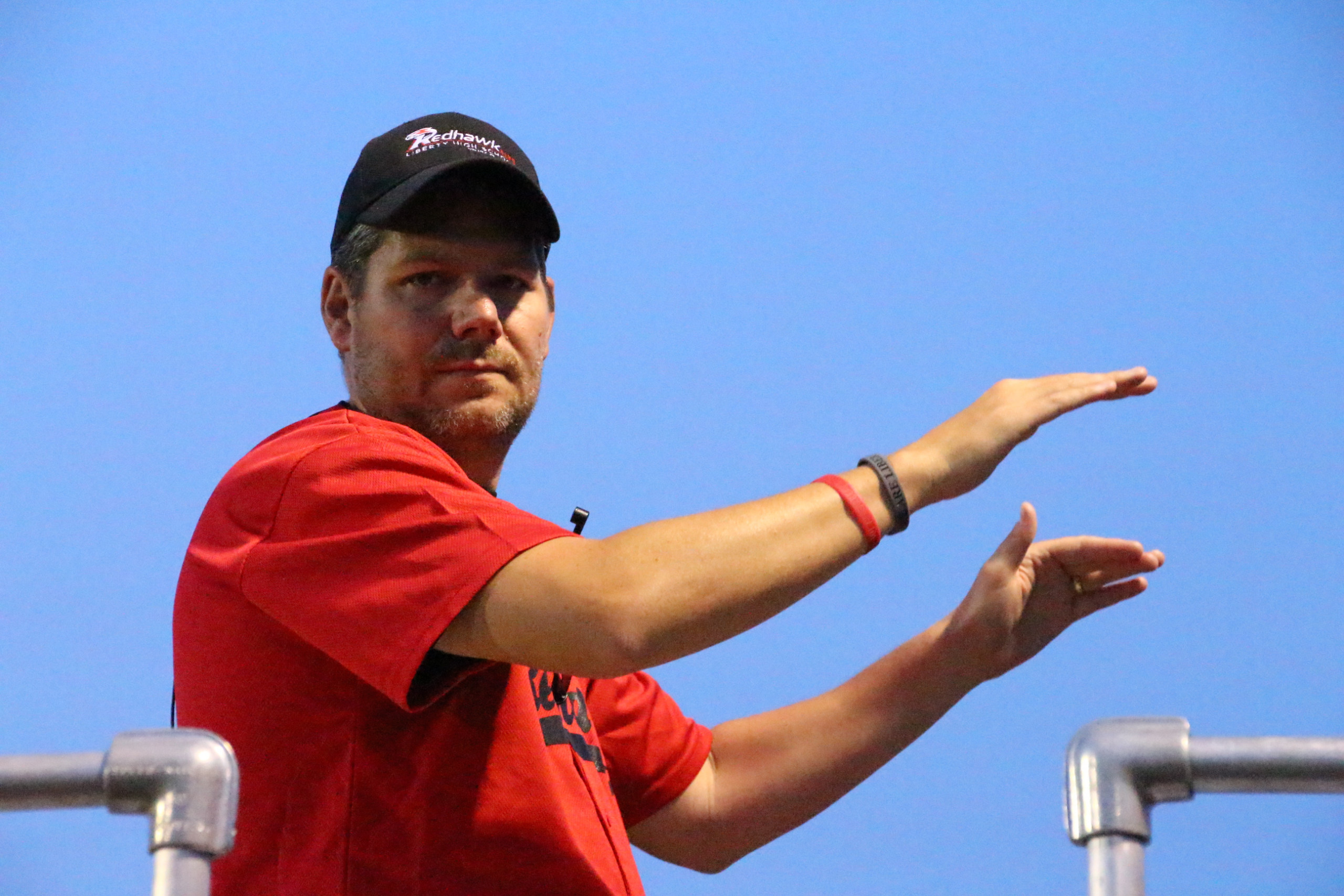
One person typically taught marching band, concert band, jazz band, beginning instruments at the middle school, music theory if it was offered, and in smaller districts chorus as well. They wrote or adapted the drill, arranged the music when the budget would not stretch to published charts, drove the equipment truck, and ran the booster meetings.
The workload was not a secret and it was not compensated beyond a modest activity stipend. It was simply what the job was. Burnout rates were high and tenure in any one district was often short. Modern programmes of comparable size run with a director, an assistant, a percussion specialist, a colour guard instructor, and a drill writer who is contracted from outside – five people, and it is still demanding.
11. Fundraising Was Candy, Door to Door, by Children

The band funded its uniforms, its trips, and often its instruments by sending students into residential neighbourhoods with cases of chocolate bars, tins of popcorn, or booklets of coupons, and telling them to knock. A student was expected to sell a quota. Students who did not sell their quota were sometimes barred from the trip the fundraiser was paying for.
The whole apparatus depended on a world where an adult opening a door to a child selling something was unremarkable, where the child walked the route alone, and where the money came back in cash in an envelope. All three assumptions have been withdrawn. Band fundraising now runs on online storefronts, corporate sponsorship, and direct parental donation, which raises the money with far less walking and has removed one of the few genuinely common experiences the activity used to produce.
12. The Bus Trip Was Unsupervised in Ways Nobody Discusses
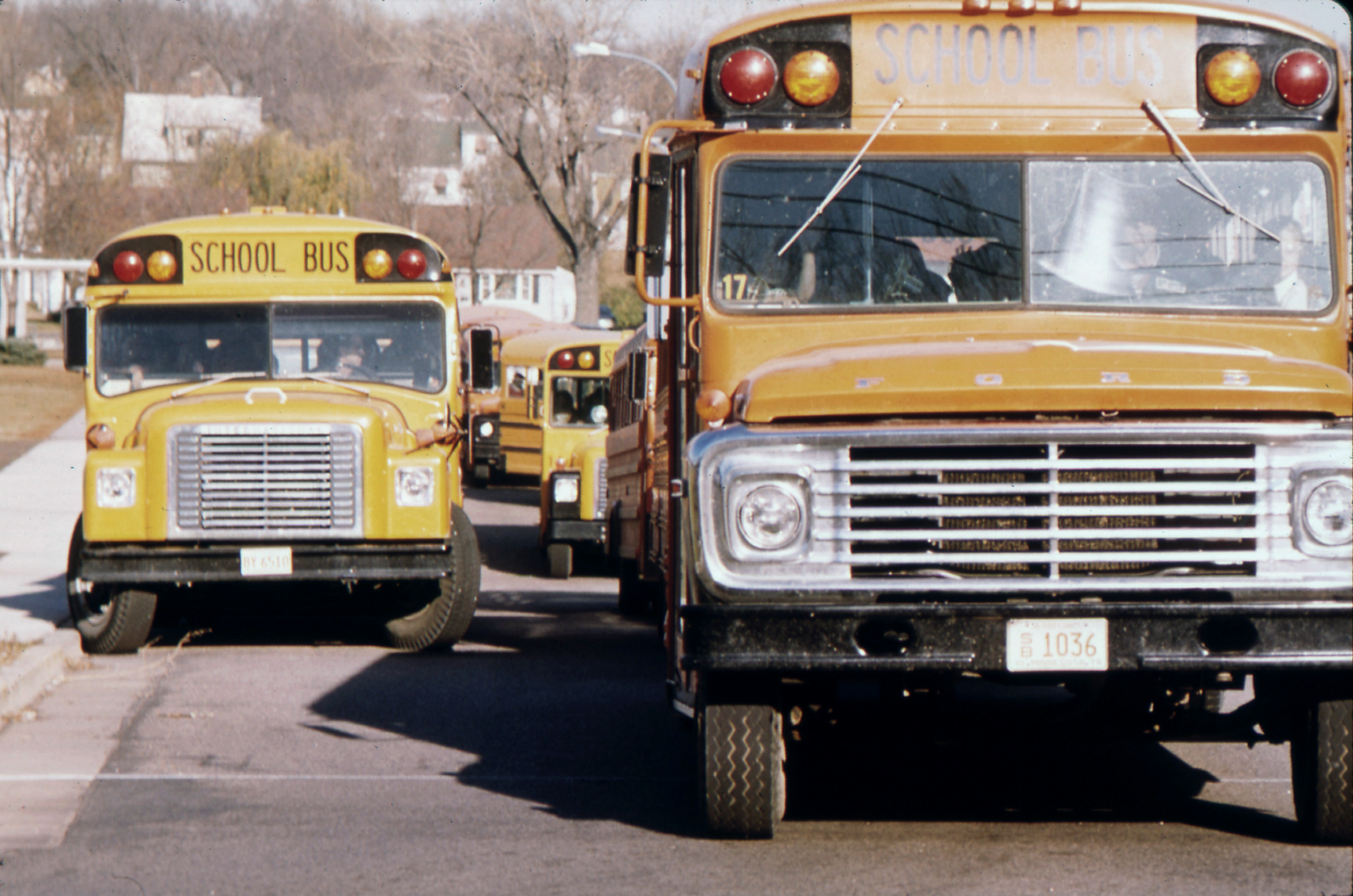
A hundred students, two or three chaperones, four hours each way, and a bus with high seat backs. Directors sat at the front. Chaperones were parents who had volunteered and who were, by the third hour, asleep. What happened in the back half of a band bus in 1972 was managed by the students themselves, for better and for worse.
Every programme now runs on a chaperone ratio, a seating chart, lights-on policies, a phone-contact chain, and in many districts a camera. The change was not driven by any single incident but by a general reassessment of what unsupervised means when the adults are outnumbered thirty to one. Anybody who was on those buses understands exactly why the policies exist and will usually, in the same breath, tell you the bus was their favourite part.
What Actually Changed
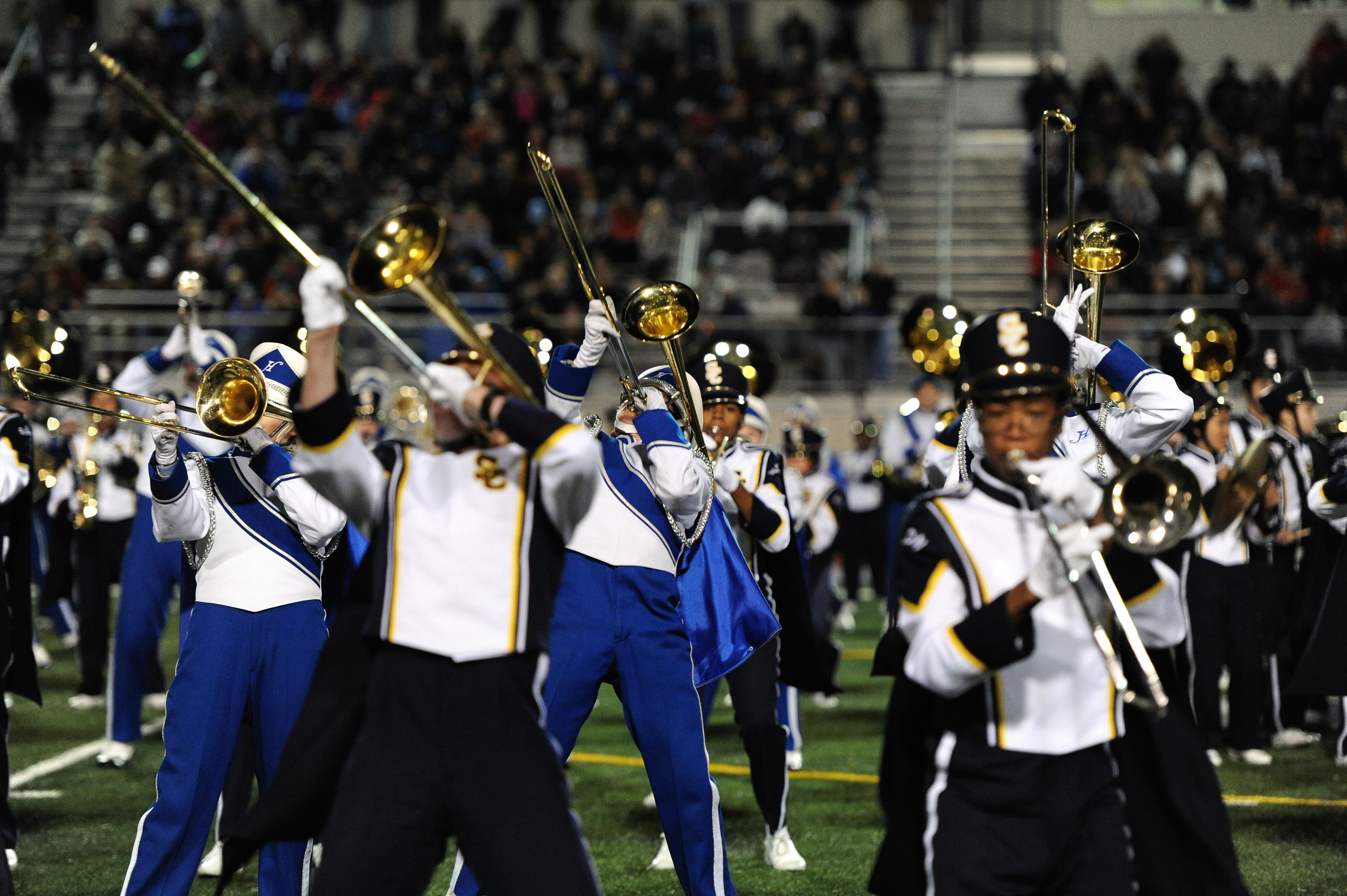
The activity did not get softer. Competitive marching band in 2026 is musically and physically harder than anything a 1972 programme attempted – the drill is continuous, the music is at a difficulty level that would have been a college chart, and the season runs longer.
What changed is who carries the risk. In 1972 the risk sat on the students: the heat, the weight, the unsupervised bus, the seventeen-year-old with disciplinary authority, the quota of chocolate bars to sell door to door. Each of those was transferred, one at a time, to adults – to a director with a heat policy, a harness budget, a chaperone ratio, and an online fundraising platform.
The cost is that the activity now requires five adults where it required one, and a great many small districts cannot find or fund five. The programmes that folded between 1972 and now did not fold because students stopped wanting to march.
If you marched in the early 1970s, the uniform is the detail everybody remembers first and the bus is the one they remember longest.
What was the show the year you marched, and does anybody still have a photograph of it?
Like our content? Follow us for more.