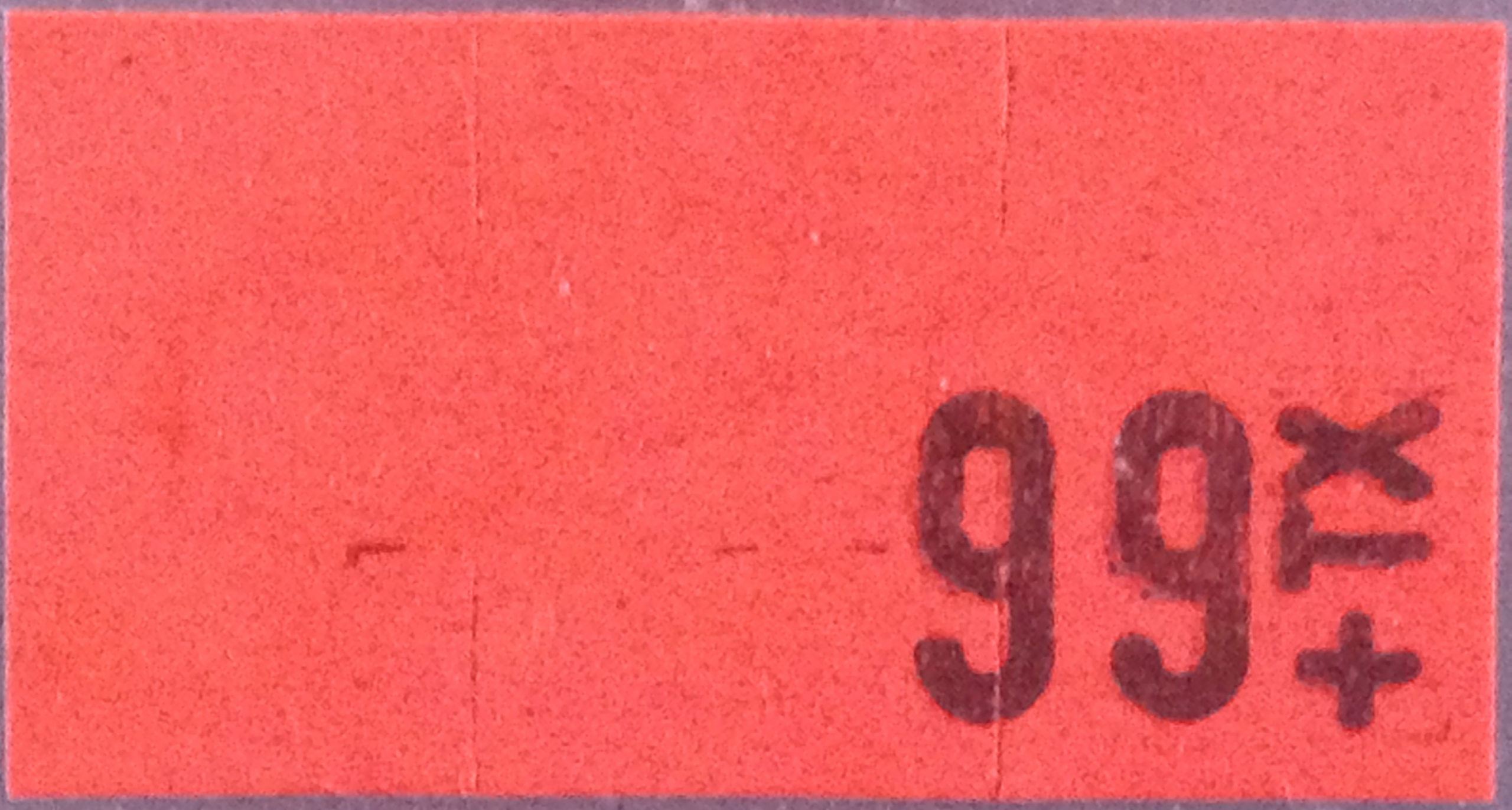
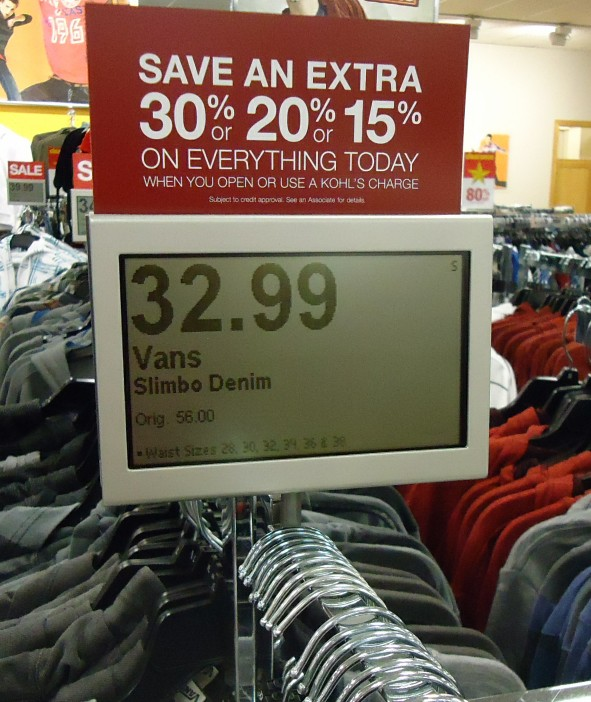
There are a small number of American habits that produce the same reaction in every visitor, and this is the purest of them. The price on the shelf is not the price. You take something marked nine ninety-nine to a counter and it costs ten sixty-eight, and nobody will tell you the real number until you have already committed to buying.
To an American this is completely normal and the complaint is slightly odd – of course there is tax, everybody knows there is tax. To almost everybody else it looks like a shop refusing to say what things cost.
Both reactions are reasonable, and the explanation is not about honesty or culture. It is about two tax systems that look superficially similar and are built on opposite principles.
The Two Taxes Are Not the Same Tax
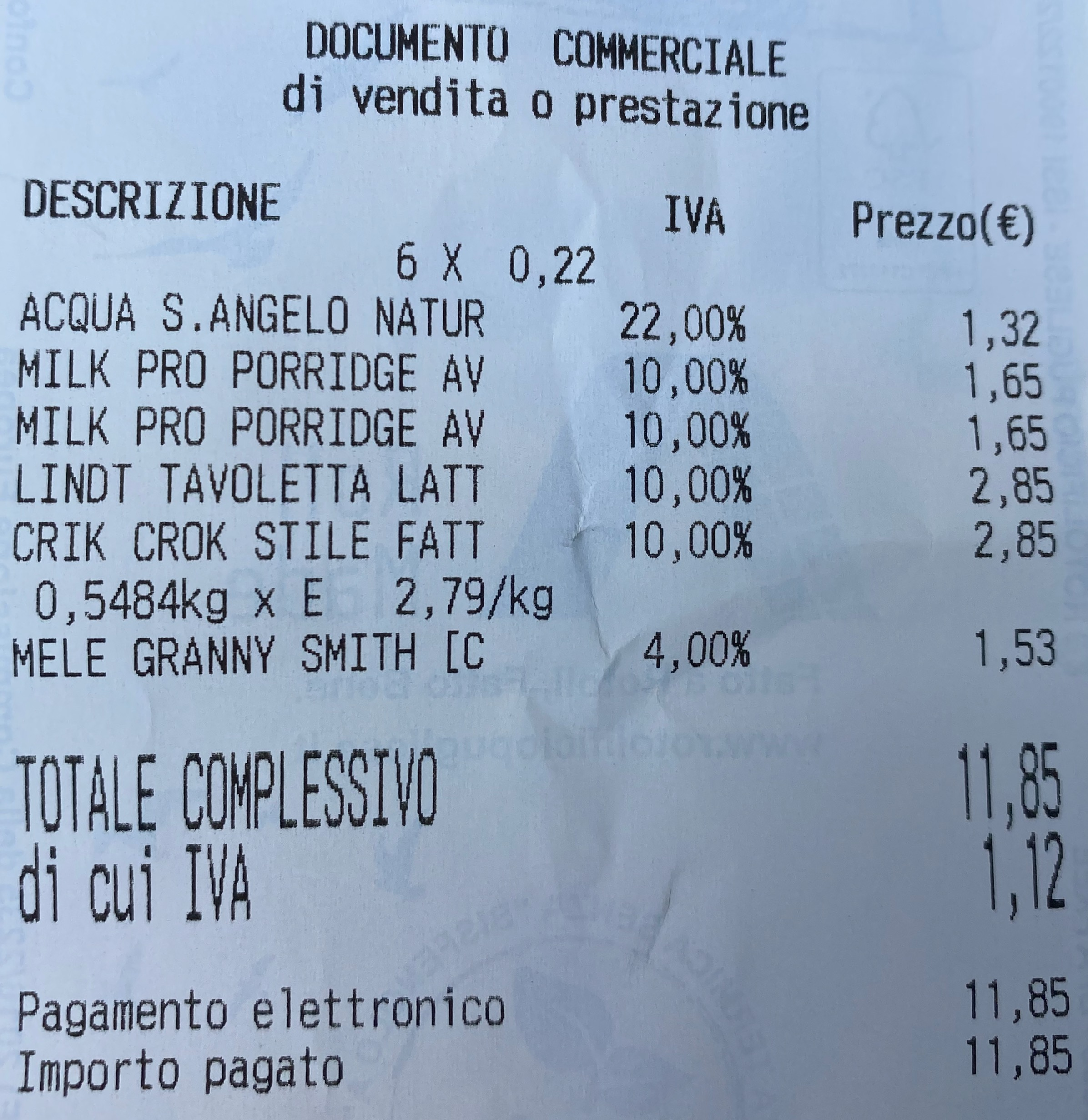
Start here, because almost every discussion of this gets it wrong by assuming American sales tax and European value added tax are the same thing under different names.
Value added tax is collected at every stage of production and distribution. A business pays it on what it buys, charges it on what it sells, and remits the difference. By the time something reaches a shop shelf, the tax is already embedded in the supply chain and the final consumer price is simply the price.
American sales tax is a single-stage tax collected only at the final retail sale. Businesses buying for resale do not pay it – they present a resale certificate and are exempt. The tax exists only at the last transaction, between the shop and the person who will actually use the thing.
That difference in structure is the whole explanation. A tax embedded through a supply chain is naturally part of a price. A tax that appears only at the final counter is naturally added at the final counter.
Like our content? Follow us for more.
Who the Tax Is Legally On
There is a second structural point underneath that, and it is the one that makes the American arrangement legally coherent rather than merely habitual.
In a great many American jurisdictions the sales tax is formally a tax on the purchaser, which the retailer is required to collect and pass on. The shop is an agent of the state in that transaction, not the taxpayer. Some states frame it the other way, as a tax on the privilege of selling, and a few are mixed – but the dominant framing is that the customer owes the tax and the shop collects it.
If the tax is the customer’s, then displaying it separately is not concealment. It is the shop stating its own price and then showing what the state is taking. Several states actively require the tax to be shown as a separate line on a receipt, and some have at various times restricted a retailer from advertising that it will absorb the tax, precisely because the tax is supposed to be visible to the person paying it.
In the European arrangement the business is the taxpayer. A shop is not collecting on anybody’s behalf – it owes the tax itself – which is why consumer law in those countries generally requires the displayed price to be the full amount a consumer will pay.
And Then There Is the Reason Nobody Could Print It Anyway
Even if American retailers wanted to display tax-inclusive prices, the structure of the tax makes it close to impossible to do consistently.
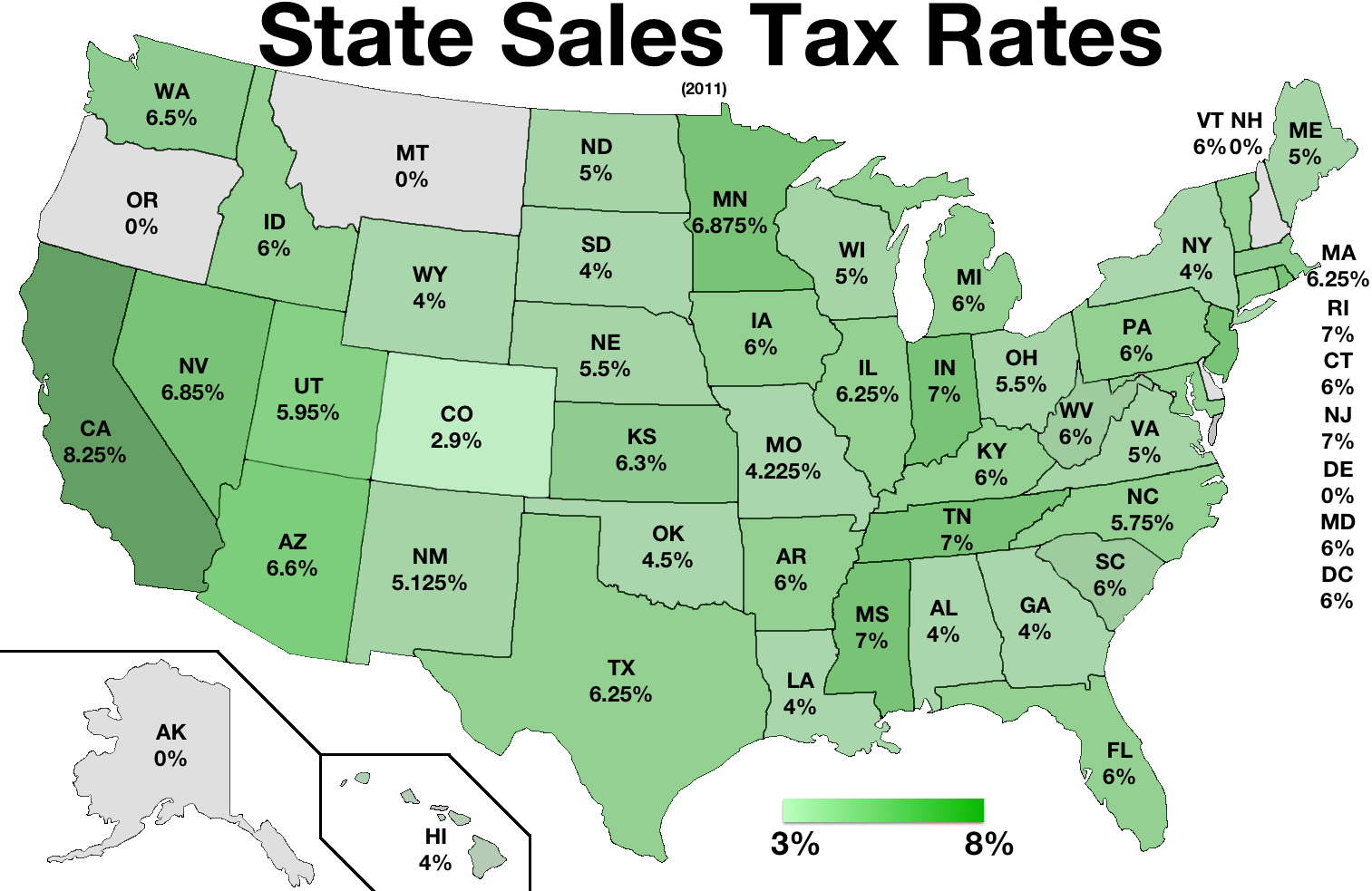
There is no national American sales tax. The tax is levied by states, and beneath the states by counties, cities, transit districts, special purpose districts and in some places improvement districts, each of which can add its own rate. The resulting number of distinct taxing jurisdictions in the United States runs into the thousands.
Two shops in the same metropolitan area, a few miles apart, can face different combined rates. A chain running a national advertisement cannot print one tax-inclusive price that is correct anywhere. Even a single shop may apply different rates to different items, because states exempt categories inconsistently – groceries, prescription medicines, clothing below a threshold and various other categories are treated differently from one state to the next, and sometimes differently within one.
So the shelf label showing a pre-tax price is not just a convention. It is the only number the retailer can state that is the same in every store and every advertisement.
Why Groceries and Clothes Are Sometimes Untaxed
That exemption point deserves its own paragraph because it explains a lot of what visitors notice.
Sales tax is regressive. A person on a low income spends nearly all of it, and therefore pays tax on nearly all of it, while a person on a high income saves a portion that is never taxed. American states have addressed that in the clumsiest available way, by exempting categories of necessity.
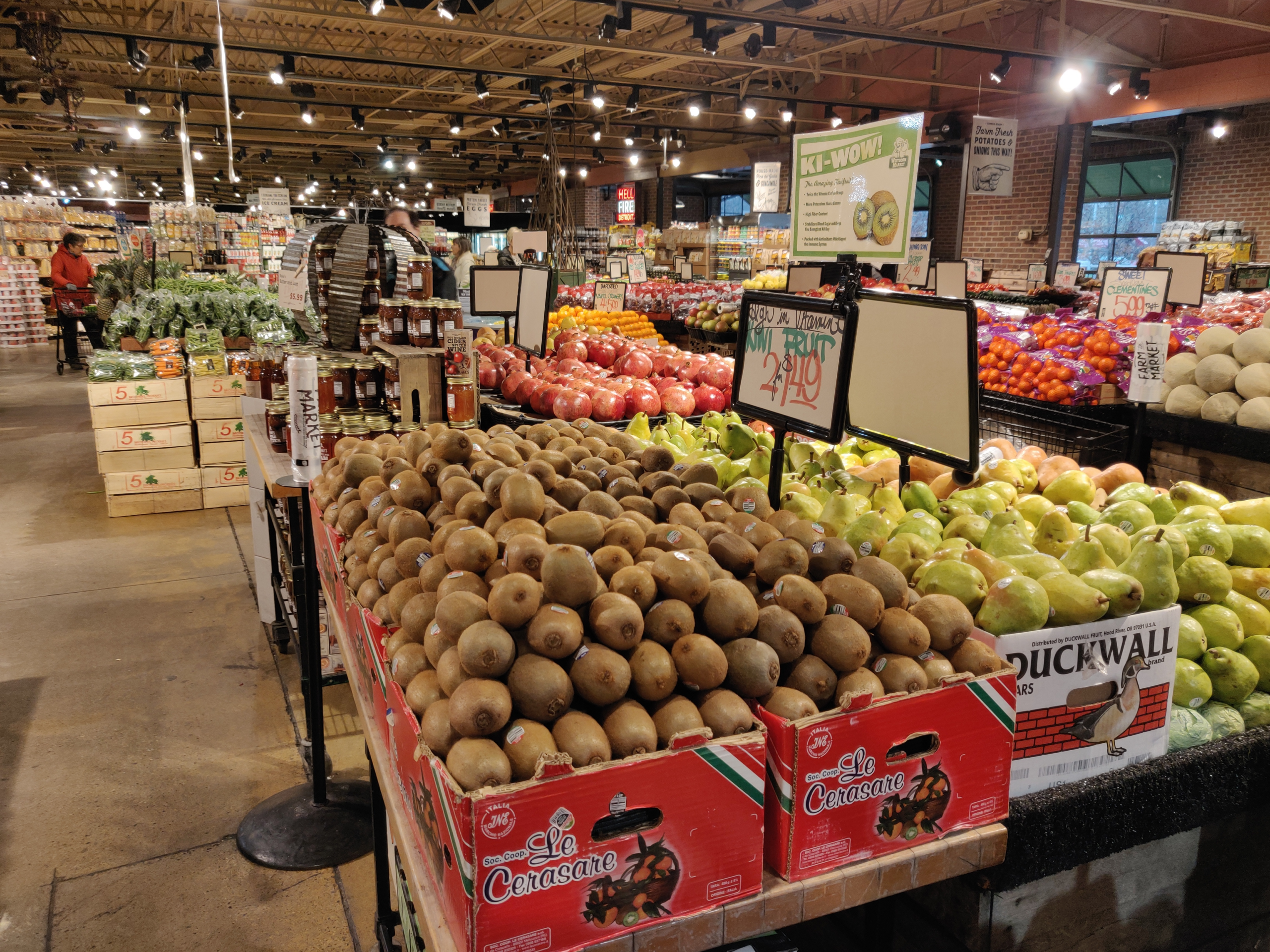
Unprepared food is the commonest exemption, which is why in a great many states a supermarket trolley of raw ingredients is untaxed while the same shop’s hot deli counter is taxed. Prescription medicines are widely exempt. Some states exempt clothing entirely, some below a price threshold, and some run temporary holidays exempting school supplies and clothing for a few days in late summer.
The result is a rule set that is genuinely complicated at the item level, which is a further reason the price on the label cannot include the tax. The shelf cannot know whether the thing in front of it will be taxed until it knows what else is being bought and where.
The Argument That the American Way Is Better
It is worth putting the case properly, because it is not nothing and it is made seriously.
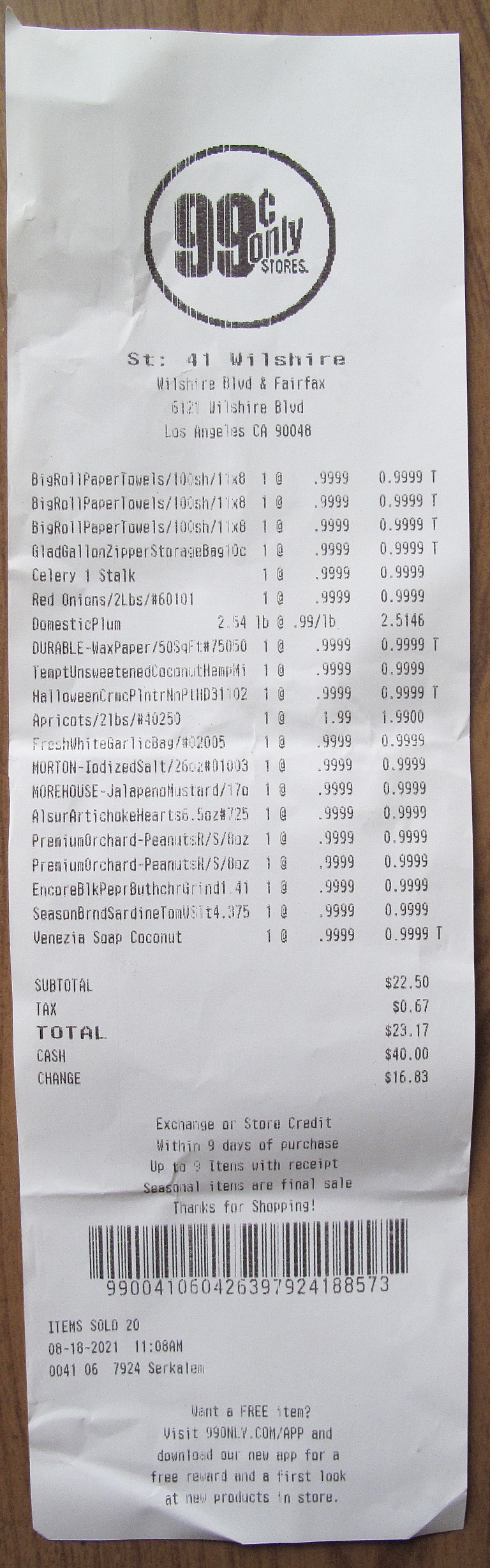
A separately stated tax is visible. Every American who buys anything sees, on every receipt, exactly how much the state took from that transaction. Under a value added tax, the amount is on the receipt too in most countries, but it is derived from an inclusive total that the shopper never had to think about, and the practical experience is that the tax is invisible.
The argument is that visibility produces accountability. A tax a voter sees on every purchase is a tax they can have an opinion about, and a legislature raising it will hear about it. A tax embedded in a price can be raised with far less noticeable friction. Whether that effect is real is argued about, but it is a genuine argument and it is one reason American resistance to displaying inclusive prices has a principled strand rather than being pure inertia.
The Argument That It Is Worse
The case against is simpler and mostly practical.
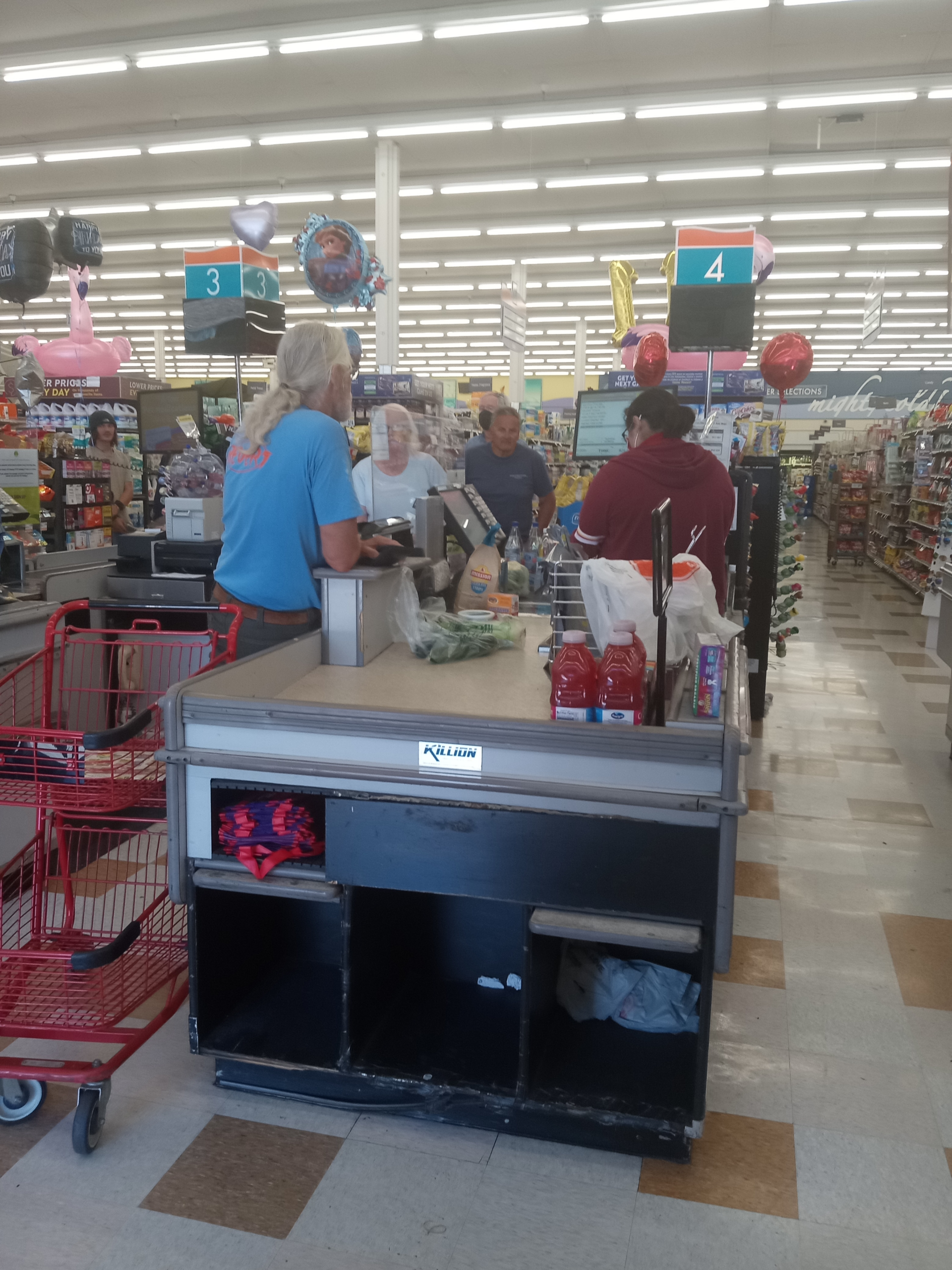
A consumer cannot compare prices without doing arithmetic they have no way of doing accurately, because they do not know the local combined rate or whether the item is exempt. A posted price that is never the price paid undermines the basic function of a price label.
It falls hardest on exactly the people least equipped to absorb it: somebody shopping to an exact budget cannot tell whether what is in their basket will clear the money in their pocket, which is a real and recurring difficulty rather than a theoretical one.
And the visibility argument cuts the other way too. A tax that varies by a fraction of a percent between neighbouring jurisdictions, applies to some items and not others, and appears only at the till is not transparent in any useful sense – it is simply unpredictable.
Nobody Is Likely to Change It
The interesting question is why this has not been fixed, given that both sides acknowledge the problem.
The answer is that it cannot be fixed by retailers and nobody with the power to fix it has an incentive to. A single state could require tax-inclusive display within its borders, and the effect would be to make its own retailers’ advertising incompatible with every national campaign and every neighbouring state – a competitive disadvantage for no political reward.
A federal fix would require Congress to legislate about taxes it does not levy, imposed by thousands of jurisdictions it does not control, in an area where states guard their authority carefully. There is no constituency pushing for it, because the people most inconvenienced are visitors, and visitors do not vote.
So the arrangement persists, as most tax arrangements do, because changing it would cost somebody something specific and leaving it costs everybody something general.
The Honest Summary
American prices exclude tax because American sales tax is a different instrument from European value added tax. It is collected once, at the final retail sale, rather than at every stage of production, and in most American jurisdictions it is formally a tax on the purchaser that the shop merely collects – which makes displaying it separately the structurally honest presentation rather than a concealment.
It also could not practically be included. There is no national rate, taxing authority extends down through states, counties, cities and special districts into the thousands, neighbouring shops can face different rates, and exemptions for food, medicine and clothing vary by state and by item.
The defence is that a visible tax is an accountable one. The objection is that a posted price which is never the price paid is not a price, and that the burden falls on people counting their money at the till.
And it will not change, because no state gains by moving first and nobody with national authority has any reason to care.
Like our content? Follow us for more.