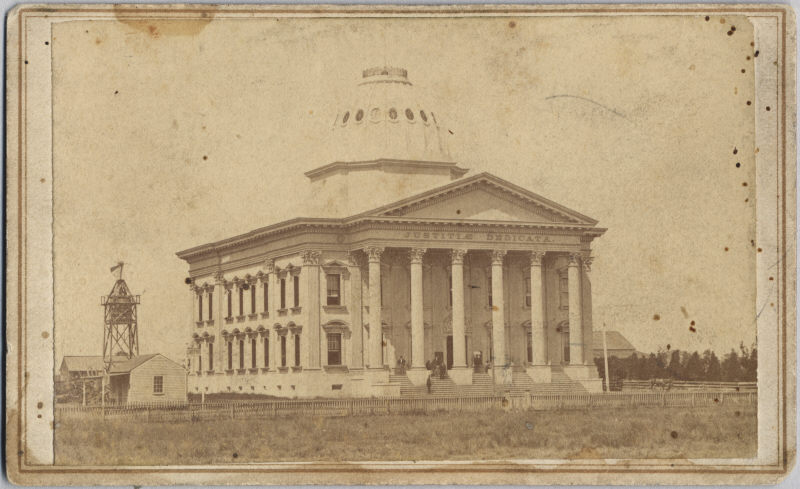
There is a quiet oddity in American civic life that almost nobody examines, which is that the country conducts its elections on a working day in November.
Most democracies do not. The common arrangements elsewhere are a weekend poll, a public holiday declared for the day, or voting spread across more than one day – all of which exist for the obvious reason that an election works better when people are not at work.
The American choice of Tuesday is not an accident and it is not arbitrary. It was a deliberate solution to a real scheduling problem, worked out in the eighteen-forties, and every element of the reasoning has since stopped applying.
Before 1845 There Was No Election Day at All
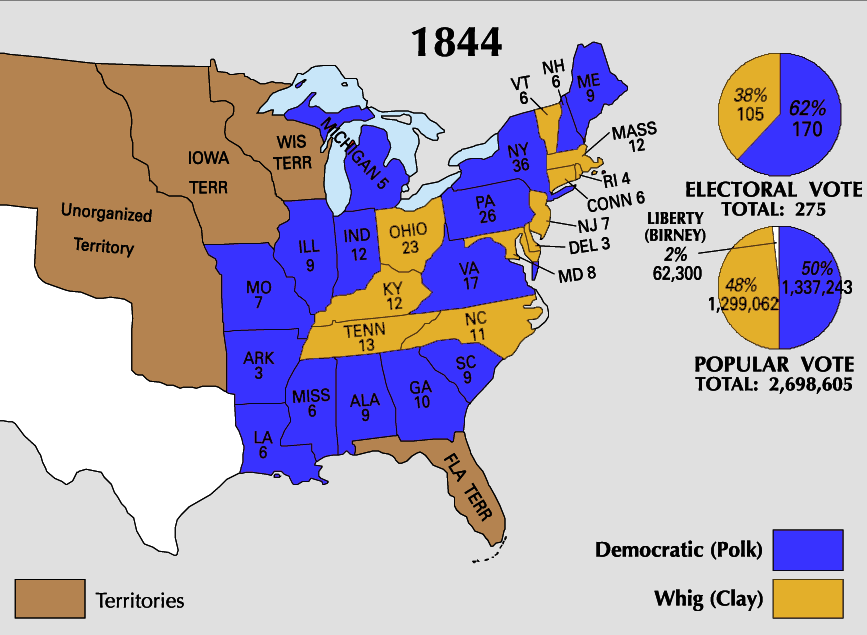
The first thing to understand is that the uniform date is itself an invention.
For the first decades of the republic, states chose their own presidential election dates within a window of several weeks. The practical consequence was that voting happened at different times in different places, results from early states were known while later states were still voting, and the obvious concerns followed – that early results would influence later voting, and that the same person could in principle vote in more than one place.
Communication was slow enough that for a long time this was tolerable. The telegraph changed that. Once results could travel faster than the voting itself, a staggered election became a genuine problem rather than a theoretical one, and Congress legislated a single national day.
Like our content? Follow us for more.
Why Not Sunday
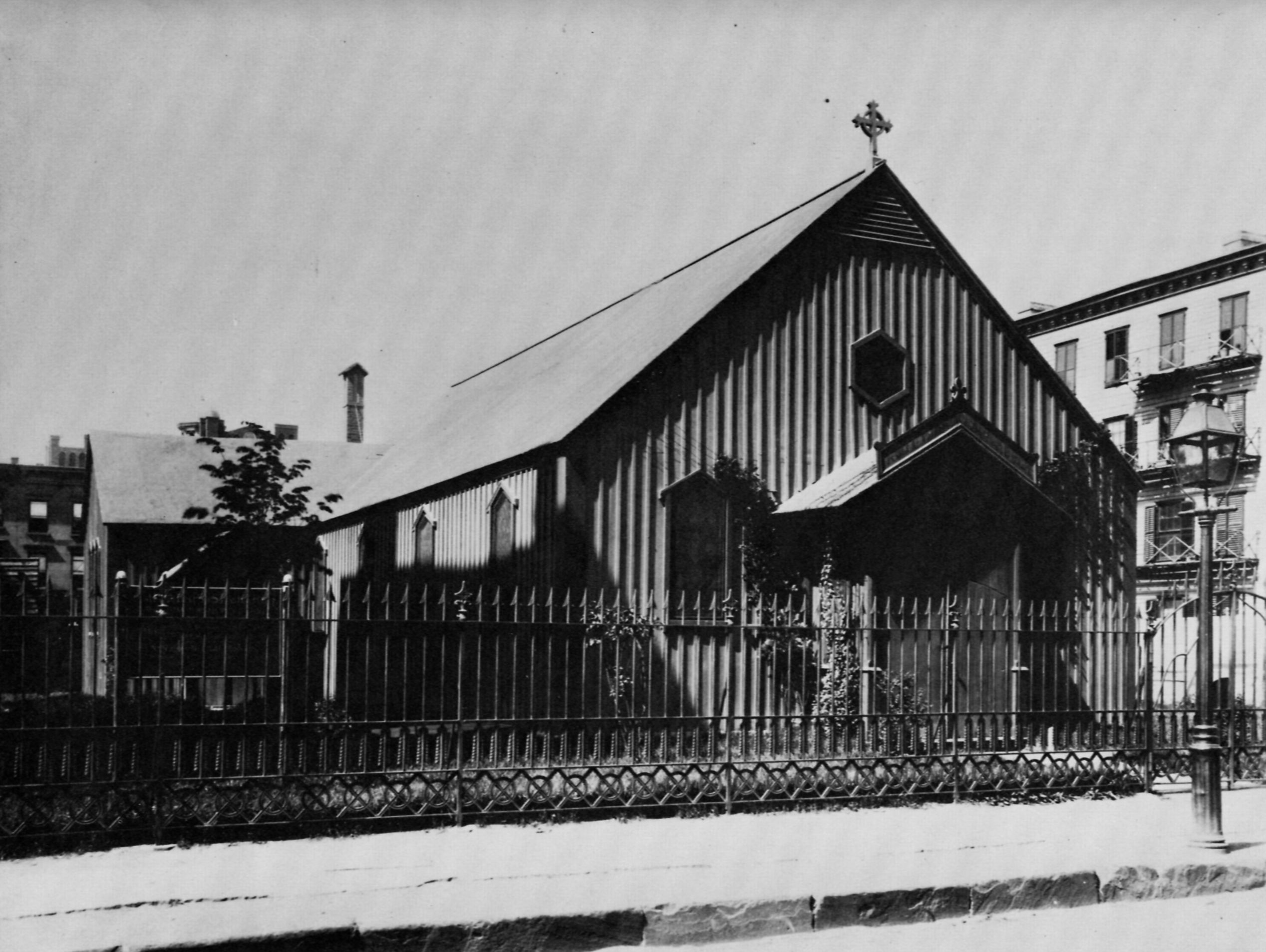
Having decided on one day, the question became which, and the first exclusions were straightforward.
Sunday was impossible. A great many Americans observed it strictly, travel on the Sabbath was objectionable to a substantial part of the electorate, and a day of worship was not a day on which a journey to a polling place could reasonably be required. Any proposal to vote on a Sunday would have been politically dead immediately.
That is the exclusion that matters most for the comparison with other countries, because a great many democracies that do vote at weekends vote on a Sunday. The American calendar closed that option at the outset for reasons of religious observance that no longer apply with anything like the same force.
Why Not Monday, and Why Not Wednesday
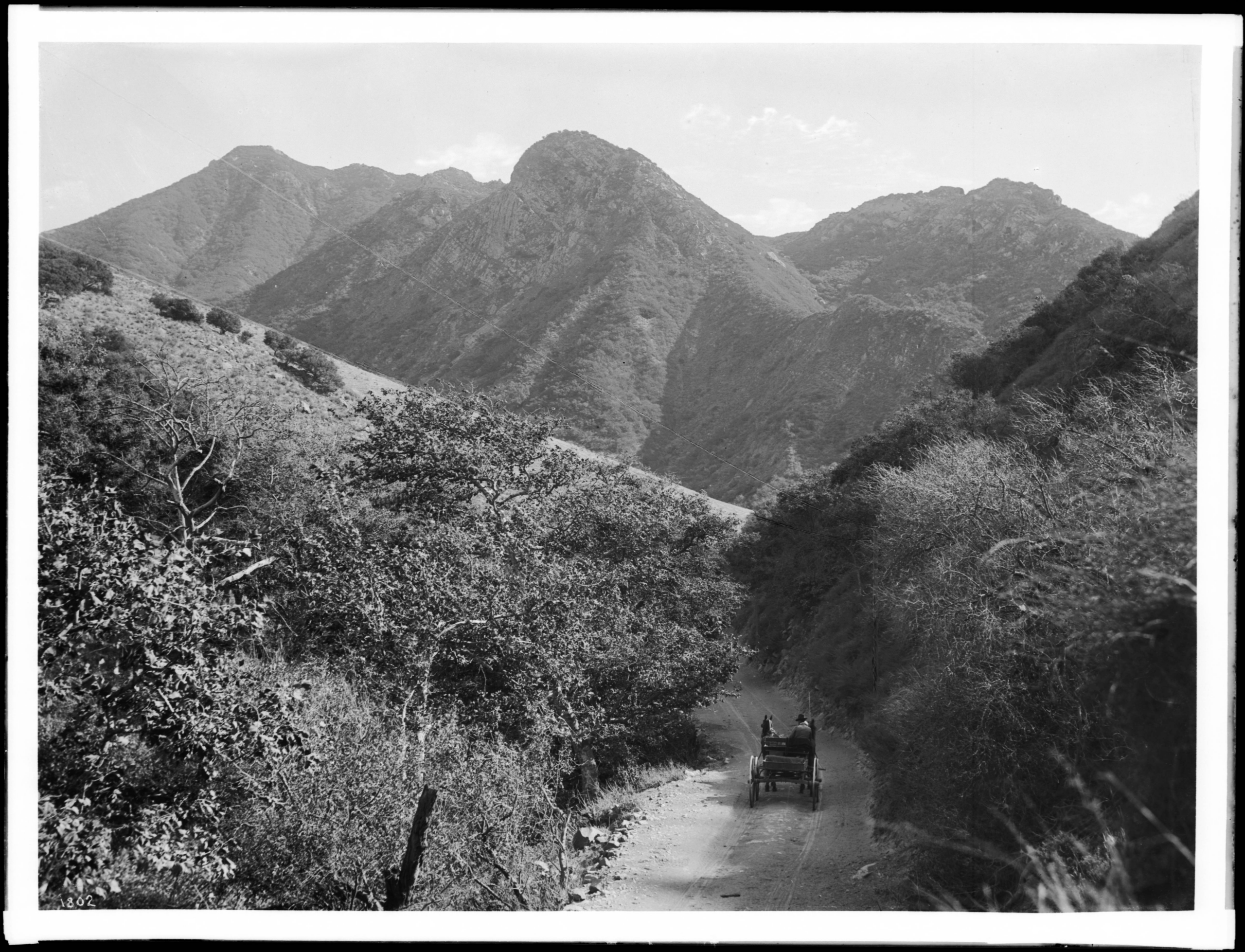
The remaining logic turns on the journey, and this is the part people find genuinely surprising.
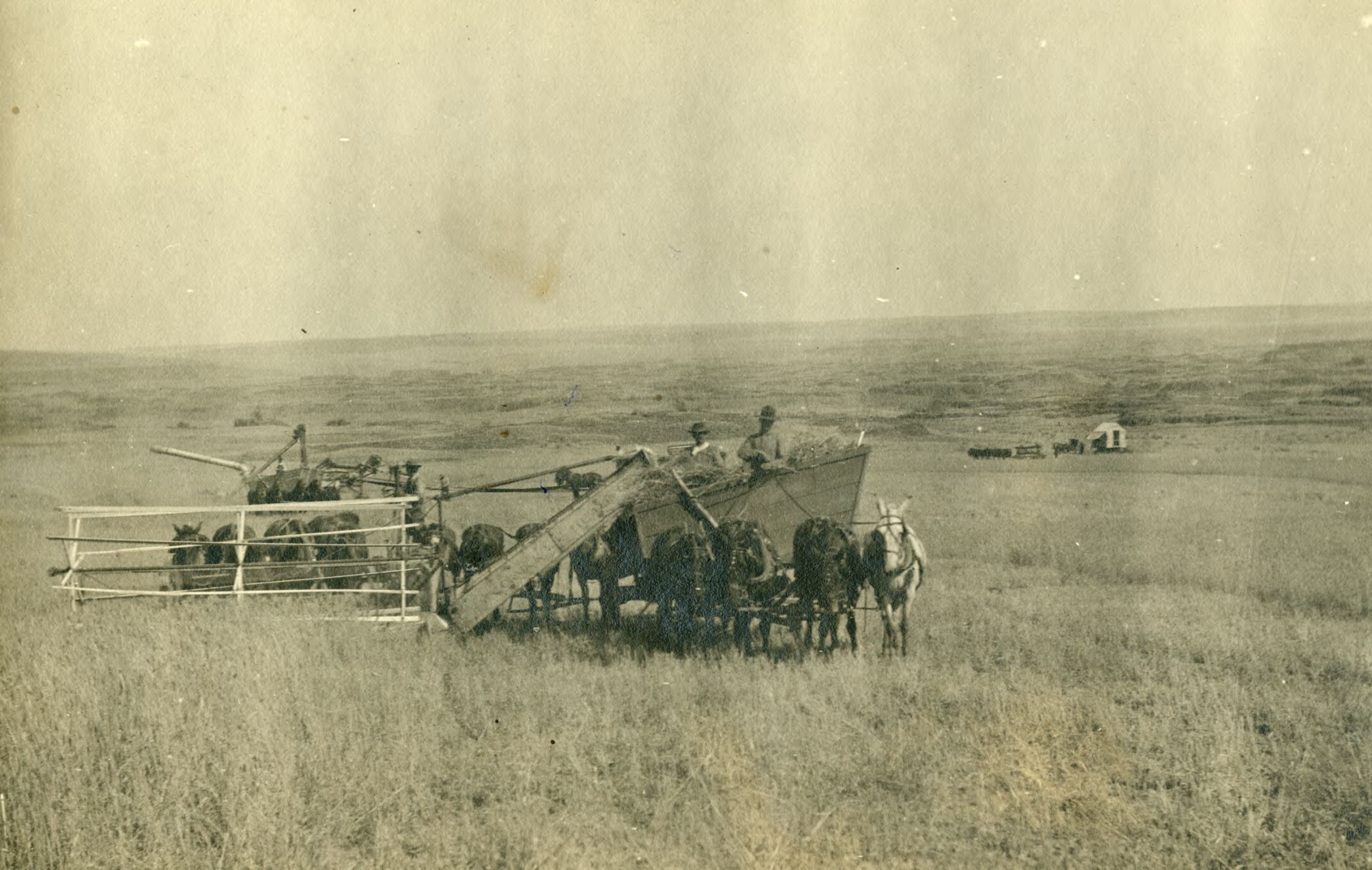
A rural American voter in 1845 did not live near a polling place. Voting meant travelling to the county seat, and for a substantial number of people that journey took the better part of a day by horse or wagon. A voter leaving home in the morning arrived in the afternoon, voted, and in many cases could not get home the same day.
Monday was therefore impossible, because a voter would have had to set out on Sunday to arrive. Travelling on the Sabbath was the thing the Sunday exclusion existed to prevent, and Monday voting simply moved the problem rather than solving it.
Wednesday was excluded at the other end. Wednesday was market day across a great deal of the country, the day a farmer sold produce and bought supplies, and taking it away would have imposed a direct economic cost on exactly the people the arrangement was meant to accommodate.
Which leaves Tuesday. A voter could leave on Monday morning, travel through the day, vote on Tuesday, and be home for market on Wednesday without touching the Sabbath at either end. That is the entire derivation.
And Why November
The month follows the same agricultural logic and it is the part of the reasoning that held longest.
November sits after the harvest is in and before winter makes rural roads impassable. A farmer in September or October is working; a farmer in January cannot get anywhere. The window between those two conditions is short in much of the country, and November is squarely in it.
The specific formula – the Tuesday after the first Monday in November – is a further refinement with its own small logic. It guarantees the election never falls on the first of the month, which mattered because the first was a common day for merchants to settle accounts and for various financial reckonings, and because it keeps the date clear of All Saints’ Day. It also caps the gap before the subsequent proceedings of government at a predictable length.
So the full rule is a scheduling device assembled from a harvest, a market day, a Sabbath, a day’s travel by horse and a merchant’s accounting convention.
Every One of Those Reasons Has Gone
This is what makes the arrangement interesting rather than merely historical.
Americans are not overwhelmingly farmers – agriculture employs a very small fraction of the workforce, and the harvest calendar governs almost nobody’s availability. Polling places are not a day’s journey away; they are minutes away for most people. Nobody needs to travel on Monday to vote on Tuesday. Wednesday is not market day. And the religious observance that excluded Sunday, while still meaningful to many people, no longer makes a Sunday poll unthinkable in the way it did in 1845.
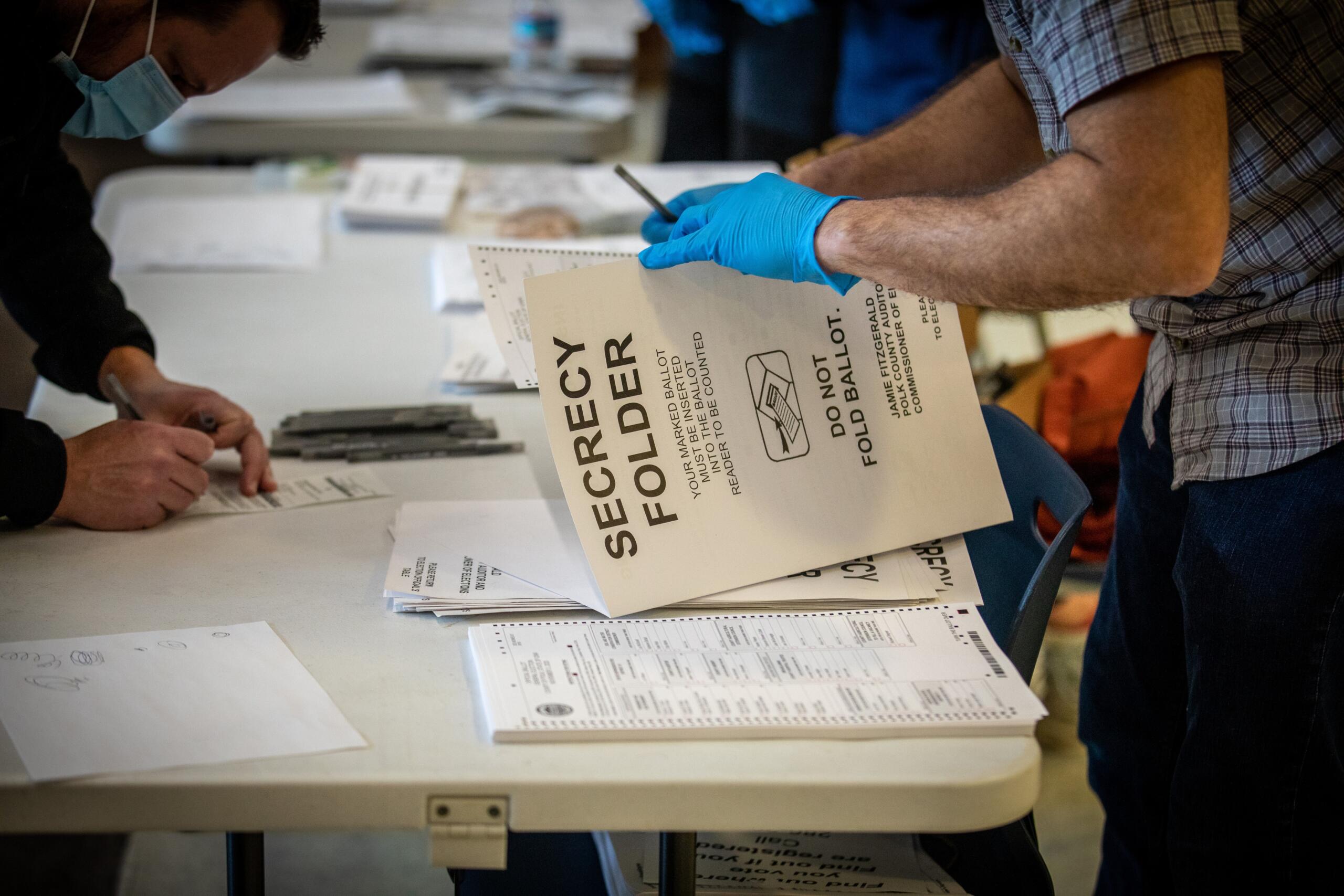
What remains is the one thing the original arrangement never had to consider: that Tuesday is a working day. In 1845 that was close to irrelevant, because the people the rule was designed around worked for themselves and could decide when to go. For an hourly employee today it is the entire problem.
The rule was built to accommodate the voter’s schedule. The voter’s schedule changed completely and the rule did not.
What Has Changed Instead
Rather than move the day, the American system has worked around it, and the workarounds are now substantial enough that the original question is less pressing than it was.
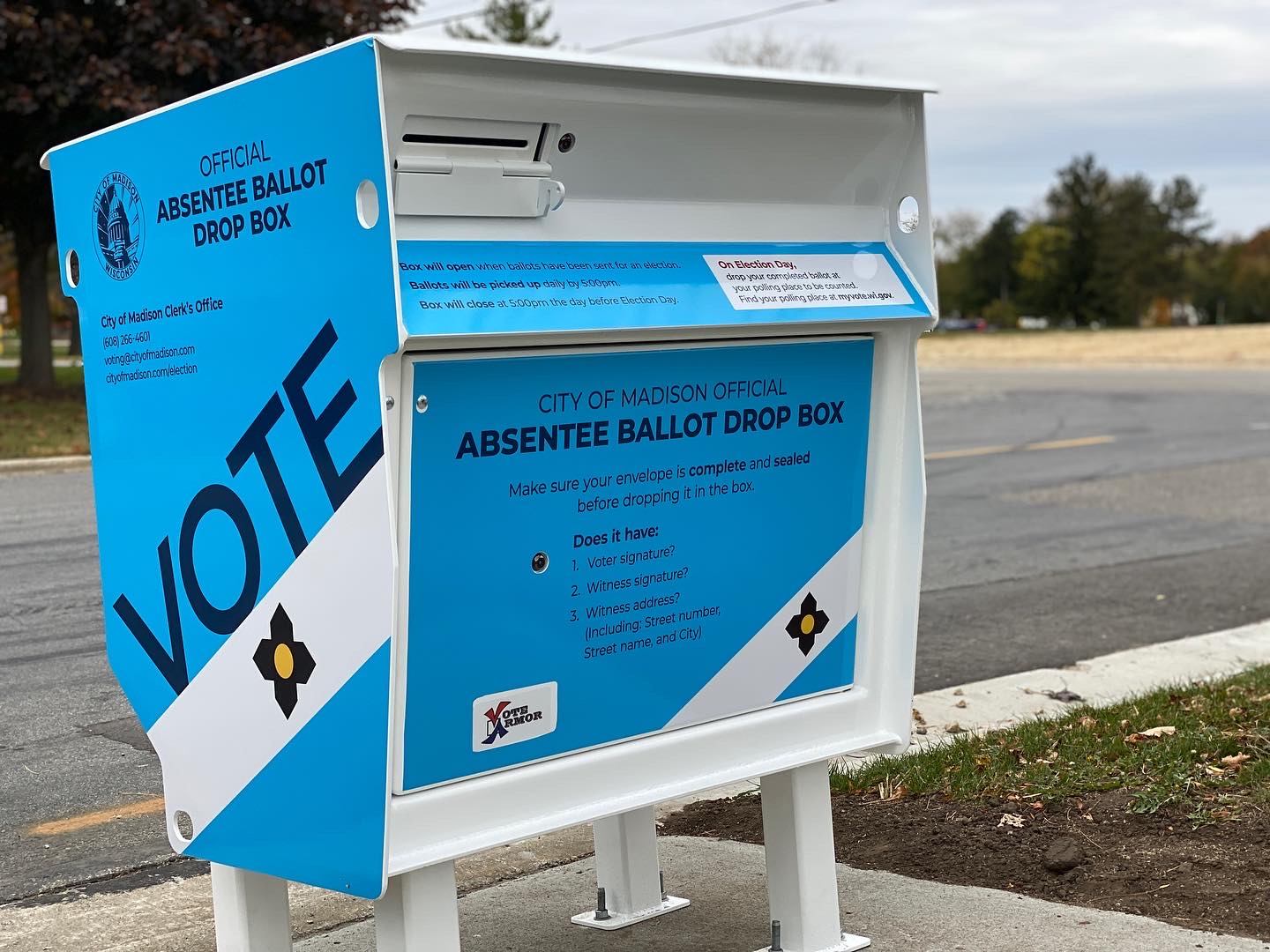
Early voting in person, available for a period before the day itself in a great many states. Voting by post, which in some states is the default method and in others requires a reason. Absentee arrangements of long standing. Laws in a majority of states requiring employers to give employees time off to vote, in some cases paid.
The effect is that for a large and growing share of American voters, election day is no longer a day at all – it is a deadline at the end of a period. Whether that is a better solution than simply moving the date is a question with serious people on both sides, and it is being argued about continuously.
What is not in dispute is that the thing being worked around is a horse-drawn travel schedule.
Why It Has Not Simply Been Changed
The obvious question is why a rule whose every premise has expired has survived for nearly two centuries.
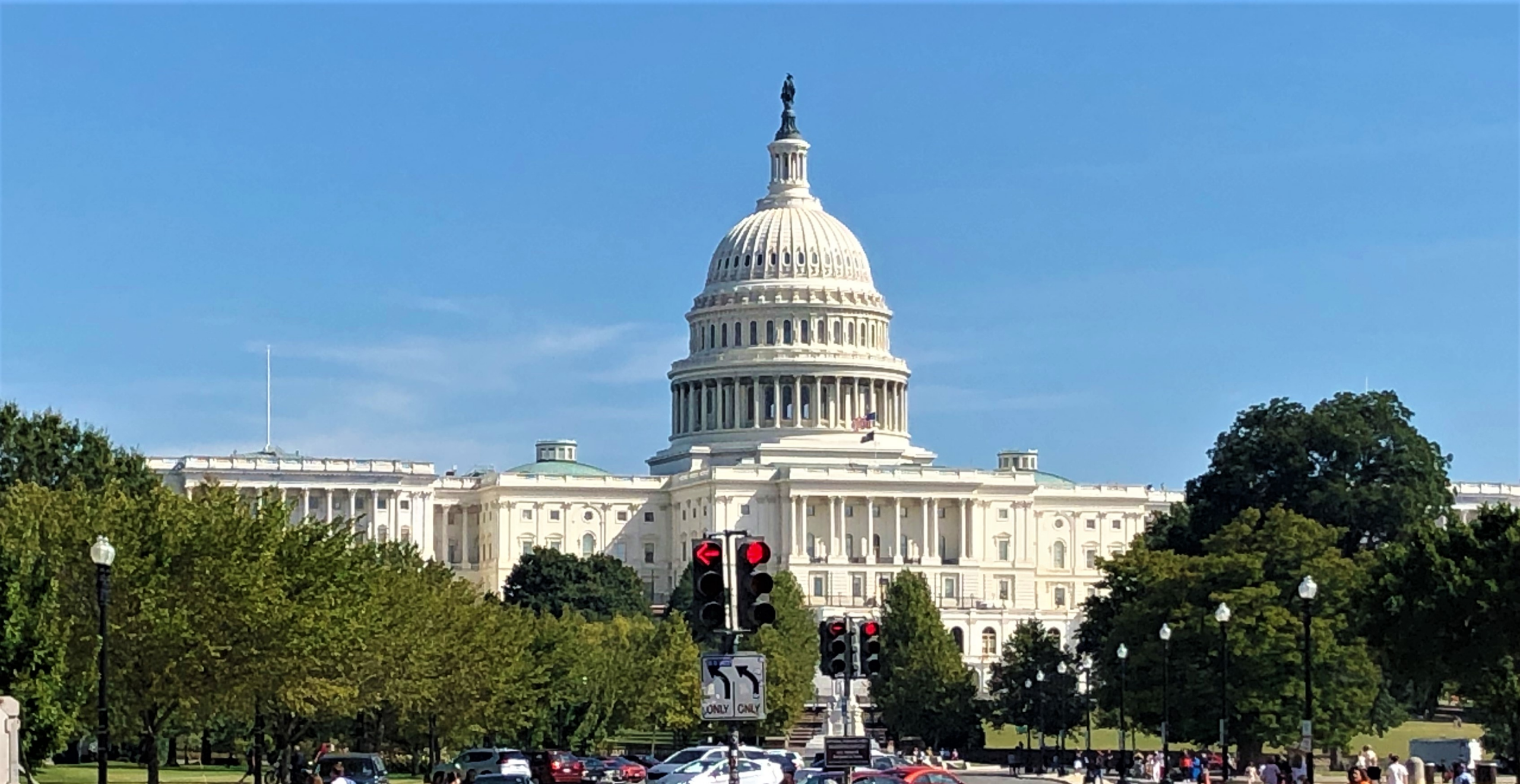
Part of the answer is structural. The date is set in federal law, changing it requires Congress, and any change to how and when Americans vote is immediately understood by both parties in terms of who it would help – which makes it a partisan question rather than an administrative one, regardless of the merits.
Part of it is federalism. Elections are administered by the states, which have their own established machinery, their own early voting and postal rules, and their own reasons to resist a federal rearrangement of a calendar they have already built around.
And part of it is simple institutional weight. The first Tuesday after the first Monday in November is one of the fixed points of American public life. It is in the civic furniture, every system is built on it, and the cost of moving it is concrete while the benefit is diffuse – which is the condition under which almost nothing ever moves.
The Honest Summary
American elections fall on a Tuesday in November because Congress set a uniform national date in 1845, and Tuesday was the only day that worked.
Sunday was excluded by religious observance. Monday was excluded because a rural voter, facing a journey of up to a full day to reach the county seat, would have had to travel on Sunday to arrive. Wednesday was excluded because it was market day. November was chosen because it falls after the harvest and before the roads became impassable, and the precise formula avoids the first of the month for accounting and calendar reasons.
Every premise in that chain has expired. Almost nobody farms, polling places are close, nothing is a day’s ride away, Wednesday is an ordinary day, and the one factor the rule never had to weigh – that Tuesday is a working day – is now the only one that matters.
The response has been to work around it with early and postal voting rather than to move it, and the date itself survives because changing it is a partisan question, a federalism question and an institutional-inertia question all at once.
Like our content? Follow us for more.