

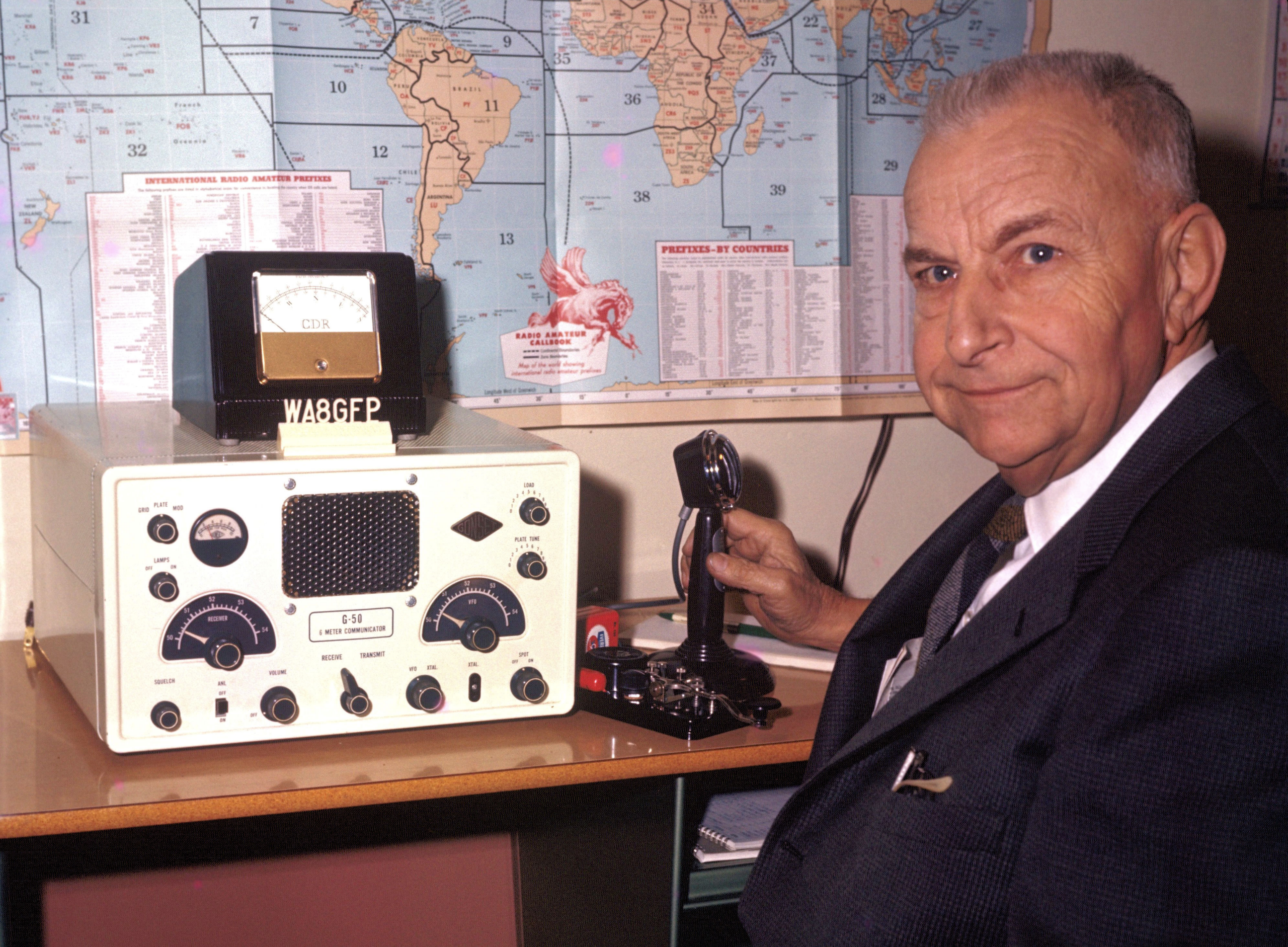
Amateur radio in 1965 was the only way an ordinary person could build a machine on their kitchen table and use it to talk to a stranger six thousand miles away. There was no other route. The telephone was expensive and metered, international travel was rare, and the idea of a network anybody could join did not exist.
Getting there required passing a code test, building or buying a station, putting up an antenna your neighbours could see, and accepting that your name and address would be printed in a book.
Here are eleven things that defined the hobby in 1965 and have since been removed, automated, or quietly made unnecessary.
1. You Had to Learn Morse Code to Get a Licence at All
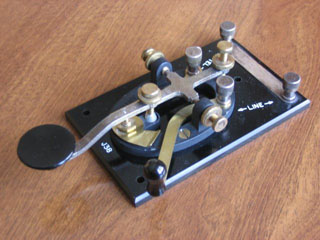
Every amateur radio licence class in 1965 required a code test. Novice was five words per minute, General was thirteen, Extra was twenty. You sat in a federal examination room with a set of headphones and copied transmitted Morse onto paper, and if you dropped below the threshold you went home and came back in a month.
Thirteen words per minute is not a trivial skill. It takes most people several months of daily practice to reach, and a great many prospective operators never got there. The requirement was not abolished in the United States until 2007, and its removal is the single largest change in the hobby’s history – it opened amateur radio to anybody who could pass a written examination, and it permanently divided the operating population into those who learned code and those who did not.
Like our content? Follow us for more.
2. The Licence Came With Your Home Address Printed in a Public Book
Every licensed operator appeared in the Callbook, a thick annual directory sold in radio shops and carried by every serious station. It listed callsign, full legal name, and complete street address. This was not a leak or an oversight; it was the point, because you needed the address to post a confirmation card.
A modern reader finds this alarming and a 1965 operator did not, because the directory was self-selecting – the only people who owned a Callbook were other licensed operators, who were themselves listed in it. Addresses remain in the licence database today and are still publicly searchable, which periodically surprises newly licensed people who assumed that four decades of privacy legislation had changed it.
3. The Equipment Was Built on the Kitchen Table From a Kit
Heathkit sold receivers, transmitters, antenna tuners, and test gear as boxes of loose components with a manual, and a substantial fraction of the stations on the air had been assembled by their operator over several weeks of evenings. The manual assumed you could solder, read a resistor colour code, and identify a mis-wound transformer.
Building your own station taught you how it worked, which meant you could repair it, which meant a twenty-year-old rig stayed on the air. The kit business ended in the 1990s because surface-mount components cannot be hand-assembled at a kitchen table and because a finished imported transceiver became cheaper than a kit. Modern operators overwhelmingly buy sealed boxes they cannot open, and the diagnostic culture that went with building has thinned accordingly.
4. A Contact With Another Country Was a Genuine Achievement
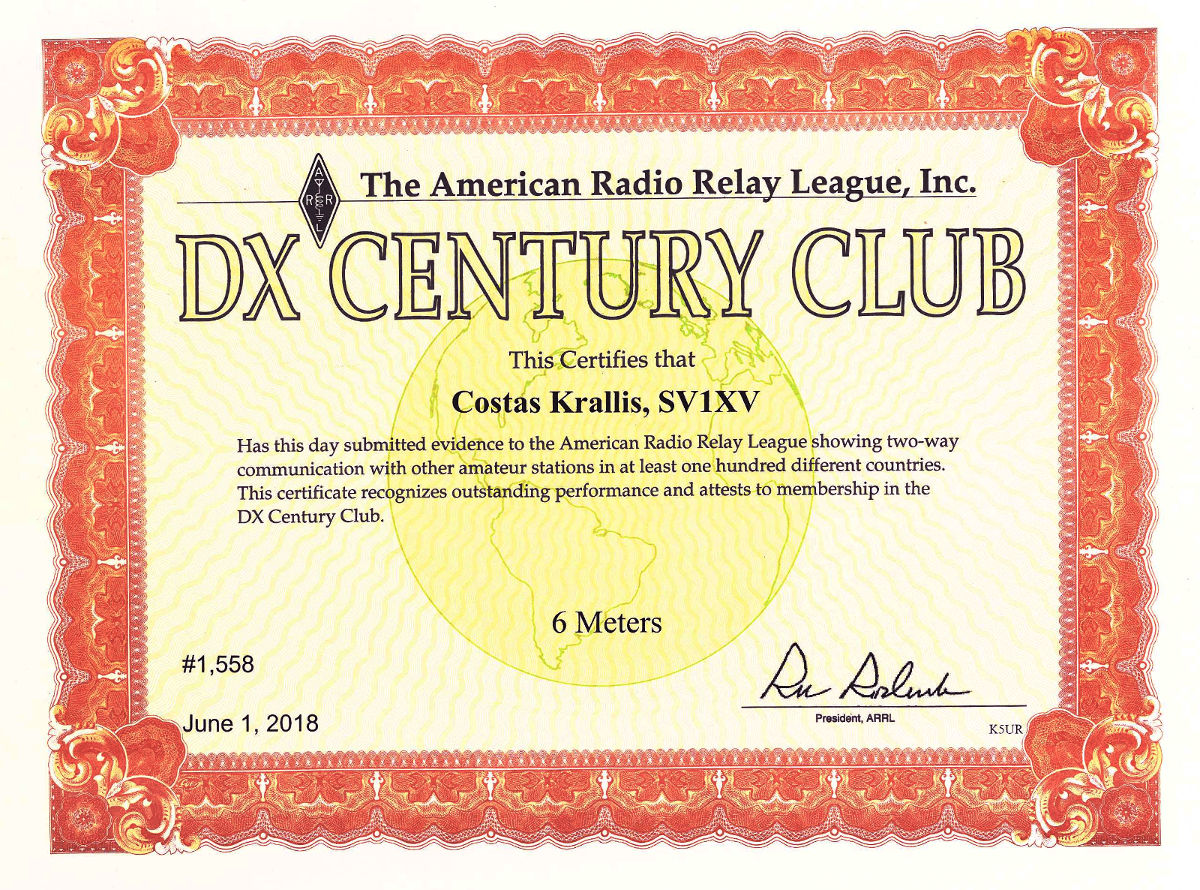
Reaching Japan or Argentina from a modest station in Ohio depended on the ionosphere, the sunspot cycle, the time of day, your antenna, and luck. Operators kept logbooks, chased countries, and worked towards the DX Century Club award, which required confirmed contacts with a hundred separate entities and could take years.
The hobby’s central thrill was that the distance was hard-won and the propagation was not guaranteed. Satellite links, internet-linked repeaters, and digital modes that decode signals below the noise floor have each made distance more reliable, and reliability was never the point. A long-standing argument inside the hobby concerns whether a contact routed partly over the internet is the same achievement, and it has not been settled.
5. Confirmation Arrived as a Postcard, Months Later
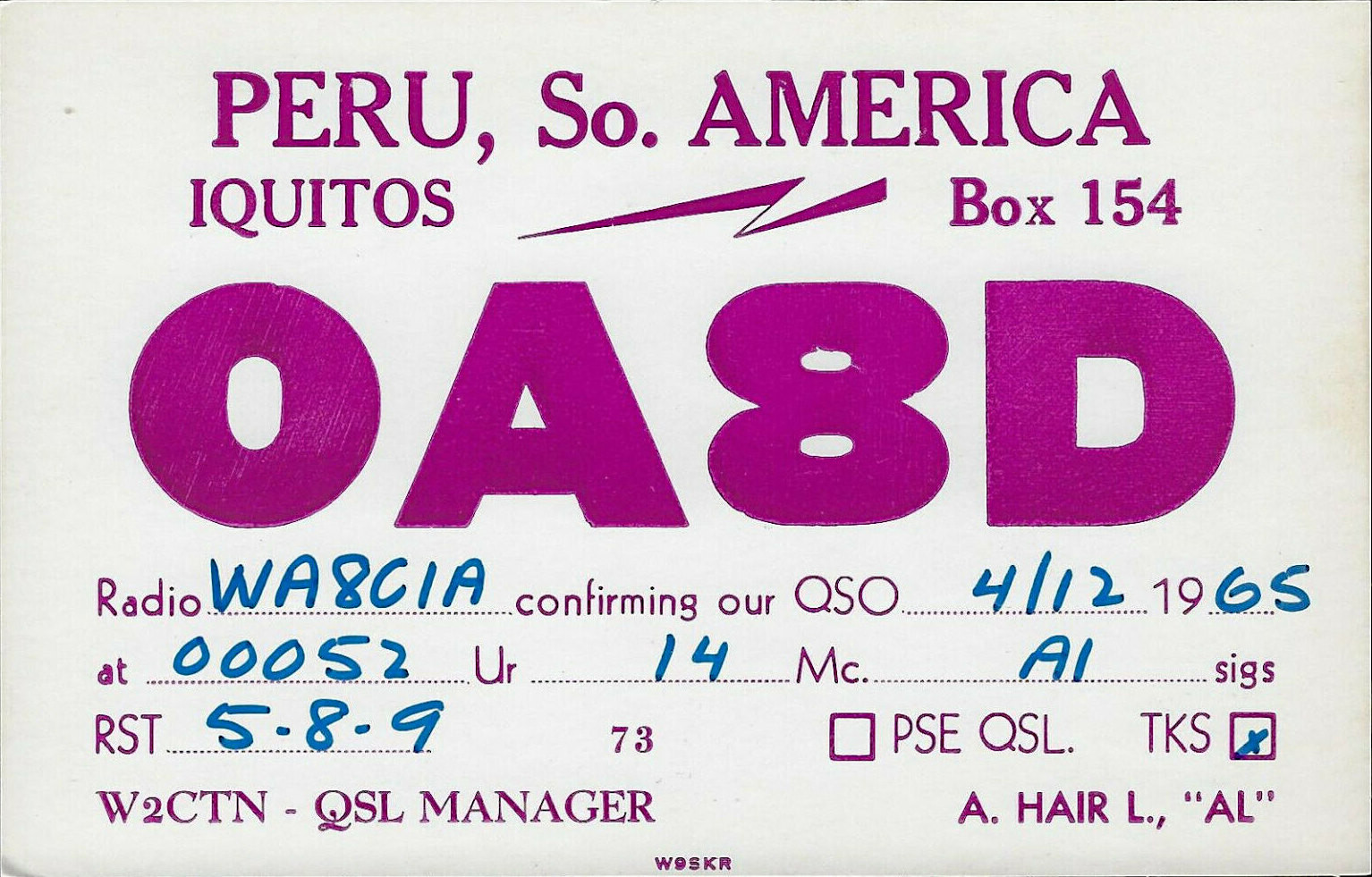
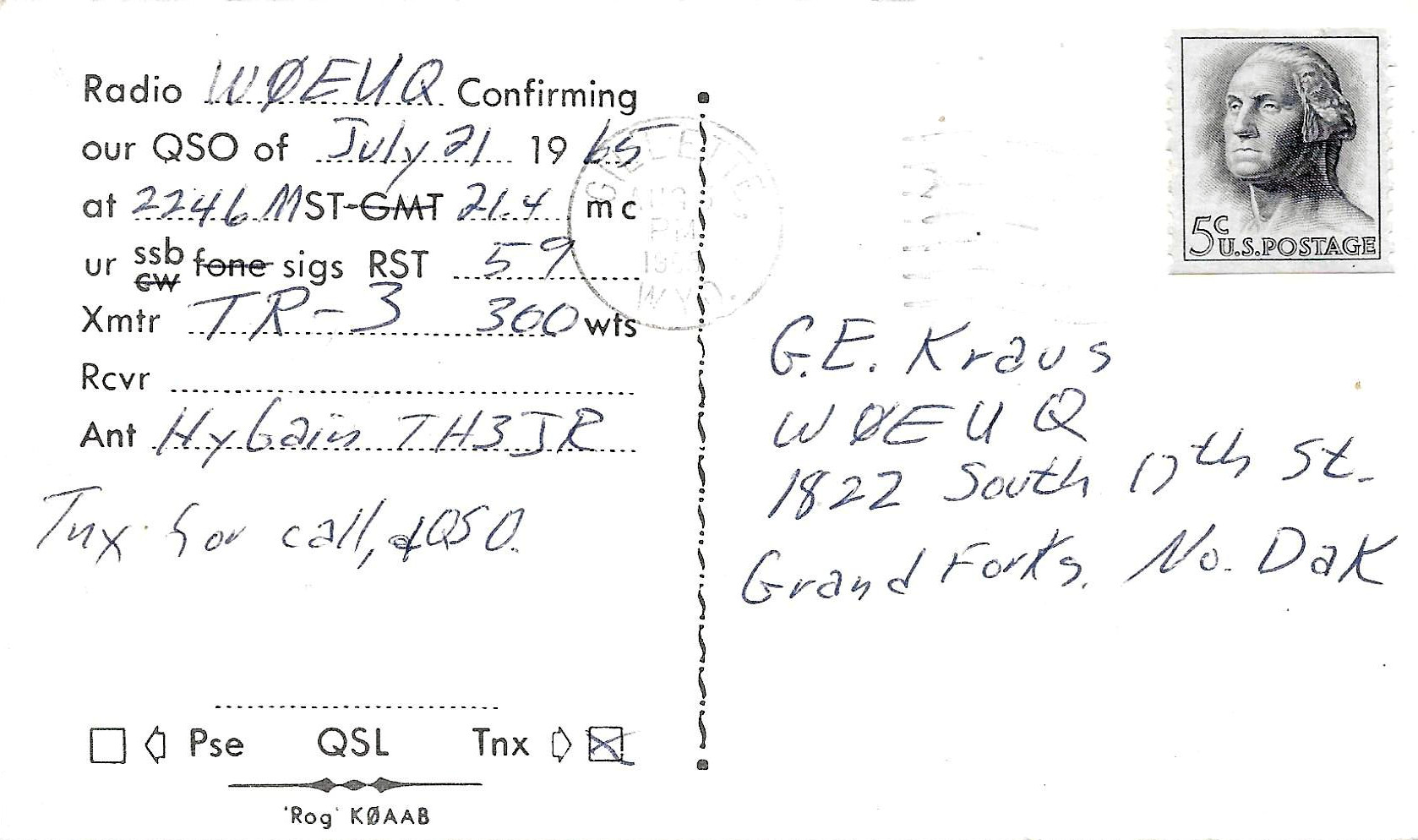
Every contact was confirmed by exchanging QSL cards – printed postcards carrying your callsign, location, and the details of the contact. They travelled by international post, often routed through a volunteer bureau that batched them by country, and a card from a contact made in March might arrive in November.
Operators papered entire rooms with them. The card was the proof you submitted for awards, the souvenir, and the only visual evidence that the voice in the headphones was a real person in a real place. Electronic confirmation through logbook services now settles a contact in seconds, which is unambiguously better for the paperwork and has removed the single most collectible object the hobby produced.
6. The Antenna Was a Negotiation With the Whole Street
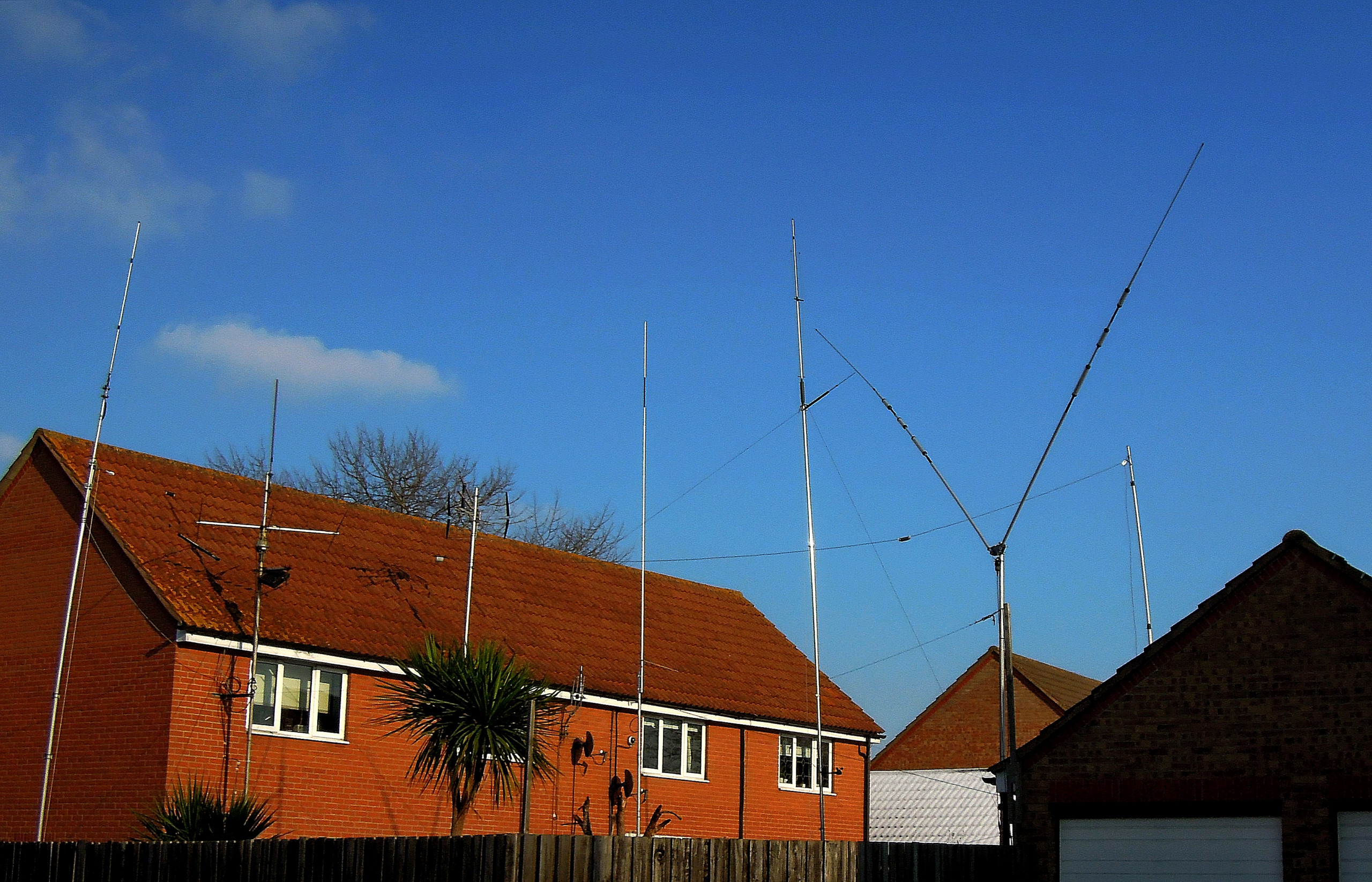
A serious station needed a tower, a rotatable beam, or at minimum a long wire running the length of the garden. These were visible from everywhere, and the operator who put one up was making a permanent public statement about their hobby to every neighbour they had.
The conflict this generated was constant and eventually became a legal subject. Local ordinances, and later private covenants in planned developments, increasingly restricted the structures outright. A federal regulatory limited-preemption rule in 1985 required local authorities to reasonably accommodate amateur antennas, but it did not reach private covenants, which is why a large share of modern housing is effectively closed to the hobby in its traditional form.
7. You Were Expected to Be Useful in an Emergency
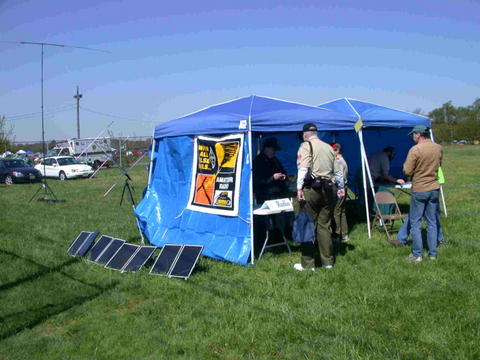
Amateur radio’s regulatory privileges – large allocations of valuable spectrum, granted free – rested on a public-service justification, and operators took it seriously. Local nets drilled weekly. When a hurricane or a flood took down the telephone exchange, amateurs ran health-and-welfare traffic for days.
The justification still exists and the service still happens, but mobile networks, satellite messengers, and hardened public-safety radio have reduced the occasions where amateurs are the only link. The hobby’s defenders point at the times the infrastructure fails entirely, which still occur. The underlying bargain – spectrum in exchange for usefulness – is older than most people in it and remains the reason the allocations survive.
8. Teenagers Were a Large Share of the Operators
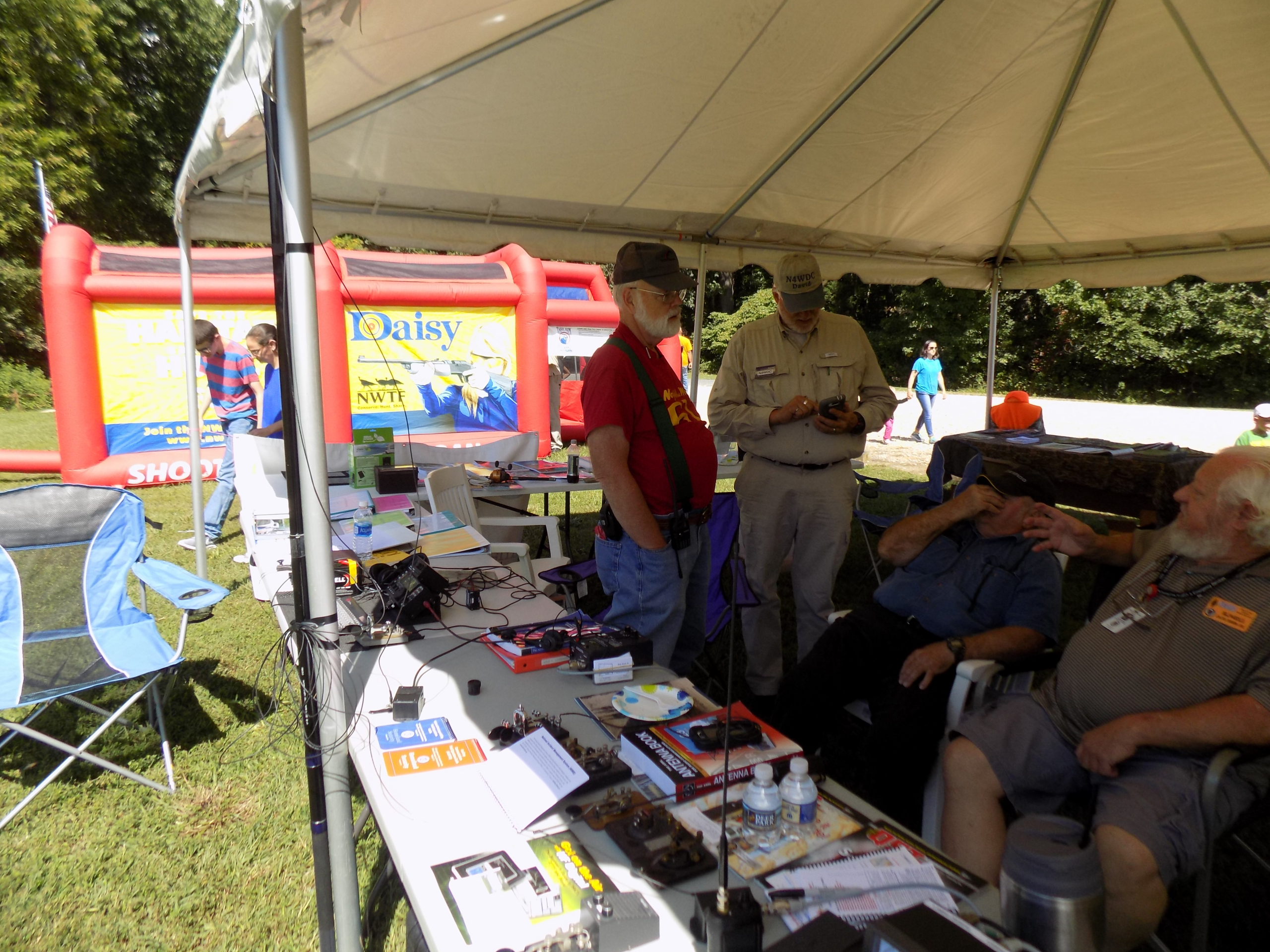
The Novice licence was deliberately designed as an entry point for young people: cheap, limited, code at five words per minute, valid for two years and not renewable, so you either advanced or left. Schools ran clubs. A boy with a licence at fourteen was ordinary.
The median age of a licensed operator in the United States is now well over fifty, and the hobby talks about this constantly. The cause is not mysterious. In 1965 amateur radio was the only way an adolescent could talk to a stranger in another country or build a working transmitter; both of those are now available through a device already in their pocket, with no examination and no soldering.
9. Everything Was Done in Public, With Your Legal Name Attached
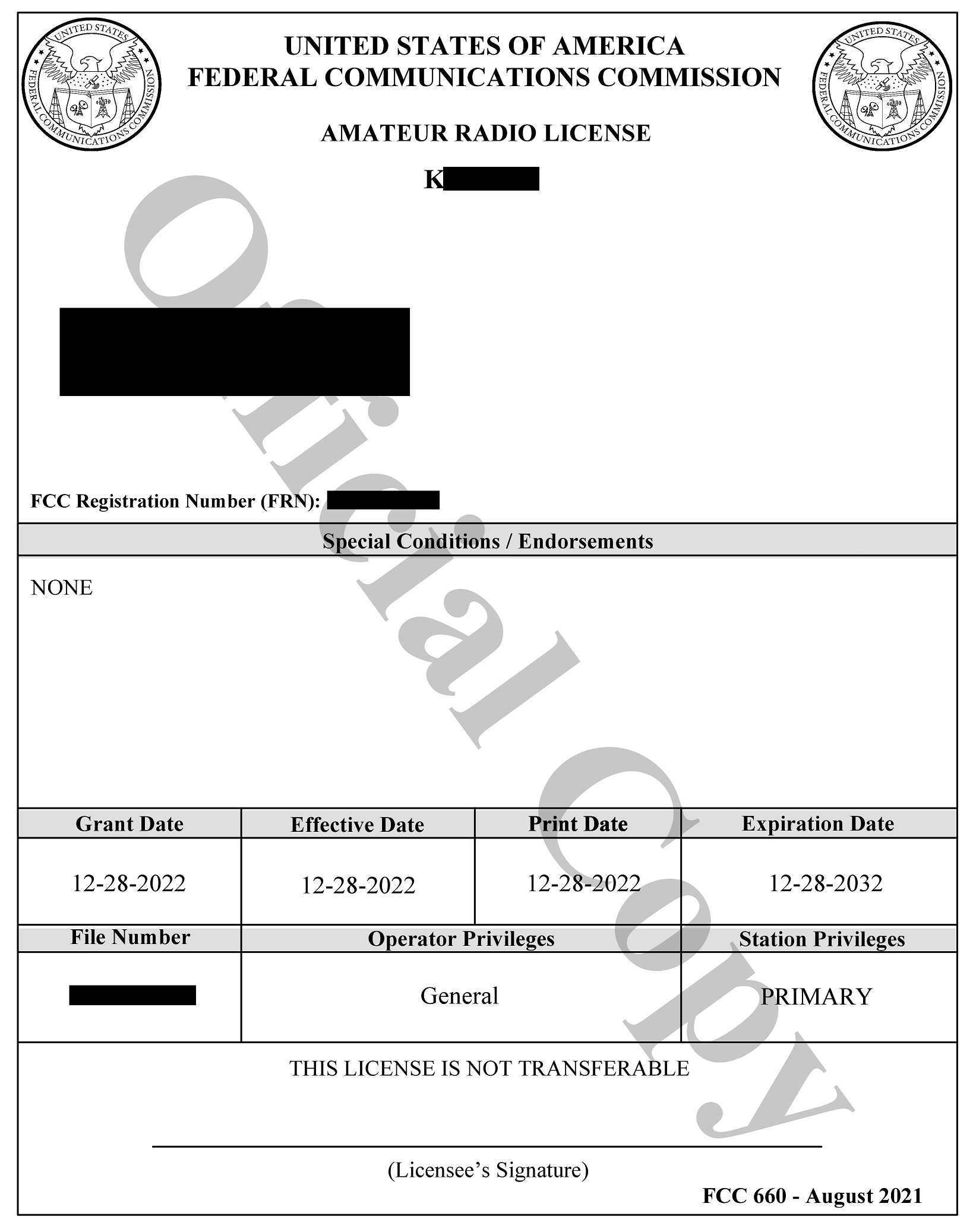
There are no anonymous amateurs. A callsign is tied to an identified individual, must be transmitted at specified intervals, and anybody within range can hear every word. Obscenity, music, encryption, and commercial traffic were and remain prohibited.
This produced a culture of considerable politeness that the internet did not inherit, for a straightforward reason: everybody was identifiable, everybody could be heard by their neighbours, and the licence could be revoked. It is the clearest working example of what identity requirements actually do to a communications medium, and it has been running continuously for a century.
10. The Local Radio Club Met in a Church Basement and Taught the Class
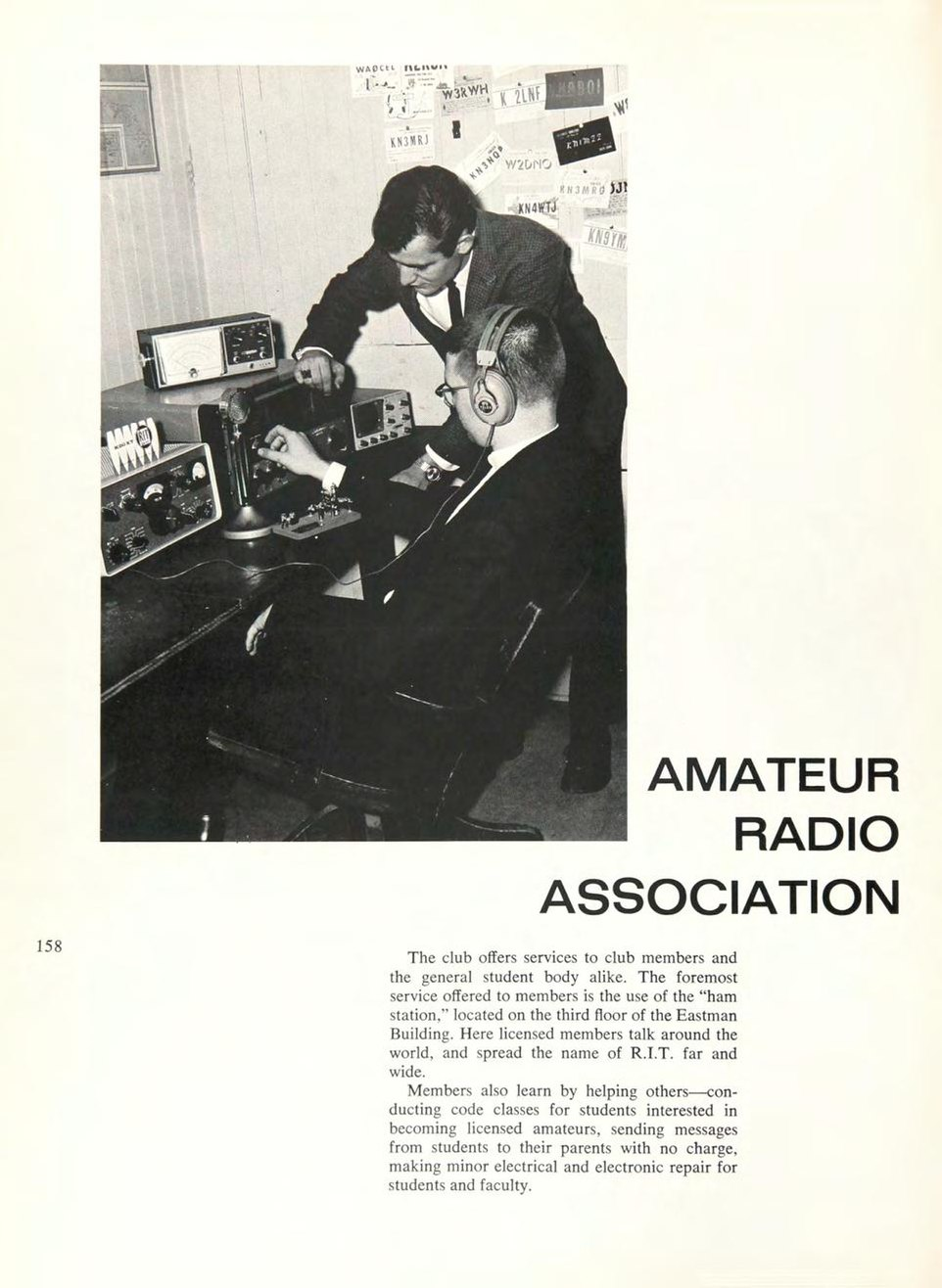
Nearly every county had a club, and the club’s primary function was reproduction: it ran the licence class, supplied the code practice, lent equipment to beginners, and produced the volunteer examiners. A new operator was mentored by an experienced one, a relationship with its own name in the hobby.
The structure persists and is thinner. Online study tools and question pools have made self-preparation entirely practical, which is efficient and removes the reason a beginner ever walks into the basement. Clubs that still thrive are generally the ones that found something to do together – building, contesting, a repeater to maintain – beyond passing the examination.
11. The Radio Room Was a Room, and the Family Worked Around It
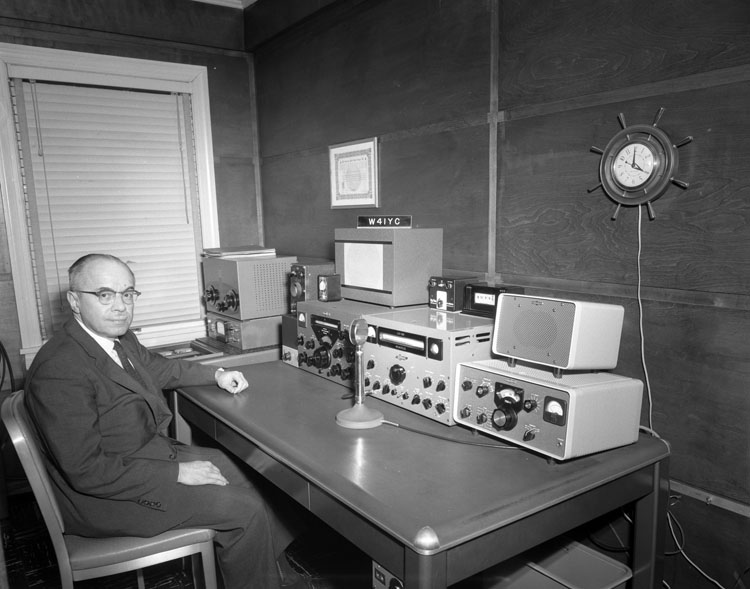
A station in 1965 occupied a desk, a wall, and frequently a basement corner, with a transmitter the size of a suitcase, a separate receiver, a key, a microphone, a rotator control, power supplies, and a run of coaxial cable going out through a hole drilled in the house. It ran hot and it hummed.
Families accommodated it the way they accommodated a workshop – as a permanent fixture belonging to one person. The interference it caused to the television in the next room was a standing domestic negotiation and a genuine engineering problem with a literature of its own. A modern equivalent station fits on a shelf, draws less power than a kettle, and no longer announces its existence to the rest of the household.
What the Hobby Became
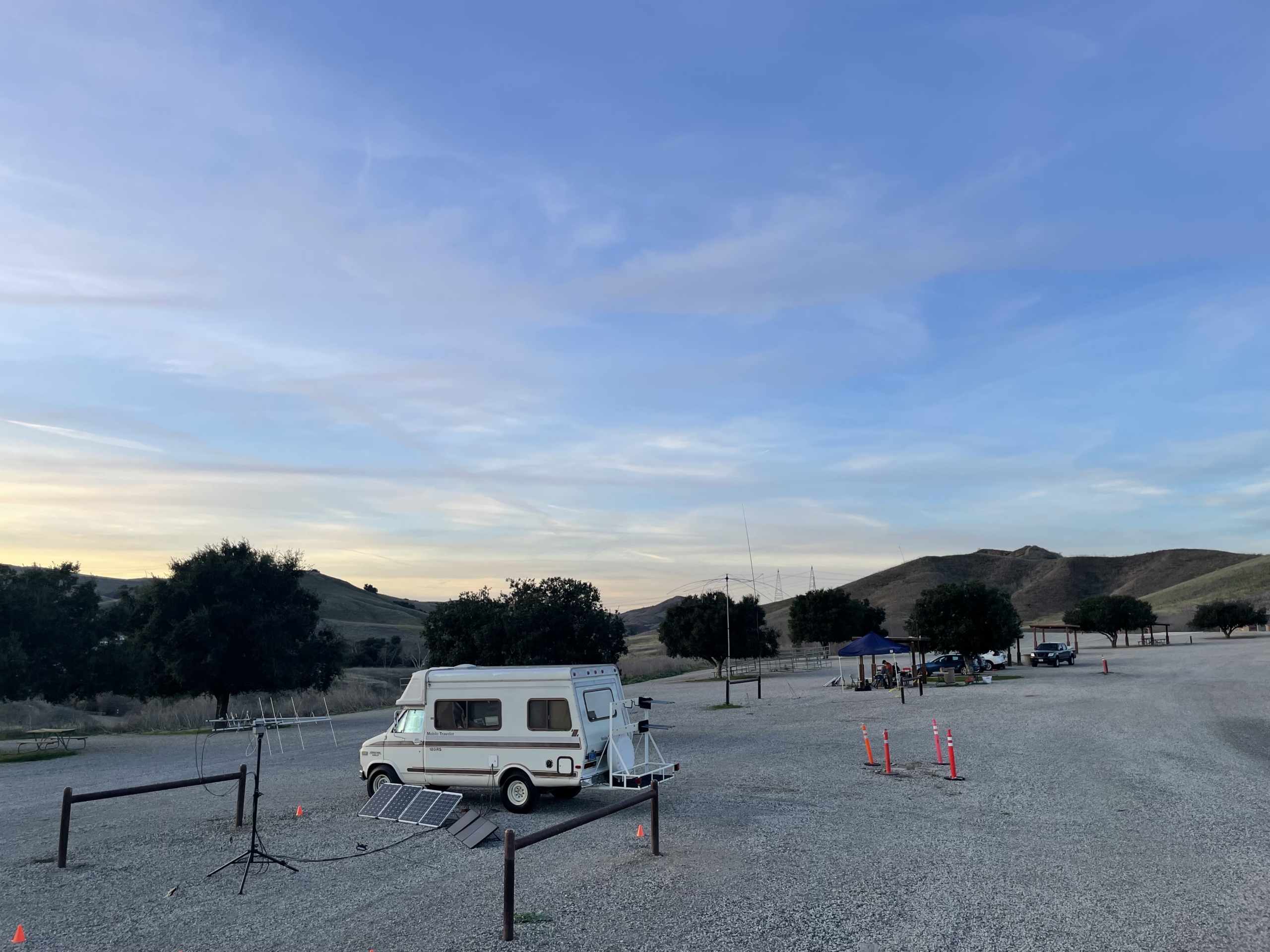
Amateur radio did not die, which is the thing people consistently get wrong about it. There are more licensed operators in the United States now than there were in 1965 – substantially more.
What changed is the reason to be one. In 1965 the hobby held a monopoly on long-distance personal communication, on building your own transmitter, and on talking to strangers abroad. Every one of those monopolies was broken by something else, and what remains is the part that was never about communication at all: the radio physics, the antenna experiment, the contest, the satellite pass, the emergency net, and the specific satisfaction of a signal that arrived because the ionosphere happened to be in the right state.
That is a narrower hobby than it was and a more technical one. The people in it generally do not regard that as a loss.
If there was a tower in your garden growing up, or a father who vanished into the basement at the same hour every evening, you already know what the humming was.
What was the callsign, and is anybody in the family still using it?
Like our content? Follow us for more.
