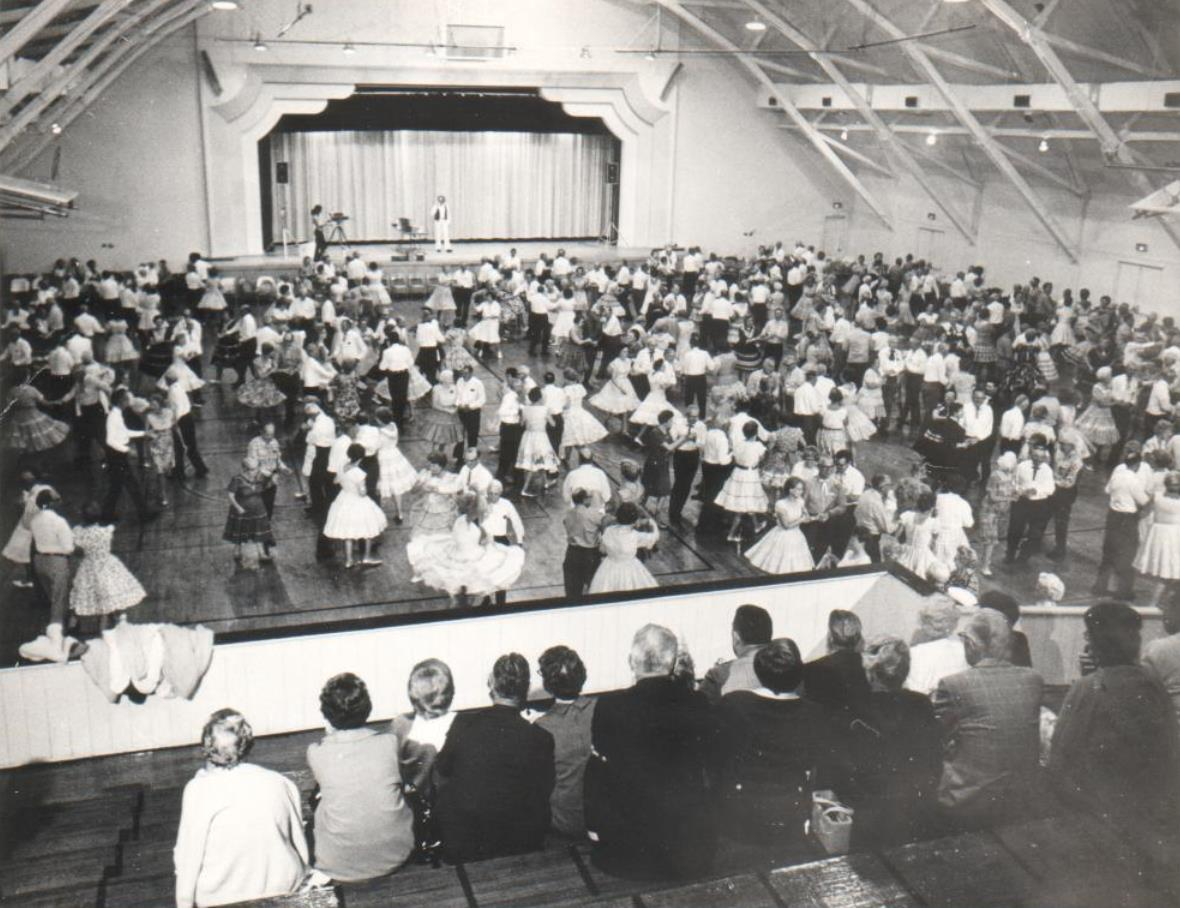
Before there were discotheques, clubs or anything with a disc jockey in it, the Saturday night out in most American towns of any size meant a hall with a band in it.
It was the single largest social institution for unmarried people in the country, it was where an enormous number of couples met, and it operated under a set of rules – about dress, about behaviour, about who could come in and how close anybody could stand – that were enforced by staff whose entire job was enforcement.
Here are fourteen things that happened at a dance hall in 1958 and could not happen now.
1. The Music Was Live and It Was a Band of Twelve People
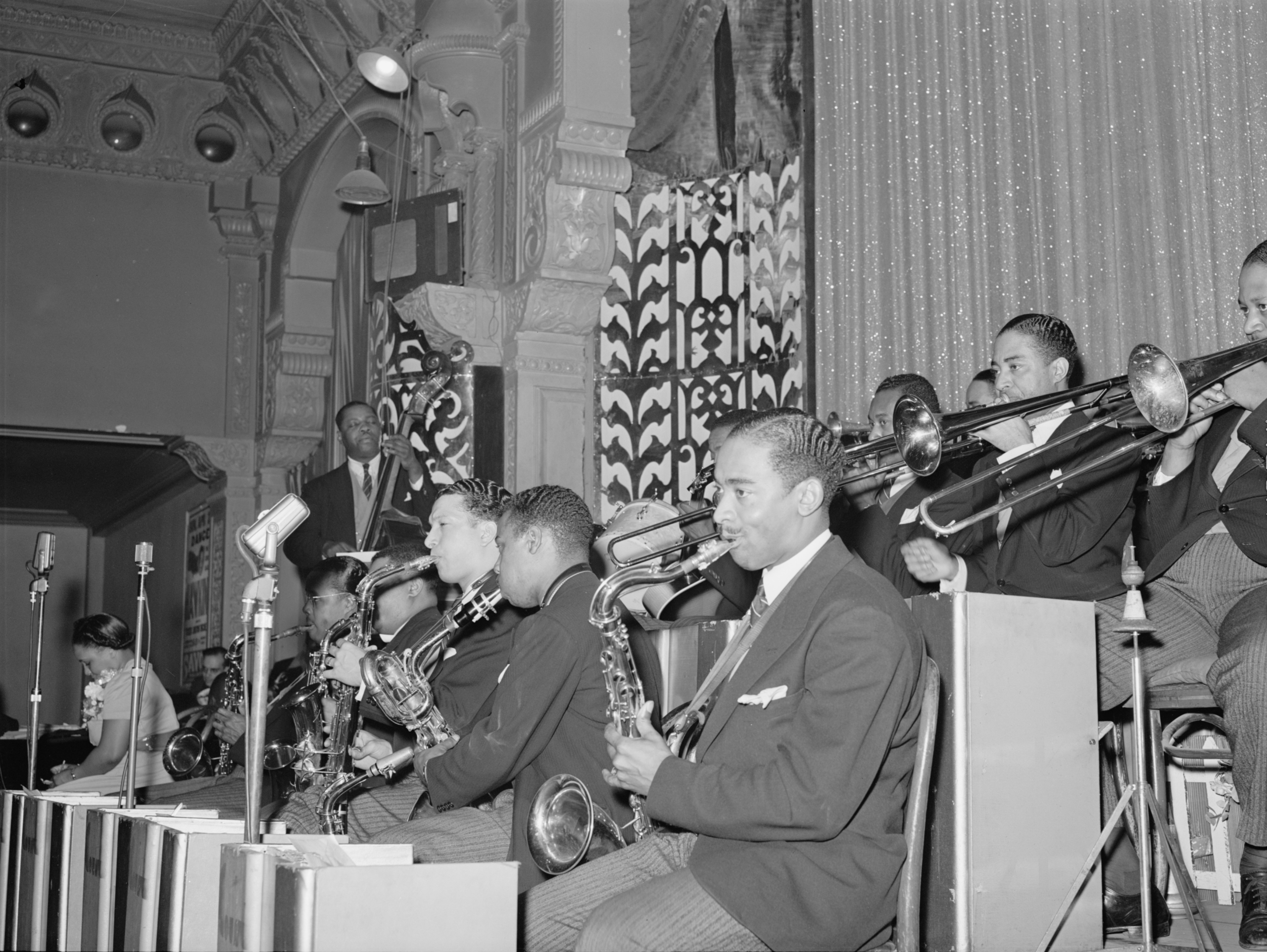
A proper hall employed a resident orchestra – brass, reeds, rhythm section, a vocalist – playing sets all evening, reading from charts, with a bandleader fronting it.
The economics of that are extraordinary by modern standards: a venue paying a dozen professional musicians every Saturday, every week, as a matter of course. The disc jockey replaced the entire payroll with one person and a box of records, which is the single change that ended the format.
Like our content? Follow us for more.
2. There Was a Dress Code and the Door Enforced It
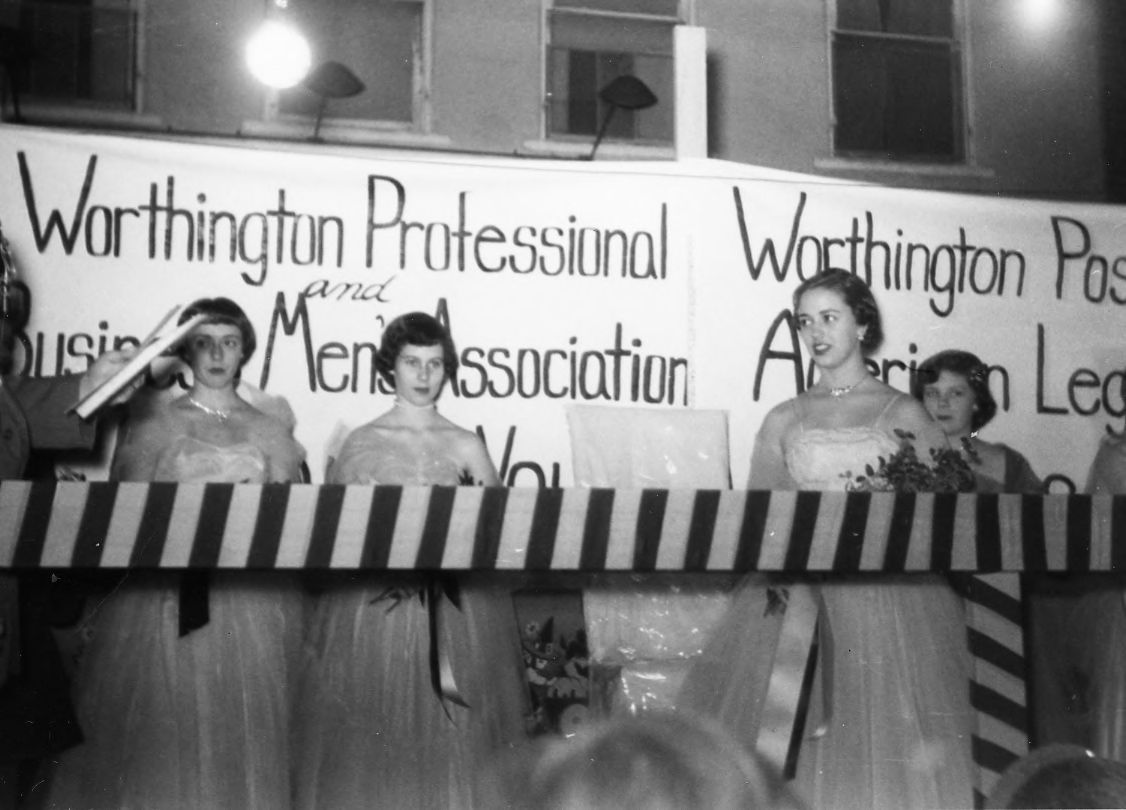
A jacket and tie for men, a dress for women, and a doorman who turned away anybody who did not meet it. Standards varied by hall but the principle did not, and being refused at the door for what you were wearing was an ordinary occurrence.
Dress codes at American venues are now constrained by public accommodation law, which prohibits discrimination on protected grounds – and the specific concern is that a vaguely worded dress code can be and has been applied as a proxy for excluding people on grounds that could not lawfully be stated. That is the reason modern codes are either specific or absent.
3. A Man Walked the Floor Separating Couples
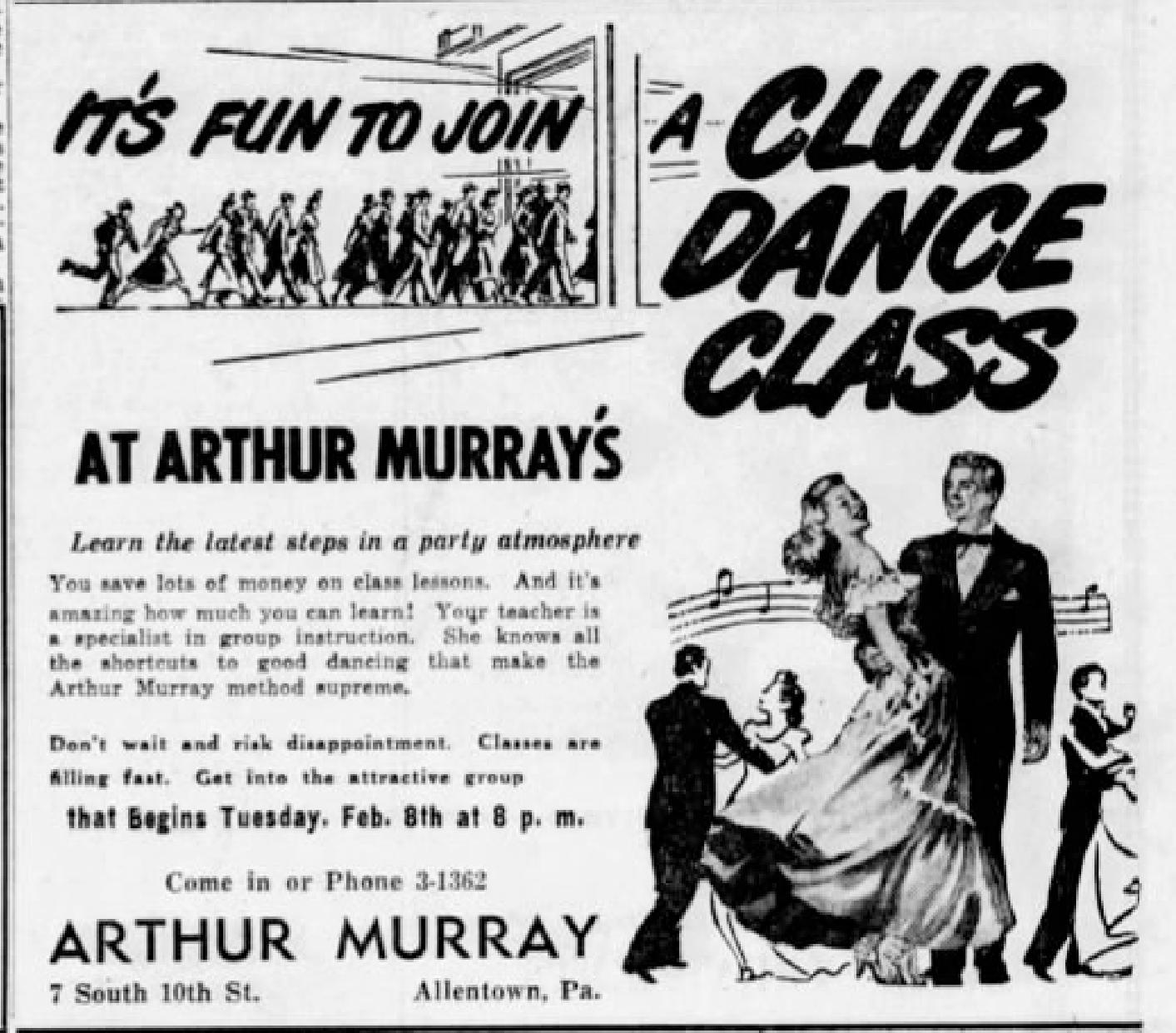
Halls employed floor supervisors whose job included maintaining the distance between dancing partners, intervening when a couple danced too closely, and removing people who did not comply.
The role was standard, the intervention was physical and nobody questioned the premise. It is the item that most clearly dates the institution, and it disappeared completely rather than gradually.
4. Women Did Not Arrive Alone
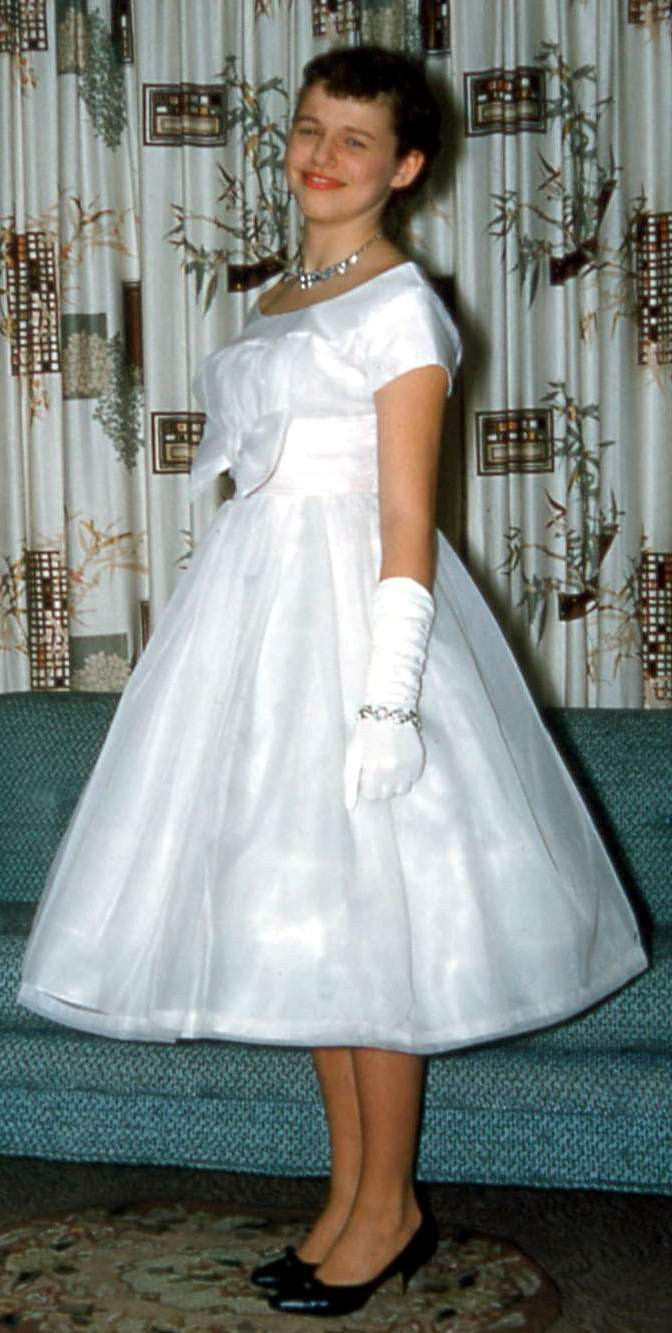
An unaccompanied woman at the door was a problem. Halls variously refused entry, required arrival in pairs or groups, or admitted her into an atmosphere in which her presence was read as a statement.
Refusing admission to a woman because she is alone would now engage public accommodation law directly, and the practice has no modern survival in any lawful form. The arrangement reflected assumptions about what an unaccompanied woman in a dance hall was doing, which is the uncomfortable thing underneath the whole convention.
5. Men Asked and Women Waited
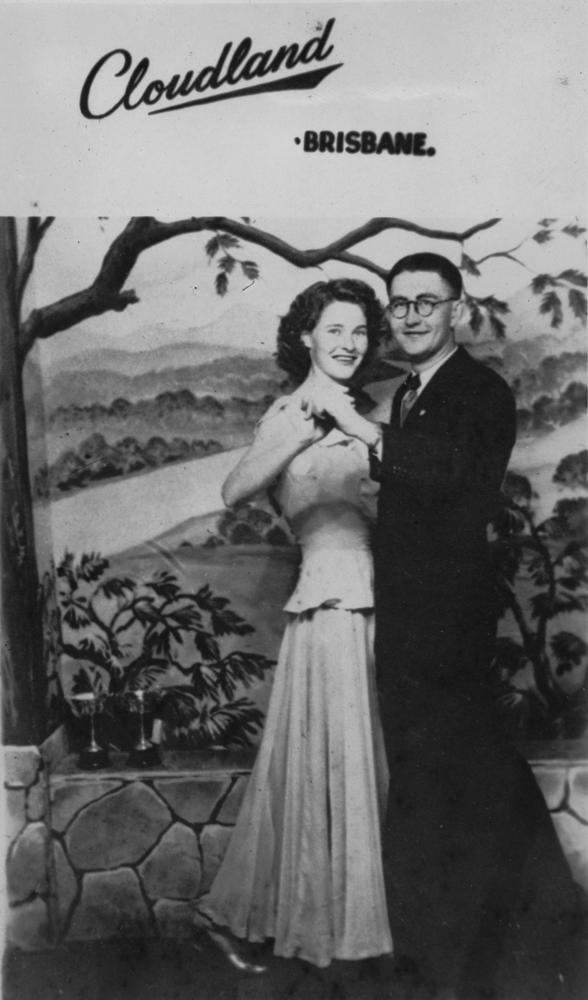
The approach was entirely one-directional. Men crossed the floor, women waited at the edge of it with their friends, and a woman who crossed the floor herself was doing something remarkable.
The whole architecture of the room – where people stood, where the seating was, how the floor was lit – was built around that single convention. Its disappearance is the structural reason a modern dance floor looks and works completely differently.
6. Refusing a Dance Was Governed by Rules
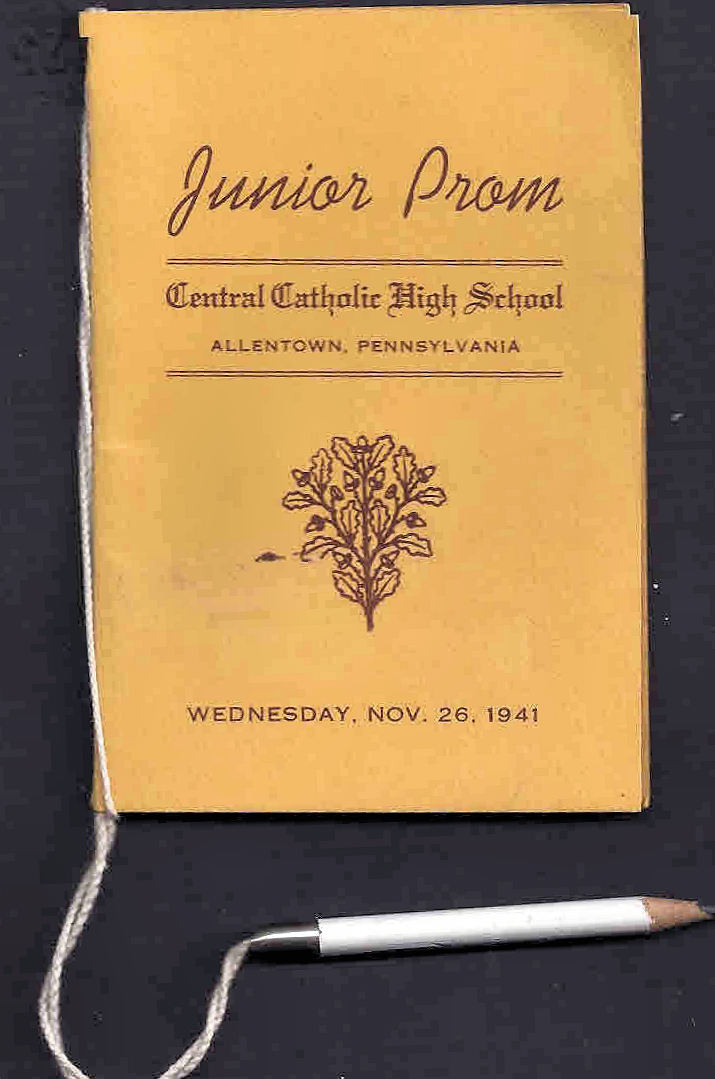
Etiquette held that a refusal required a reason, that having refused one man a woman should not then dance with another to the same number, and that a refusal reflected on her rather than on him.
The system placed the cost of the whole interaction on the person with less power in it, which is a reasonable summary of a great deal of mid-century social convention. It is also the thing women who went describe with the least affection.
7. The Floor Was Sprung and It Was the Expensive Part
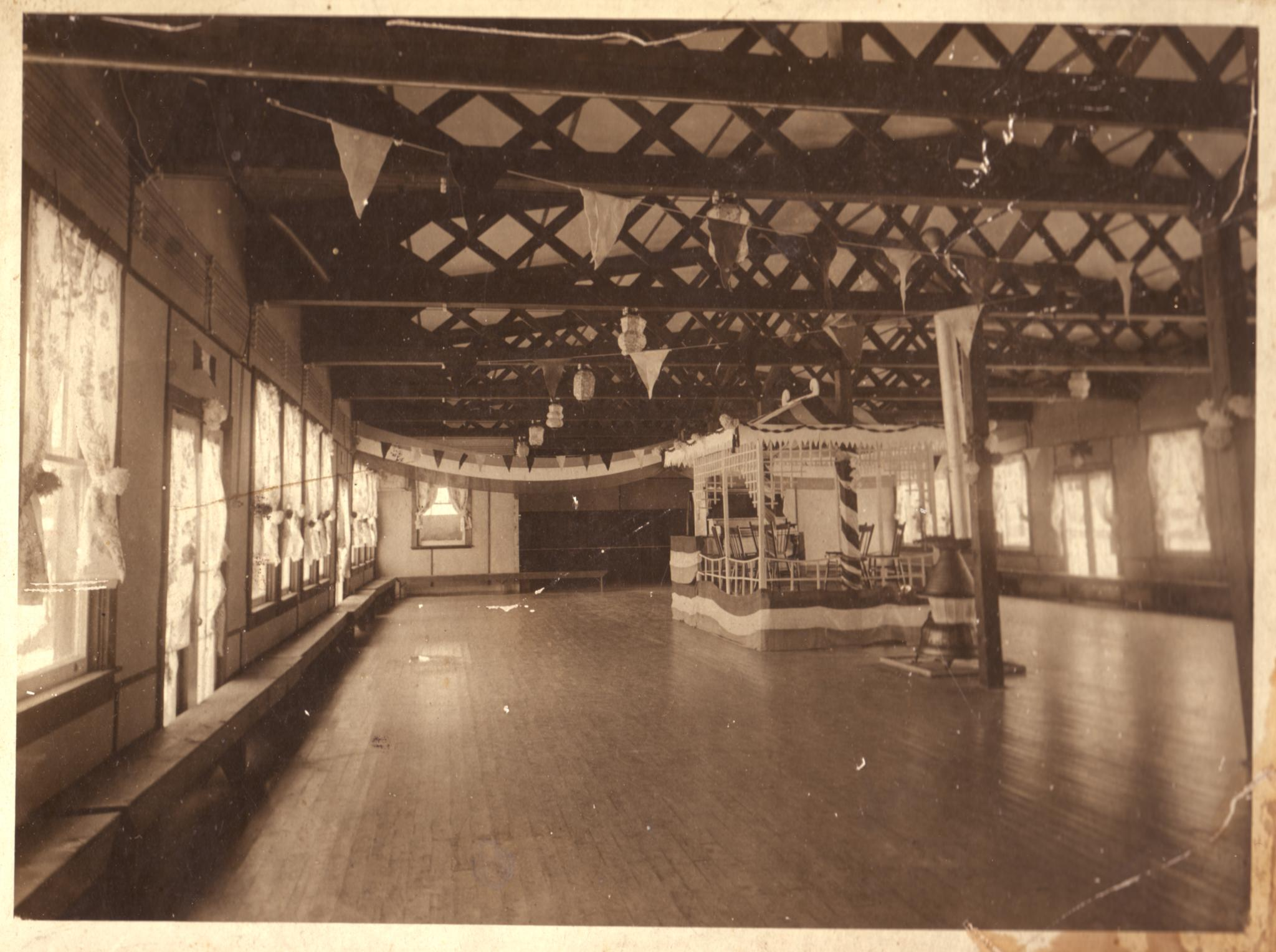
A proper dance floor was built on springs or on a flexible substructure so that it gave underfoot, which reduced fatigue and let a crowd dance for hours. It was the most expensive single element of a hall.
Surviving sprung floors are now prized and protected, and several of the preserved halls in America are listed specifically for them. The modern venue is a concrete slab, because nobody is dancing for four hours in a way that requires anything else.
8. Everybody Smoked and the Room Was Visible
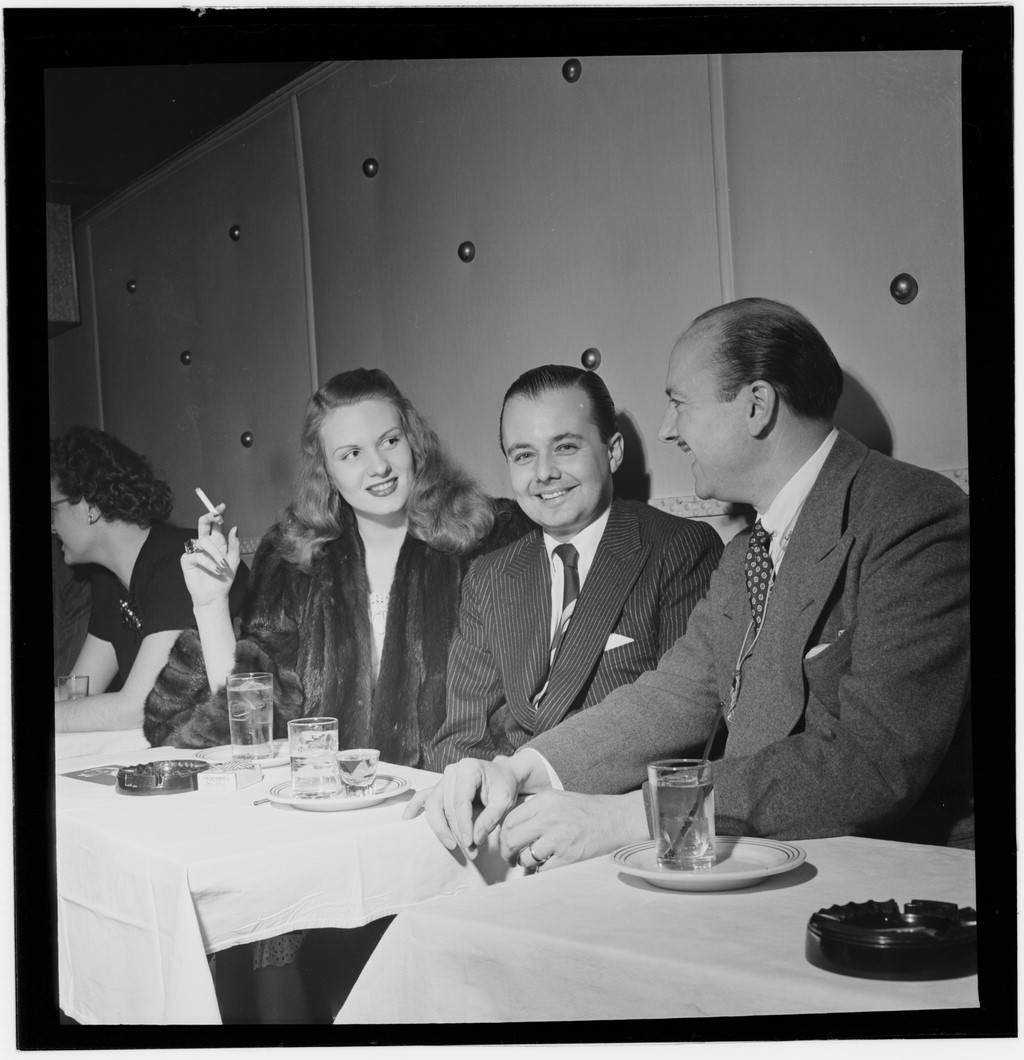
Smoking throughout, in a sealed hall with a thousand people, produced a visible haze through which the stage lighting cut in beams. It was considered atmospheric.
Indoor smoking is now prohibited in American public venues everywhere, and the smoke-beam photograph that defines period images of these rooms is a record of air that nobody would now be asked to breathe for an evening.
9. There Was No Amplification Worth the Name

A band filled a thousand-seat hall acoustically, with at most a vocal microphone through a modest system. The volume was set by how hard a brass section could play, which meant conversation was possible throughout.
This is the difference people who went notice most in modern venues. You could talk, at a normal volume, standing beside somebody, for an entire evening – which is the reason a dance hall worked as a place to meet people and a modern club does not.
10. The Alcohol Was Limited or Absent
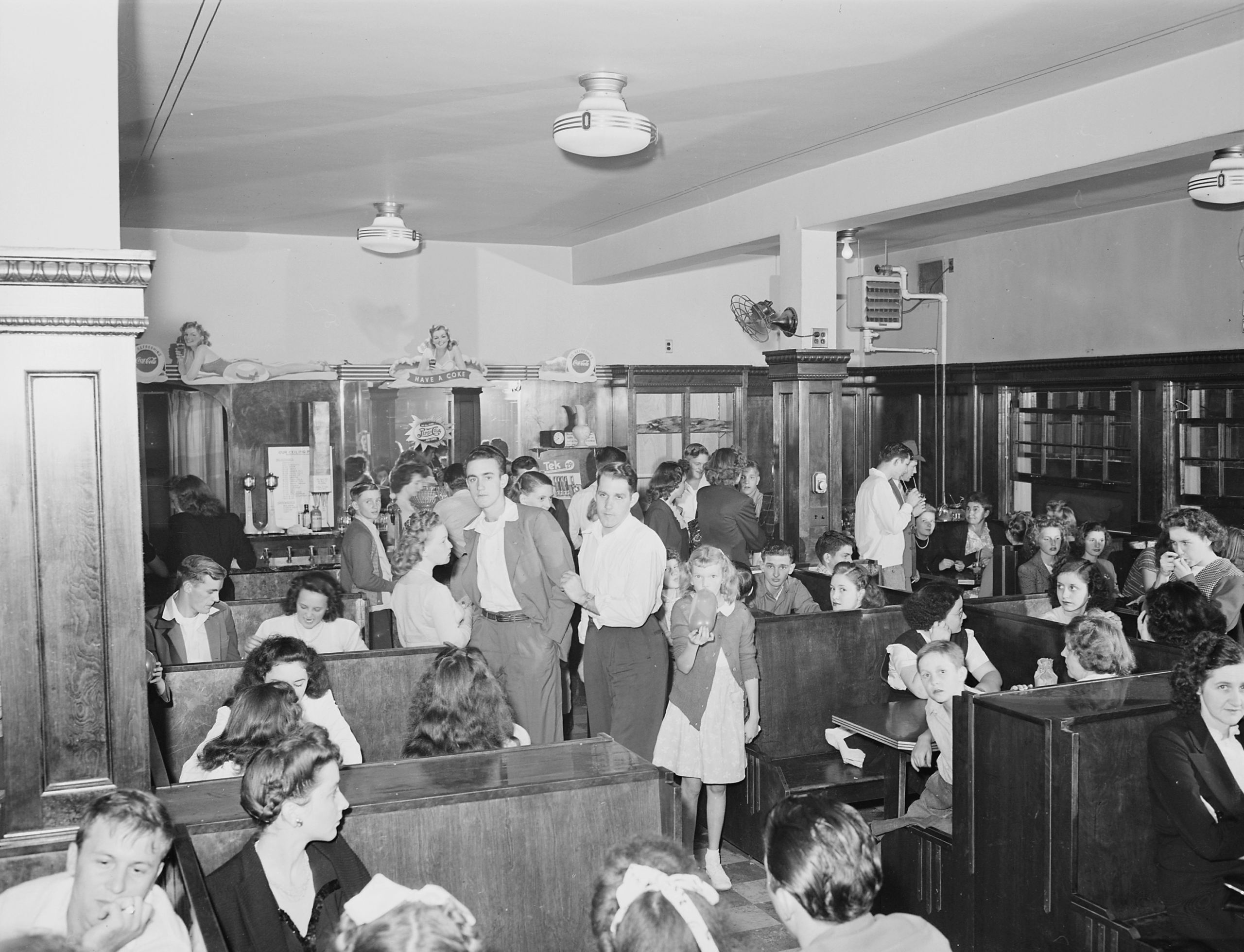
A great many American dance halls were not licensed. Some sold soft drinks only, some operated under local restrictions, and a significant number of the largest were deliberately dry on the grounds that the business was dancing.
This is the detail that most surprises people. The archetypal image of the period involves far less drinking than the modern equivalent, and the halls that were dry were dry as a selling point to parents rather than by compulsion.
11. Admission Was Cheap and the Evening Was Long
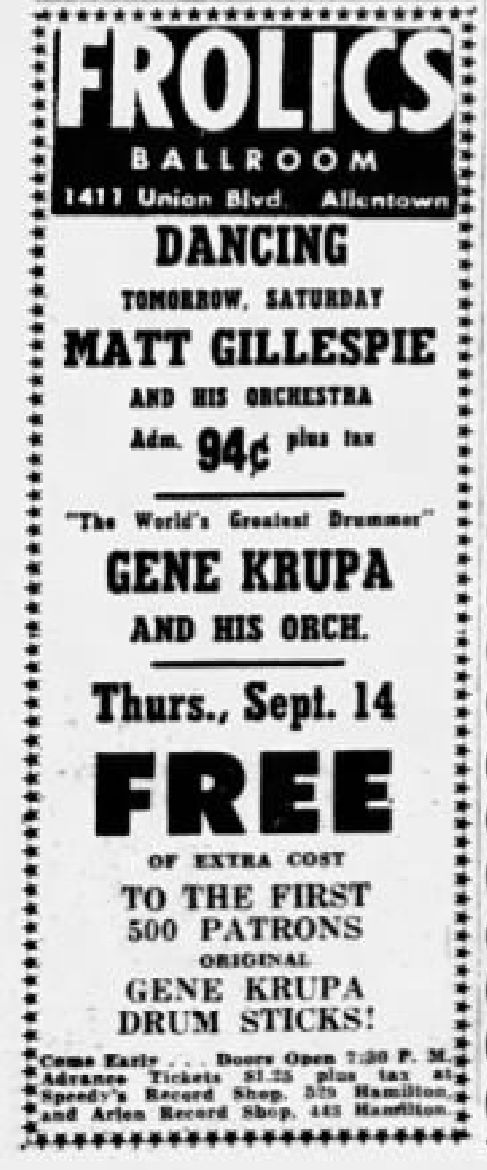
The door charge was small, the band played from early evening until late, and the expected stay was the whole night rather than part of it.
A venue with a resident orchestra and a thousand paying customers at a low price is a volume business, and that arithmetic is why the format could not survive a shrinking audience – the costs were fixed and enormous and the only variable was attendance.
12. The Hall Was Where People Met and Everybody Knew It
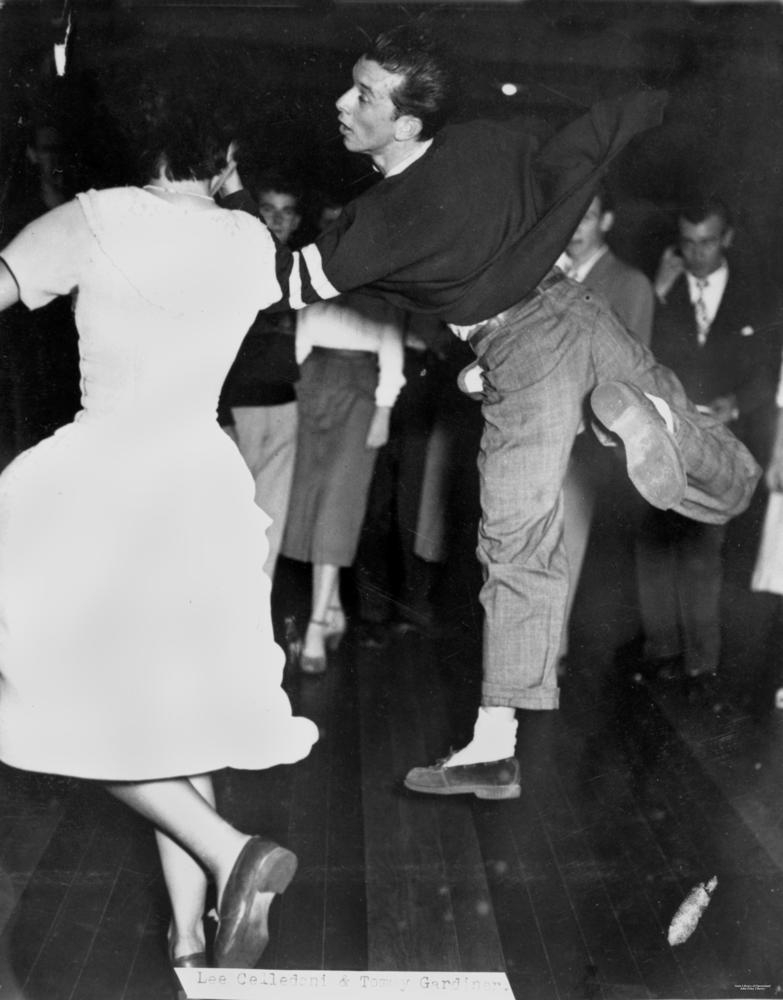
The explicit social function was introduction. A very large proportion of the couples who married in this period met at one, and the institution was understood by participants, parents and the halls themselves as a marriage market operating under supervision.
That supervised quality was the point. Parents permitted attendance precisely because the floor supervisor, the dress code and the rules existed, and the whole structure was a negotiated compromise between young people wanting to meet each other and a society that wanted it to happen where it could be watched.
13. Segregation Shaped Who Was in the Room
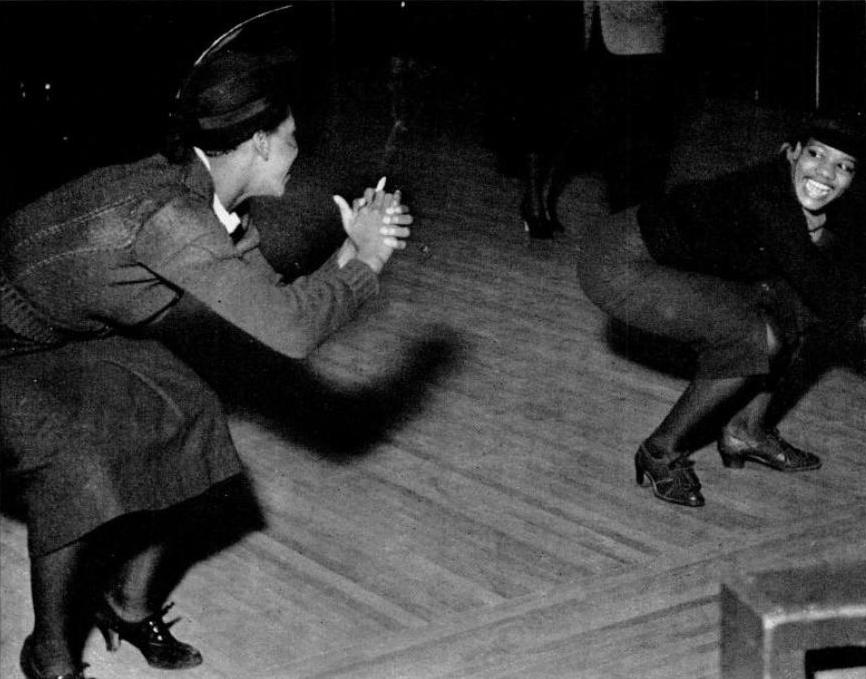
In 1958 a great many American dance halls were segregated in practice or in policy, by explicit exclusion, by separate venues, or by designated nights.
The 1964 civil rights legislation prohibited discrimination in places of public accommodation, which includes venues of this kind, and the practice is comprehensively unlawful. No account of an American dance hall in 1958 is honest without it, and the nostalgia attached to these rooms belongs to the people who were allowed into them.
14. And Then the Record Player Ended the Whole Economy

The collapse was fast and it was arithmetic. A disc jockey costs a fraction of an orchestra, plays any music that exists rather than what a band can read, requires no rehearsal and does not need feeding. At the same time the music young people wanted moved toward recordings that no dance band could reproduce convincingly, television kept people at home, and the car gave them somewhere else to be.
Halls closed in enormous numbers through the nineteen-sixties, were converted into bingo halls, cinemas, supermarkets and car parks, and the resident orchestra as a form of employment for working musicians essentially ceased to exist. The surviving halls are preserved curiosities, and the thing that replaced them is a room where you cannot hear the person next to you.
What Ended It, and What It Was Actually For
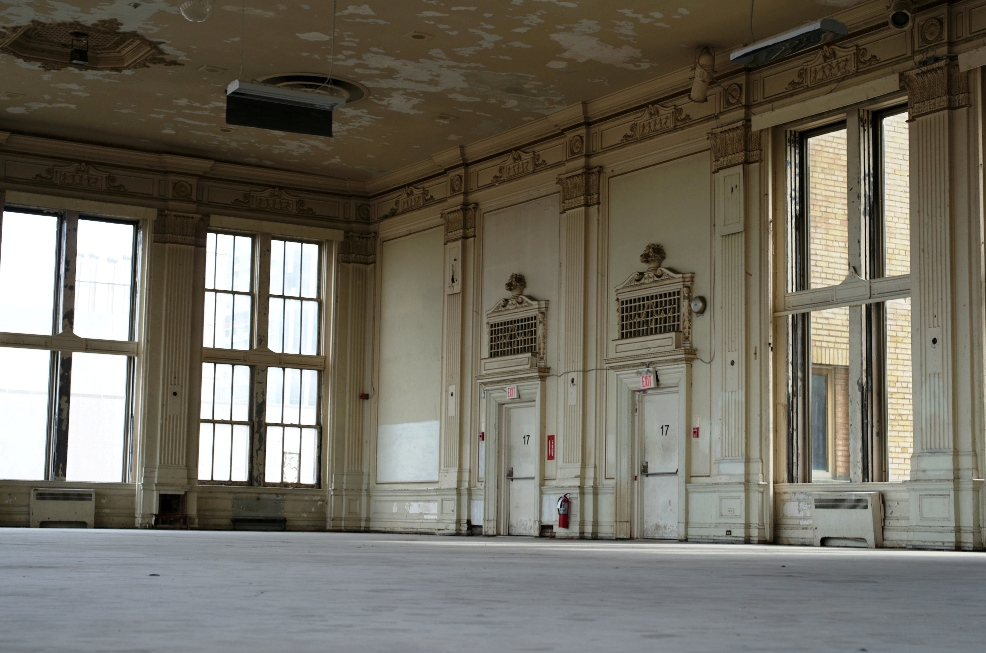
Three of these would now be unlawful rather than merely unfashionable: the segregation, the refusal of unaccompanied women, and a dress code loose enough to be applied as a proxy for exclusion.
The segregation belongs at the front of that list, and the rest of the account should be read with it in view. These rooms are remembered with enormous affection by the people who were admitted to them.
What ended the format was not the law. It was a cost structure that could not survive its own technology. A hall with a resident orchestra was paying twelve to sixteen professional wages every week against a low door price and a large crowd, which works only while the crowd is large. The disc jockey removed the entire payroll, the records removed the repertoire limitation, television and the car removed a share of the audience, and the arithmetic stopped working within about a decade.
And the thing that was lost with it is not the dancing, which continued elsewhere. It is a large, cheap, supervised, alcohol-light room where several hundred young people could hear each other speak. Every element of that has gone separately, and nothing has reassembled them.
Ask anybody who went and the answer is always the same two things: the floor, and being able to talk.
A sprung wooden floor the size of a tennis court, a band that played until one in the morning, and a room where you could stand beside somebody you had just met and have an actual conversation without shouting. Those are specific, physical, reproducible things, and no modern venue provides any of them – not because it cannot, but because the economics that paid for them went away with the orchestra.
Like our content? Follow us for more.