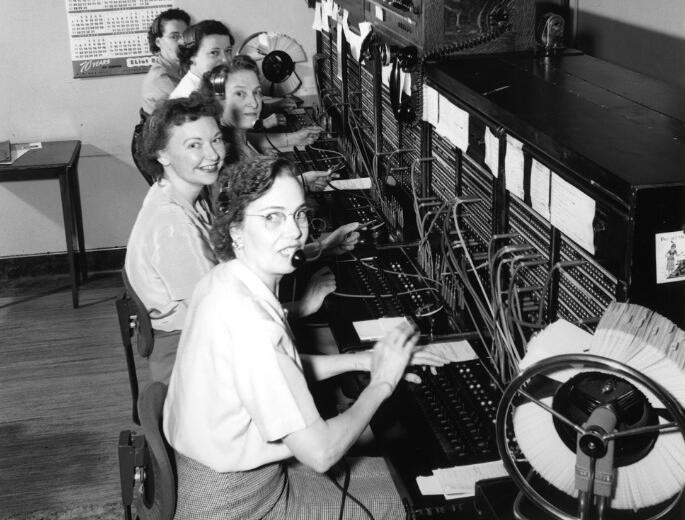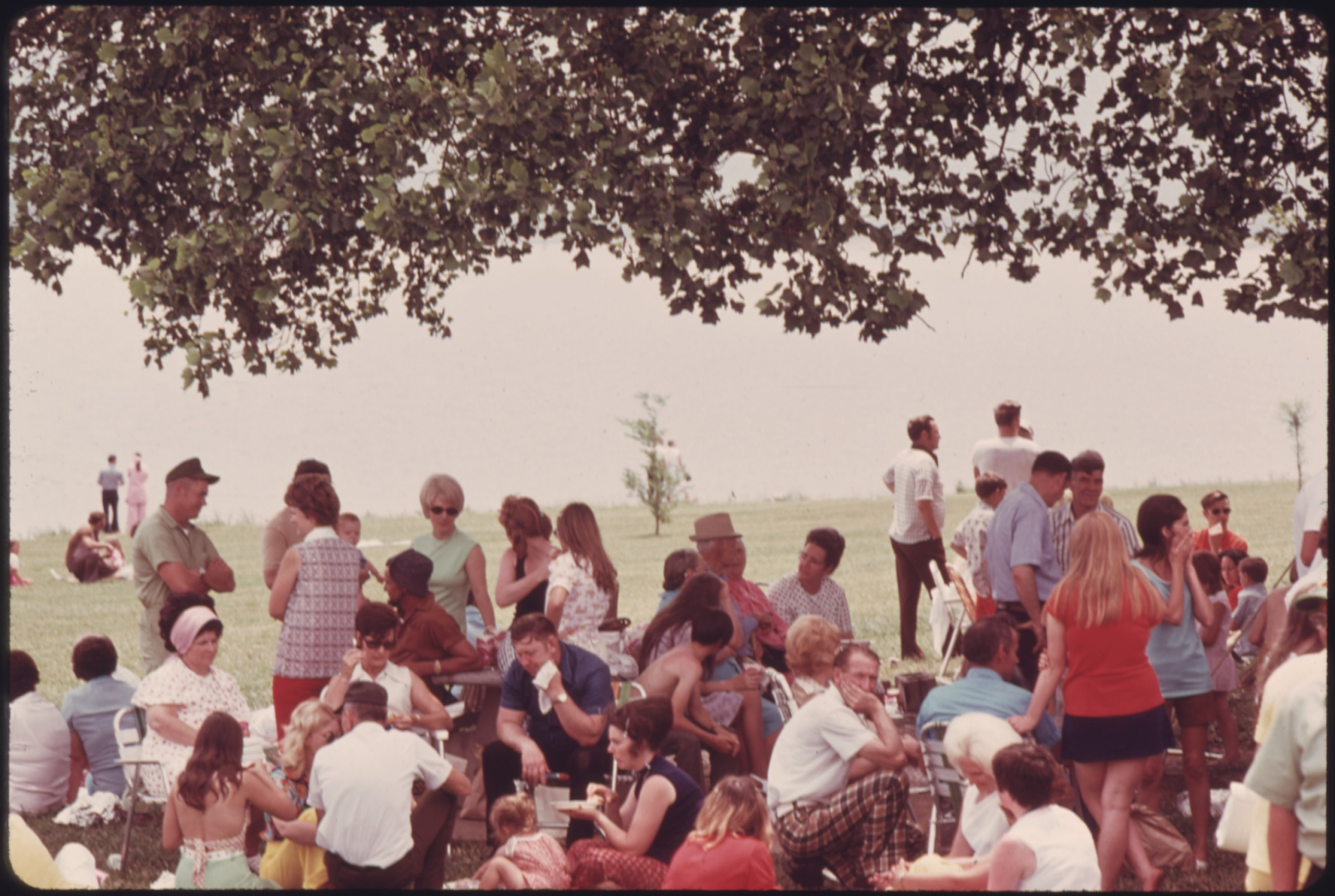
The annual company picnic was not a perk bolted onto a job. For a substantial part of the mid-century workforce it was the one day a year when the employer, the employee, the employee’s family, and often the union all occupied the same field at the same time and behaved as though they had something in common.
It worked because of a set of conditions that have since come apart: a workforce living within a few miles of one building, a reasonable expectation that people would still be there in twenty years, and a liability environment that let a company put four thousand people and a keg in a public park on a Saturday.
Here are twelve things that were routine at a 1965 company picnic and would now be impossible, illegal, or simply pointless.
1. The Company Rented an Entire Park, and the Whole Town Knew
A mid-sized manufacturer in 1965 did not book a pavilion. It booked the park – the grove, the ballfield, the pool if there was one, the whole Saturday. The reservation went in months ahead, the parks department blocked it off, and anybody else who wanted that park that day went somewhere else.
The scale was possible because the workforce was concentrated. A plant with eleven hundred employees, most living within six miles, could put four thousand people in a park including families and have it feel full but not chaotic. A modern employer with eleven hundred people has them in four states and three time zones, half of them contractors, and the event that replaces the picnic is a video call with a trivia round.
Like our content? Follow us for more.
2. Attendance Was Not Optional in Any Way That Mattered
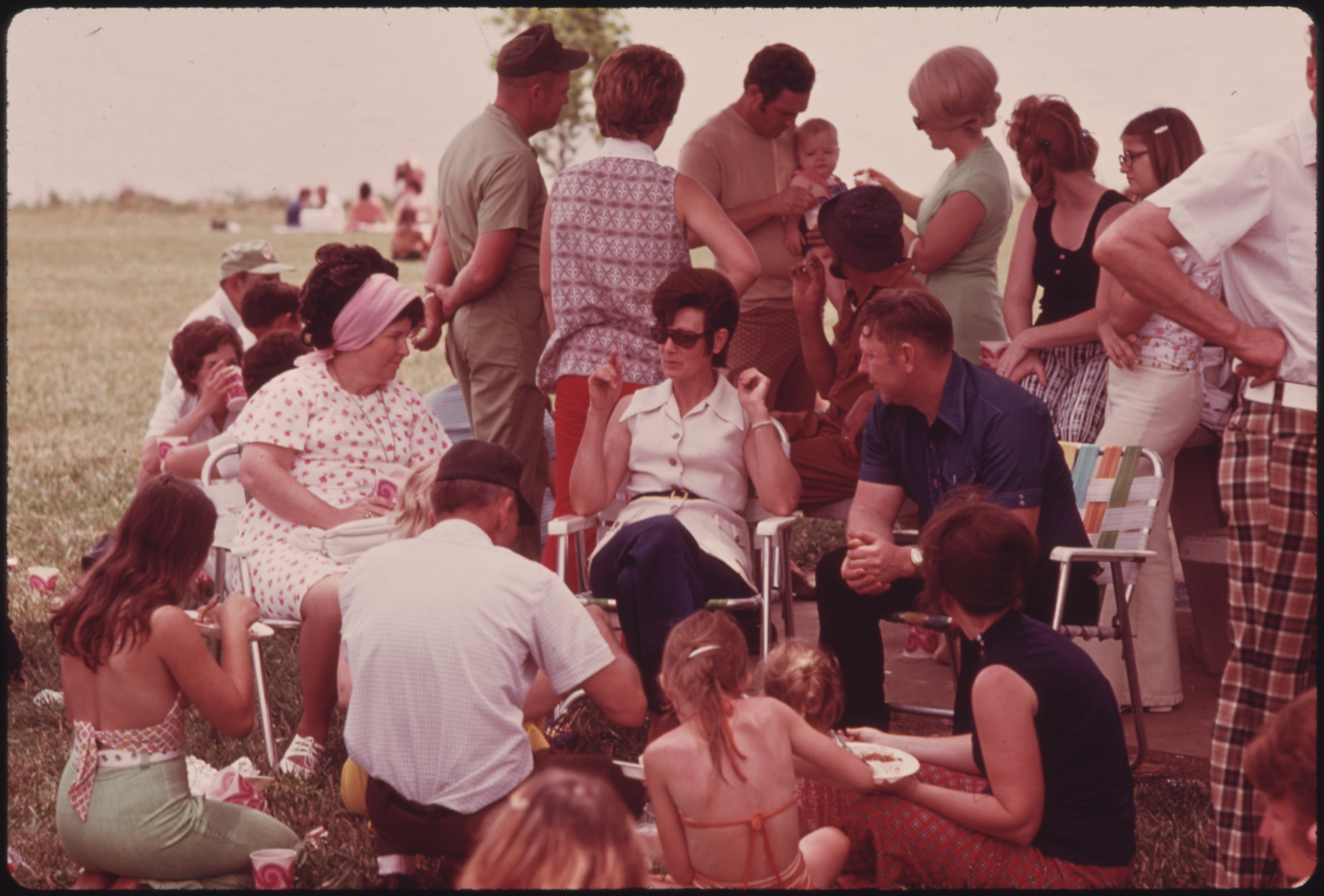
Nobody wrote down that you had to come. Nobody had to. The plant manager came, the foremen came, the foremen noticed who came, and the people who did not come were a short enough list to be a list. Your wife came. Your children came and were introduced by name.
This was understood as a benefit rather than an obligation, and for a lot of families it genuinely was – a free day out with rides and food in a decade when a free day out with rides and food was worth having. But the social accounting was real. An employee who skipped three years running was making a statement about their relationship to the company whether they meant to or not, and it was read that way.
3. There Was a Beer Truck, and Management Poured
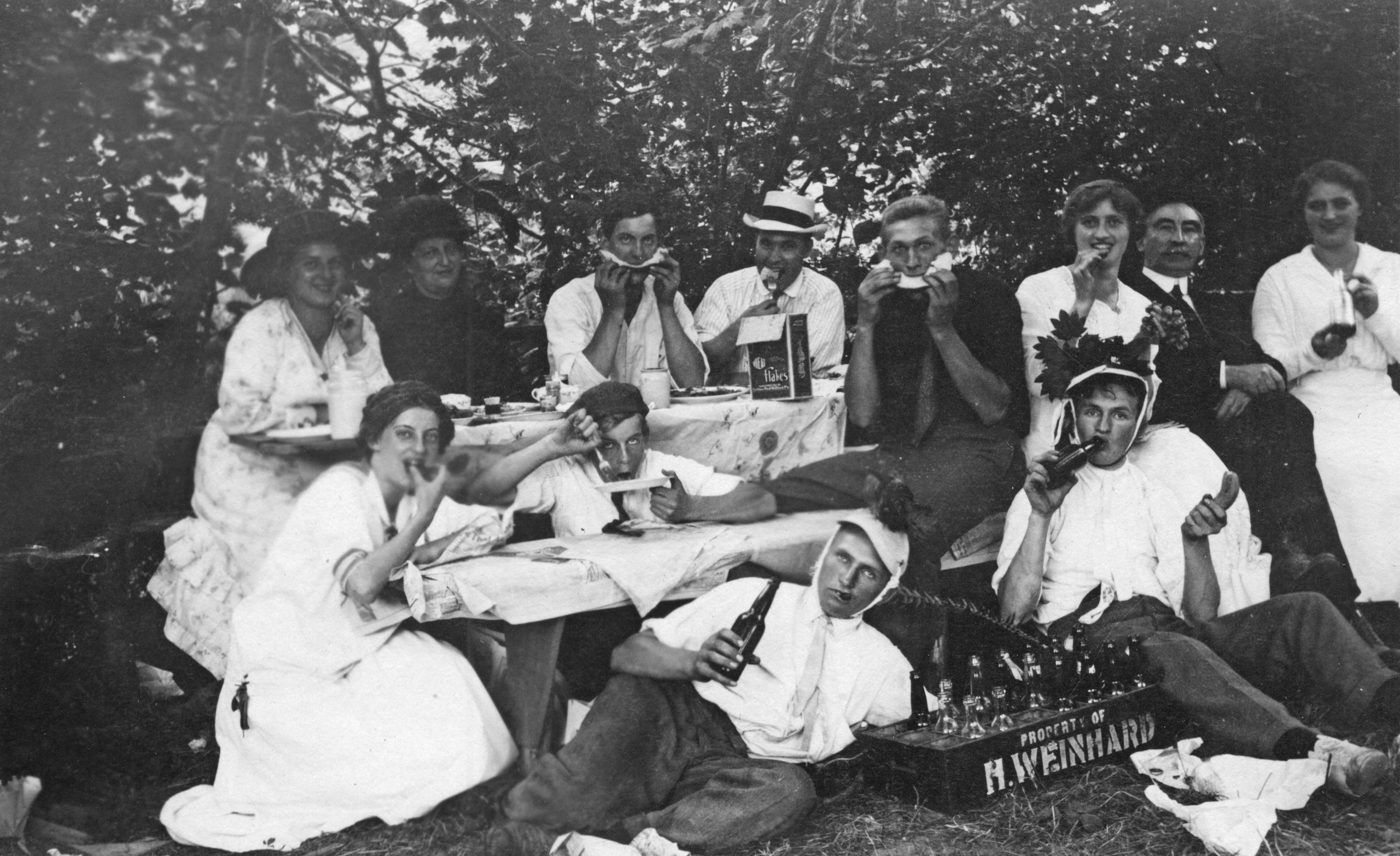
A keg or several, usually donated or sold at cost by a local distributor, dispensed from a trestle table or the back of a truck. In a lot of companies the pouring was done by supervisors and executives as a deliberate bit of role inversion – the superintendent serving the line.
Beer at a company event with children present, outdoors, with people then driving home, is the single element of the 1965 picnic that has most thoroughly ceased to be possible. The change came from liability, from drink-driving enforcement that hardened substantially from the early 1980s, and from a general tightening around alcohol at employer events. Companies that still serve now use drink tickets, a licensed bartender, and a cut-off time.
4. The Softball Game Was Departmental and the Rivalries Were Genuine
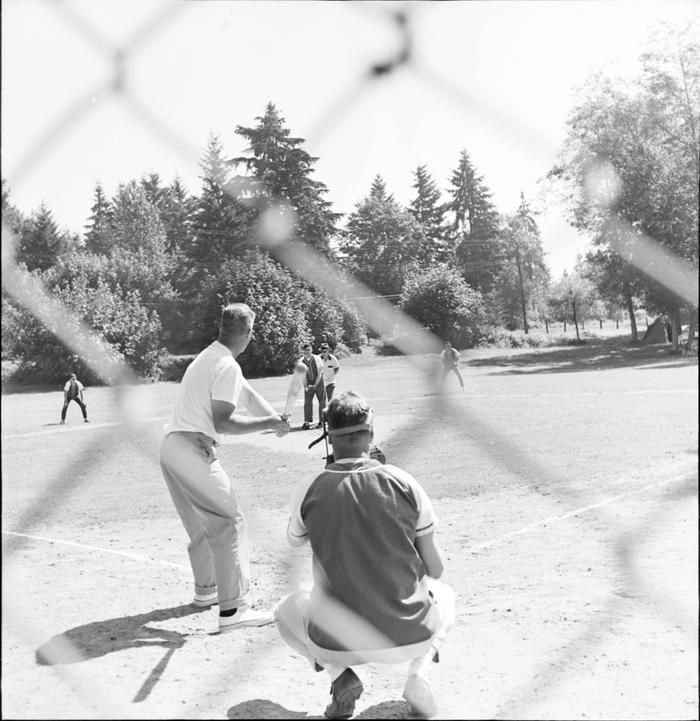
Shipping against maintenance. First shift against second. The office against the floor, which was the one everybody came to watch, because it was the only occasion in the year when the men who ran the machines could legitimately beat the men who ran the paperwork at something.
These were not icebreakers. They were annual fixtures with continuity, remembered results, and in some plants a trophy that lived in whichever department had won it. The modern corporate equivalent – the team-building activity selected by an events coordinator – fails to replicate this for a simple structural reason: a rivalry needs stable teams that persist between events, and a workforce that reorganises every eighteen months does not have those.
5. Children Were Given the Run of the Place
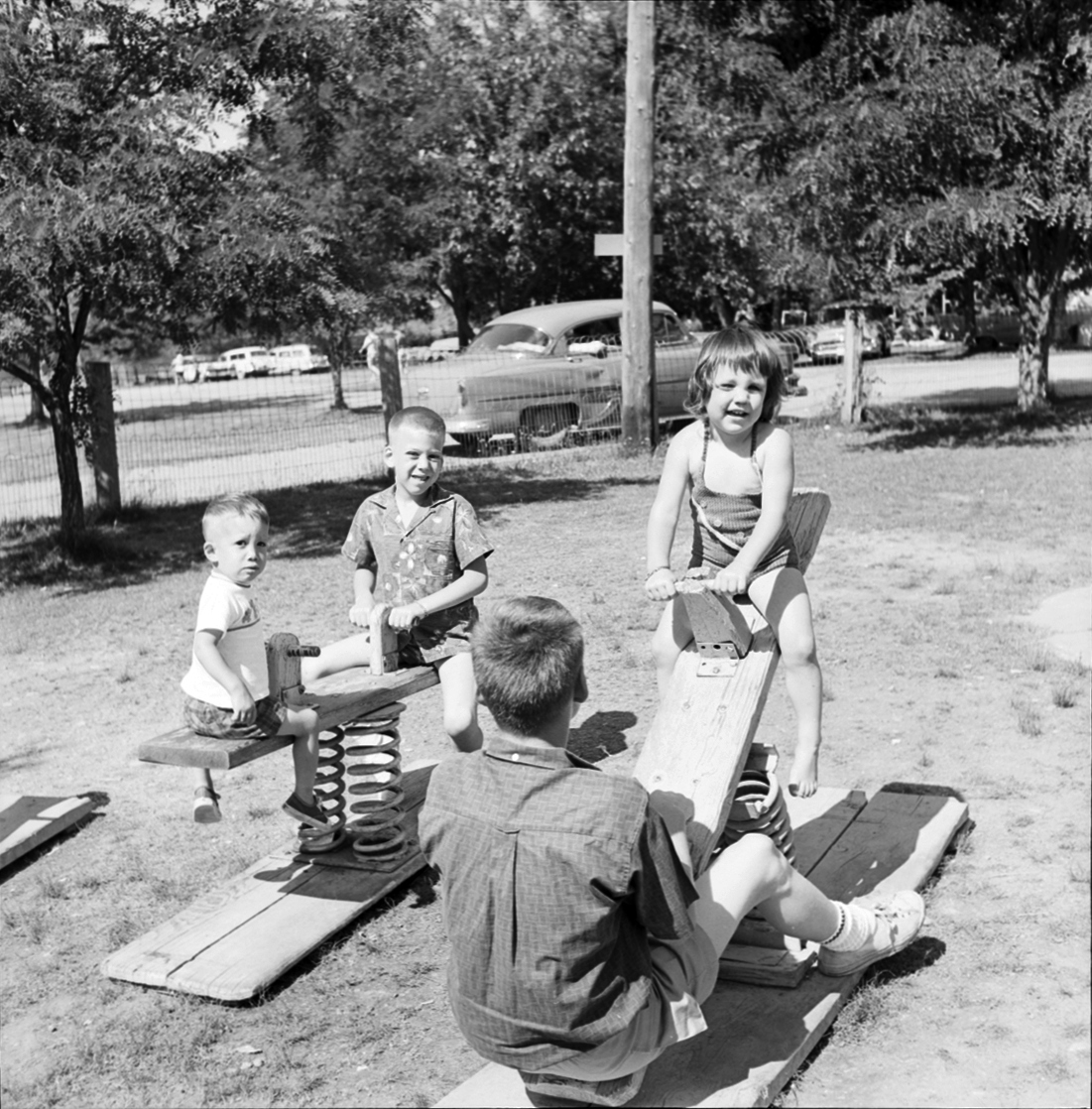
A picnic in 1965 operated on the assumption that the children would disperse at arrival and reappear at mealtimes. There was no sign-in, no wristband, no designated supervision area, and no count. The park was understood to be a safe container and every adult present was understood to be an acceptable adult.
Modern events at the same scale run a registered children’s area with ratio-compliant staffing, because the assumption that every adult present is an acceptable adult is no longer one an employer will make on your behalf. The change is defensible and the loss is real: a child at the 1965 picnic had a day of genuine unsupervised freedom in a space full of people who knew their father.
6. The Food Was Cooked on Site by Employees
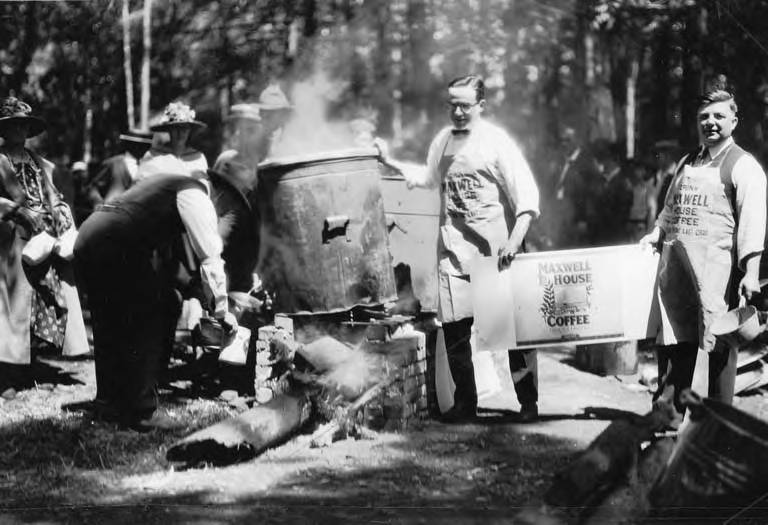
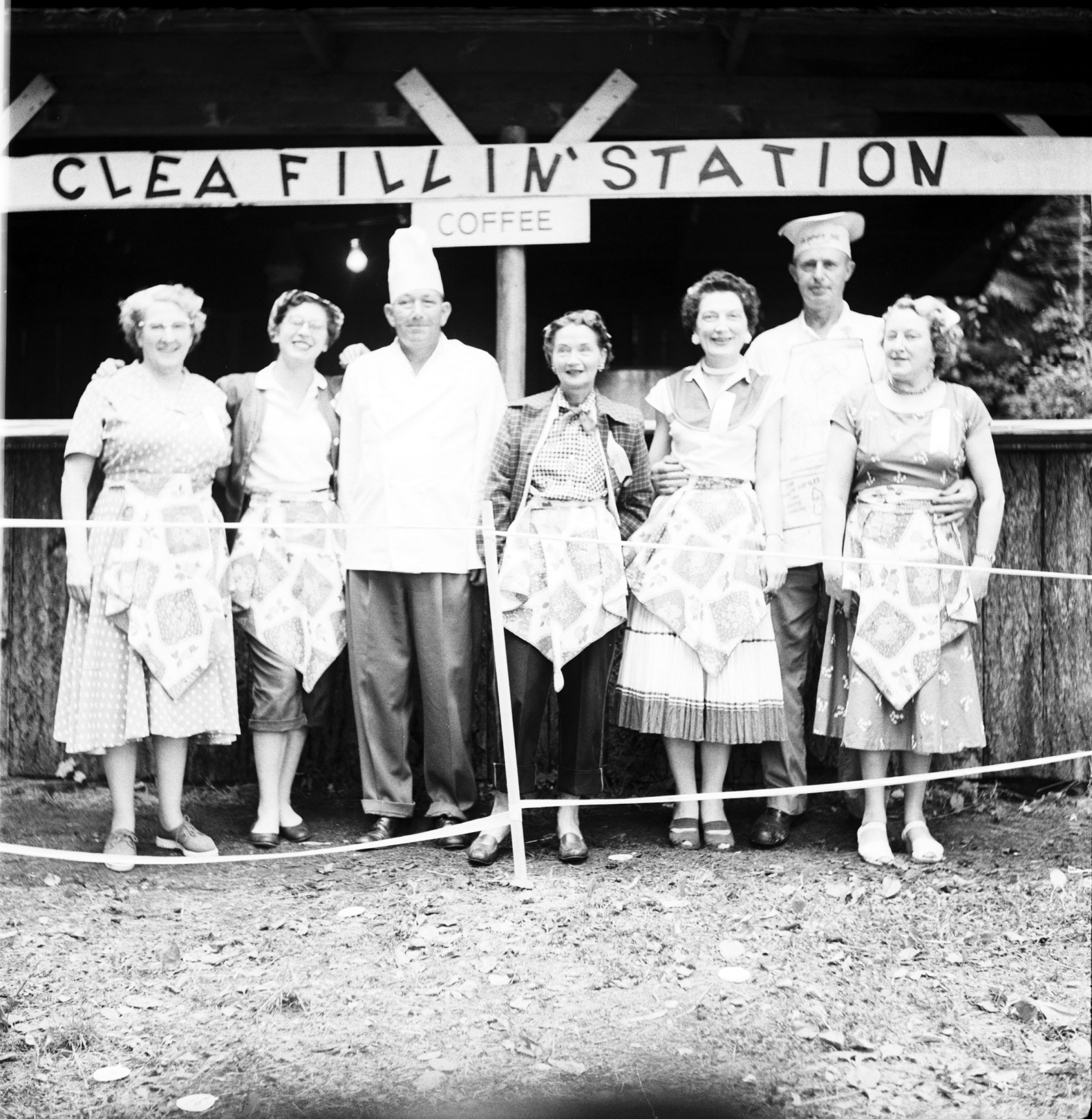
Not catered. The company bought the meat and the volunteer committee cooked it – a half-dozen men on a bank of borrowed grills from ten in the morning, with the recipe for the sauce belonging to whoever had made it the previous eleven years. The side dishes came from home, in covered dishes, on a long table.
Food safety regulation, allergen disclosure, and the straightforward reluctance of any employer to serve food of unknown provenance to four thousand people ended the covered-dish table. What replaced it is better food, served faster, at considerably greater cost, with a laminated allergen card at each station – and without the specific pleasure of eating something your neighbour’s wife made.
7. Service Awards Were Presented From a Flatbed
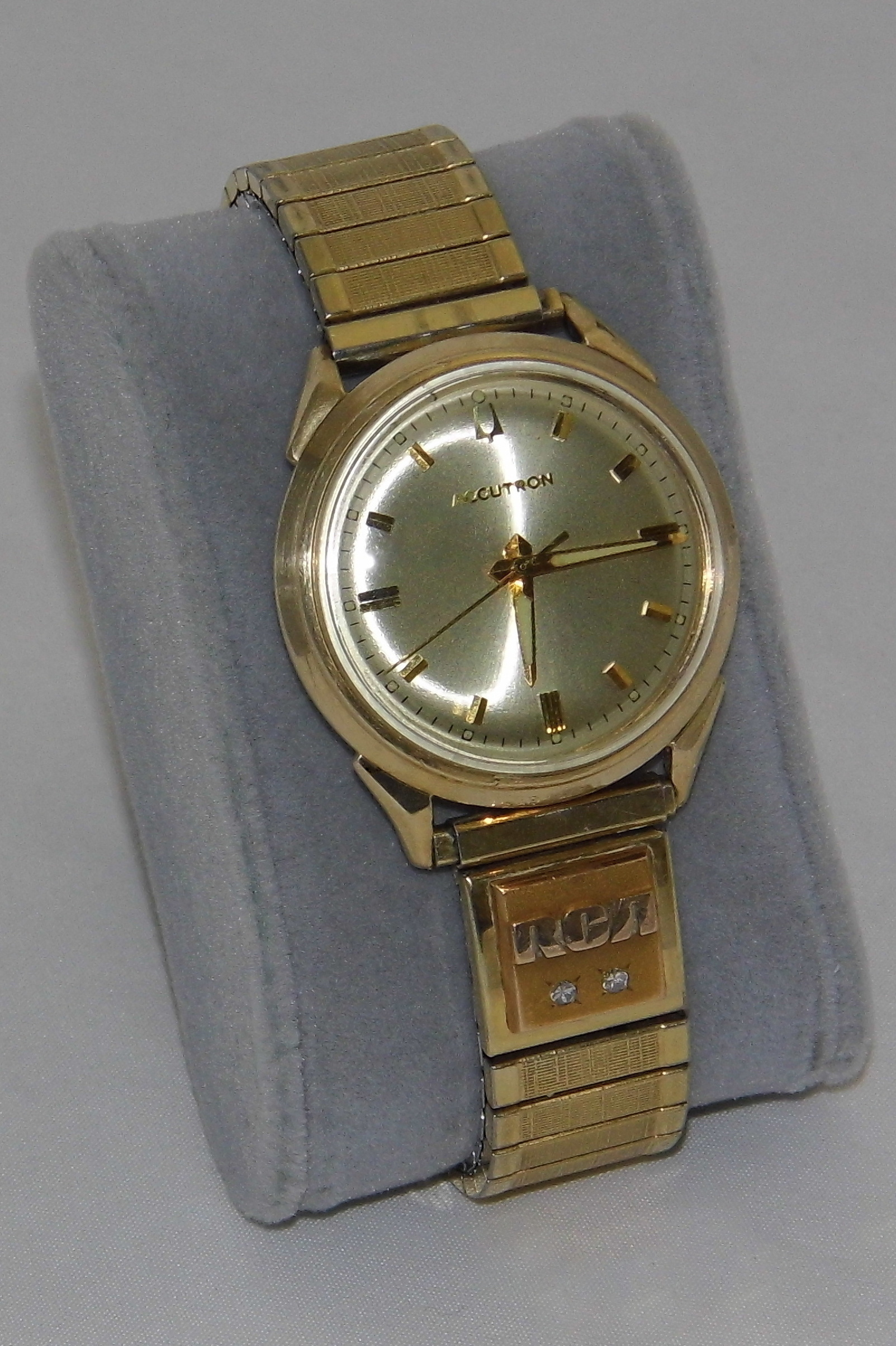
Twenty-five years got a watch, and the watch was handed over in front of everybody by the company president, standing on a flatbed trailer with a borrowed microphone, while the recipient’s wife and children stood in the crowd. Ten and fifteen years got a handshake and a pin.
The twenty-five-year award assumed something about employment that has simply stopped being true. Median job tenure in the United States now sits around four years, and a presentation that honours a quarter century of service at a company most people will not be at in five has nowhere to land. Recognition moved indoors, into the quarter, and onto a platform where a colleague can click a button.
8. Somebody’s Husband or Wife Found Out What You Actually Did
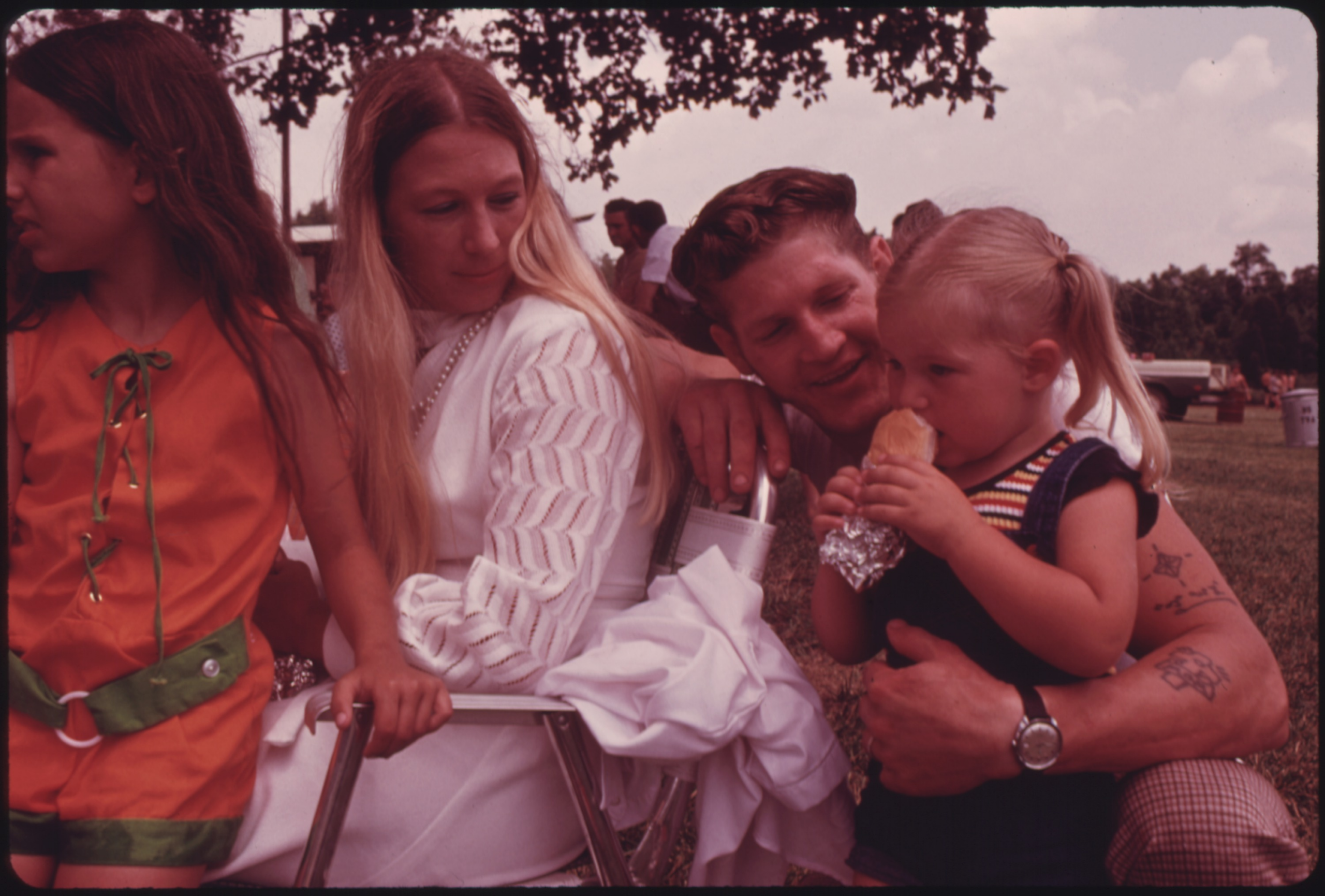
For most of the year a factory job was a building your family never entered. The picnic was the one day the family met the people, saw the faces behind the names used at dinner, and attached a person to the grievance. Wives met other wives and a parallel social network formed that ran independently of the workplace for the rest of the year.
That network did real work. It circulated information about who was ill and who needed help, it organised the funerals and the casseroles, and in a strike it was a substantial part of what held a bargaining unit together. It had nothing to do with human resources and no company built it deliberately. Remote and distributed work has dismantled it without anything replacing the function.
9. There Were Rides, and the Company Paid for All of Them
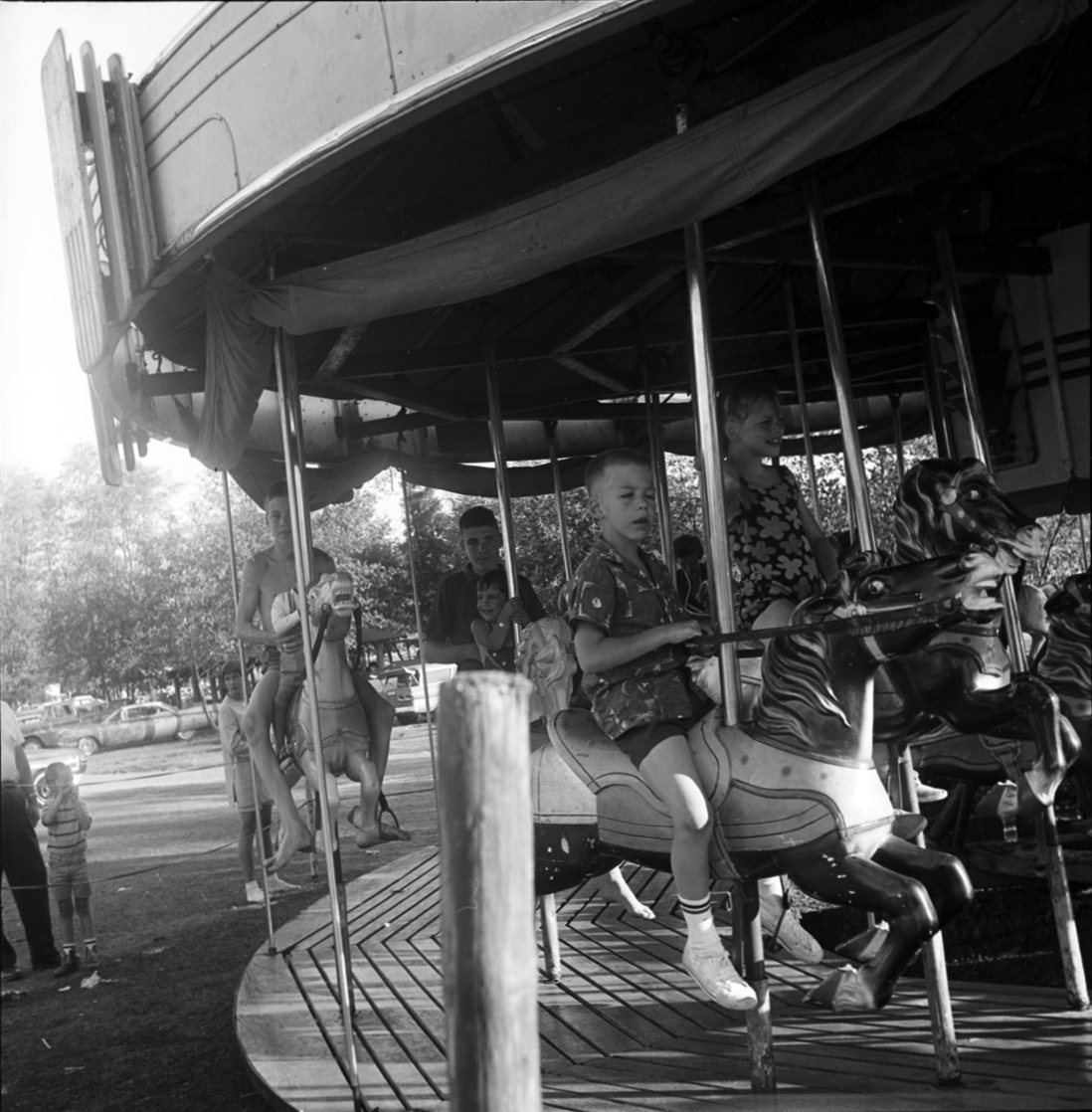
Larger employers brought in a small carnival outfit – a Ferris wheel, a tilt-a-whirl, a kiddie train – or booked the picnic at an amusement park and bought out the gate. Every ride was free all day. Children of employees wore a badge or simply said their father’s name at the gate.
The economics worked because the carnival operator was cheap, the insurance was cheap, and the company was large enough to make the per-head cost trivial against the goodwill. All three of those have moved. A modern company event with equivalent per-person spend does not buy a Ferris wheel; it buys a food truck and a photo booth, which is a smaller thing by an order of magnitude.
10. The Photographs Were Taken by the Company and Posted on a Board
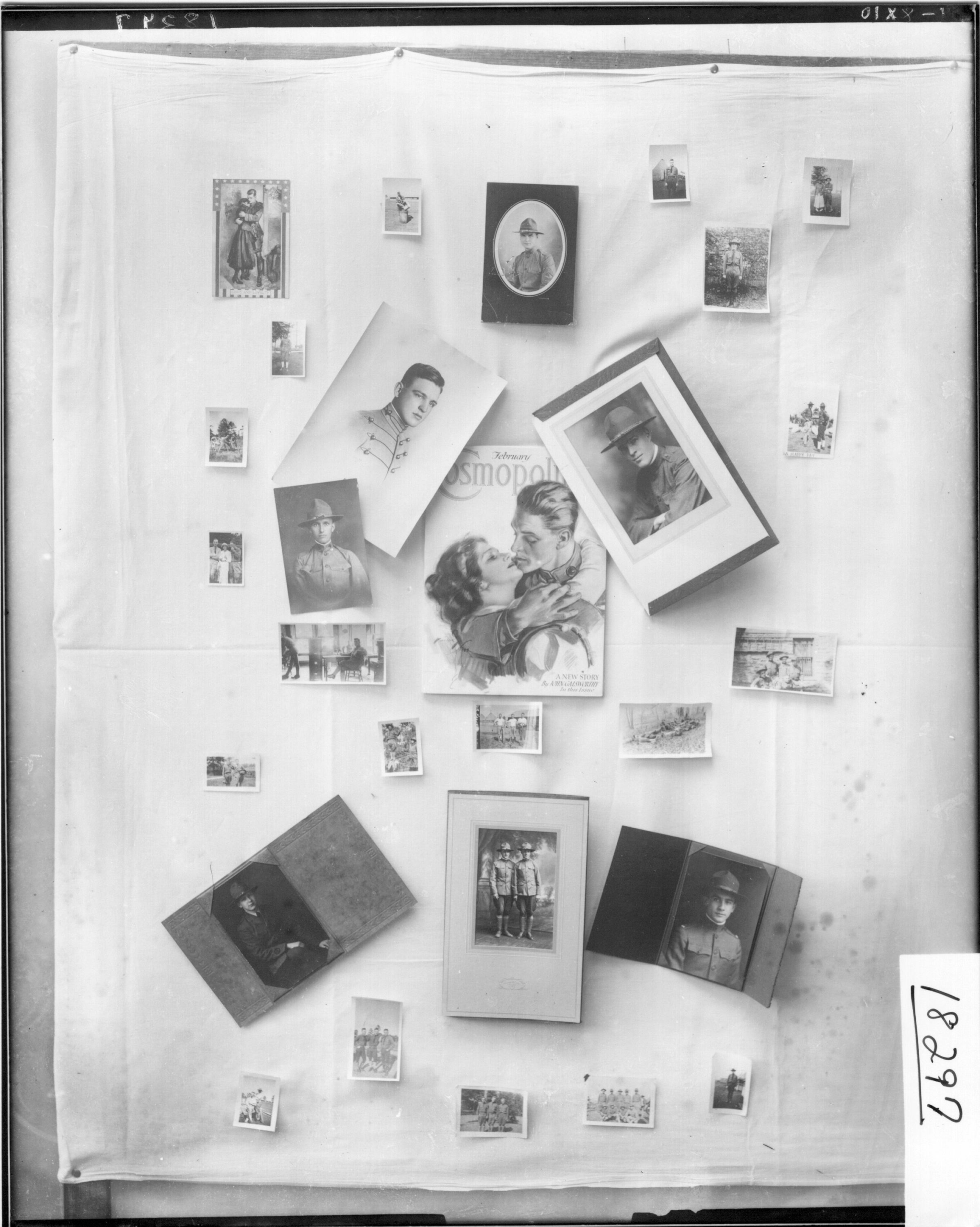
A staff photographer or an interested foreman with a camera worked the event, and the following week eighty prints went up on a cork board outside the cafeteria. People stood in front of it at break. Copies could be ordered for a quarter through the office.
This was the whole of workplace image-sharing, and it had properties the modern version does not: it was selected by one person, it was physically located, everybody saw the same selection, and it came down after a month. Nobody was tagged, nothing was searchable, and a bad photograph of you ceased to exist when the board was cleared.
11. The Union and the Company Both Showed Up, Unarmed
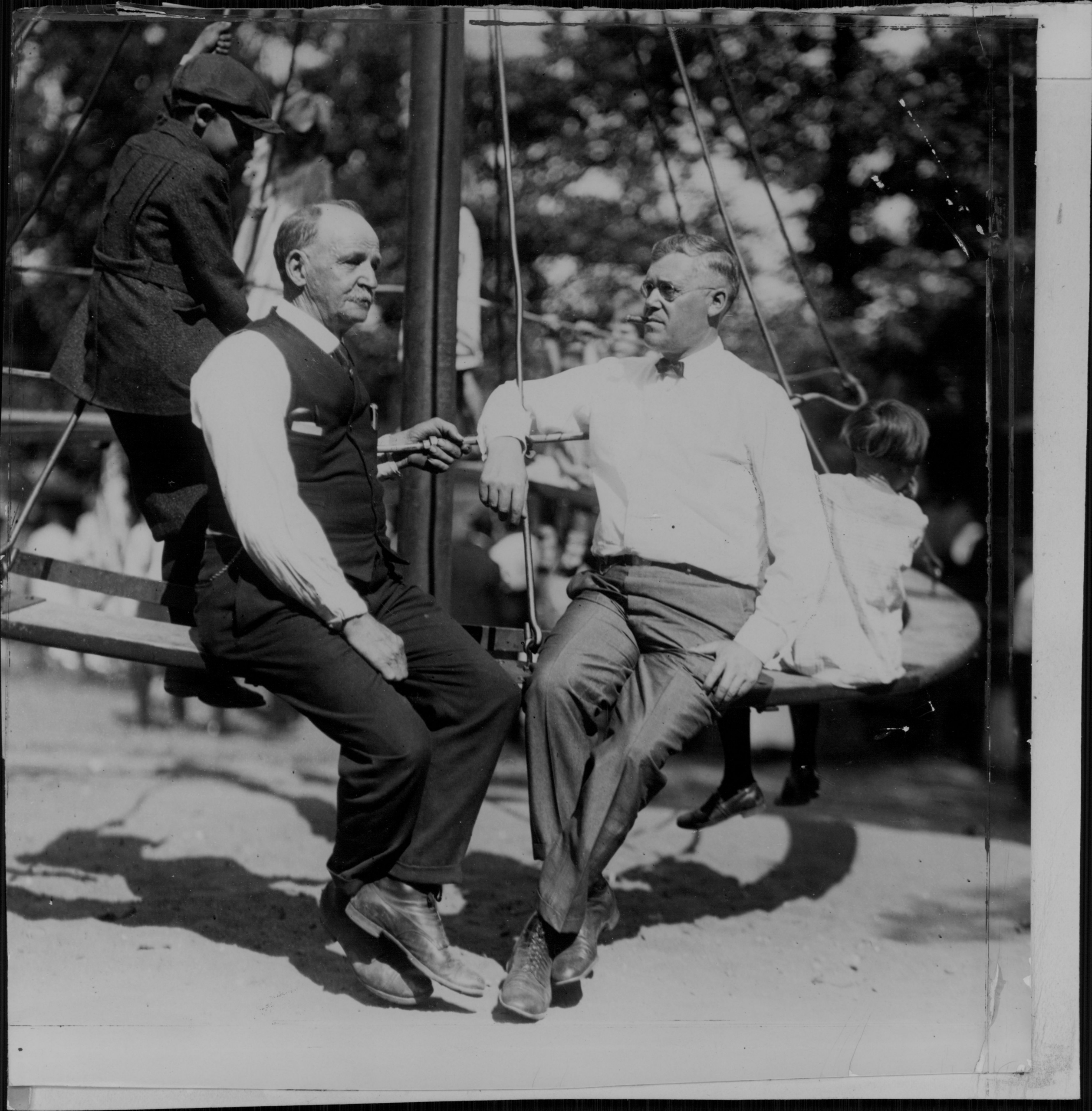
In an organised plant the picnic was frequently co-sponsored, with the local contributing to the cost and officers helping run it, and the two sides spent one Saturday a year not negotiating. Men who would be across a table in October were at the same grill in July.
This was not sentimentality. It was a deliberate maintenance of the personal relationships that make adversarial bargaining survivable, and experienced people on both sides understood exactly what the picnic was for. As union density fell – from roughly a third of private-sector workers in the mid-1950s to a small single-digit figure now – the occasion lost one of its two sponsors and a good deal of its reason to exist.
12. It Happened on a Saturday and Nobody Called It Overtime
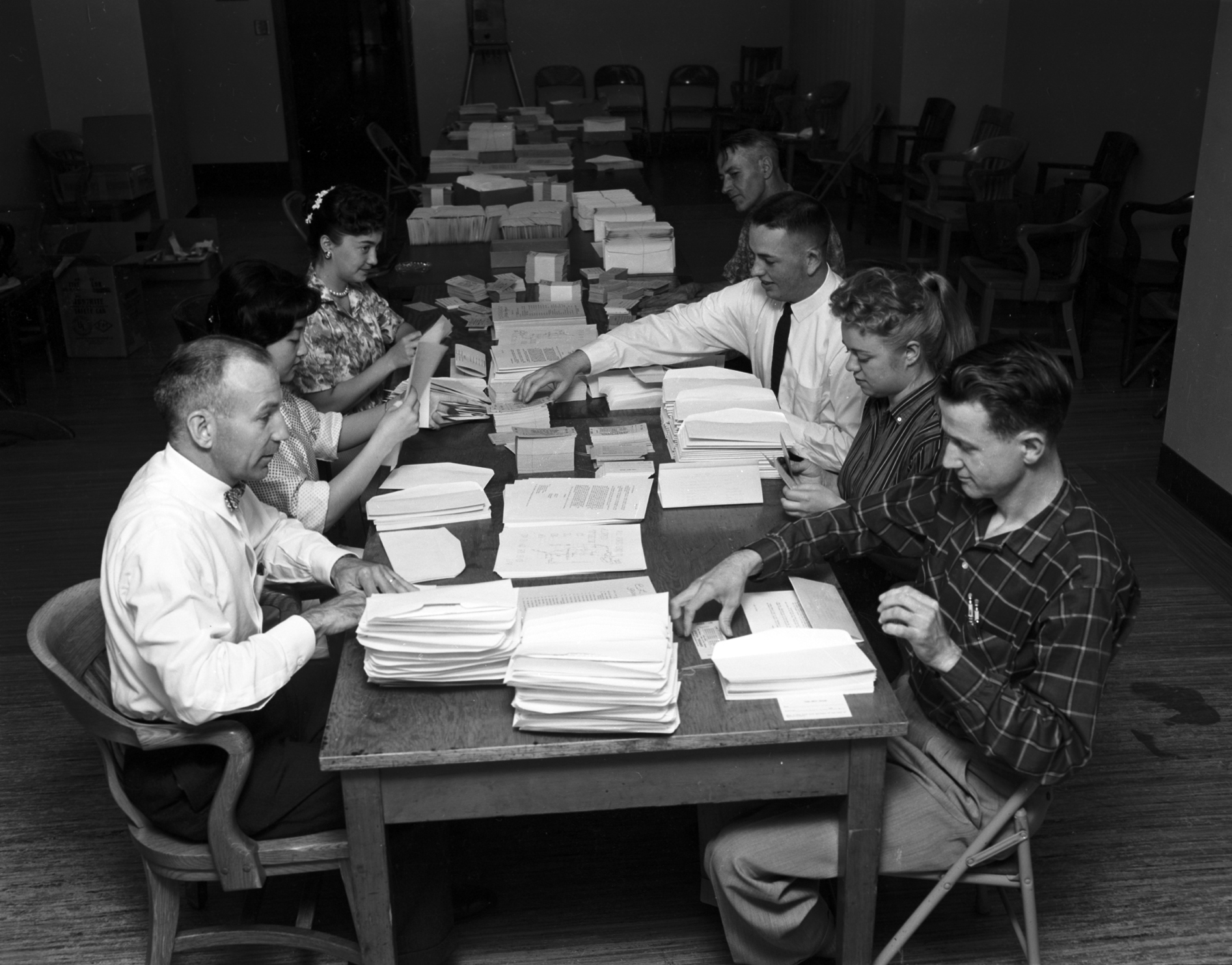
The picnic consumed a weekend day. Employees gave it, the organising committee gave considerably more than that in planning, and no part of it was compensated or counted. It was not framed as work because everybody involved agreed it was not work.
Two developments made that framing unsustainable. Wage-and-hour law tightened around what constitutes compensable time, and the general expectation that an employer has a claim on the weekend weakened considerably. Modern companies that hold a family event mostly hold it during business hours precisely so that nobody has to decide whether attending is work, which solves a legal problem and removes the thing that made the picnic feel like a gift rather than a meeting.
Why It Ended
No single thing killed the company picnic. It was dismantled in pieces by developments that each made sense on their own.
Liability ended the beer and the unsupervised children. Food safety ended the covered-dish table. Falling job tenure emptied the service awards of meaning. The geographic dispersal of the workforce made a single park impossible to choose. The decline of union density removed a co-sponsor. Wage-and-hour law made the unpaid Saturday awkward to justify.
What is actually gone is not the day out. Companies still spend money on events and often spend more per person than they did in 1965. What is gone is the premise the picnic rested on – that a company and the families of the people who worked for it were a single community with a shared future, meeting once a year to acknowledge it.
Somebody reading this has a photograph of themselves as a child at one of these, holding a paper cup, with a Ferris wheel behind them.
What company was it, and is the plant still standing?
Like our content? Follow us for more.