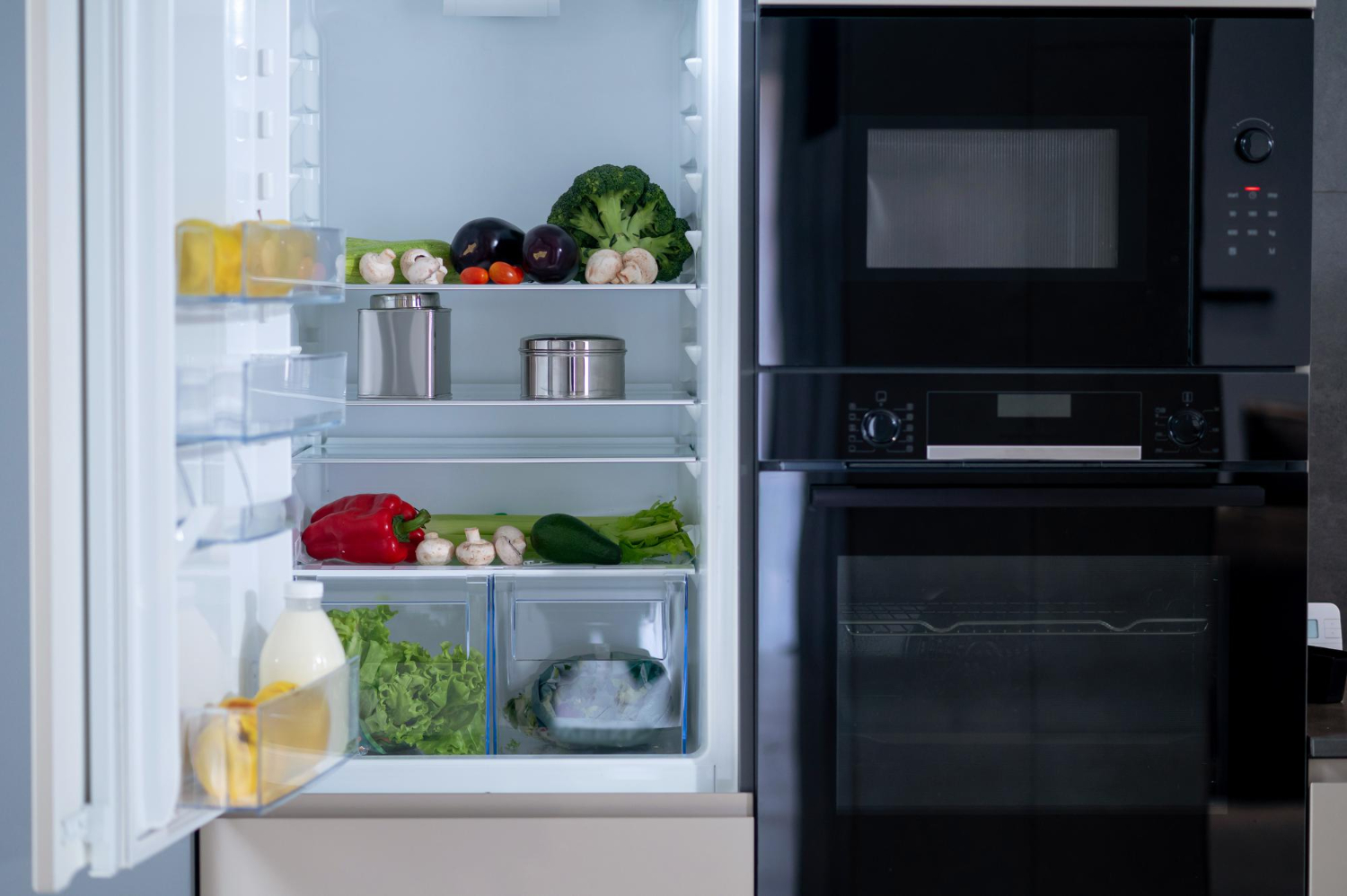
The single idea that makes all of this make sense is that cold is not a thing being added but heat being taken away and put somewhere else. Everything below follows from that. Here are sixteen.
1. Cold Is an Absence
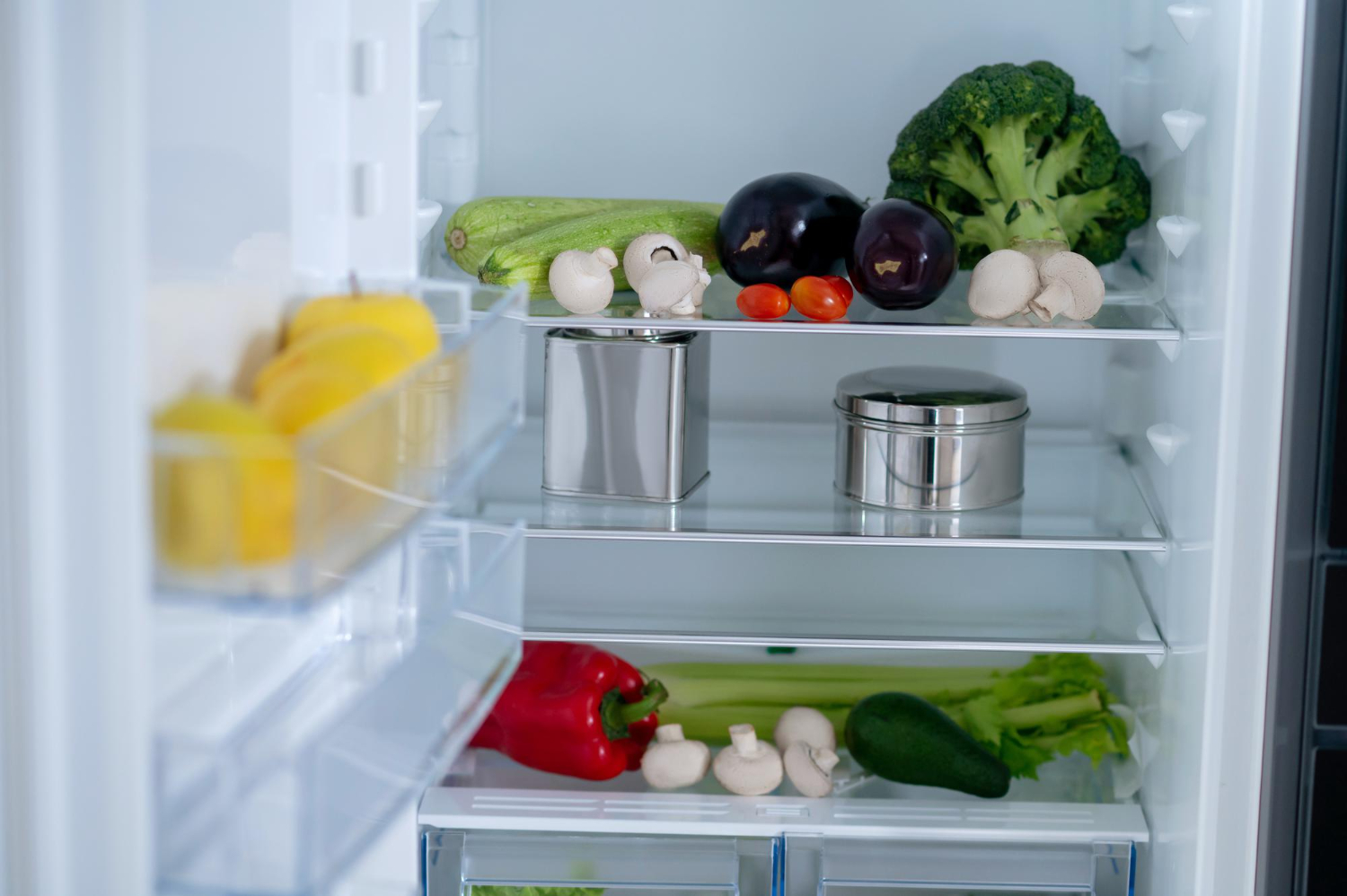
There is no cold substance to produce or deliver. Making something colder means removing heat from it and depositing that heat elsewhere.
A refrigerator is a heat mover rather than a cold generator. Heat removal is the correct description of what the machine does.
Like our content? Follow us for more.
2. Which Is Why the Back Is Warm
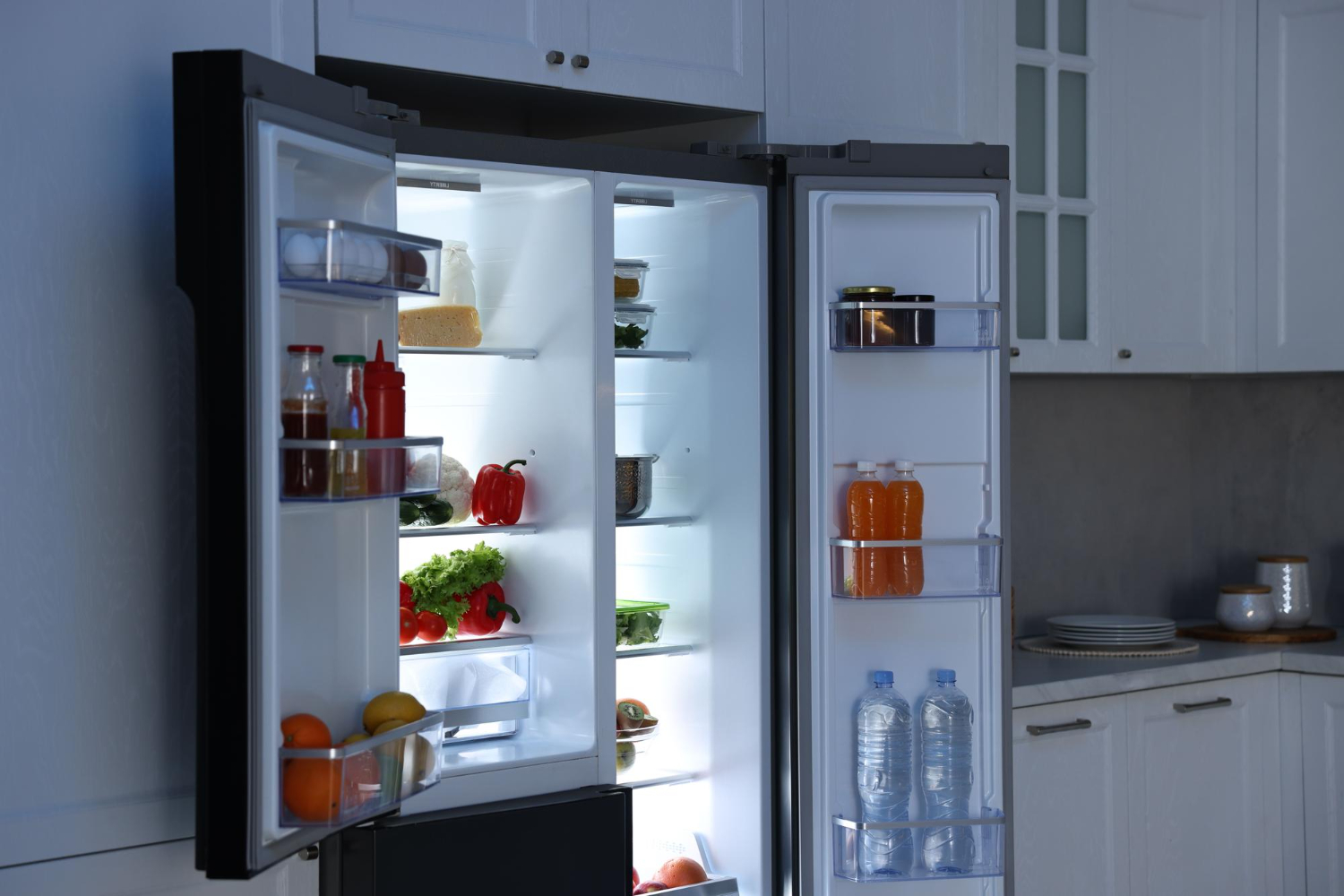
The heat taken out of the interior has to go somewhere, and it goes into the room through coils on the outside of the appliance.
That warmth is the contents of the fridge, relocated. The warm exterior is the visible evidence of the mechanism.
3. And Why an Open Fridge Warms a Room
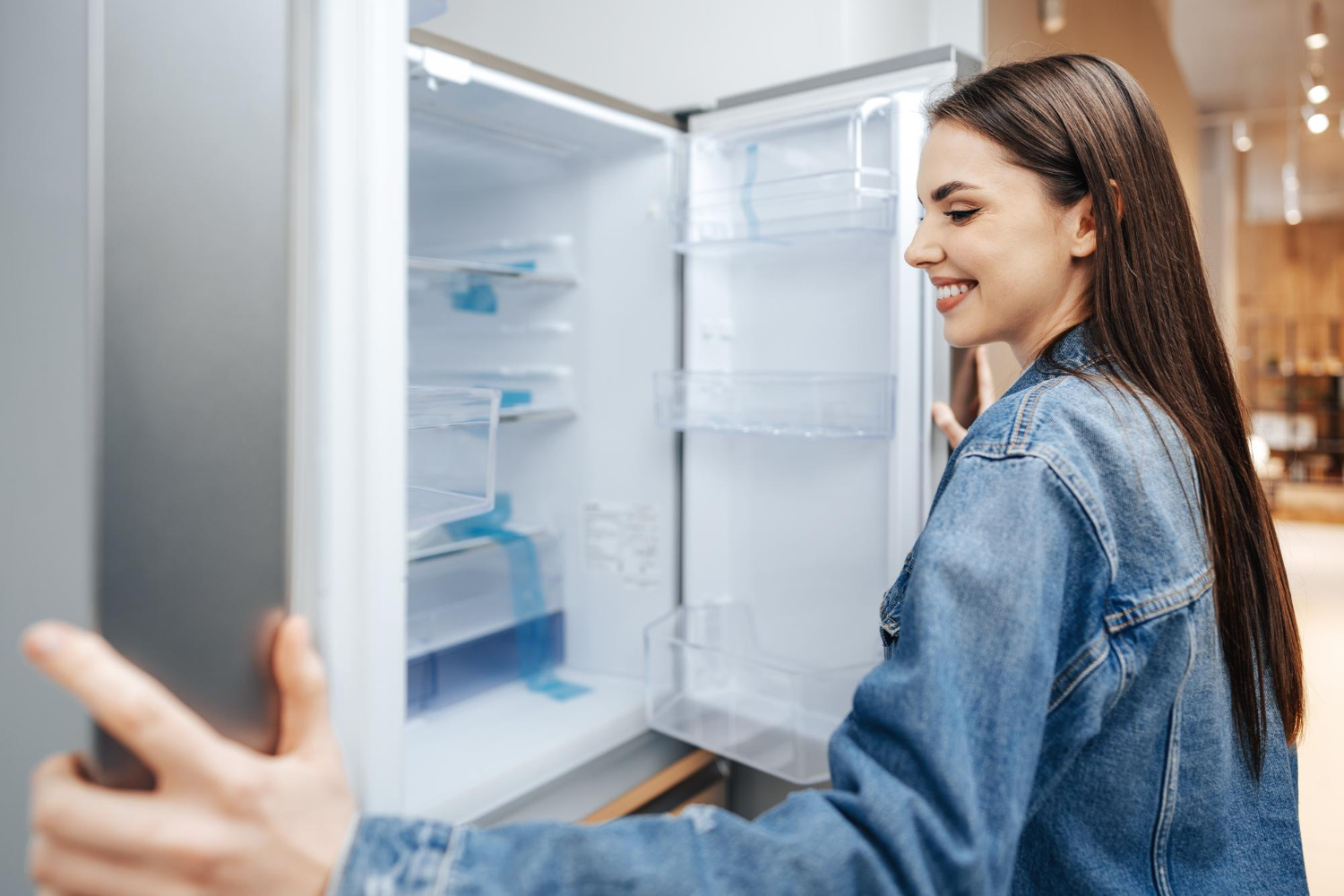
A refrigerator running with its door open in a sealed room raises the room temperature, because it moves heat around within that room and adds the energy the motor consumed.
It cannot cool a space it is inside. The open-door result is the clearest demonstration that nothing is being created.
4. Evaporation Absorbs Heat
A liquid turning into a gas takes in a substantial quantity of heat from its surroundings without getting hotter itself, which is the mechanism doing the actual cooling.
The same effect makes wet skin feel cold. Phase-change absorption is the physics the whole appliance is built around.
5. The Working Fluid Boils at a Useful Temperature
A refrigerant is chosen because it evaporates at temperatures appropriate to the job, so it can absorb heat from a cold interior rather than needing to be heated first.
Water would be useless for this. Fluid selection is the design decision that makes the cycle possible.
6. Compressing a Gas Heats It
Squeezing a gas into a smaller volume raises its temperature, which is what allows the collected heat to be released into a room that is warmer than the fridge interior.
Without that step the heat could not be shed. Compression heating is the trick that lets heat flow the wrong way.
7. Then It Condenses and Releases the Heat
The hot compressed gas, passing through the outside coils, cools to the point where it becomes liquid again, giving up the heat it absorbed plus the energy the compressor added.
That is the deposit half of the transaction. Condensation is where the heat leaves the system.
8. Expansion Drops the Temperature Sharply
Forcing the liquid through a restriction into a low-pressure region causes it to expand and cool dramatically, arriving cold enough to absorb heat from the interior again.
The cycle then repeats indefinitely. Expansion cooling is the step that resets the loop.
9. The Motor Is Paying for the Direction
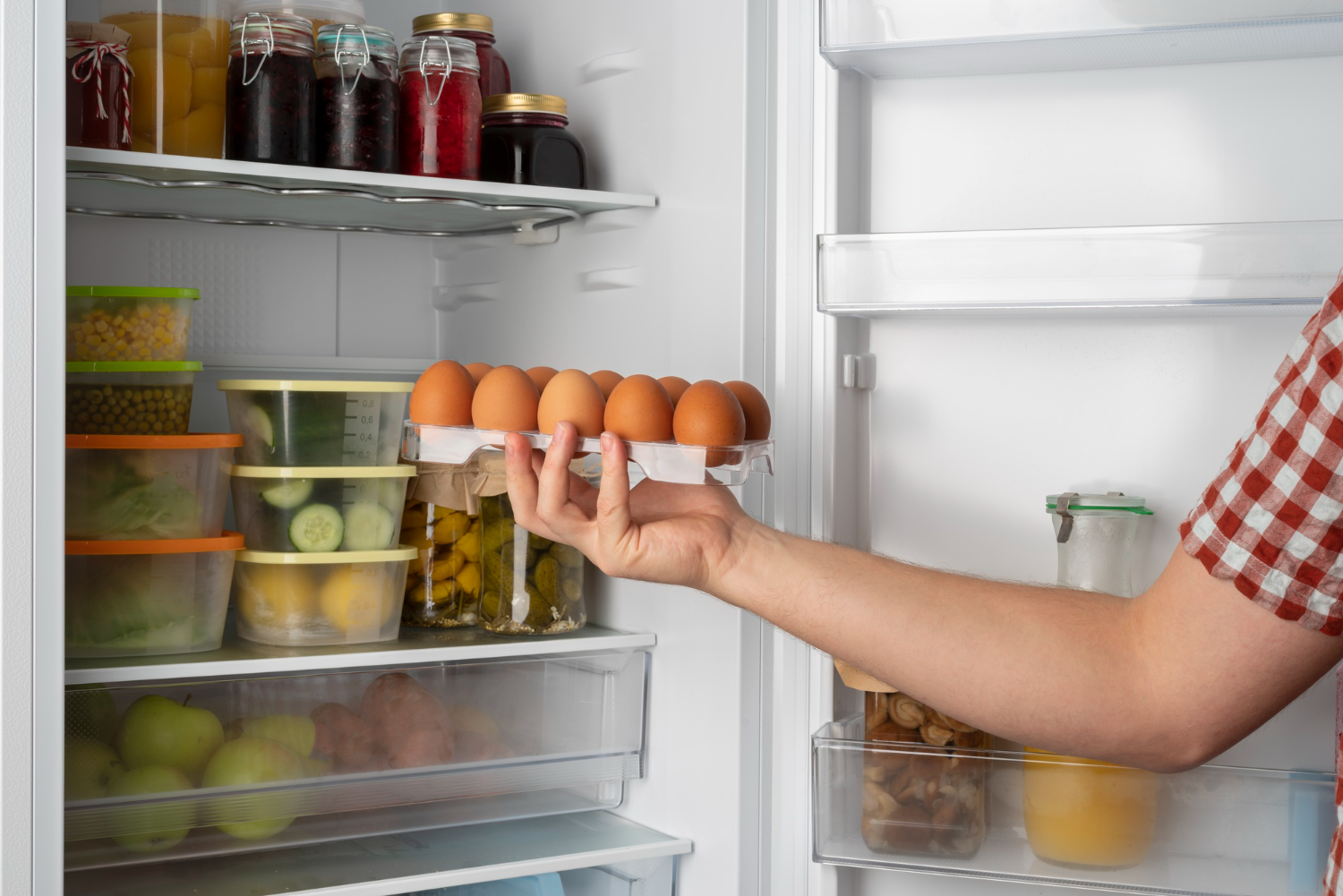
Heat naturally flows from hot to cold, so moving it the other way requires work, and the compressor is doing that work continuously.
The electricity buys direction rather than cold. Work input is why a fridge has a running cost.
10. It Cycles Rather Than Running Constantly
The compressor switches on when the interior warms past a set point and off when it returns, which is why a fridge is intermittently audible.
Continuous running would overshoot. Thermostatic cycling is the reason the sound comes and goes.
11. Insulation Determines Most of the Cost

Heat leaks continuously back through the walls, so the appliance is not fighting the contents but the surrounding room, and insulation quality sets how often it must run.
A worn door seal changes everything. Heat leakage is the load the machine actually works against.
12. A Freezer Is a Harder Version of the Same Job

Maintaining a larger temperature difference requires more work per unit of heat moved, which is why freezing costs disproportionately more than chilling.
The physics penalises the bigger gap. Temperature difference is the variable that determines efficiency.
13. Frost Is Airborne Moisture

Water vapour entering when the door opens condenses and freezes on the coldest surface it meets, building up over time and reducing efficiency.
Frost-free designs manage it by periodic warming. Condensation on cold surfaces is what frost buildup actually is.
14. Run It Backwards and It Heats

The identical cycle, with the heat collected outdoors and released indoors, warms a building instead of cooling a box – which is what a heat pump is.
It is the same machine facing the other way. Reversed operation is why the technologies are one technology.
15. Ice Was Doing This Long Before Machines
Melting ice absorbs a large quantity of heat while staying at the same temperature, which is why ice houses and ice deliveries worked and why an ice bath is so effective.
It is phase change without any machinery. Melting absorption is the pre-industrial version of the same physics.
16. And Evaporation Works Without Any Machine

Where the air is dry, water evaporating from a porous surface removes heat directly, which cools buildings and containers with no moving parts and no power.
It fails entirely in humid conditions. Passive evaporation is the version that needs nothing but dry air.
Moving Heat Rather Than Making Cold
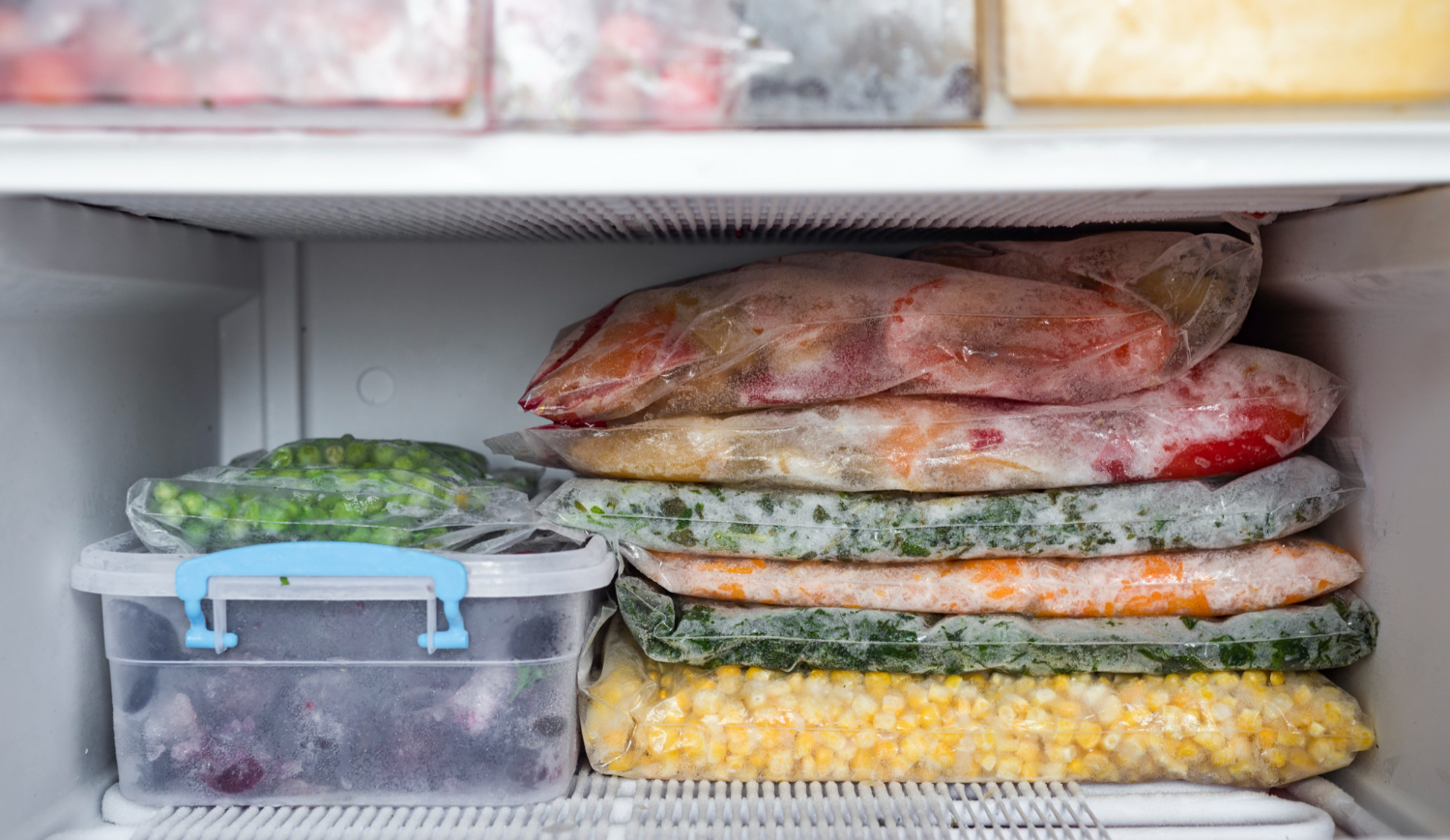
Evaporate to absorb, compress to raise the temperature, condense to release, expand to reset – four steps in a loop, powered by a motor that is buying direction rather than cold.
The third item is the demonstration worth remembering. A refrigerator with its door open in a closed room makes the room warmer, not cooler – and once that stops sounding paradoxical, the whole machine has been understood.
Like our content? Follow us for more.