

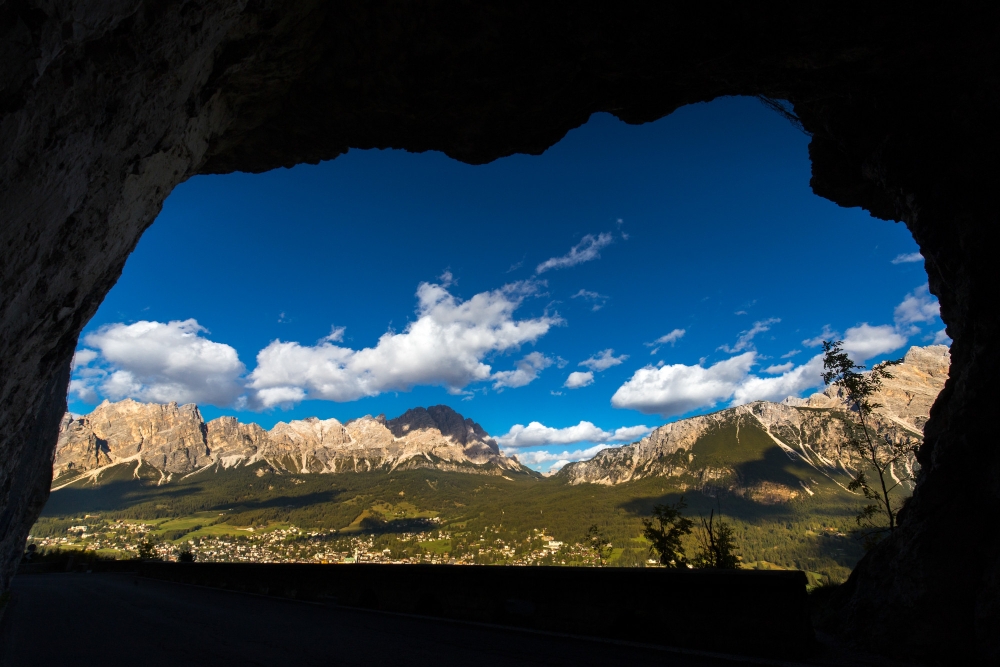
Almost every large cave system exists because slightly acidic water met soluble rock and took a very long time about it. The shape of what resulted records the route the water took. Here are seventeen.
1. The Rock Has to Dissolve
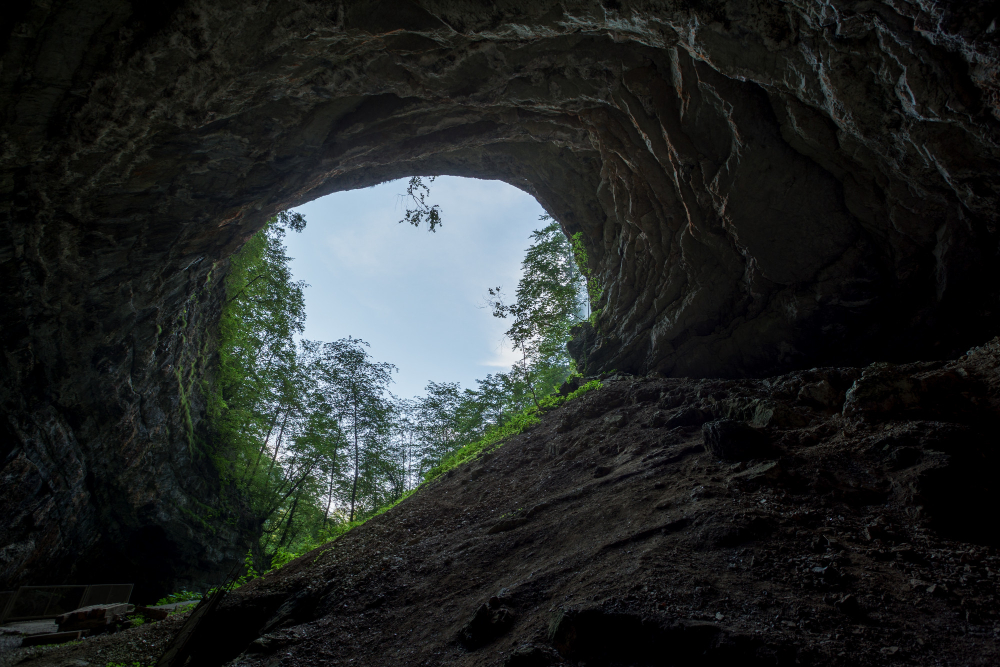
Large cave systems form overwhelmingly in limestone and similar rocks, because those dissolve in mildly acidic water while most rocks do not.
No dissolving means no cave. Soluble bedrock is the precondition for everything on this list.
Like our content? Follow us for more.
2. Rain Is Slightly Acidic Already
Water picks up carbon dioxide from the air and far more from soil as it soaks through, which makes it acidic enough to dissolve rock slowly over very long periods.
Nothing dramatic is required. Weak acidity is the tool that excavated the entire system.
3. The Passages Follow the Cracks
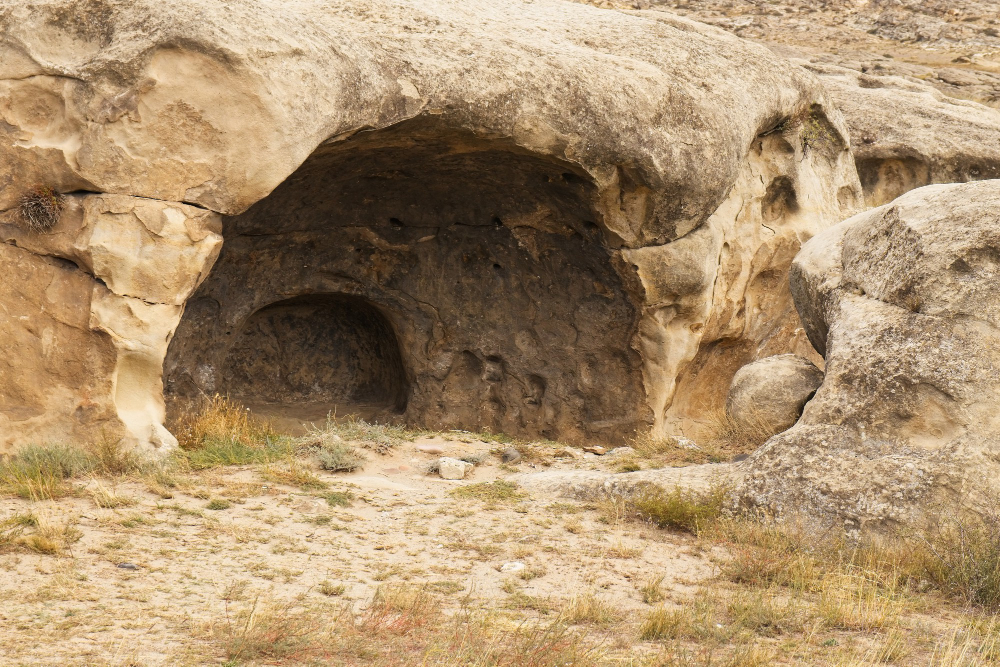
Water exploits existing weaknesses – joints, fractures and the surfaces between rock layers – so passages run along those lines rather than wandering.
The geology chose the route. Structural control is why cave maps look angular rather than random.
4. Which Is Why the Shape Repeats
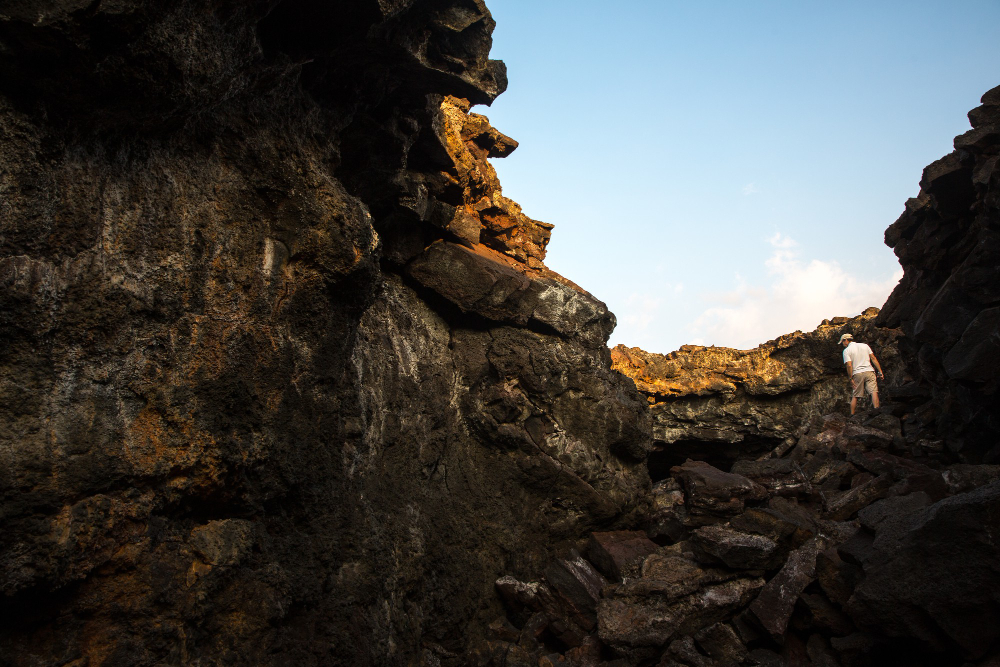
Because the same set of fractures runs through the whole rock mass, passages in one part of a system frequently share the orientation of passages elsewhere.
The pattern is inherited from the rock. Repeated alignment is the signature of structural control.
5. The Stream That Disappears
Where a surface stream meets soluble rock it may sink underground entirely, reappearing some distance away – and the two points mark the ends of a system nobody has necessarily entered.
The surface goes dry between them. The sinking stream is the entrance evidence visible from outside.
6. Passages Above the Water Are Abandoned
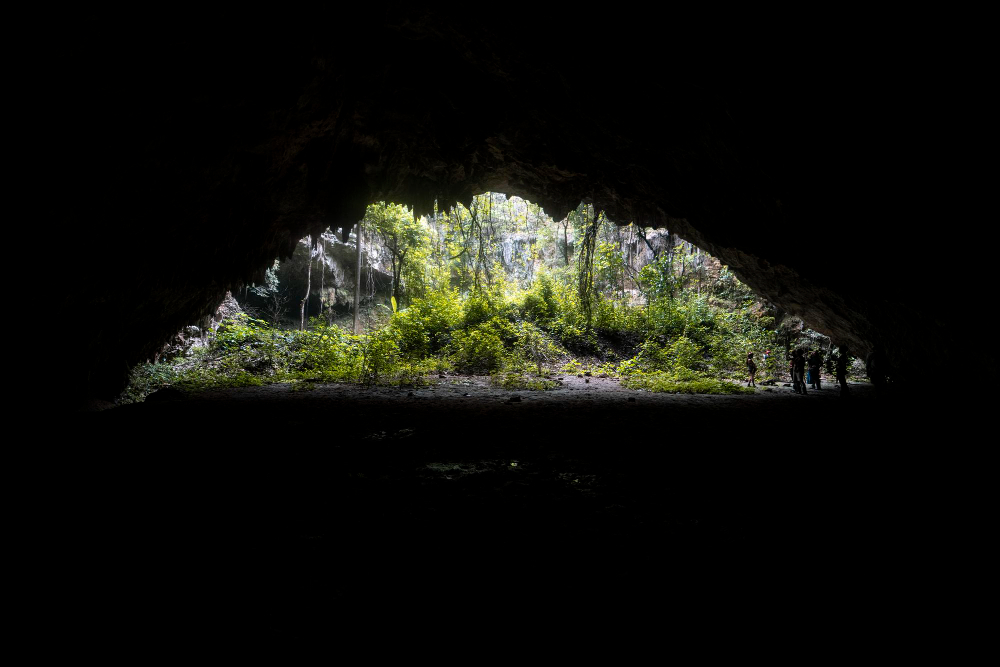
A cave is excavated at or just below the water table, so a dry passage high in a system is a relic from when the water table sat at that level.
Levels record former stages. Abandoned passages are a history of the drainage falling.
7. Round Tubes Mean Full Water
A passage with a smooth rounded cross-section was formed completely full of water, dissolving equally in all directions.
Shape records the flow condition. Phreatic tubes are the parts that were permanently submerged.
8. Keyhole Shapes Mean It Drained
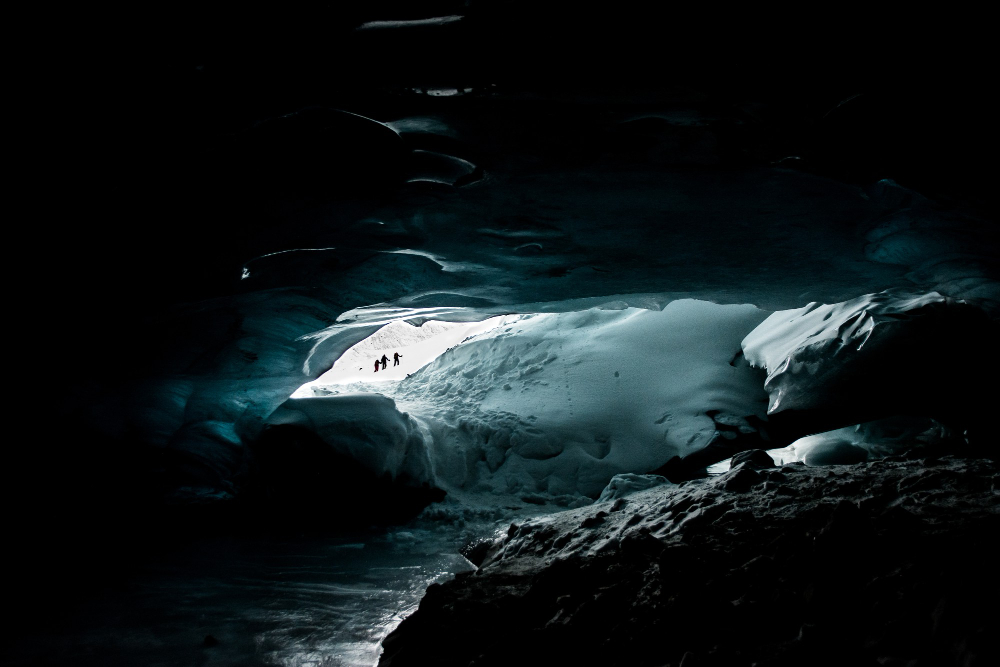
Where a full passage later carried a stream in open air, the stream cut a narrow slot downward from the round tube, producing a keyhole profile.
Both stages are visible in one cross-section. The keyhole passage is a two-part history in a single shape.
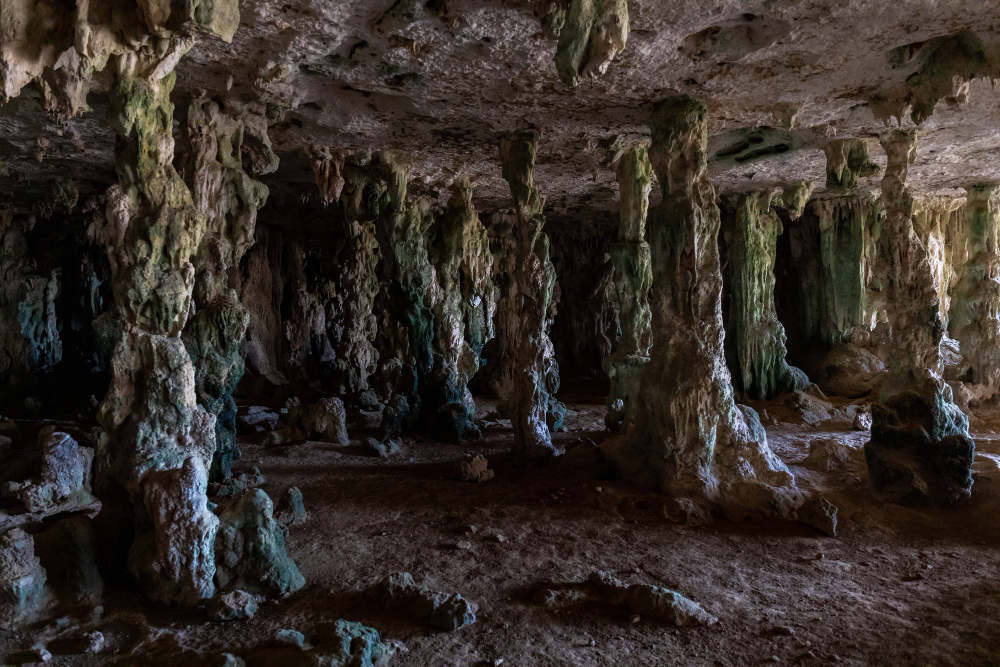
9. Hanging Formations Grow From Drips
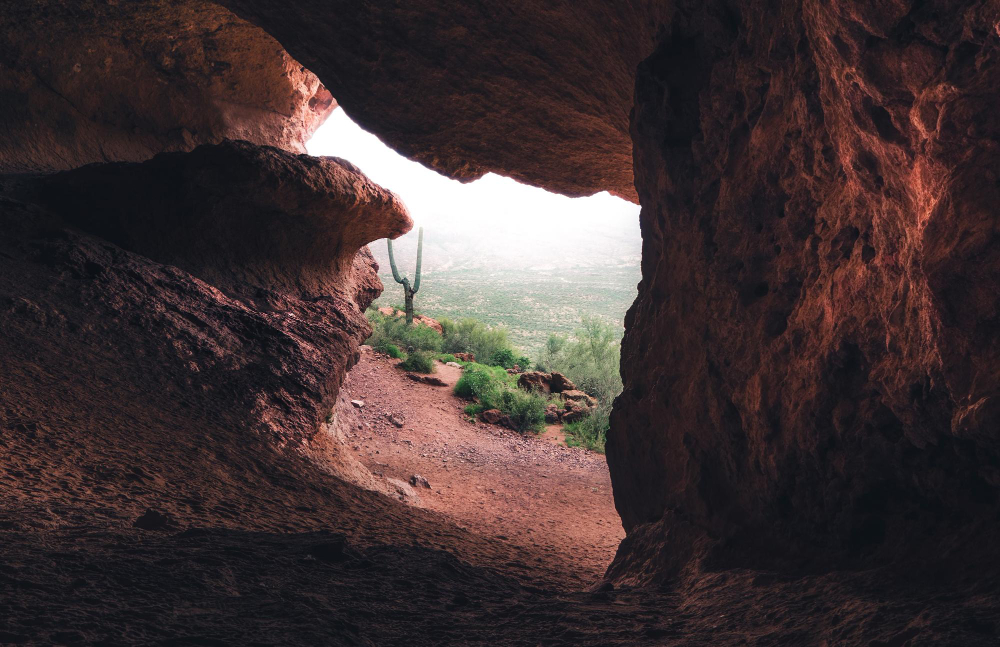
Water emerging from the ceiling releases dissolved carbon dioxide, becomes unable to hold its mineral load, and deposits a ring – which extends downward over enormous periods.
Each drip adds almost nothing. Stalactites are the record of a drip that persisted.
10. The Ones That Grow Upward
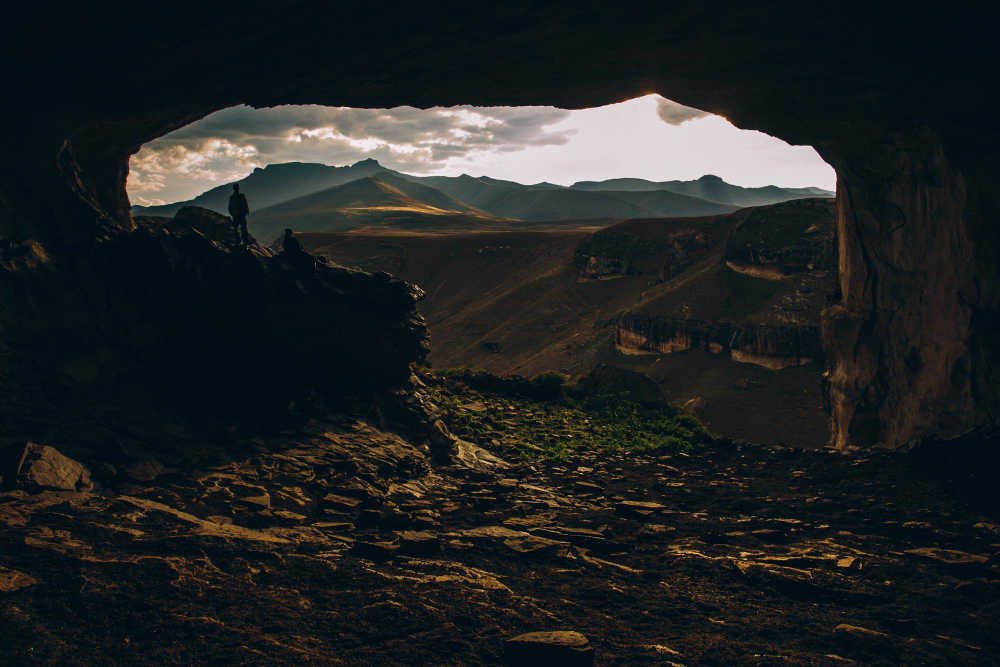
The same drip landing below deposits more mineral there, building a thicker blunter form upward from the floor.
They are paired with what is above them. Stalagmites are the other half of the same drip.
11. Where the Two Meet
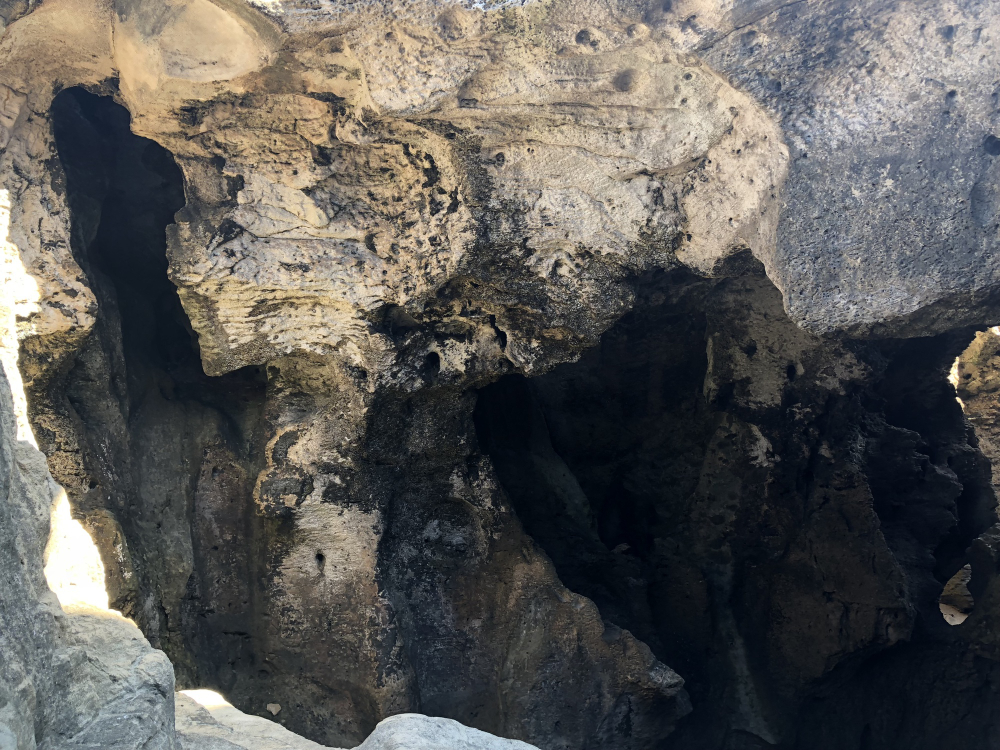
Given enough time a descending and an ascending formation join, producing a continuous column from floor to ceiling.
That takes a very long time. Columns are the endpoint of a drip that was never interrupted.
12. The Thin Hollow Tubes
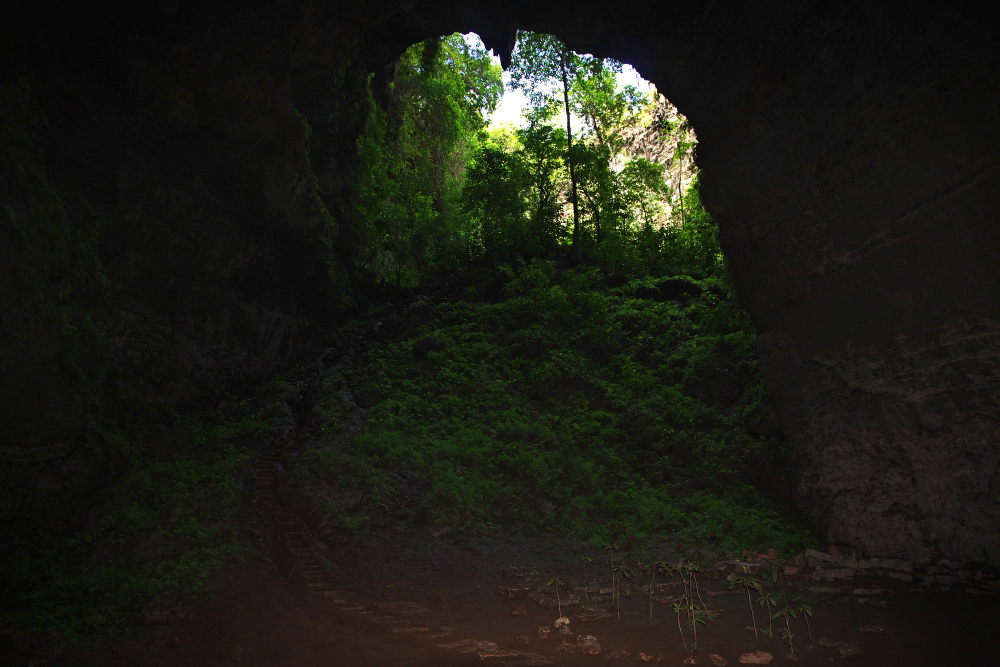
Where water runs down the inside of a deposit rather than the outside, the result is an extremely fragile hollow straw of uniform width.
They break if anything touches them. Straws are the most delicate form the process produces.
13. The Sheets Down the Wall
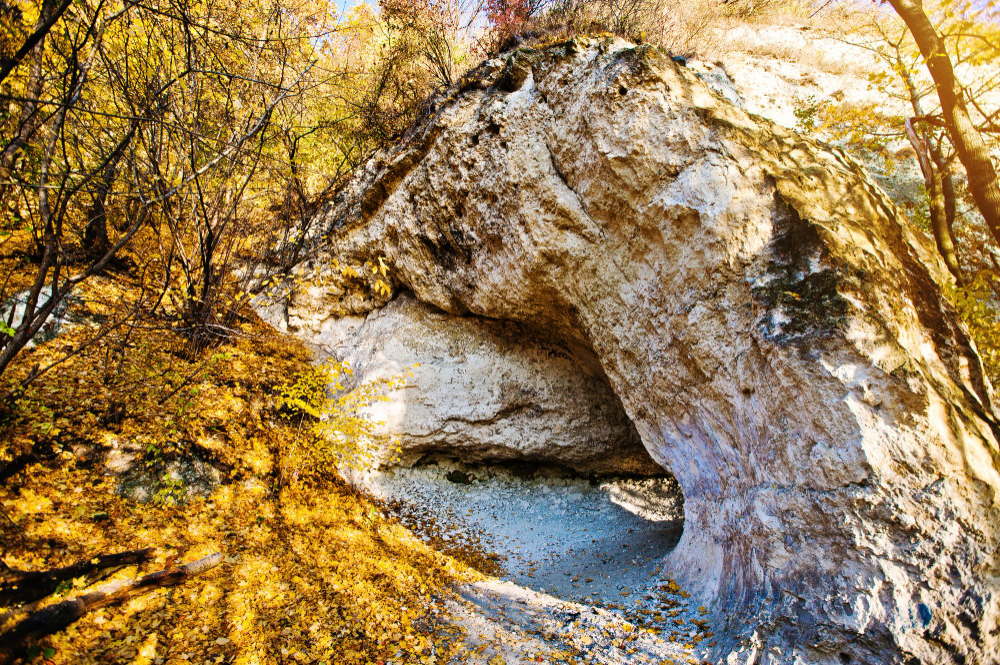
Water moving as a film rather than a drip deposits mineral across a surface, producing curtains, sheets and cascades following the contour of the wall.
The shape follows the water path. Flowstone is deposition without any drip involved.
14. The Banding Inside Them
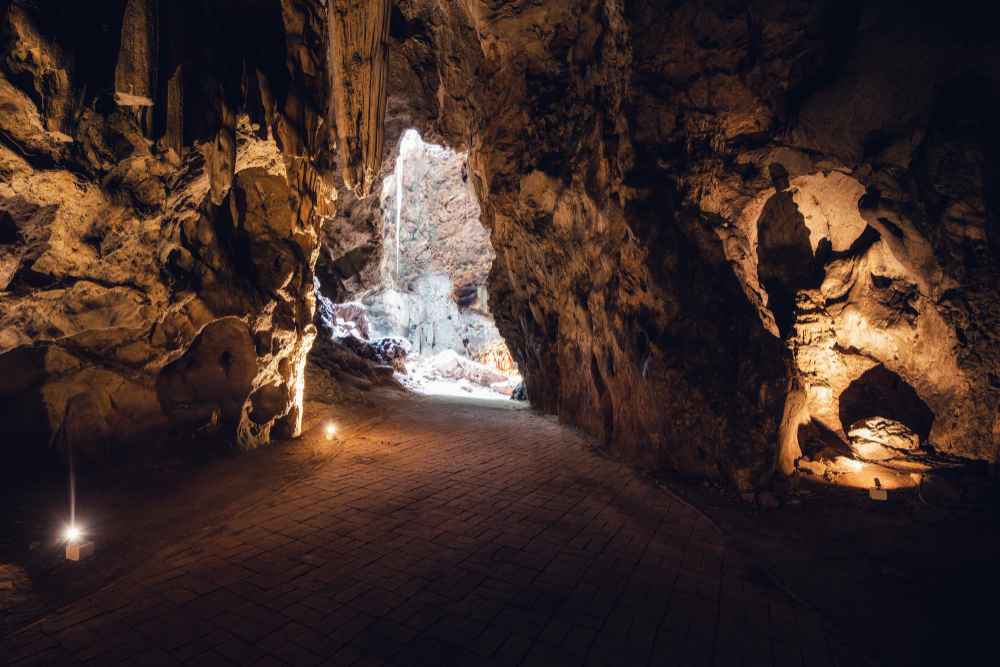
A cut formation shows layers, because deposition rate and chemistry varied with conditions above ground over the period it grew.
Those layers are a climate and rainfall record. Internal banding is why formations are studied rather than only admired.
15. The Ones With No Water Involved
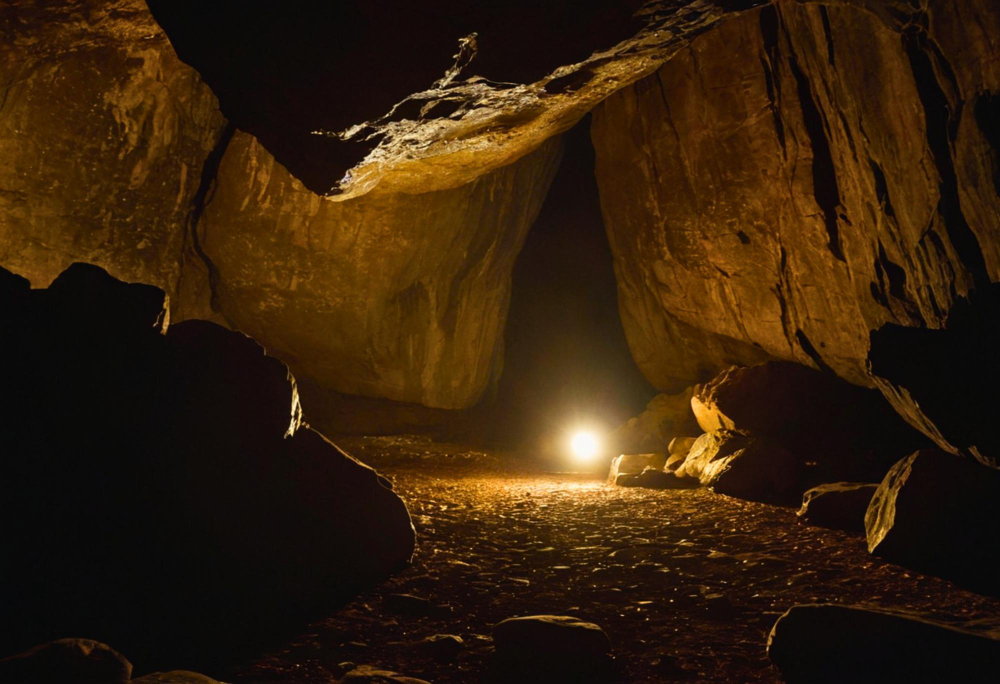
Some caves are not dissolved at all – a lava flow can crust over while molten rock drains from beneath, leaving a tube with entirely different walls and no formations.
The rock is volcanic rather than soluble. Lava tubes are a cave by a completely different route.
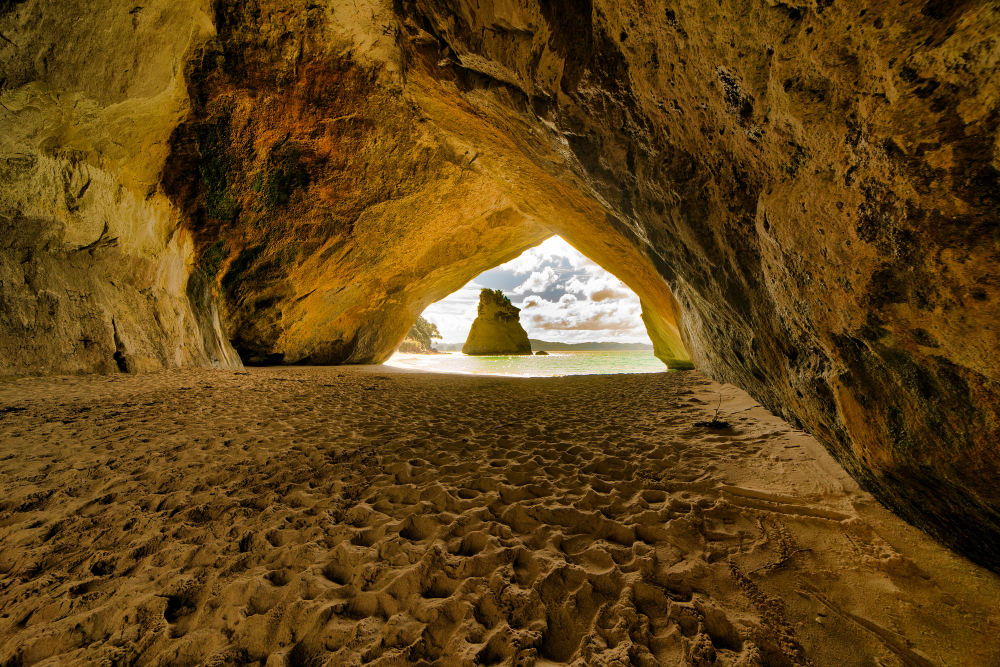
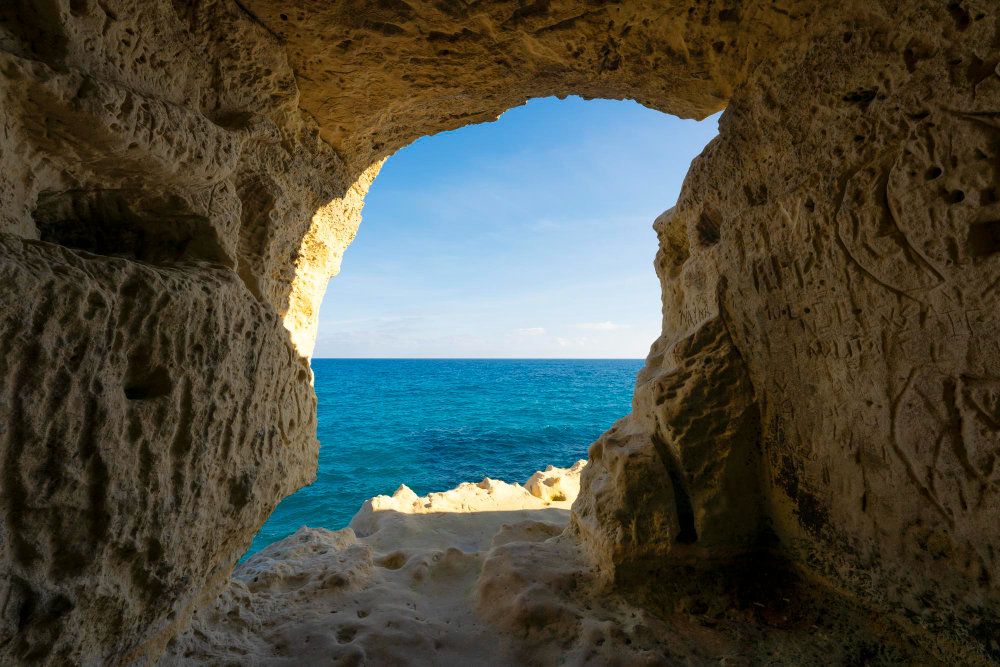
16. The Ones the Sea Cut
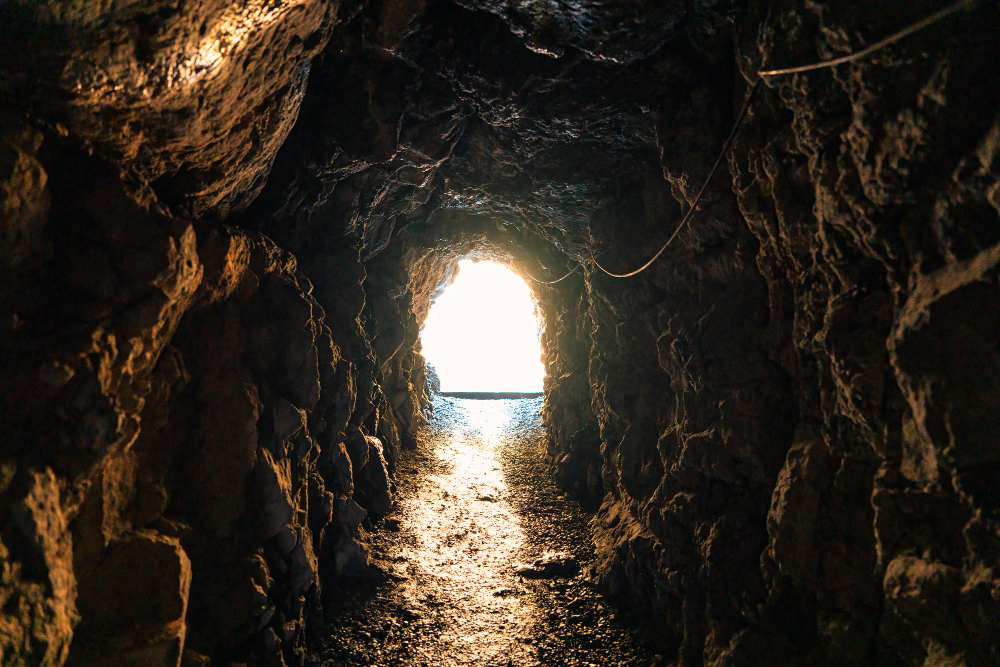
Waves attacking a weakness in a cliff enlarge it mechanically rather than chemically, producing a cave that is wide at the entrance and tapers inward.
No dissolving is involved. Sea caves are excavation by force rather than by chemistry.
17. The Ones Inside Ice
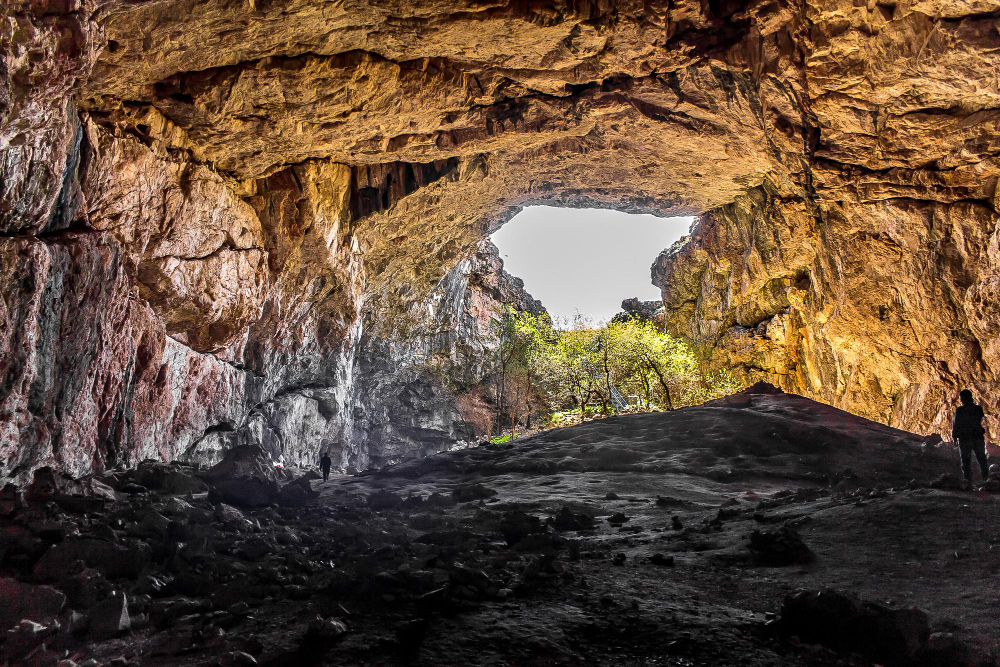
Meltwater running through a glacier carves passages within the ice itself, producing caves that move, change shape seasonally and do not last.
They are a cave in a material that flows. Ice caves are the least permanent version there is.
A Record of Where the Water Went
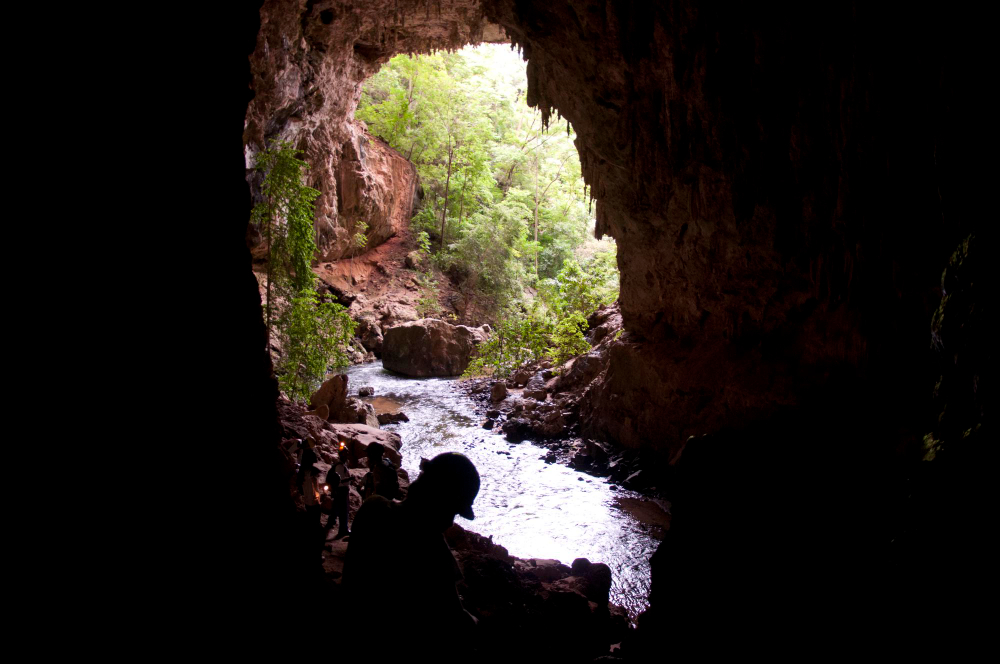
Soluble rock, weakly acidic water and an enormous amount of time – and the passages, their shapes and the formations inside them are the whole route written down.
A serious note: show caves with lighting, walkways and guides are one thing and undeveloped caves are entirely another – cold, dark, prone to flooding without warning from rain that fell miles away, and easy to become lost in. They require training, proper equipment and experienced company, and nothing above is a guide to entering one. Formations are also destroyed by touch, since skin oils stop deposition permanently on the surface contacted.
Like our content? Follow us for more.

