

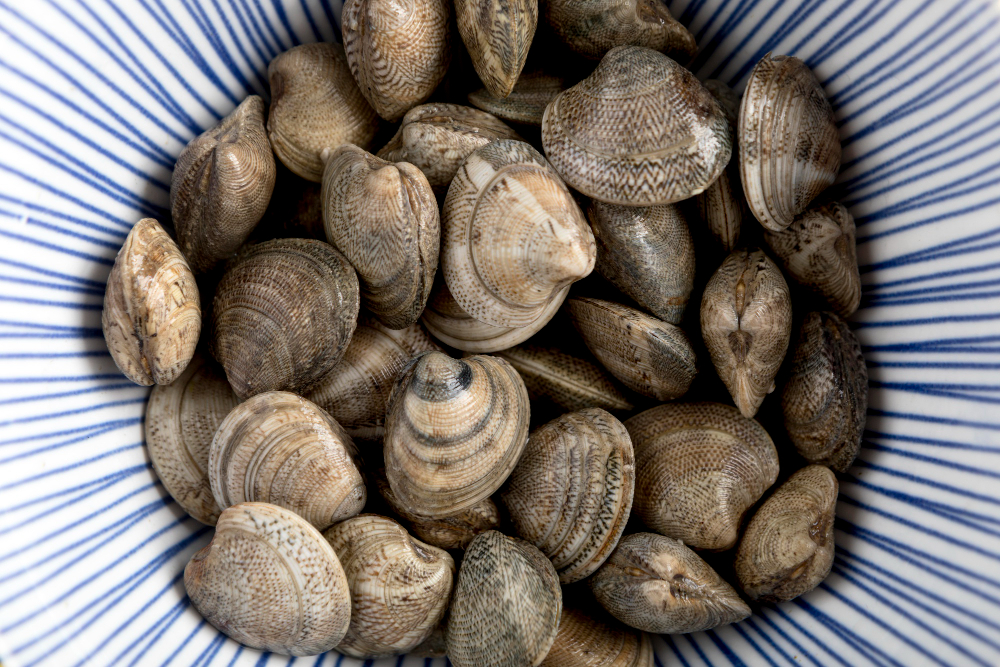
There is a distinction that changes how a whole category of coastal feature should be thought about, and it comes down to whether something is a population or a structure.
A population is a group of individuals in a place. Remove some and the rest reproduce; remove all of them and the place remains, ready for recolonisation from elsewhere.
A structure is different. If the organisms build something that subsequent generations depend on, then removing the organisms also removes the thing they were building on, and recovery requires rebuilding rather than restocking.
Shellfish beds are firmly in the second category, and almost everything interesting about them follows from that.
How They Are Built
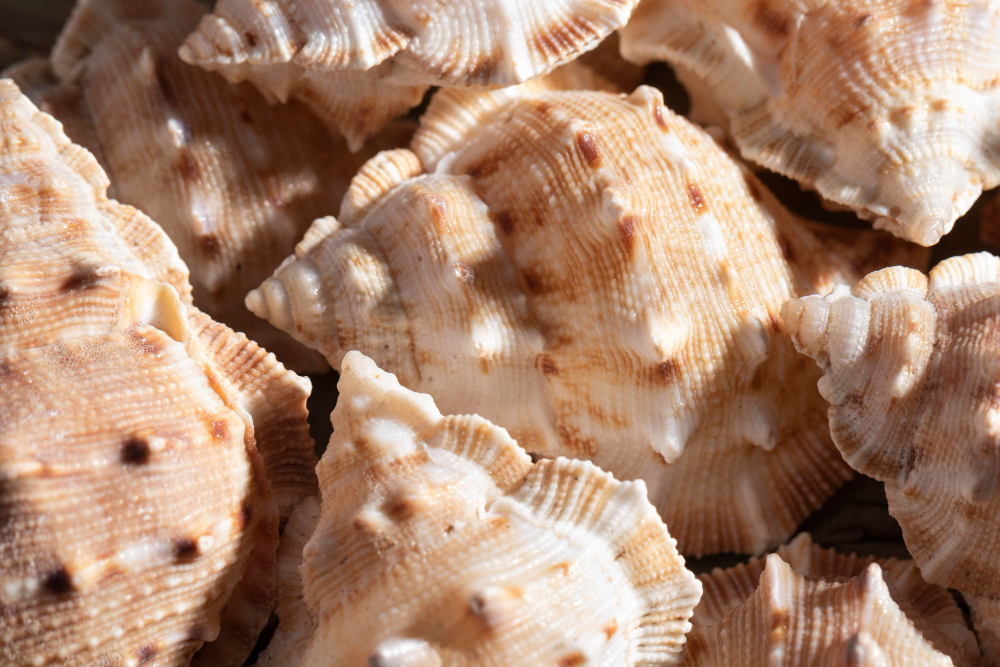
The construction sequence is the essential point.
Free-swimming larvae drift in the water for a period and must then settle onto a surface and attach permanently, after which they cannot move again.
The surface they prefer overwhelmingly is the shell of their own kind, living or dead.
So each generation cements itself onto the accumulated shells of the previous ones, dies in place, and becomes the surface for the next — which builds the bed upward and outward over time.
That accumulation can continue for centuries, producing a solid mass of shell, living animals and trapped sediment that stands proud of the surrounding seabed and is measured in metres of thickness in some places.
Which means the bed is a construction with a history, rather than a patch of ground where a particular animal happens to be common.
Like our content? Follow us for more.
What the Structure Does
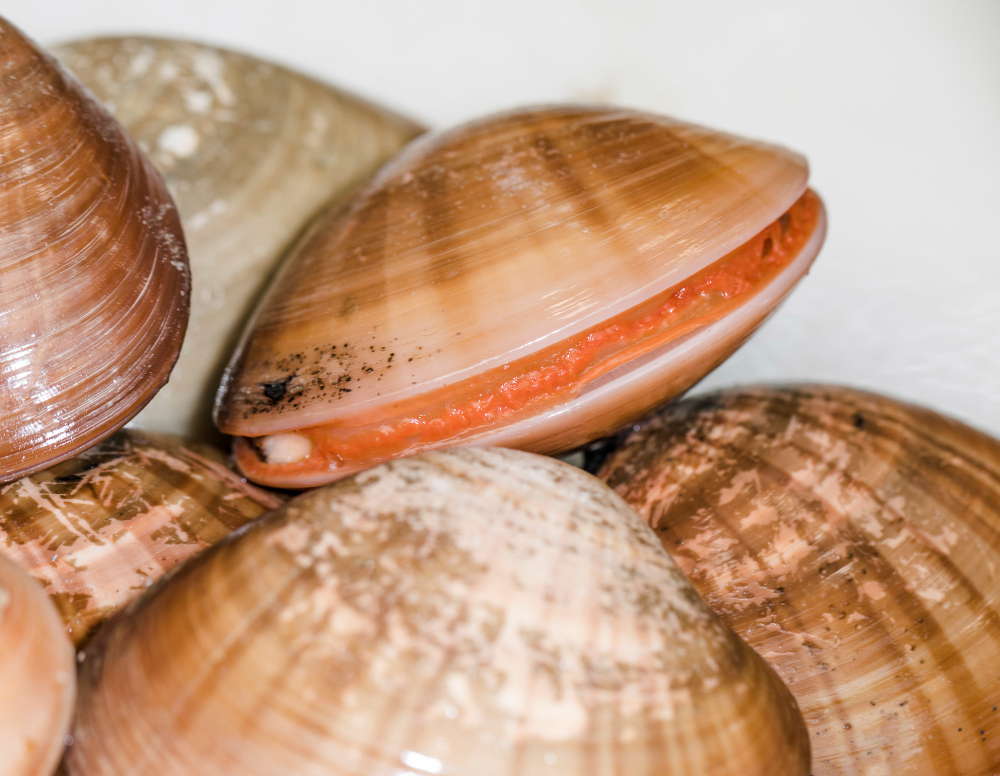
The consequences extend well beyond the animals that built it.
A raised hard structure on a soft seabed creates habitat that did not otherwise exist — crevices, surfaces, shelter and varied water flow — which supports a substantially wider range of species than the surrounding sediment.
It alters water movement, slowing currents and creating calmer water behind it, which changes where sediment settles and can stabilise the seabed over a substantial area.
It filters. The animals draw water through to feed, removing suspended particles, and a large bed processes an enormous volume — which affects clarity, and clarity affects what can grow on the bottom nearby.
And it reduces wave energy reaching the shore behind it, in the same way any submerged structure does, which has consequences for erosion on the coastline landward.
So the structure is doing several things simultaneously, none of which is a property of the individual animals and all of which depend on the accumulated form.
There is a timing detail worth adding. Larvae are only in the water for a limited window each year, so a surface available at the wrong time is not colonised even if it is suitable.
That narrow window is why restoration work is timed around it rather than carried out whenever convenient.
Why Recovery Is Not Automatic
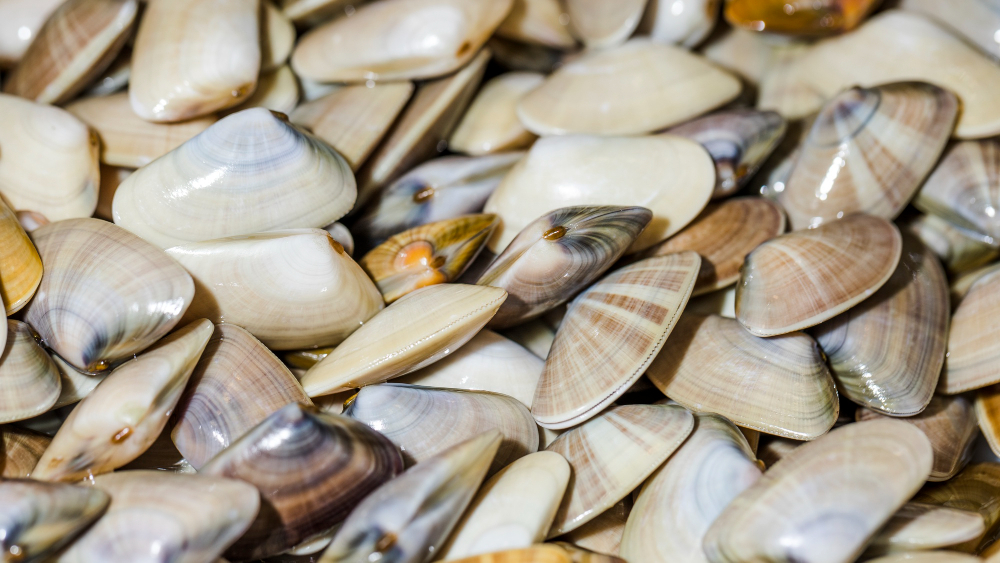
The failure mode follows directly and is the crux of the subject.
If the shell structure is removed — by harvesting methods that take the substrate along with the animals, by burial under sediment, or by the structure being broken up — the surface that larvae need is gone.
Larvae continue to arrive, because they drift in from elsewhere, and they find nothing suitable to settle on. Soft sediment does not work; they require something hard and preferably of their own kind.
So the population does not recover even when the animals are protected and the water is suitable, because the limiting factor is not the animals but the substrate.
That is why such beds have failed to return in places where they were once abundant, despite decades without pressure, and it is why restoration efforts concentrate on providing hard surface rather than on introducing animals.
It also explains a counterintuitive practice: returning shell to the water is a restoration measure, because the shell is the habitat rather than a waste product.
How They Feed and Why It Matters
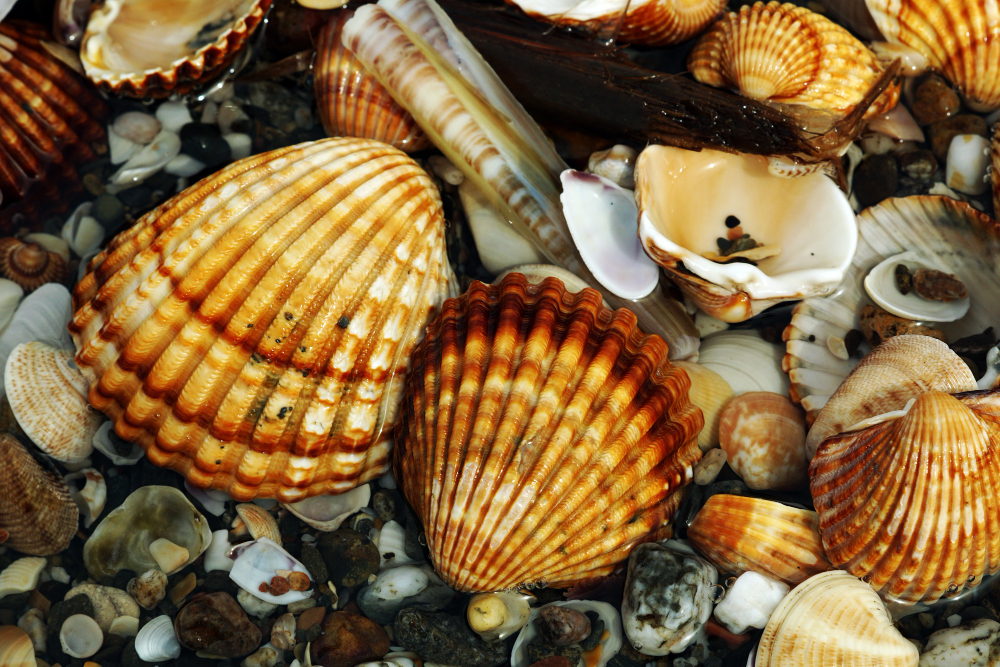
The feeding mechanism is the basis of the filtration effect and deserves setting out.
The animals draw water in, pass it across a surface that captures suspended particles, and expel the filtered water — continuously, for as long as conditions allow.
The particles captured are microscopic organisms and organic fragments suspended in the water column, which is an abundant food source requiring no movement to obtain.
That is why the animals can afford to be fixed in place. A sessile life is only viable if food arrives on its own, and moving water delivers it continuously.
The volume processed by an individual is modest and the volume processed by a bed is very large, because the animals are packed densely and there are a great many of them.
What leaves the animal is not simply cleaner water. Captured material that is not eaten is bound into packets and deposited on the bottom, which transfers material from the water column to the seabed.
That transfer is the part with consequences. Suspended material becomes seabed material, which reduces turbidity, changes what settles where, and moves nutrients from the water into the sediment where different organisms use them.
So the structure is not only providing habitat; it is continuously moving material downward out of the water, which is a substantial ecological function performed as a by-product of eating.
What Changed
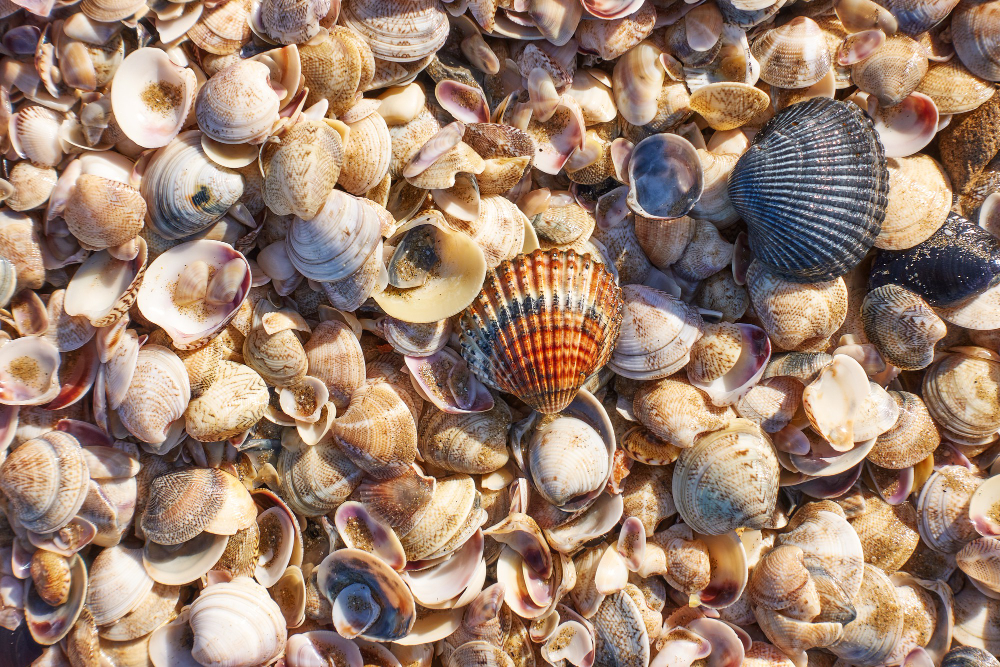
The historical picture is worth stating carefully because it is easy to sensationalise.
Beds of this kind were once extensive along many coastlines and supported substantial fisheries, and the volumes involved are documented and were very large.
Several factors reduced them: harvesting at rates faster than accumulation, methods that removed structure as well as animals, sediment from changes in land use burying beds, and disease.
Those interact. A bed reduced in area is more vulnerable to sedimentation; a thinner bed provides less surface for settlement; and a population under stress is more susceptible to disease.
That combination produces a decline that is difficult to reverse by addressing any single cause, which is characteristic of systems where the organism and its habitat are the same thing.
The specifics differ enormously between places, and the general pattern is consistent enough to be recognisable across many of them.
What Lives There Instead
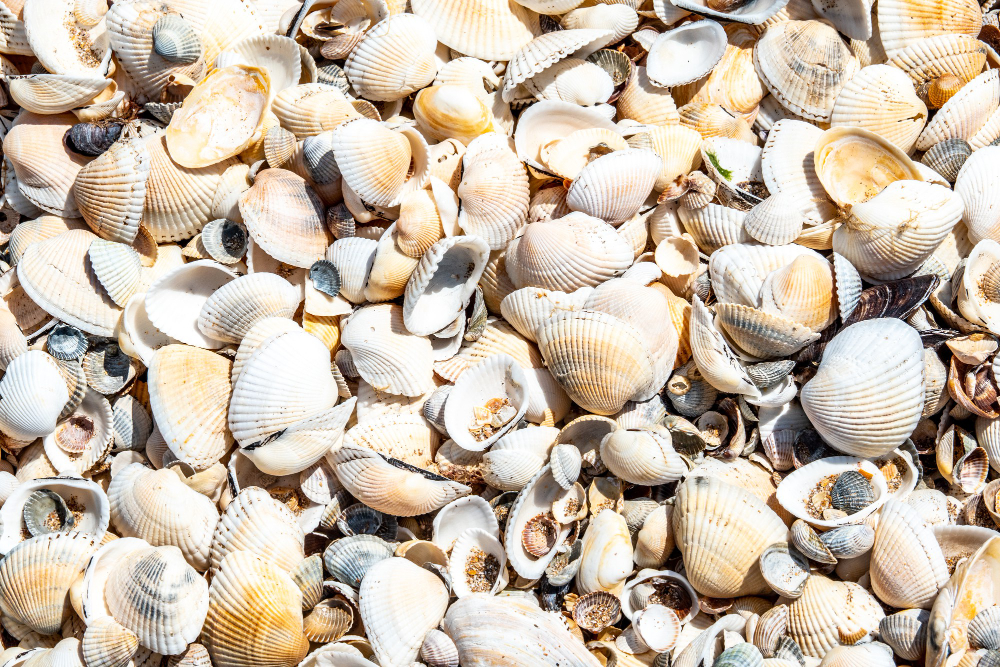
The associated community is the substantial part of the ecological argument and is worth describing.
A hard three-dimensional structure on an otherwise flat soft seabed provides three things that sediment cannot: surfaces to attach to, spaces to hide in, and variation in water flow across very short distances.
Attached organisms colonise the exposed shell — other shellfish, sea squirts, sponges, seaweeds and encrusting animals — which adds further structure and further surfaces.
Mobile species use the spaces. Small fish and crustaceans shelter in the crevices, which makes such structures important as nursery habitat for species that spend their adult lives elsewhere.
Predators follow, which means the structure supports a food web several levels deep in a location that would otherwise support very little.
And the effect extends beyond the structure. Filtered water is clearer, which allows light to reach the bottom further away, which permits rooted plants to grow in areas that would otherwise be too dark.
So a bed is not a habitat for one animal. It is a structure that creates the conditions for a community, and the count of species associated with a functioning bed is substantially higher than the surrounding seabed supports.
That is the argument that has moved these structures from a fisheries subject to an ecological one, and it rests entirely on the physical form rather than on the animals that built it.
Why It Is Being Rebuilt
Restoration work has developed and the reasoning is practical rather than only conservational.
Providing hard substrate — returned shell, stone, or constructed surfaces — gives arriving larvae somewhere to settle, and where larvae are still present in the water the response can be rapid.
The motivation includes water clarity, habitat for other species, and coastal protection, since a structure that reduces wave energy is a form of sea defence that maintains itself and grows rather than requiring replacement.
That last argument is the one that has moved the subject beyond conservation, because a self-repairing structure that gets stronger over time is an unusual property for any coastal engineering.
The results are mixed and are truly promising in places, and the constraints are real: water quality, sediment, the availability of larvae and the time involved, which is measured in decades rather than seasons.
Which is a reasonable place to leave it. The thing that makes these beds valuable — that they are built rather than merely inhabited — is the same thing that makes them slow to recover, and any account that treats them as a population rather than a structure will get both the problem and the solution wrong.
And that distinction is worth carrying beyond this case. Wherever an organism builds the thing it depends on, protecting the organism is not enough on its own – the structure has to survive too, and it is generally the structure that was removed first.
Like our content? Follow us for more.

