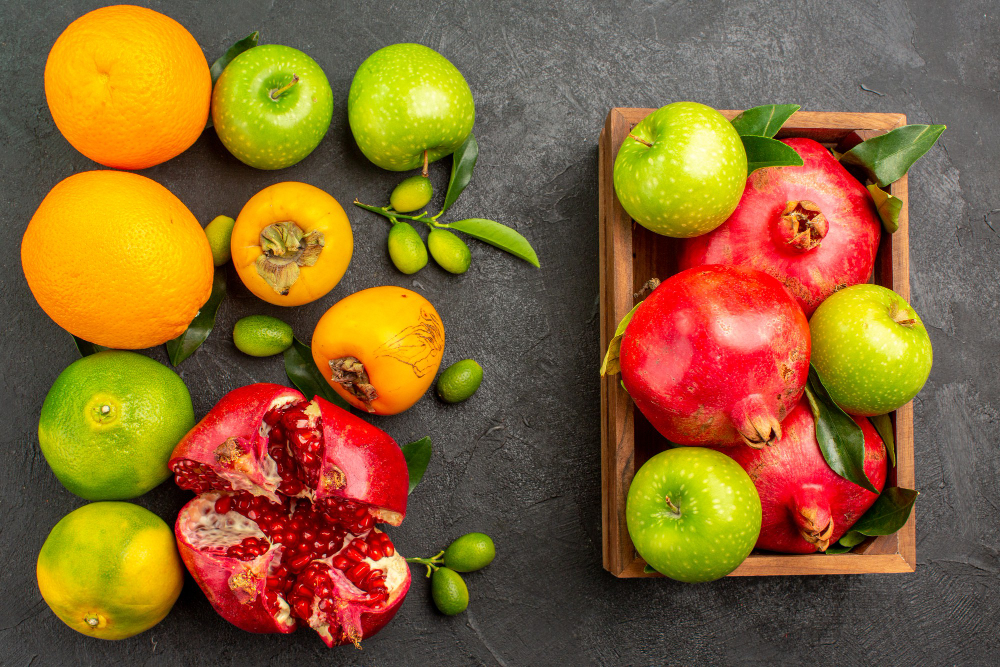
There is a category of everyday phenomenon that turns out to have a mechanism nobody would guess, and the way fruit behaves in a bowl is one.
The observable facts are familiar. Some fruit ripens after picking and some does not. Putting fruit in a paper bag speeds it up. One overripe item seems to affect the others. Refrigeration slows everything down, and for certain fruits ruins them.
Each of those looks like a separate piece of kitchen folklore. They are all consequences of a single mechanism, which is a gas.
The Signal
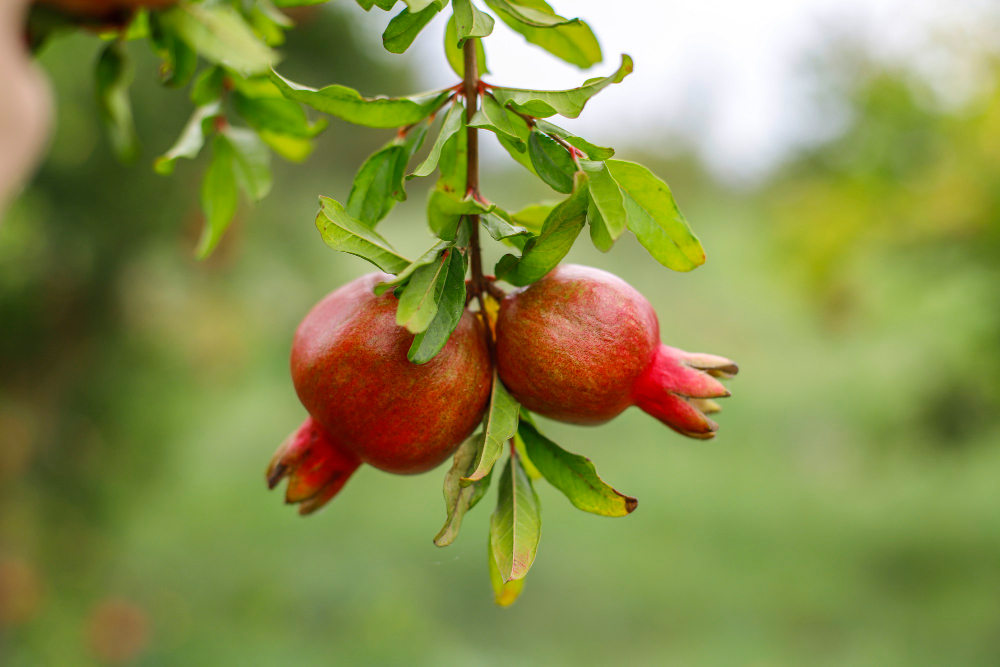
The substance responsible is a simple gas produced by the plant itself, functioning as a hormone.
It is unusual among plant hormones in being a gas, which means it travels through air rather than through tissue — and therefore acts on anything nearby rather than only on the plant that made it.
Within a fruit, it triggers the whole ripening programme: the conversion of starch to sugar, the breakdown of cell wall material that produces softening, the change in pigments that produces colour, and the generation of the volatile compounds that produce aroma.
Those are separate processes with separate machinery, and the gas coordinates them so that a fruit ripens as a unit rather than in pieces.
And it is self-reinforcing. Exposure to the gas causes a fruit to produce more of it, which produces more ripening, which produces more gas — which is why ripening accelerates once it has begun rather than proceeding at a steady rate.
There is a practical caveat worth stating. Which group a given fruit belongs to is not always obvious, varies between varieties of the same fruit, and is occasionally disputed for borderline cases.
The reliable indicator is behaviour rather than category – a fruit that improves on a windowsill is responsive, and one that merely softens is not.
Like our content? Follow us for more.
The Two Kinds of Fruit
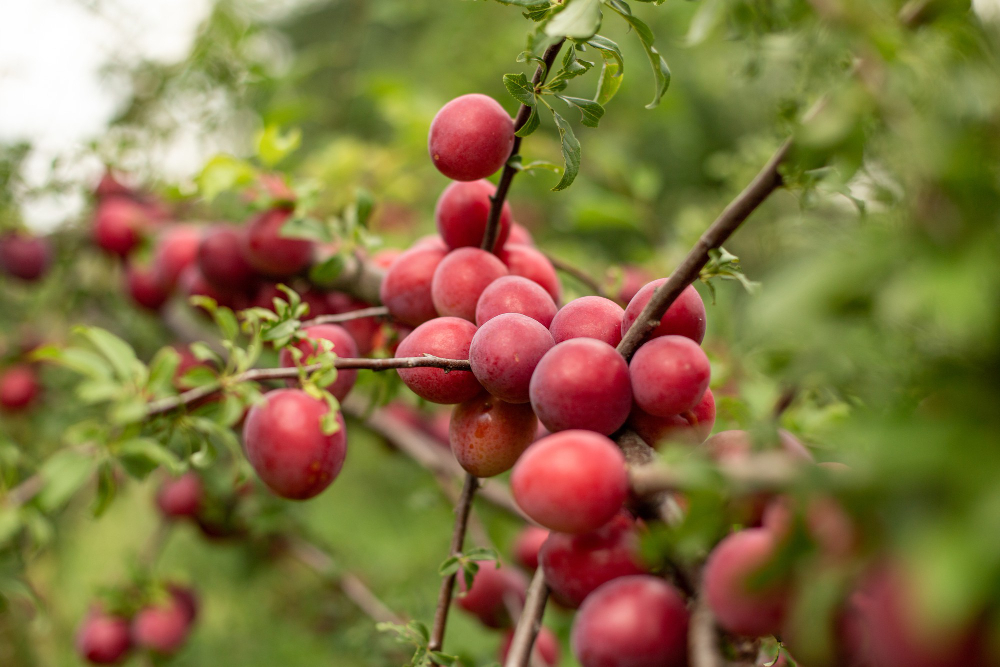
The most useful distinction follows from whether a fruit responds to the signal, and it explains a great deal of practical behaviour.
Some fruits show a sharp rise in respiration and gas production at the onset of ripening, and will ripen fully after being separated from the plant. Those can be picked unripe and will complete the process on their own.
Others do not. They produce very little of the gas, show no respiratory surge, and ripen only while attached. Picked unripe, they stay unripe — they may soften slightly, deteriorate and eventually spoil, but they do not sweeten or develop properly.
That distinction is the single most useful thing to know about buying fruit. For one group, buying underripe is sensible and the fruit improves at home. For the other, whatever state it was picked in is essentially the best it will be.
The commercial consequence is substantial. Fruit in the first group can be harvested unripe, transported firm and ripened on arrival, which is why some fruits travel enormous distances successfully and others cannot.
There is a quantity point worth adding. Species differ enormously in how much gas they produce, by orders of magnitude, which is why a handful of fruits have a reputation for affecting everything near them while others can be stored alongside anything.
That difference is what makes separation worth doing for some items and pointless for others.
Why the Bag Works
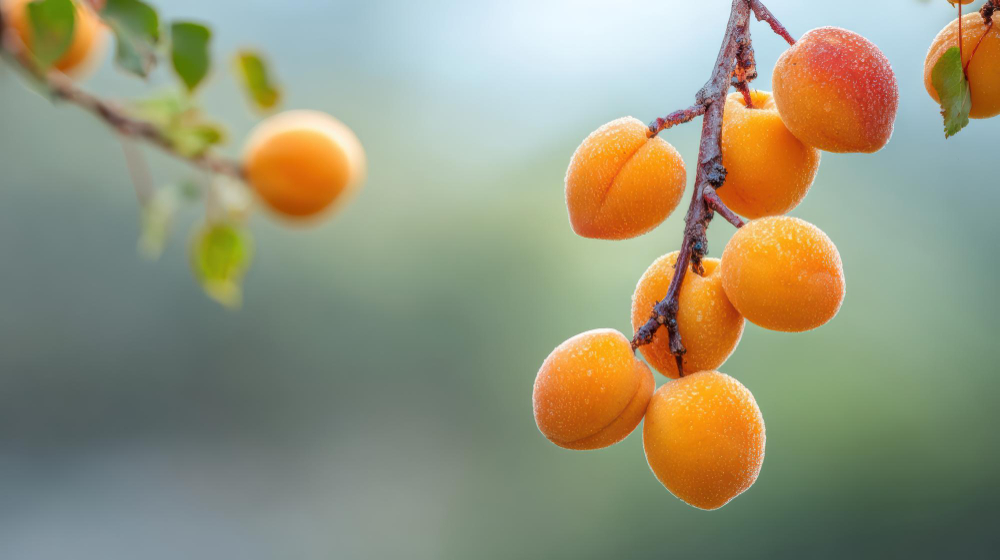
The practical techniques all follow from the mechanism.
Enclosing fruit in a paper bag traps the gas it is producing around it, raising the local concentration and accelerating ripening.
Adding an already-ripe item to the bag adds a source, which works better — and the fruits that produce the most gas are the most effective at this, which is why certain items have a reputation for ripening everything near them.
A plastic bag works less well, because it also traps moisture and carbon dioxide, which encourages spoilage and in some cases suppresses ripening.
Separating fruit does the opposite, allowing the gas to disperse and slowing the process — which is why keeping certain items away from others extends their life.
And ventilation matters for storage generally, since a sealed space full of fruit accumulates the gas and everything in it ripens together.
There is a storage consequence worth adding. Because the gas accumulates in an enclosed space, a sealed drawer or container full of produce becomes a chamber in which everything ripens faster than it would in the open.
That is why ventilated containers exist for fruit storage, and why a closed bag of mixed produce behaves so unpredictably.
Why the Fridge Is Complicated
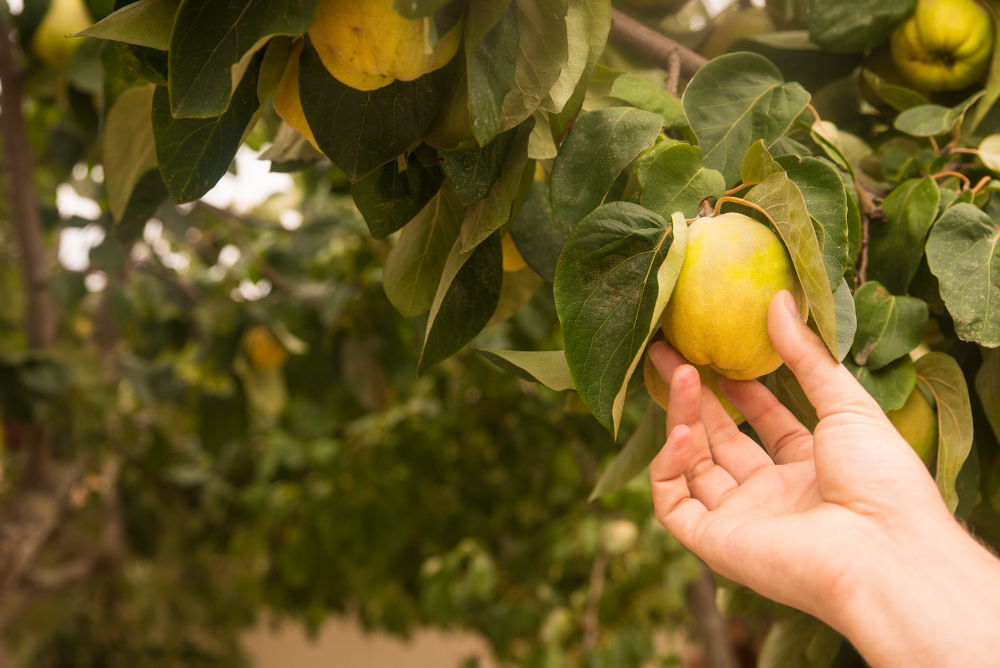
Refrigeration slows ripening by slowing the underlying chemistry, which works for a great many fruits and fails badly for others.
Fruits from warm climates are frequently damaged by cold at temperatures well above freezing, through a disruption of cell membranes that is not immediately visible.
The damage appears afterwards — as failure to ripen, as texture changes, as pitting or discolouration, or as the fruit ripening unevenly and developing off-flavours.
That is why certain fruits should not be refrigerated before they are ripe, and why a fruit that was chilled at some point in the supply chain may never ripen properly regardless of what happens to it afterwards.
The interaction with the gas matters too. Cold slows production and slows the response to it, so a fruit chilled mid-process may resume ripening when warmed, or may have been arrested permanently, depending on the fruit and the duration.
What Commercial Ripening Does
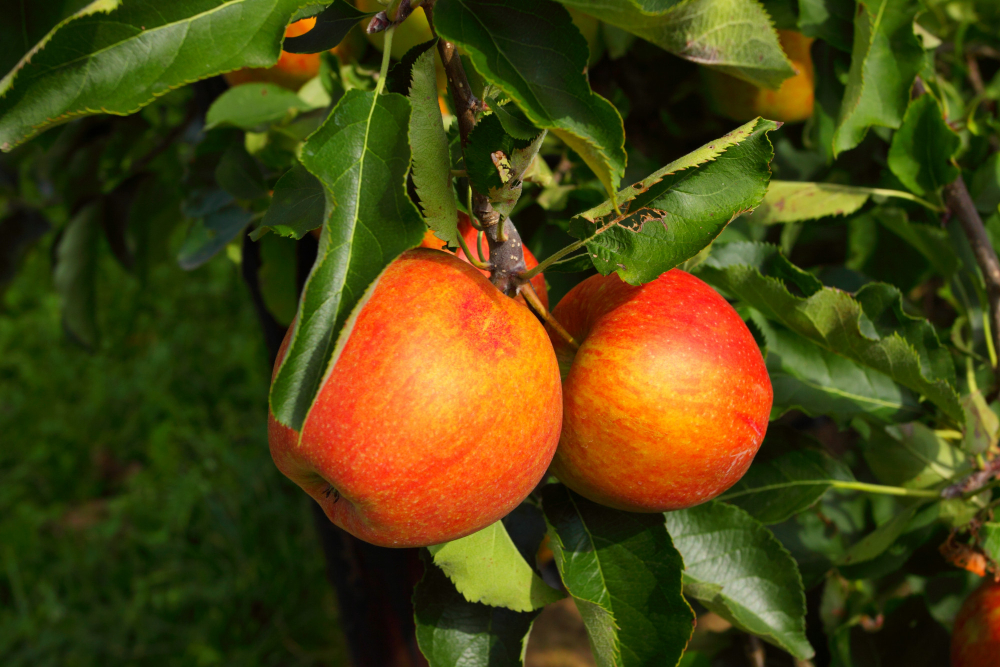
Understanding the mechanism explains an industry that is otherwise puzzling.
Fruit in the responsive group is harvested firm and unripe, which allows it to survive transport that would destroy ripe fruit.
On arrival it is placed in rooms where temperature, humidity and gas concentration are controlled, and the gas is introduced deliberately to initiate ripening on a schedule.
That means the fruit ripens at the point of distribution rather than on the plant or in transit, which is the only way certain fruits can be supplied at any distance.
It is worth knowing that this is not artificial ripening in any meaningful sense — the gas used is the one the fruit produces itself, and the process is the fruit’s own programme triggered deliberately rather than left to chance.
The alternative for those fruits is not tree-ripened fruit in the shop. It is no fruit in the shop, because ripe fruit of that kind does not survive the journey.
Why the Fruit Does This
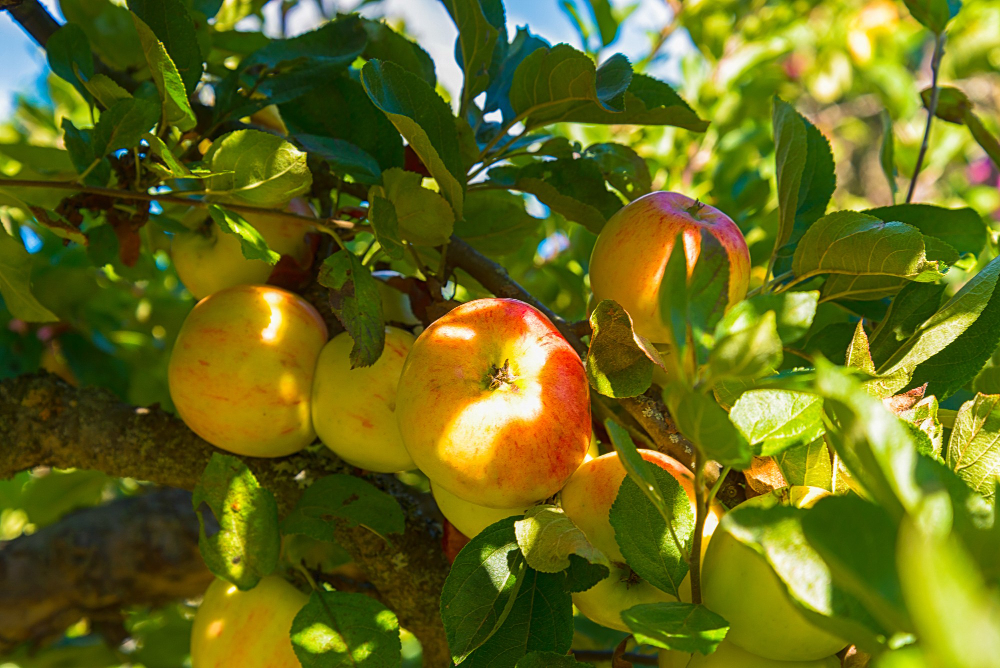
The evolutionary question is worth asking, because the whole arrangement exists for a reason that has nothing to do with anybody eating it in a kitchen.
A fruit is a dispersal device. The plant invests in surrounding tissue that serves no purpose except to make the package attractive enough to be taken and moved.
That investment only pays if the fruit is taken when the seed inside is ready. A fruit removed too early carries an immature seed and the investment is wasted.
So the ripening programme is timed to seed maturity, and everything that makes a fruit attractive — the sweetening, the softening, the colour change, the aroma — arrives at the point when the seed is viable.
Before that, the fruit is actively unattractive in many species: green against green foliage, hard, sour, and in some cases containing compounds that deter eating outright.
The transition is therefore a signal as much as a change. The fruit is advertising that the seed is ready, and the gas is the internal mechanism that coordinates every part of that advertisement to arrive simultaneously.
Which reframes the whole subject. The reason a fruit ripens all at once rather than piecemeal is that a half-ripe fruit is a failed signal — and the coordinating gas exists because the various components of ripeness are produced by unrelated processes that would otherwise have no reason to agree on timing.
What to Do With Any of This
The practical upshot is a small number of rules that follow directly.
Work out which group a fruit belongs to, because that determines whether buying it firm is sensible or futile.
Use enclosure and a ripe companion to speed things up, and separation and air to slow them down.
Keep fruits that produce a lot of gas away from anything you want to keep, including vegetables, which are also affected and generally in ways nobody wants.
And be cautious with refrigeration for anything from a warm climate that is not yet ripe.
None of that is complicated, and all of it is invisible without the mechanism — which is why the folklore version consists of half a dozen unconnected rules that everybody half-remembers, when it is actually one thing happening in a bowl.
And the thing happening is a conversation. Each fruit is producing a signal, each is listening for it, and the bowl is a small room in which everything present is telling everything else that it is time.
Like our content? Follow us for more.