Nothing here concerns documents or requirements, which differ entirely by nationality and route and belong with official sources. This is about how the day works, which nobody tells you and which differs substantially from flying. Here are ten.
1. It Takes as Long as It Takes
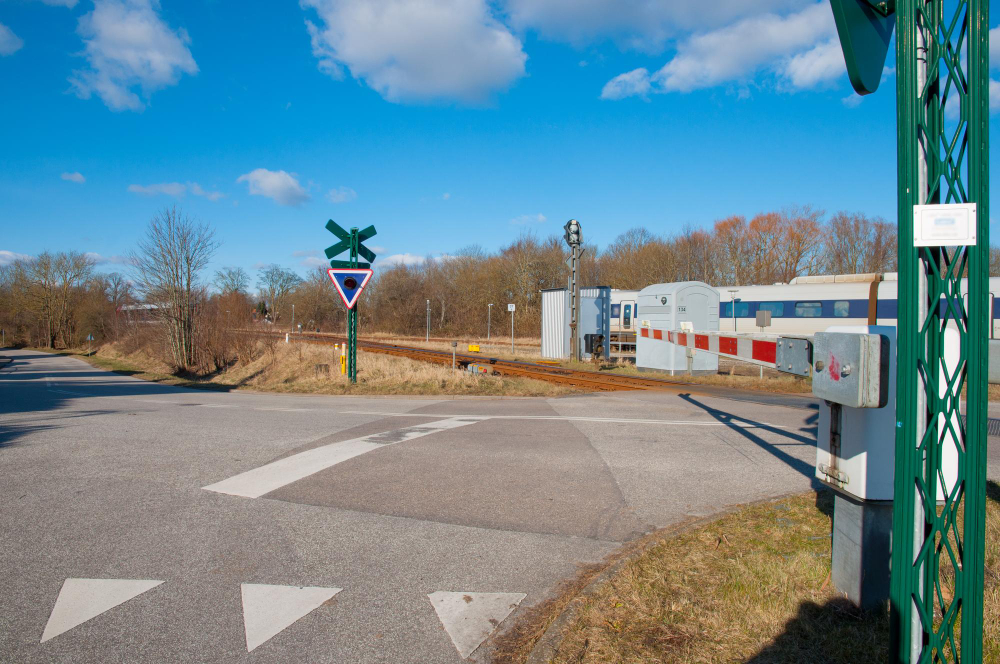
Land crossings have no schedule in the way a flight does, and the time involved depends on the queue, the day, the hour and circumstances nobody can see – which means an estimate is an estimate.
Building slack into the day is essential. Unpredictable duration is the single largest difference from flying.
Like our content? Follow us for more.
2. The Two Sides Are Separate Operations
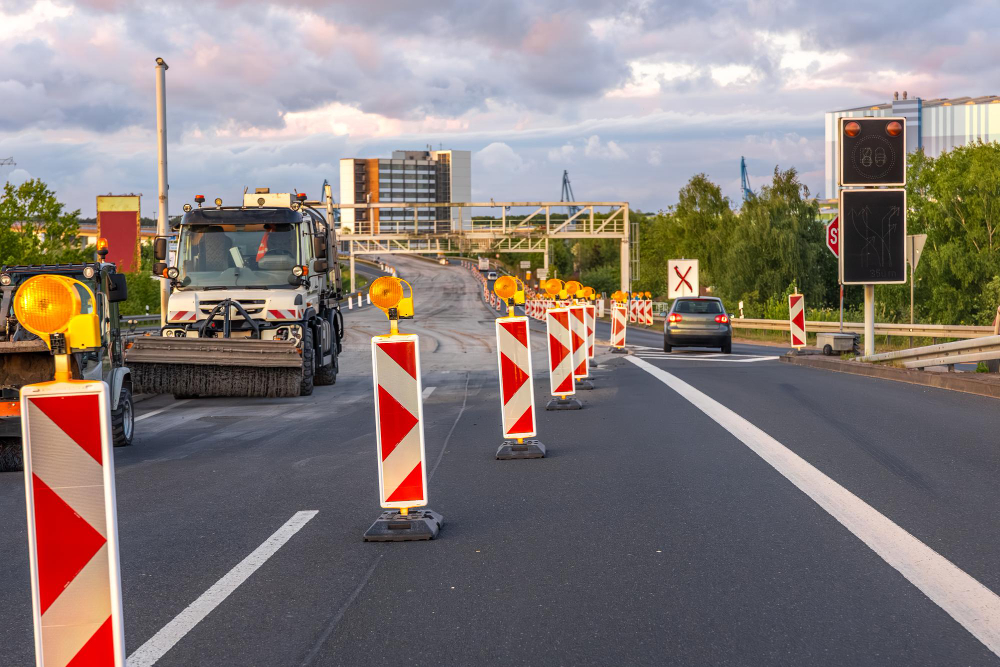
Leaving one country and entering the next are distinct procedures, frequently at separate locations with a stretch of road between them, and each takes its own time.
It is two stops rather than one. Sequential processing is why the whole thing takes longer than expected.
3. There Is Frequently Nowhere to Wait
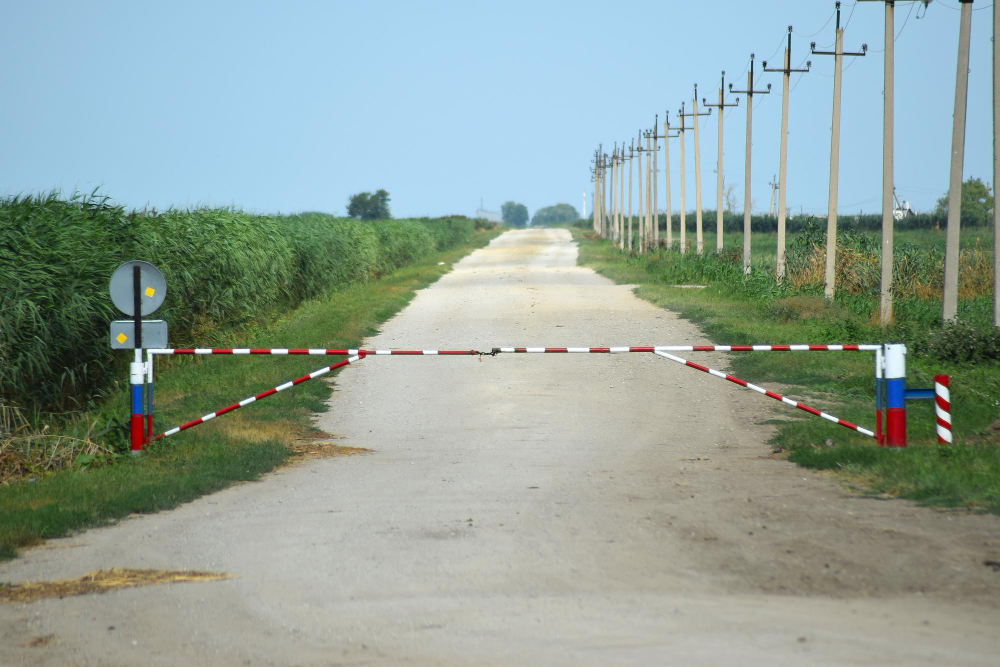
Unlike an airport, a land crossing may have no seating, no shelter, no facilities and nowhere to buy anything, which matters substantially if the wait is long.
Assume nothing is provided. Absent facilities are the practical reality most people are unprepared for.
4. Time of Day Changes Everything
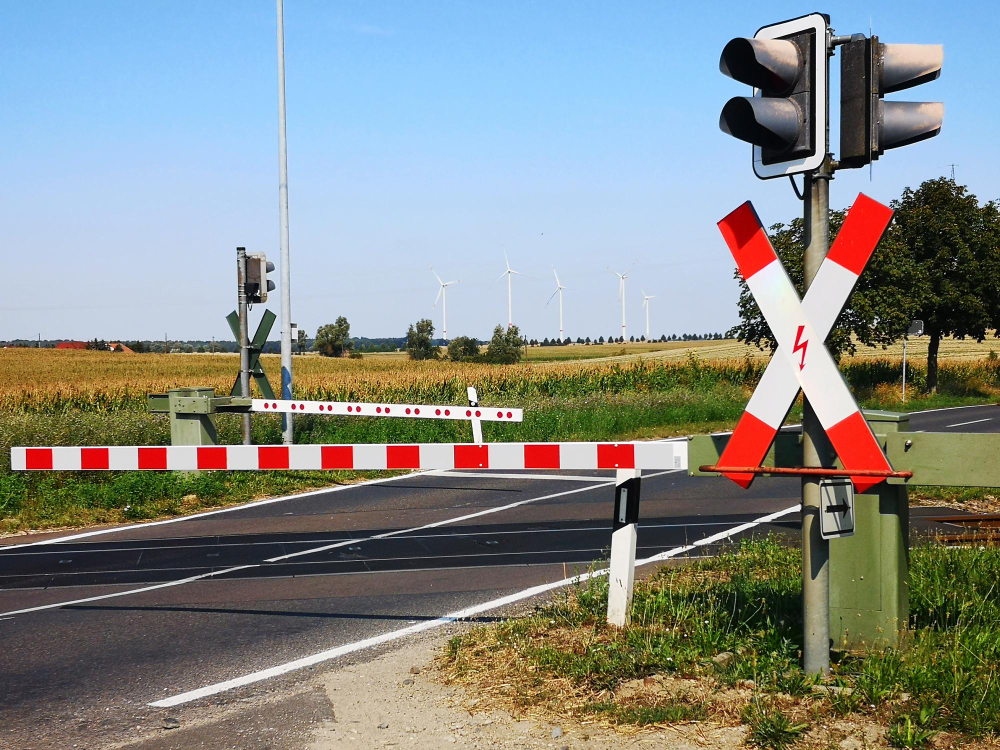
Crossings have busy and quiet periods driven by local traffic, commuting, commercial vehicles and opening hours, and arriving at the wrong hour can multiply the wait.
Local knowledge is worth more than any guide. Timing sensitivity is the variable with the largest effect you can control.
5. Some Are Not Open All the Time
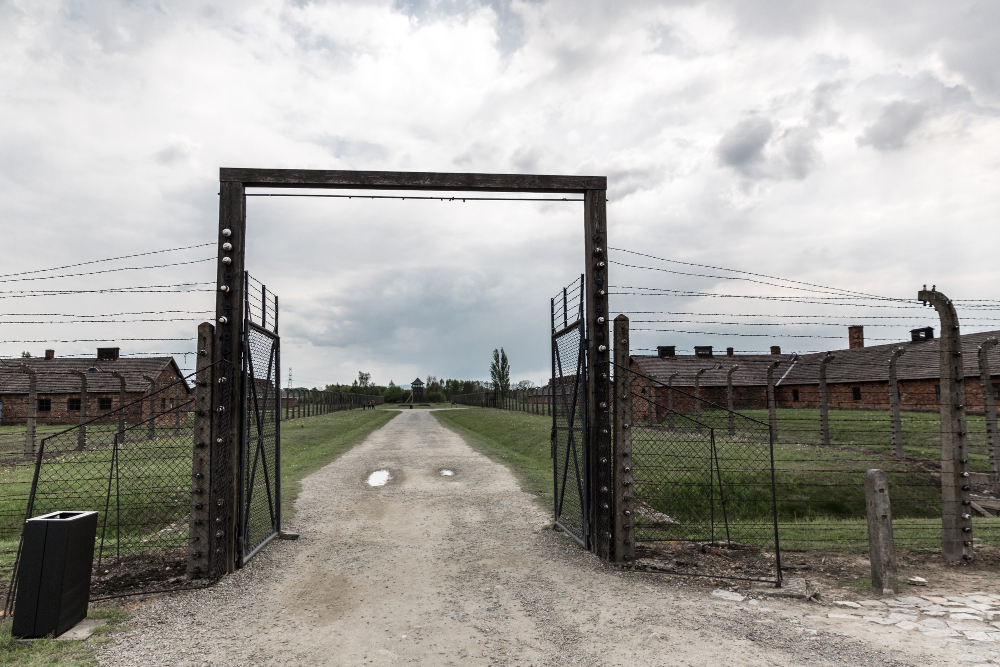
A crossing may operate limited hours, close on certain days, or handle different kinds of traffic at different times – and arriving after closing means a long detour or an overnight wait.
Checking operating hours is the one piece of homework that matters. Limited opening is the failure that strands people.
6. Transport Frequently Does Not Continue Through
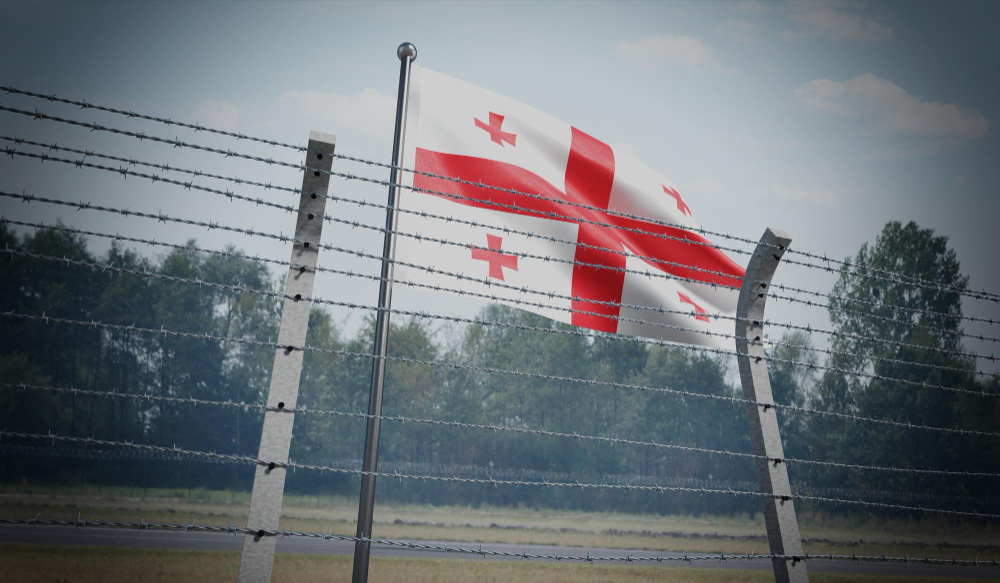
Buses and shared vehicles often stop on one side, with passengers walking across and picking up onward transport on the other, which is normal and is startling if unexpected.
The through service you booked may involve walking. Transport discontinuity is the arrangement nobody mentions in advance.
7. The Walk Across Is on Foot With Everything
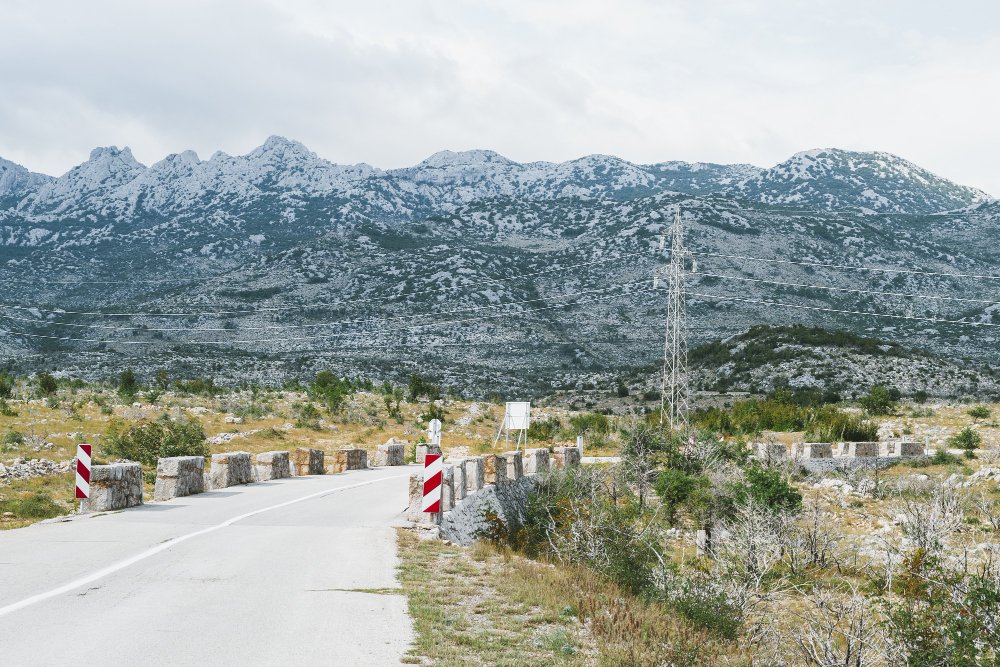
Where that happens, you carry your luggage across a stretch of road, which makes how much you are carrying a practical rather than an aesthetic question.
It is a short distance and feels longer. Carrying everything is the moment packing light pays.
8. Money Changes at the Line
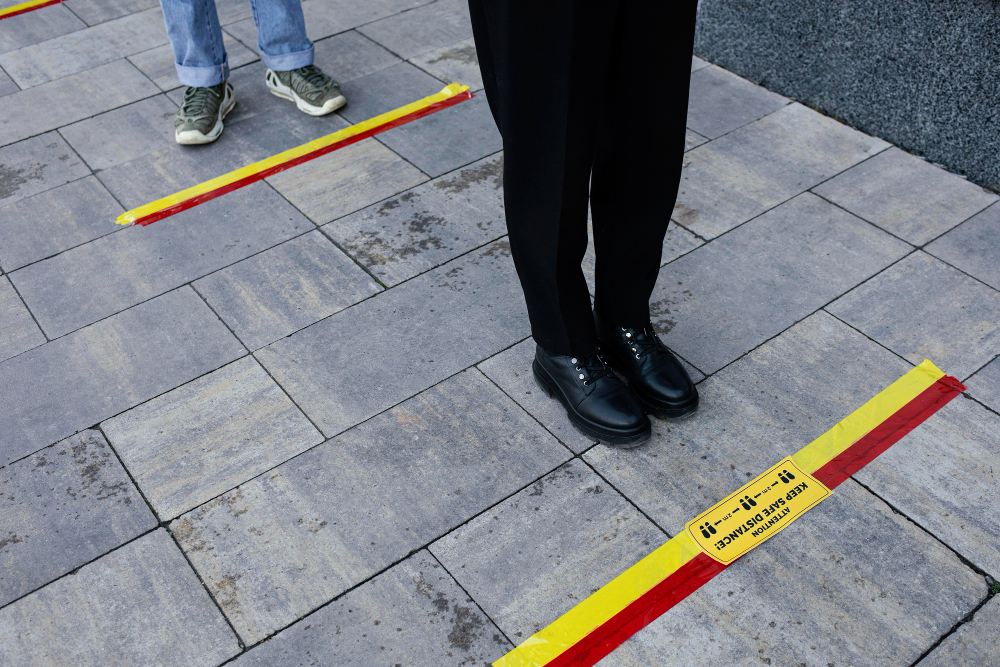
The currency, the prices and the availability of exchange all change at the crossing, and the facilities on either side differ – frequently with better options a short distance beyond rather than at the crossing itself.
The first place you can change is rarely the best. Currency transition is a practical matter to plan rather than improvise.
9. The Landscape Rarely Changes and Everything Else Does
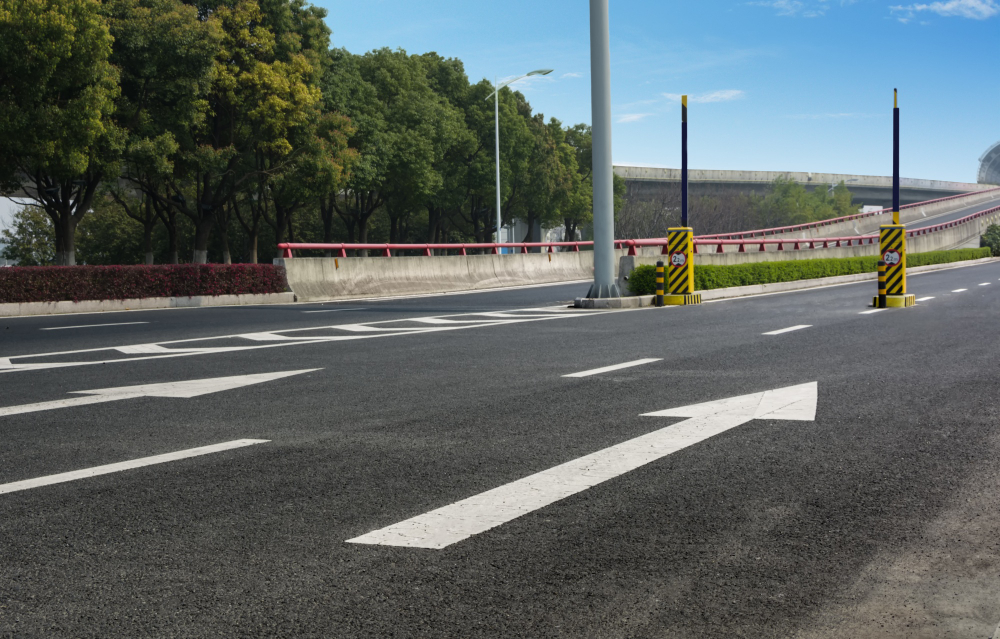
The ground either side of a border is generally identical, while the road surface, the signage, the vehicles, the buildings and the way things are organised change immediately.
The contrast is the interesting part of the whole experience. Abrupt transition is what makes a land crossing worth doing at all.
10. You Arrive Somewhere Rather Than at an Airport
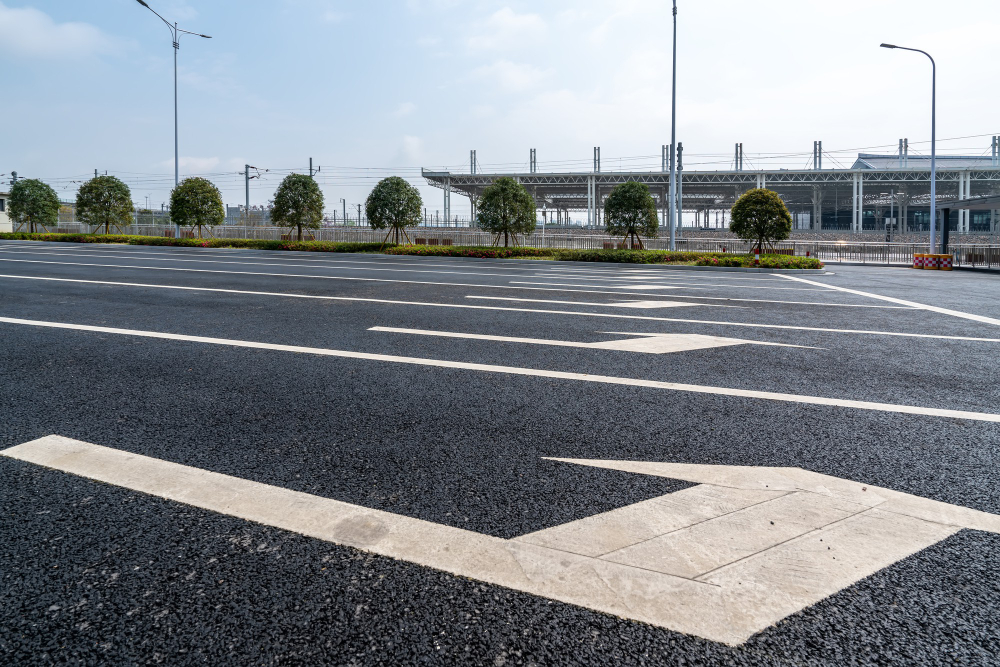
A land crossing deposits you in an ordinary place, in the middle of the country, without the buffer of an airport – which is disorienting and is also the best introduction to anywhere.
You are in it immediately. Direct arrival is the reason to cross by land rather than fly over it.
Different in Every Way From Flying
No schedule, two separate operations, no facilities, hours that vary, transport that may not continue and a currency that changes at the line – and an arrival with no buffer at all.
One thing to state plainly: nothing above concerns documents, permissions or requirements, and that is deliberate. What is needed to cross any particular border depends on your nationality, your route, your purpose and the current situation, it changes without much notice, and the only reliable source is official government information for your own country and the one you are entering. Check that well before travelling.
Like our content? Follow us for more.