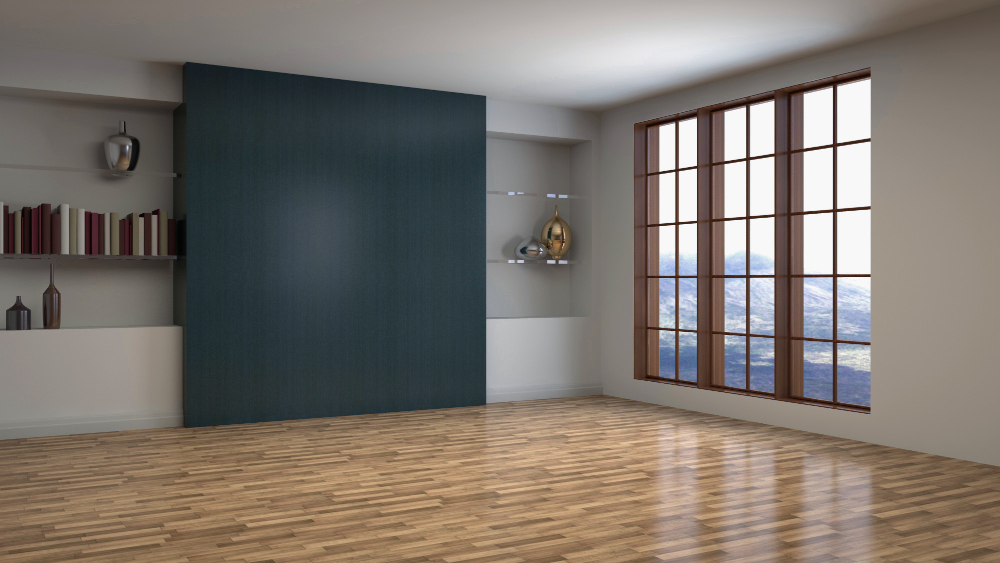
Every sound in a room reaches you twice – directly, and then repeatedly as reflections from every surface. What a room sounds like is almost entirely a question of how quickly those reflections die away. Here are twelve.
1. You Hear Everything Twice
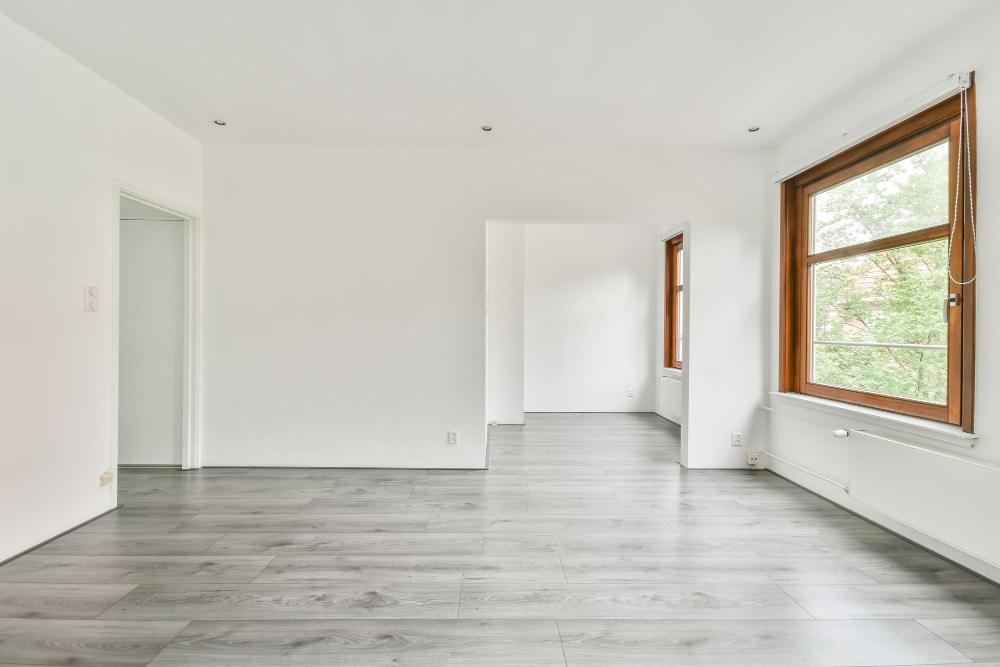
Sound arrives directly and then again as reflections from walls, floor and ceiling, arriving slightly later and from other directions.
The direct sound is a small part of the total. Reflected arrival is what a room adds to any sound made in it.
Like our content? Follow us for more.
2. Hard Surfaces Send It Back
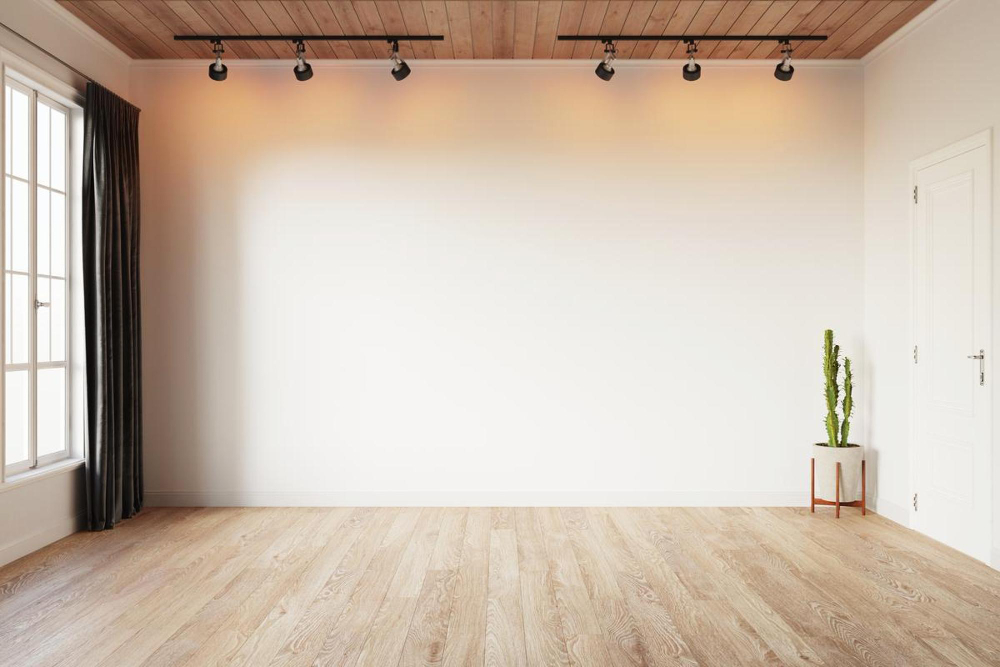
Plaster, glass, tile and bare floors return almost all the sound striking them, so a room with hard surfaces accumulates reflections rapidly.
Very little is absorbed anywhere. Reflective surfaces are what make an empty room loud.
3. Soft and Irregular Ones Absorb It
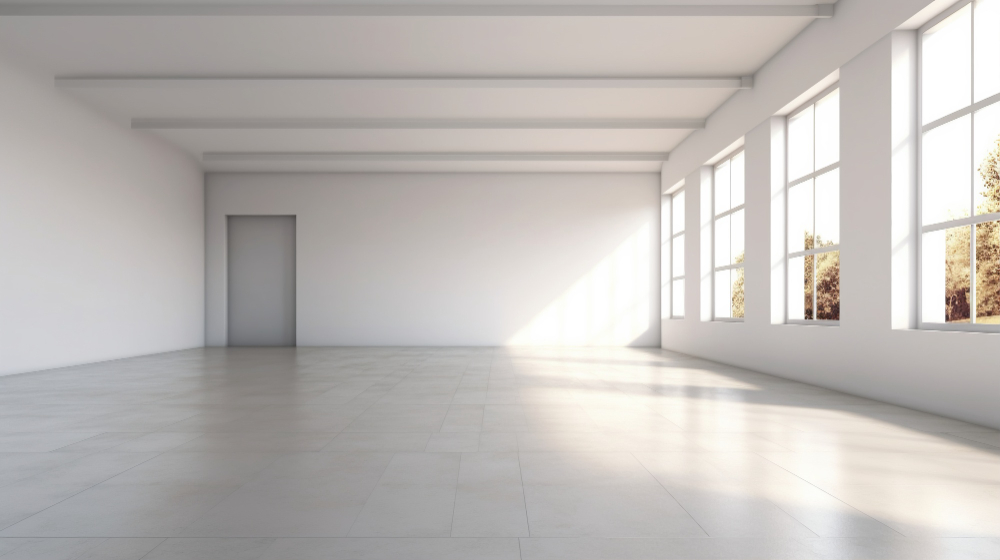
Textiles, upholstery, carpet and anything with a broken surface convert sound energy into a tiny amount of heat instead of returning it.
Furnishing a room is acoustic treatment nobody thinks of that way. Absorbent material is what a removed sofa takes with it.
4. How Long It Takes to Die Away Is the Whole Thing
The time for a sound to fade to inaudibility – which depends on room size and total absorption – determines almost everything about how a space sounds.
Everything else is a detail on top of it. Reverberation time is the single number that characterises a room.
5. Bigger Rooms Ring Longer
A larger volume means sound travels further between reflections, so it takes more of them and more time to be absorbed away.
Size and absorption work against each other. Volume dependence is why large hard rooms are the worst.
6. An Echo Needs Distance and a Ring Does Not
A distinct echo requires a reflecting surface far enough away for the delay to be perceptible; in an ordinary room the reflections arrive too quickly to separate and merge into a continuous ring.
Most rooms produce reverberation rather than echo. Delay threshold is what distinguishes the two.
7. Parallel Walls Produce a Flutter
Two hard parallel surfaces bounce sound between each other repeatedly, producing a fast repeated ripple audible after a clap.
It is specific to that geometry. Flutter echo is the effect you can test in any bare corridor.
8. The Dimensions Pick Out Particular Notes
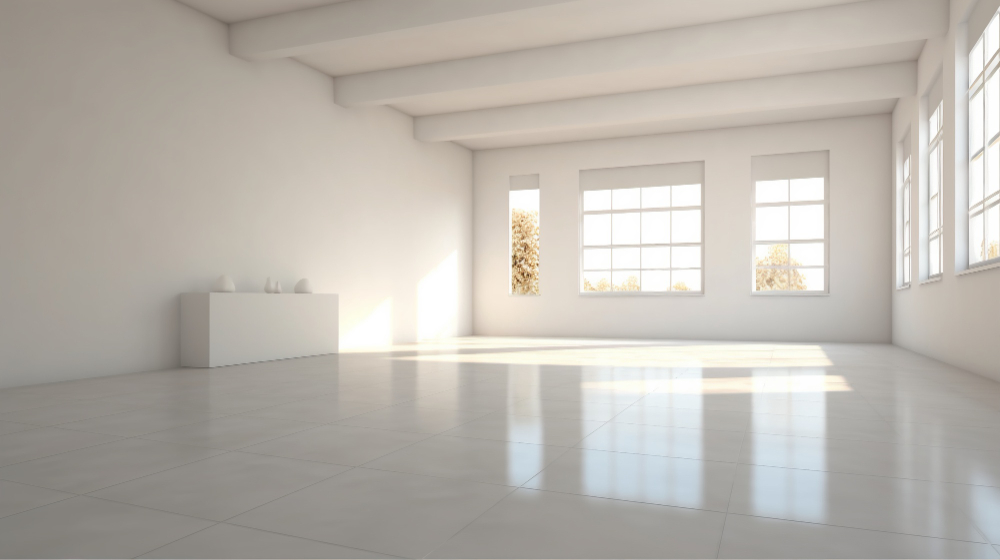
A room resonates at frequencies related to the distances between its surfaces, which means certain notes are reinforced and others suppressed depending on where you stand.
Small rooms have the strongest effect. Room modes are why some notes sound boomy in one position and thin in another.
9. Low Sounds Are the Hardest to Absorb
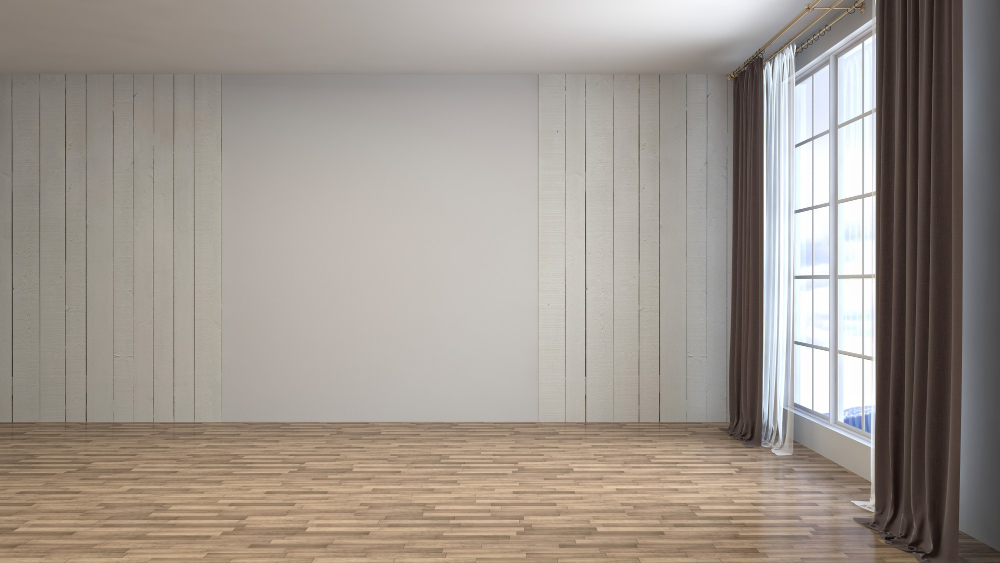
Thin absorbent materials work well on high frequencies and barely at all on low ones, so a room with soft furnishings loses its treble reflections and keeps its bass.
That changes the character rather than only the volume. Frequency-selective absorption is why a furnished room sounds warmer rather than merely quieter.
10. And They Collect in the Corners
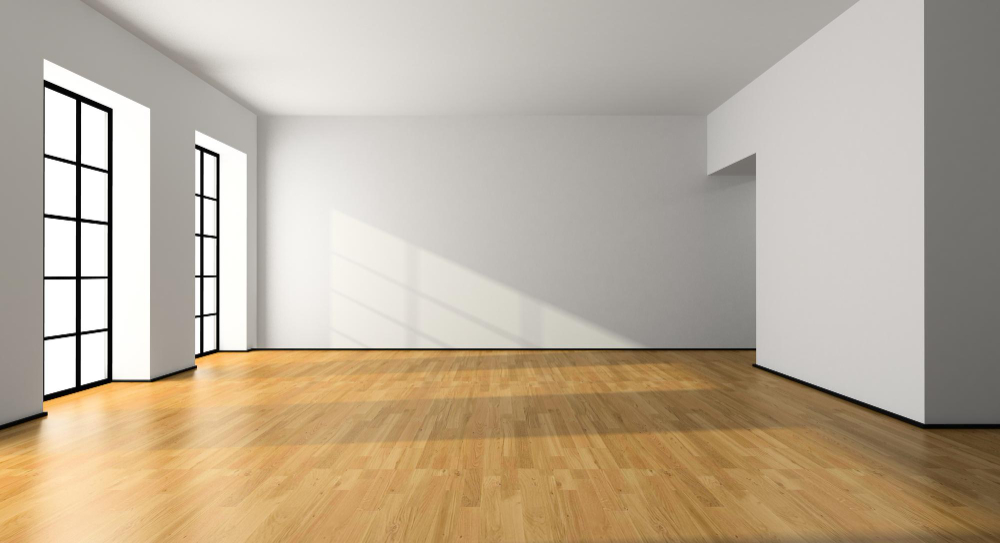
Low-frequency energy accumulates where surfaces meet, which is why bass sounds noticeably stronger standing in a corner than in the middle of a room.
It is a property of the geometry. Corner buildup is something anybody can verify by walking about.
11. People Absorb a Great Deal
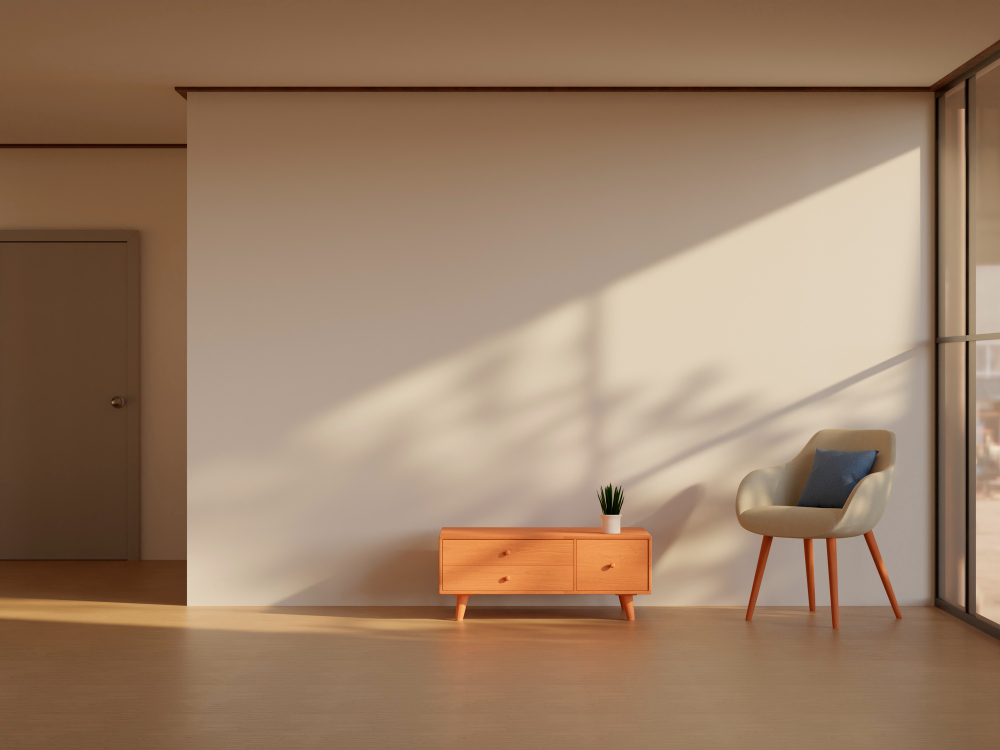
A room full of people sounds substantially different from the same room empty, because clothing, hair and soft tissue absorb sound effectively across a wide range.
A full room needs more volume and sounds clearer. Human absorption is why a rehearsal never matches the performance.
12. Background Noise Hides the Reflections

A room with some constant background sound conceals its own reverberation, which is why spaces sound most obviously reflective when everything else is quiet.
The same room sounds different at different times. Masking is why an empty house at night sounds so peculiar.
How Quickly the Reflections Die
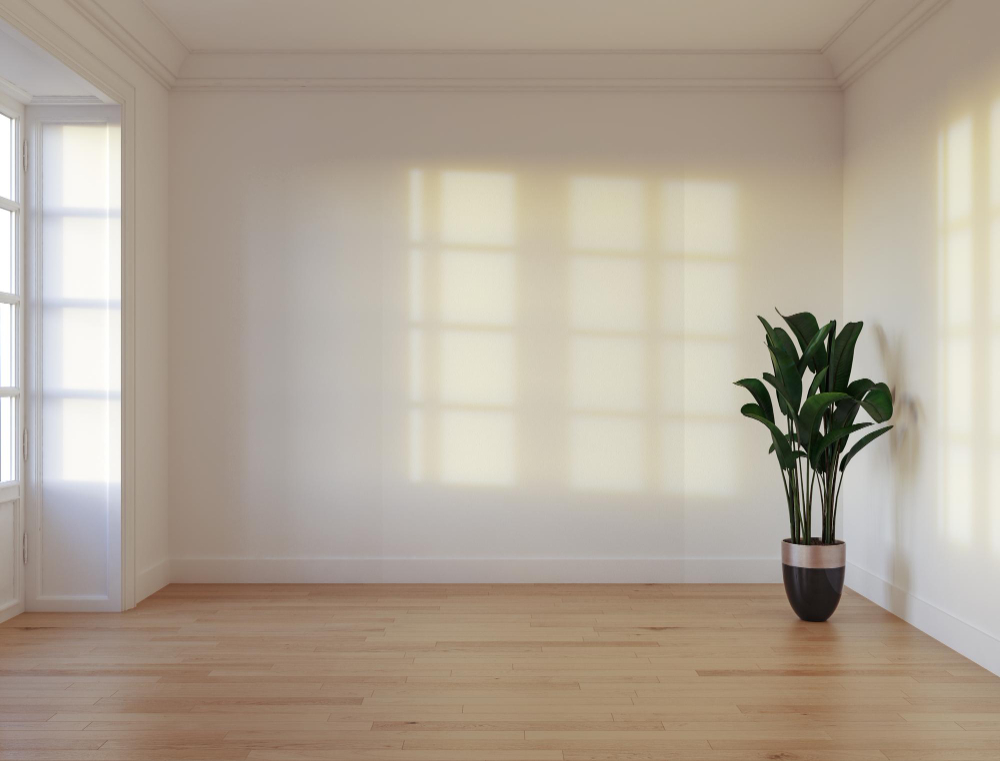
Hard surfaces returning sound, soft ones absorbing it, room size setting how long it takes, and dimensions picking out particular notes – and furniture doing most of the work invisibly.
The third item is the one worth carrying. A sofa, a rug and a set of curtains are acoustic treatment that nobody installed for that reason, and removing them is why an empty house sounds like somewhere you have never been – which it is, acoustically.
Like our content? Follow us for more.