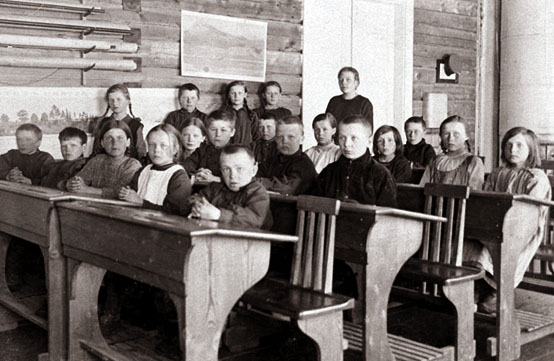
Most people spent more consecutive hours in one classroom than in any room they have occupied since, which is why the physical details survive so completely. Here are fourteen.
1. The Smell
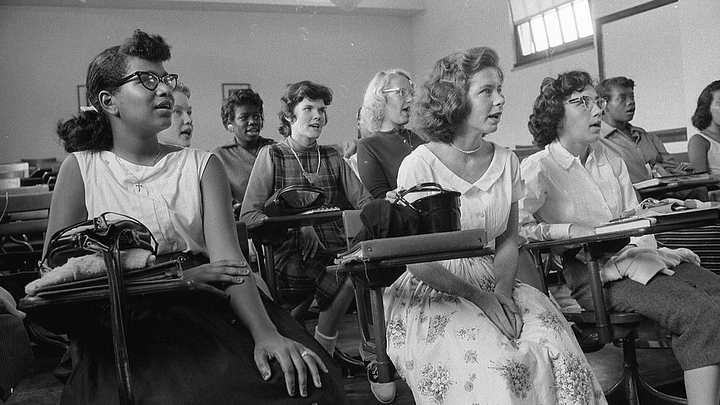
A combination of floor polish, paper, paint, disinfectant and a large number of people produced an atmosphere that is instantly recognisable and impossible to describe.
It was consistent across entirely different schools. The classroom smell is the memory reported before any other.
Like our content? Follow us for more.
2. The Sound of Chairs
Wooden or plastic chairs on a hard floor produced a noise that accompanied every transition, and an entire class standing up at once was truly loud.
It marked the end of everything. The scraping chairs are the sound the room was built around.
3. The Seating Plan
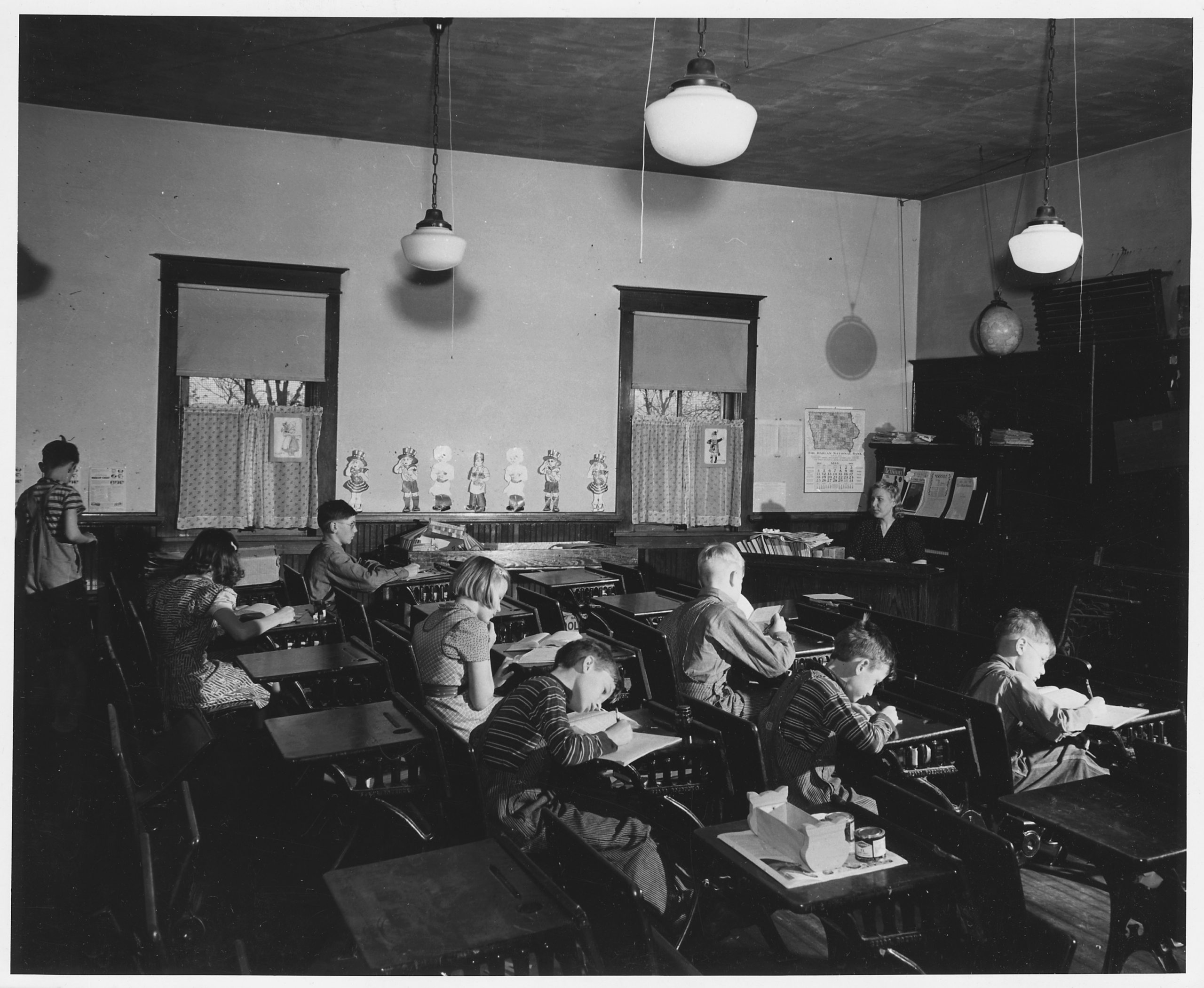
Where you sat was decided by somebody else, was recorded, and changed periodically for reasons that were never explained to anybody.
Nobody chose their own position. The assigned seat is the arrangement everybody accepted.
4. The Desk Surface
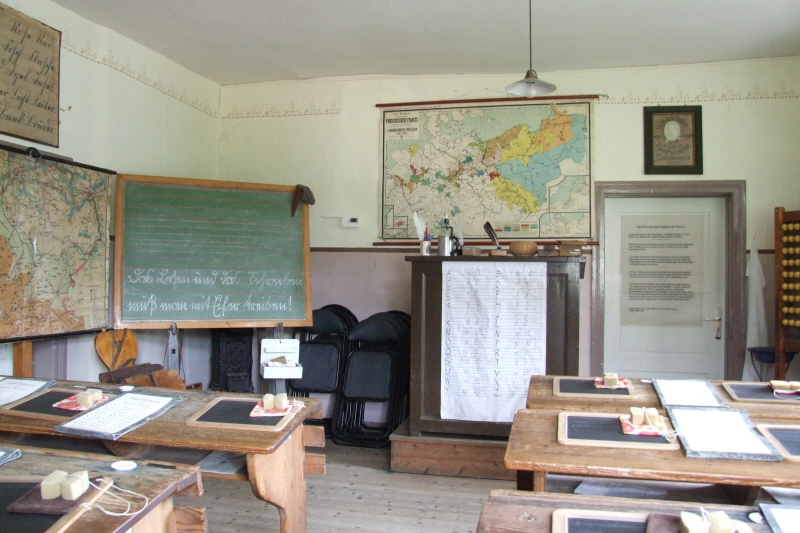
Marked, scratched, carved, written on and worn smooth in places, the surface carried the record of everybody who had sat there before.
Reading it was a legitimate activity. The marked desk is the archaeology in front of you.
5. Whether It Opened
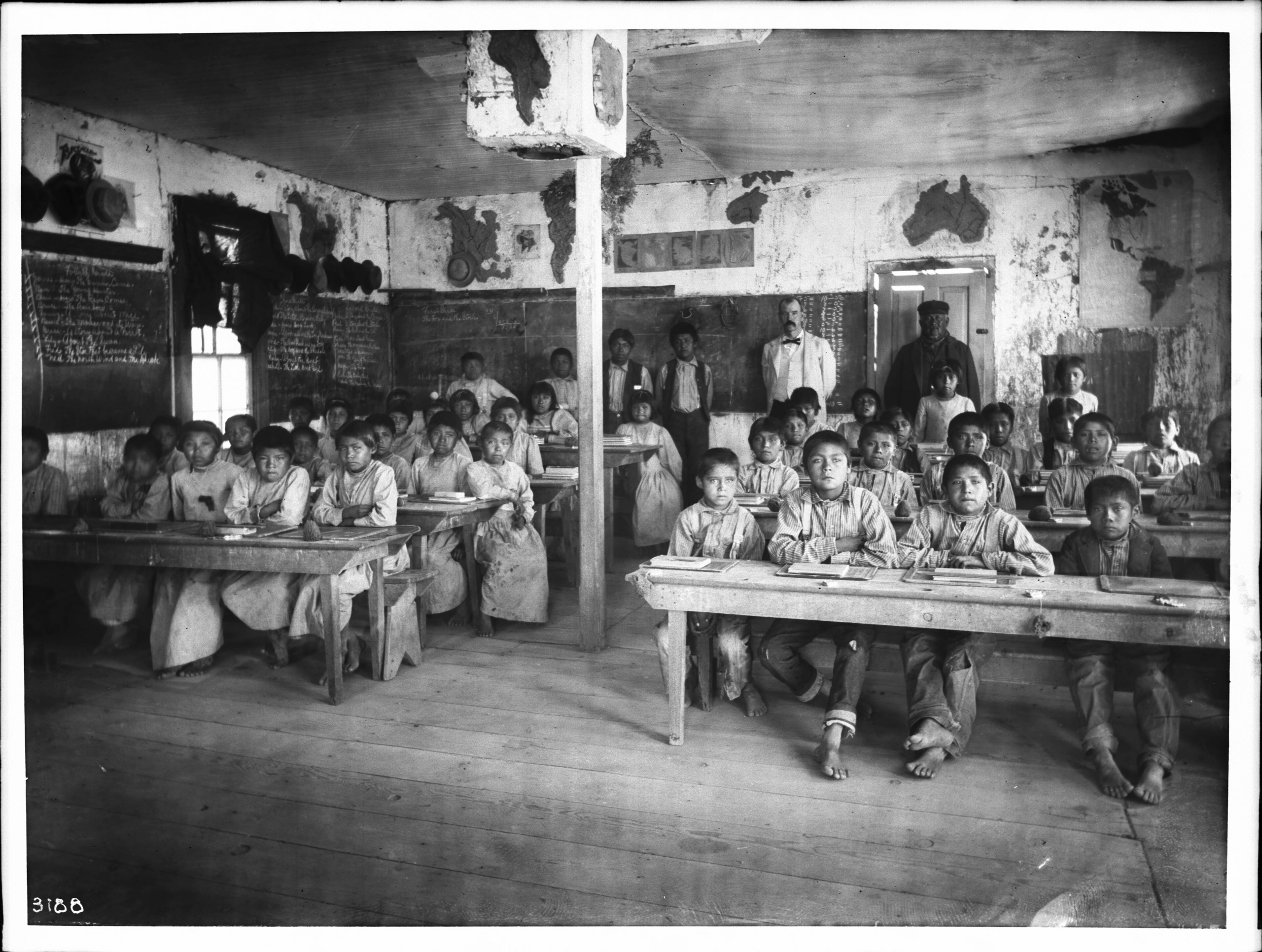
Some desks had lids and a space inside, which was yours, was untidy, and was the only private storage most children had at school.
Its contents were surprising. The lift-up desk is the feature that separates two generations.
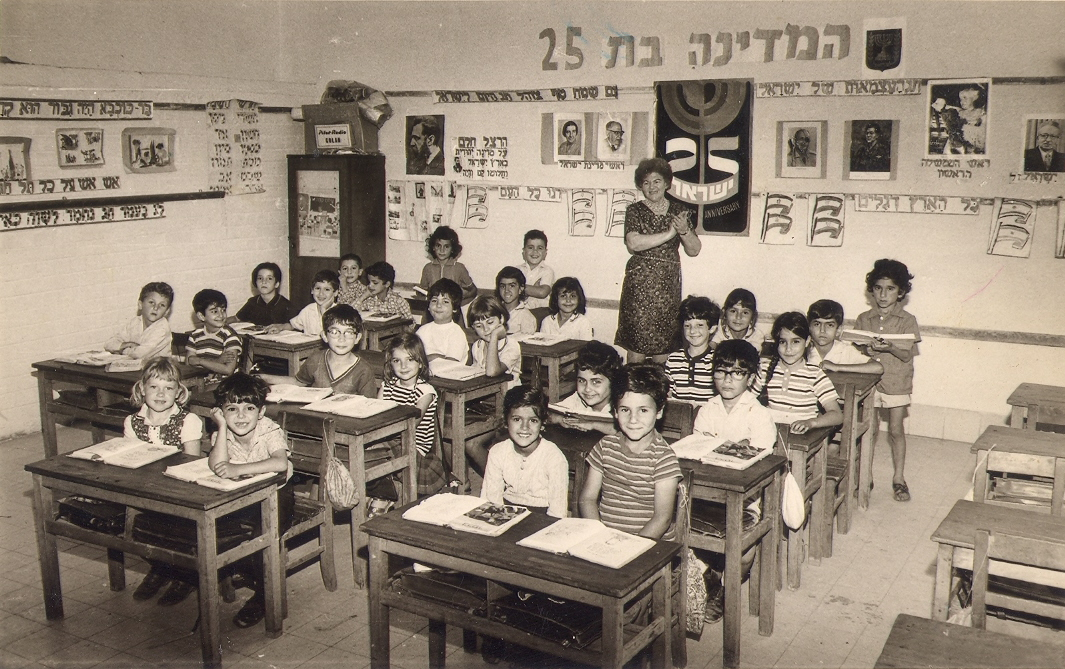
6. The Wall Displays
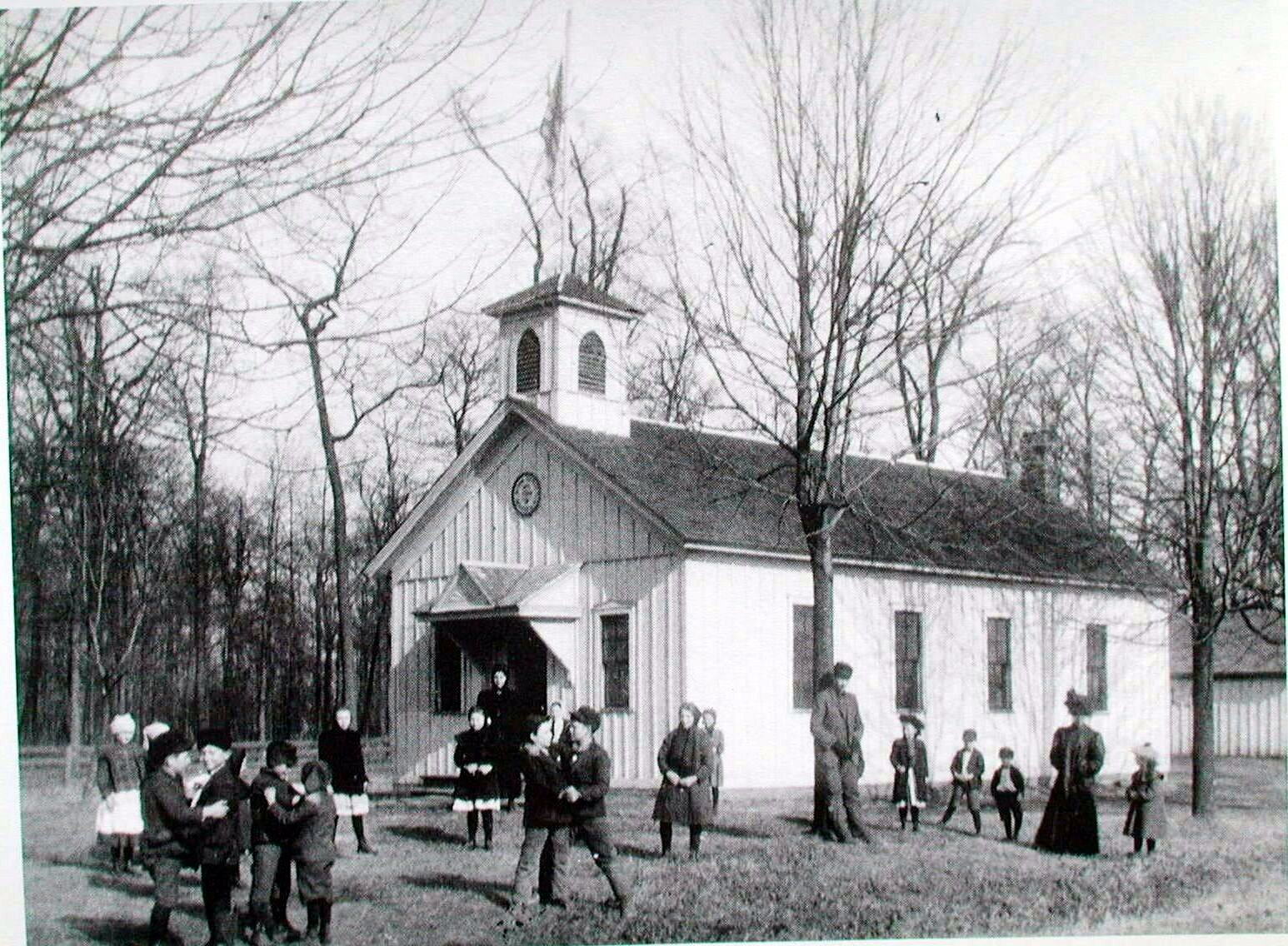
Walls were covered in work, charts, posters and borders, were changed each term, and were produced with an enormous amount of effort by somebody.
You stopped seeing them within a week. The changing display is the labour nobody registered.
7. Your Own Work Being Up There
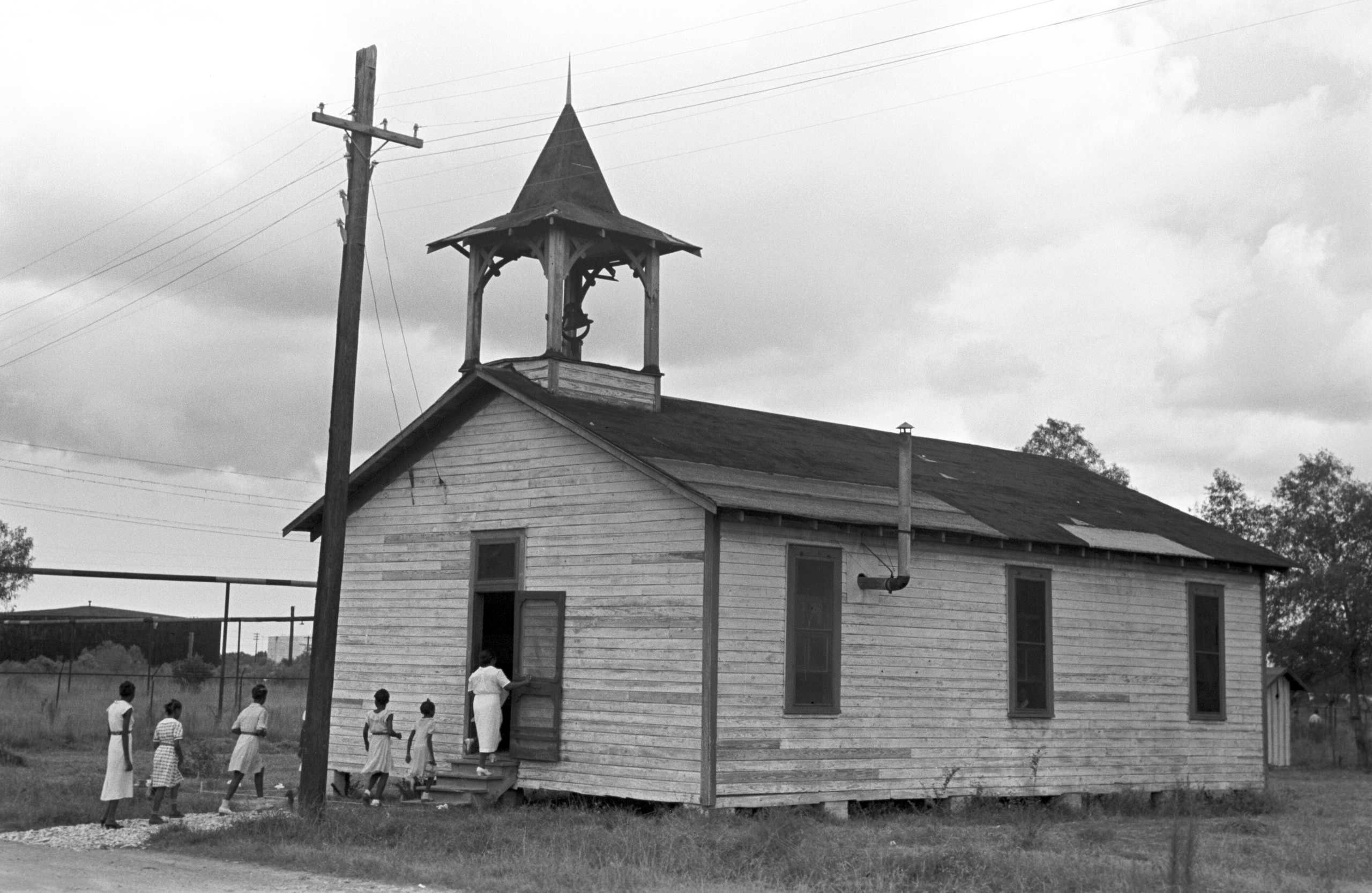
Having something displayed was a significant event, was noticed immediately, and was checked repeatedly to confirm it was still there.
Its removal was noticed too. The displayed work is the recognition the room provided.
8. The Alphabet Above the Board
A frieze, a number line or a chart ran above the board, was looked at thousands of times, and is remembered with complete accuracy by people who never consciously studied it.
It was absorbed rather than taught. The permanent chart is what the room deposited without trying.
9. The Clock
Positioned where the teacher could see it and frequently where the class could too, it was watched with an intensity nothing else in the room received.
Its position determined the whole afternoon. The classroom clock is the object with the most attention on it.
10. The Radiator
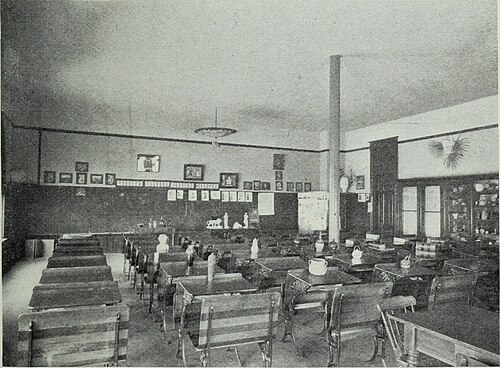
Too hot to touch in winter and the preferred place to stand, dry things, or sit near – and a source of noise at intervals nobody could predict.
Places near it were contested. The radiator is the microclimate every room had.
11. The Window and What Was Outside
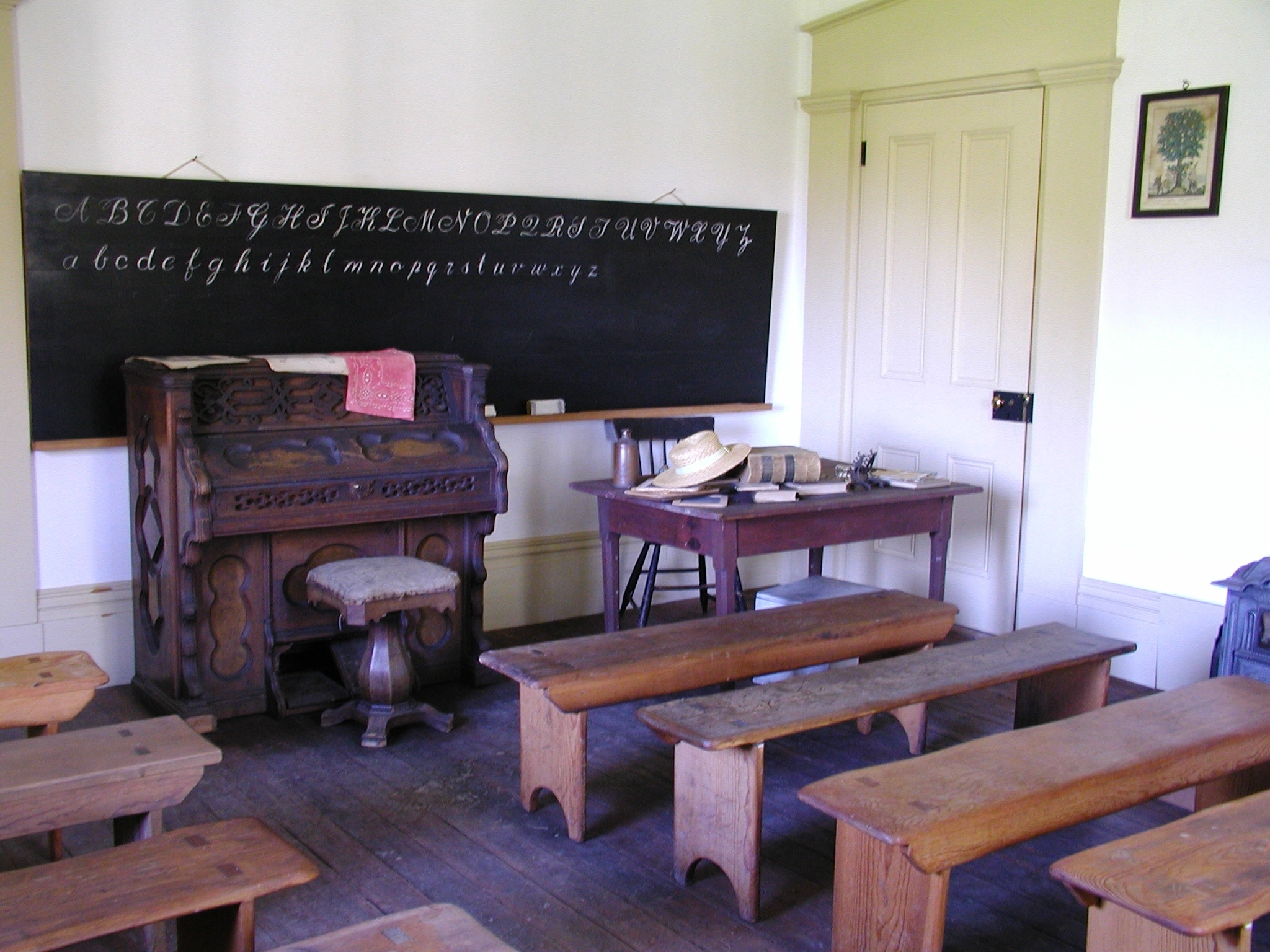
The view was known in complete detail, was watched constantly, and the sequence of things visible through the year is remembered by people who remember no lessons at all.
Looking out was the default state. The window is where most of the attention actually went.
12. The Light Changing Through the Year
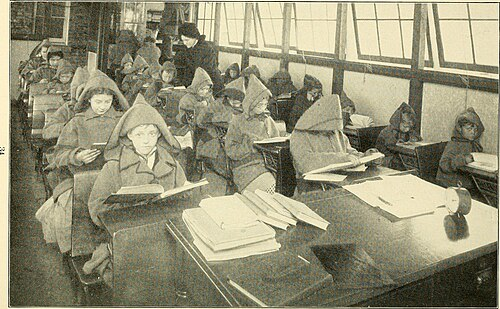
The same room in September, December and June was three different rooms – bright and warm, dark by home time, and filled with dust-lit afternoon sun.
The year was visible from inside. The changing light is how the seasons entered a sealed room.
13. The Cupboard
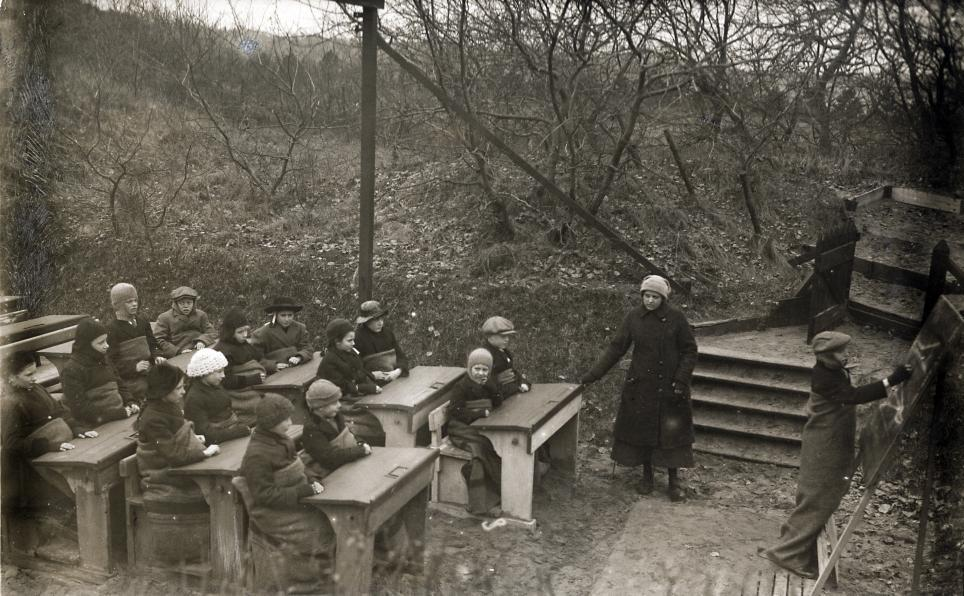
A store of materials, equipment and things nobody had used for years, opened by adults only, and the subject of considerable speculation.
Being sent into it was an honour. The cupboard is the part of the room children did not control.
14. Going Back and It Being Tiny
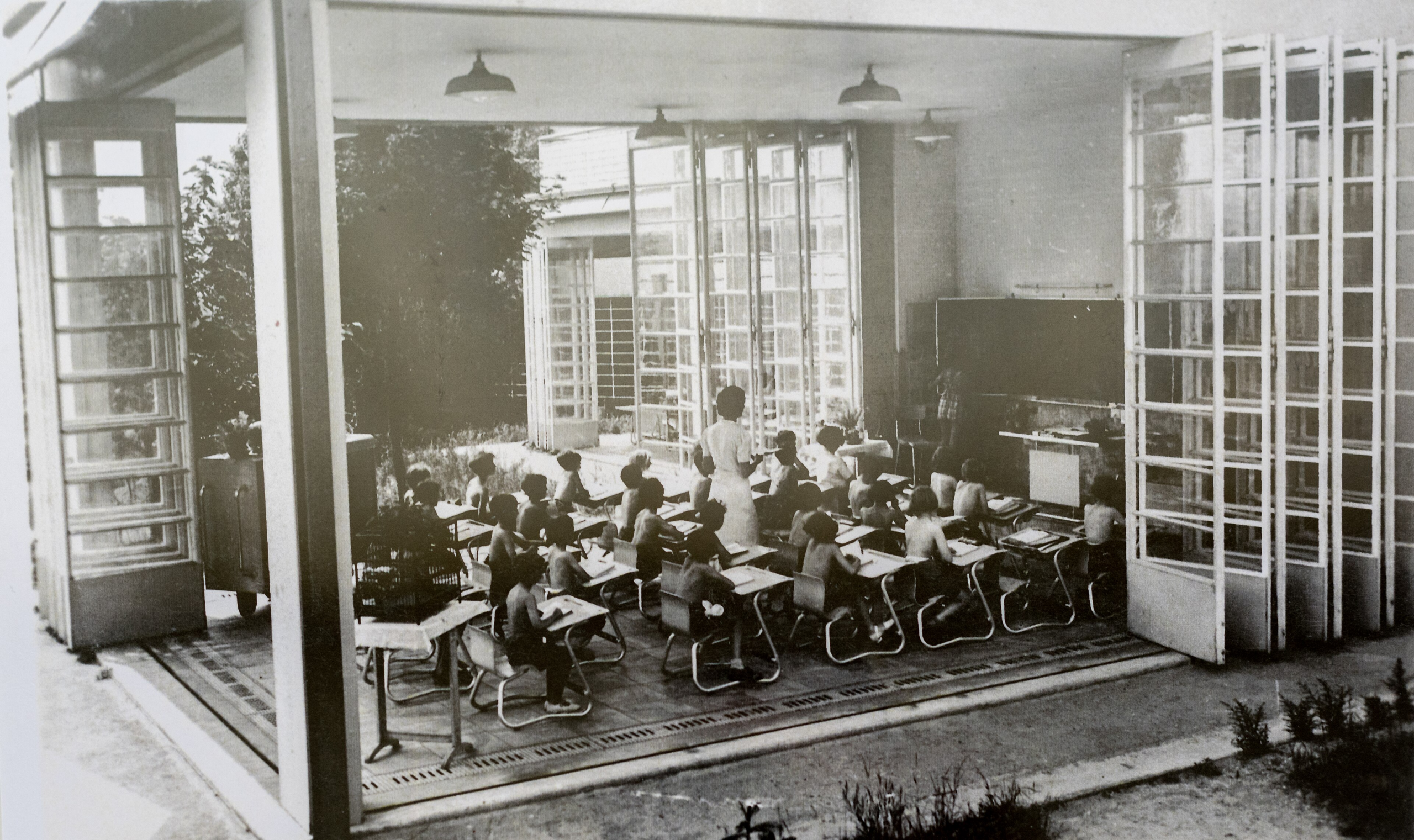
Anybody returning to a classroom as an adult reports the same thing – that the room is dramatically smaller than the one they remember occupying.
The memory is of a much larger space. The shrunken room is what everybody finds on going back.
One Room for a Whole Year
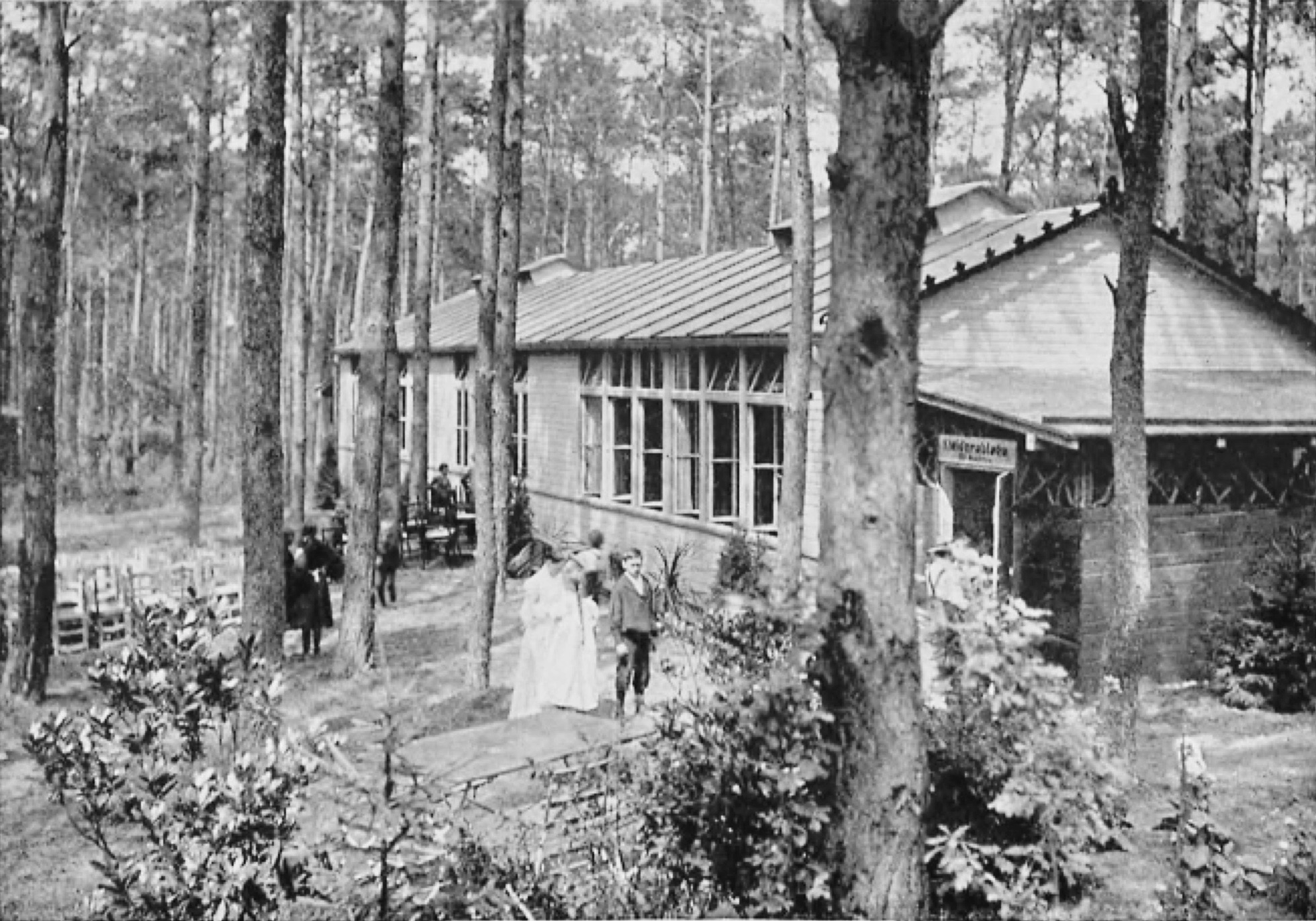
A specific smell, an assigned seat, a desk carrying everybody who sat there before, a chart absorbed without being studied and a window that received most of the attention.
The last item is the one everybody experiences identically. Adults returning to a classroom find a small room, and the one they remember was enormous – which is less about perspective than about how much of a year was spent there, and how much of what happened in it had nothing to do with the lessons.
Like our content? Follow us for more.