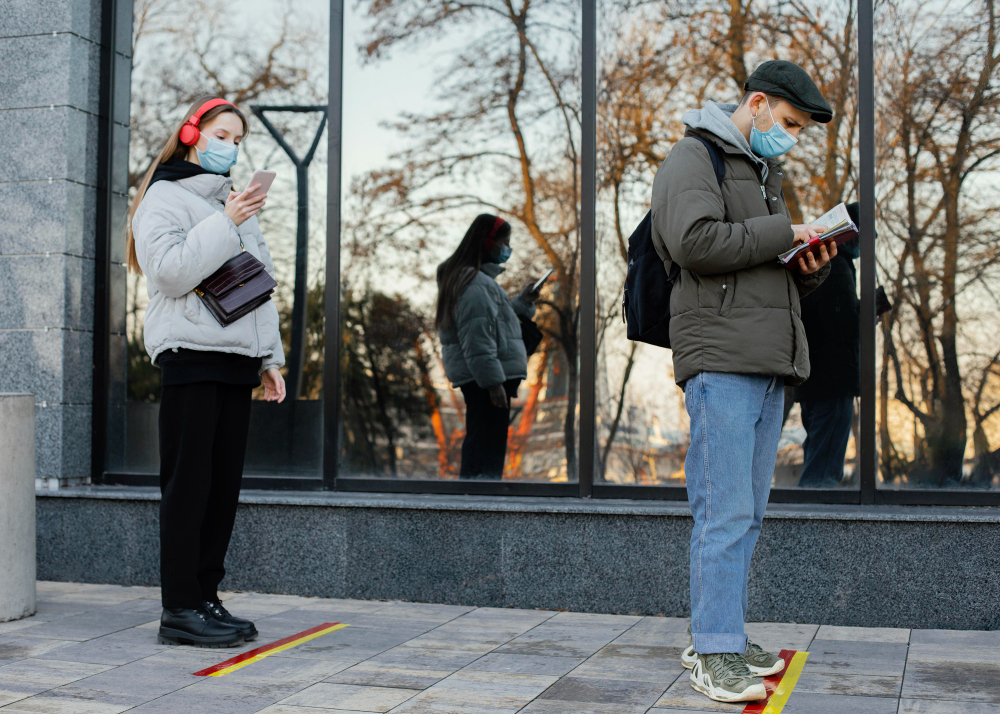
Most of the waiting on a trip is avoidable and is caused by arriving at the same moment as everybody else. Here are ten things that change how much of the day is spent standing still.
1. The Crowd Has a Daily Shape
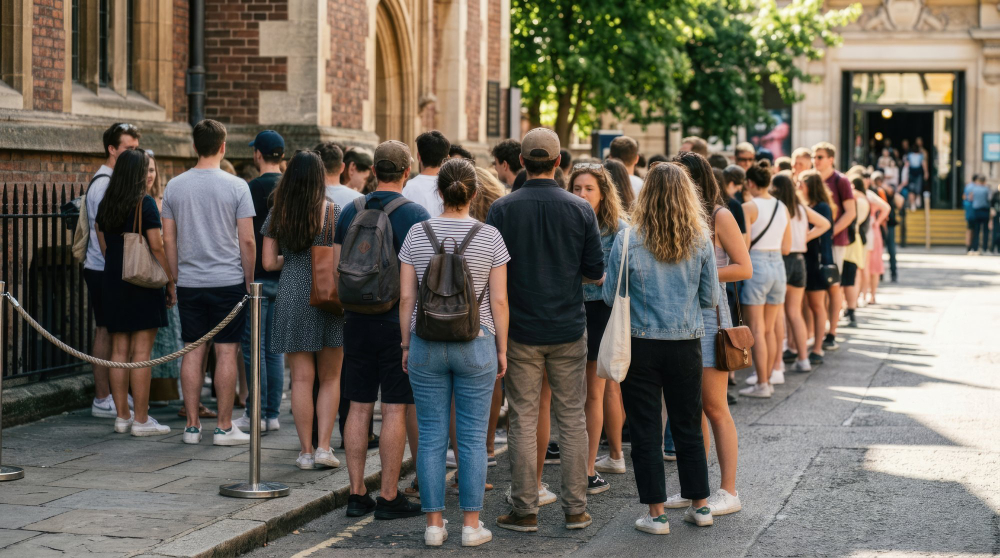
Visitor numbers at almost any attraction rise through the morning, peak in the middle of the day and fall in the later afternoon, and that pattern is remarkably consistent.
It is predictable rather than random. The daily curve is what you are planning around.
Like our content? Follow us for more.
2. First Slot or Last Slot

The earliest and latest entry times are consistently the quietest, because most people are neither early risers nor late finishers on holiday.
The middle is where everybody is. End slots are the cheapest improvement available.
3. A Timed Slot Is a Start, Not a Reservation

An entry time usually guarantees admission during a window, not a place inside, so a popular site can still be crowded when you get in.
Getting in is not the same as having room. Slot mechanics are widely misunderstood.
4. Book the Awkward Ones Early

The slots people avoid – very early, very late, mealtimes – remain available longest, so leaving booking late tends to leave you with exactly those.
That can be an advantage. Late booking pushes you toward the quiet times.
5. Check What Closes Before the Site Does

Parts of a site frequently stop admitting well before the advertised closing time, which can make a late slot much shorter in practice than it appears.
The published times can mislead. Last admission is the number that matters.
6. Do Not Stack Slots Back to Back

Two timed entries with a tight gap between them turns a day into a schedule, and one overrunning queue puts the rest of the day out.
Leave a gap wide enough to absorb a delay. Spacing is what keeps the plan intact.
7. Days of the Week Vary More Than People Expect

Weekends, local holidays and days when other attractions are closed all shift crowds substantially, and the quietest day is frequently in the middle of the week.
It is worth ten minutes of checking. Weekly variation is a bigger effect than time of day at some sites.
8. Weather Moves Everybody
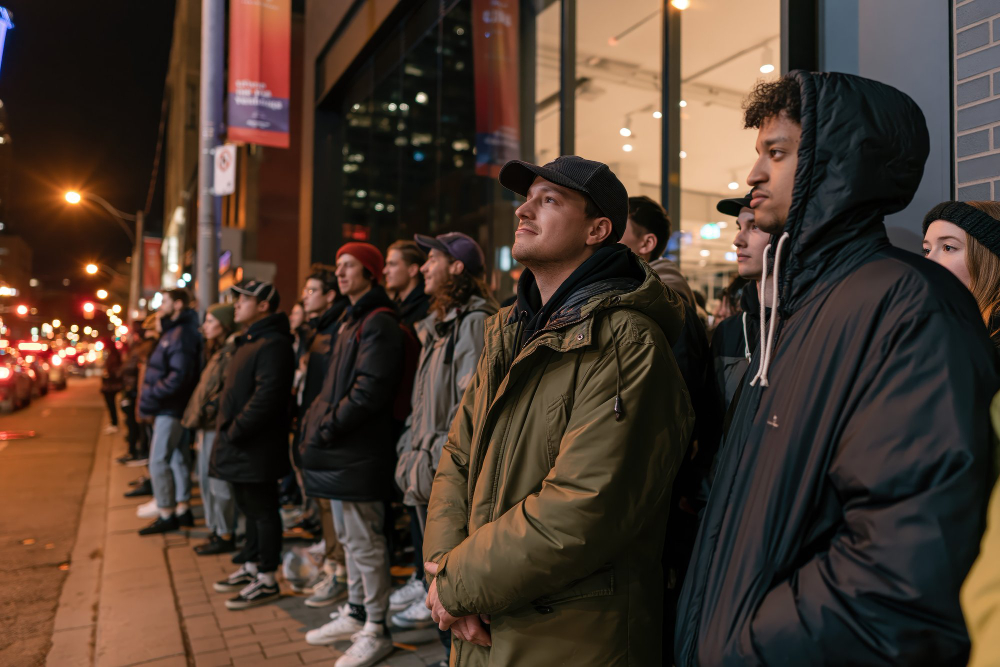
A wet morning fills indoor attractions and empties outdoor ones, and the reverse on a fine day, which is predictable enough to plan around.
Go outside when it rains and inside when it does not. Weather-driven crowds can be used rather than endured.
9. The Queue Is Not the Same for Everybody

Arrangements exist at most places for visitors who cannot stand in a line for extended periods, and they differ by venue, so asking in advance is more reliable than assuming.
It is a matter for the venue. Access arrangements are worth checking rather than guessing.
10. Sometimes the Answer Is Not to Go
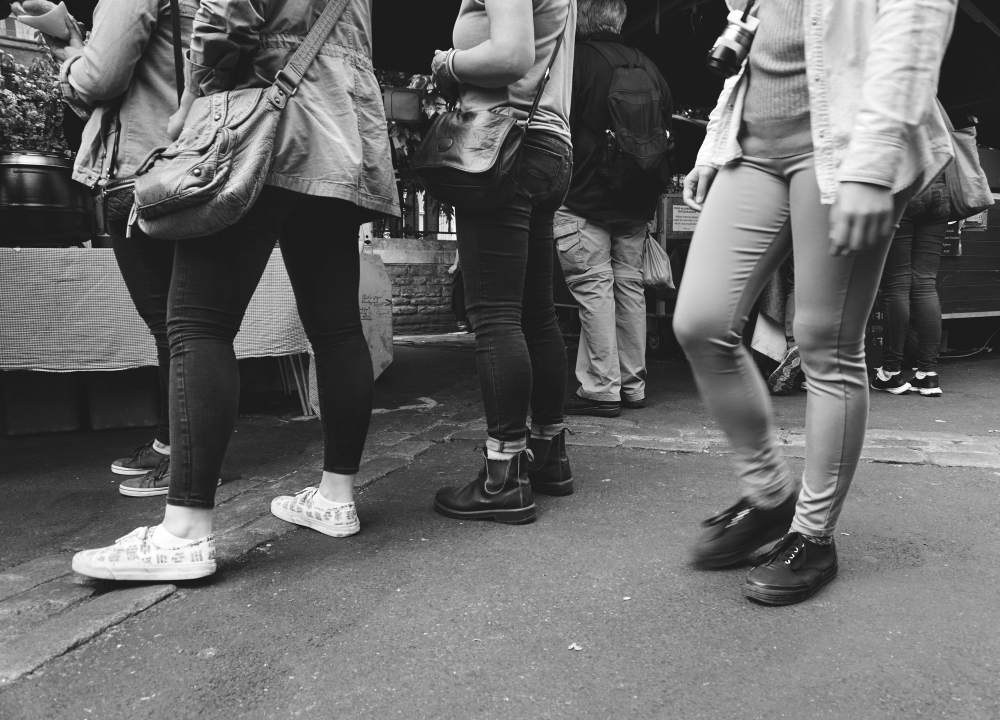
A site where the crowd is the dominant experience may be better skipped in favour of something quieter nearby, particularly if the visit would otherwise consume most of a day.
That is a legitimate decision. Choosing not to go is the option nobody considers.
Everybody Arriving at the Same Time
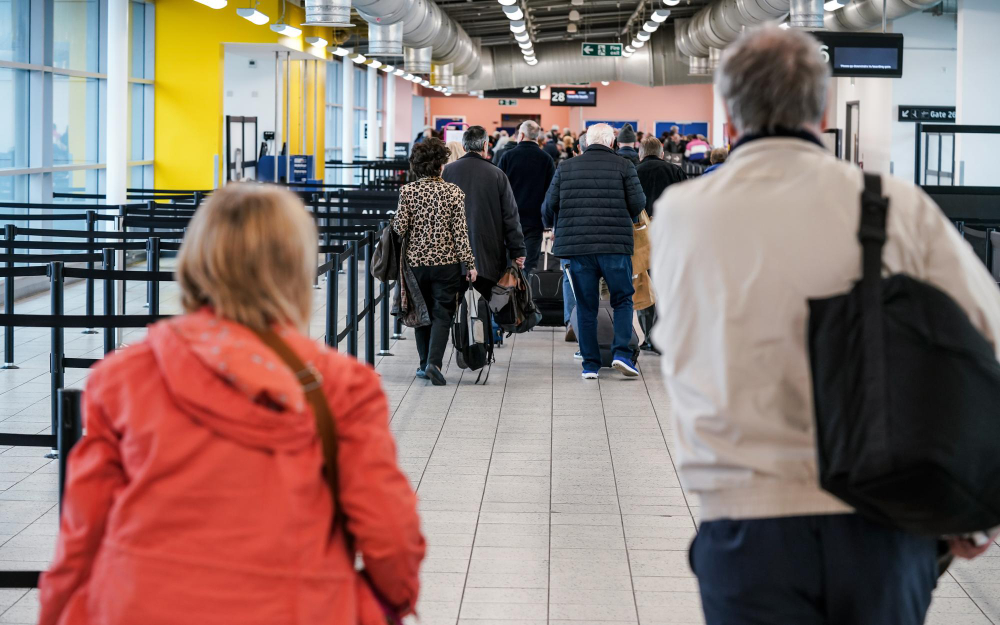
A daily crowd curve, first and last slots that stay quiet, a timed entry that admits rather than reserves, and weather that moves everybody indoors or out.
The last item is worth taking seriously. If the queue and the crowd would be most of what you remember, the honest answer is sometimes to go somewhere else – and a quieter place nearby frequently turns out to be the part of the trip people describe afterwards.
Like our content? Follow us for more.