Some dishes improve and some collapse, and which is which is predictable. Here are fifteen things going on.
1. Flavour Compounds Keep Moving After the Heat Is Off
Soluble aromatic and savoury compounds continue diffusing through a dish long after cooking stops, evening out between the solids and the liquid.
Nothing new is being made. What was already there is redistributing.
Like our content? Follow us for more.
2. Fat Carries Flavour Into Places It Had Not Reached
Many aroma compounds dissolve in fat rather than water, and overnight they migrate through the fatty phase into every part of the dish.
This is why a fatty dish improves more overnight than a lean one.
3. Starch Reorganises Itself and Goes Firm
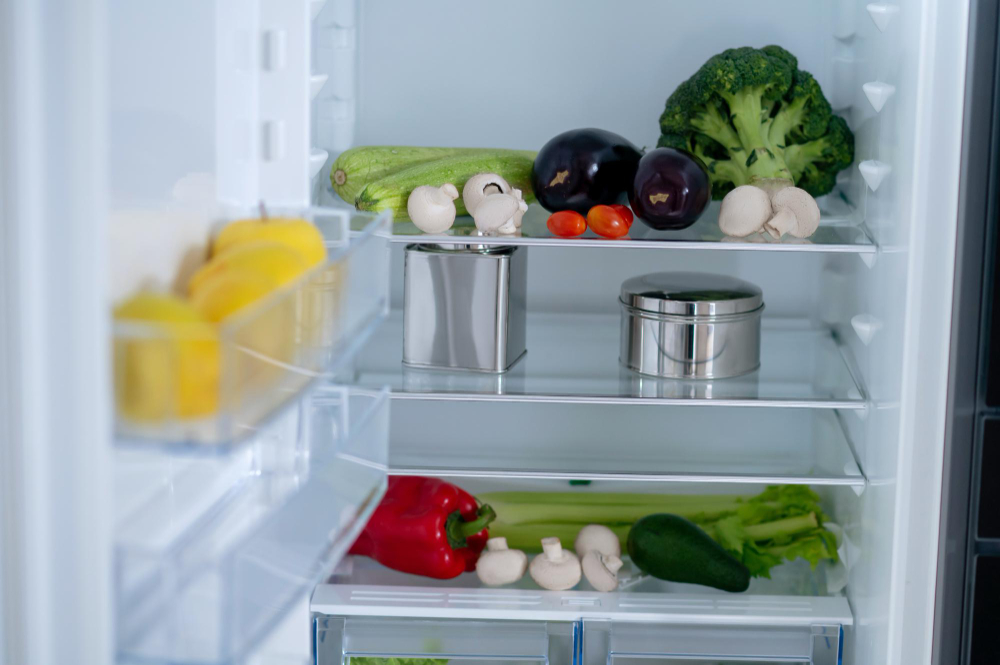
Cooked starch granules slowly recrystallise as they cool and sit, a process that firms and dries the texture.
It is the same process that makes bread go stale, running in a fridge.
4. Which Is Why Rice and Pasta Suffer Most
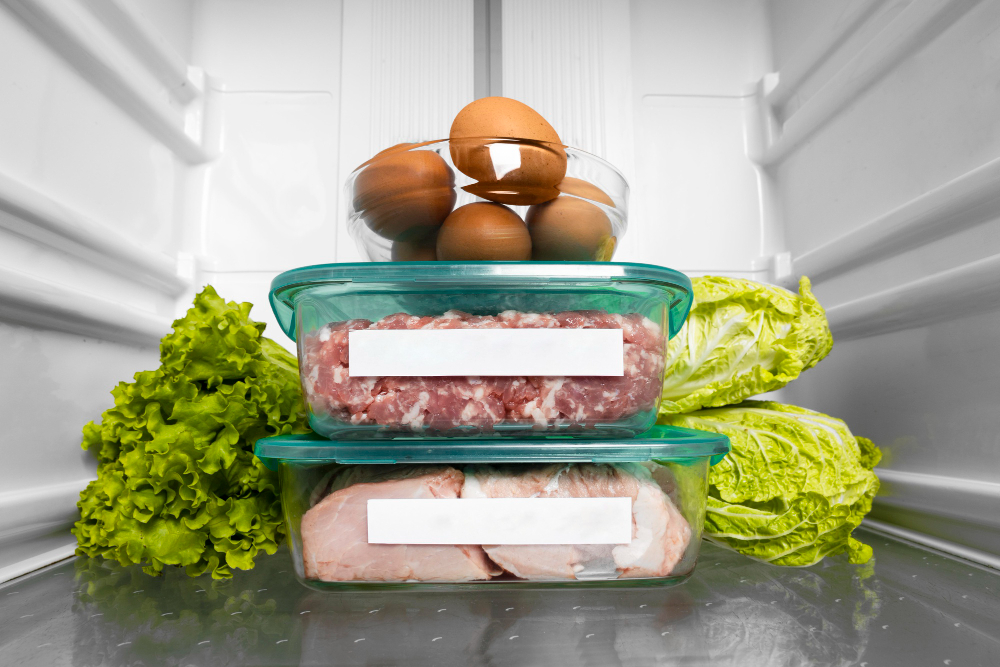
Dishes carried by starch have the most to lose from that reorganisation, and they lose it fastest at fridge temperature.
Reheating with added moisture reverses a good part of it.
5. And Why the Fridge Is the Worst Place for Bread
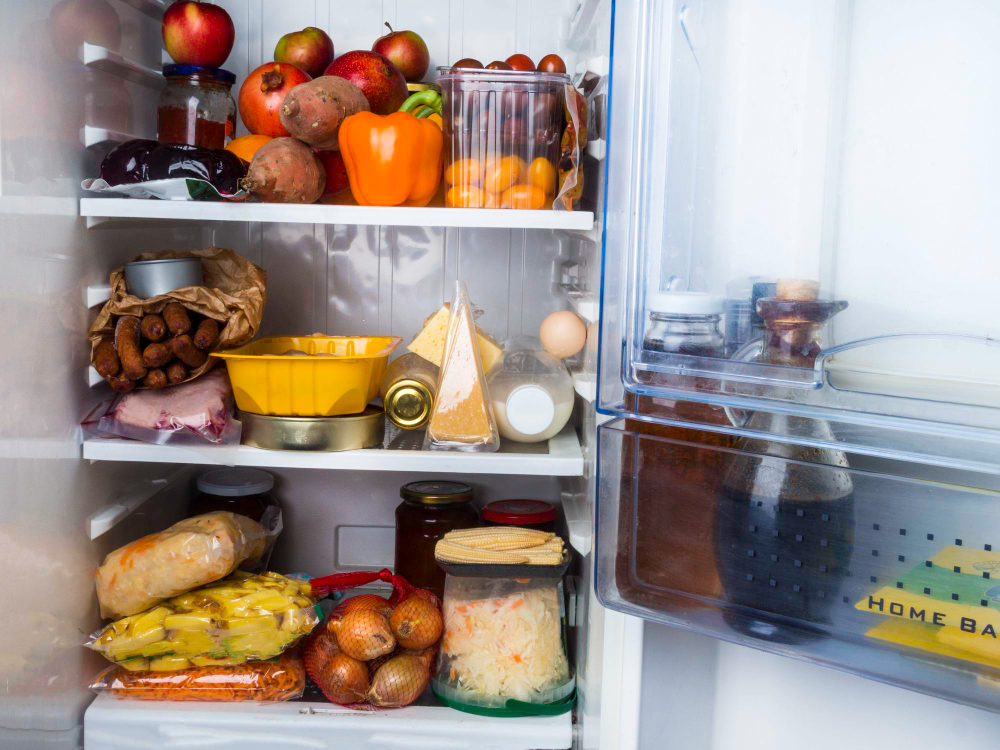
Starch retrogradation runs fastest just above freezing, so bread goes stale faster in the fridge than on the counter.
Freezing it outright is better than chilling it.
6. Fat Solidifies and Separates
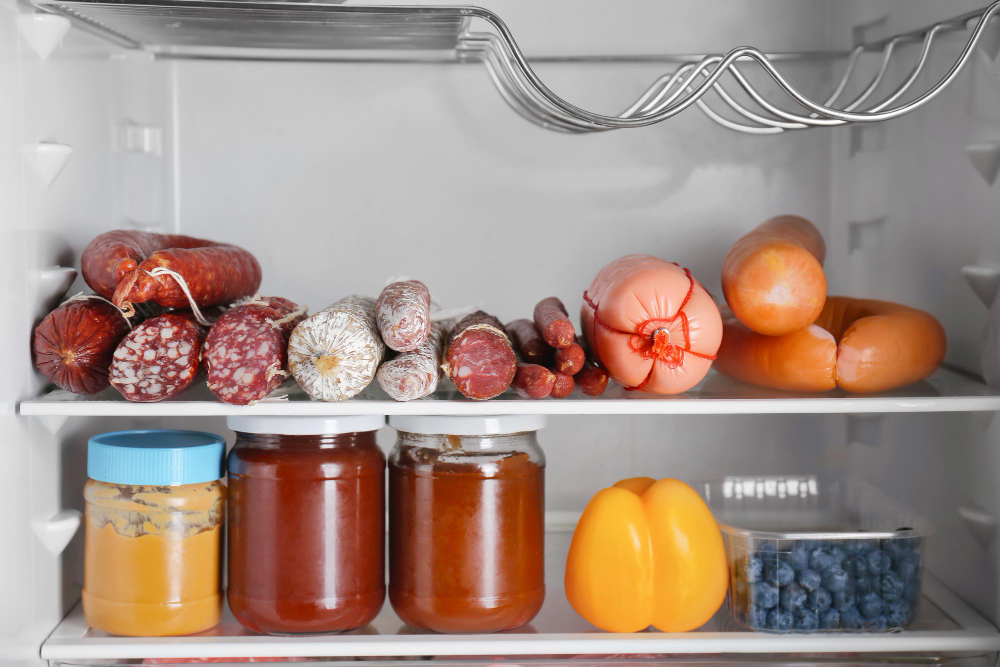
Liquid fat sets into a layer on top as the dish cools, which is why a cold stew has a pale cap on it.
It remixes on reheating, and skimming it changes the dish.
7. Sauces Thicken Without Losing Water
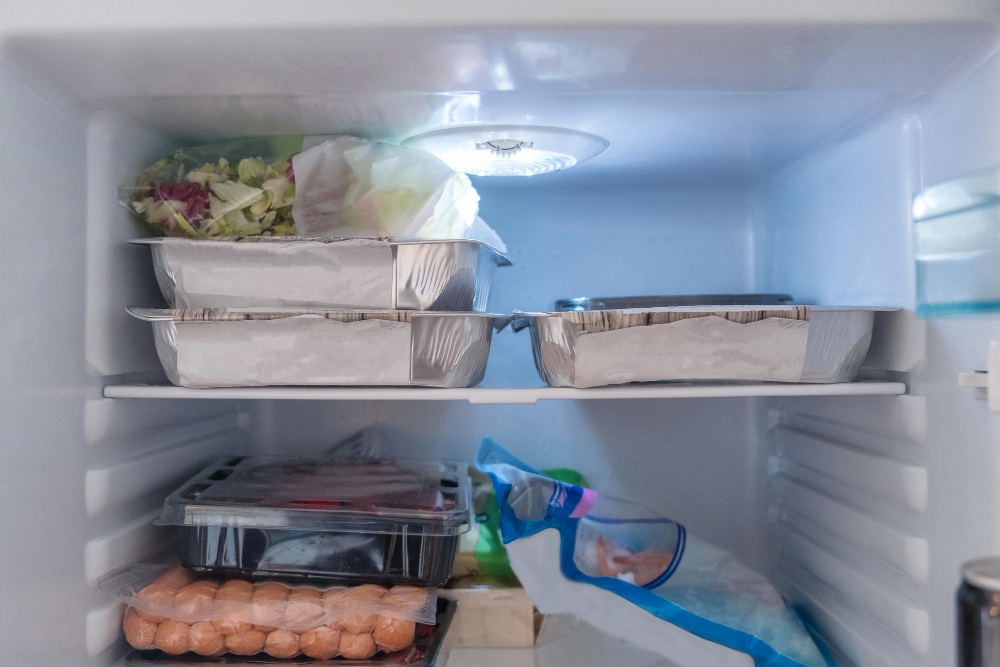
Starch and gelatine networks continue to set as they cool, so a sauce that was pourable at dinner is solid by morning.
Almost none of that is evaporation. It is a gel forming.
8. Gelatine Turns the Liquid Solid
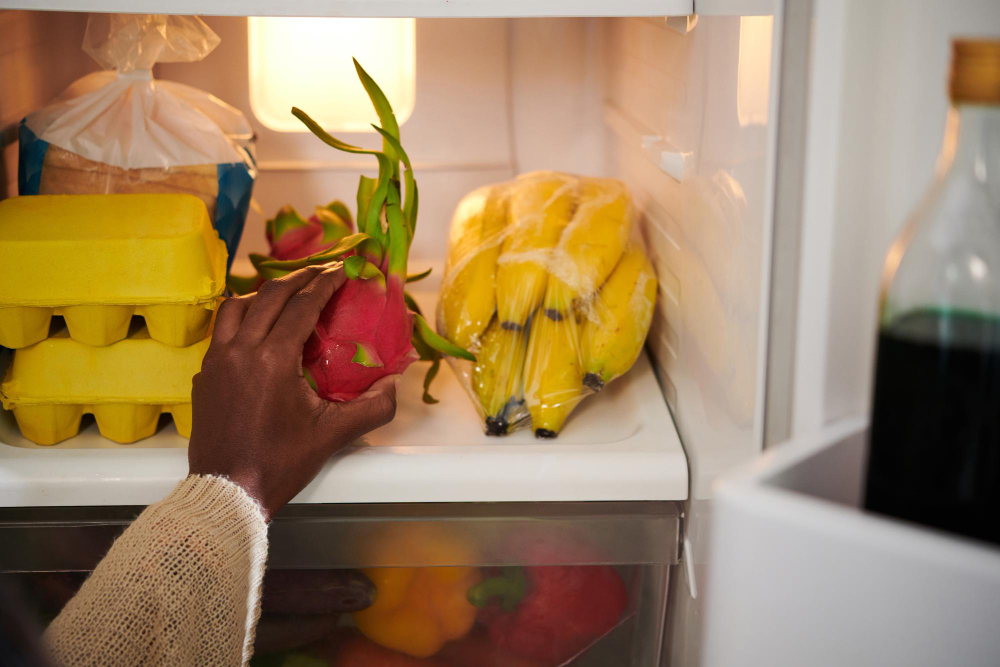
A dish made with bones or tough cuts sets to a wobble overnight because collagen converted to gelatine during cooking.
A stock that sets firm is telling you something about what went into it.
9. Salt Finishes Travelling
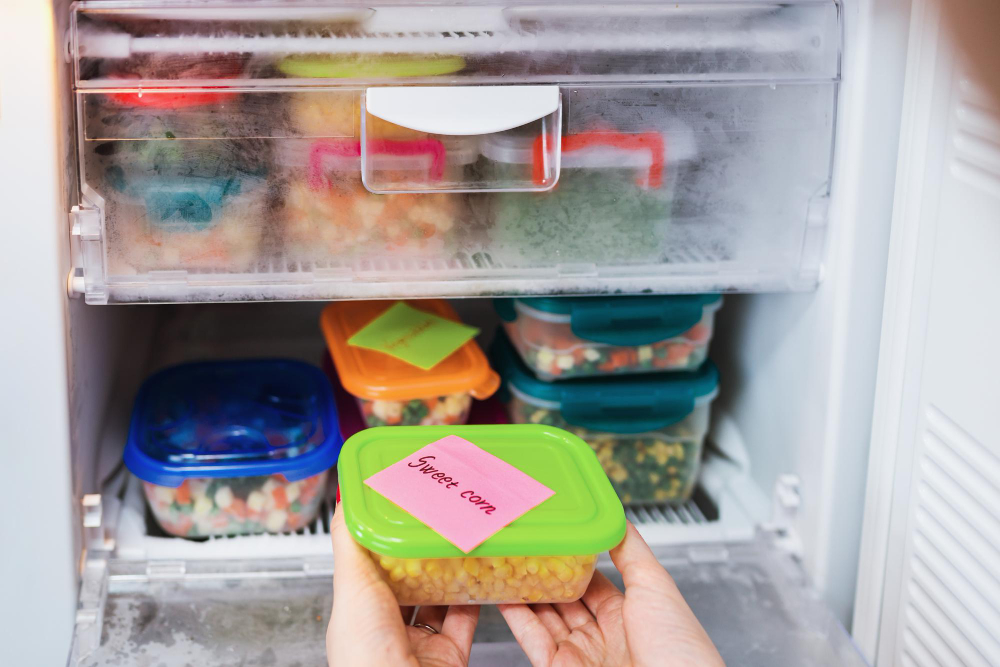
Salt keeps diffusing into solid pieces after cooking, so a dish that tasted unevenly seasoned often tastes balanced the next day.
Nothing was added. The distribution changed.
10. The Sharp Edges Come Off Aromatics
Volatile compounds in onion, garlic and raw spice are reactive and continue to break down, losing their harshness.
This is most of what people mean by the flavours melding.
11. But the Fresh Notes Disappear Too
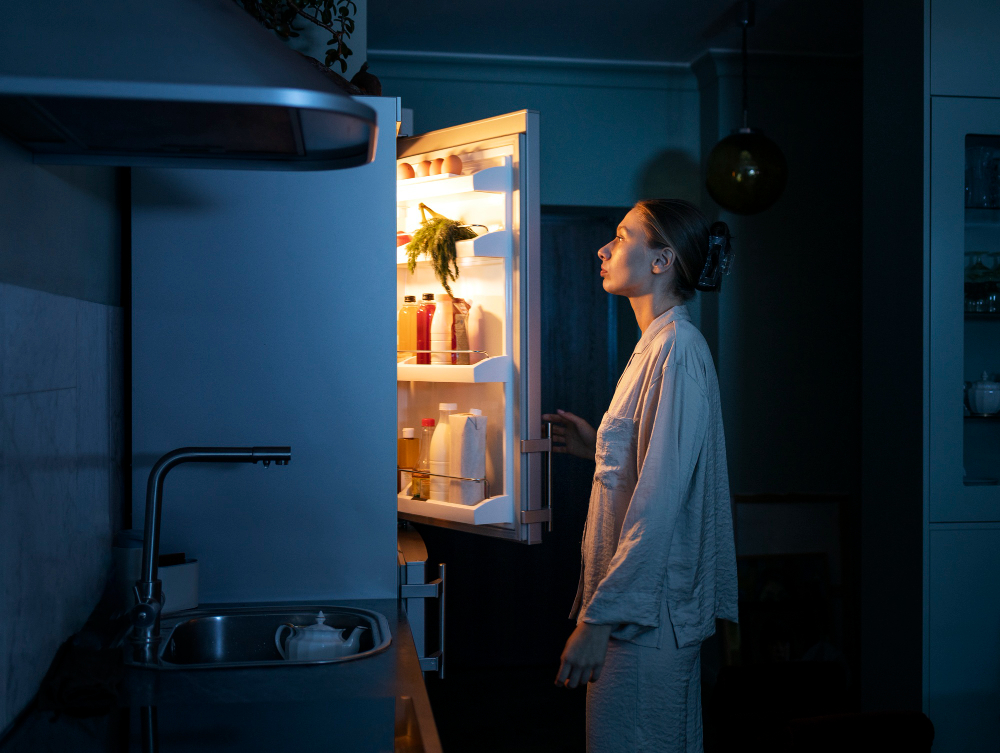
The same volatility that softens harsh notes removes delicate ones, so fresh herbs and citrus fade away entirely.
Add those at reheating, not the night before.
12. Anything Crisp Is Already Lost
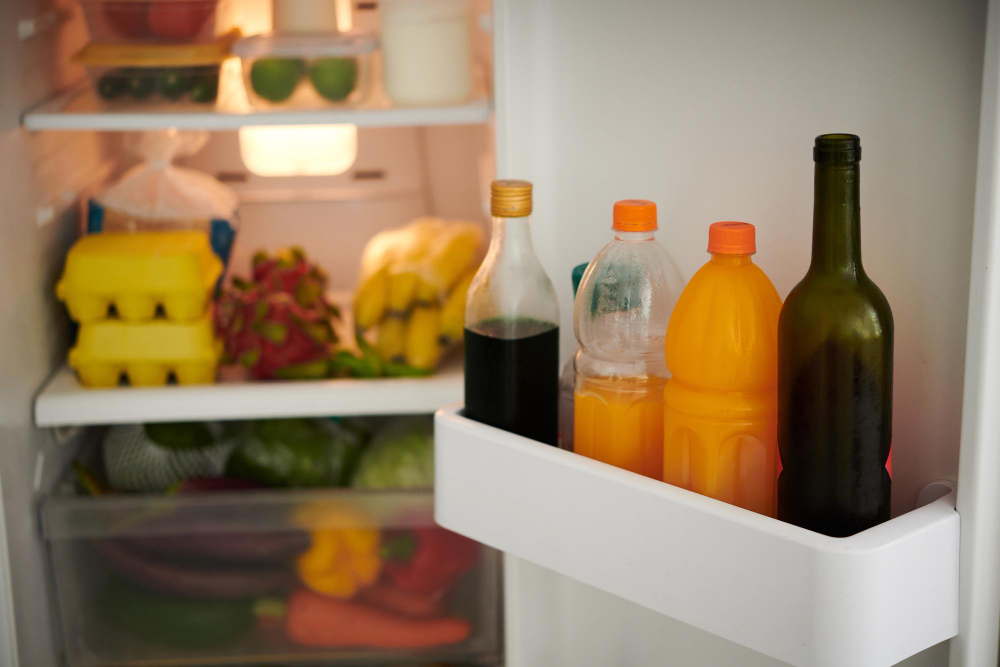
Crispness is a dry surface next to a wet interior, and in a sealed container the moisture moves outwards and equalises.
There is no storage method that prevents this. Only re-crisping with dry heat.
13. Cold Suppresses Your Perception of Flavour
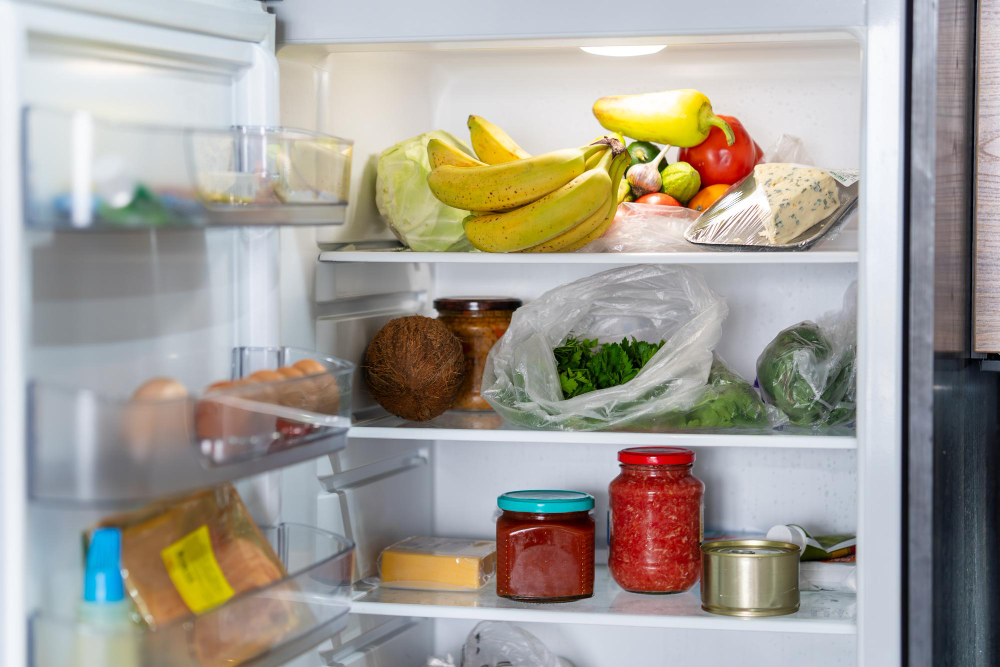
Aroma compounds are less volatile when cold and your receptors are less responsive, so food straight from the fridge tastes muted.
Some of what improves on reheating is simply the food reaching a temperature you can taste.
14. The Fridge Air Is Very Dry
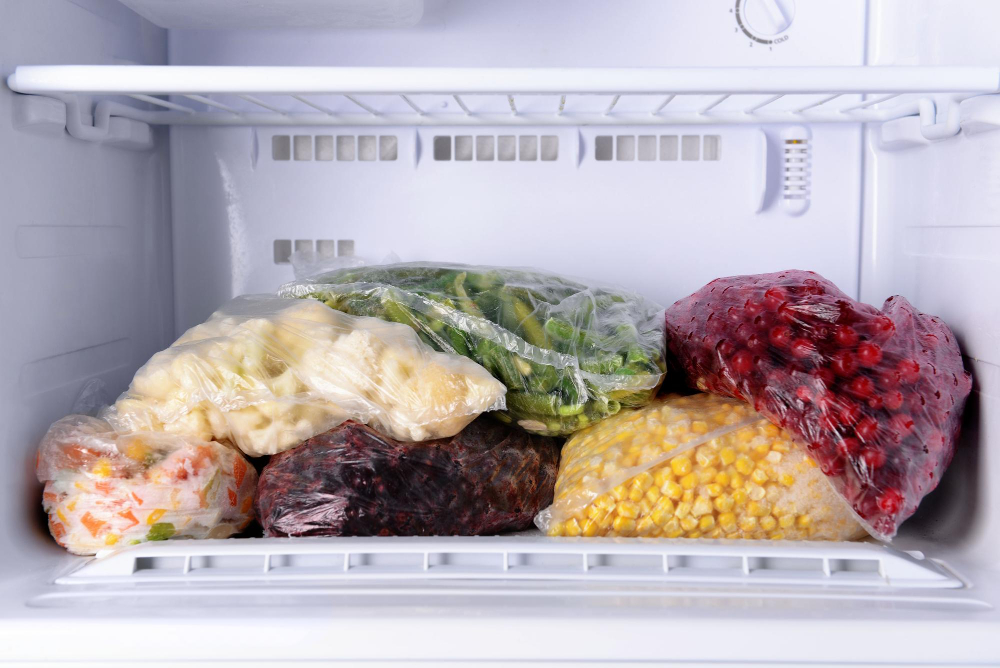
Cooling equipment removes moisture, so uncovered food loses water from the surface and picks up other smells at the same time.
Covering matters more for texture and odour than most people assume.
15. Reheating Unevenly Is the Usual Failure
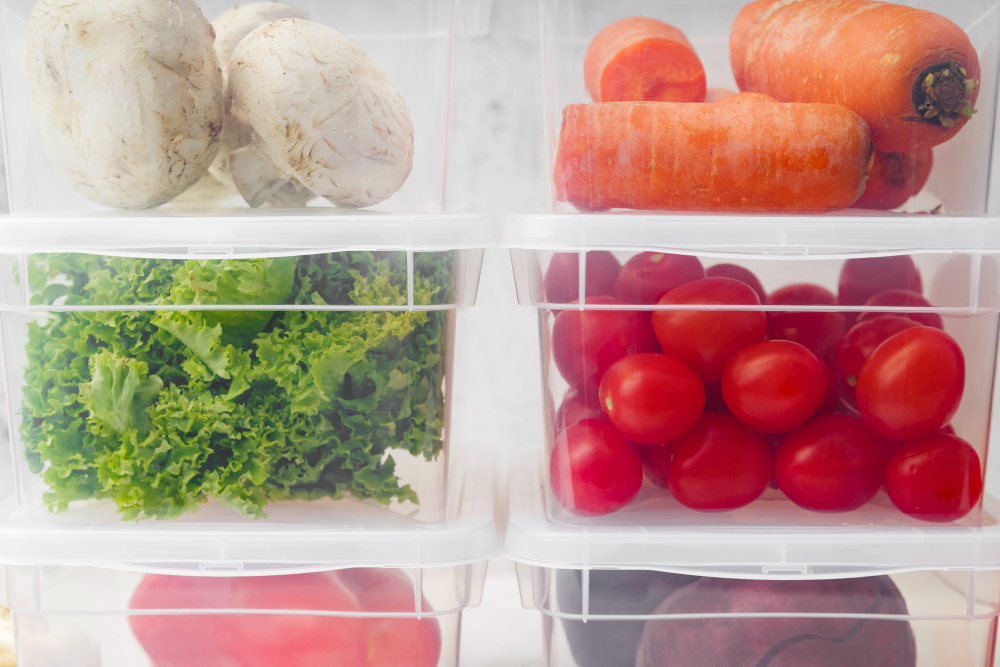
A dense cold dish heats from the outside in, so the edges overcook while the middle is still cold.
Stirring, adding liquid and lower heat for longer fixes more than high heat does.
Diffusion, Recrystallisation and a Layer of Set Fat
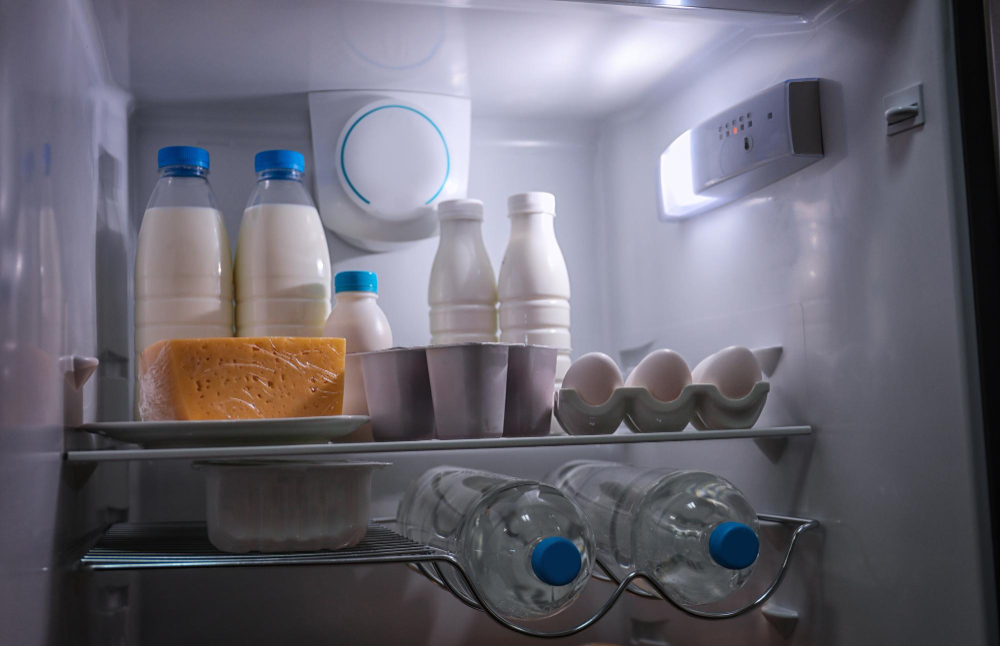
Flavour redistributing overnight, starch firming up, fat capping the top, gelatine setting the liquid, harsh notes softening, fresh ones vanishing and crispness gone for good.
The third and tenth items explain the whole pattern between them. Dishes built on slow-cooked meat, fat and aromatics improve overnight because diffusion works in their favour; dishes built on starch, crispness or fresh aromatics decline, because the same overnight processes work against exactly the things that made them good.
Like our content? Follow us for more.