

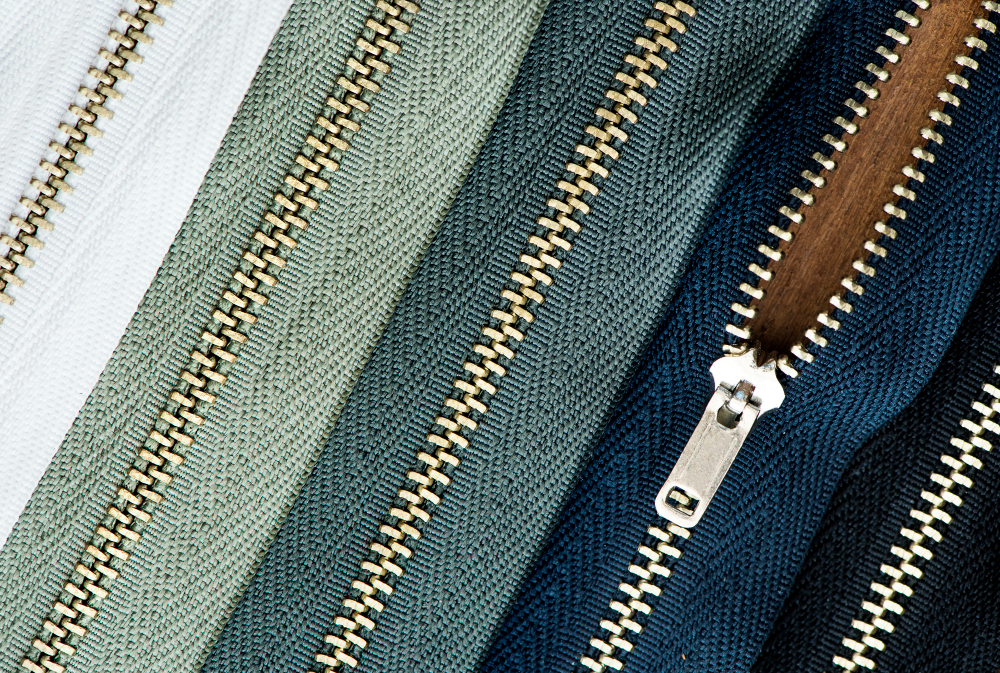
Both of these are recent inventions that look obvious in retrospect and took a very long time to arrive, and both do something more specific than they appear to. Here are twelve.
1. The Slider Is a Wedge With Channels
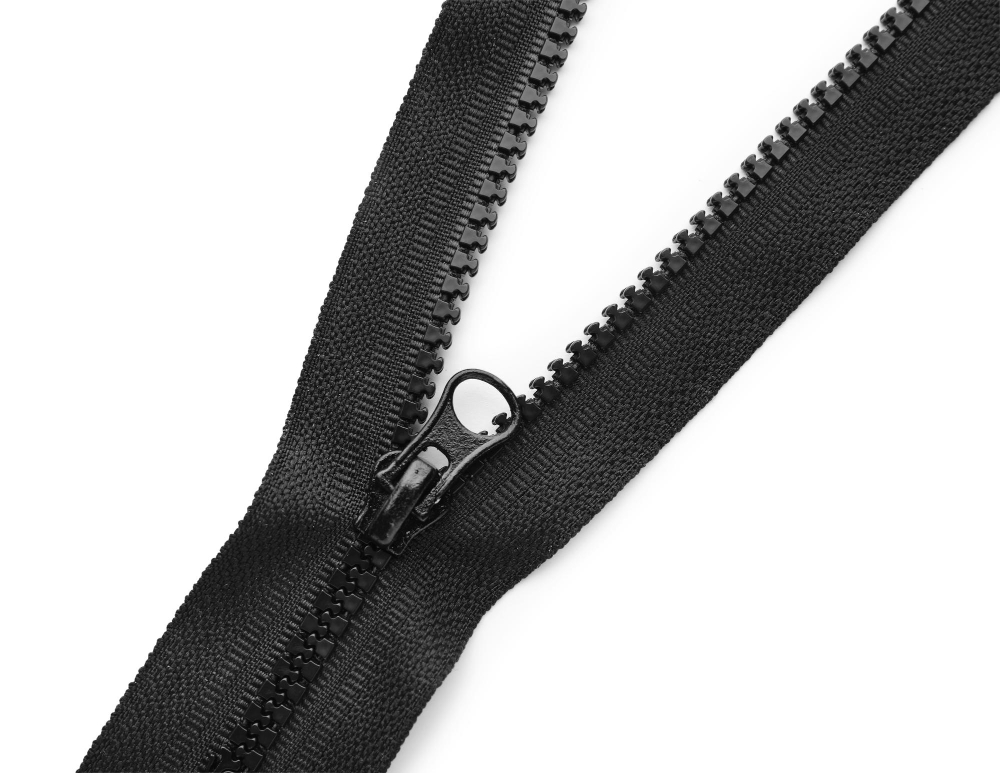
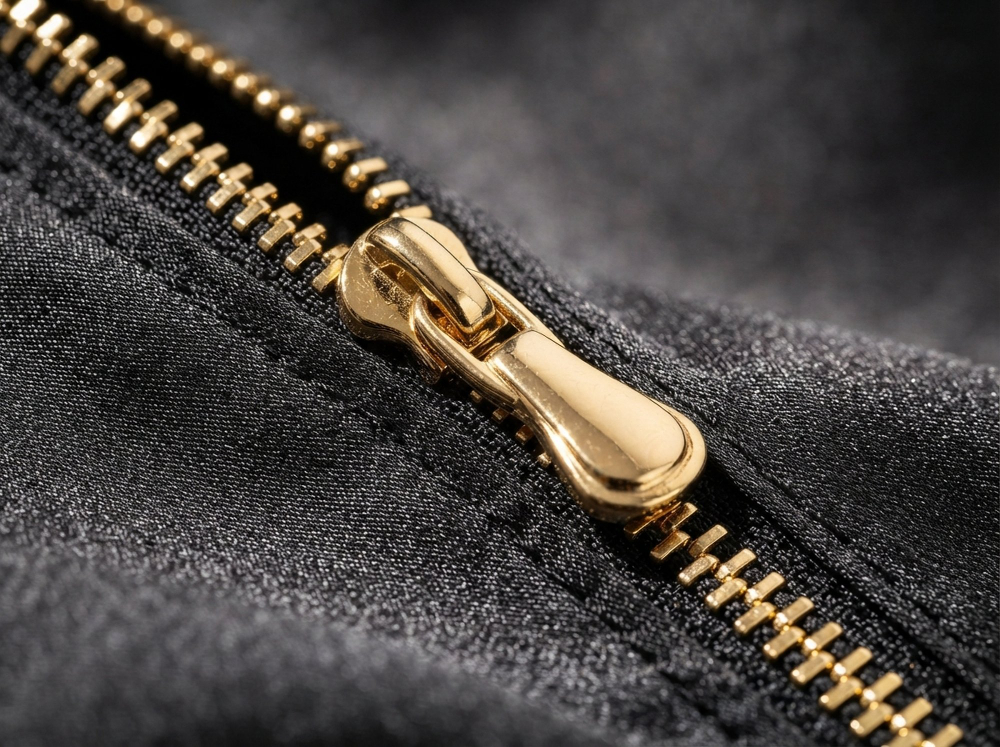
Inside the slider are two channels that converge, which bring the two rows toward each other at a controlled angle rather than pushing them straight together.
The geometry is doing the work. The internal channel is the entire mechanism.
Like our content? Follow us for more.
2. Each Tooth Locks Between Two Others
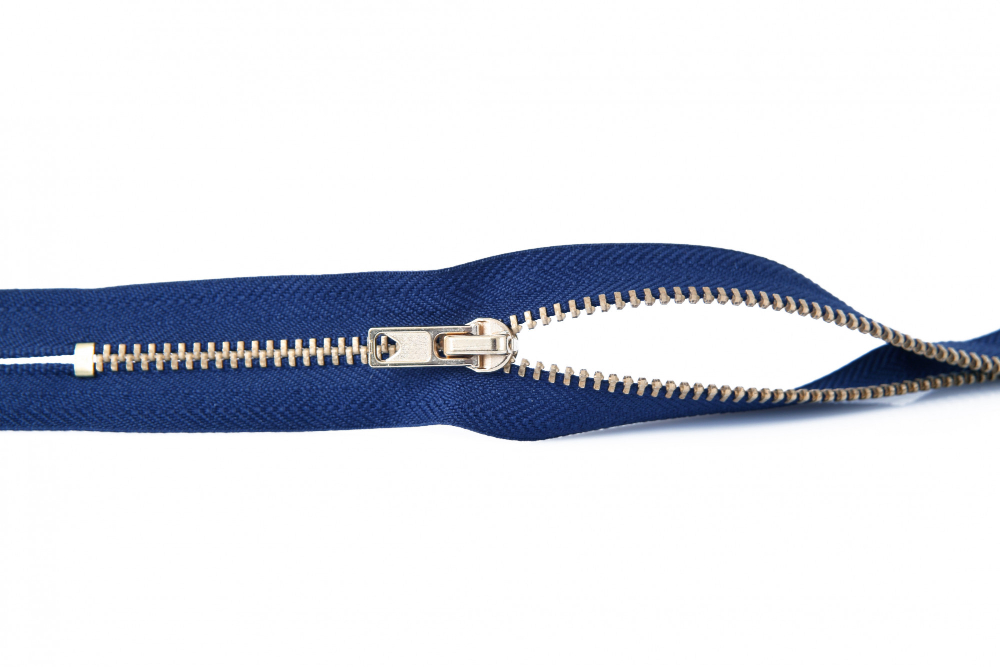
A tooth has a projection on one face and a hollow on the other, so when forced into position it sits between two opposing teeth with the projection held in the hollow of one.
It is a three-way engagement. Interlocking geometry is why the closure holds at all.
3. And the Angle Is What Makes It Possible
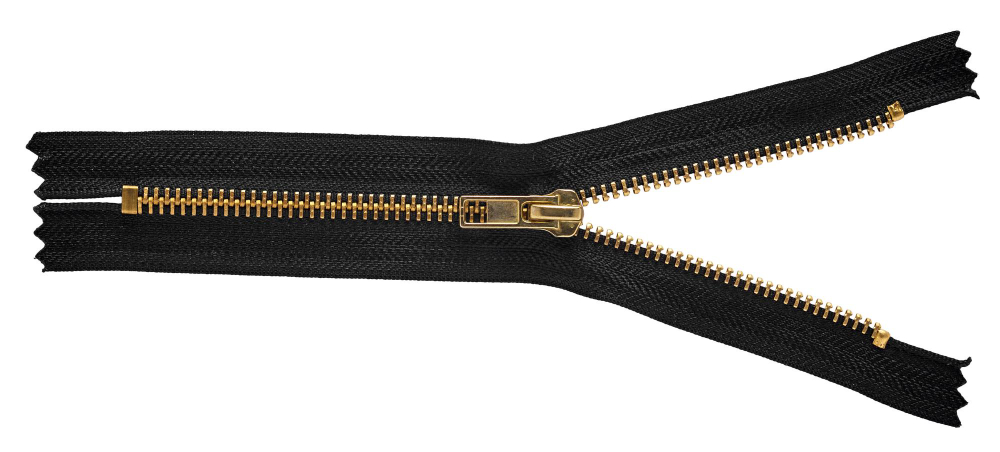
Teeth brought together face-on would simply collide; brought together at an angle they slide past each other into position, which is what the converging channels achieve.
Straight-on would jam. Angled approach is why a slider has the shape it does.
4. The Same Slider Undoes It
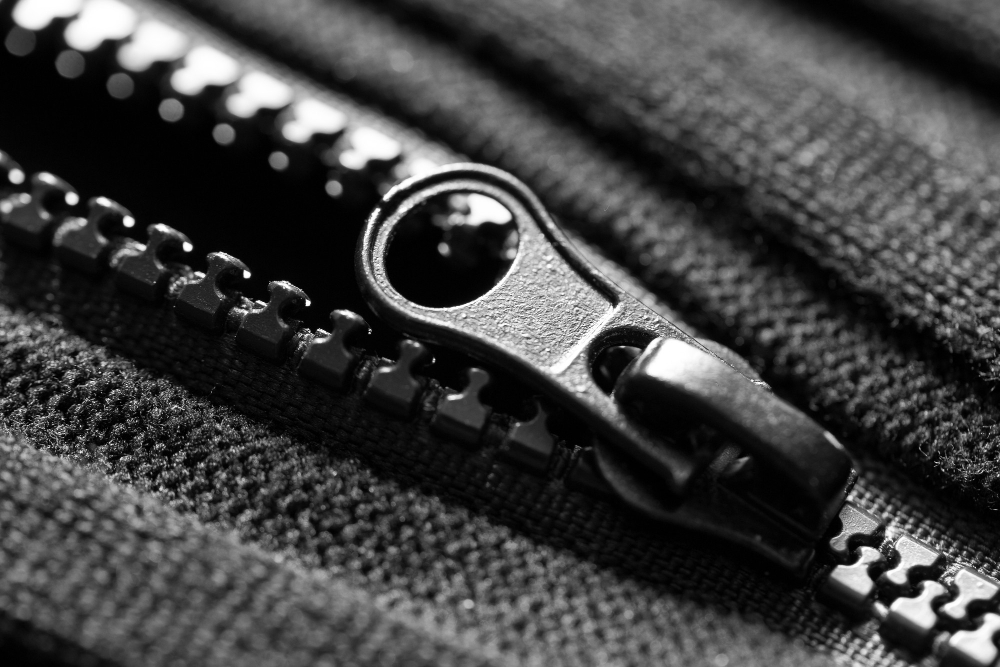
Run in the other direction, a central wedge enters between the closed rows and prises them apart – so one component performs both operations by being pushed the other way.
Nothing is reconfigured. Bidirectional action is the elegant part of the design.
5. Load Is Spread Along the Whole Length
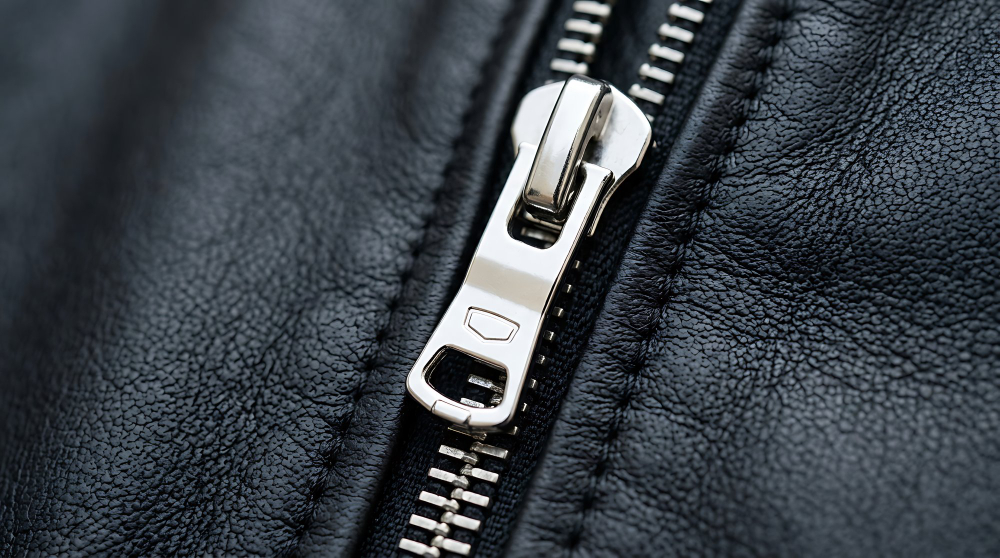
Each tooth is held by its neighbours and by the tape, so force applied anywhere is shared across many engagements rather than concentrated at one.
No single tooth carries much. Distributed loading is why a light closure holds a heavy garment.
6. Which Is Why It Fails at the Slider

Almost every failure is the slider wearing until its channels no longer press the rows tightly enough – after which the teeth separate behind it as it passes.
The teeth are generally fine. Slider wear is the fault behind nearly every failure.
7. A Coil Type Has No Teeth at All

Some closures use a continuous spiral of filament on each side rather than discrete teeth, with the coils of one nesting into the other.
It is a different geometry doing the same job. Coil construction is more flexible and quieter.
8. And It Can Repair Itself

Because the coil is continuous rather than made of separate pieces, a section forced apart can frequently be reclosed by running the slider back over it.
A toothed closure cannot do that. Self-healing is the main advantage of a continuous form.
9. The Other Fastener Is Thousands of Tiny Hooks
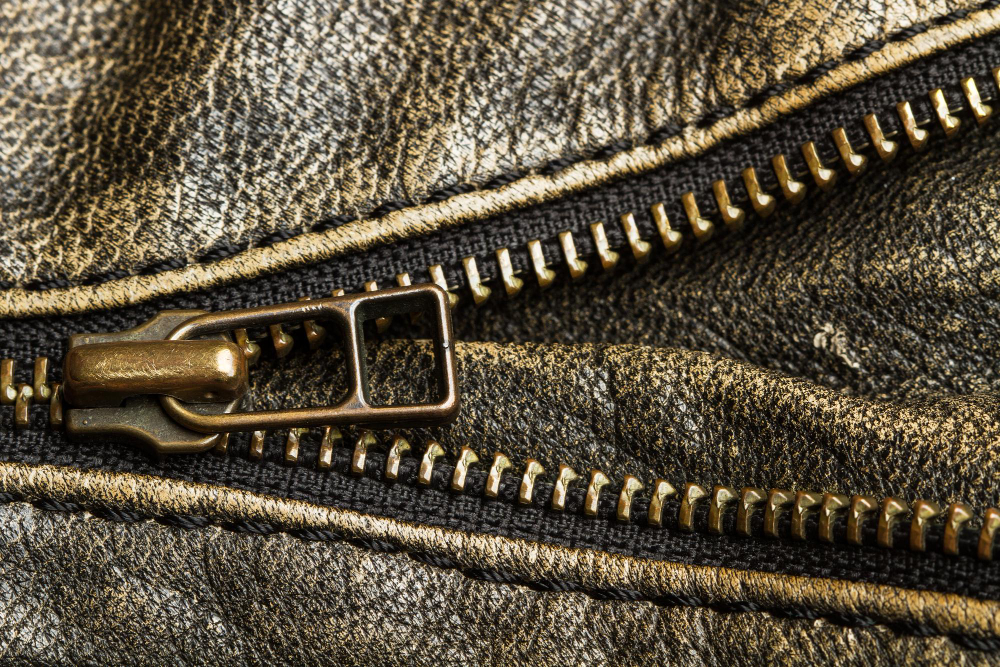
The second kind uses stiff hooks on one surface catching a dense field of soft loops on the other, with each engagement contributing a very small amount of holding force.
Strength comes from number rather than from any one. Multiplied engagement is the whole principle.
10. It Is Strong in Shear and Weak in Peel
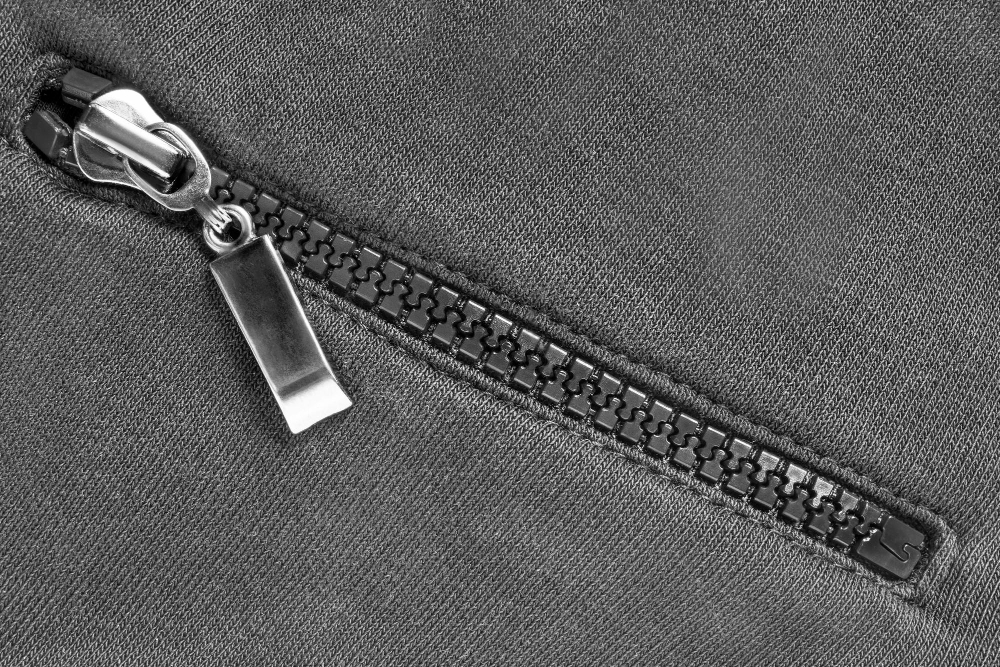
Pulled sideways, every hook resists at once and the bond is remarkably strong; lifted from a corner, the hooks release a few at a time and it opens with almost no force.
That difference is enormous. Directional strength is why it is opened by peeling.
11. Both Were Invented Late and Adopted Slowly

Each appeared far more recently than most people assume and took decades to be accepted, because the existing solutions worked and the new ones were unfamiliar and expensive to make.
Obviousness is a retrospective judgement. Slow adoption is the standard fate of a replacement for something adequate.
12. And Both Solve Problems Buttons Already Solved
Neither does anything a row of buttons cannot do, and both do it faster, more securely and in one movement – which is a difference of degree that turned out to matter enormously.
Speed was the whole advantage. Incremental improvement is what eventually displaced a solution that worked.
Two Recent Inventions That Look Obvious
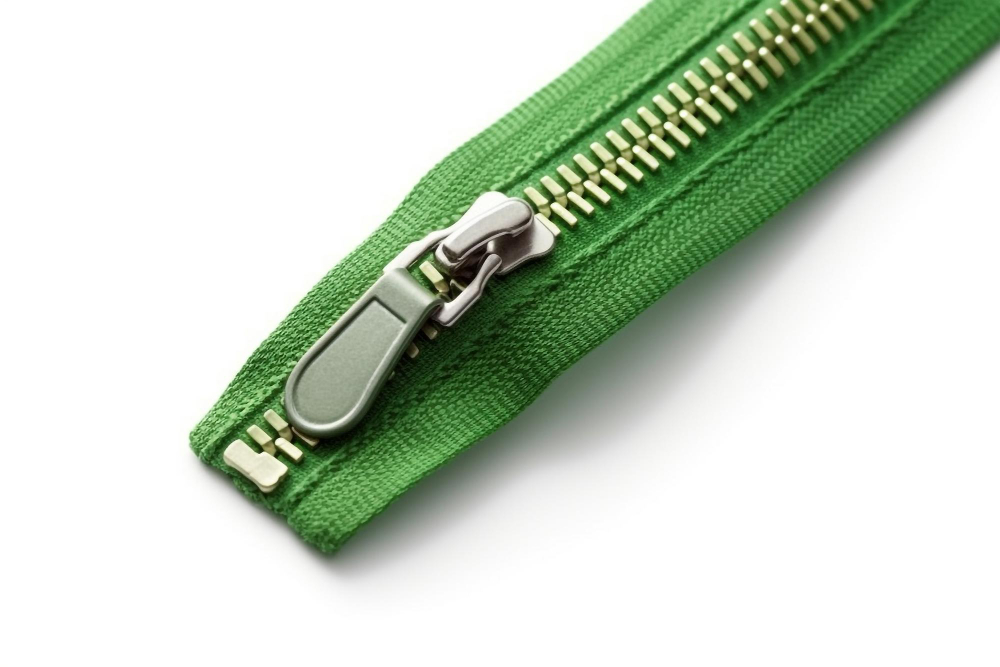
A wedge with converging channels, teeth locked between their opposites at an angle, a load spread along the whole length, and thousands of small hooks whose strength depends entirely on direction.
The tenth item is the one worth knowing. A hook-and-loop fastener is extremely strong when pulled sideways and gives way almost immediately when lifted from a corner – which is why every design using one is arranged so that load arrives in the strong direction and fingers arrive in the weak one.
Like our content? Follow us for more.

