

The air around you is holding water you cannot see, and the amount it can hold depends almost entirely on temperature. Cool it enough and the water has to go somewhere. Here are twelve consequences.
1. Air Is Carrying Water All the Time
Water vapour is present in almost all air as an invisible gas, mixed in with everything else, and indoor air frequently carries a substantial amount.
It is there before anything condenses. Invisible vapour is the source of every droplet.
Like our content? Follow us for more.
2. Warm Air Holds Far More Than Cold Air
The quantity of vapour air can hold rises steeply with temperature, so warm air can carry several times as much as cold air.
Temperature sets the capacity. Holding capacity is the key to everything that follows.
3. Cooling Air Makes It Let Go
When air cools to the point where it can no longer hold all its vapour, the excess turns back into liquid water.
That temperature is the dew point. Crossing it is what produces condensation.
4. A Cold Surface Cools the Air Touching It
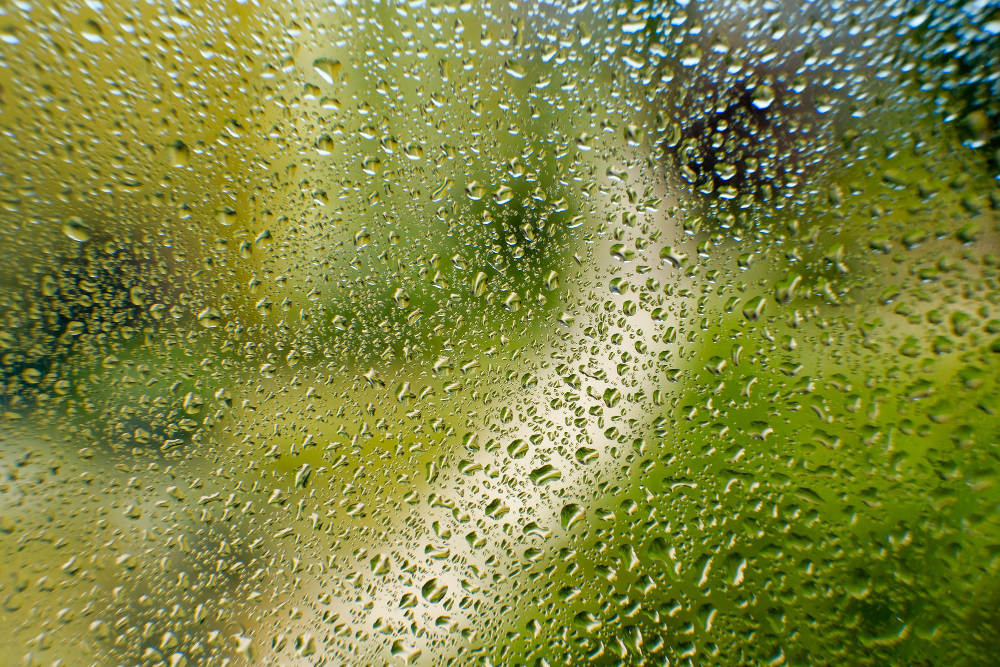
Only the thin layer of air in contact with a cold surface is chilled below its dew point, which is why water appears on the surface rather than as a mist in the room.
The surface is where it happens. Contact cooling explains where droplets form.
5. A Cold Glass Sweats From the Outside
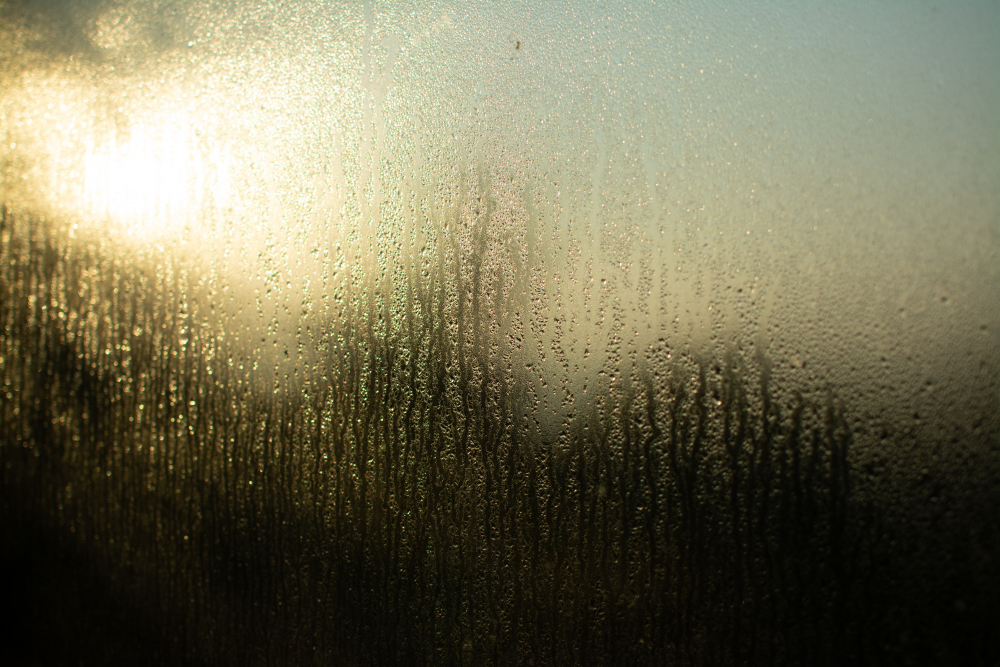
The water on a cold drink is room air condensing against the chilled glass, not liquid passing through it.
It is the room giving up water. External condensation is air meeting something colder.
6. Mirrors Mist Because the Air Is Full

A hot shower fills the room with vapour, and the cooler mirror surface pushes the saturated air past its dew point instantly.
The steam was already there. Saturated air is why bathrooms fog so quickly.
7. Windows Stream in Winter
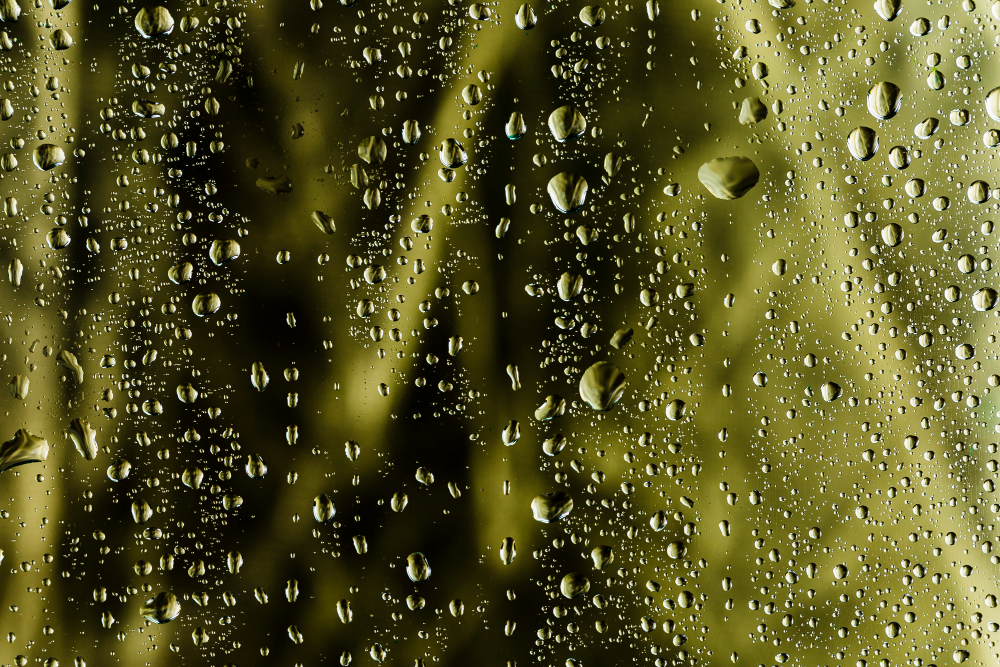
In cold weather the glass is usually the coldest surface in a warm room, so it collects condensation first and most.
The window is simply the coldest thing present. Surface temperature decides where water lands.
8. Double Glazing Moves the Problem
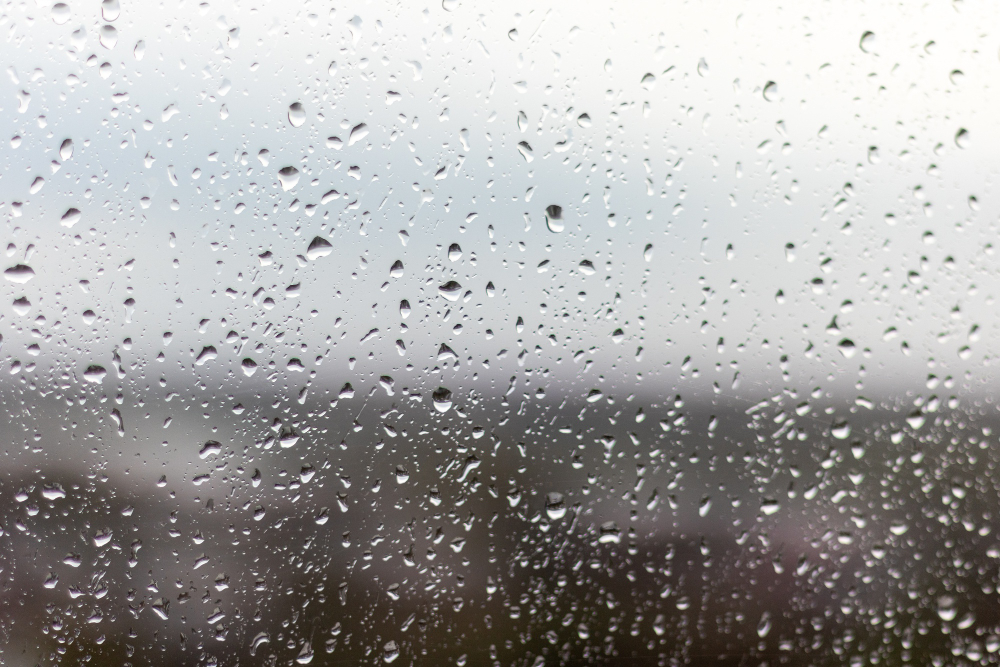
An insulated window keeps its inner surface warmer, which reduces condensation on the glass, though it may then appear on colder frames or walls instead.
Water finds the coldest surface. Better glass changes where condensation forms.
9. Some Windows Mist on the Outside
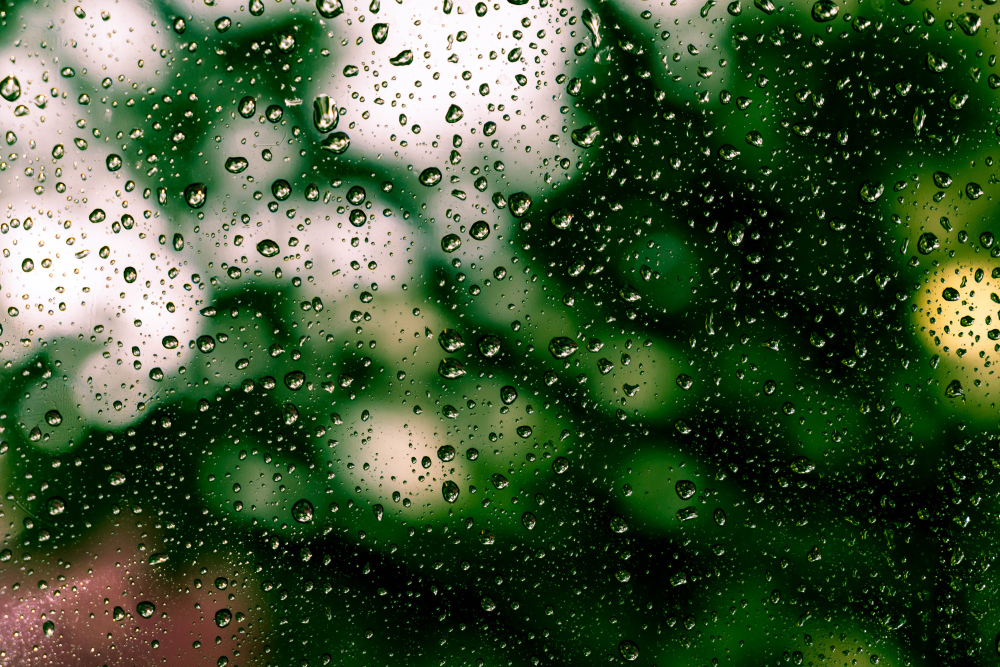
On clear mornings, well-insulated glass can cool below the outdoor air and collect condensation on the outside, which looks like a fault and is not.
It shows the glass is insulating well. Outside condensation is a sign of performance.
10. Your Breath Shows Because It Cools So Fast
Warm moist breath hitting cold air is chilled below its dew point instantly, producing a small visible cloud of droplets.
The cloud is condensation in miniature. Visible breath is the same process in the air.
11. Water Needs Something to Form On
Condensation starts on surfaces or on tiny particles in the air, which give the droplets a place to begin.
Clean surfaces and clean air resist it slightly. Nucleation is why droplets need a starting point.
12. Persistent Condensation Is Worth Attention
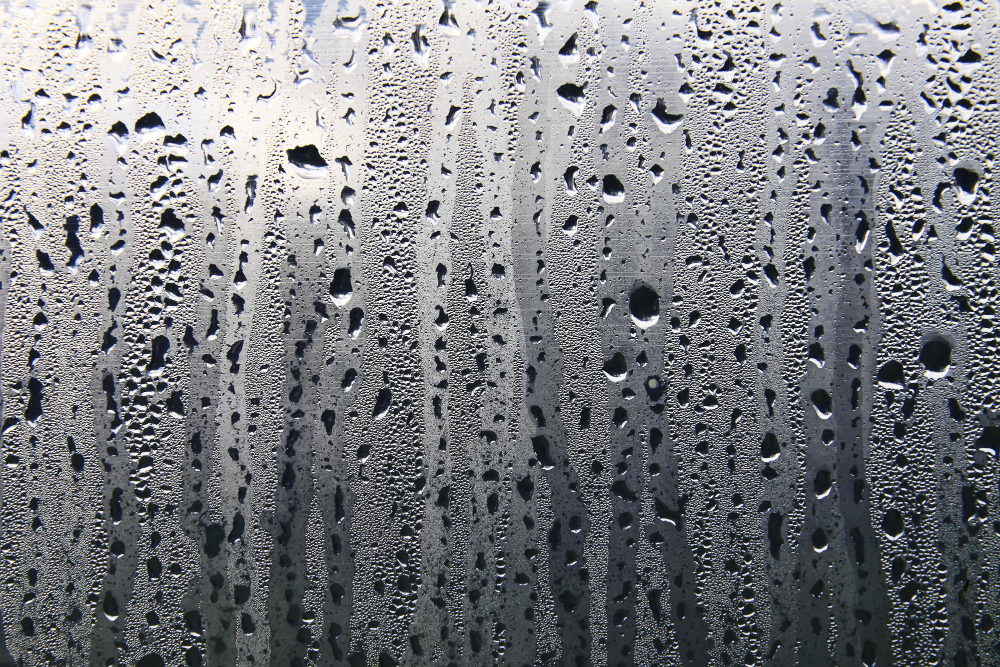
Moisture that condenses repeatedly on the same cold surfaces and does not dry can lead to damp, so ventilation and warmer surfaces reduce it.
Occasional misting is normal; constant wetness is different. Ventilation is what removes the vapour at source.
Water the Air Could No Longer Hold
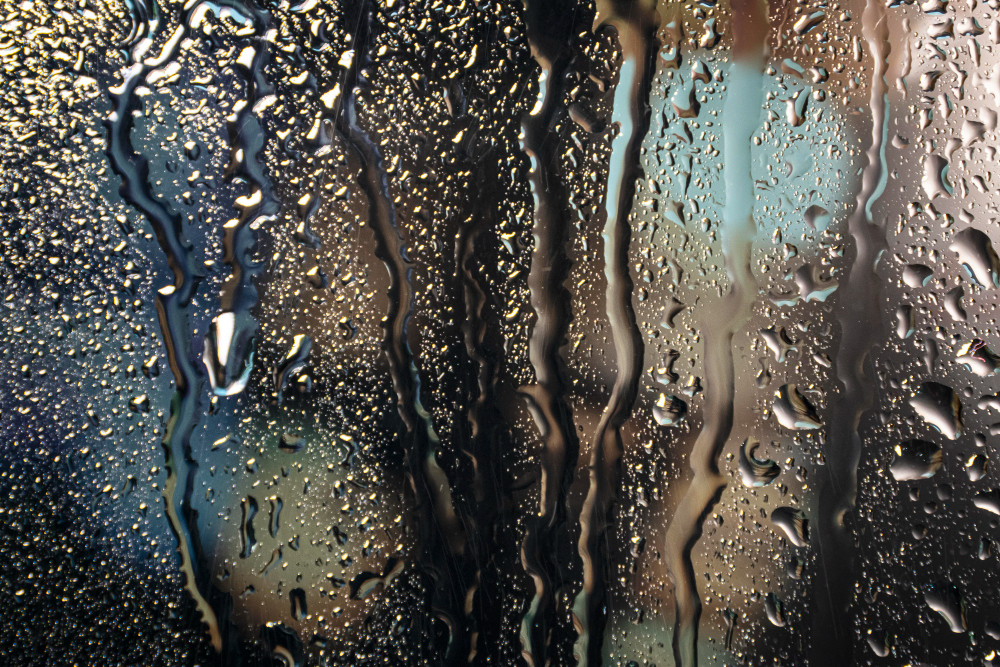
Invisible vapour everywhere, capacity that falls with temperature, a cold surface chilling the air beside it, and a glass that sweats with water from the room.
One necessary note: persistent damp and mould in a home can have wider consequences, and advice on what to do about it belongs with proper housing and health guidance rather than an article about physics. Nothing above is guidance on that.
Like our content? Follow us for more.
