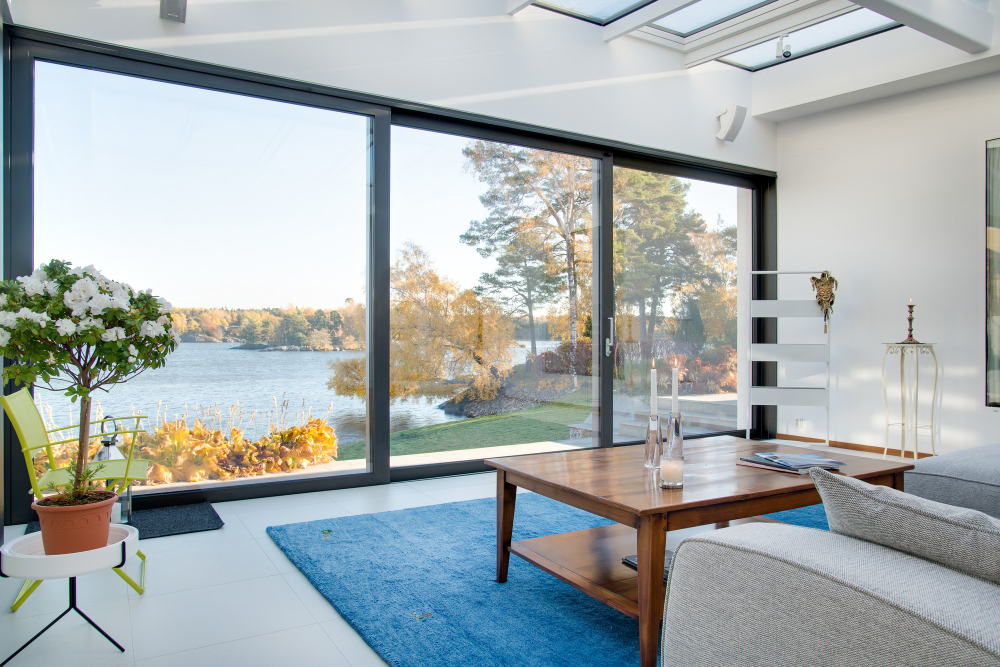
A hole in a wall that has to behave like a wall. Here are fifteen compromises.
1. It Is a Deliberate Weak Point
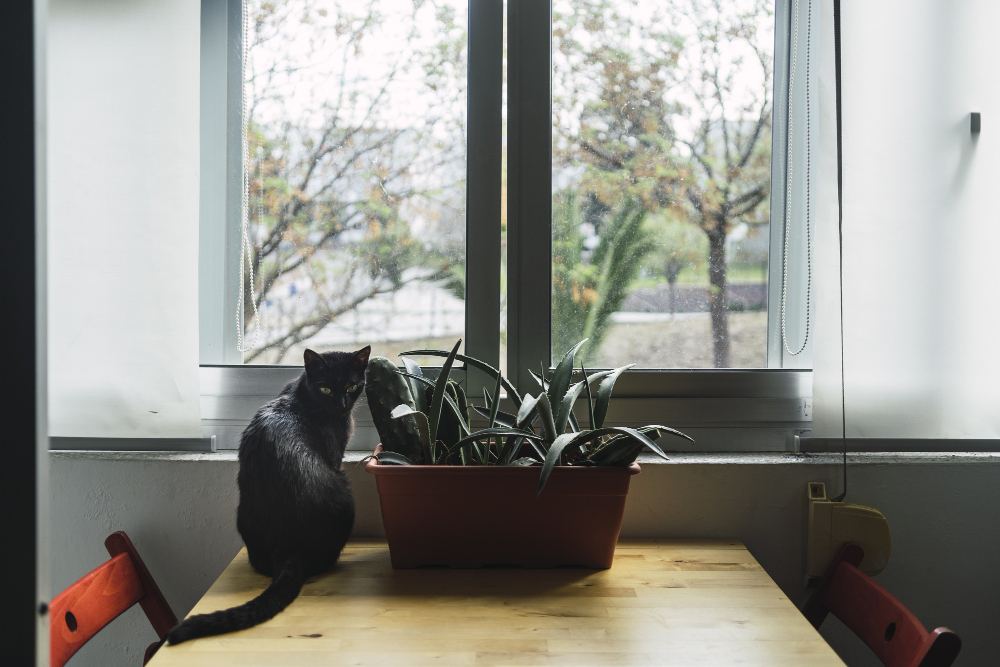
A wall is there to keep weather, heat, noise and people out, and a window is a hole cut through it on purpose.
Everything difficult about a window follows from being asked to undo that hole’s consequences.
Like our content? Follow us for more.
2. Light In Versus Heat Out
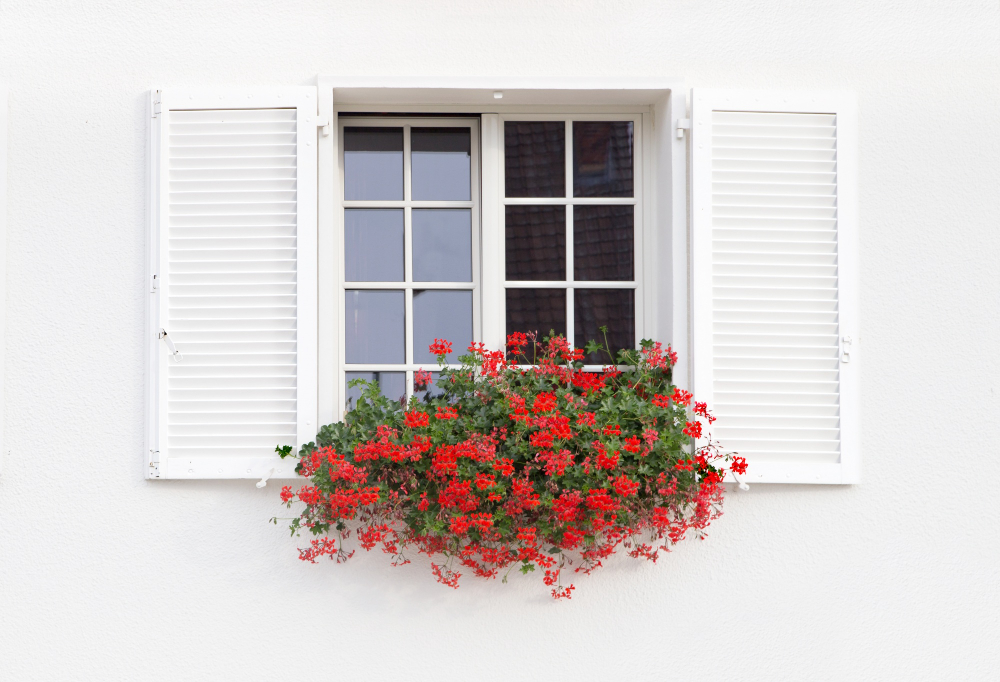
Glass is a poor insulator, so the larger the opening, the more light arrives and the more heat leaves.
For most of history this trade was resolved by making windows small.
3. Two Panes Work by Trapping Gas
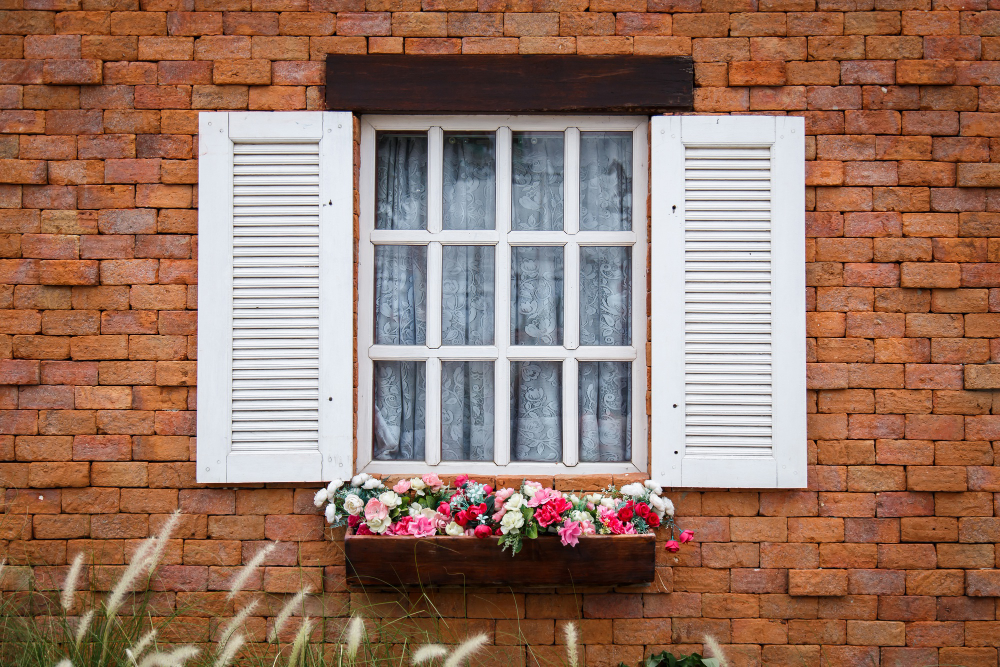
The insulating part of double glazing is not the extra glass, it is the sealed gap of still air or heavier gas between the panes.
The glass is there to hold the gap in place.
4. The Gap Has a Right Size
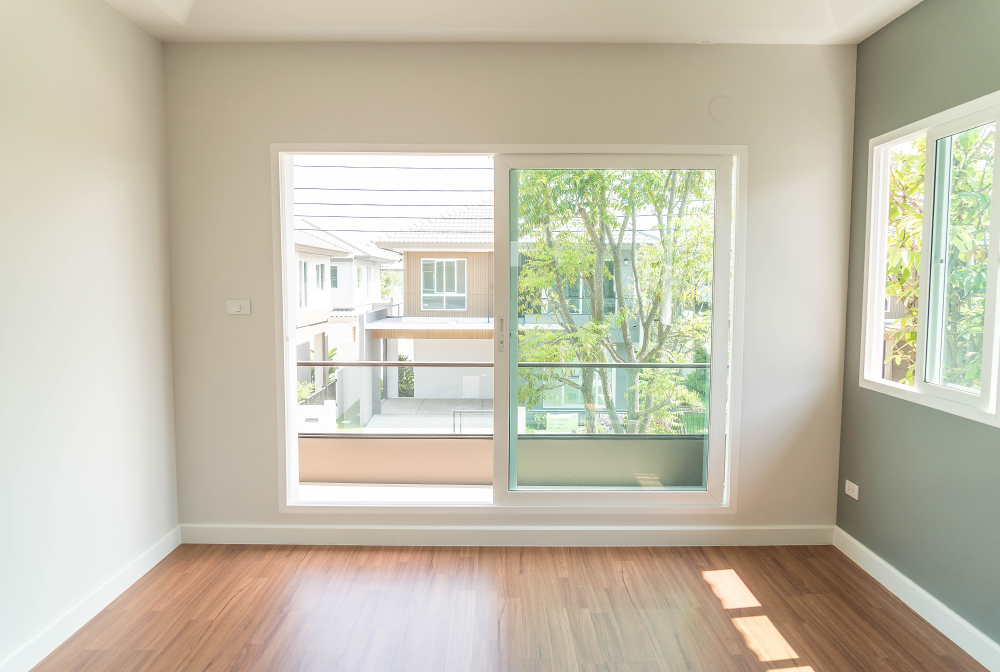
Too narrow and heat conducts straight across; too wide and the gas circulates, carrying heat from the warm pane to the cold one.
There is an optimum, and it is smaller than most people would guess.
5. The Seal Is the Part That Fails
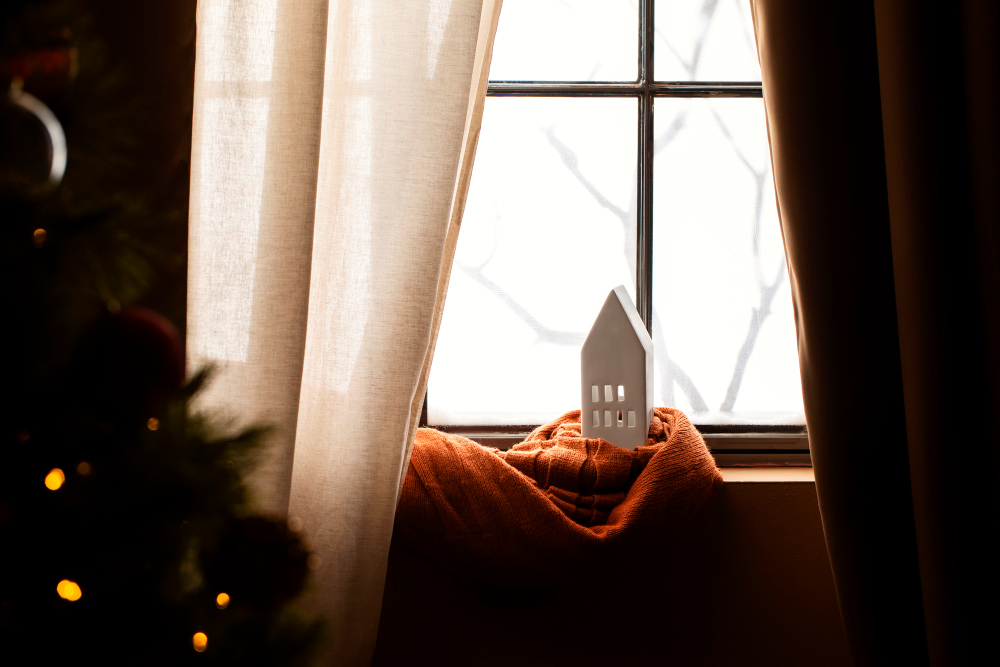
When the edge seal of a sealed unit goes, moist air gets in and condenses between the panes where nothing can reach it.
The misted unit is not dirty. It is broken, and the gas has gone.
6. The Frame Leaks More Than the Glass
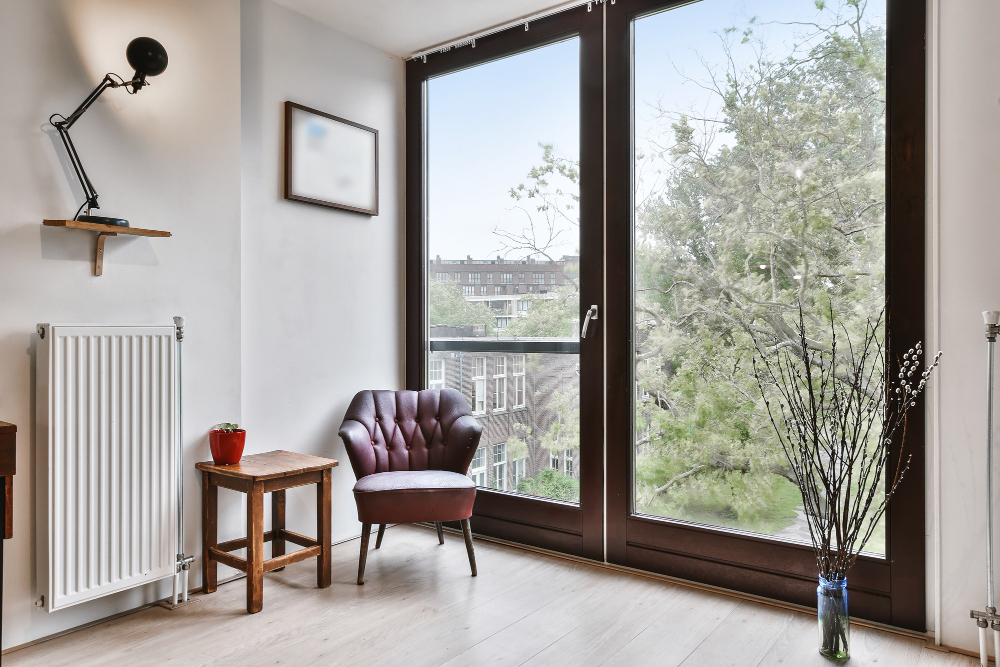
Heat escapes readily through the frame and around its edges, so a frame that conducts well undoes a good glass unit.
This is why modern frames contain deliberate breaks in the material.
7. Opening It Defeats Sealing It
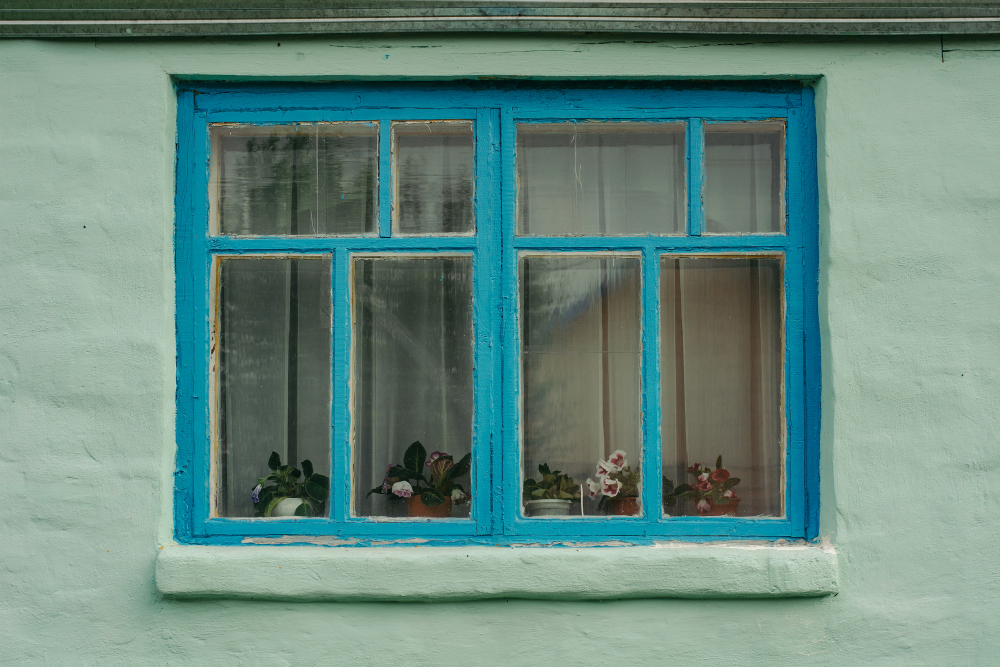
A window that opens needs a movable joint, and a movable joint is a permanent weakness in the weather barrier.
Fixed panes always outperform opening ones, which is why large windows are often fixed with a small opener beside them.
8. Water Has to Be Let Back Out
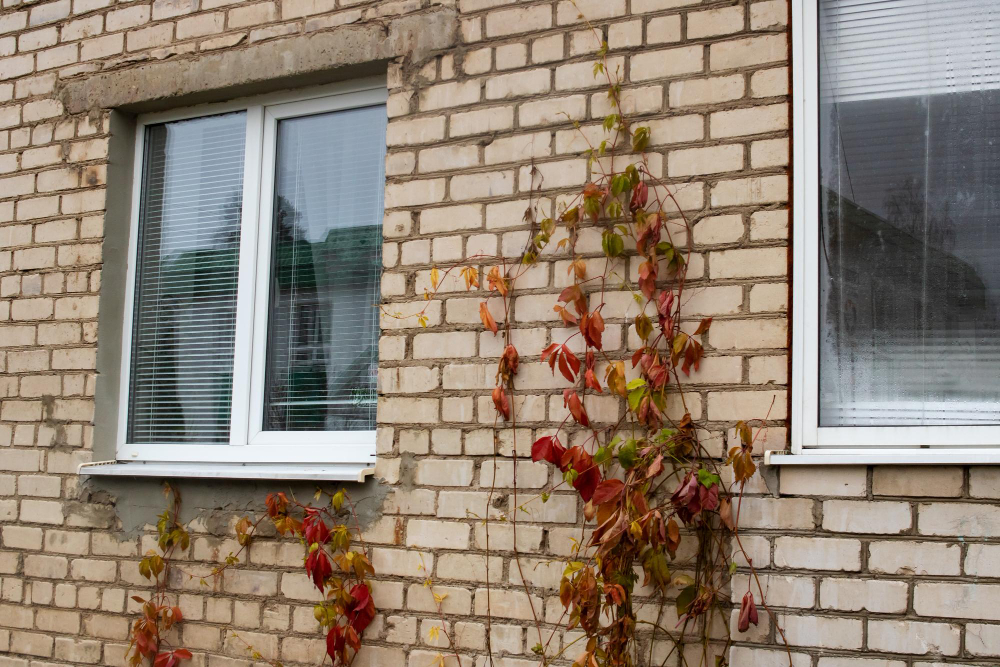
Rain gets into the frame regardless of design, so frames contain drainage channels and small holes on the outside face.
Blocking those holes traps water inside the frame, which is worse than letting it in.
9. Ventilation and Insulation Pull Against Each Other

A well-sealed house needs deliberate ventilation or moisture accumulates, so windows carry trickle vents that let in the air being kept out.
The vent exists because the seal works too well.
10. Glass Is Strong in Compression and Weak in Tension
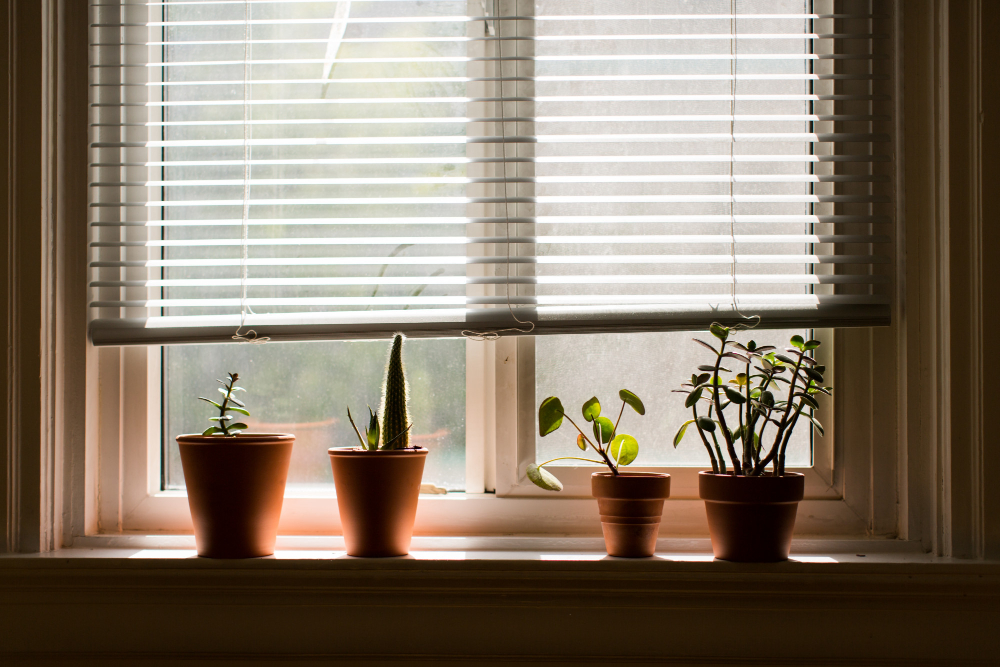
A pane resists being pressed and fails by bending, which is why wind on a large pane is the load that matters.
Thickness is chosen by area and exposure rather than by anything to do with security.
11. Breaking Safely Matters More Than Not Breaking

Glass near floors, doors and baths is treated so that it either crumbles into blunt pieces or holds together on a plastic layer.
The design goal is not an unbreakable pane, it is a harmless failure.
12. Big Panes Have to Be Thicker for Their Own Weight
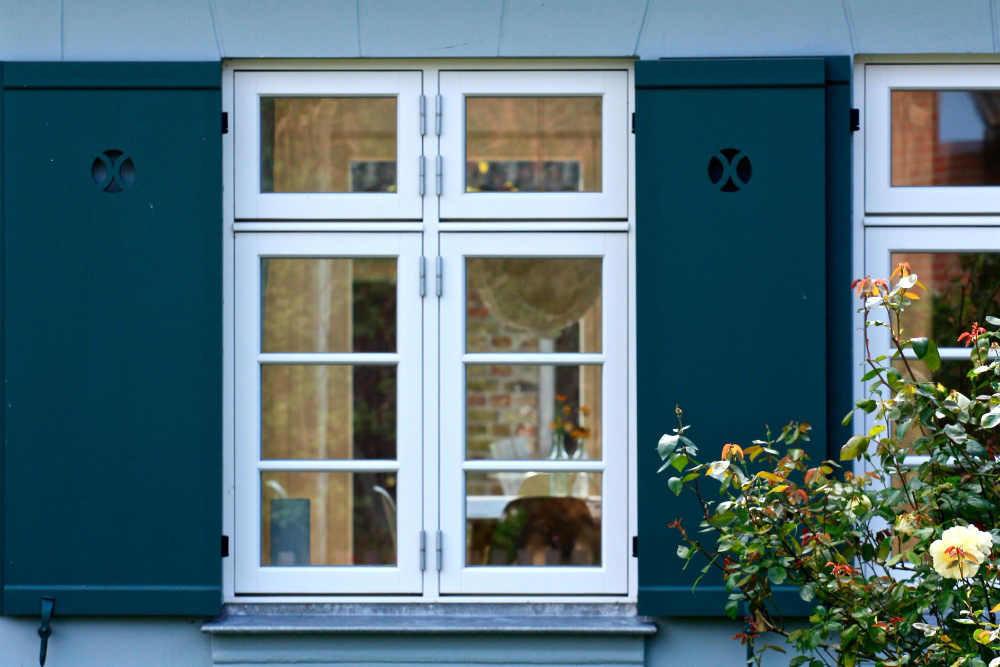
A pane is a beam spanning between its edges, and doubling the span demands far more than double the stiffness.
This is why very large windows are heavy out of all proportion to their area.
13. Privacy and Daylight Are the Same Problem

Anything that stops people seeing in also stops light coming in, unless it scatters rather than blocks.
Textured and obscured glass exists precisely to separate those two things.
14. The Orientation Changes the Answer

A window facing the midday sun gains heat in summer and in winter; one facing away gains almost none in either.
The same window is an asset on one wall of a house and a liability on another.
15. Old Windows Were Designed to Be Repaired
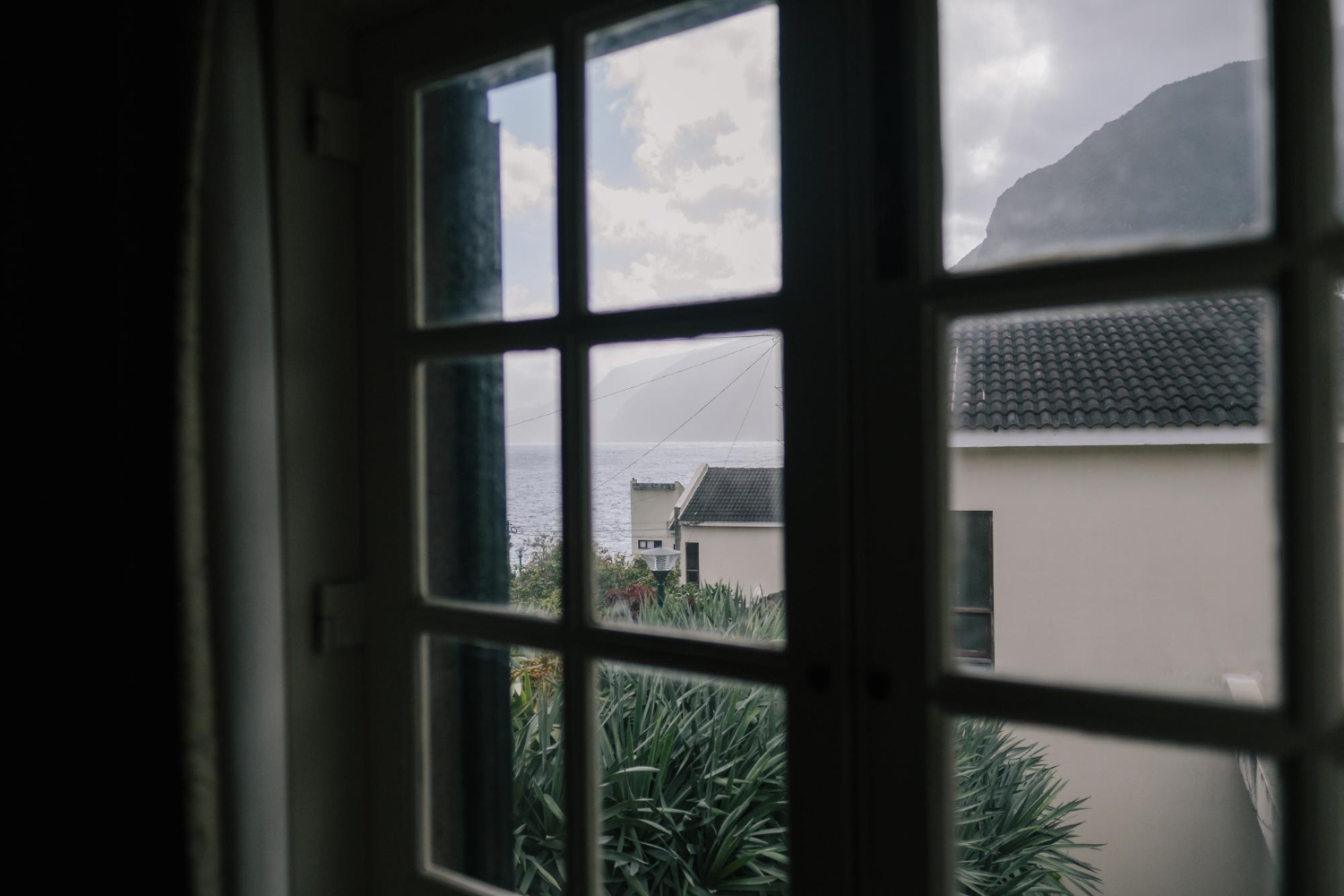
Single panes held in putty in a timber frame can be reglazed pane by pane and the frame maintained indefinitely.
A sealed unit cannot be opened, so when it fails the whole unit is replaced.
A Hole That Has to Behave Like a Wall
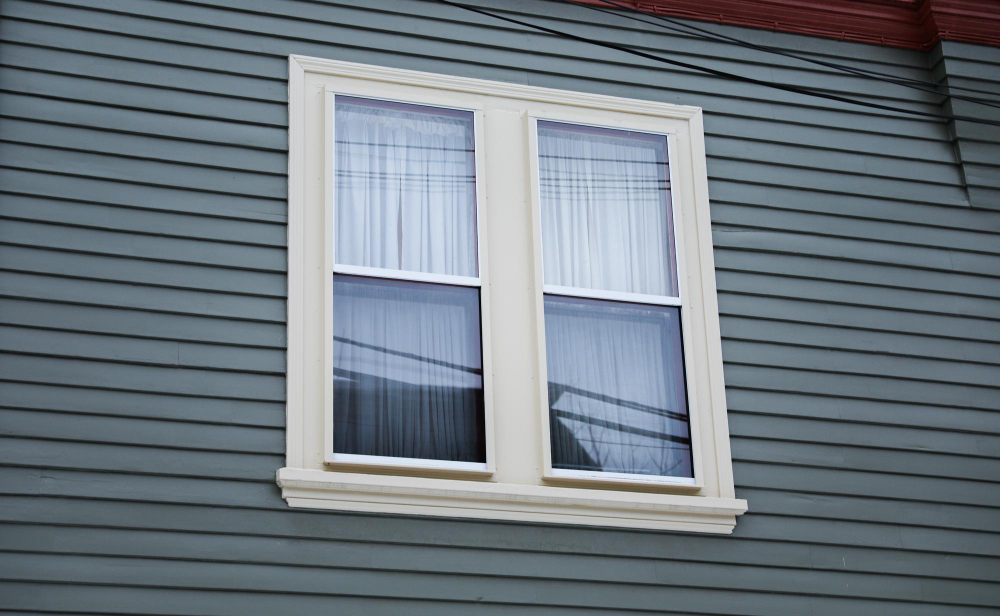
A deliberate weak point in the fabric, a gap of gas doing the insulating, a seal that defines the lifespan, drainage holes that must stay open and a pane designed to fail harmlessly rather than not at all.
The third and fifth items belong together. The insulating part of a double-glazed window is the sealed gap rather than the glass, which means the small strip of sealant around the edge is what the whole unit’s performance depends on – and when that strip fails, the window keeps looking like a window while having quietly stopped being one.
Like our content? Follow us for more.