

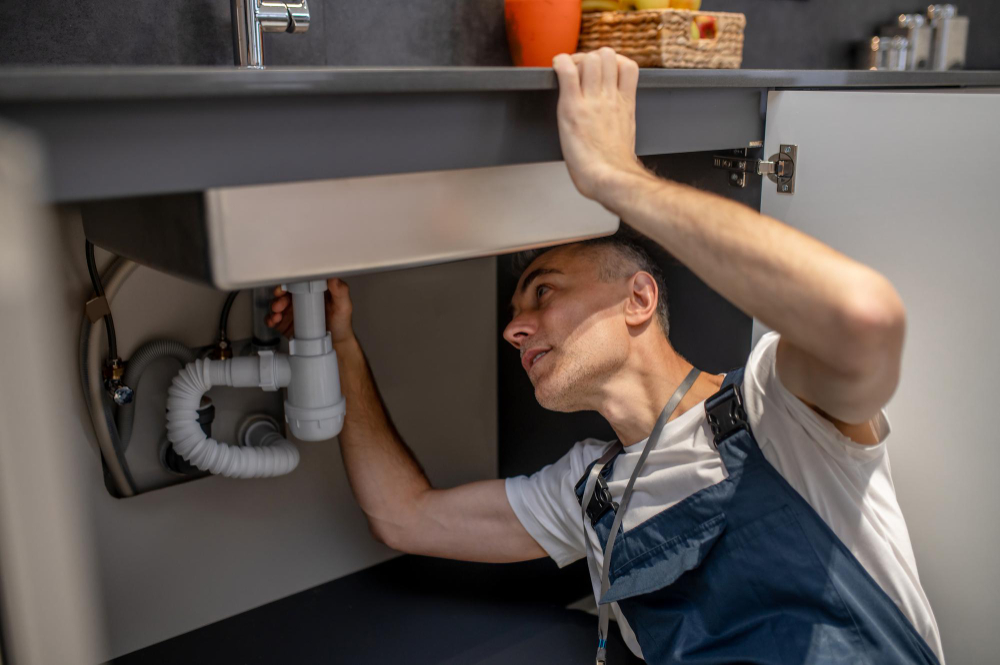
Mostly about air, not water. Here are fifteen.
1. The Bend Is Holding Water on Purpose
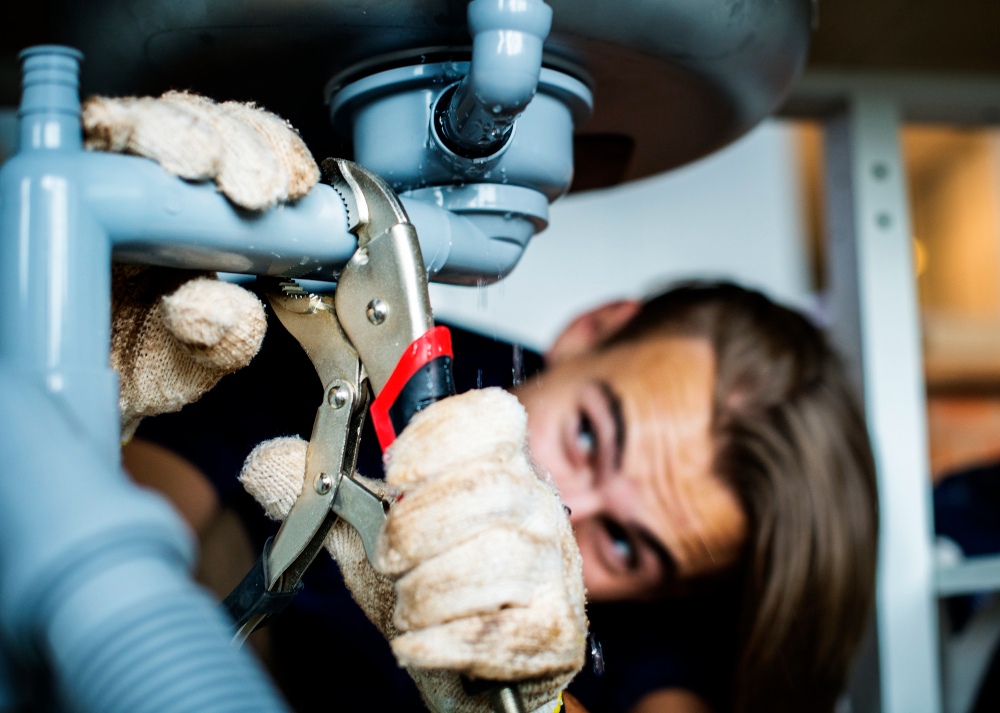
Every fixture has a trap, a dip in the pipe that retains water after everything else has drained away.
That standing water is the seal, and it is the entire point of the shape.
Like our content? Follow us for more.
2. The Seal Is Blocking Gas, Not Water
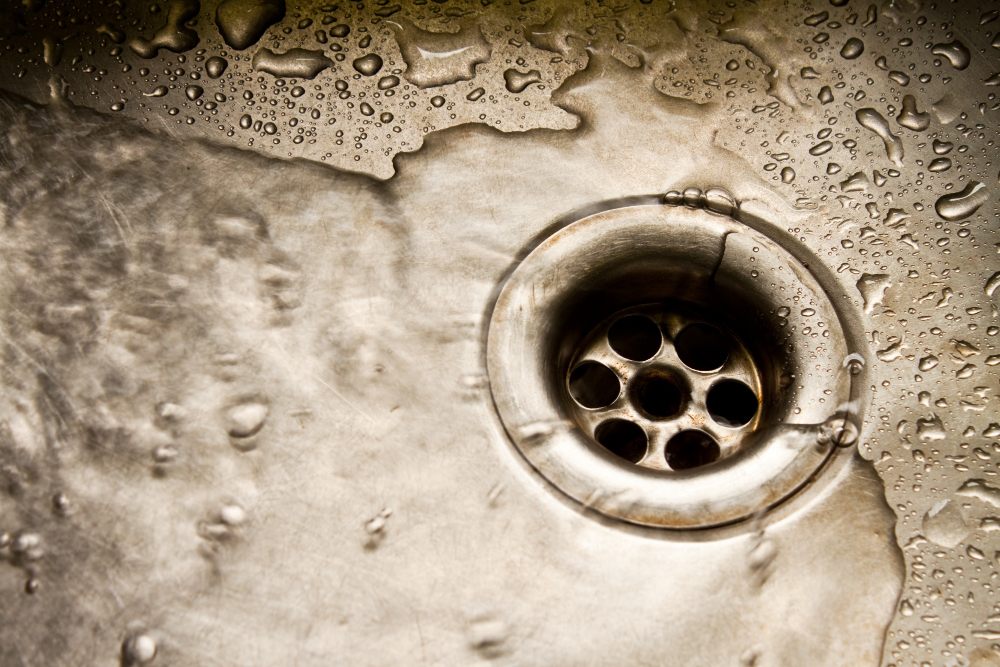
Water flows through the trap easily. What the trap stops is sewer gas coming back up the pipe into the room.
A drain with no trap works perfectly and smells appalling.
3. A Trap That Dries Out Stops Working
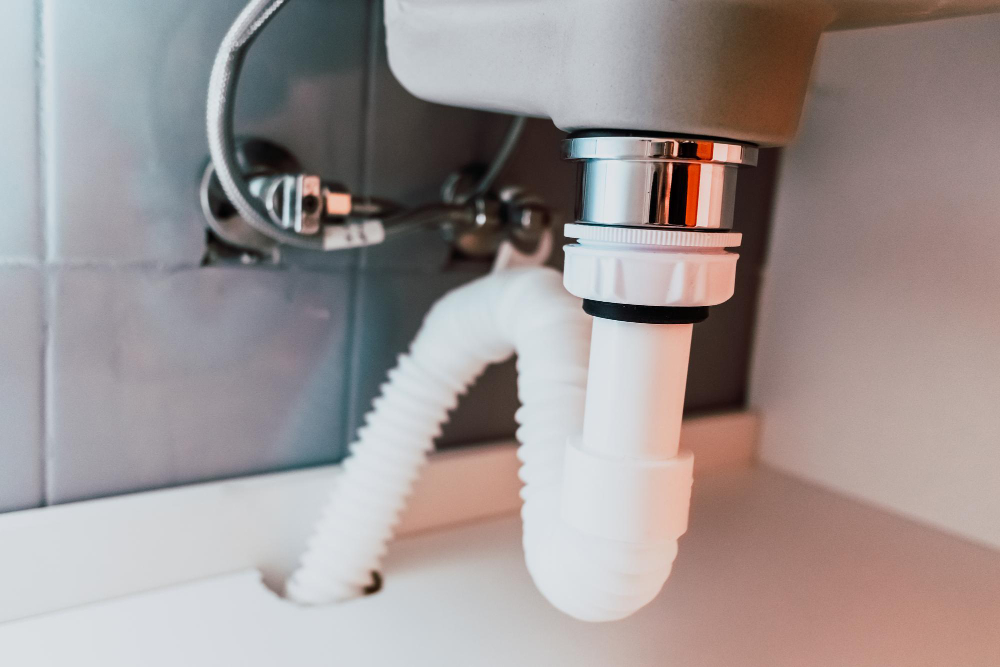
The seal is only a few centimetres of water, and it evaporates if a fixture goes unused for weeks.
This is why a spare bathroom smells and a used one does not.
4. Running the Tap Fixes It Immediately
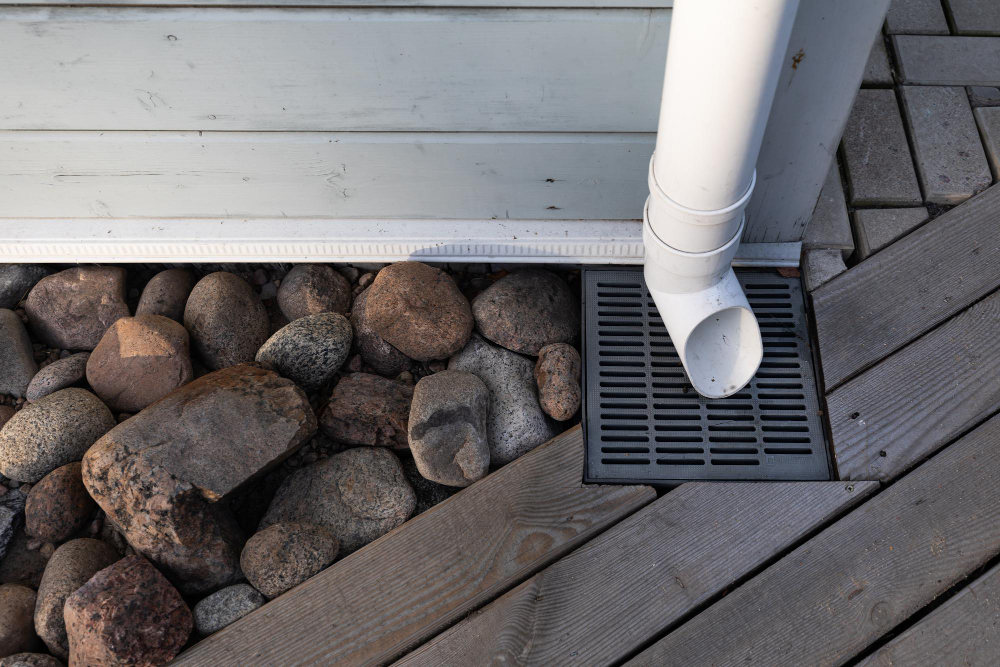
The seal is restored the moment water refills the bend, which takes a couple of seconds.
A smell caused by a dry trap is one of the few household problems that solves itself.
5. The Pipes Need to Breathe
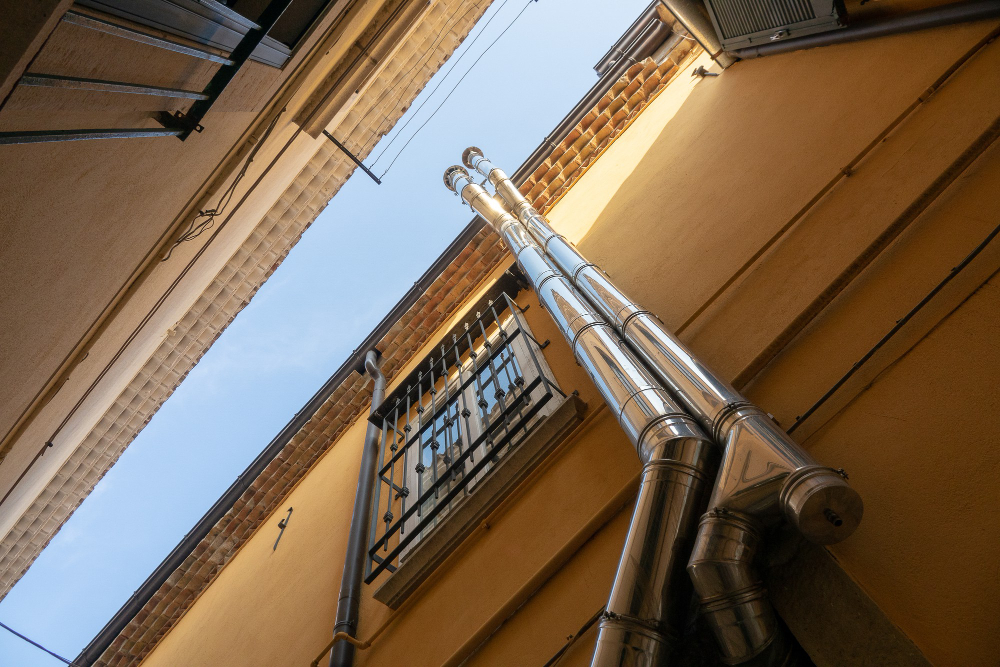
A column of water falling down a pipe drags air with it and leaves a partial vacuum behind it.
Without a route for replacement air, the system fights itself.
6. Which Is What the Pipe on the Roof Is For
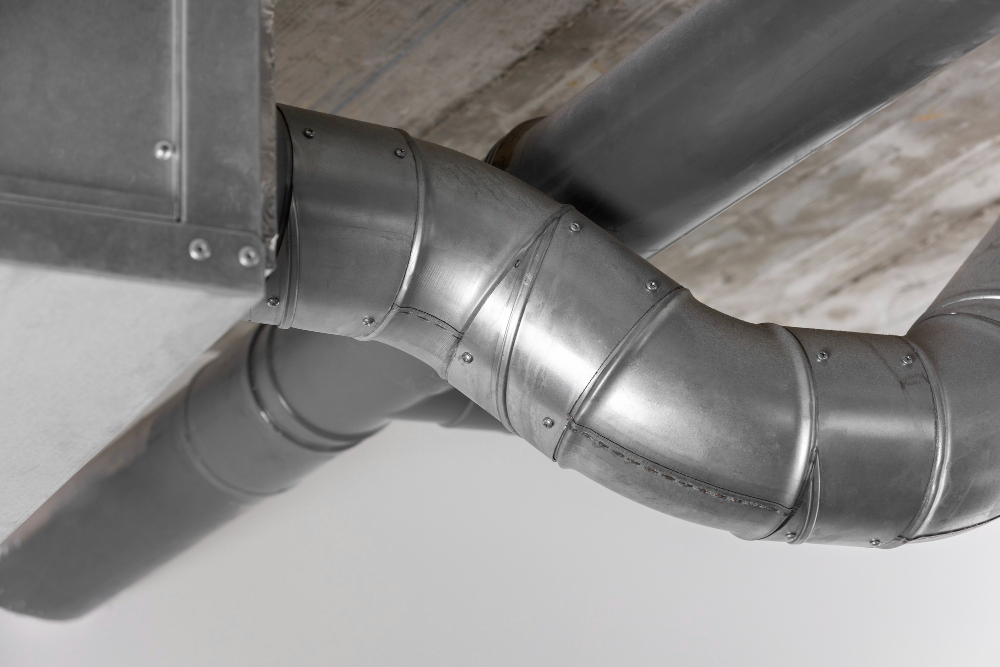
The vertical stack open to the outside above roof level lets air in behind the falling water and out ahead of it.
It is not an overflow and nothing is meant to come out of it.
7. Gurgling Means Air Is Coming Through the Wrong Place
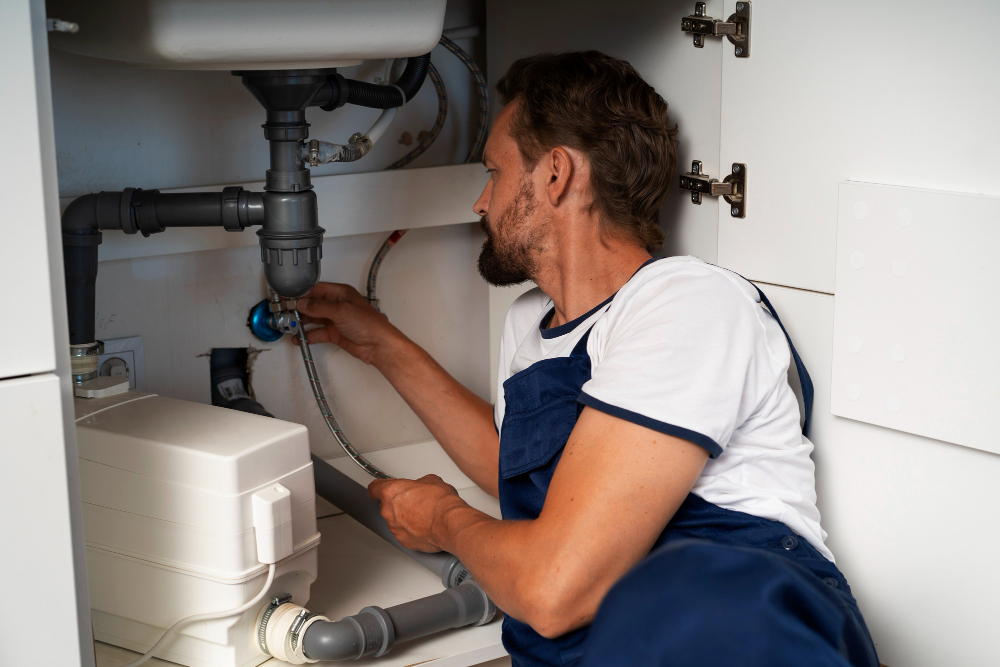
If the vent cannot supply air fast enough, the system pulls it through the nearest trap instead, bubbling through the seal.
The noise is the sound of a seal being disturbed.
8. And a Big Enough Pull Empties the Trap Completely
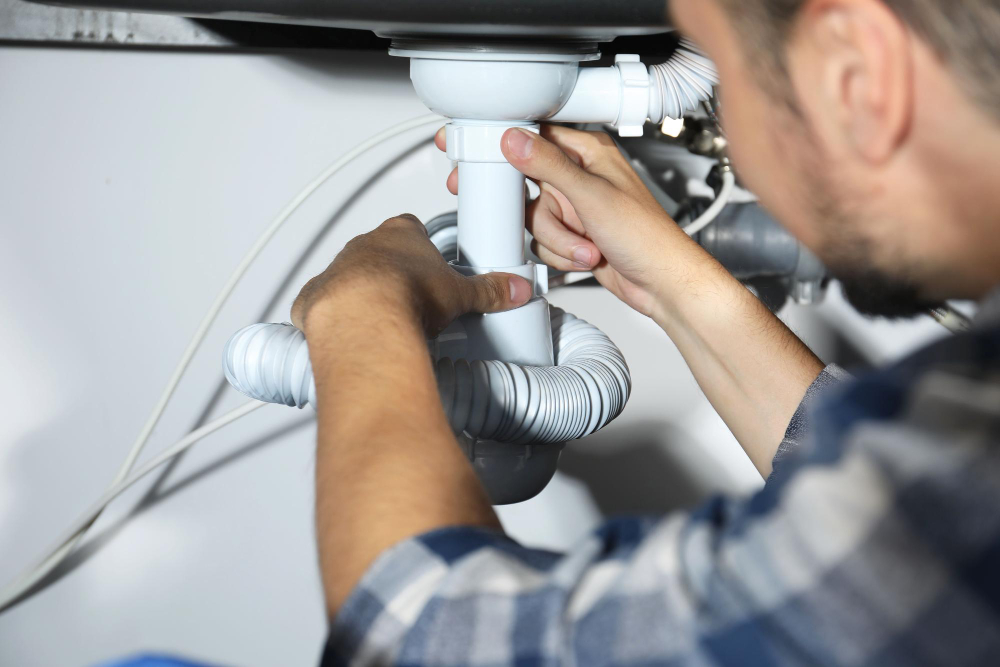
A sudden large discharge can siphon a nearby trap dry, leaving that fixture unsealed with no obvious cause.
The smell then appears in a room where nothing was used.
9. The Gradient Has to Be Right, Not Steep
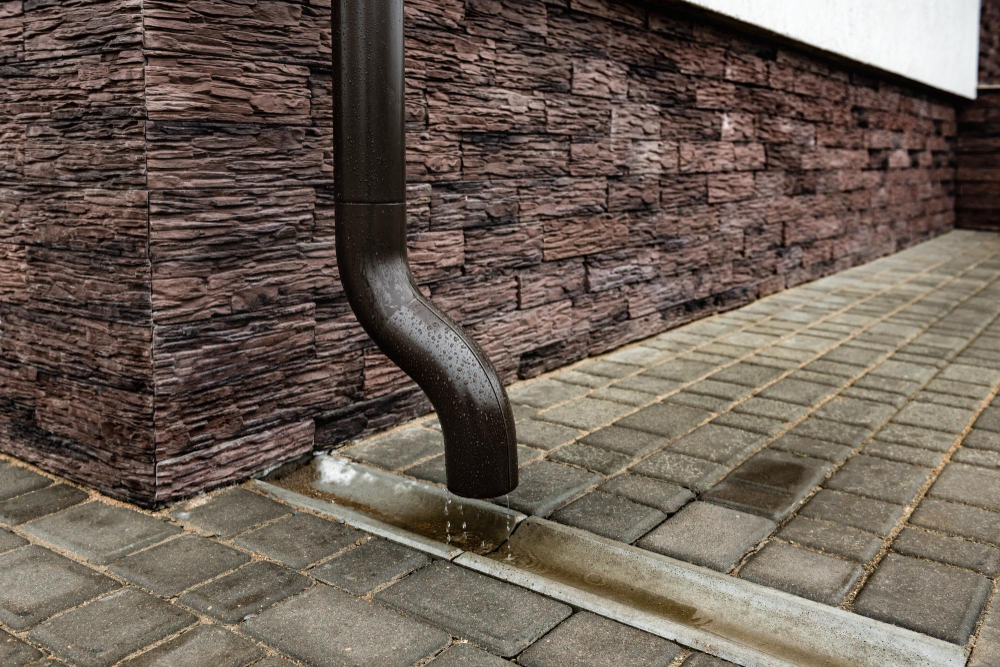
Too shallow and solids settle out; too steep and the water runs away ahead of the solids and leaves them behind.
There is a narrow band that carries both, and it is shallower than most people assume.
10. Pipe Diameter Is Also a Balance
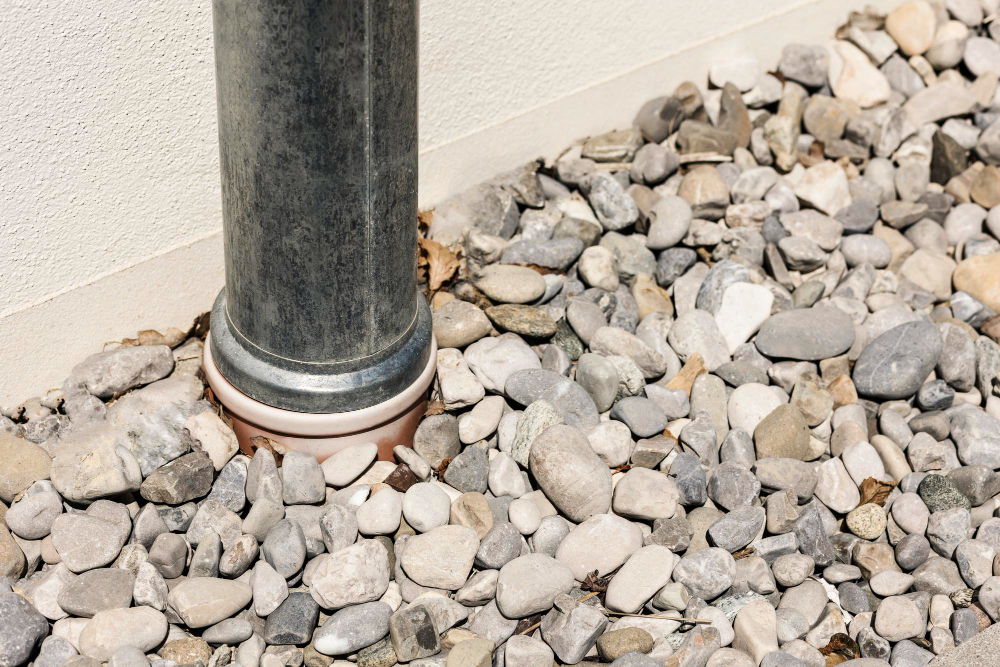
An oversized pipe carries a shallow trickle that does not scour the bottom, so it self-clogs faster than a smaller one.
Bigger is not better in drainage, which is unusual.
11. Fat Solidifies as Soon as the Water Cools
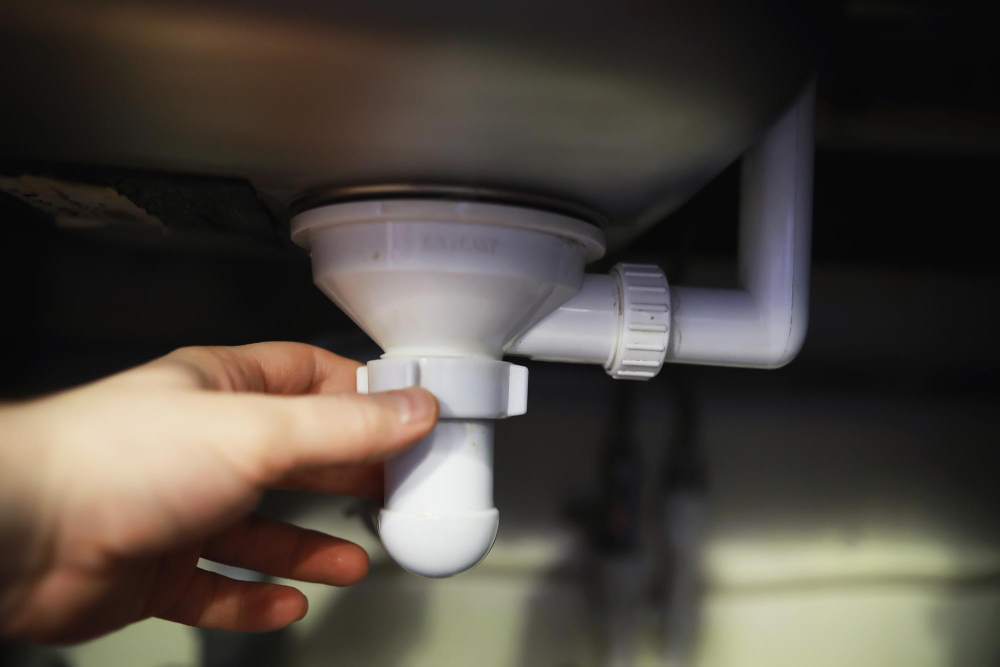
Warm liquid fat travels perfectly well for a metre or two, then meets cold pipe and sets on the walls.
Hot water moves the problem further along rather than removing it.
12. A Blockage Is Usually a Narrowing First
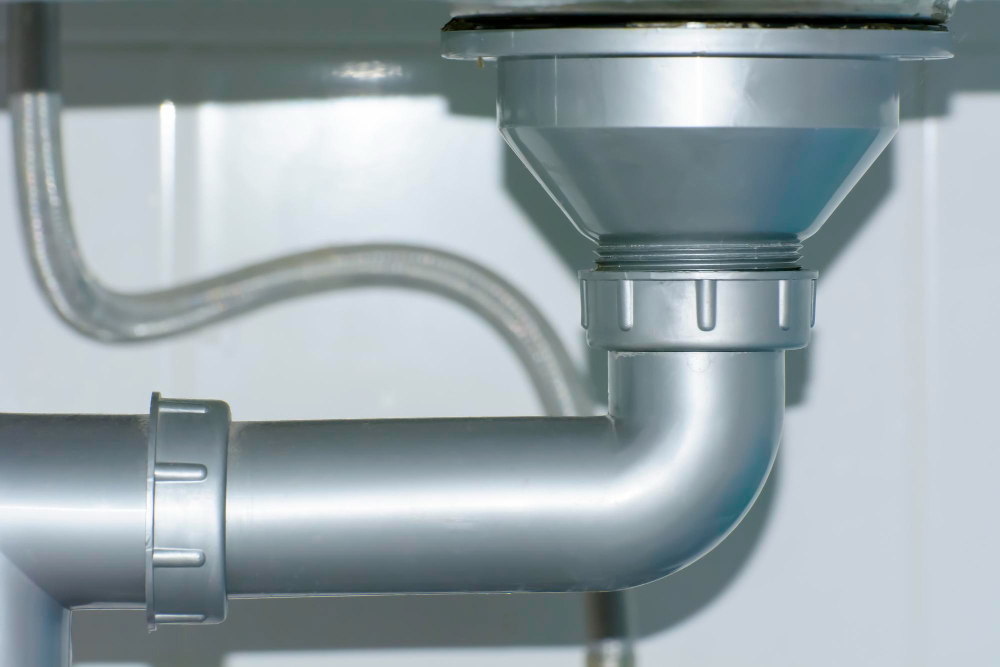
Deposits build on the pipe wall over years, reducing the bore gradually until one ordinary event finally stops it.
The slow drain was the warning, and it was ignored because it still drained.
13. A Plunger Works on the Water, Not the Blockage
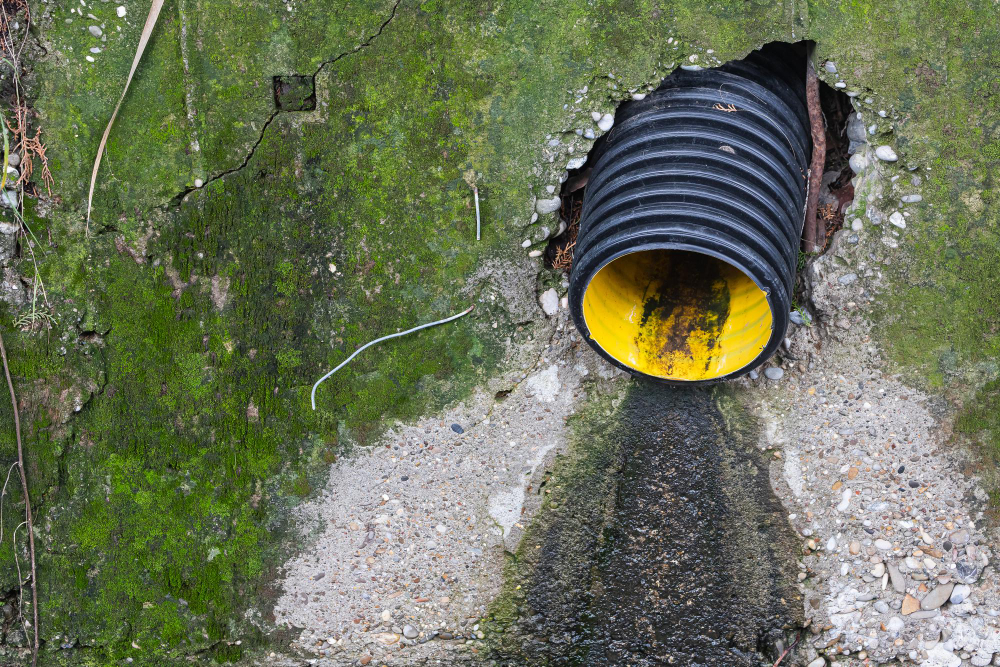
The water in the pipe is effectively incompressible, so pushing it transmits the force straight to the obstruction.
The suction stroke matters as much as the push, because it works it loose both ways.
14. The Noise Travels Through the Structure
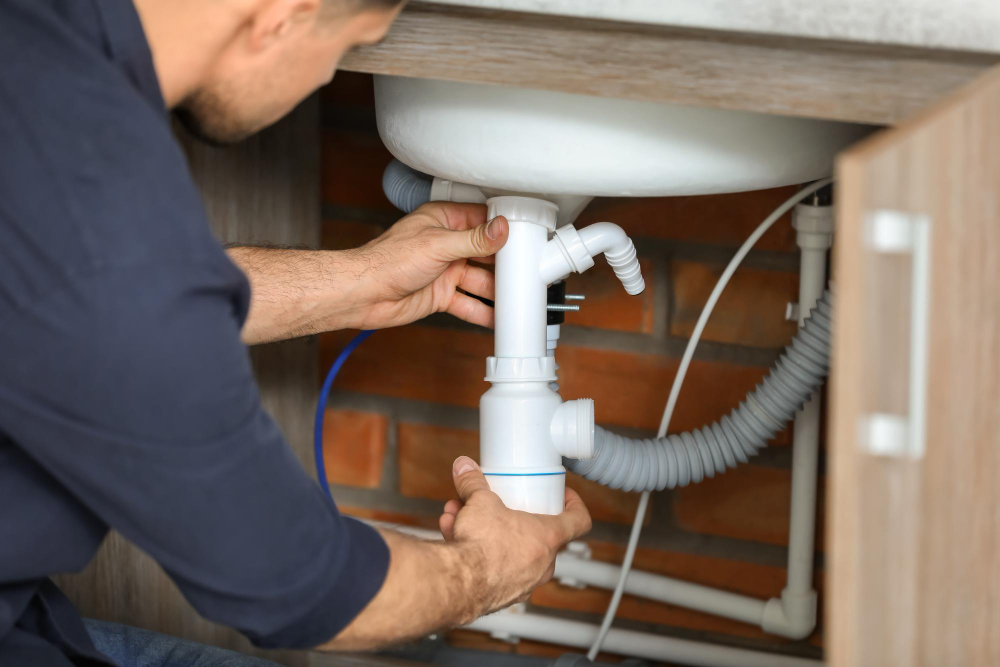
A discharge pipe is a long rigid tube fixed to the building, so it conducts sound to rooms nowhere near it.
This is why you can hear which fixture somebody used two floors away.
15. Outside, It Is Two Separate Systems
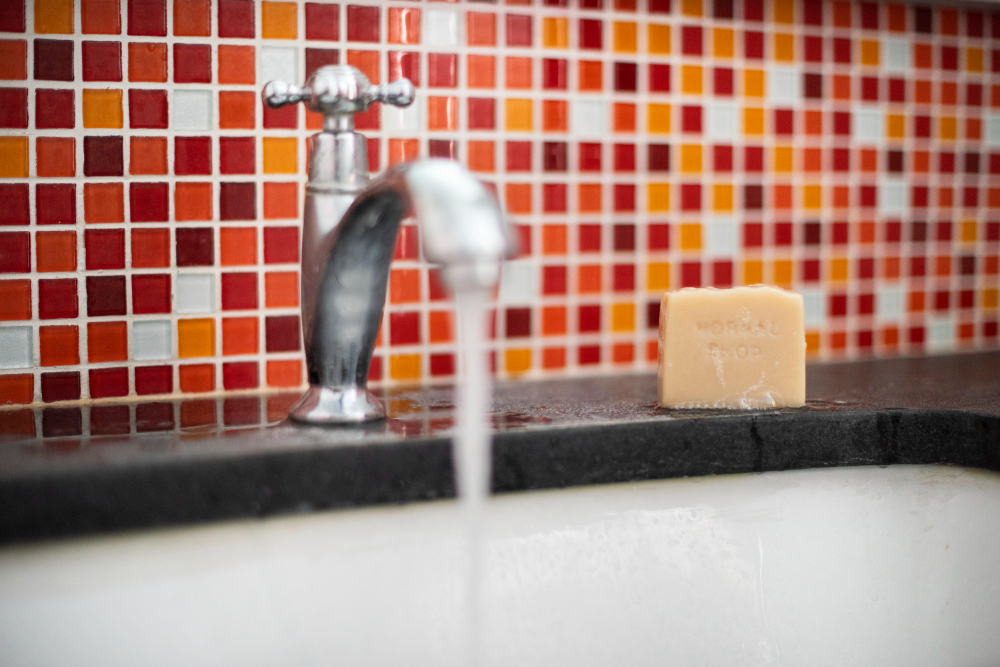
Foul drainage from fixtures and surface water from roofs and paving are generally kept apart for the whole route.
Combining them means rain can overload the system that was never sized for it.
Traps, Vents and a Narrow Band of Gradient
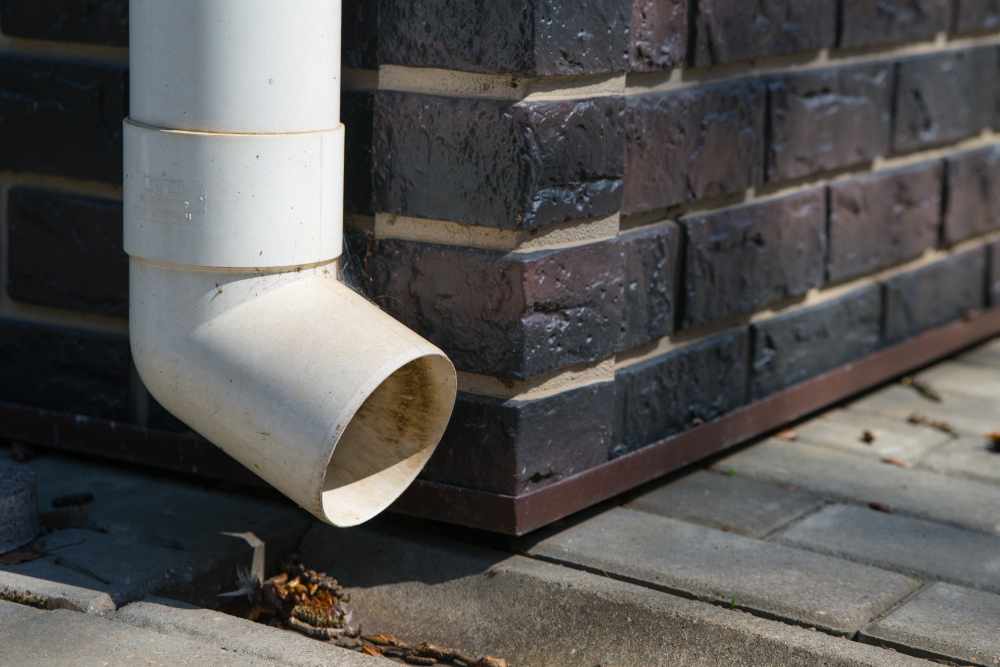
A dip in the pipe holding a few centimetres of water, a seal against gas rather than liquid, a vent that lets air in behind the flow, gurgling as a disturbed seal and a gradient that has to be shallow enough to carry solids.
The first two items are the ones that reframe the whole system. The bend under a sink is not there to catch things or to slow the flow – it is holding a few centimetres of water as a gas seal, and every smell, gurgle and unexplained odour in a building traces back to one of those seals being disturbed or having dried out.
Like our content? Follow us for more.
