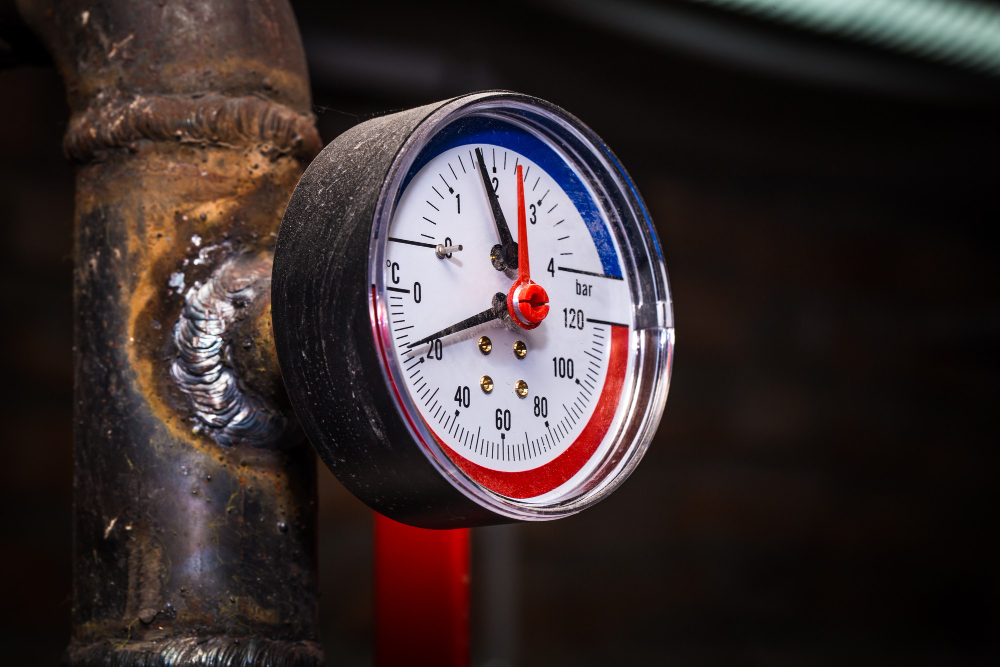
There is a category of discovery that arrives sideways, as the residue of an argument about something else entirely.
The argument concerned whether a space containing nothing could exist. The prevailing position, held for a very long period, was that it could not — that any apparent void would be filled by something, and that the apparent tendency of liquids to rise into an emptied space demonstrated a fundamental property of nature.
The experiment that addressed it was straightforward, and the instrument it produced turned out to measure something nobody had been looking for.
What the tube reveals is that air has weight, that the weight varies, and that the variation precedes changes in weather by enough to be useful.
The Experiment
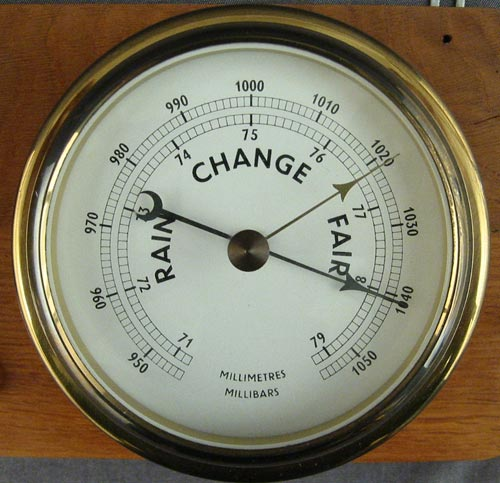
The arrangement is simple and the reasoning is the interesting part.
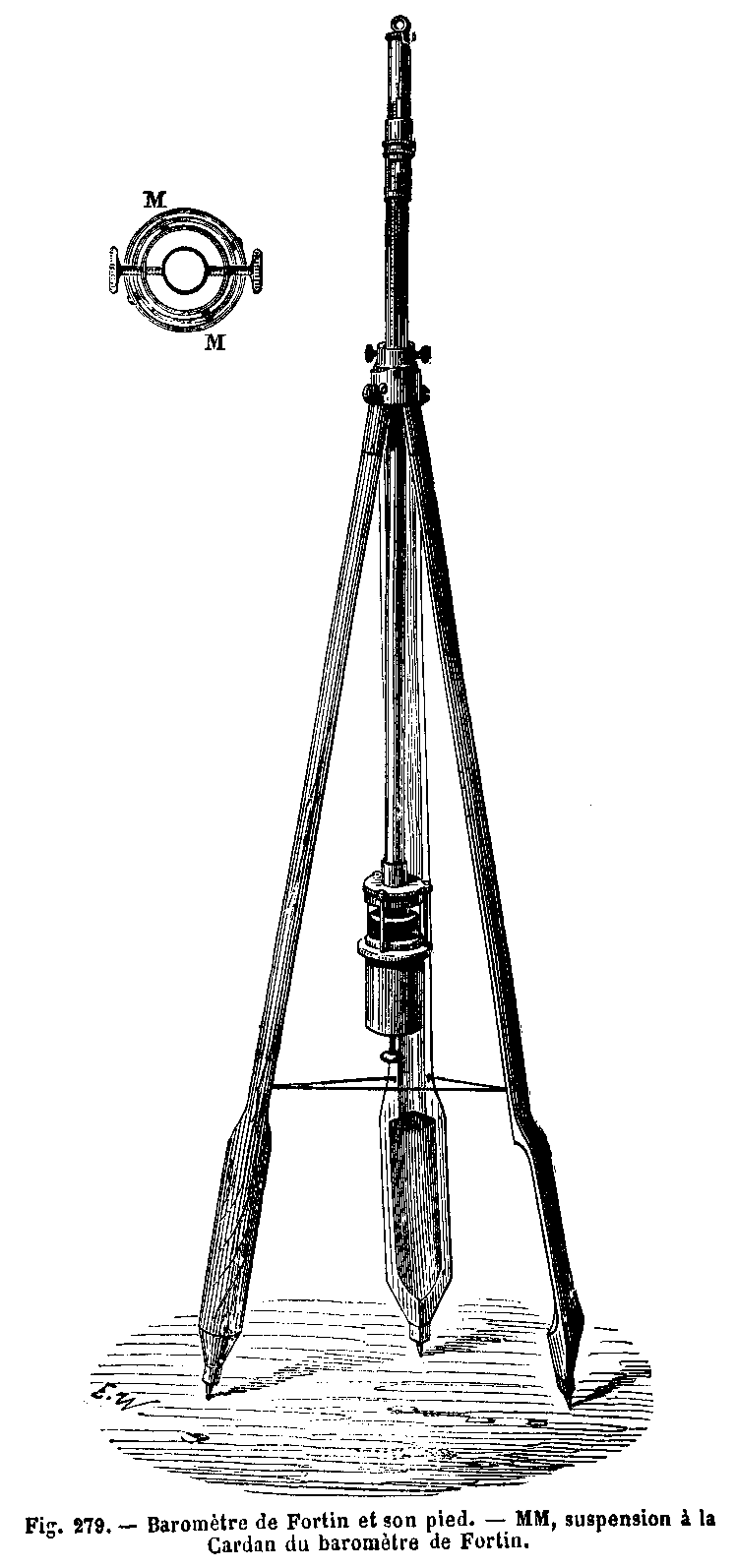
A long tube, sealed at one end, is filled completely with a dense liquid and inverted with the open end beneath the surface of more of the same liquid in a dish.
The liquid in the tube falls a little way and then stops, leaving a column standing well above the level in the dish and a gap at the top.
The question is what holds the column up, and the two available answers make different predictions.
If something is pulling the liquid up from above, the height should not depend on anything outside the apparatus.
If the column is being pushed up by the weight of the air pressing on the surface in the dish, the height should change when that weight changes — which means taking the apparatus up a mountain, where there is less air above, should lower the column.
That test was carried out and the column fell, which settled it.
Like our content? Follow us for more.
Why the Gap Matters
The empty space at the top was the point of the exercise and was argued about extensively.
It contains nothing except a very small quantity of vapour from the liquid itself, which is unavoidable and does not alter the argument.
Demonstrating that such a space could exist and persist removed the foundation of a position that had shaped physical thinking for a very long time.
It also explained a practical problem that had puzzled people: that suction pumps could not lift water beyond a certain height regardless of how well they were made.
That limit is not a defect of the pump. A pump works by removing air above the water so that atmospheric pressure pushes it up, and atmospheric pressure can only push a column of a given height — beyond which no pump can help.
So an engineering frustration and a philosophical argument turned out to be the same fact, which is an unusually clean example of a practical limit revealing a physical principle.
What It Measures
The instrument reports the weight of the air above it, and that varies for two separate reasons.
Altitude is the obvious one. Higher means less air above, so the reading falls predictably with height, which is why the same instrument serves as an altitude gauge.
Weather is the other, and it is the one that made the device a household object. Air pressure at a fixed location varies as weather systems move through, because those systems are regions of higher and lower pressure.
Falling pressure generally indicates an approaching system associated with cloud, wind and precipitation; rising pressure generally indicates the opposite.
The reason it has predictive value is timing. The pressure change arrives before the weather does, which gives a warning period of hours — and for anybody working outdoors, at sea, or dependent on conditions, that was truly valuable.
The rate matters more than the value. A rapid fall indicates a vigorous system arriving soon; a slow drift indicates something less dramatic, and the same absolute reading can mean entirely different things depending on which way it is moving and how fast.
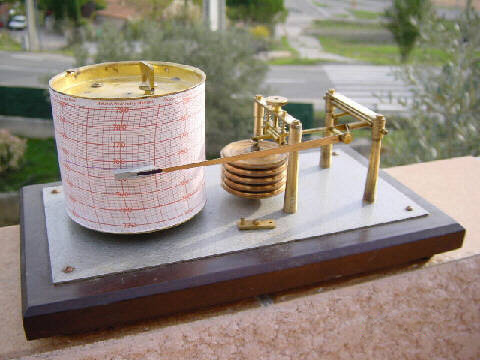
There is a recording variant worth noting. Attaching a pen to the mechanism and moving paper slowly beneath it produces a continuous trace of pressure against time.
That makes the rate of change directly visible as a slope rather than having to be inferred from two readings, which is the whole difficulty the ordinary instrument presents.
The Domestic Version
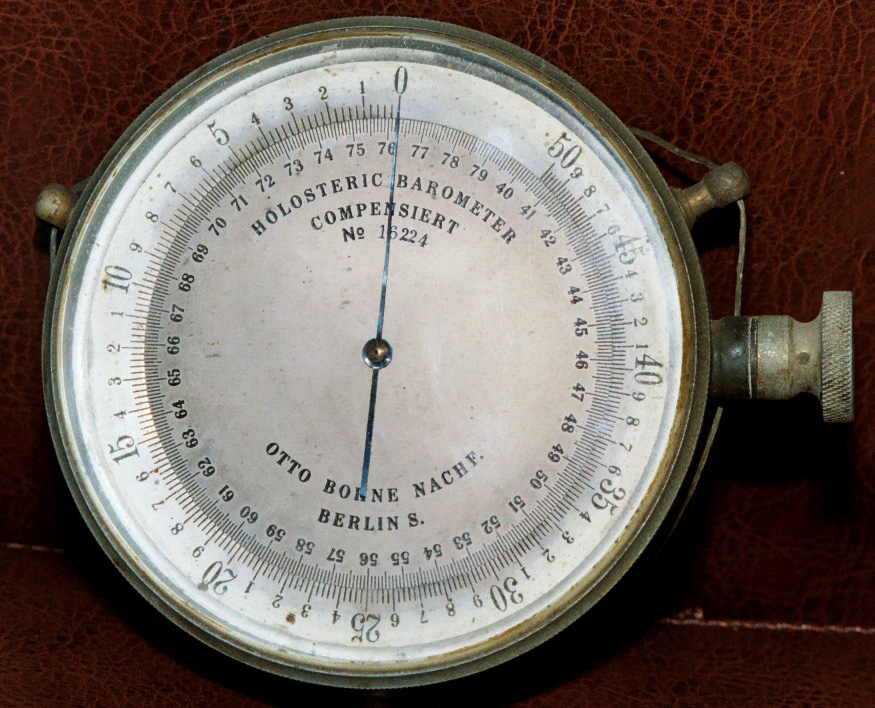
The instrument most people picture works differently and the difference is worth knowing.
A liquid column is accurate, awkward, fragile and involves a substance that is now recognised as hazardous.
The alternative uses a sealed metal chamber with most of the air removed, which flexes as external pressure changes — expanding slightly as pressure falls and compressing as it rises.
That tiny movement is amplified mechanically through levers and a chain to drive a pointer around a dial, which is why such instruments have the appearance they do.
They are robust, portable, contain no liquid and are less accurate, requiring occasional setting against a known reference — which is what the adjusting screw on the back is for.
And the printed words around the dial are the source of a common misunderstanding, addressed next.
Why the Words on the Dial Are Wrong
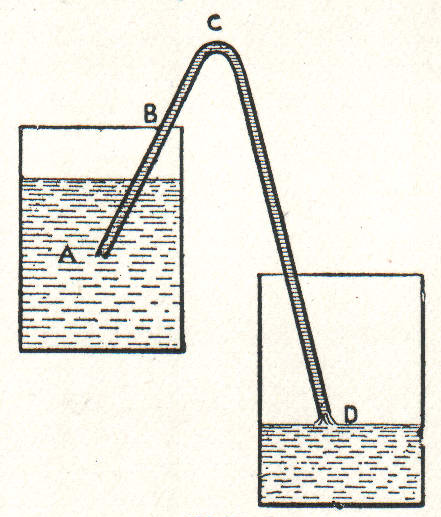
The labels are the most misleading part of the object and the correction is worth making.
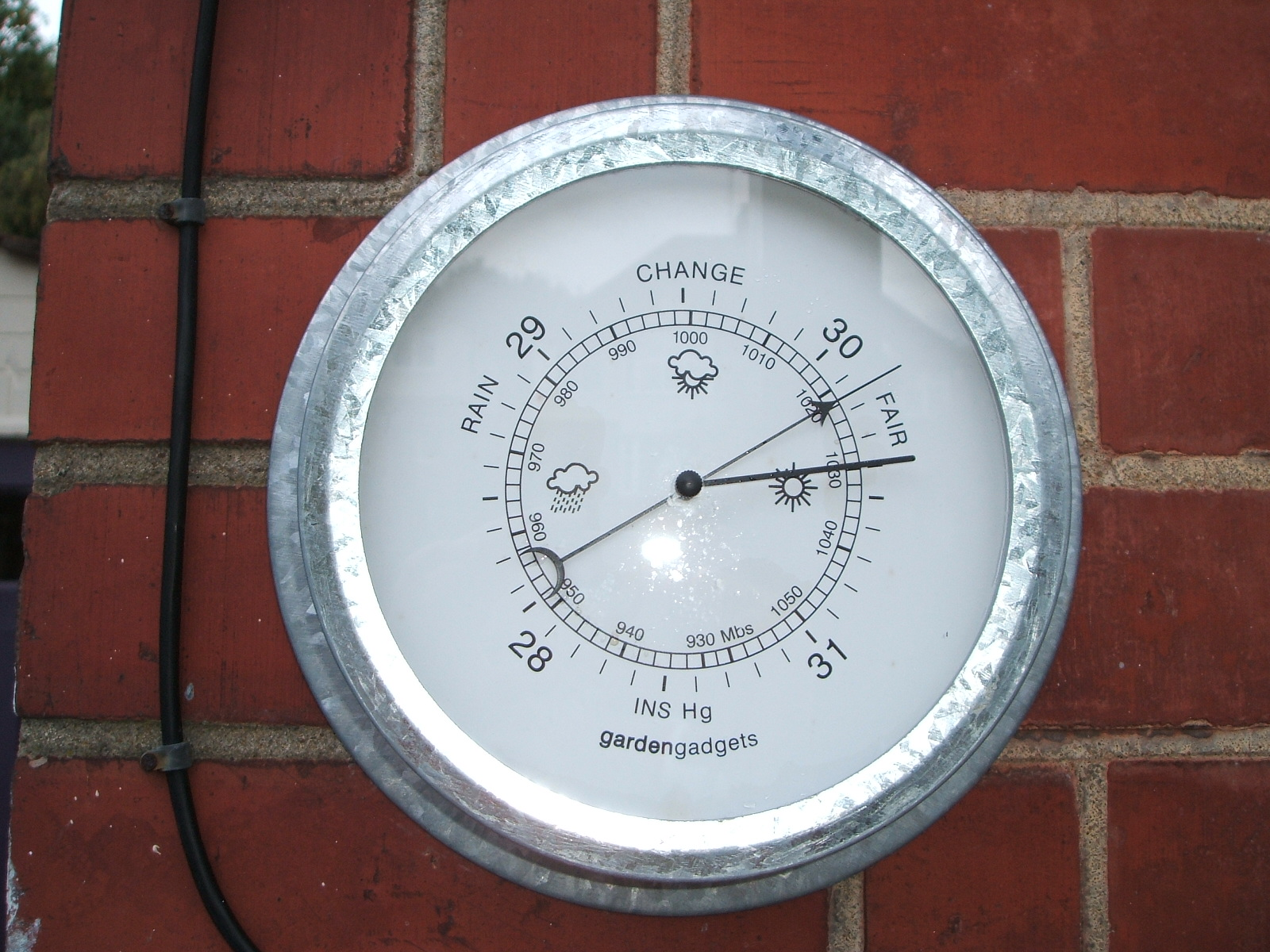
Dials are typically marked with terms suggesting that a given pressure corresponds to a given weather condition, which implies that reading the number tells you what the weather will do.
It does not, for two reasons.
Average pressure varies by location and by season, so a value that is low in one place is ordinary in another, and the printed scale cannot account for that.
More importantly, the useful information is the change rather than the value. A reading holding steady at a low value indicates settled conditions; the same value reached by a rapid fall indicates something quite different.
That is why the standard practice is to tap the instrument and watch which way the needle moves — not because tapping does anything mysterious, but because it frees the mechanism from friction so that the pointer settles at the current reading, which can then be compared with a marker set at the previous one.
The second pointer on the glass is for exactly that. It is set by hand to record where the needle was, so that the direction and rate of change are visible at a glance.
The Other Thing It Made Possible
A consequence beyond weather is worth including because it changed a practical limit.
Once atmospheric pressure was understood as a force available to be used, it became a power source rather than merely a phenomenon.
Creating a partial vacuum on one side of a surface means the air on the other side pushes with a force proportional to the area, and that force can do work.
That is the principle behind the earliest engines, which did not push with steam but condensed it to make a vacuum and let the atmosphere do the pushing.
So the instrument and the engine come from the same insight, arrived at within a few decades of each other, and the instrument came first — the measurement preceded the application, which is the usual order and is frequently reversed in popular accounts.
It also set a limit that engineers had to work within. Atmospheric pressure provides a fixed maximum force per unit area, which means any machine relying on it is constrained by the size of its working surface, and getting more power means making it larger.
That constraint is what eventually drove the move to pressures above atmospheric, which required containment the materials of the period could not yet provide.
Why It Still Has a Use
The persistence of the instrument alongside forecasting is worth accounting for.
A forecast covers an area and a period and is produced from data collected elsewhere; a barometer reports the actual pressure at one point, now, which is local and immediate in a way a forecast is not.
It requires no power, no signal and no subscription, and it continues working when nothing else does.
And it reports a trend directly, which is the information most useful to anybody making a decision in the next few hours about whether to go out, put to sea or bring something in.
That is a narrow capability and a real one, which is why such instruments remain standard equipment in contexts where the next few hours matter and the forecast may not have arrived.
Which is a reasonable end for a device that exists because two people disagreed about whether nothing could exist, built an apparatus to find out, and accidentally produced the first instrument that could tell anybody what the weather was about to do.
Which is a reasonable argument for doing experiments about things that appear to have no use. The question was whether nothing could exist; the answer arrived with a weather instrument and an engine attached, neither of which anybody was looking for.
Like our content? Follow us for more.