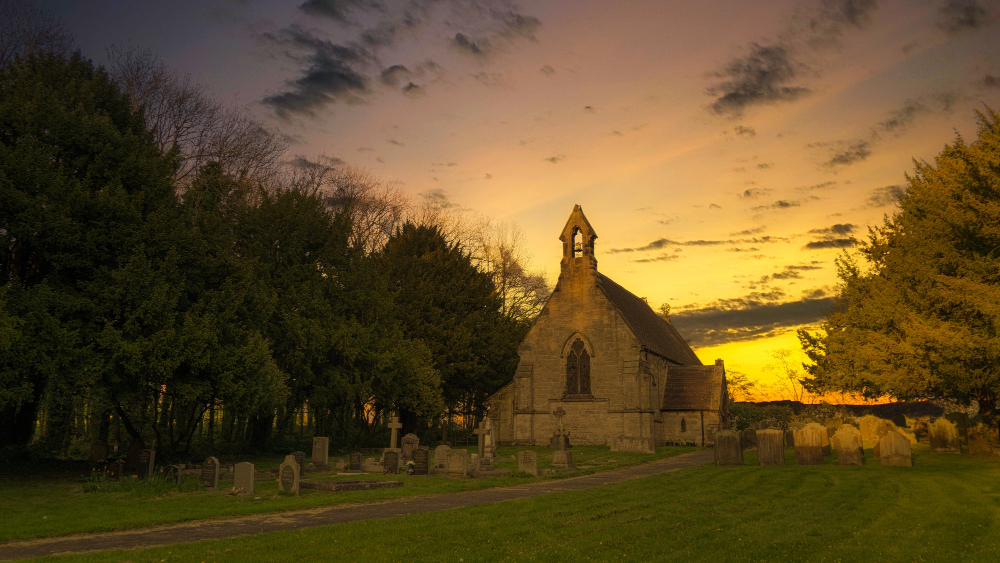
Usually the oldest ground in the village, and it keeps records. Here are seventeen.
1. The Ground Is Higher Than the Street
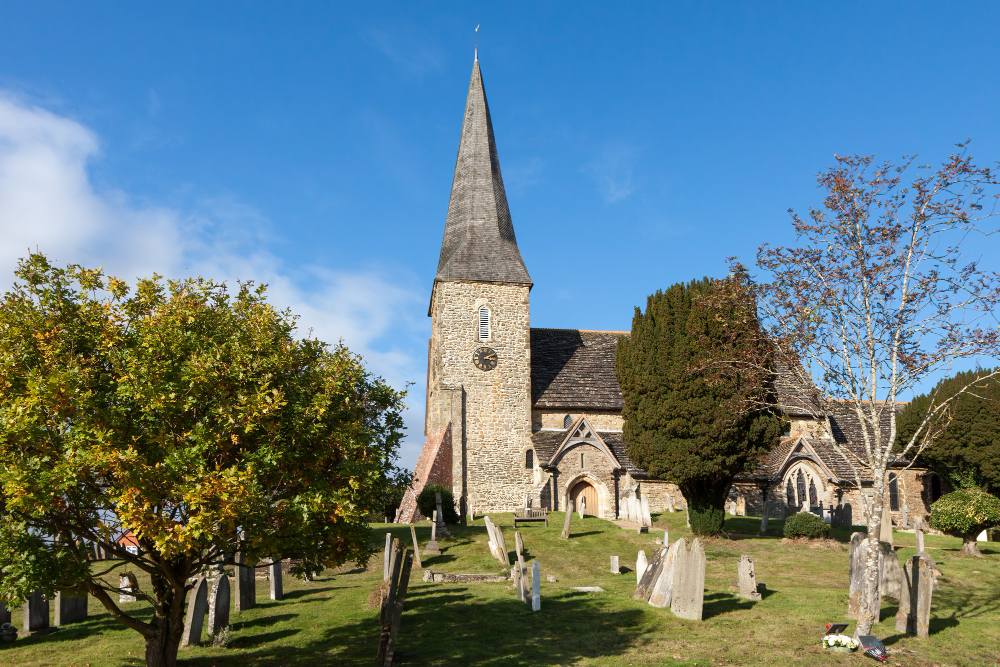
Centuries of burial add material rather than remove it, so an old churchyard often sits noticeably above the pavement outside.
You go down steps to enter the building and up steps to enter the yard, which is the wrong way round unless you know why.
Like our content? Follow us for more.
2. The Church Floor Is Below the Yard
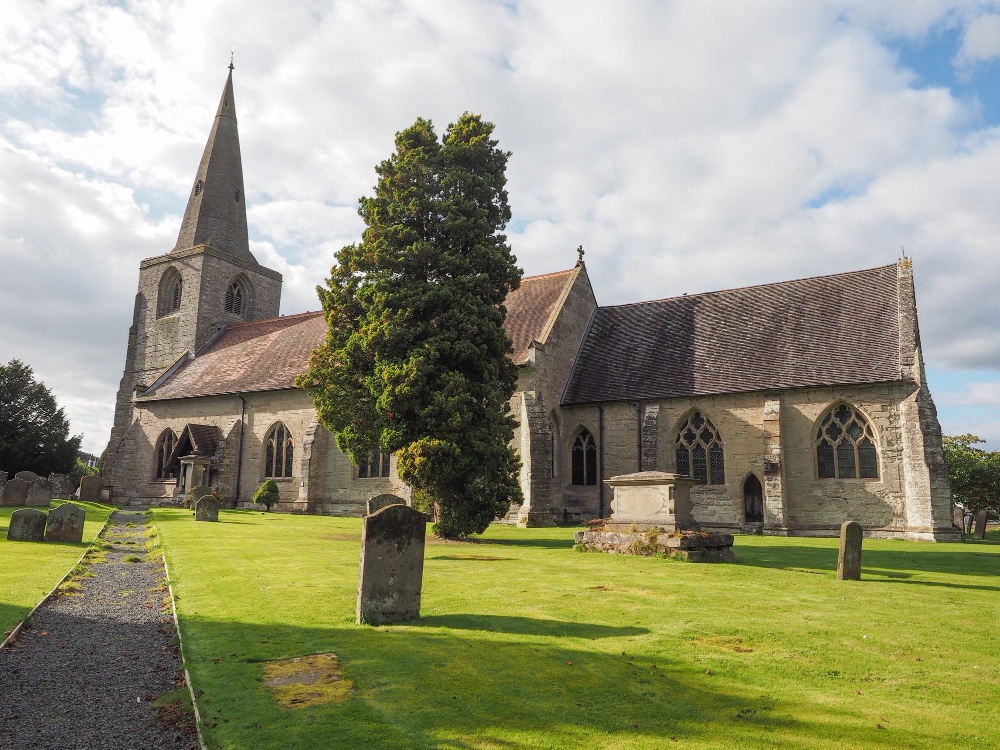
Because the ground rose around it, the building’s floor level frequently ends up lower than the earth outside its walls.
That is a damp problem it was never designed for, and a common cause of trouble in old churches.
3. Almost Everything Faces the Same Way
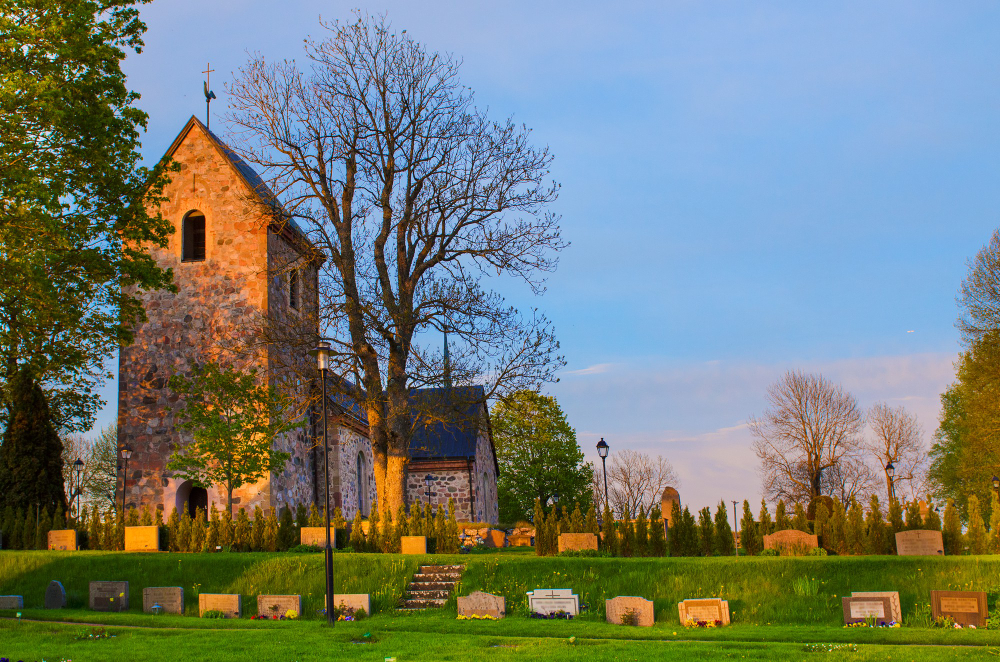
Stones are conventionally aligned so the inscribed face looks westward, with the burial oriented east.
A stone facing the wrong way usually has a specific reason, and is worth looking at twice.
4. The Sunny Side Is the Crowded One
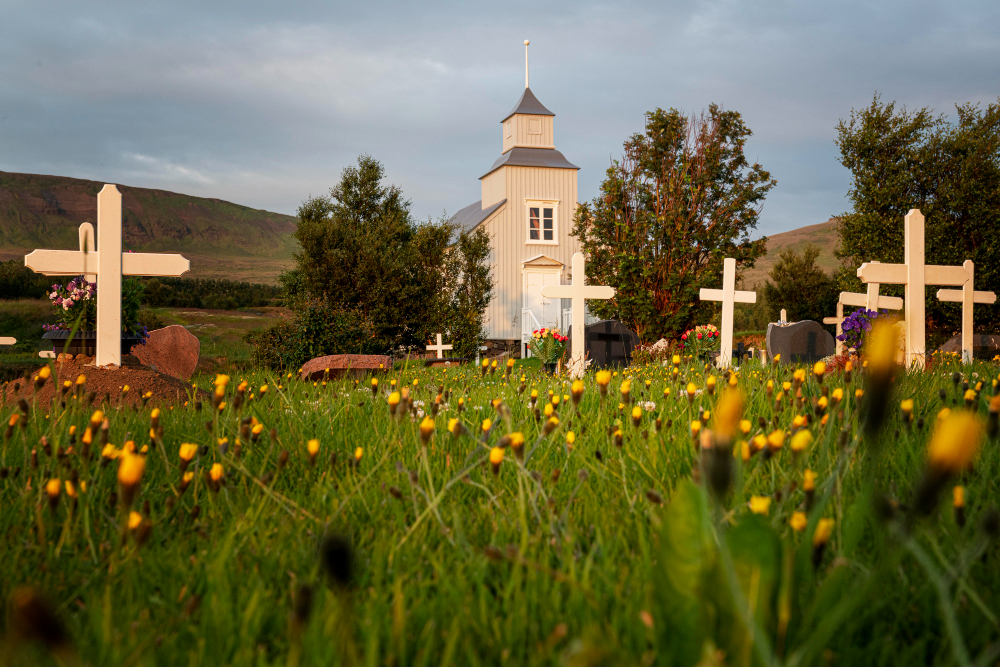
The south side of the building is traditionally the preferred ground and is usually densely occupied.
The north side is often emptier, and was long regarded as the less desirable half.
5. The Oldest Stones Are Nearest the Door
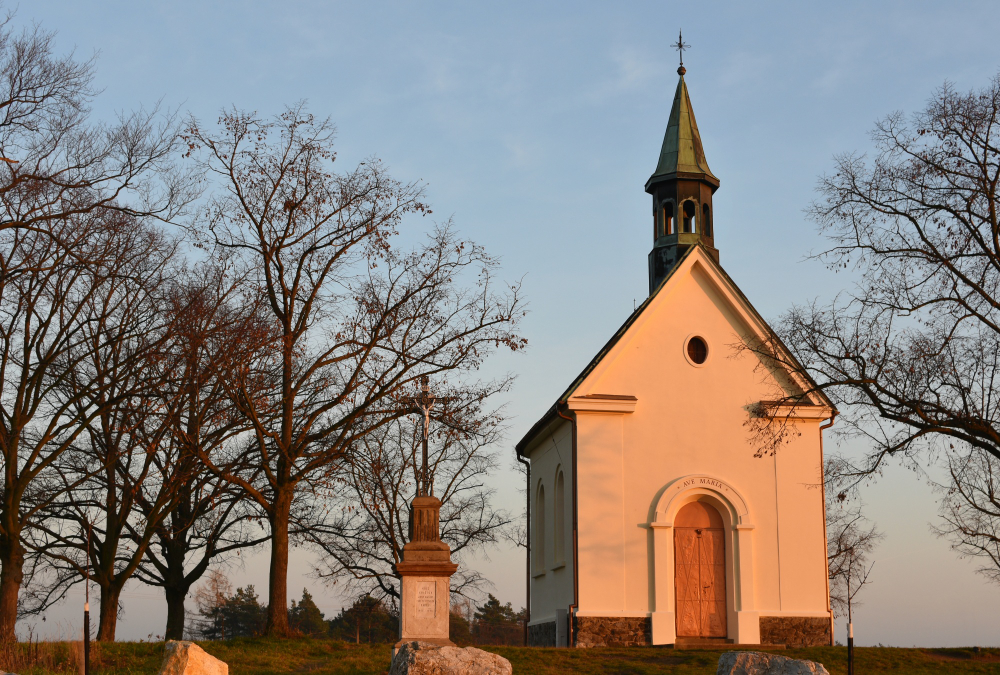
Burial began close to the building and worked outward, so distance from the porch is roughly a measure of date.
An outer boundary crowded with stones means the yard filled up and was extended or closed.
6. Very Old Ground Has Very Few Stones
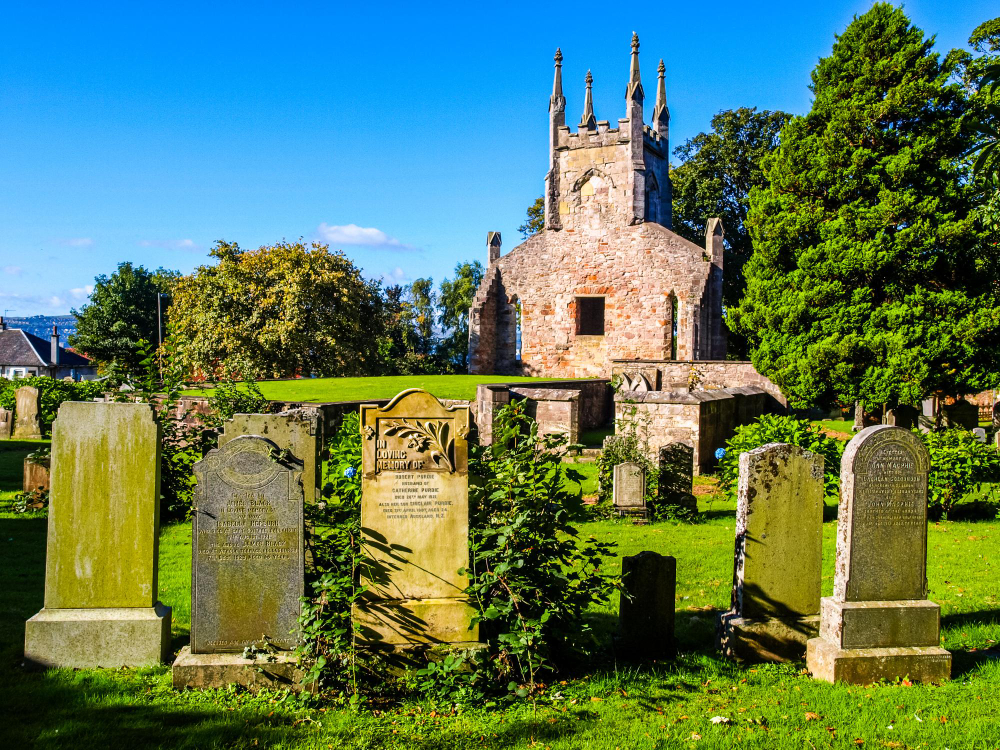
Marked graves were not universal, and for most of the period the majority of burials had no permanent marker at all.
A yard with a handful of old stones is not a yard with a handful of old burials.
7. The Material Tells You the Local Geology
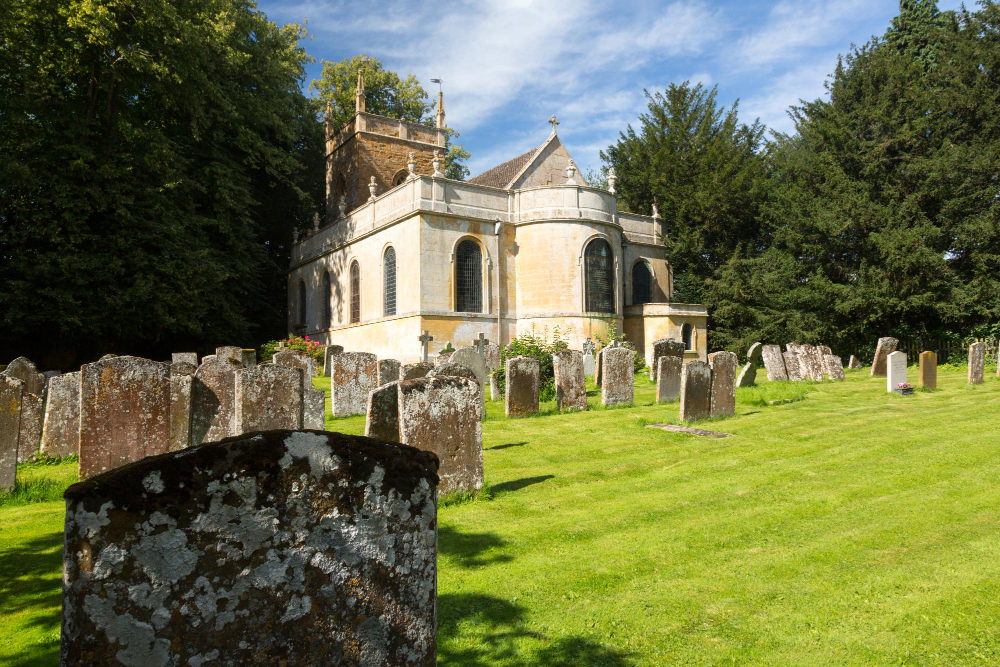
Stones were cut from whatever could be obtained nearby until railways made transport cheap.
A yard where the old stones are one rock and the newer ones are many is dating the arrival of the railway.
8. Slate Stones Are Still Readable and Sandstone Ones Are Not
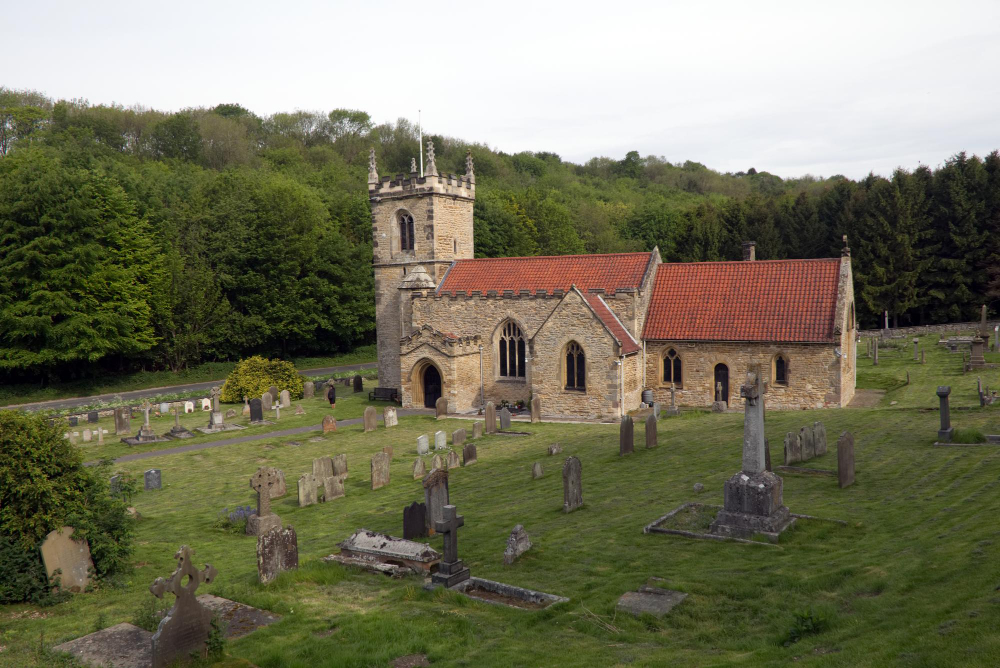
Slate resists weathering and holds fine lettering for centuries; softer stones lose their inscriptions in decades.
Legibility is a property of the rock rather than of the age, which misleads people constantly.
9. Marble Went Grey and Then Grainy
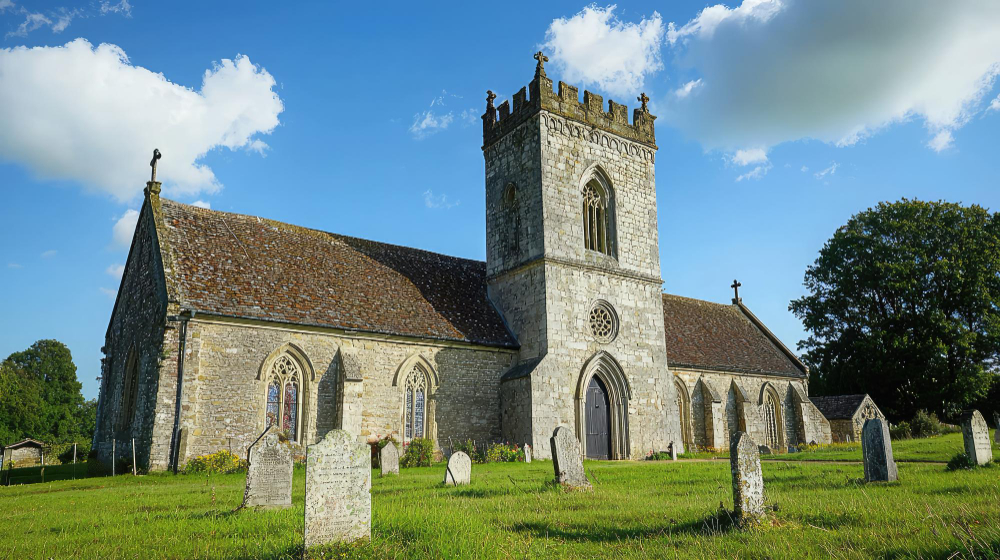
White marble was fashionable for a period and weathers poorly outdoors, dissolving slowly in rain.
A block of illegible grey sugar-textured stone is almost always from that fashion.
10. The Lichens Are a Clue to the Air
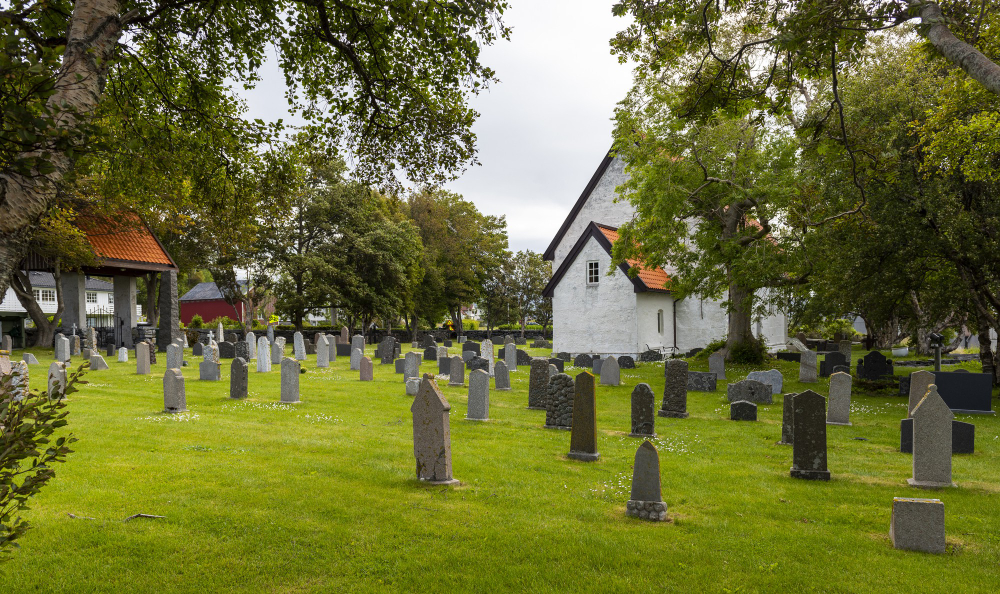
Particular lichens only establish where air quality allows, and they grow extremely slowly on stone.
A stone crusted with them has stood in clean air; a bare one may be newer, or may be downwind of something.
11. A Yew Older Than the Building
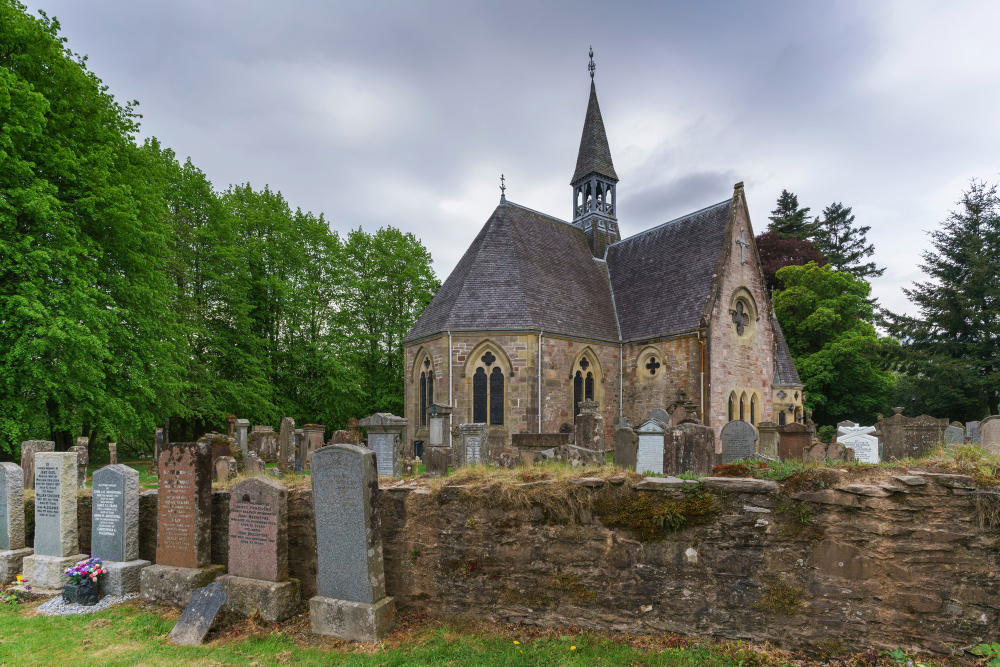
Very large yews in churchyards frequently predate the church, and some considerably predate Christianity in the area.
The site was often chosen because it was already in use, not the other way round.
12. The Boundary Is Usually Round or Oval
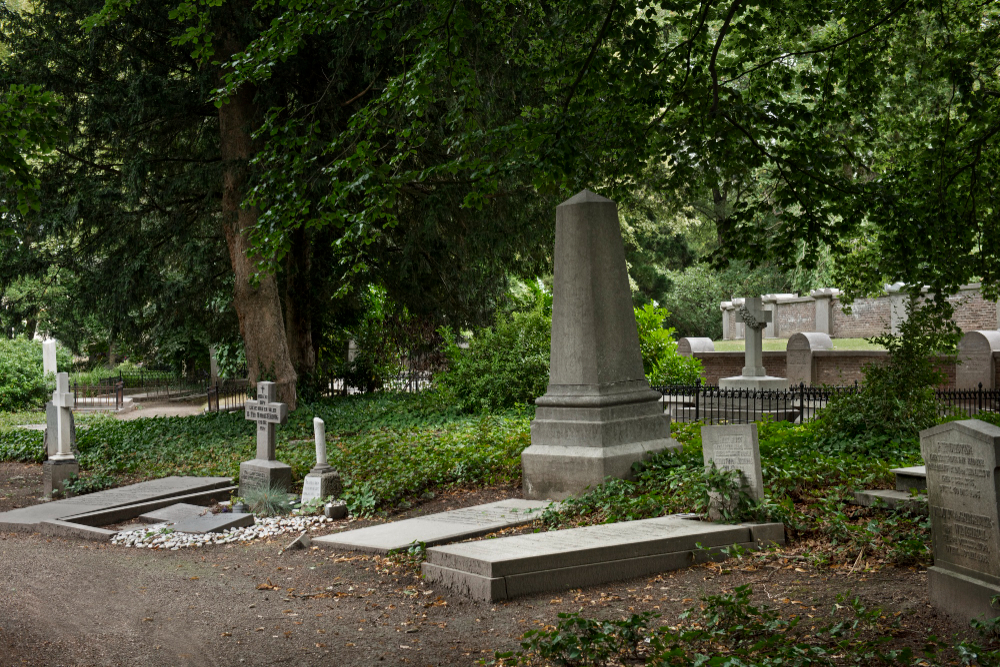
Early enclosures tend to curve, and a rectangular churchyard is generally a later foundation or a later extension.
The shape of the wall can be older than anything inside it.
13. A Row of Identical Stones Is an Event
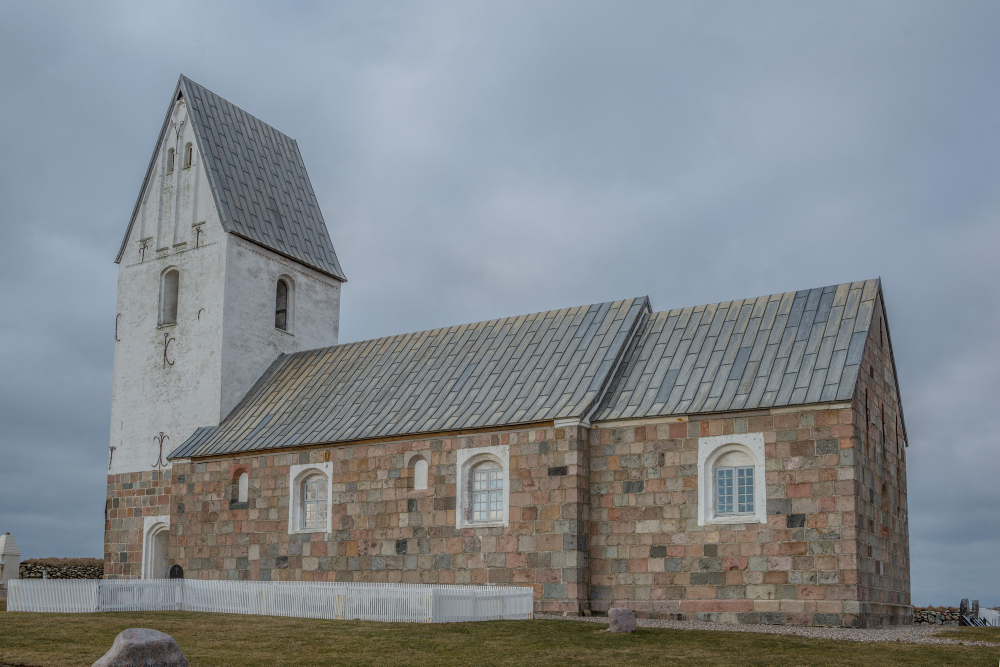
Uniform stones with dates clustered within weeks record an epidemic, an accident or a disaster.
Nothing else in a village produces that pattern.
14. Table Tombs and Railings Mark Money
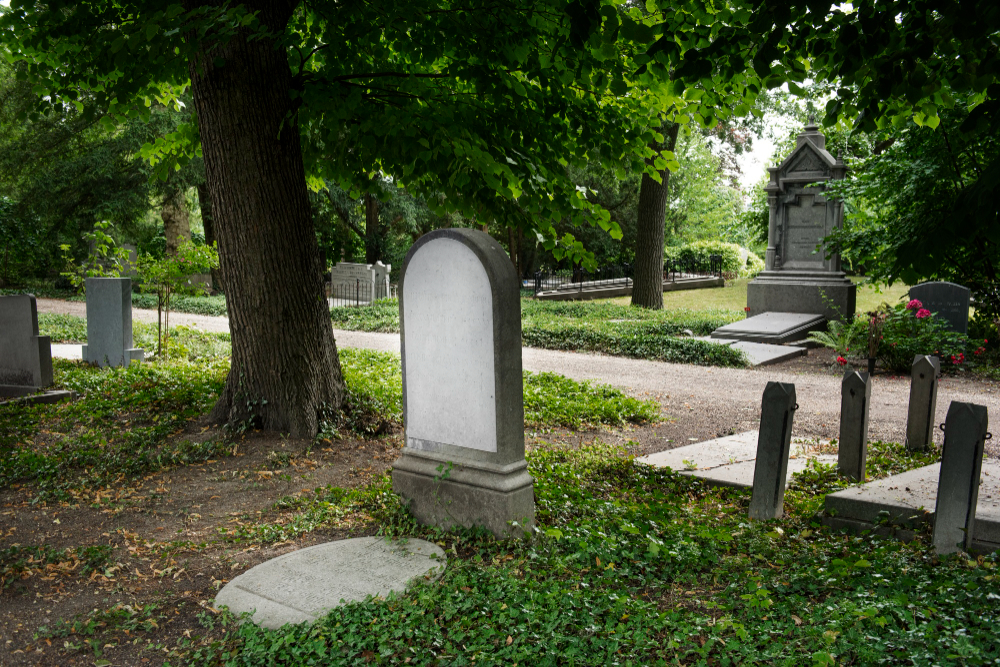
Raised slab tombs, enclosures and iron railings were expensive and cluster where wealth did.
Many railings were removed for wartime metal collection, leaving stubs in the stone.
15. Stones Moved to the Edges Are a Later Tidying
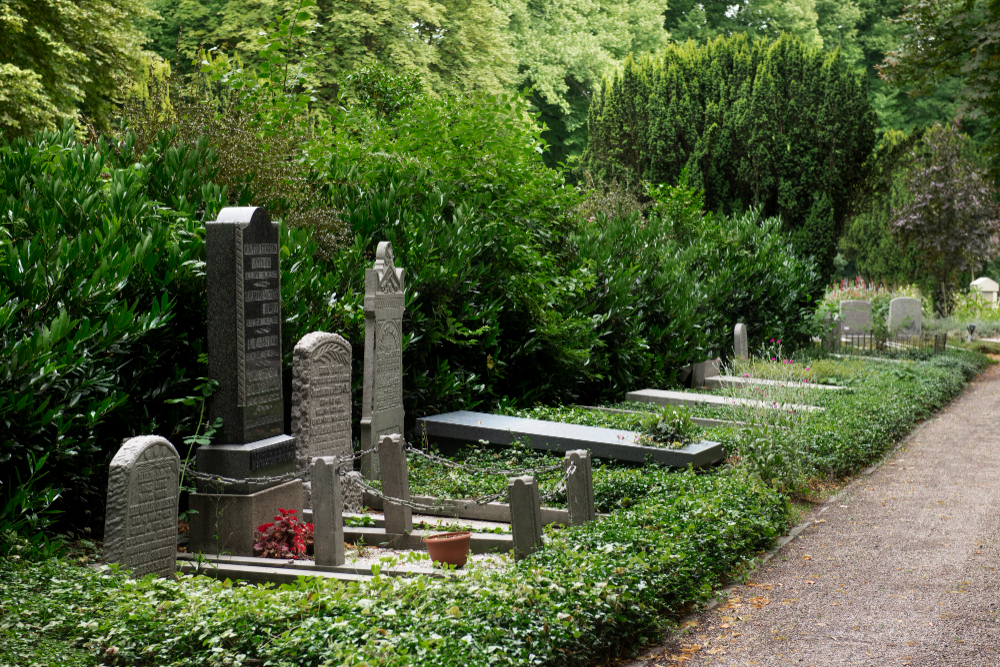
Headstones standing in a neat row along a wall, unrelated to any grave, were relocated to allow mowing.
The burials are still where they were; the markers are not.
16. The Inscriptions Change Character Around the Same Time
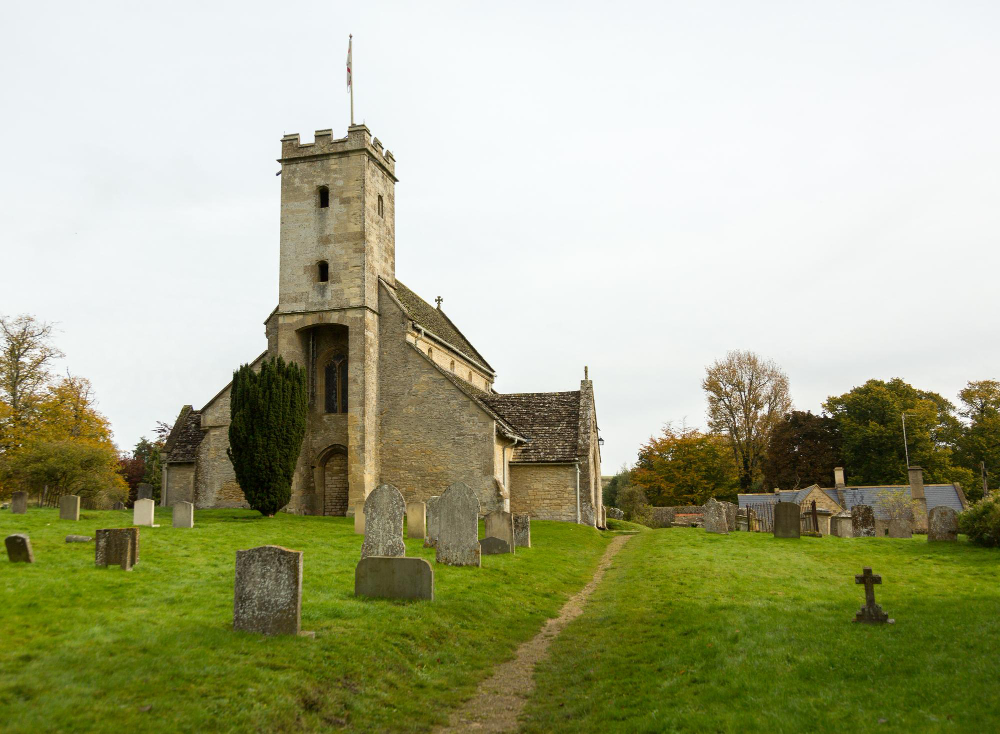
Blunt statements of death and mortality give way over a couple of generations to sentiment and hope of reunion.
The shift is visible across a single yard and is one of the clearest records of changing attitudes it holds.
17. It Is Frequently the Best Wildlife Ground for Miles
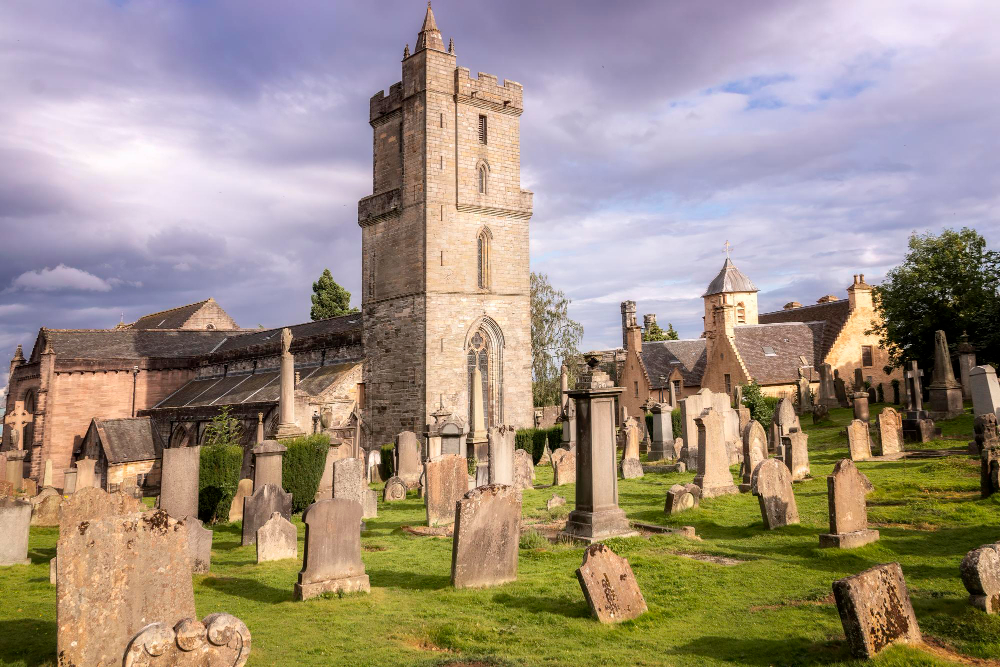
Old grassland that has never been ploughed, fertilised or sprayed, with stone surfaces and undisturbed corners.
In intensively farmed country the churchyard is often the last of the original habitat left.
Ground That Keeps Its Own Records
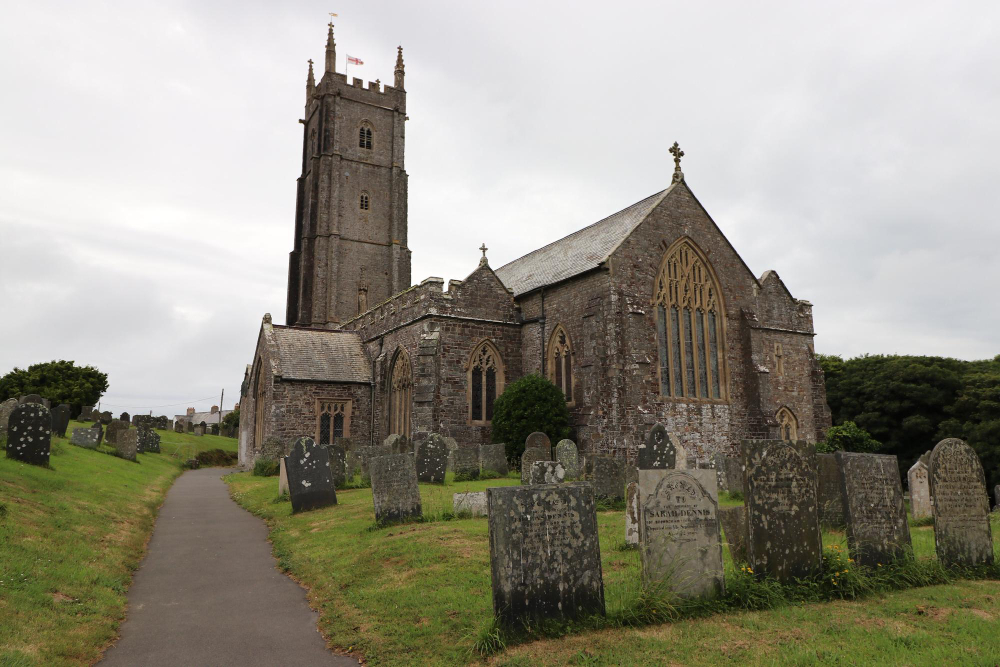
A yard higher than the street, stones facing west, the crowded south side, distance from the door standing in for date, legibility set by geology and a boundary older than the building.
The sixth item is the one that corrects the most common misreading. For most of the period covered by an old churchyard, the great majority of people buried in it had no permanent marker at all – so a yard with a dozen old stones is not a yard with a dozen old graves, it is a yard where a dozen families could afford stone.
Like our content? Follow us for more.