Heavy, loud and operated by exactly one person. Here are twelve.
1. The Weight of It
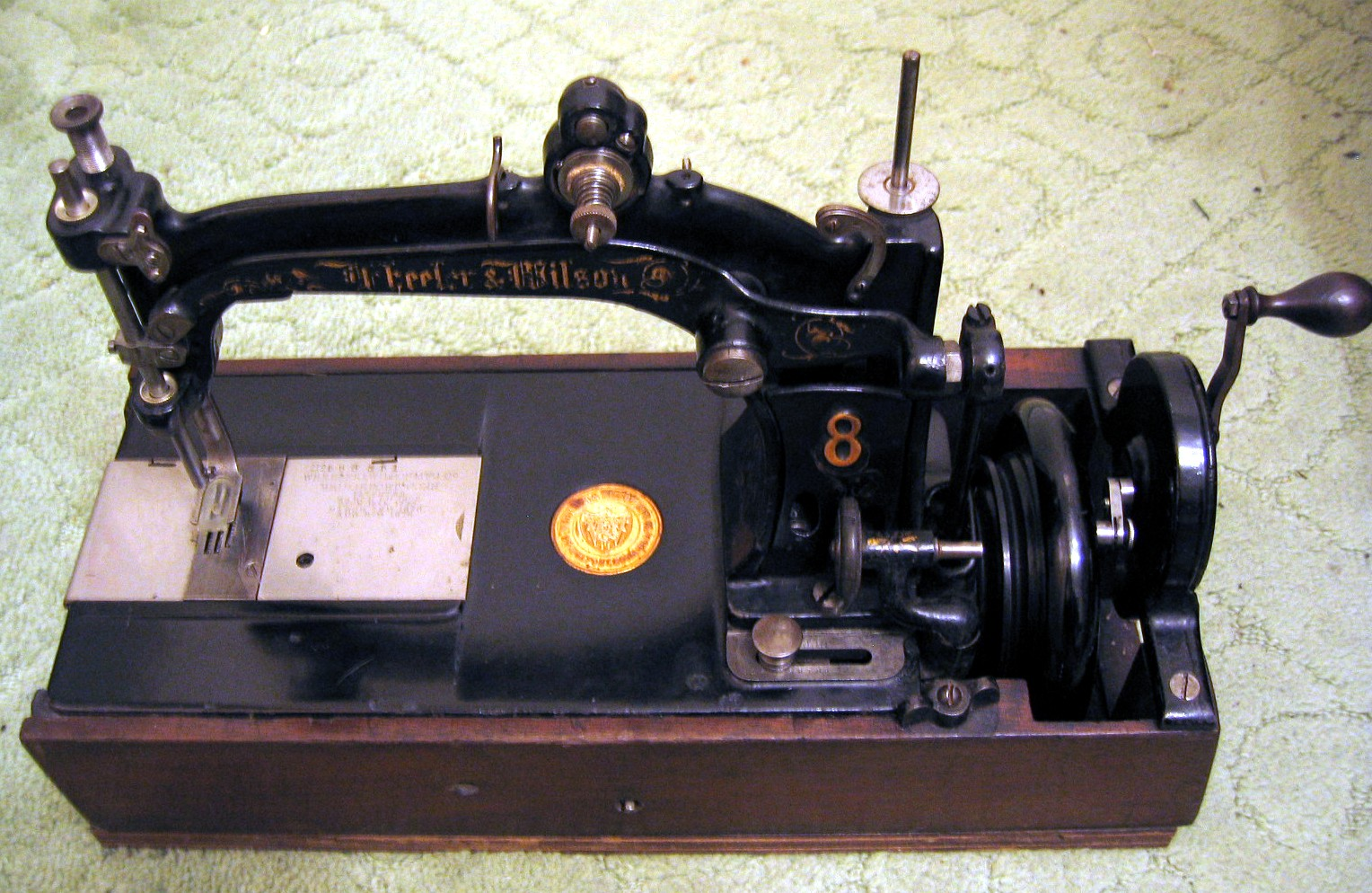
Cast iron and steel in a case with a handle, carried with both hands and a change of grip halfway.
Moving it out and setting it up was itself a decision about whether the job was worth doing.
Like our content? Follow us for more.
2. The Sound
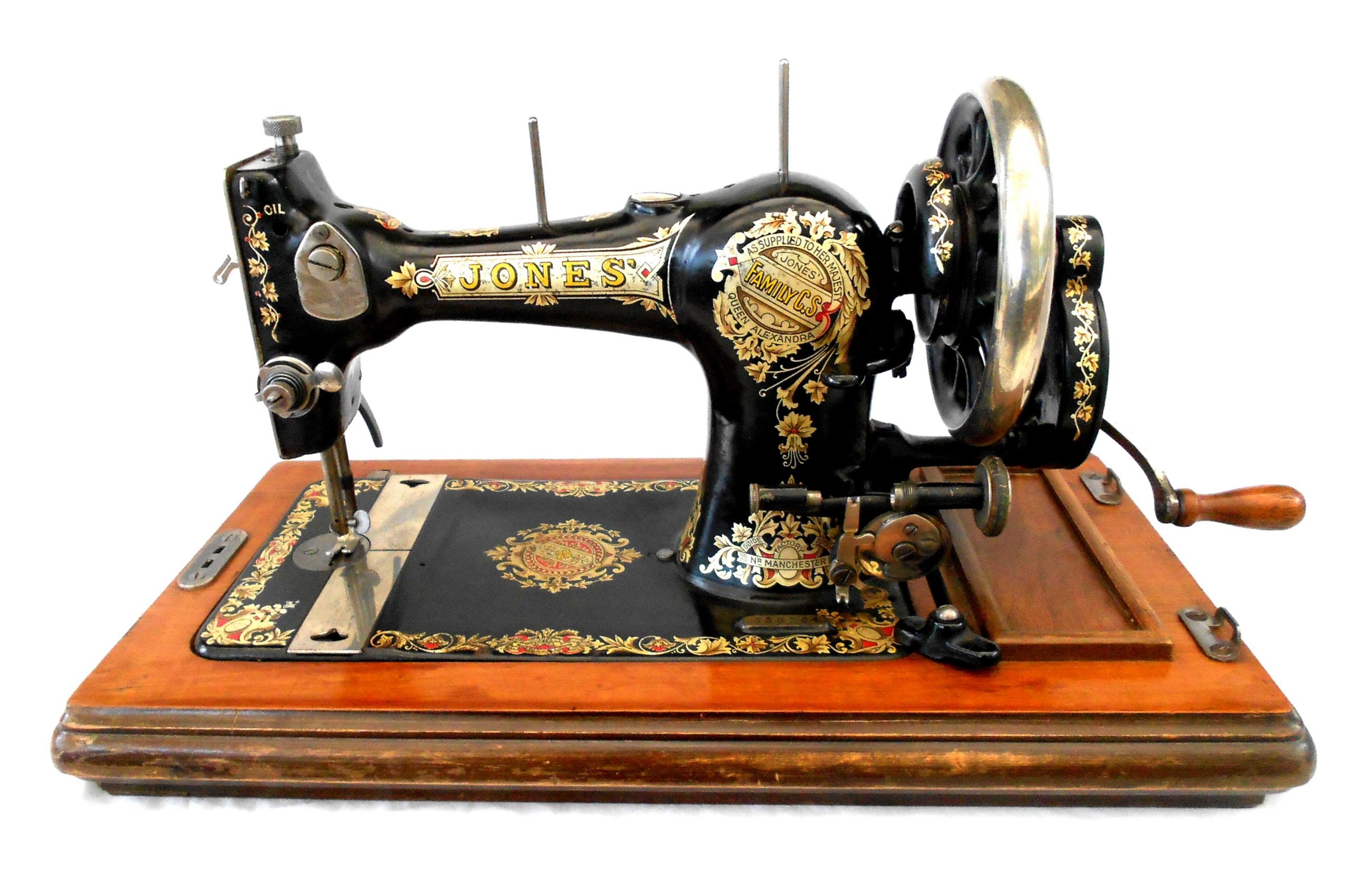
A rapid mechanical stutter, rising and falling, audible through the floor from anywhere in the house.
You could tell from another room whether it was going well.
3. The Treadle or the Knee Lever
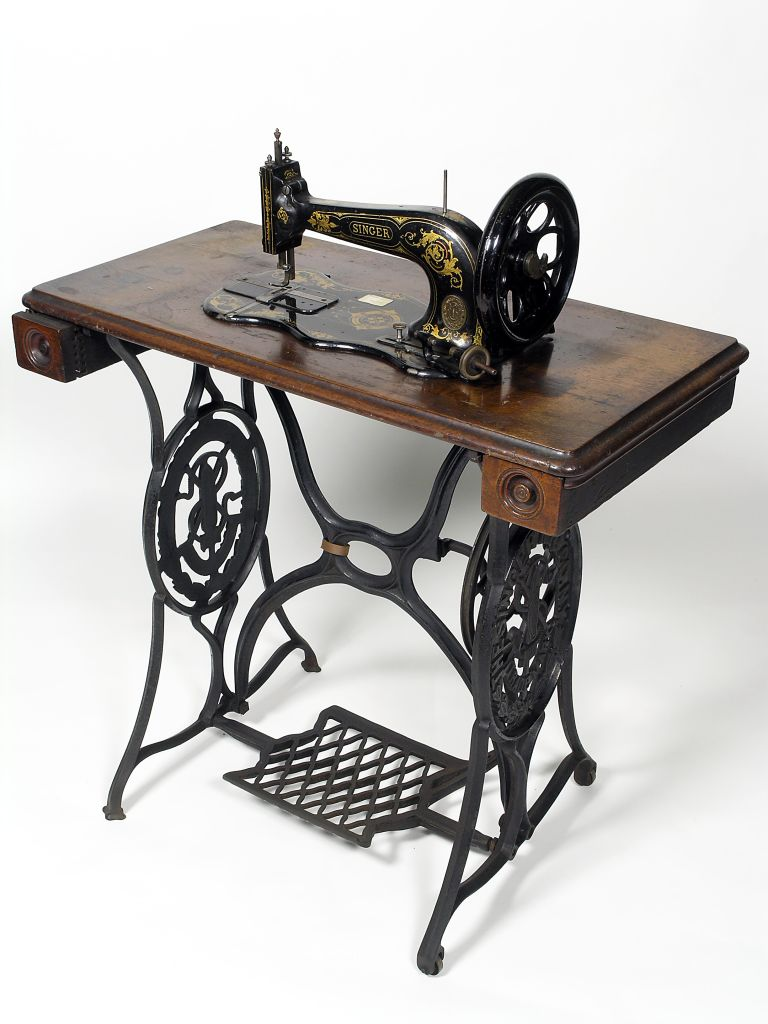
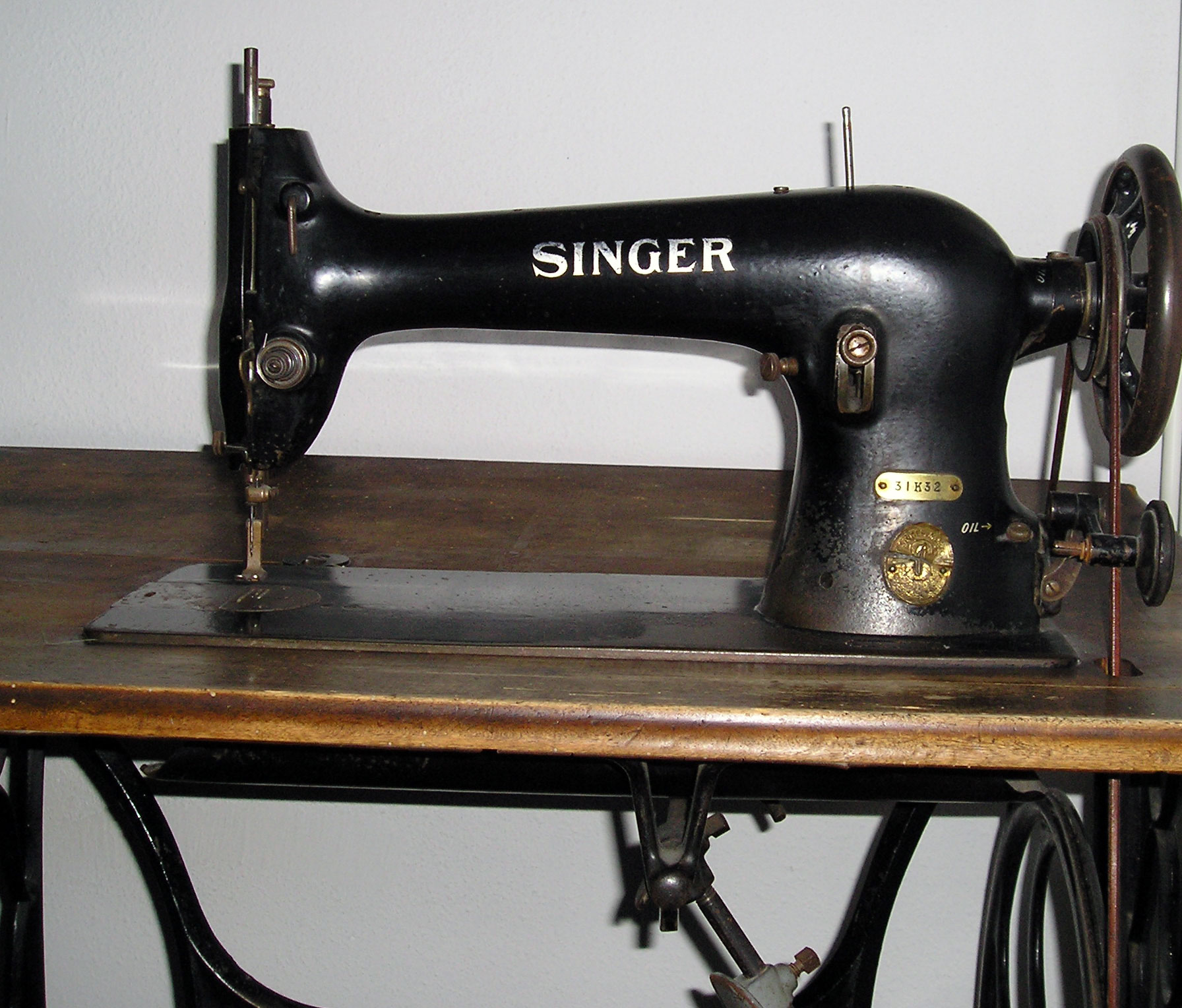
Older ones were driven by a foot plate and a big wheel; later ones by a pedal on a cable, and some by a lever against the knee.
Controlling the speed was a skill and it was visibly harder than it looked.
4. The Little Drawer or Compartment
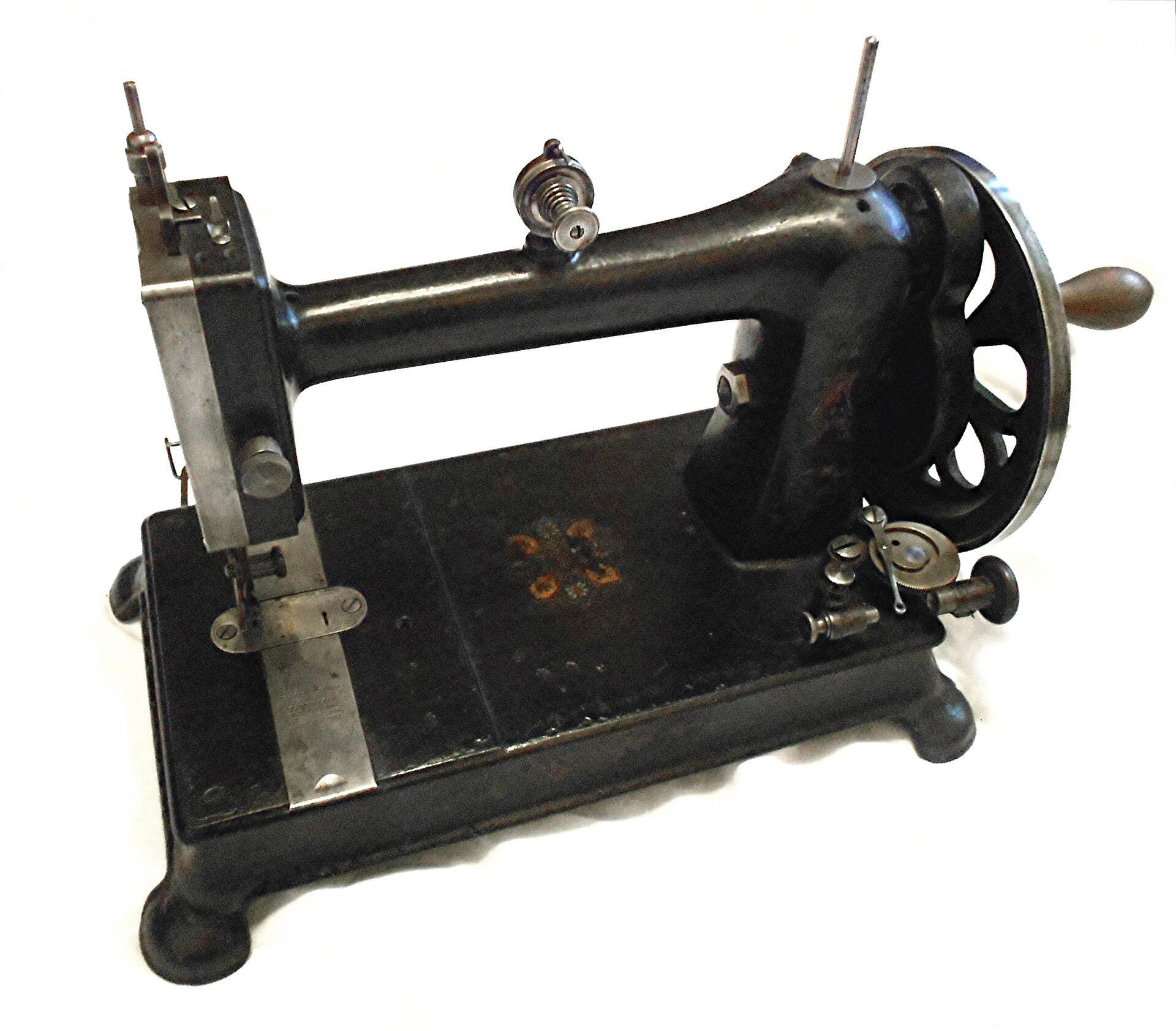
Built into the base or the case, holding bobbins, needles, a small screwdriver and several presser feet nobody could name.
Everything in it was metal and everything in it was original to the machine.
5. Threading It Being a Ritual
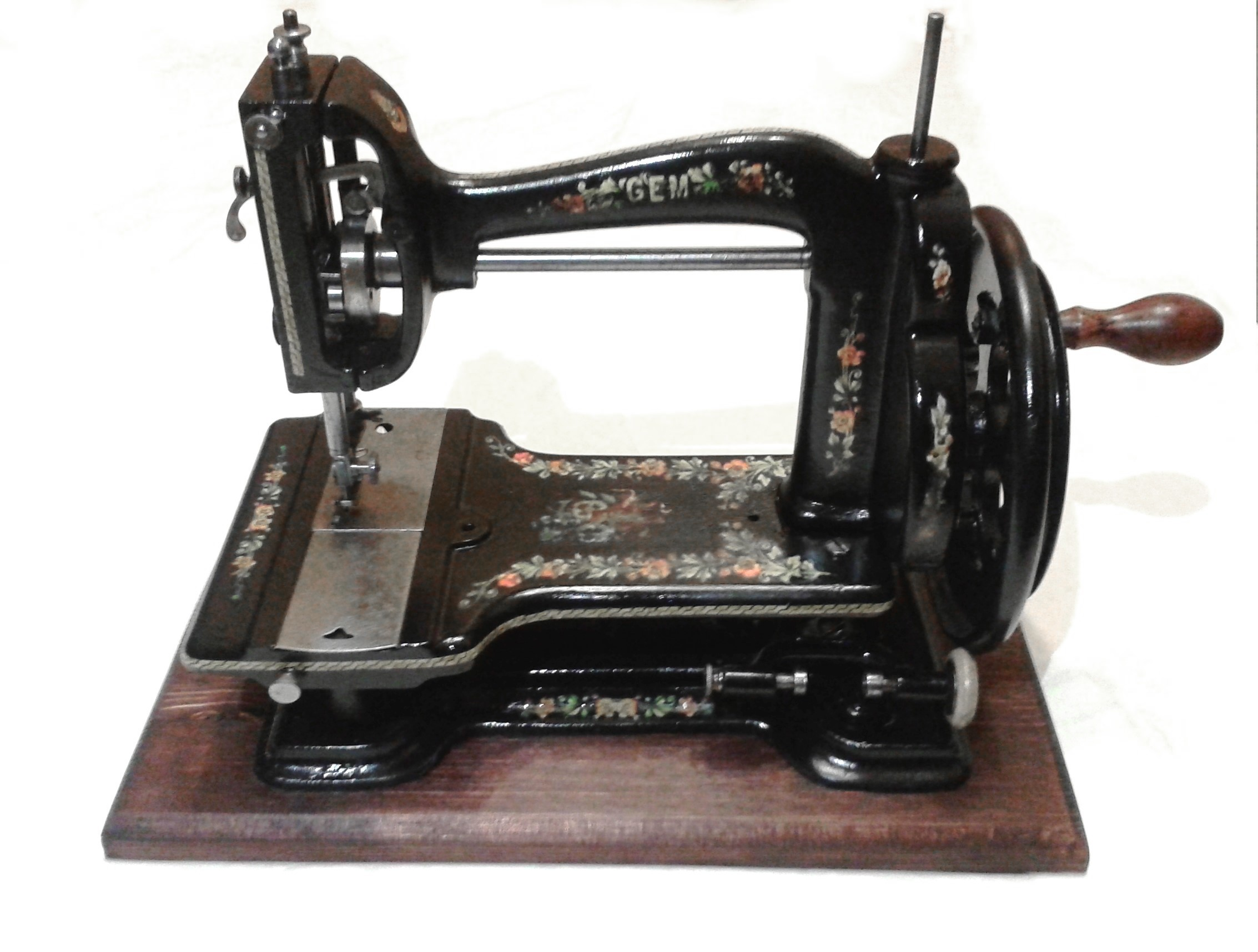
A specific path through hooks, a tension disc, a guide and finally the needle, in an order that had to be right.
Getting it wrong produced a noise and a bird’s nest of thread underneath.
6. The Bobbin
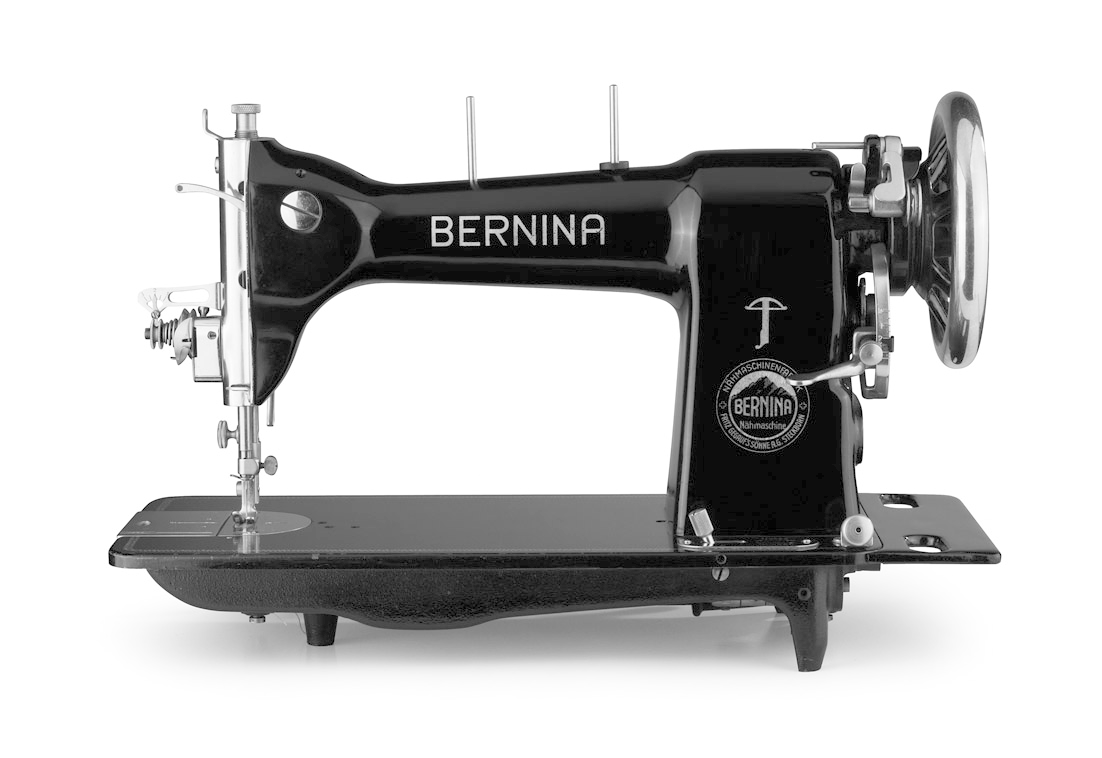
A small spool wound separately, dropped into a case, inserted into a slot under the plate, and forever running out mid-seam.
There was always a jar or tin of them, wound with colours from projects long finished.
7. Being Allowed to Turn the Wheel by Hand
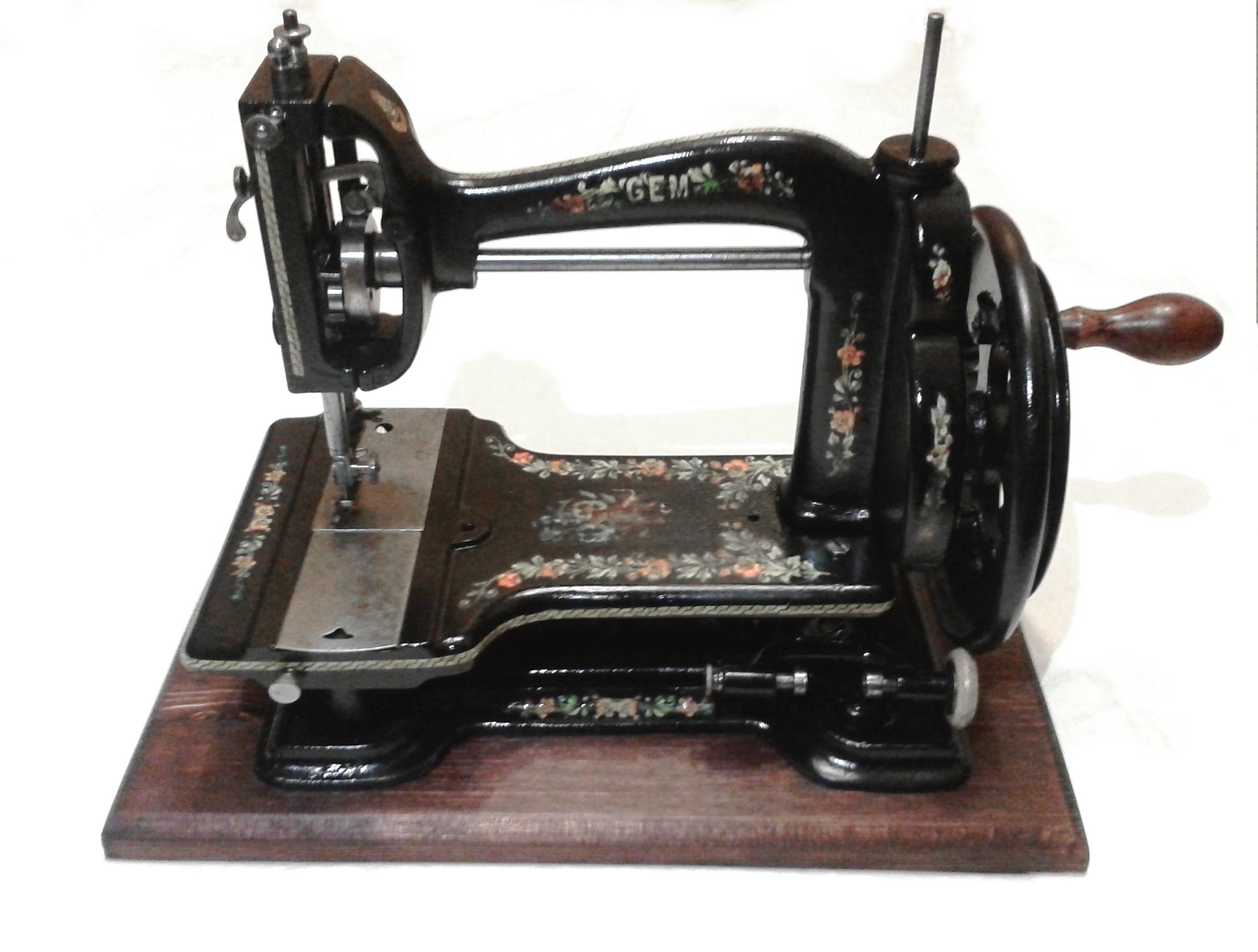
The concession offered to a child: one slow rotation, by hand, with the fabric held by somebody else.
You were not allowed near the pedal and this was never open to discussion.
8. The Finger Story
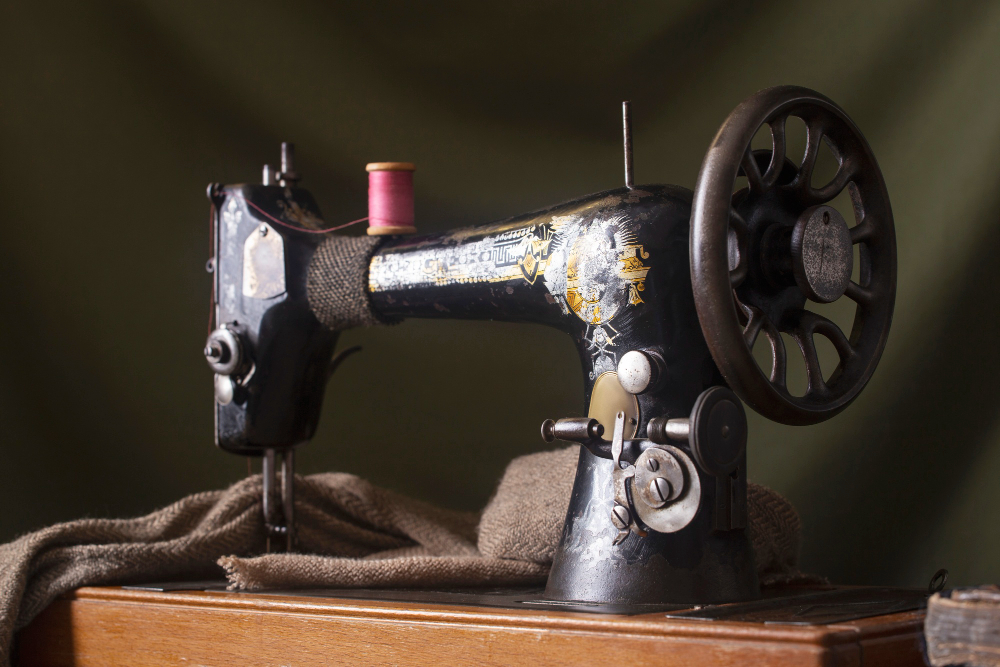
Every household had one, told with some relish, about somebody putting a needle through a fingertip.
It was recounted precisely at the moment you were being told to be careful.
9. Uniform Alterations Every September
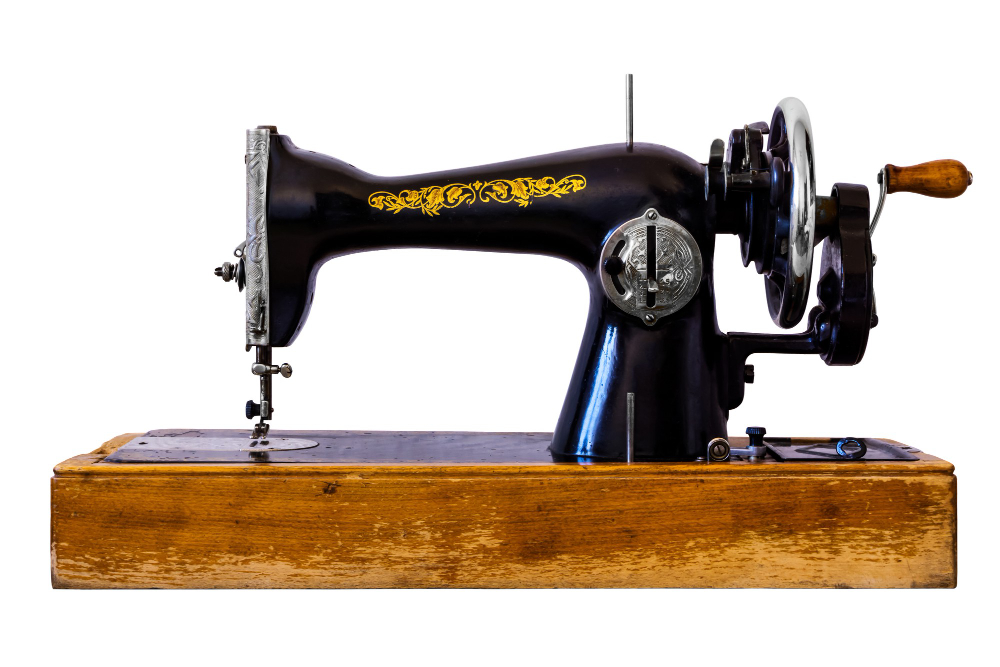
Hems taken up, sleeves shortened and name tapes attached, all of it done in one evening in front of the television.
It was let down again the following year and the old line never quite came out.
10. Curtains Being the Big Job
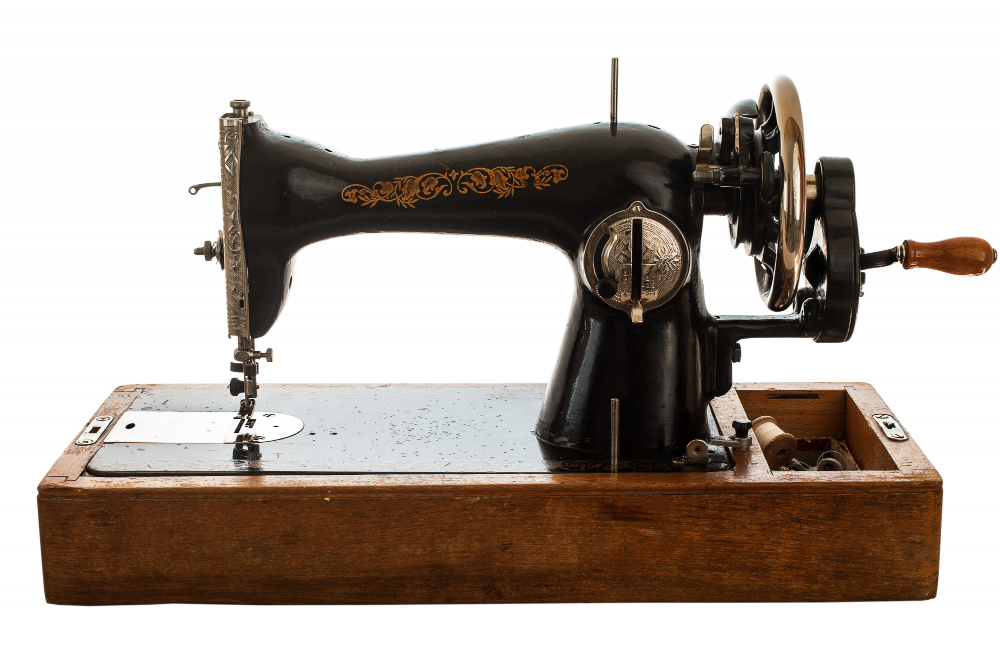
Metres of fabric fed through, far more than the machine’s throat was built for, with the weight of it on the floor.
It took over the entire room and produced something that lasted twenty years.
11. It Being Somebody’s Machine, Specifically
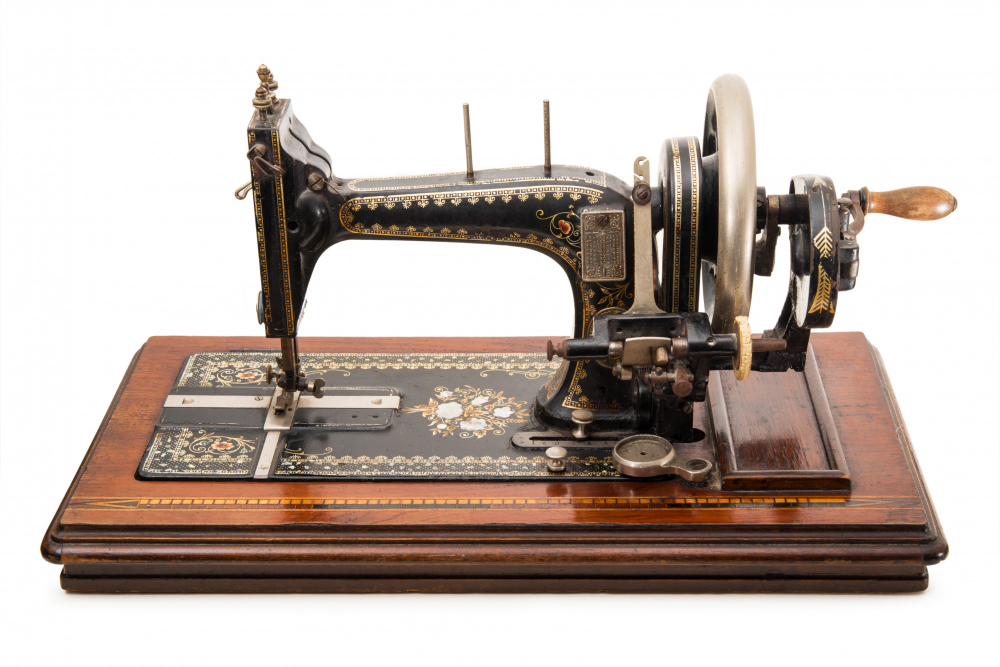
One person in the house used it, maintained it, oiled it and had strong views about who else touched it.
They had learned on it from somebody who had learned on the same one.
12. It Still Being in the Family
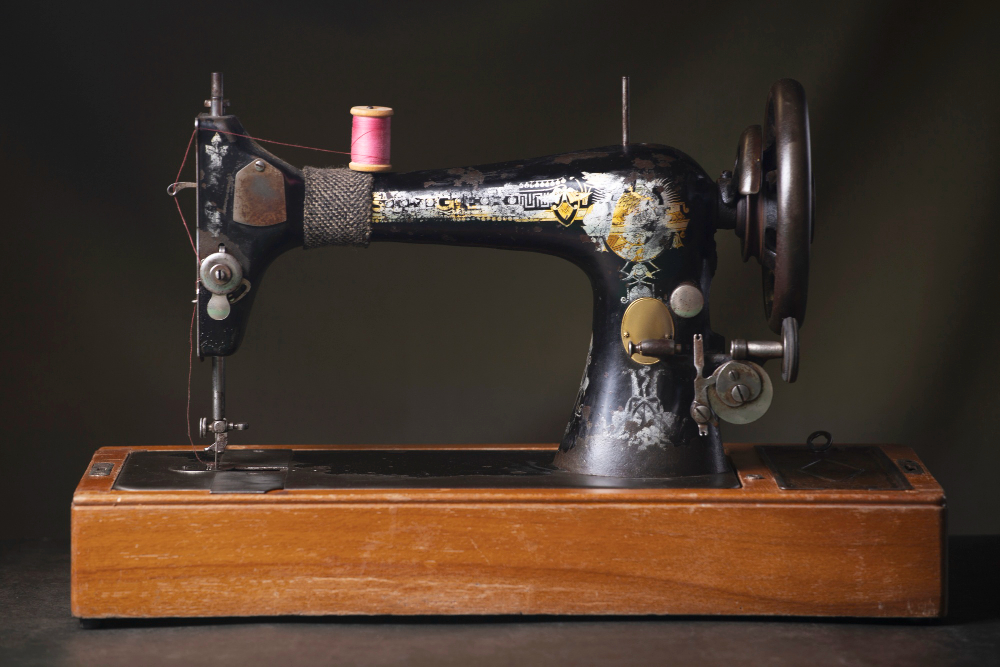
Long after it stopped being used it was kept, then inherited, and now sits somewhere as an object rather than a tool.
A surprising number of them still work, which is not true of anything bought since.
Cast Iron, One Operator and a Jar of Bobbins
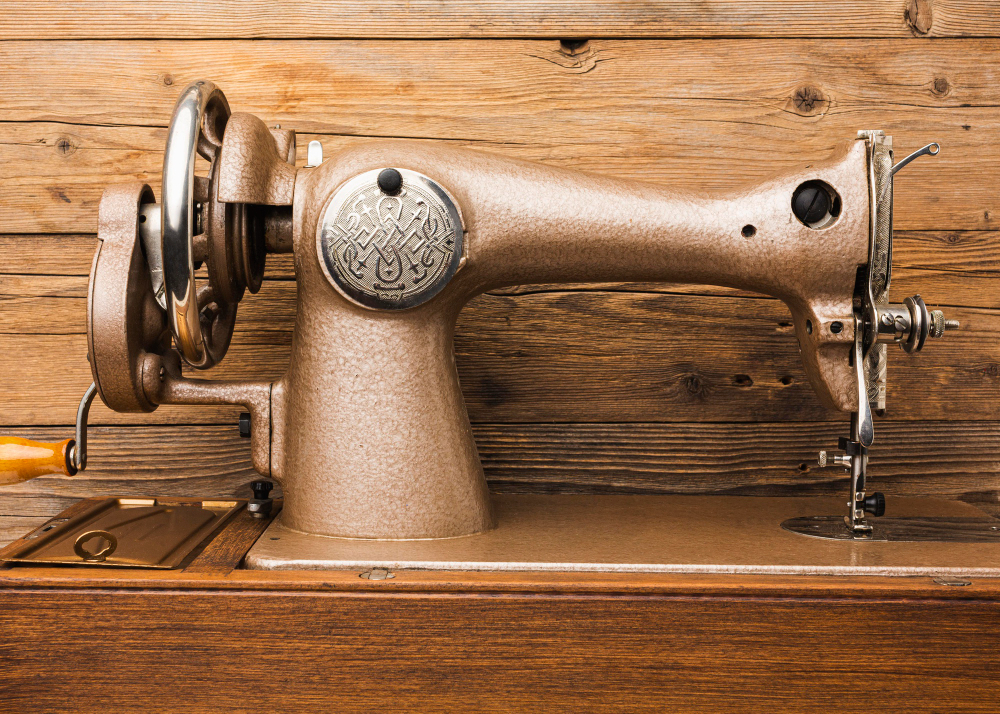
A weight that made setting up a decision, a sound you could hear through the floor, a threading order that had to be right, bobbins wound in colours from finished projects and one person who considered it theirs.
The eleventh item is the one that explains the rest. A domestic sewing machine was not household equipment, it was one person’s instrument, maintained by them and inherited from somebody who had used the same one – which is why the rules about who could touch it were so much firmer than the rules about anything else in the house.
Like our content? Follow us for more.