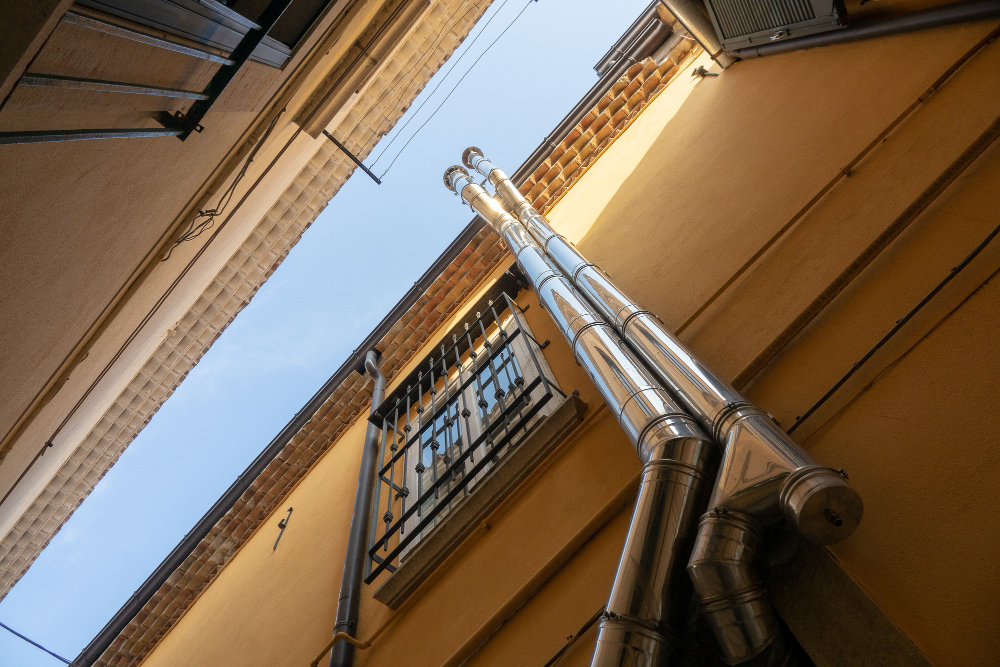
The cheapest components on the building, protecting the most expensive ones. Here are eleven.
1. They Stop the Roof Edge Being Fed Into the Wall
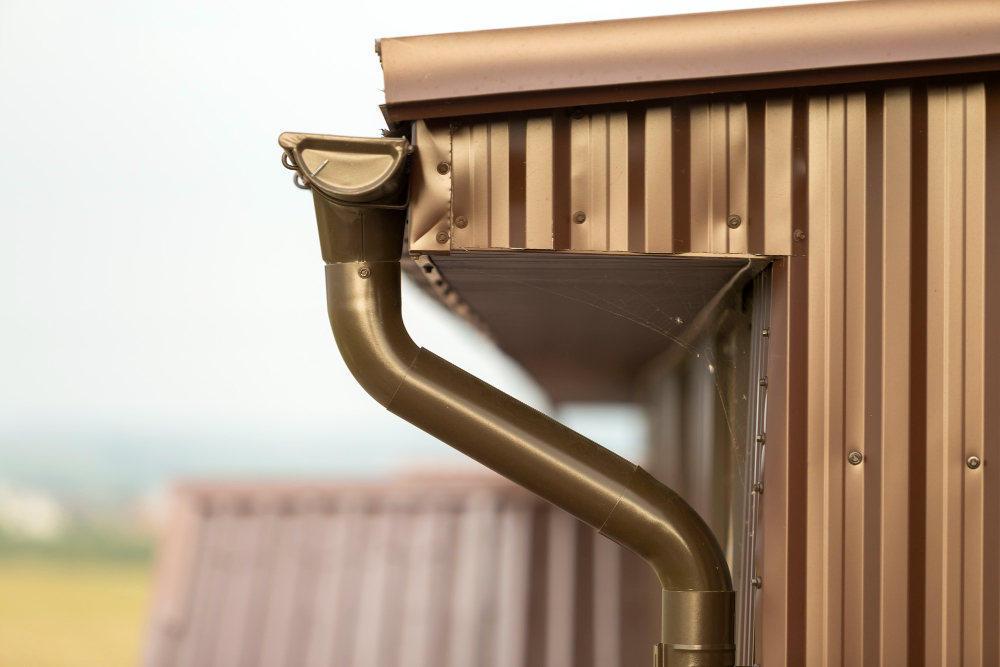
A roof with no gutter delivers a concentrated sheet of water off its lowest edge straight down the face of the wall below.
A wall repeatedly soaked at the same place is the origin of most damp in older buildings.
Like our content? Follow us for more.
2. They Keep Water Away From the Base of the Wall
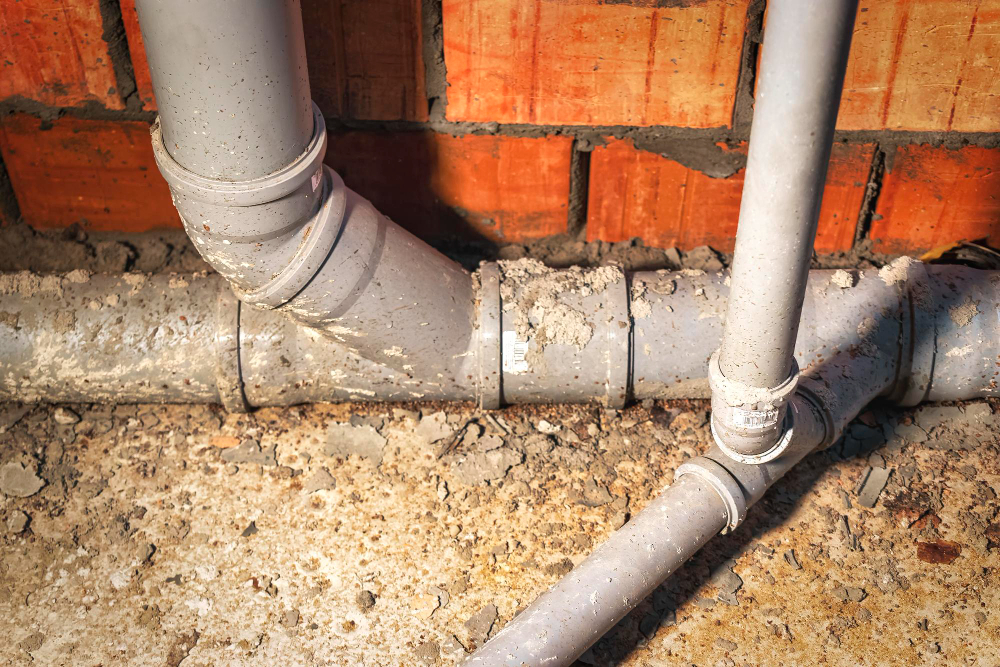
Without a downpipe, everything the roof collects ends up in the ground immediately beside the foundation.
Saturated ground against a wall base drives moisture upward through the masonry.
3. They Protect the Mortar Rather Than the Brick
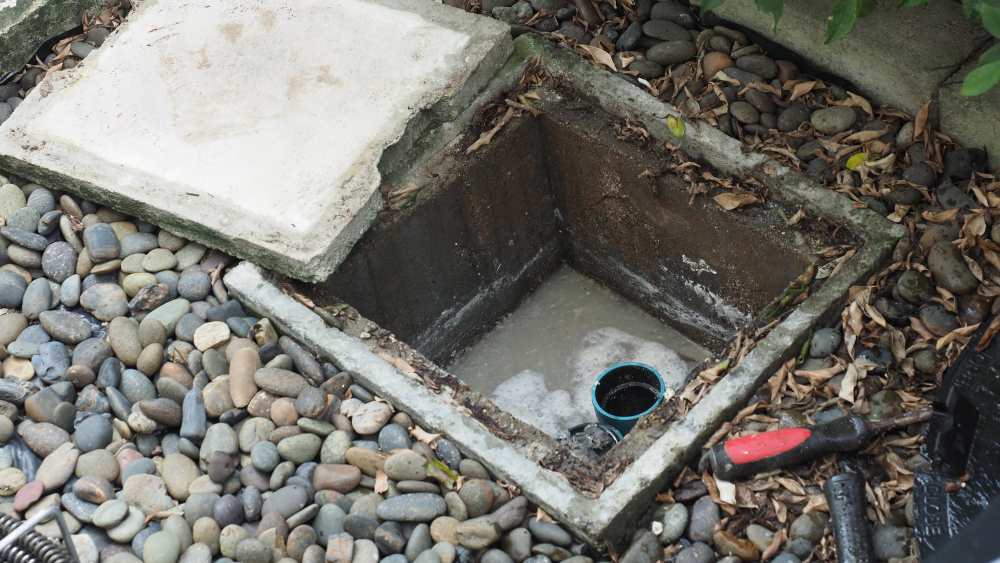
Bricks and stone mostly cope with wetting; the mortar between them does not, and it erodes first.
Water running down one line of a wall for years leaves a visible channel of recessed joints.
4. They Prevent the Freeze-Thaw Cycle That Splits Masonry
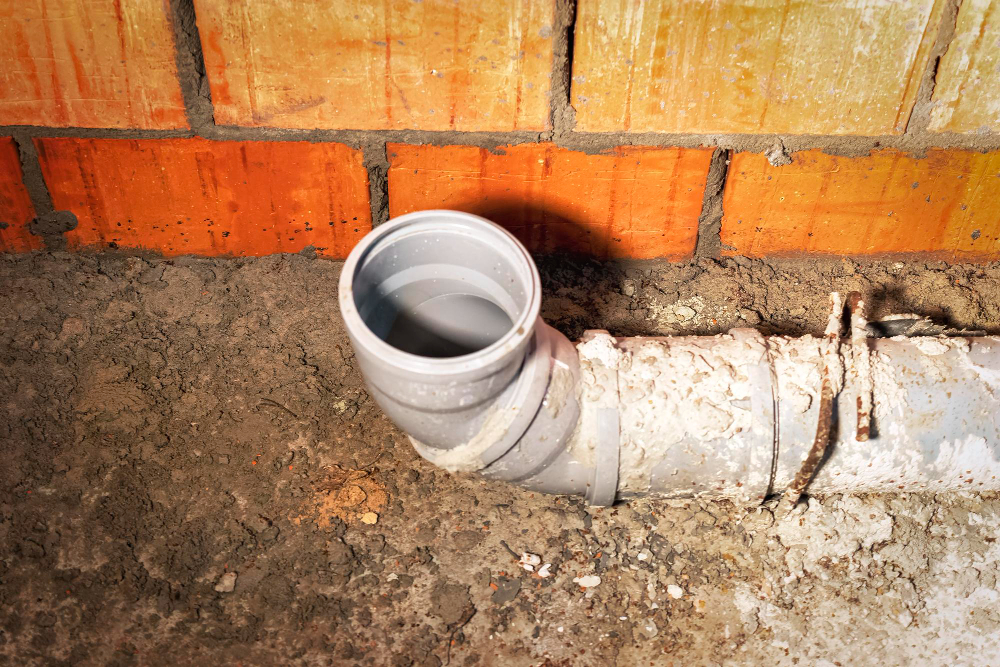
Saturated masonry that freezes expands, and repeated cycles break the surface off the face of it.
This is why damage concentrates on the wet wall rather than the cold one.
5. They Keep the Timber Ends Dry
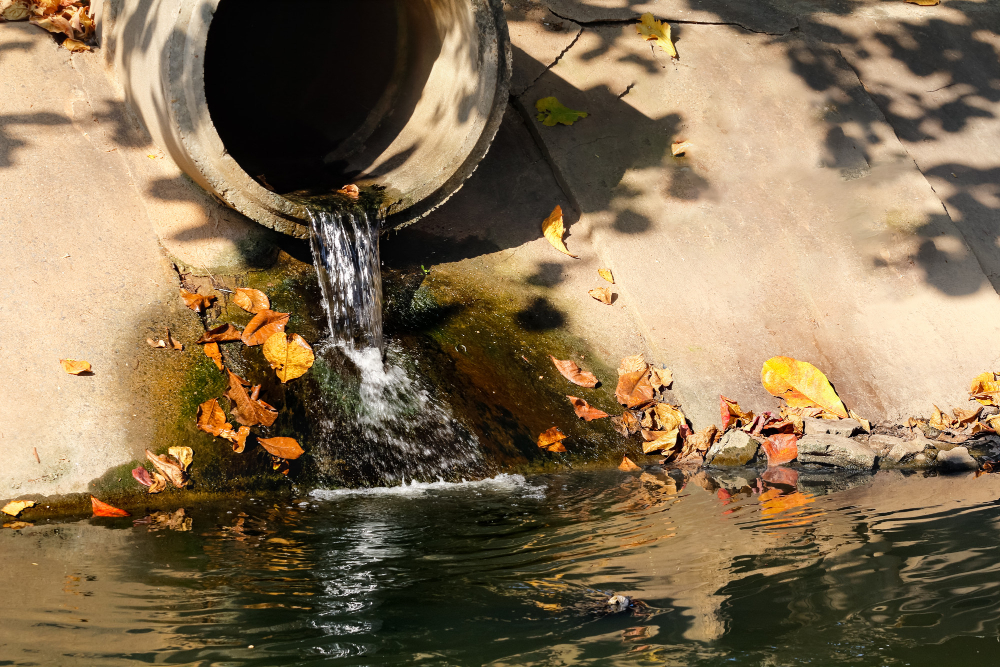
The rafter and joist ends bearing into the wall are the most vulnerable timber in the building and sit exactly where a leaking gutter wets.
Rot at a wall plate is a structural problem discovered long after the gutter caused it.
6. A Blocked One Is Worse Than None at All
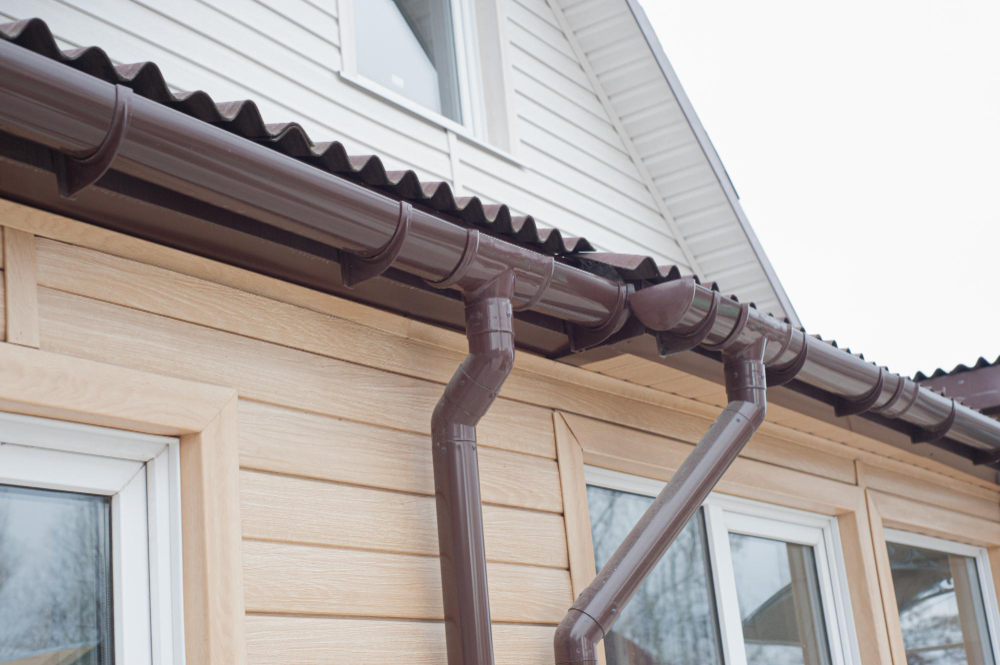
A gutter full of debris holds standing water permanently against the roof edge and the fascia behind it.
An absent gutter sheds water fast; a blocked one soaks the timber it is fixed to.
7. The Slope Is Deliberate and Very Slight
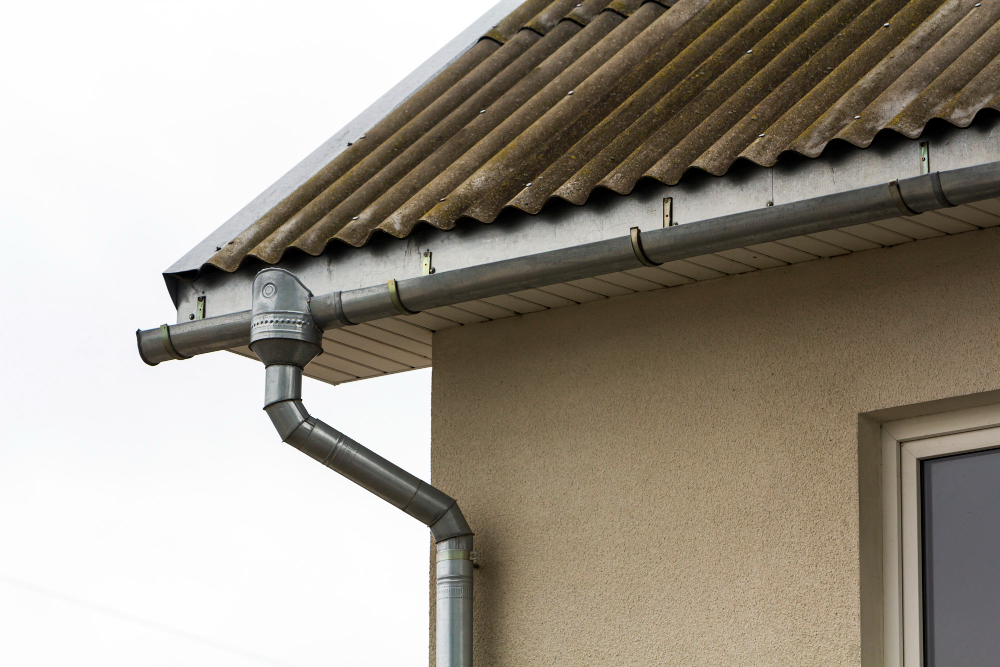
Gutters are hung with a small consistent fall toward the outlet, invisible to the eye but essential.
Any sag creates a pool, and a pool is where debris collects and the cycle begins.
8. The Downpipe Has to Discharge Somewhere Intentional
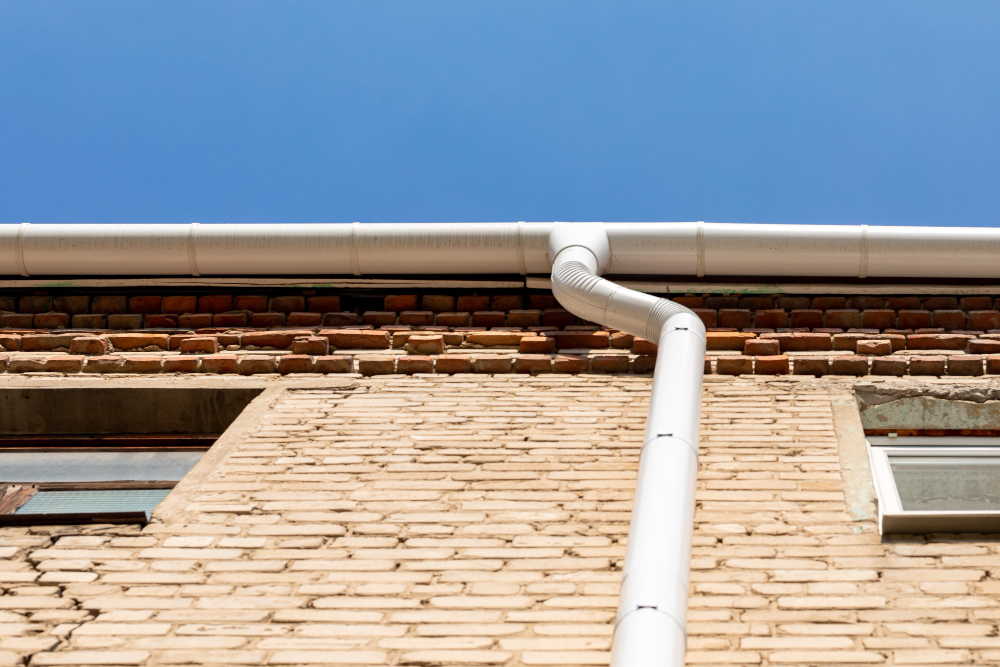
Into a drain, a gully, a soakaway or a butt, and far enough from the wall that the water leaves rather than returning.
A pipe ending in the soil beside the house is only moving the problem underground.
9. The Gap Behind the Pipe Is Not an Oversight
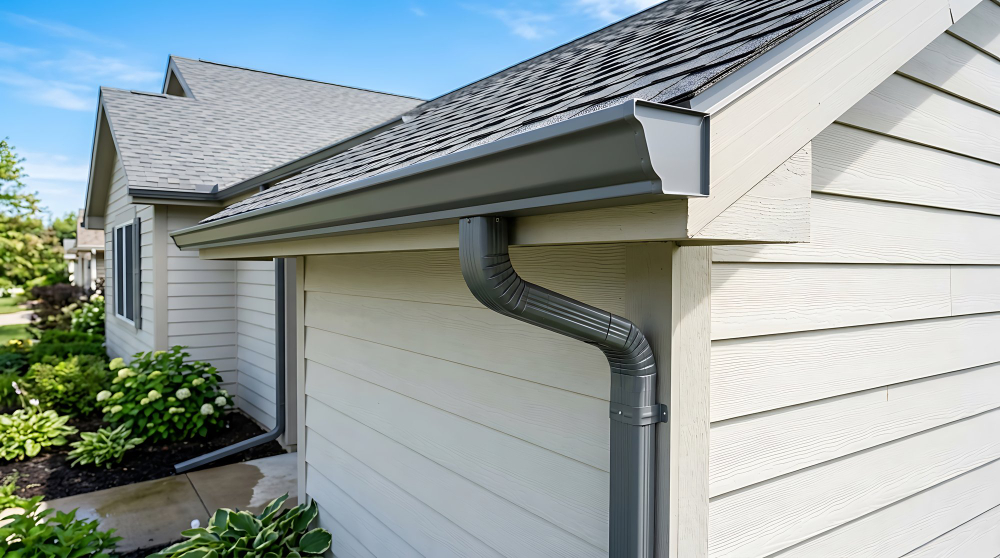
Downpipes are held a short distance off the wall so that the wall behind them can dry and be seen.
A pipe hard against masonry keeps a permanent damp stripe nobody can inspect.
10. They Stop the Ground Being Eroded and Splashed
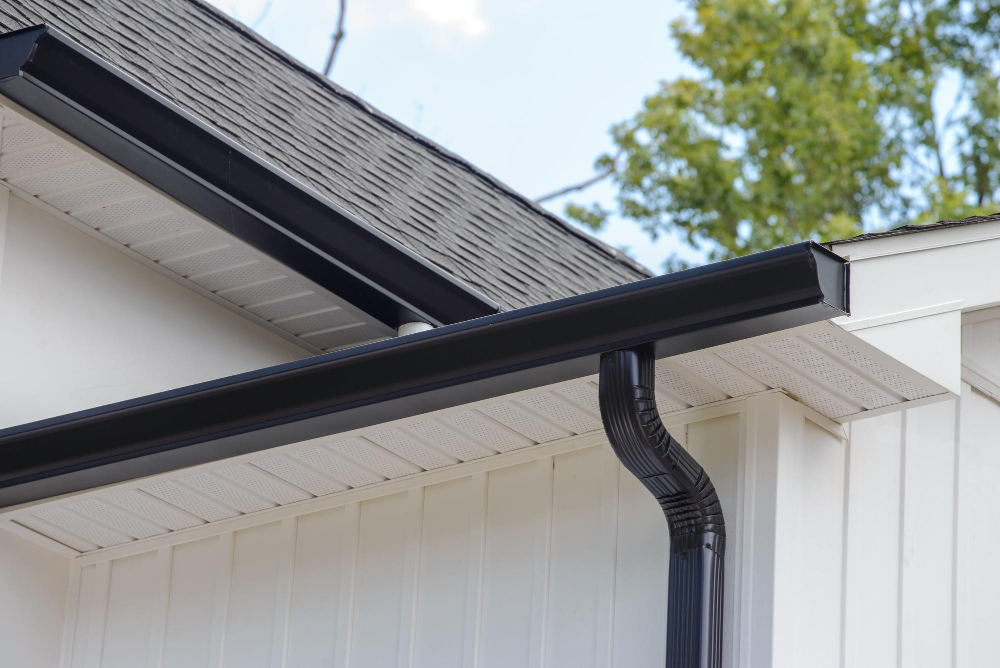
Concentrated discharge digs a hollow, and the splash throws soil and water back up onto the wall to a surprising height.
The splash line is often visible as staining a foot or more above the ground.
11. They Are the Cheapest Part Protecting the Most Expensive
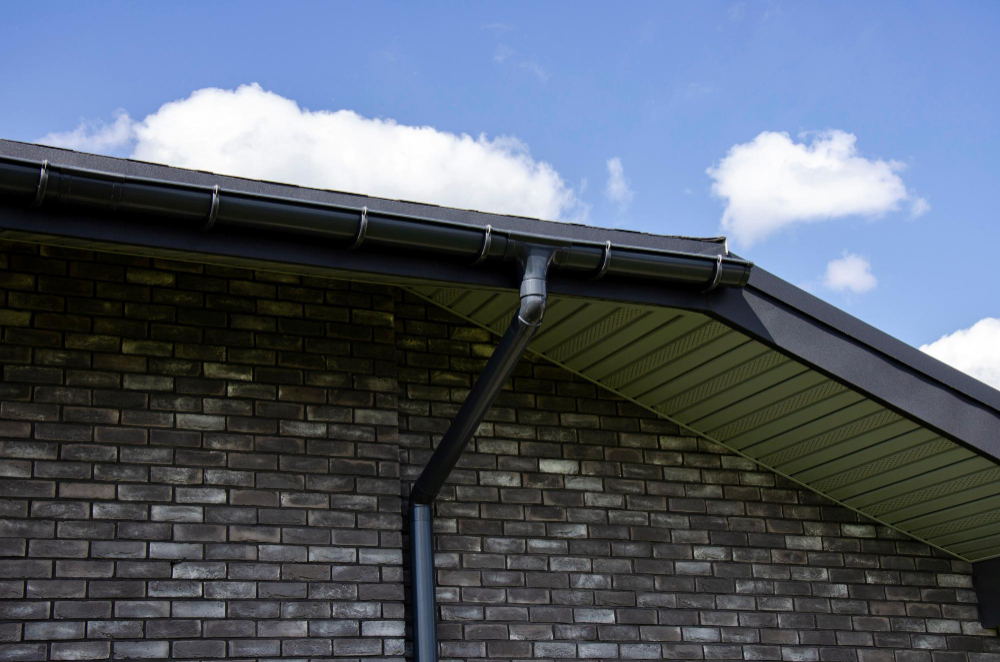
Clearing and rehanging guttering costs very little against repointing, replacing timber or treating damp.
Almost every expensive building failure starts as a maintenance job somebody left.
The Trim That Is Actually Structural
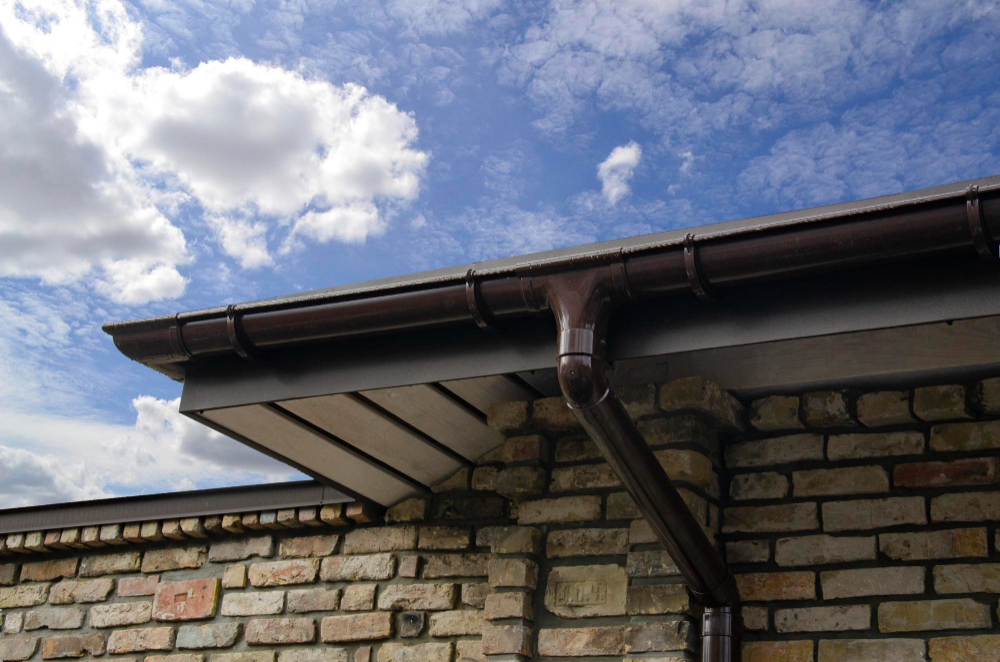
A concentrated sheet kept off the wall face, mortar protected rather than brick, timber ends kept dry, a fall too slight to see and a blocked gutter doing more damage than no gutter at all.
The sixth item is the one worth knowing. A missing gutter sheds water quickly and does predictable harm, while a blocked one holds standing water permanently against the roof edge and the timber behind it – so of the two, the one that looks fine from the ground is frequently doing the greater damage.
Like our content? Follow us for more.