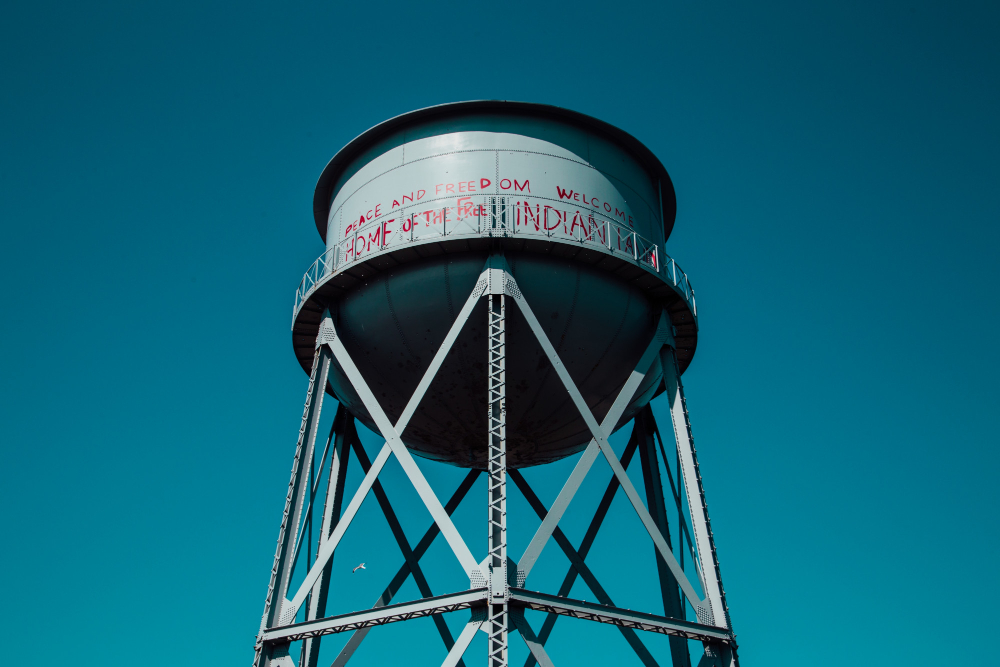
The height is the mechanism, not the storage. Here are sixteen.
1. The Height Is the Pressure
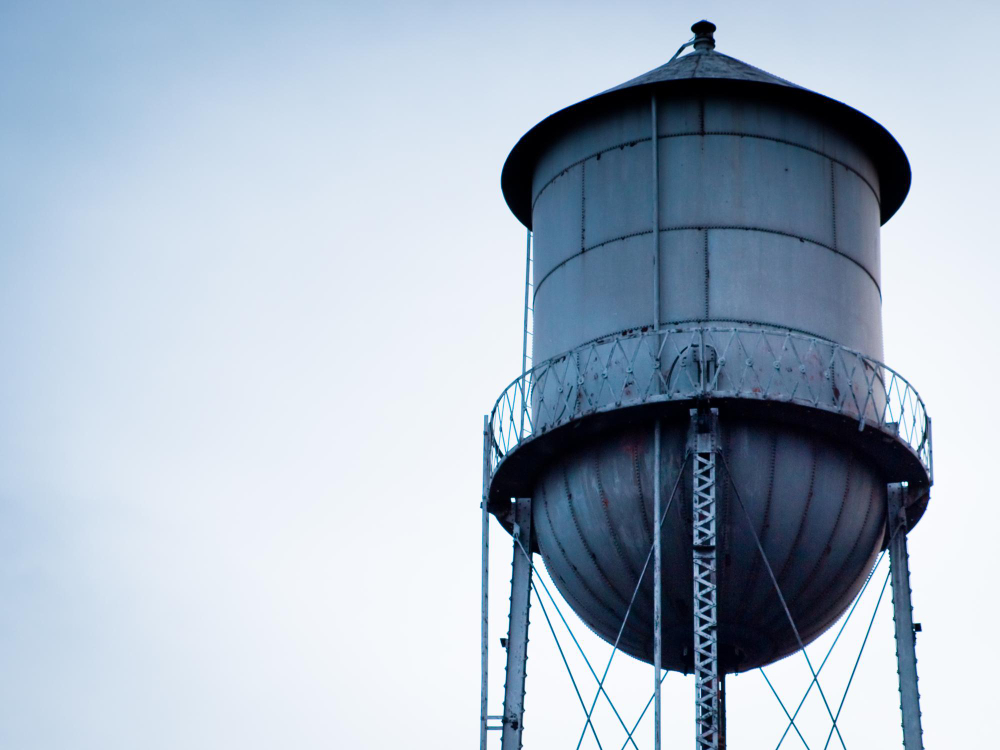
Water pressure at a tap comes from the vertical distance down from the surface of the water above it, and nothing else.
Every metre of height is a fixed amount of pressure, regardless of how wide the tank is or how much is in it.
Like our content? Follow us for more.
2. Which Means the Width Does Nothing for Pressure
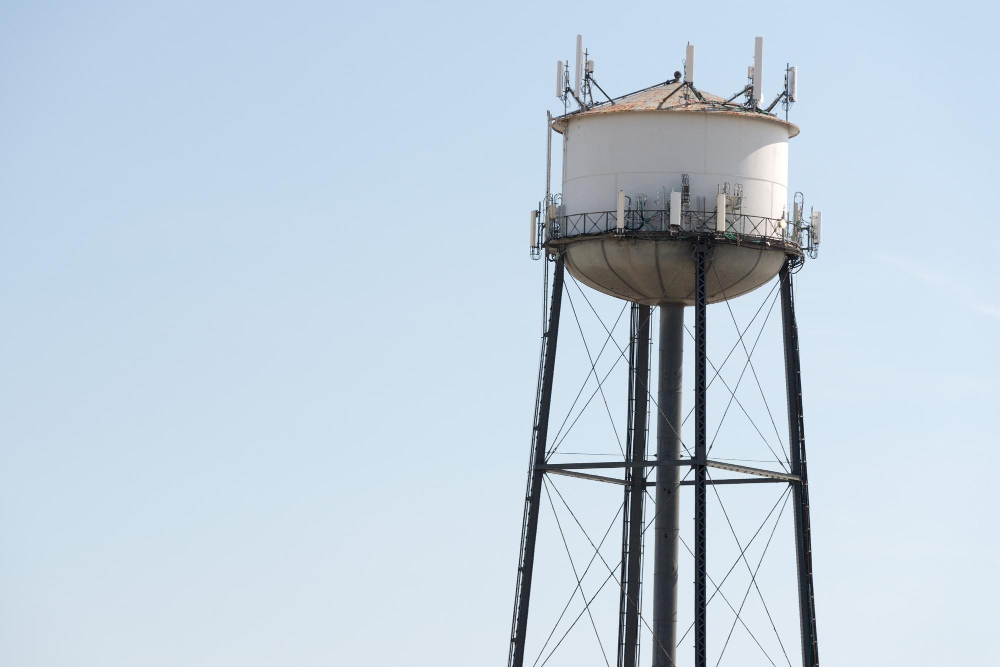
A narrow tank and a wide tank at the same height deliver identical pressure at the tap.
The width decides how long the supply lasts, not how hard it pushes.
3. It Is Almost Always Just Above the Highest Building It Serves
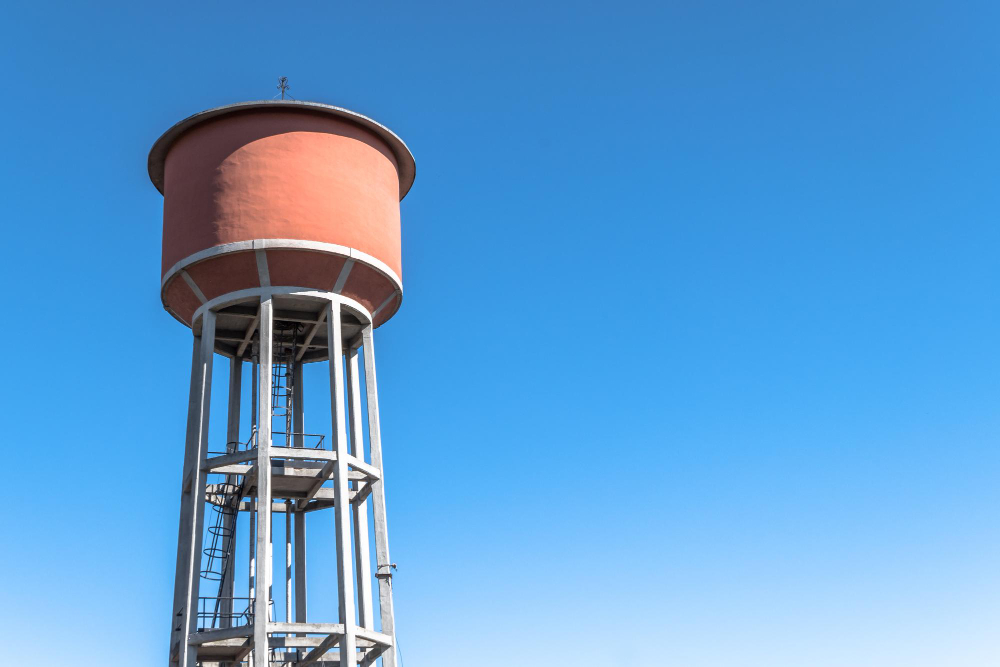
The tank has to sit higher than every fixture in the network, with enough margin for the pressure drop along the pipes.
That is why tower height tracks local topography rather than town size.
4. A Hill Does the Same Job for Free

Where there is high ground, a reservoir on it replaces the tower entirely at a fraction of the cost.
Towers are commonest in flat country, which is a reliable thing to notice about a landscape.
5. It Lets the Pumps Run at Their Best Rate
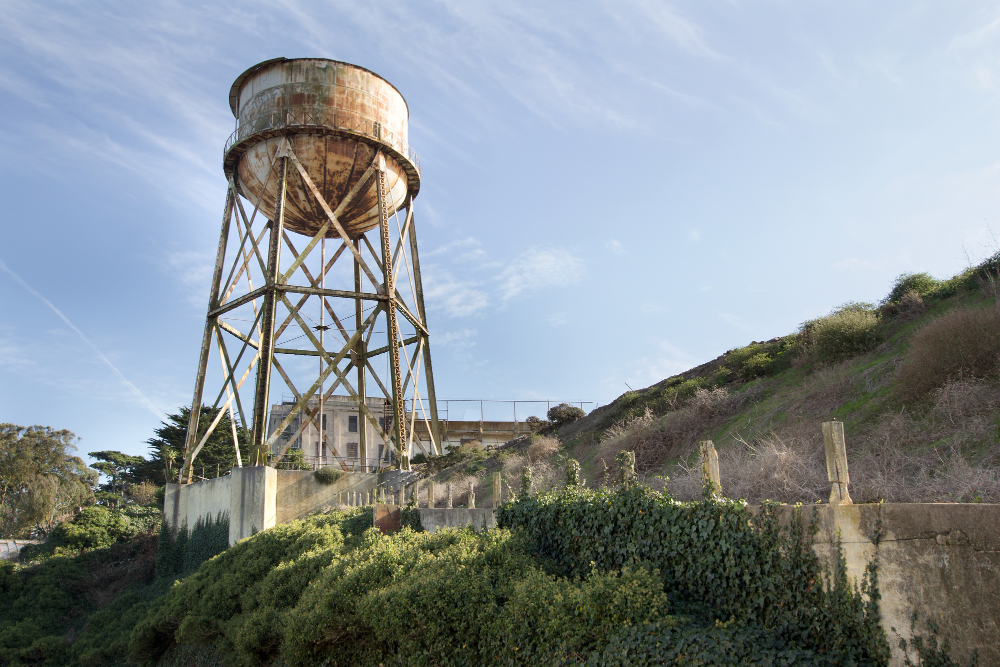
Pumps fill the tank steadily at their most efficient output, and the tank meets demand as it varies.
Without it, pumps have to chase demand directly, running hard at breakfast and idling at night.
6. It Absorbs the Morning Peak
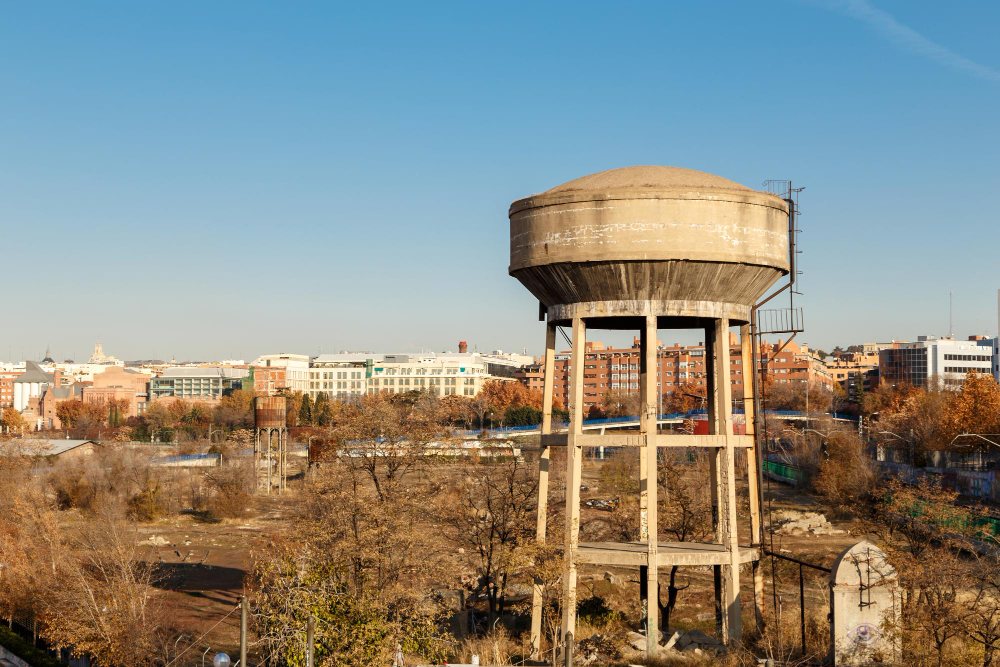
Household demand spikes hard over a short period, far above the average rate a system is sized for.
The tower supplies the difference, which means the pipes and pumps can be sized for the average instead.
7. It Buys Time When the Power Goes
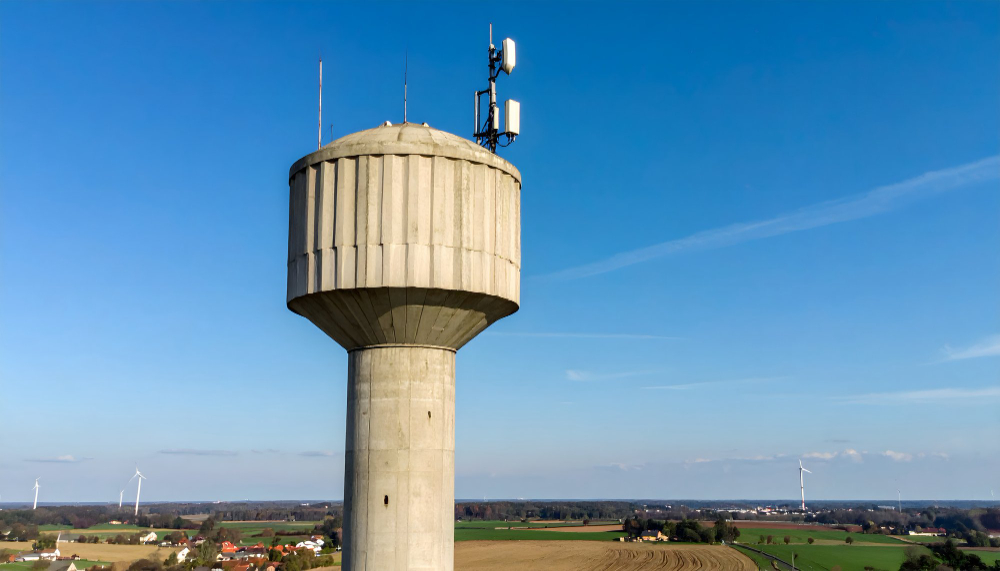
A full tank keeps supplying at full pressure with no electricity at all, for hours.
This is one of the strongest arguments for keeping towers where they exist.
8. It Holds a Reserve for Firefighting
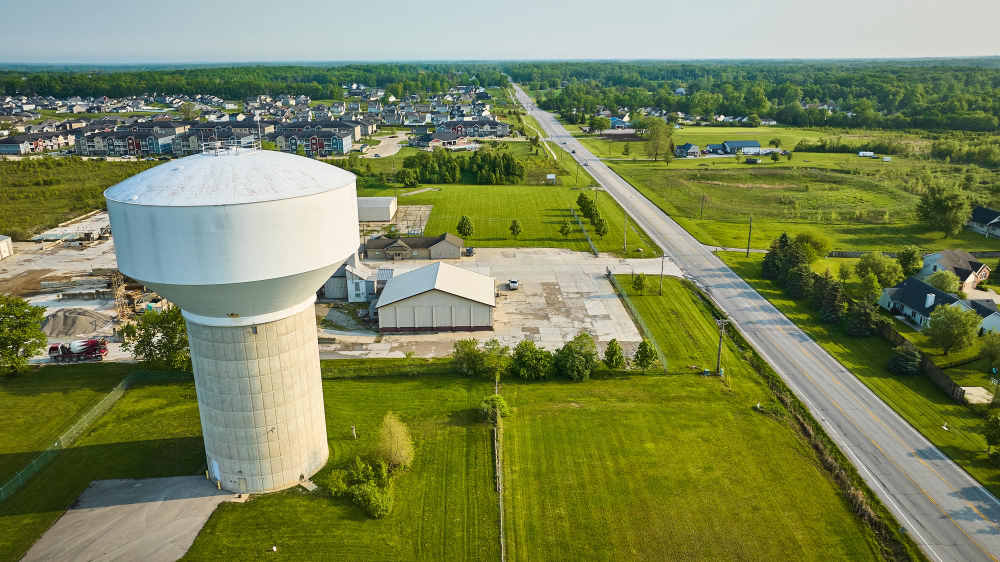
A substantial fraction of a tower’s capacity is often there specifically to supply hydrants at the required flow.
Fire flow, not drinking water, frequently sets the size of the tank.
9. It Smooths Out Pressure Surges
A tank open to the atmosphere at the top of a network gives pressure waves somewhere to go.
Closing a large valve quickly in a system without one can damage the pipes.
10. Its Shape Is About Cost and Ice
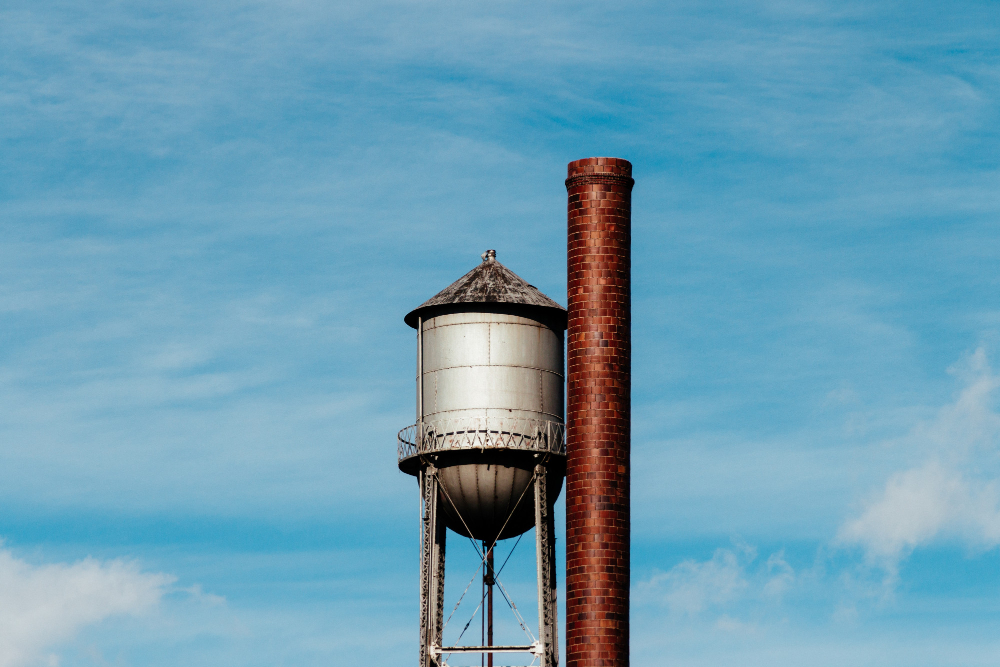
The classic narrow stem with a bulb on top minimises the material holding the load and reduces the surface exposed to freezing.
A tall thin support and a compact tank is the cheapest way to get mass that high.
11. The Water Has to Keep Moving
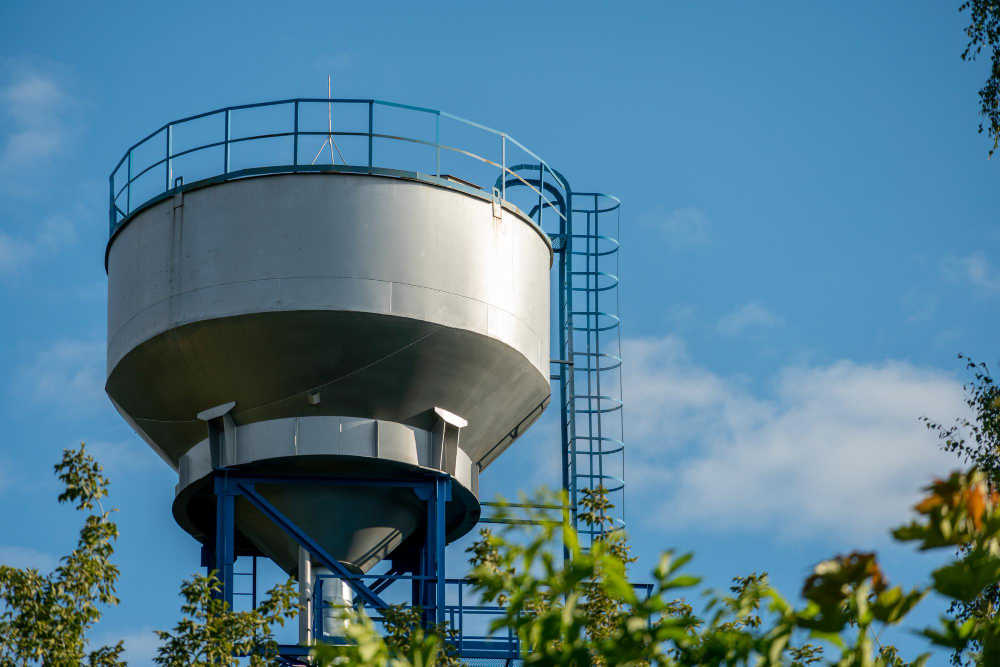
Water sitting in a tank for too long loses disinfectant and warms up, so inflow and outflow are managed to turn it over.
A tower that is too large for its town is a problem rather than a safety margin.
12. It Is Usually Painted With the Town’s Name
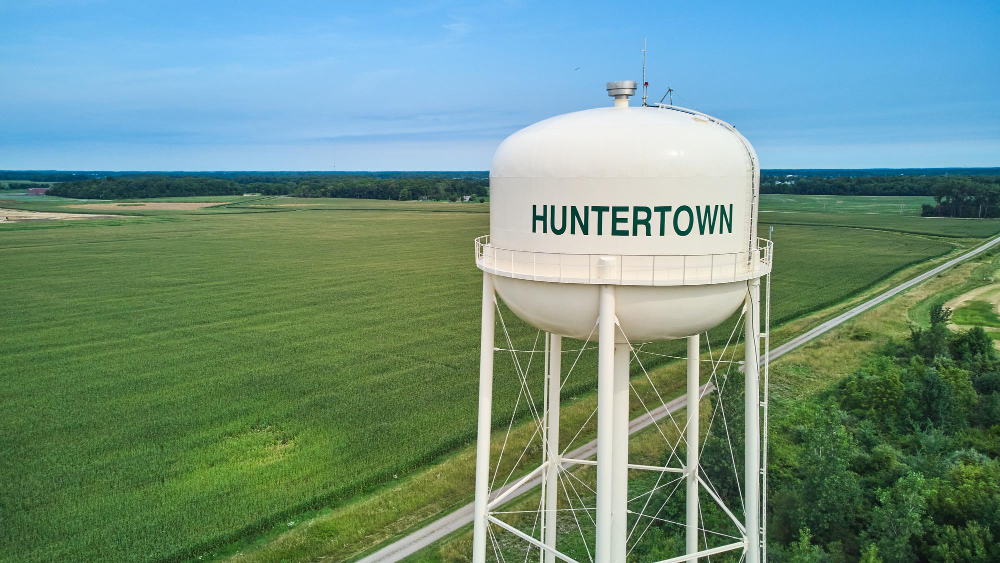
Practical at first, as a landmark for orientation and identification, and then simply expected.
It is one of very few pieces of infrastructure anybody is proud of.
13. The Overflow Pipe Is Deliberate
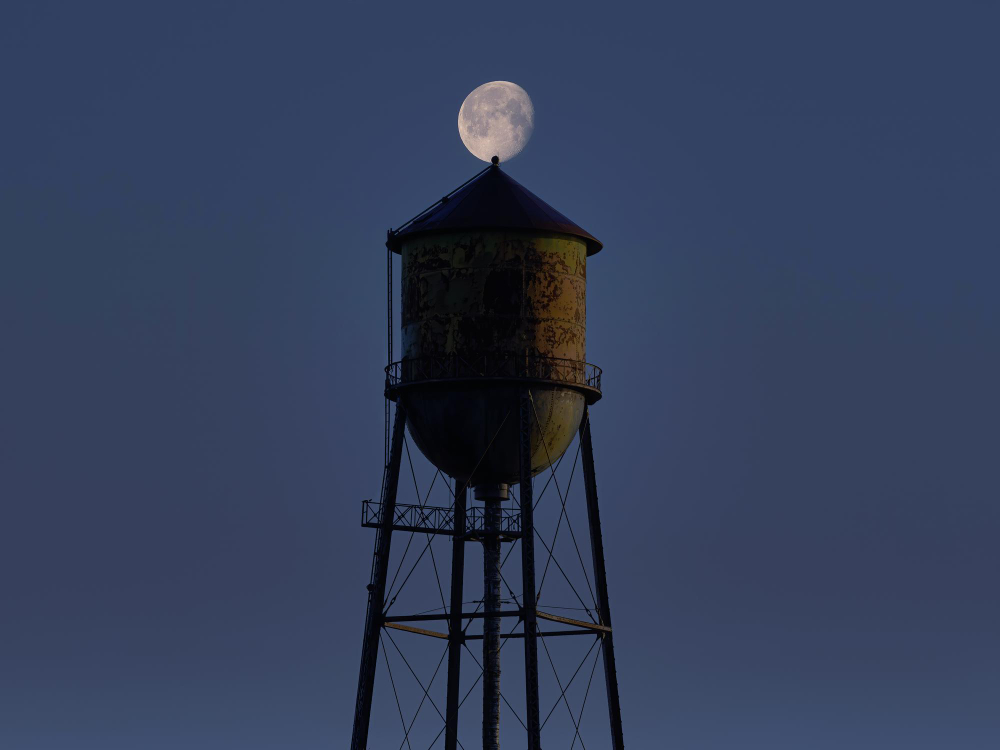
Every tank has an outlet near the top that discharges to the ground if the level gets too high.
Water running from a tower is usually a control working rather than a failure.
14. Freezing Is the Main Operational Worry
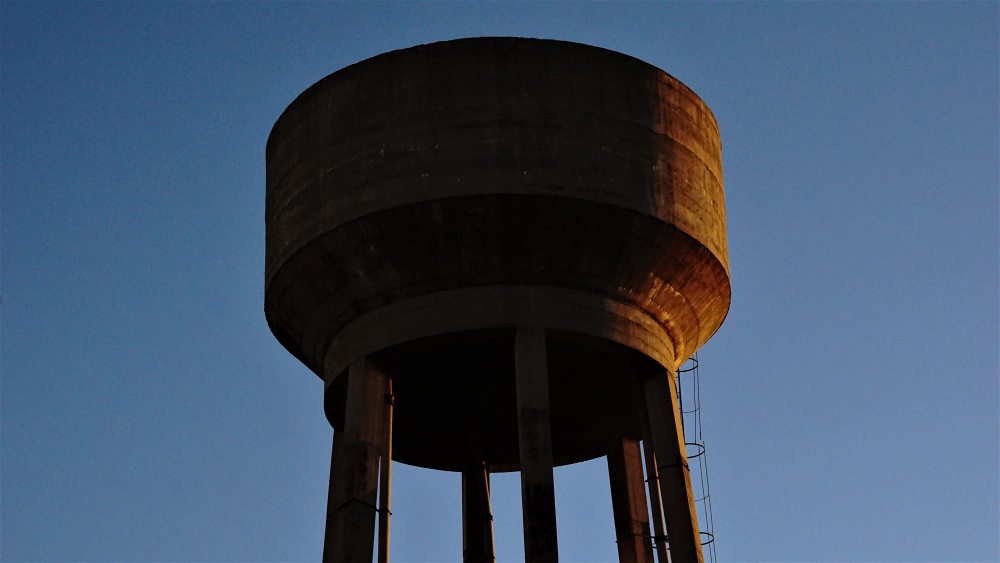
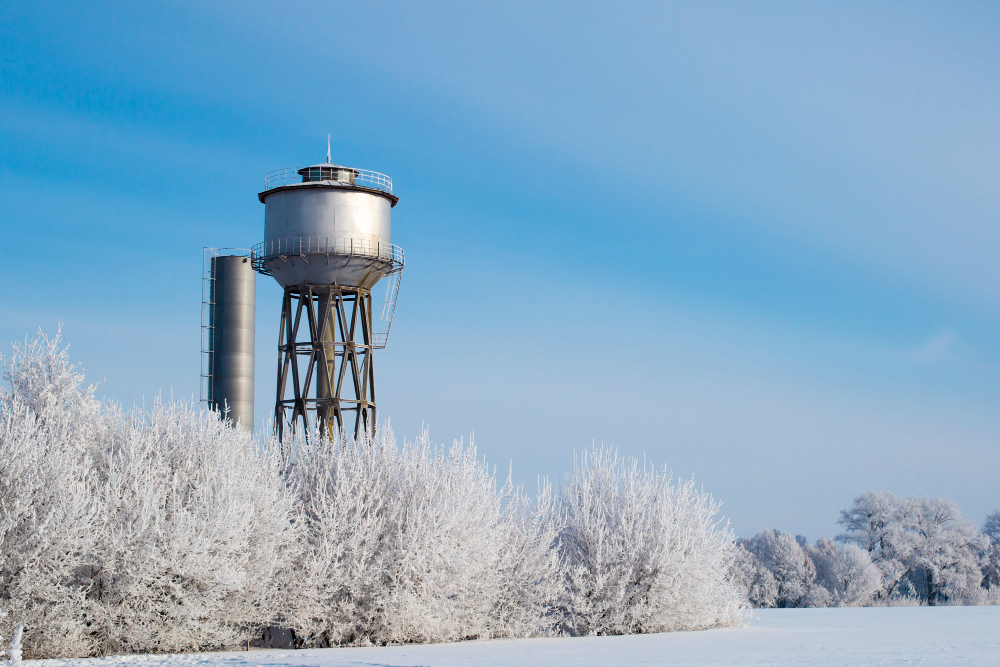
A tank exposed on all sides in cold weather can ice up, so towers in cold climates are insulated, heated or kept circulating.
An iced tower is both a supply problem and a structural load nobody designed for.
15. They Are Being Demolished Faster Than Built
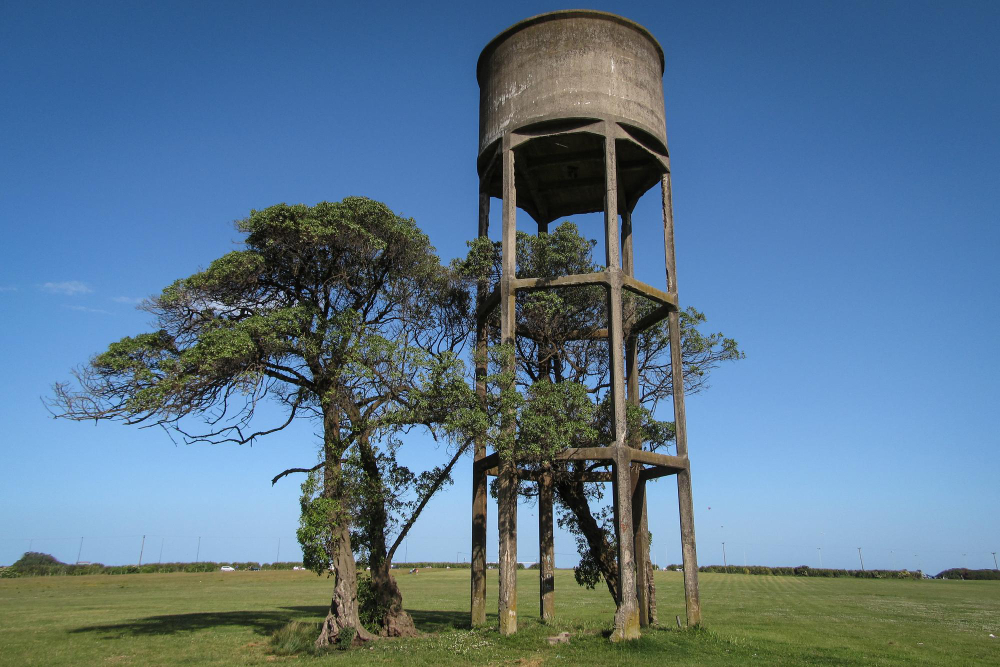
Variable-speed pumps and modern controls can hold steady pressure without a tank, so new networks frequently have none.
What is lost is the power-cut reserve, which is a trade some places have regretted.
16. The Ones That Survive Are Often No Longer Working
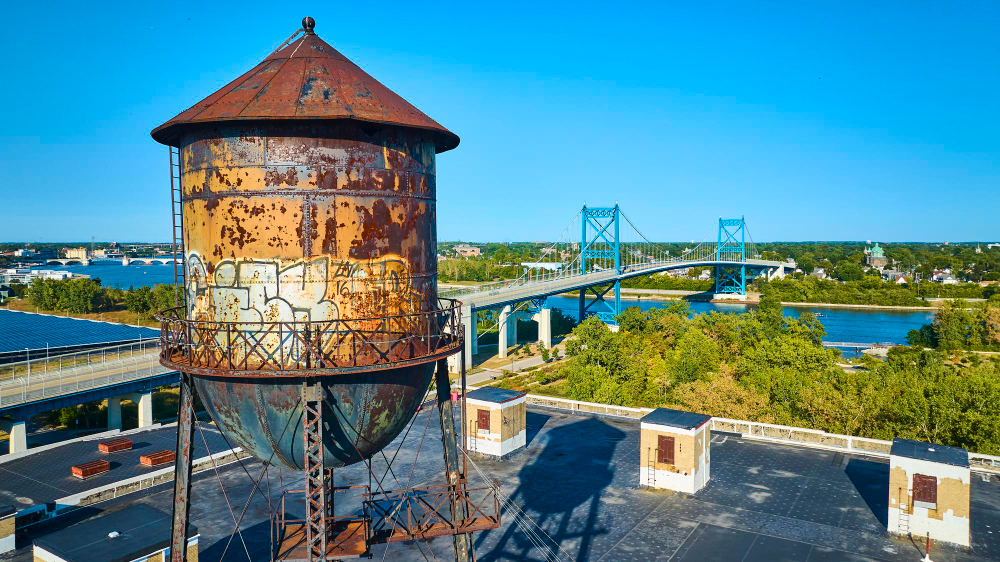
Many standing towers were disconnected years ago and remain because they are a landmark, a mast site or too expensive to remove.
A tower with no pipe visible at its base has usually stopped being infrastructure.
A Tank Whose Only Real Job Is Being High
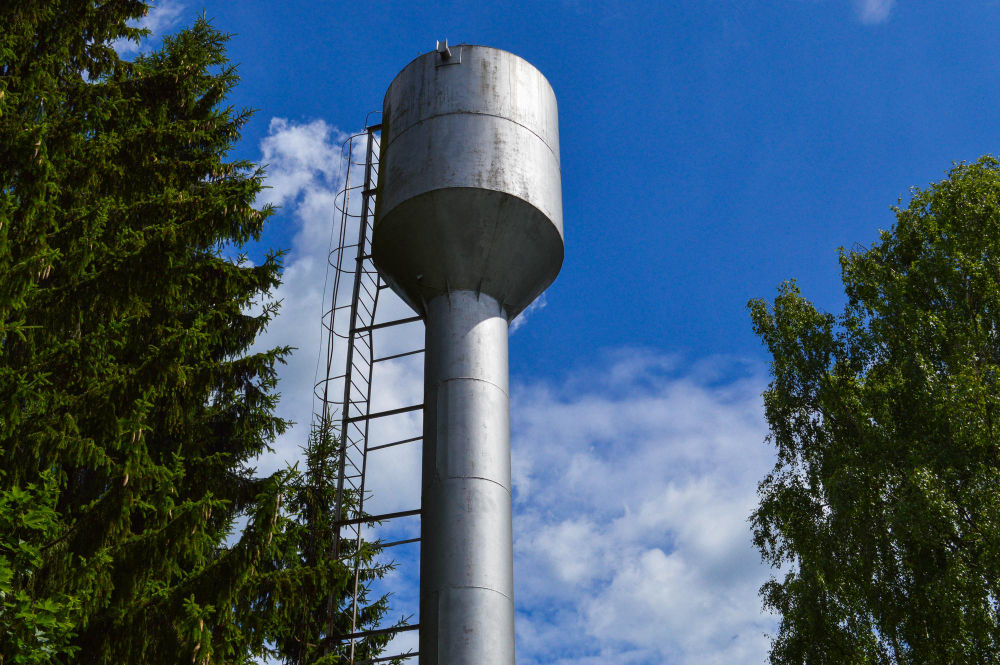
Pressure set purely by height, width deciding duration instead, pumps freed to run at their best rate, the morning peak absorbed, a fire reserve sizing the tank and a power-cut margin nobody misses until it is gone.
The first two items together are the thing that surprises people. Pressure at a tap depends on the height of the water above it and not at all on how much there is, so a narrow tank and an enormous one at the same height push exactly as hard – the size is buying you time, not force.
Like our content? Follow us for more.