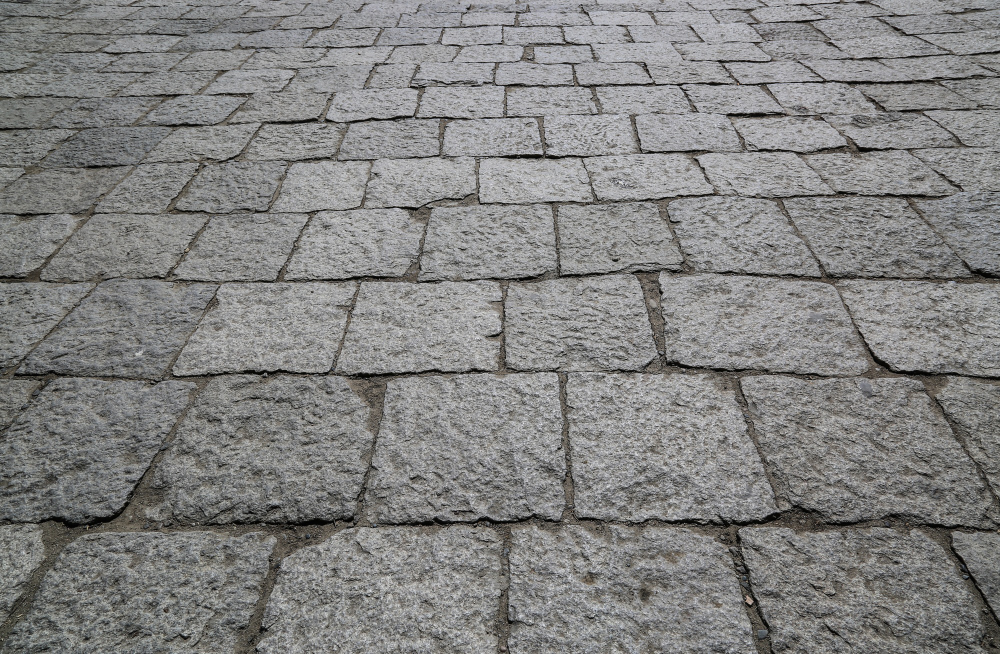
Somebody laid it, and then everybody dug it up. Here are ten.
1. Large Rectangular Slabs Mean Somebody Was Spending
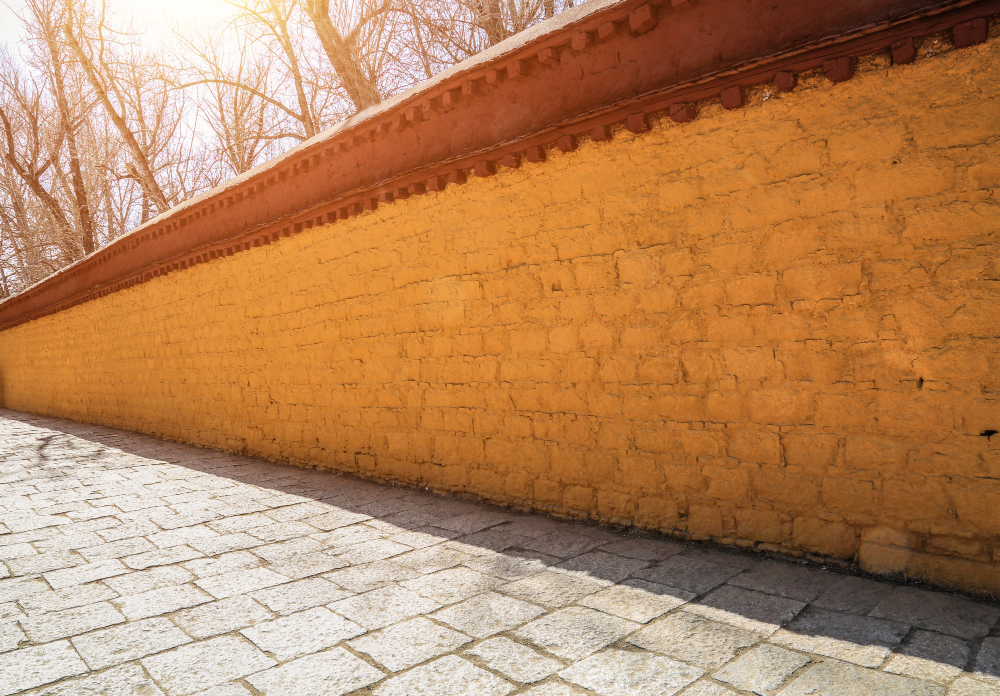
Big sawn stone flags were expensive and were laid where appearance mattered, on principal streets and in front of significant buildings.
Where they survive on a side street, that street was more important than it looks.
Like our content? Follow us for more.
2. Small Units Mean Somebody Expected to Dig It Up
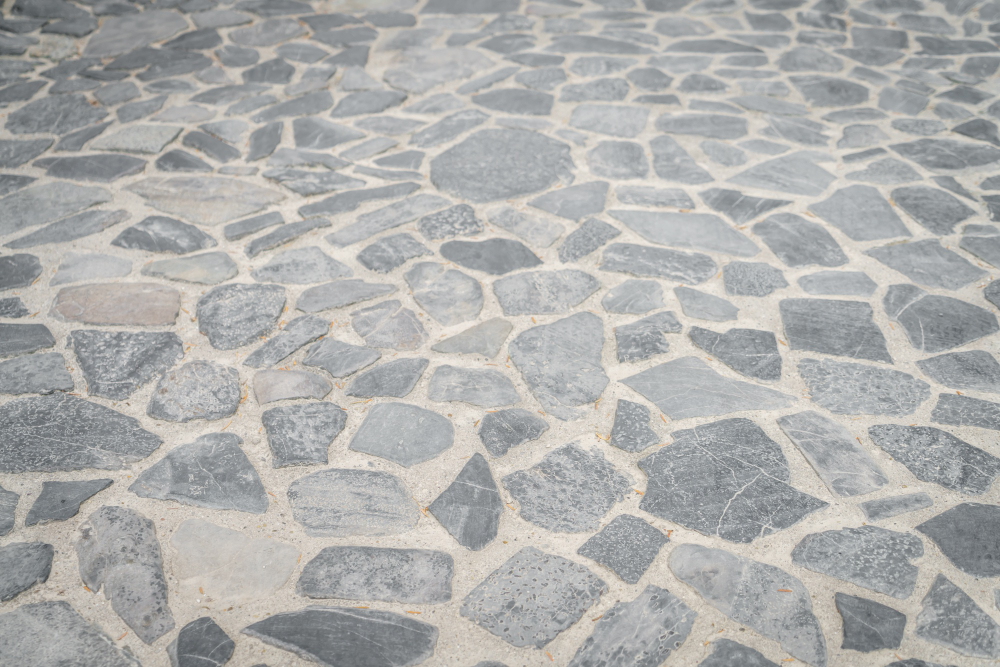
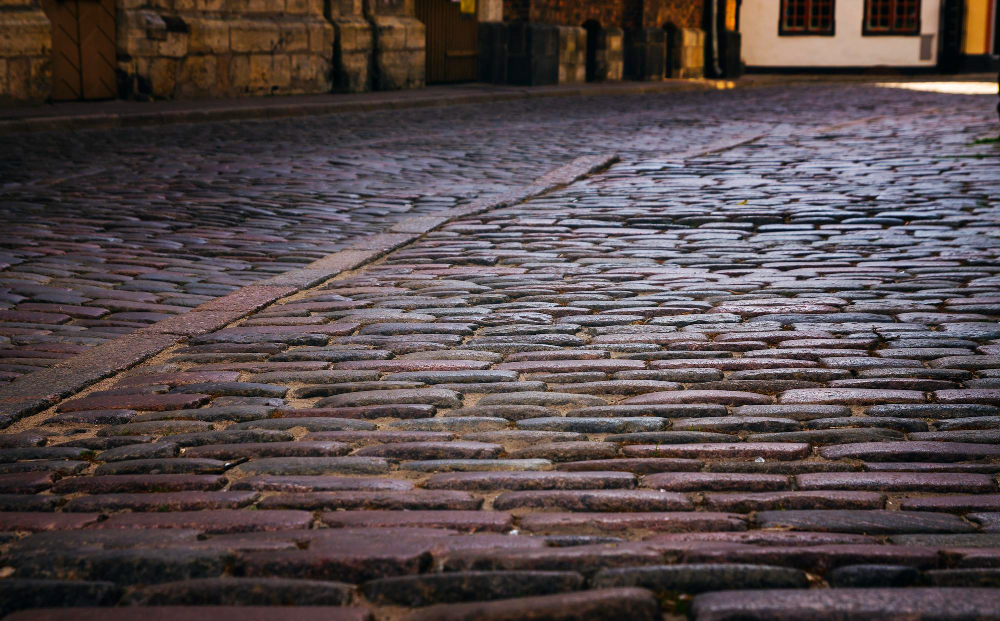
Setts, blocks and small pavers can be lifted and relaid individually, so a patched repair is invisible.
A surface of small pieces is a surface designed to be opened repeatedly.
3. A Change of Material Marks a Change of Owner
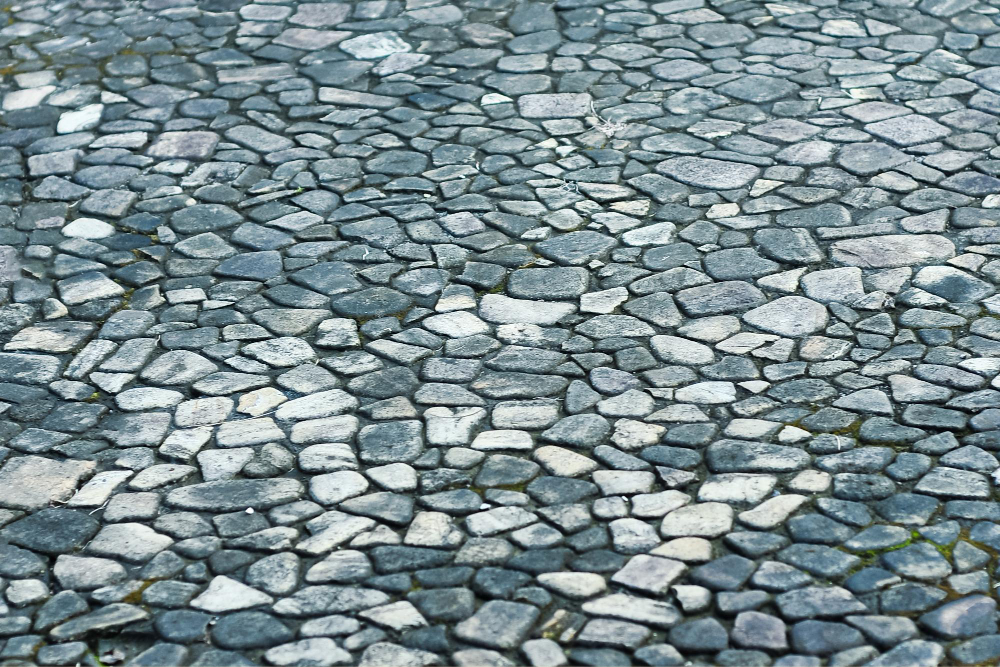
A seam where one surface stops and another begins frequently marks where one body’s responsibility ends and another’s starts.
The boundary is invisible on any map the public sees and perfectly obvious underfoot.
4. Kerbs Are Made of the Hardest Stone Available
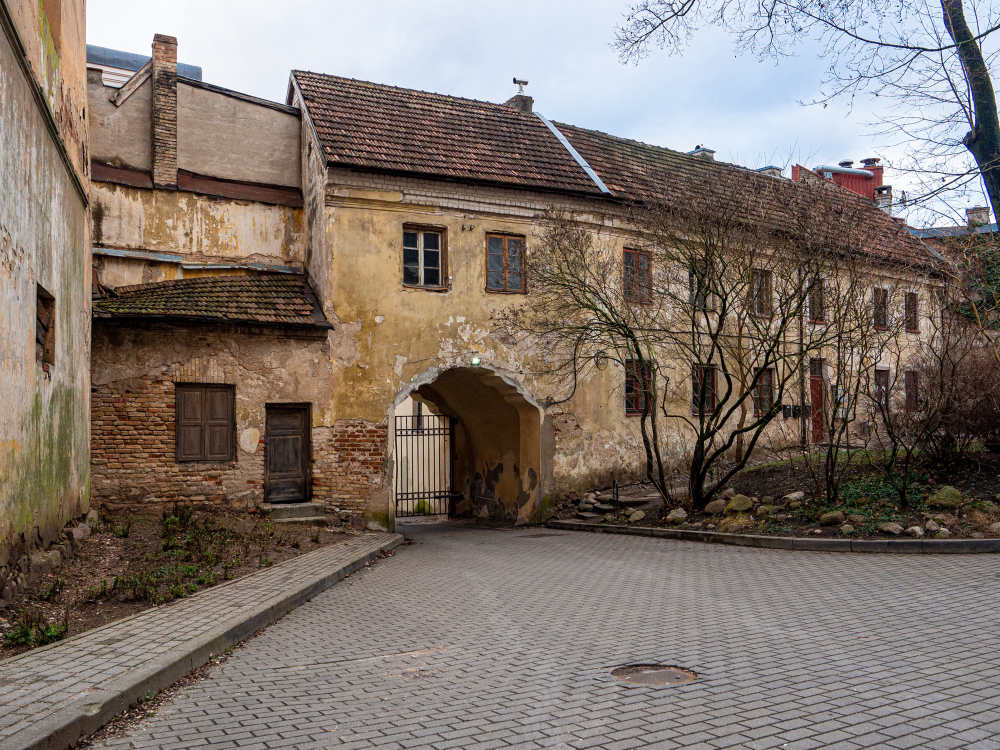
A kerb takes wheel impact, so it was cut from the toughest rock obtainable even where the footway was something cheaper.
The kerb frequently outlasts everything around it and is the oldest surviving piece of the street.
5. A Dip in the Kerb Line Marks a Vanished Entrance
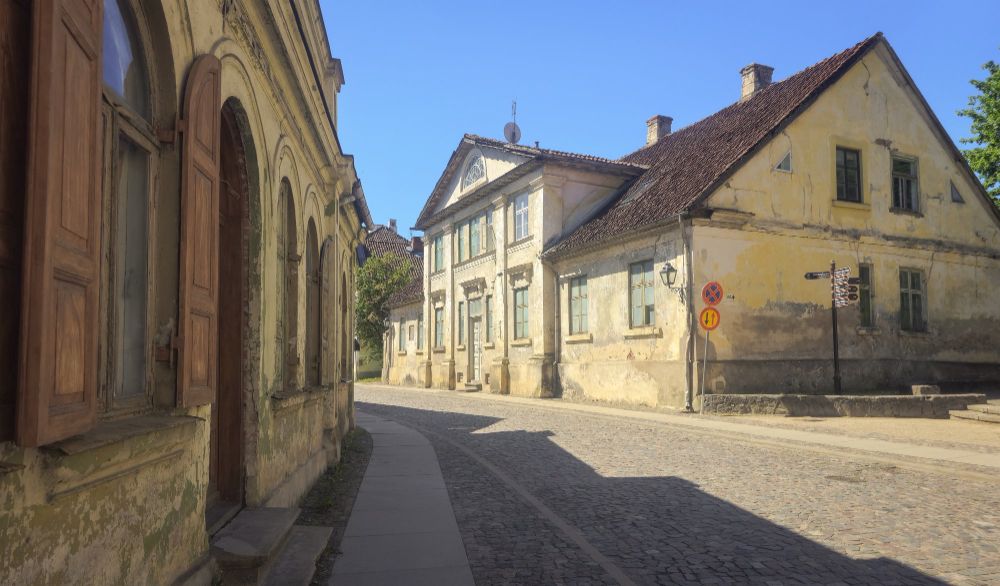
A lowered section with nothing behind it records a gateway, a yard, a stable entrance or a shop delivery bay that has gone.
The building changed and the stone did not.
6. Worn Hollows Show Where People Actually Walked
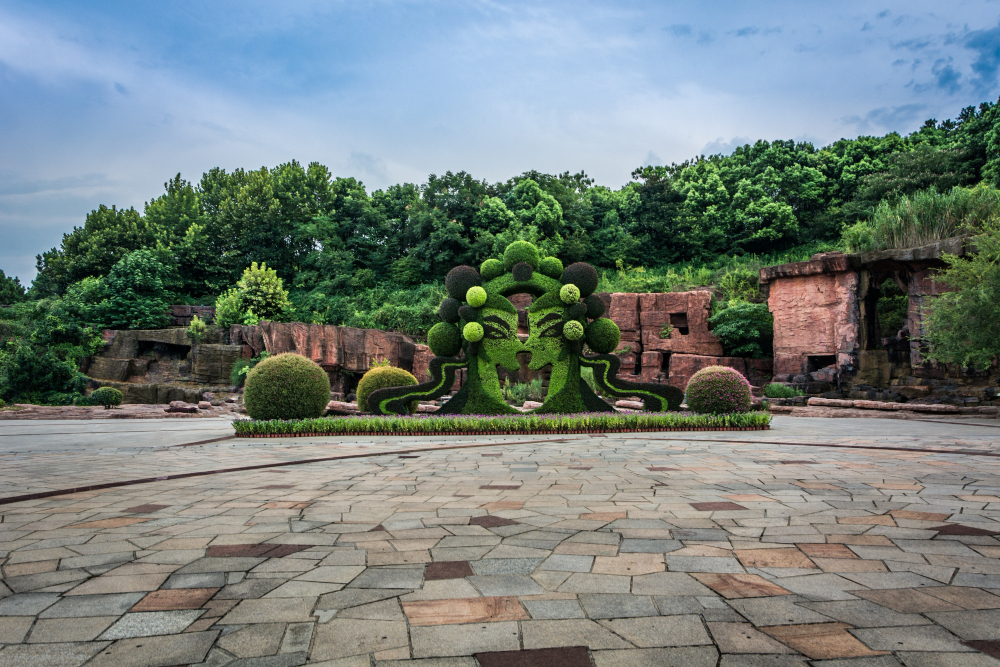
Stone wears where feet fall, so the route across a space is recorded as a shallow smoothed path.
It does not always match the paving pattern, which tells you the pattern was wrong.
7. Coal Holes and Access Plates Mark the Old Servicing
Round iron covers in a footway frequently served a cellar or a coal chute rather than any pipe.
They record a delivery arrangement that ended long before the covers did.
8. Tactile Surfaces Are Encoding Different Messages
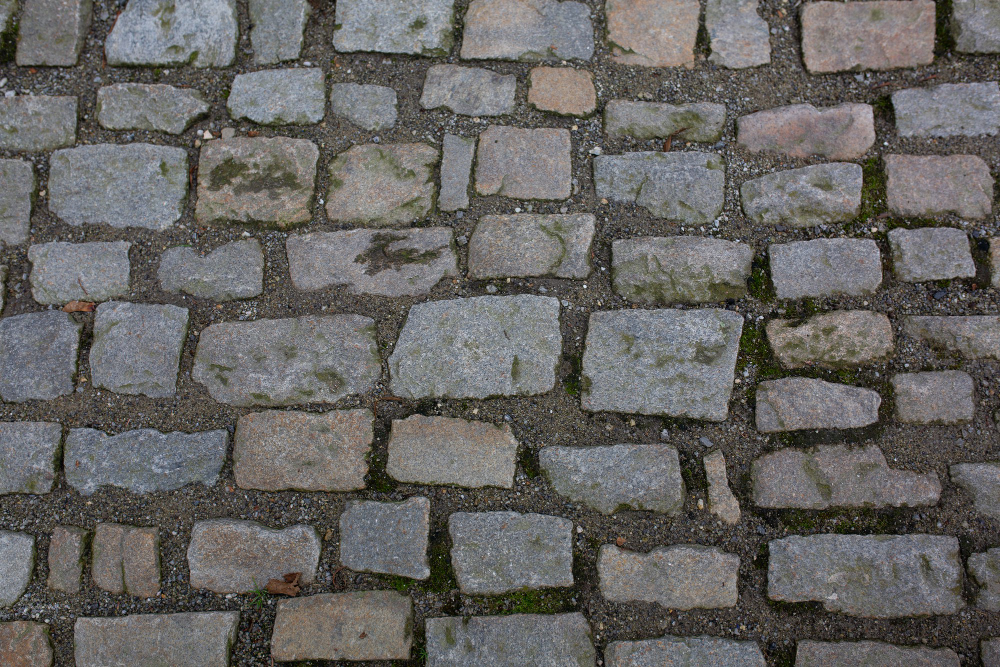
Raised patterns at crossings, platform edges and hazards are a deliberate code, with different shapes meaning different things underfoot.
They are the only part of the pavement designed to be read by somebody not looking at it.
9. Granite Setts Under Tarmac Are Very Common
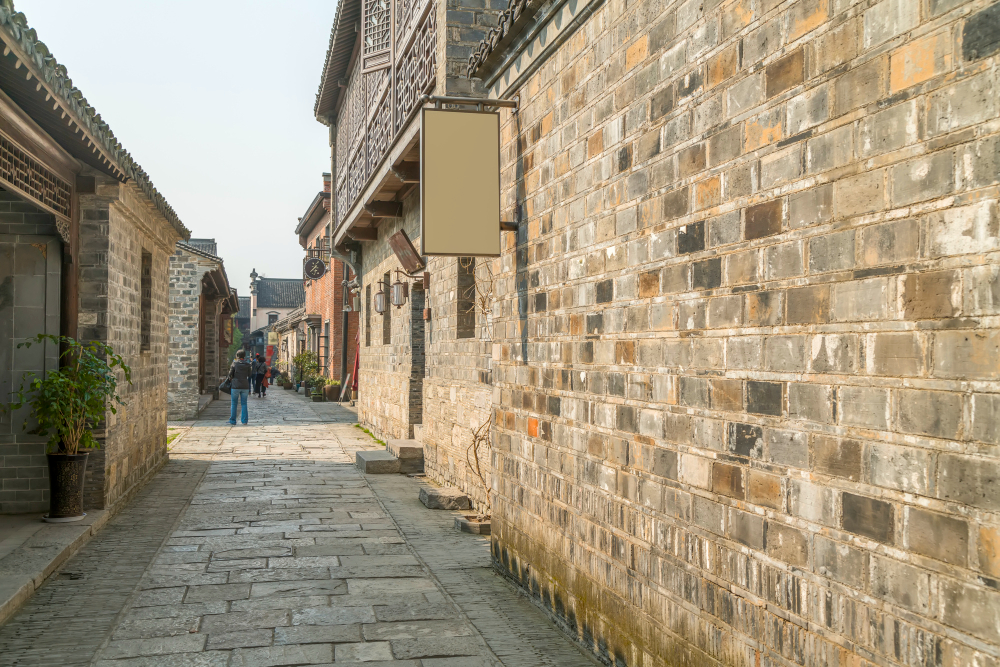
Resurfacing usually covered the old stone rather than removing it, so the original street is often intact underneath.
Potholes and roadworks expose it, which is why a worn patch can reveal a century-old surface.
10. The Width Is the Argument
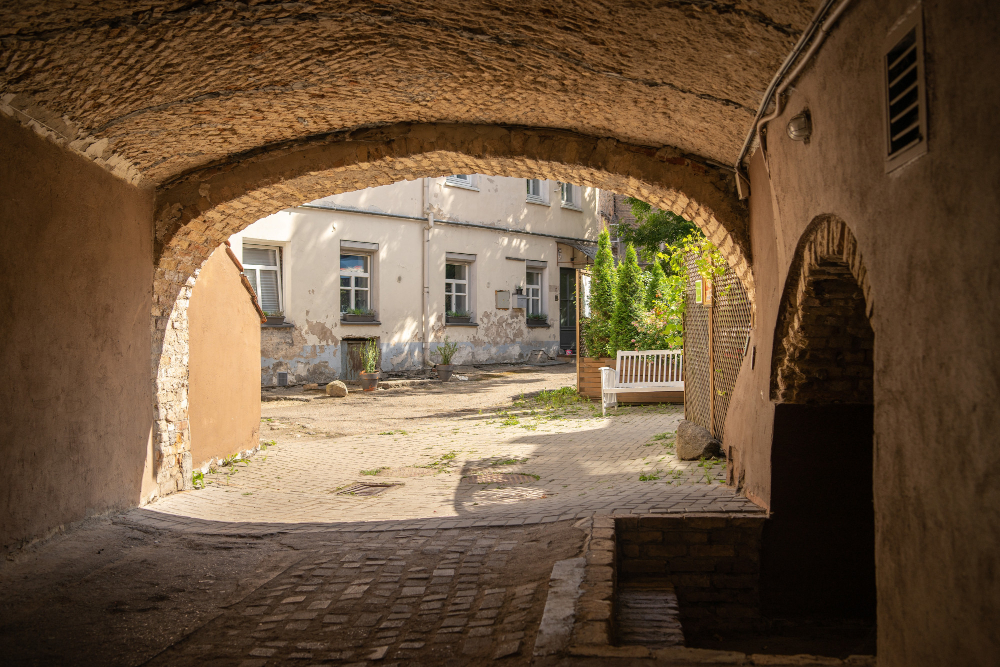
Footway width against carriageway width is the clearest available record of how a street has been allocated over time.
Narrow pavements beside wide roads generally mark a period when one of those users was winning.
A Surface That Records Everything Done to It
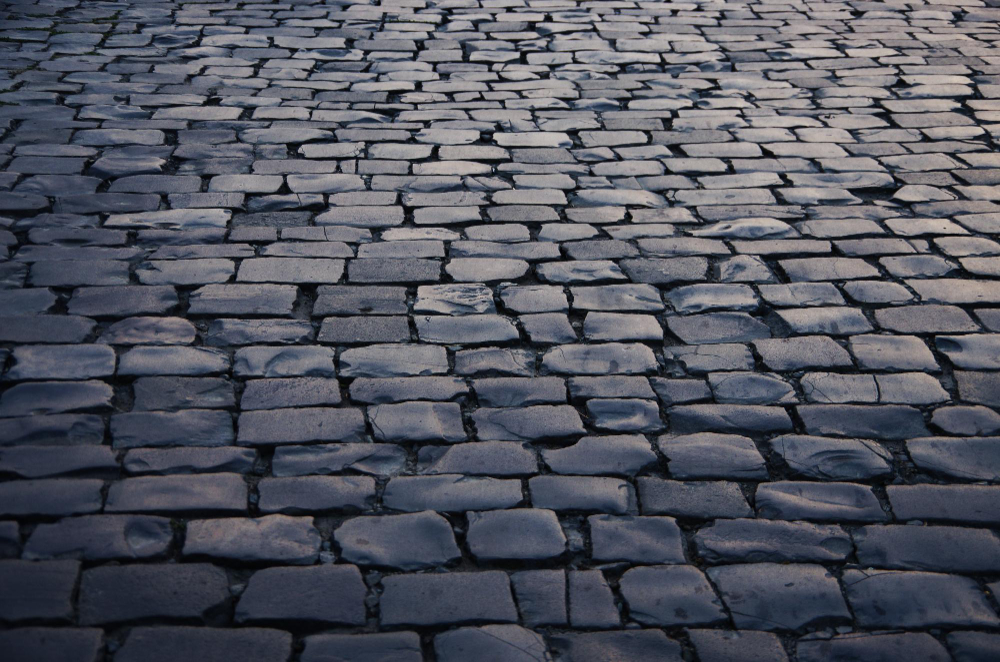
Expensive slabs where appearance mattered, small units where digging was expected, seams marking a change of ownership, kerbs outlasting everything and hollows showing where people actually walked.
The sixth item is the one you can find on any walk. Stone wears where feet actually fall rather than where the paving suggests they should, so the smoothed hollow crossing a corner diagonally is a record of what everybody has really been doing – and where it cuts across the pattern, the pattern was laid in the wrong place.
Like our content? Follow us for more.