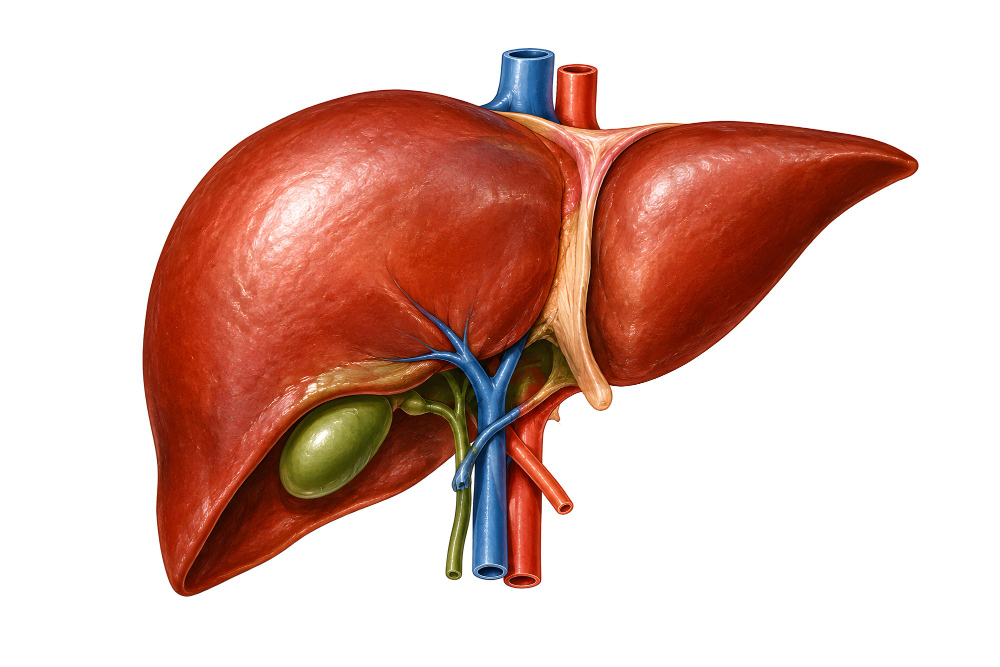
It is the only organ that grows back, and most people cannot name what it does. Here are seventeen.
1. It Grows Back, Which Nothing Else Does
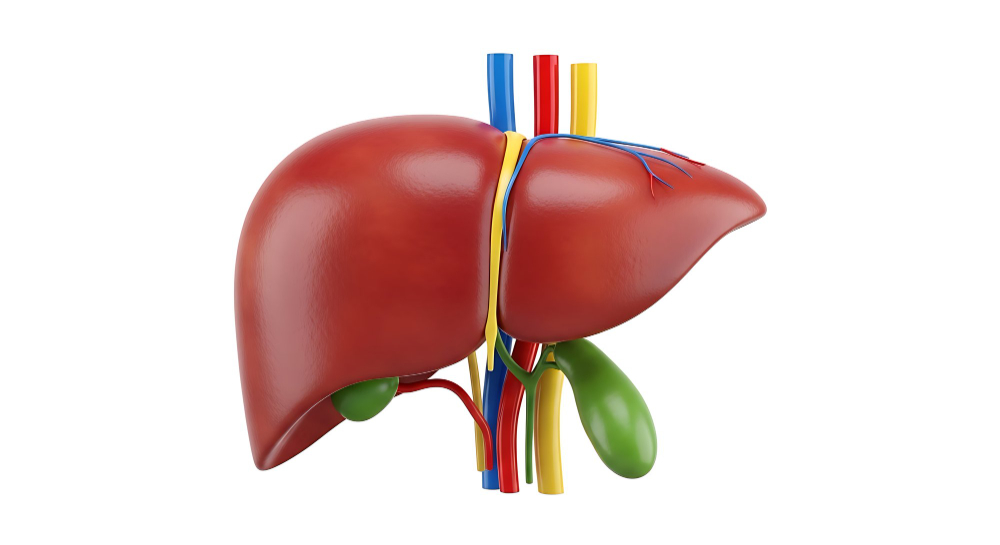
Remove a substantial part of a liver and the remaining tissue enlarges until the organ has returned to roughly the mass the body requires.
No other internal organ in the body does this. A kidney, a lung or a piece of heart muscle that is removed is simply gone.
Like our content? Follow us for more.
2. Which Is Why a Living Person Can Give Part of One Away
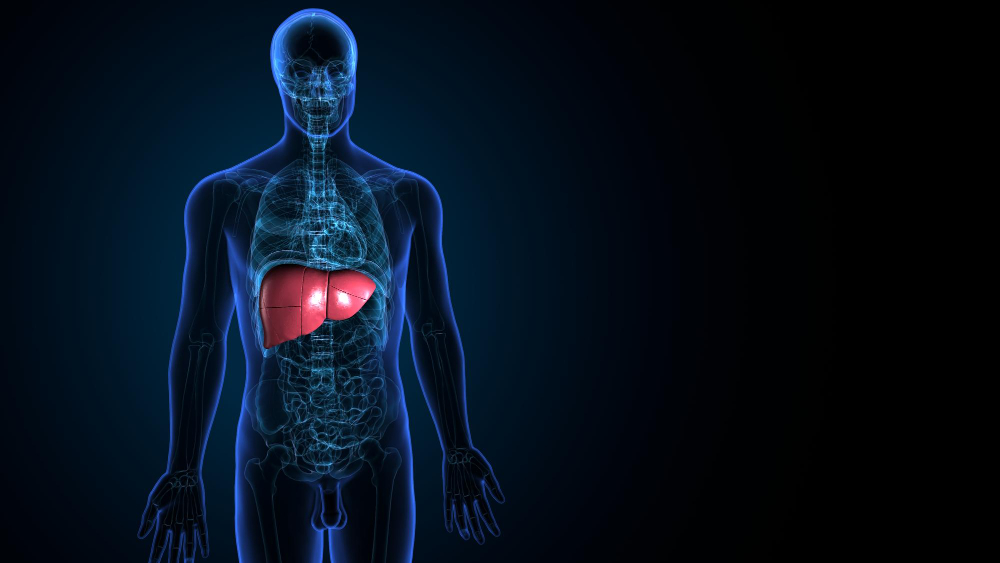
Because both the donated section and the remainder will enlarge, a portion of a liver can be taken from a living donor and both people end up with a functioning organ.
It is the only solid organ where that is possible, and the regrowth is the entire reason.
3. It Is Not a Filter Either
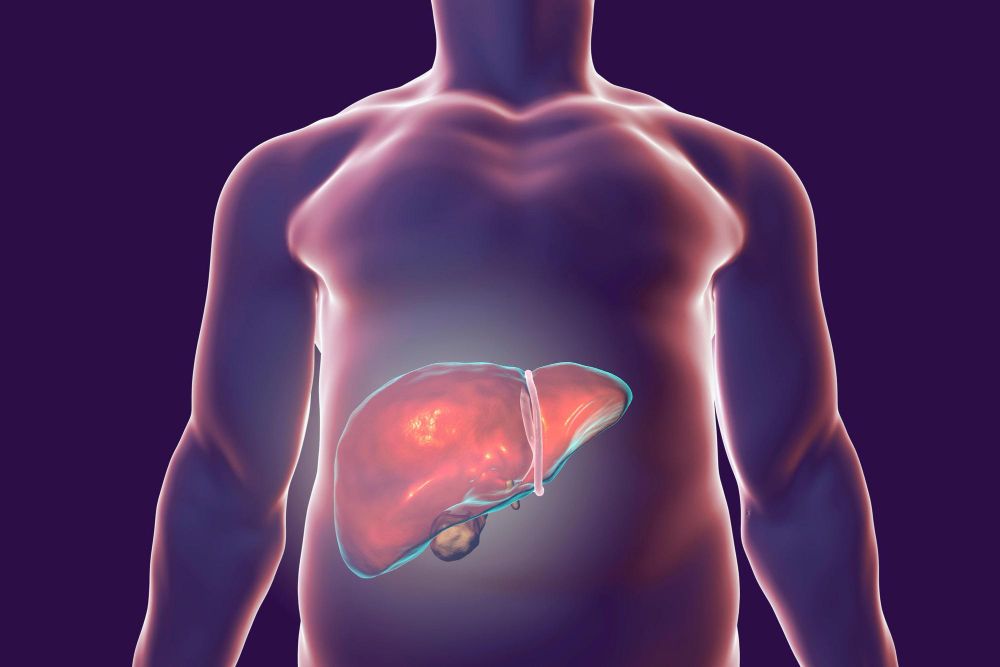
The popular image is of something straining impurities out of blood. What it actually does is chemistry: it takes molecules apart and rebuilds them into different molecules.
Nothing is caught and held. Substances arrive, are chemically rewritten, and leave in a form the body can either use or dispose of.
4. Everything You Swallow Goes There Before Anywhere Else
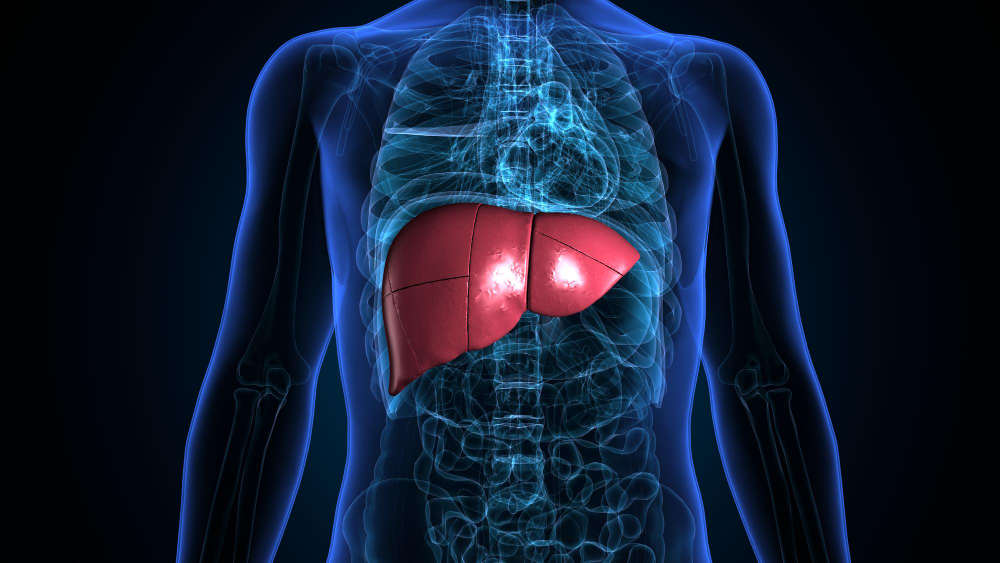
Blood leaving the gut does not rejoin the general circulation. It is collected into a separate vessel and delivered straight to the liver first.
So the liver inspects and processes the entire absorbed contents of a meal before the rest of the body sees any of it.
5. Which Is Why Some Substances Cannot Be Swallowed
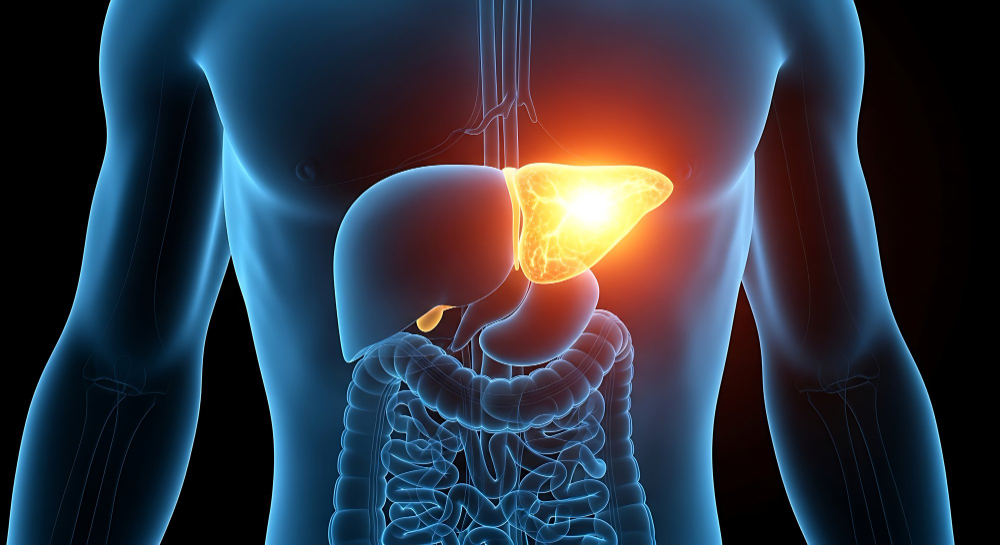
If the liver chemically dismantles a substance on that first pass, almost none of it reaches the rest of the body, however much is taken by mouth.
This is a fundamental constraint on how substances can be given, and it is the reason some must bypass the gut entirely.
6. It Decides How Much Sugar Is in Your Blood, Minute by Minute
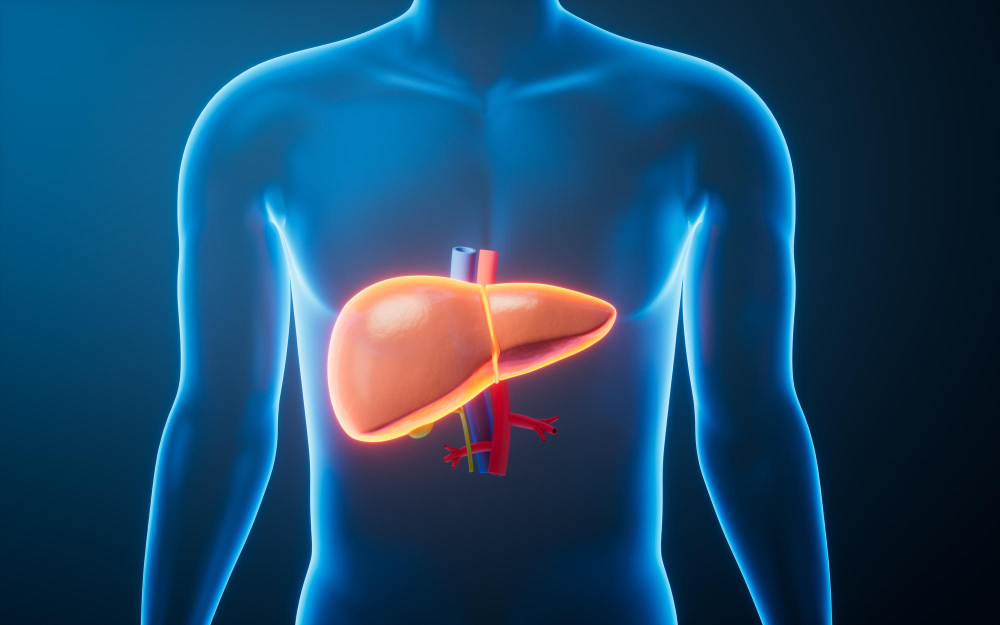
Blood sugar is held within a narrow band regardless of whether somebody has just eaten or has not eaten for a day, and the liver is the organ doing the holding.
After a meal it takes sugar out of circulation. Hours later it puts sugar back in. The steady number is an active result, not a default.
7. And It Stores That Sugar as Something Else Entirely
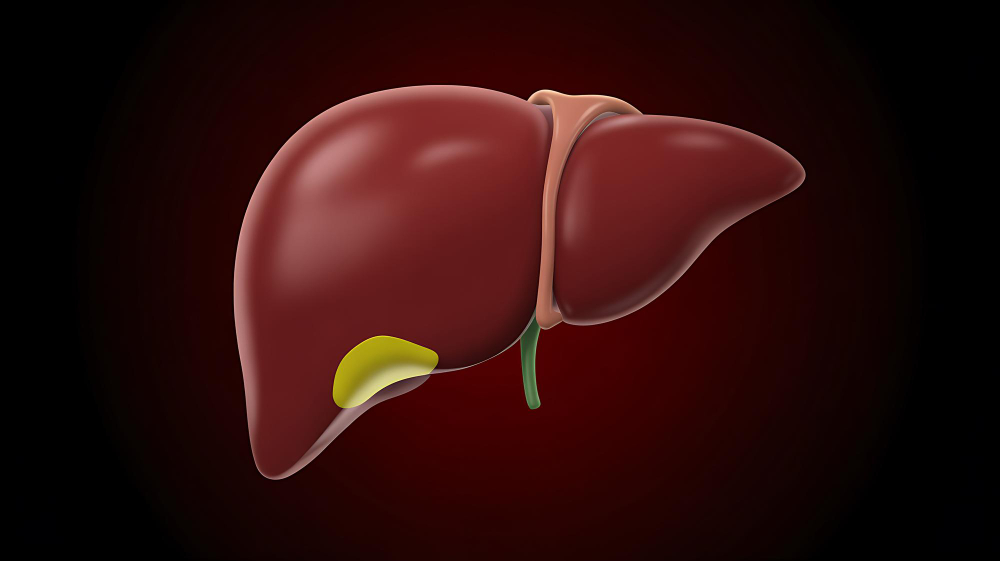
Sugar is not kept as sugar. It is linked into a large branched molecule that can be stored compactly and broken down again very quickly.
The branching matters: it means many ends are available at once, so the store can be dismantled far faster than a straight chain would allow.
8. It Can Also Build Sugar Out of Things That Are Not Sugar
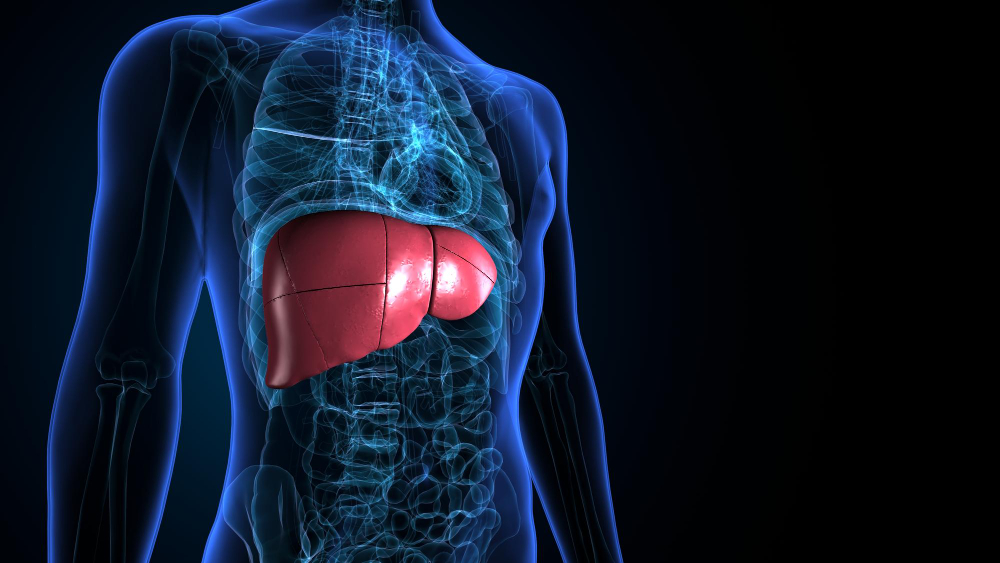
When the store runs down, the liver manufactures glucose from other materials, including the breakdown products of protein and of fat.
This is why blood sugar does not simply fall to nothing during a long fast. The organ switches from releasing a store to running a factory.
9. It Makes Most of the Protein Floating in Your Blood
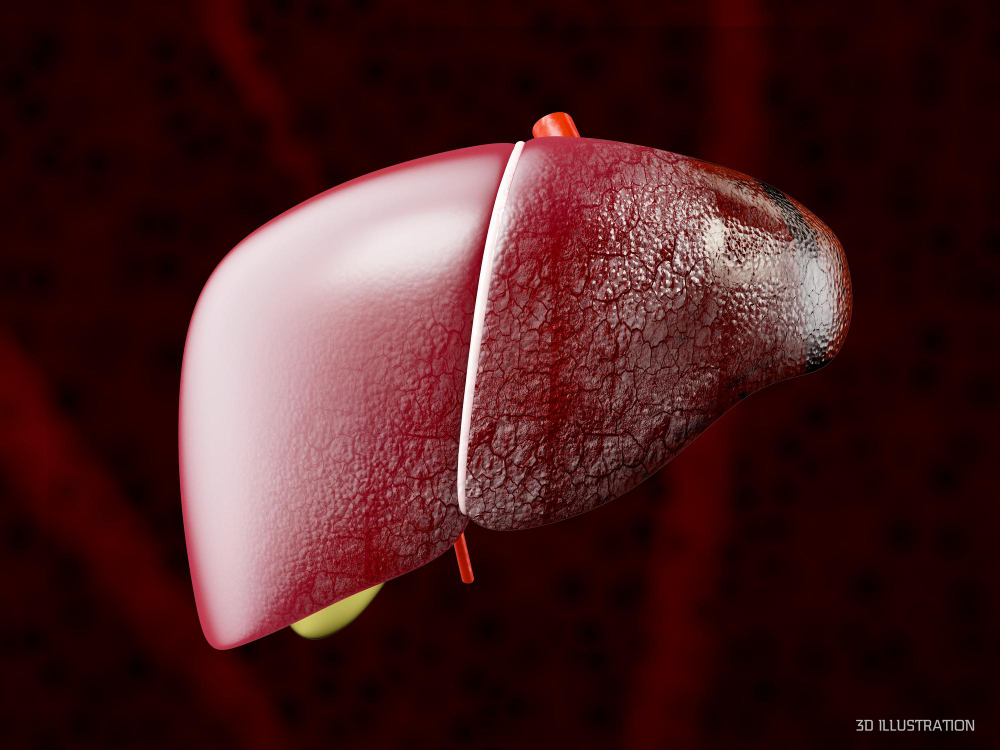
The proteins dissolved in blood plasma, as distinct from those inside blood cells, are largely manufactured in the liver.
The most abundant of them is responsible for holding fluid inside the blood vessels, which is why liver failure causes swelling.
10. Including the Ones That Make Blood Clot
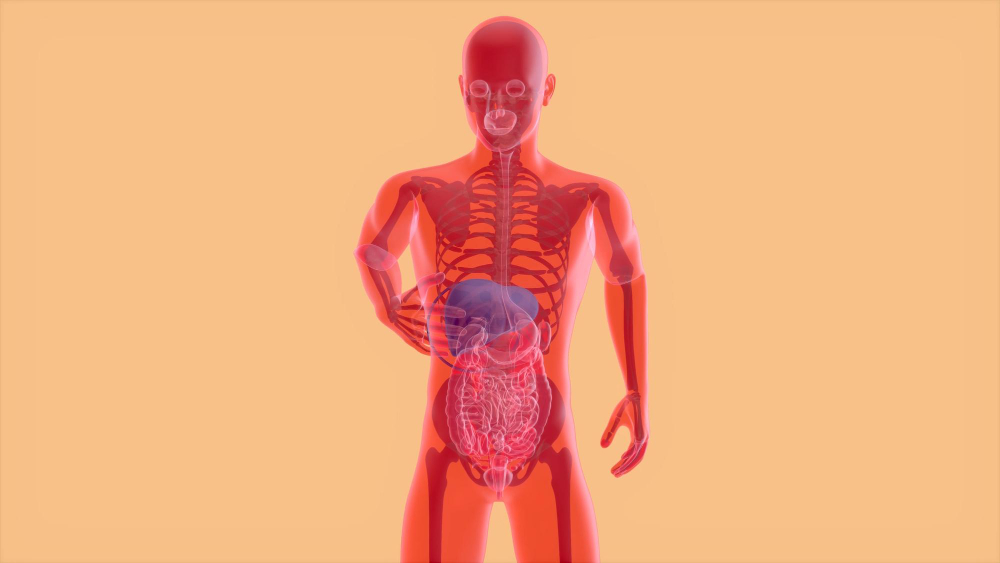
Clotting depends on a cascade of specific proteins, and the great majority of them are made in the liver.
A failing liver therefore produces a bleeding problem, and tests of clotting are among the standard ways of assessing how well one is working.
11. It Makes Bile, Which Is Not a Digestive Enzyme
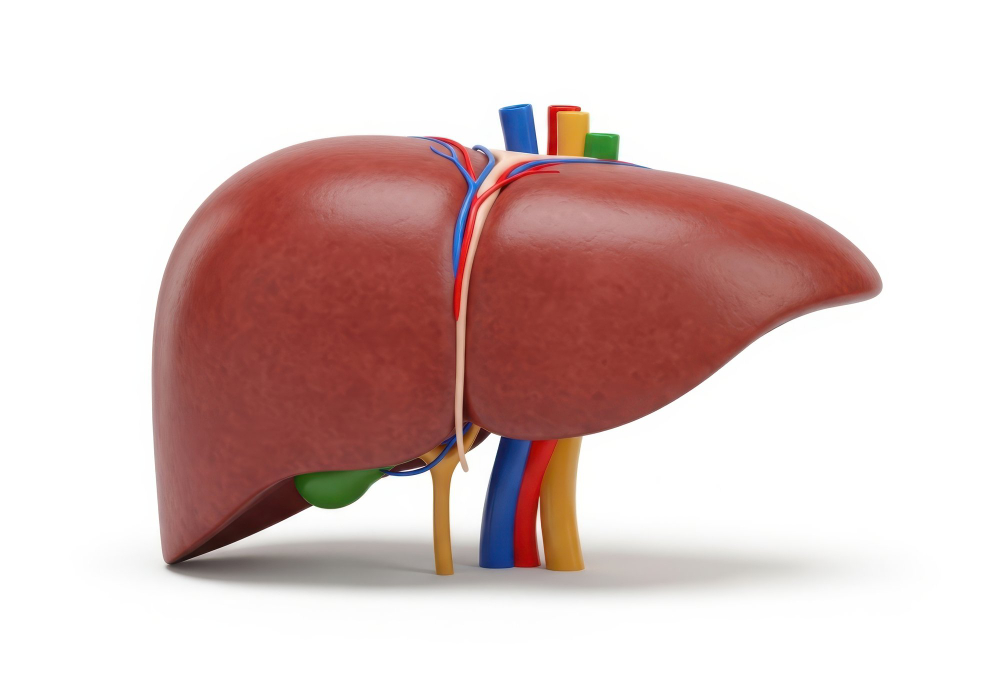
Bile contains no enzymes and digests nothing. It is a detergent.
Fat arrives in large droplets that enzymes can only attack at the surface. Bile breaks those droplets into countless tiny ones, multiplying the surface area enormously.
12. And It Recycles Bile Rather Than Making It Fresh
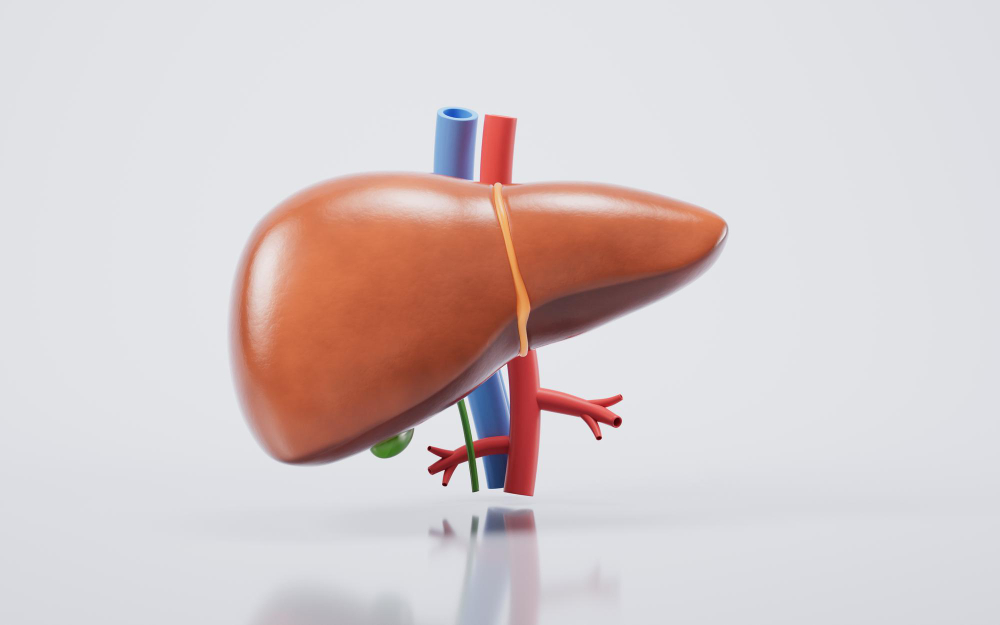
The components of bile are reabsorbed further down the gut, returned to the liver and sent out again, several times during a single meal.
Manufacturing enough from scratch would be prohibitively expensive, so the body runs a loop instead of a supply line.
13. It Solves the Body’s Nitrogen Problem
Breaking down protein releases ammonia, which is toxic in small quantities and cannot be allowed to accumulate.
The liver converts it into a far less harmful compound that can be carried safely in the blood and disposed of in urine. Without that conversion, the build-up affects the brain.
14. It Is the Body’s Warehouse for Several Things at Once
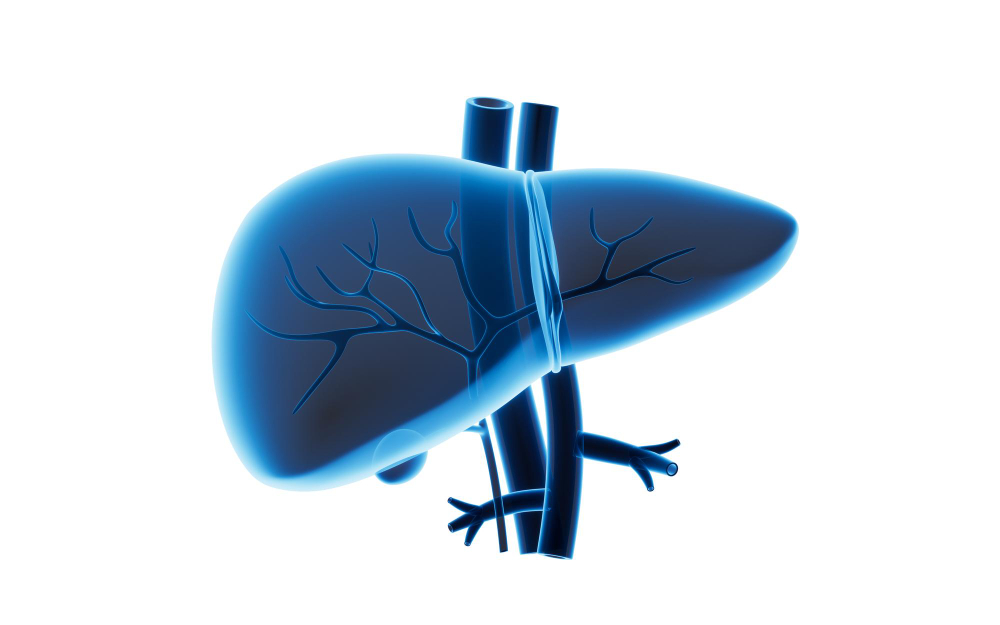
Iron, copper, vitamin B12 and the fat-soluble vitamins are all held in the liver, some of them in quantities sufficient for months or years.
This is why deficiencies in some of those take a remarkably long time to appear, and why excesses can be stored rather than causing immediate trouble.
15. It Does the Middle Step on Vitamin D
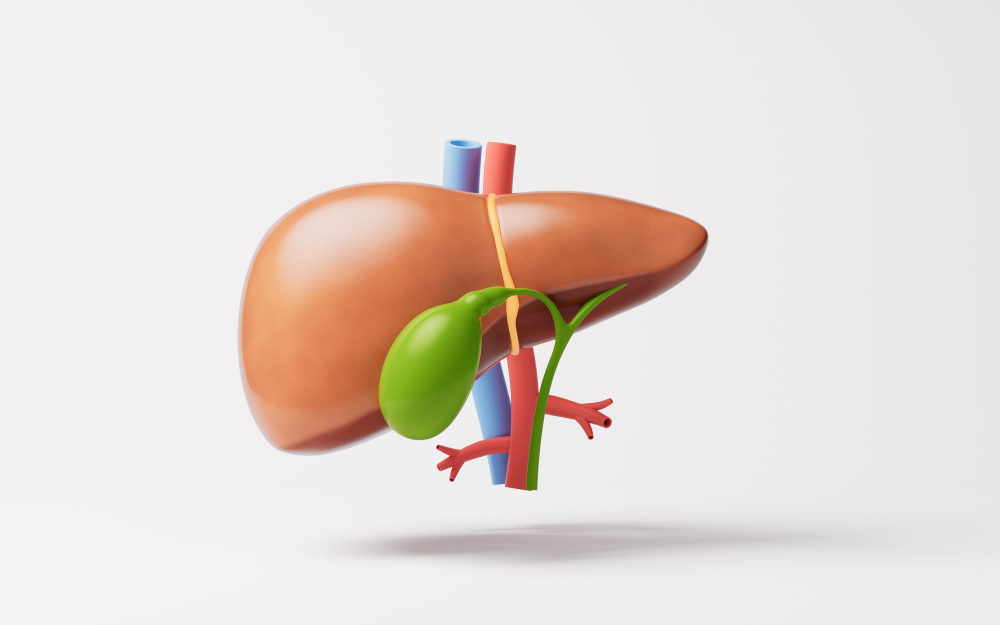
The active form of vitamin D is produced in three stages in three places, and the liver performs the second of them.
Neither the skin nor the kidney can do that step, and without it the chain stops.
16. It Has Two Separate Blood Supplies
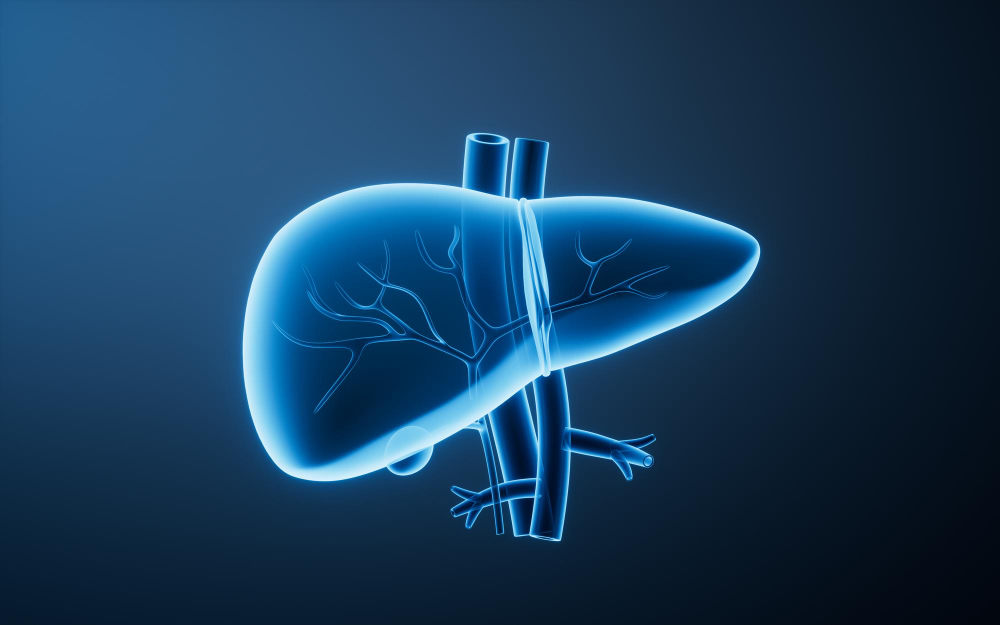
Most organs receive one arterial supply. The liver receives an artery carrying oxygenated blood and, separately, the large vessel bringing everything absorbed from the gut.
Most of its blood arrives already partly depleted of oxygen, which is an unusual arrangement and reflects that its main business is chemistry rather than exertion.
17. The Whole Thing Is One Small Unit, Copied Many Thousands of Times
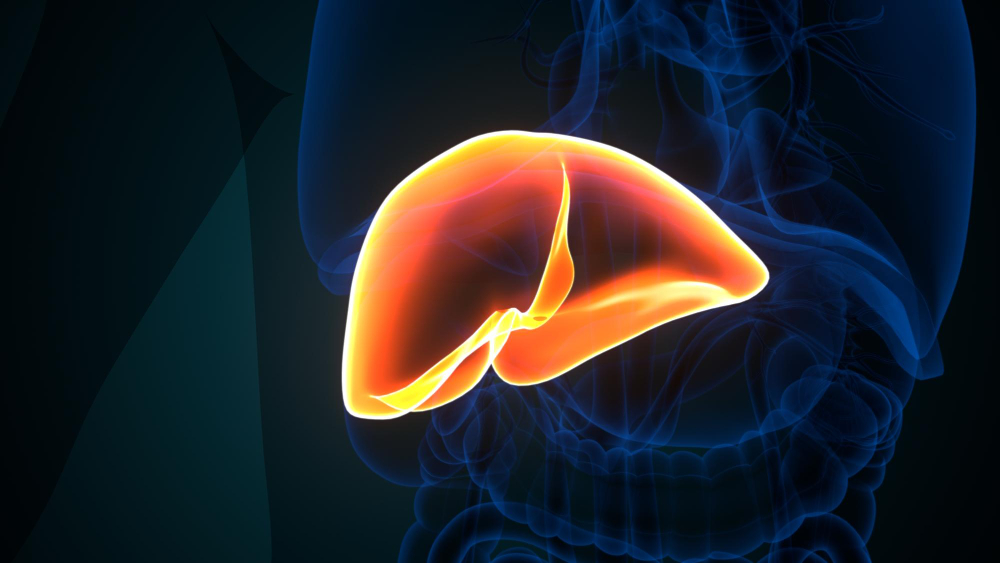
The liver is not a single mass with regions doing different jobs. It is built from a repeating hexagonal unit, with blood entering at the corners and leaving at the centre.
Each unit performs the full range of functions, which is a large part of why losing a portion of the organ is survivable and why the remainder can take over.
Several Hundred Jobs in One Repeated Unit
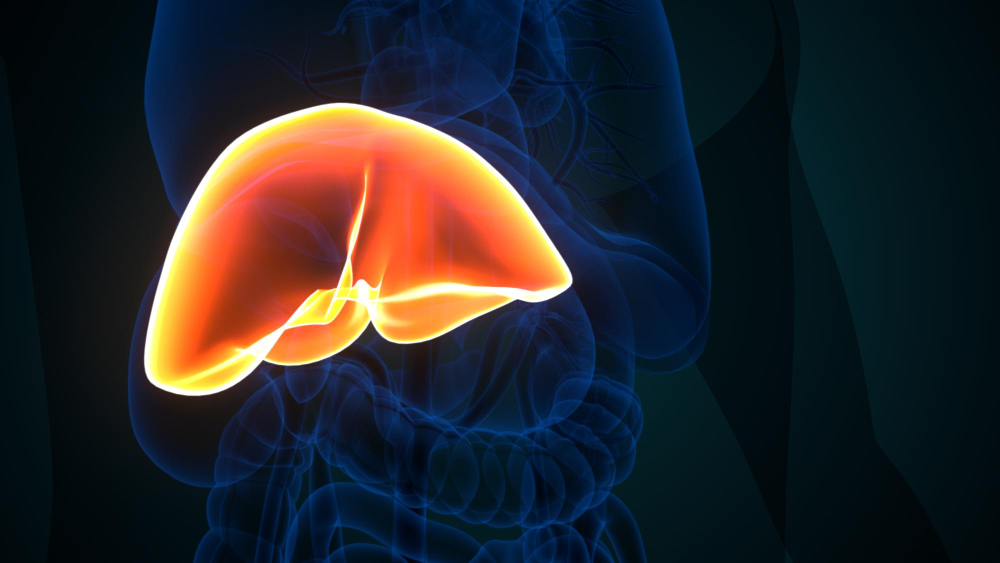
The only organ that regrows, the one that processes everything you swallow before the rest of you sees it, the manufacturer of the proteins that hold fluid in your vessels and make your blood clot, and the maker of a detergent rather than an enzyme.
The eleventh item is the one that surprises people most. Bile contains no digestive enzymes whatsoever and breaks down nothing – it is a detergent, and its entire job is to smash large fat droplets into tiny ones so that the enzymes made elsewhere have vastly more surface to work on.
Like our content? Follow us for more.