

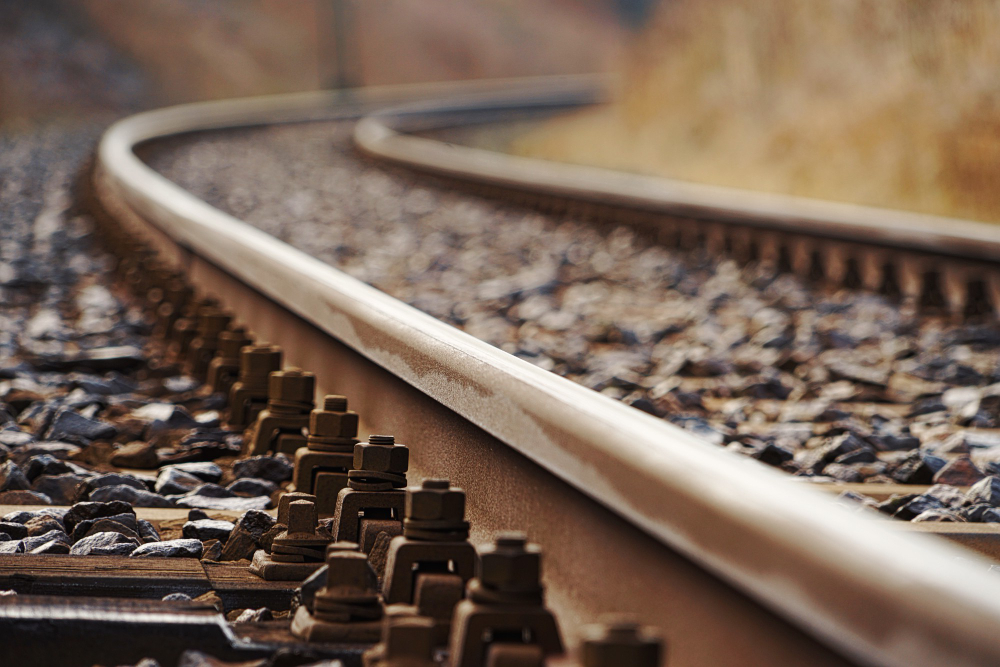
A railway looks like the most rigid thing in the landscape: steel lines running dead straight to the horizon, apparently welded to the earth. The reality underneath is the opposite, and once you know what the stones are doing, the whole design reads differently – including why they are that particular shape, why the bed is heaped up in a trapezoid rather than laid flat, and why a maintenance train goes along periodically doing something that looks like vandalism.
The Load Has to Be Spread, Enormously
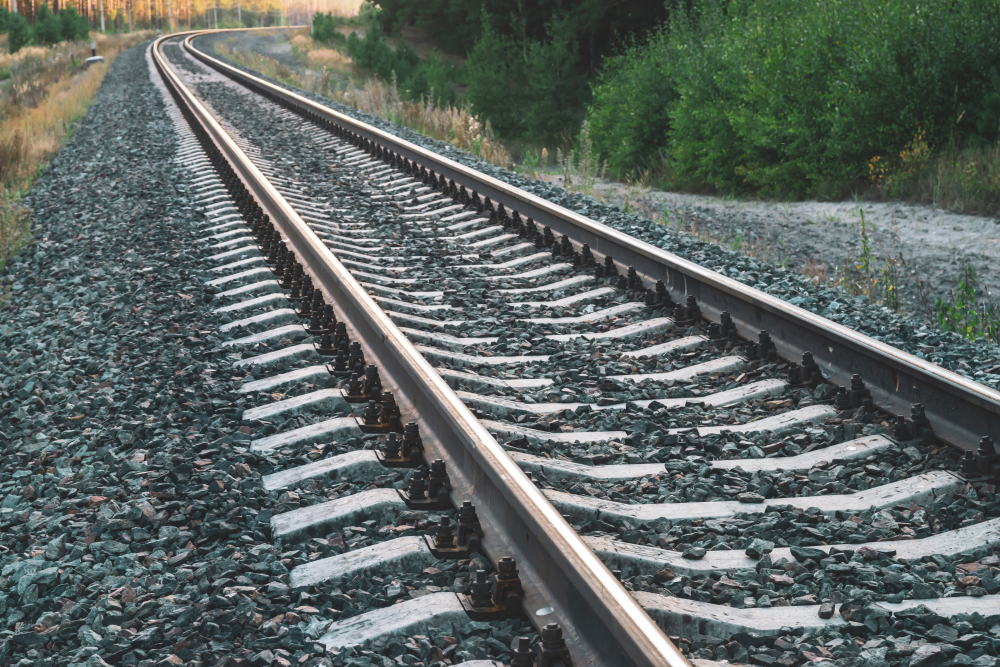
Start with the problem. The contact between a steel wheel and a steel rail is tiny – roughly the area of a small coin – and the force through it is measured in tonnes. That is an extraordinary pressure, far beyond what any soil could take.
The structure below exists to spread it. The rail, being a stiff beam, distributes the wheel load over several sleepers rather than one. Each sleeper spreads its share over its own footprint. The ballast then spreads that again, the load dispersing outward through the stone as it goes down, so that by the time it reaches the formation below, the pressure is low enough for ordinary ground to carry.
Each layer takes a concentrated load and hands on a diffuse one. By the bottom of the ballast the pressure has fallen by orders of magnitude, which is the only reason a train can run over ground that would not support a parked lorry.
Like our content? Follow us for more.
The Stones Are Angular on Purpose
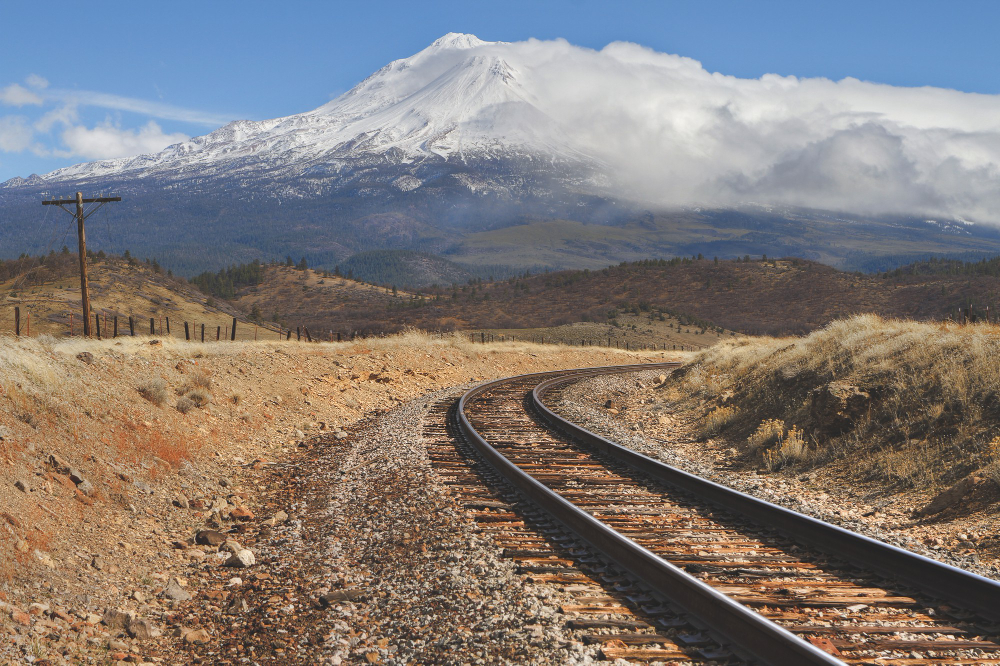
Railway ballast is not gravel. Gravel is rounded, and rounded stones roll over one another, which is exactly what must not happen.
Ballast is crushed rock, deliberately angular, with sharp faces and corners. When it is compacted, those corners interlock and the stones jam against each other. The bed develops strength not from any binder but from friction and geometry, which is why it behaves as a solid mass under load while remaining, technically, loose material.
The size is controlled too, and it is a narrow range – roughly thumb-sized, with the fine material screened out. Fines are the enemy. A bed with dust and small particles filling the gaps loses its drainage and its ability to move, and the stones stop interlocking and start floating in the muck between them.
The rock itself has to be hard enough to survive being repeatedly crushed against its neighbours, so railways are particular about the source. Soft stone breaks down into exactly the fines that ruin the bed.
Looseness Is a Feature
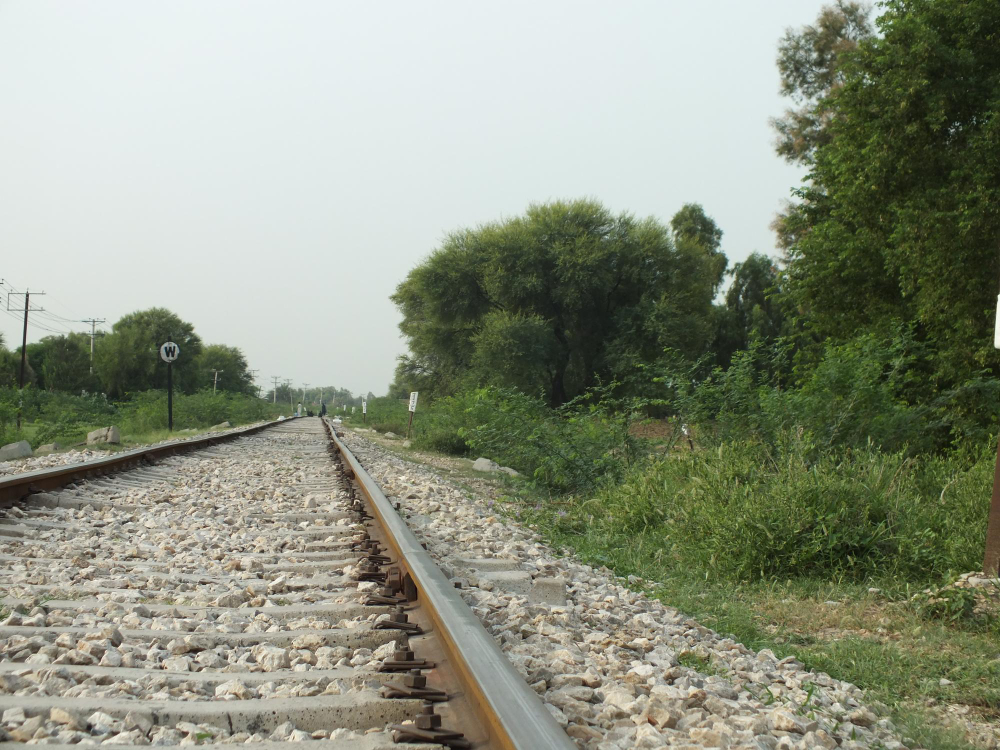
Now the central point. A concrete slab would spread load perfectly well. Railways have used slab track, and it works. But loose ballast does several things a slab cannot.
It absorbs energy. A passing train is a series of impacts, not a steady load, and the stones move microscopically against one another at each one, dissipating energy as friction. That cushioning protects both the vehicle and the ground, and it is a large part of why a train on ballasted track is less harsh than one on slab.
It can be adjusted. Track settles, ground moves, and the geometry drifts out of tolerance. With ballast, correcting this means lifting the track and packing more stone underneath, which can be done by machine, overnight, on an open railway. Correcting a concrete slab means engineering work.
It drains. Water sitting against timber or concrete, and water in the formation, is destructive. An open bed of large angular stones with no fines in it is a drainage layer; rain falls straight through and runs away.
And it fails gradually. A ballasted track that deteriorates gets progressively rougher, which is detectable and correctable long before it is dangerous. Rigid structures tend to be fine until they are not.
The Shape of the Bed Is Doing Work
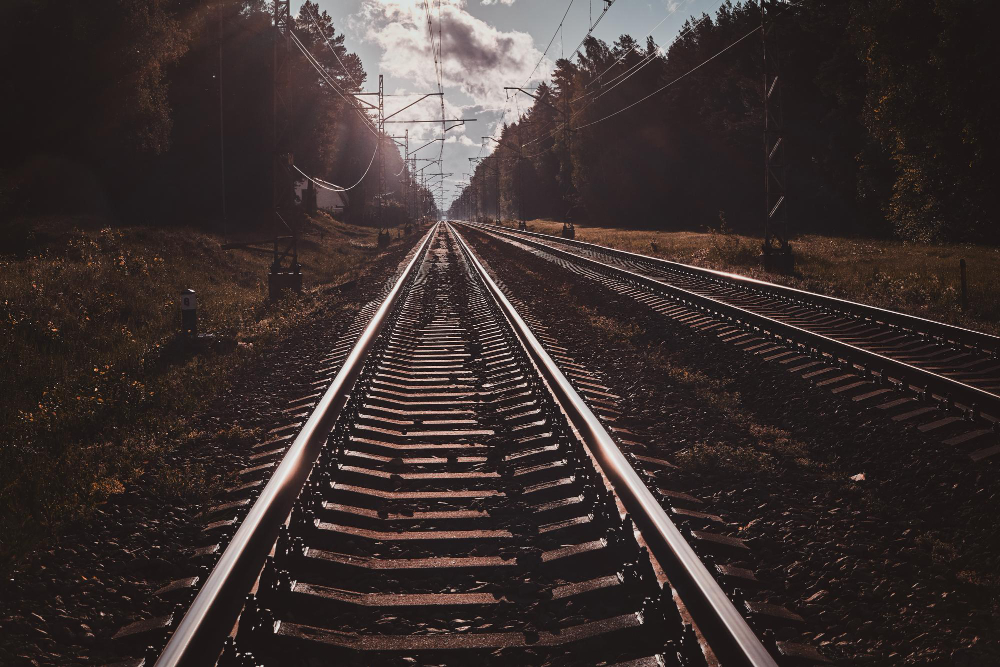
The ballast is heaped, not levelled, and the profile is specified rather than accidental.
Stone is packed between and under the sleepers, and it is also heaped up against their ends, in the shoulder along each side of the track. The shoulder is what stops the track moving sideways. Without it, lateral forces from trains going round curves would gradually push the whole assembly outward.
The depth matters as much. Too shallow and the load is not spread enough before it reaches the ground; too deep and it is expensive and less stable. There is a designed thickness beneath the sleeper, and the maintenance that keeps the bed full is keeping that thickness.
The bed extends beyond the sleeper ends on both sides for the same load-spreading reason, which is why the stone strip is wider than the track, and why the sides slope.
The Machine That Shakes It
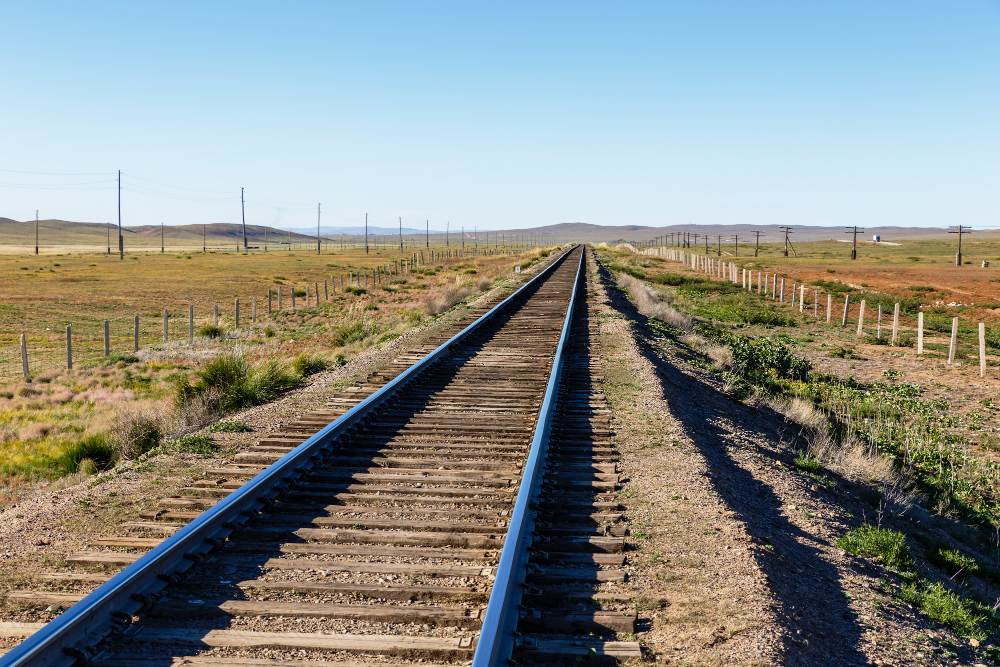
Periodically a train comes along that looks as though it is destroying the railway. It lifts the track bodily, drives steel tines down into the ballast on either side of each sleeper, and vibrates them while squeezing them together.
This is tamping, and it is the core maintenance operation. Vibration temporarily liquefies the stone, allowing it to flow into the void under the lifted sleeper. The tines then squeeze it into place, and when the vibration stops, the stones lock together again in their new arrangement, holding the track at the corrected level.
The machine measures as it goes, comparing the track’s actual geometry with the design and lifting each point by the amount required. It is a machine that sets the position of a railway to within a couple of millimetres by shaking gravel.
The price is that every tamping breaks some stones, generating fines, and eventually the bed is too contaminated to work. At that point another machine digs the ballast out, screens it, returns the good stone and adds fresh, all while moving slowly along the line.
What the Sleepers Are Actually For
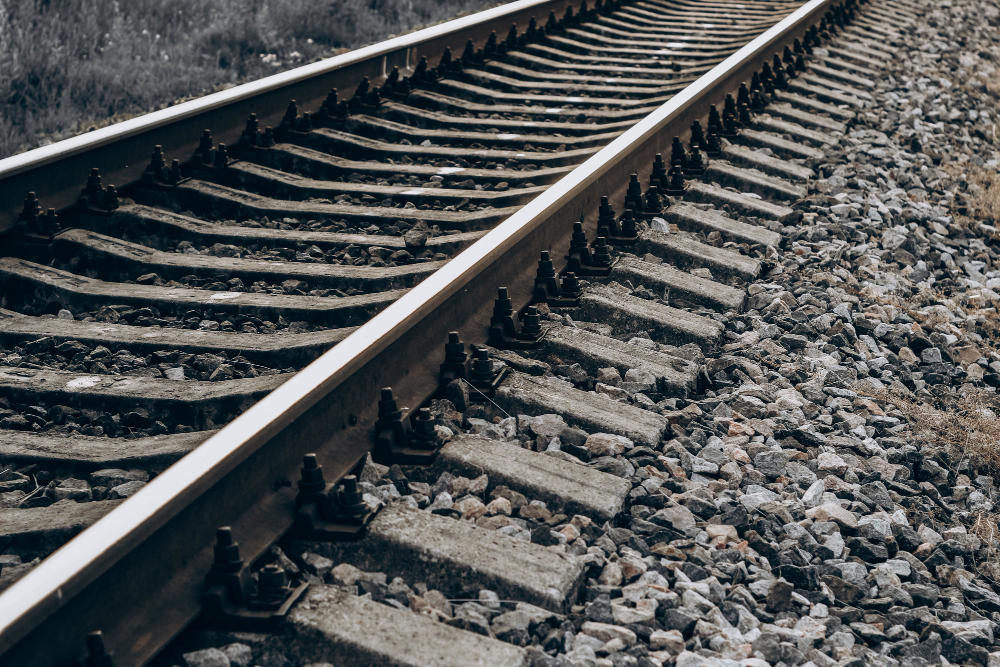
The sleepers – crossties – are usually explained as what the rails are attached to. Their more important job is holding the two rails a fixed distance apart, because the gauge is what keeps the wheels on.
A railway wheelset is a rigid axle with a wheel fixed at each end, and the wheels are not cylindrical but coned, slightly wider at the inside. That cone shape is what steers the train: if the wheelset drifts off centre, the wheel on one side runs on a larger effective diameter and the other on a smaller, and because they are locked to the same axle, the set steers itself back. The flanges are a last resort, not the steering mechanism.
All of which depends on the two rails staying the right distance apart under load. That is the sleeper’s primary duty, and it is why the fastenings holding rail to sleeper are as much about resisting spreading as about holding the rail down.
Timber, concrete and steel each make the trade differently: timber is resilient and forgiving and rots, concrete is heavy and stable and unforgiving, steel is light and recyclable and noisy. Heavier sleepers resist movement better, which is one reason concrete became standard as speeds and axle loads rose.
Why Modern Track Has No Gaps
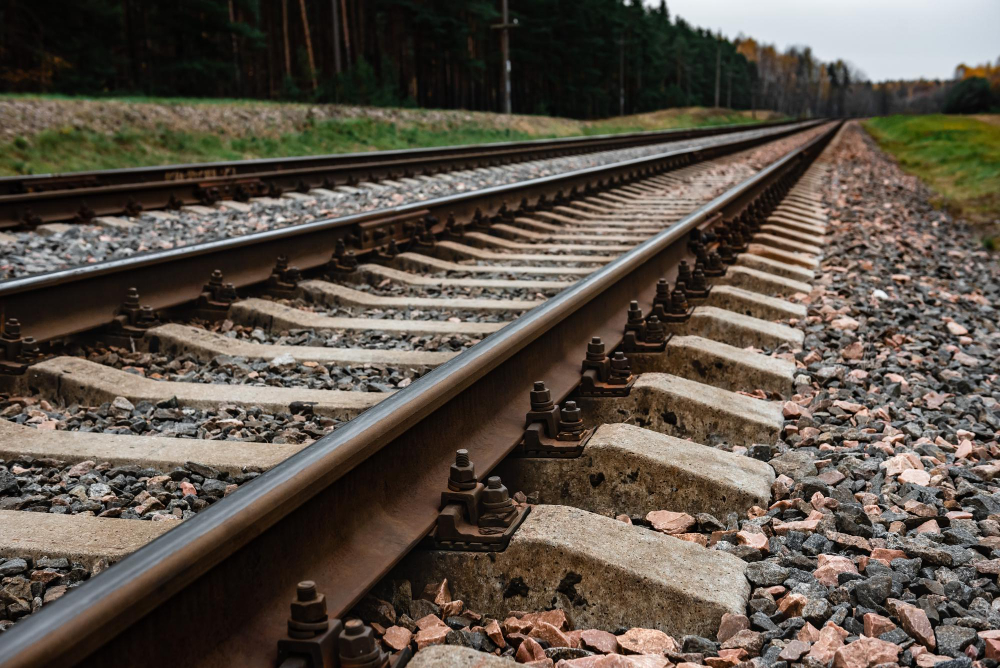
Older track was laid in lengths with a gap at each joint, which is what produced the sound everybody associates with trains. The gaps were there because steel expands when it is warm, and a rail with nowhere to go will buckle.
Modern track is welded into continuous lengths, which is smoother, quieter and much less demanding to maintain, since joints were always where the wear concentrated. But the expansion problem did not go away; it was transferred.
A welded rail cannot lengthen, so as it warms it develops enormous compressive force instead. The thing holding it straight against that force is the ballast: the friction of the sleepers in the stone, and the shoulder resisting sideways movement.
This is why the ballast profile is treated as a safety matter rather than a tidiness matter, and why hot weather is a live concern on railways. The rails are installed under tension at a chosen neutral temperature so that the compressive force at the hottest expected temperature stays within what the bed can hold. The heap of stones is not merely supporting the track; it is the only thing preventing several kilometres of steel under load from moving sideways.
A Foundation That Works by Not Being Solid
So a railway is a stack of deliberate compromises. A tiny steel contact patch carrying tonnes, spread out through progressively softer layers until the ground can take it. Angular stone that is strong because it interlocks rather than because it is bonded. A bed that drains, cushions, can be shaken back into position by machine and fails slowly enough to be caught.
It is one of the few structures in engineering that is better for being loose, and it has been essentially the same idea since the 1830s. The rails changed, the sleepers changed, the trains got heavier and faster, and underneath all of it the answer is still a carefully specified heap of broken rock that nobody has fixed to anything.
Like our content? Follow us for more.
