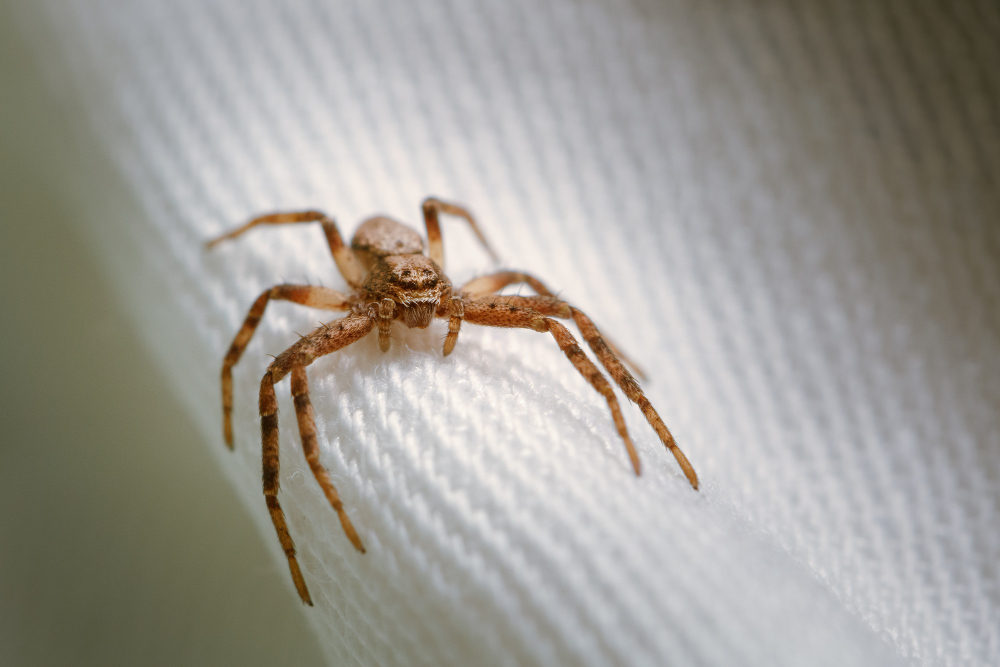
It cannot climb out, which is the only reason it is still there. Here are seventeen.
1. It Did Not Come Up the Plughole
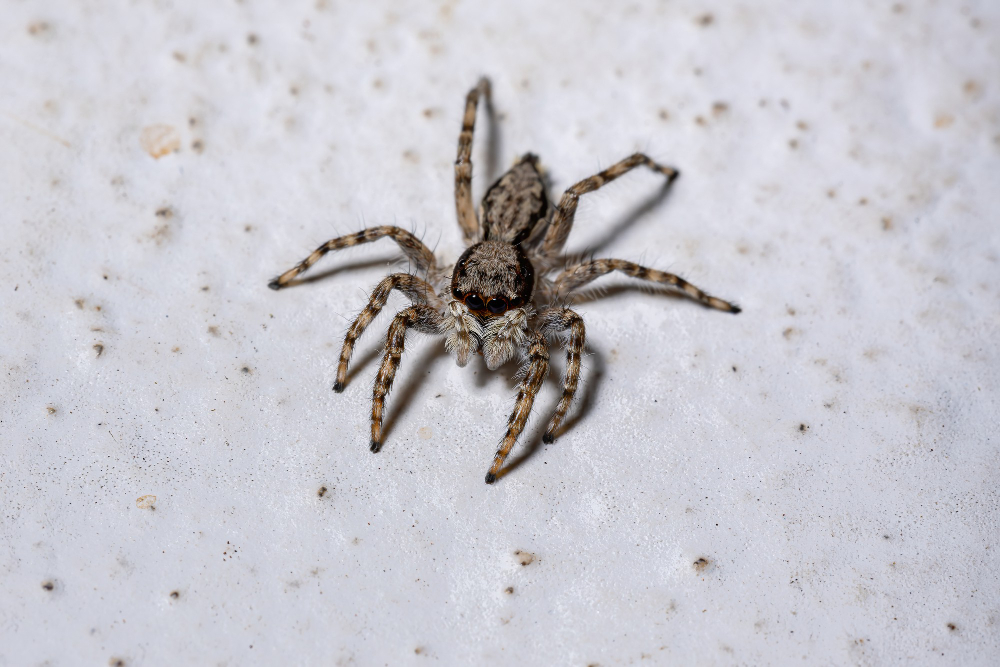
This is the belief everybody has and it does not survive examination. A drain contains a bend permanently full of water, which is there to block gases, and nothing walks through it.
It came in across the floor and then climbed in, or dropped in from above. The plughole is where it is heading, not where it came from.
Like our content? Follow us for more.
2. It Is Not There for a Drink
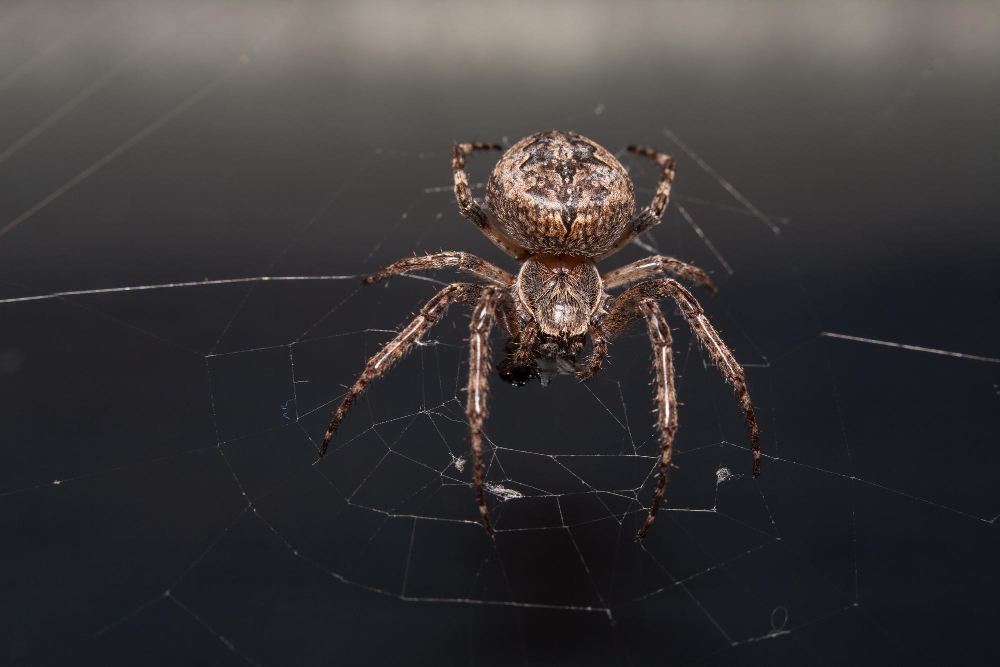
The second assumption, that it has come looking for water, is also mostly wrong. A bath is one of the driest and most featureless places in a house.
It arrived there while crossing the room in the dark and then found itself in a smooth-sided basin, which is the whole of the story.
3. It Cannot Get Out
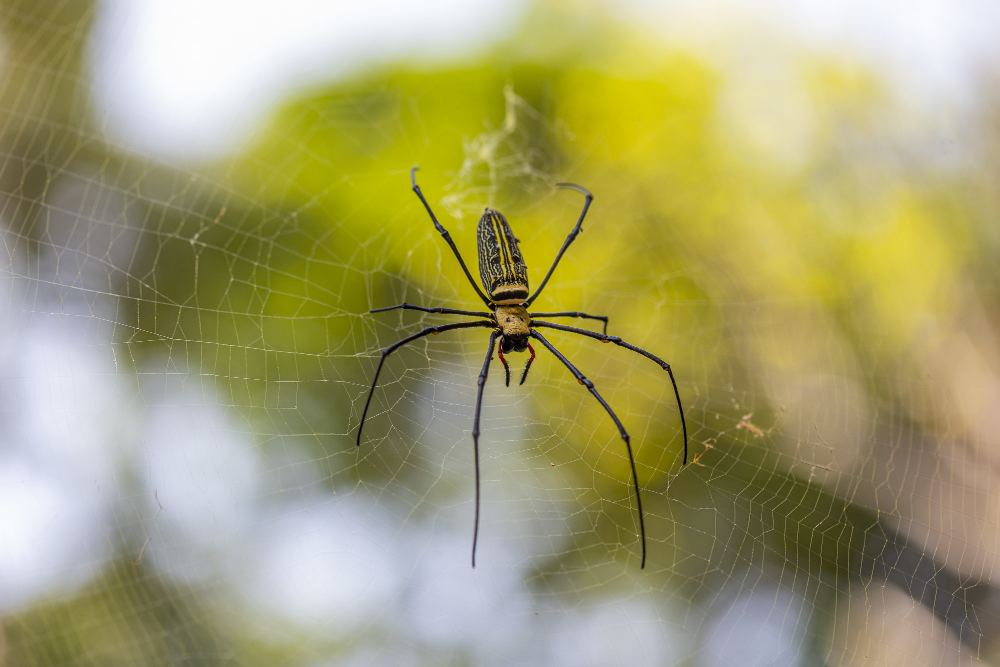
This is the actual explanation for everything. The sides of a bath are glazed, almost frictionless and curved, and a large house spider’s feet cannot grip them.
It is not sitting there menacingly. It has been trying to leave for some hours and has repeatedly slid back down, which is why it is usually in the middle of the floor of the bath looking defeated.
4. It Is Almost Certainly a Male
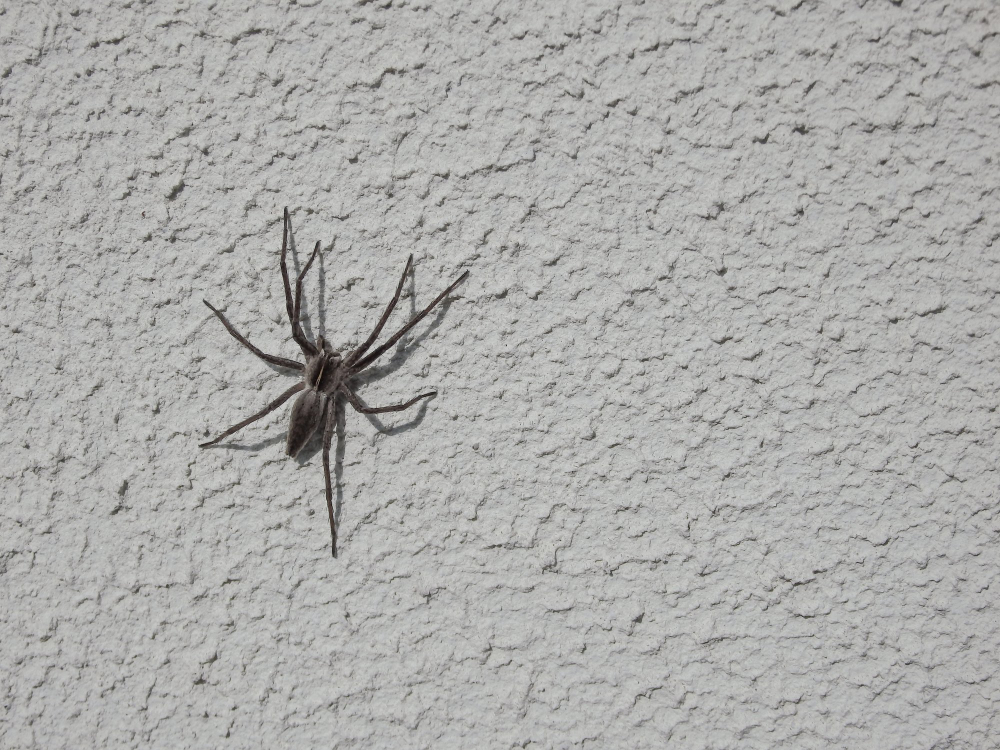
The large ones that appear indoors and run across floors are overwhelmingly males. Females of the same species stay put in a sheltered spot for most of their lives.
So the dramatic one in the open is a male on the move, and the one you have never seen is a female sitting somewhere behind the furniture.
5. And It Is Looking for a Female, Not Shelter
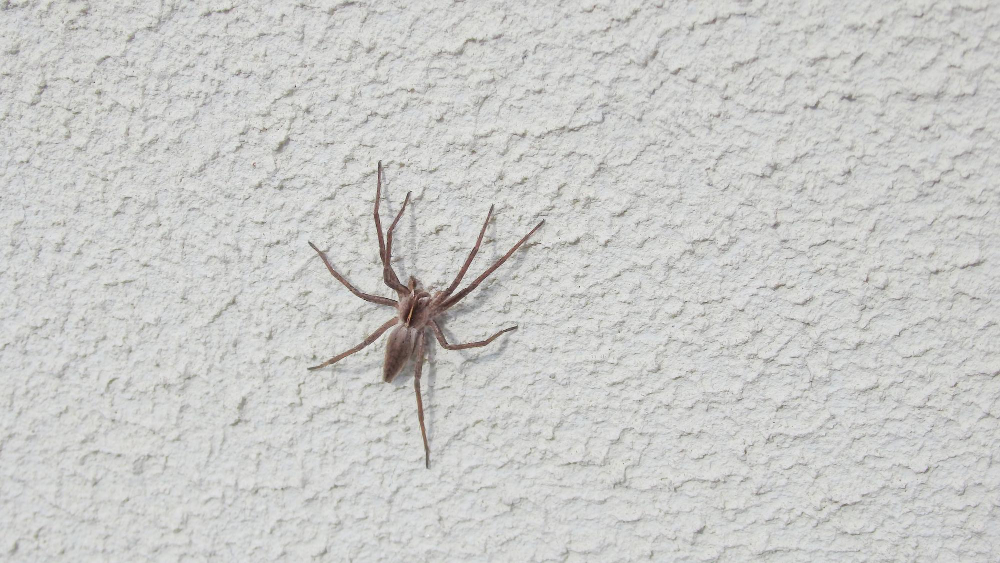
They are not coming indoors to escape the weather, which is the other standing explanation. Many of them were already indoors, or in the fabric of the building, all year.
What changes is behaviour. At a particular point in the year the males stop sitting still and start walking, continuously, searching, which is why they are suddenly everywhere.
6. Which Is Why They All Appear in the Same Three Weeks
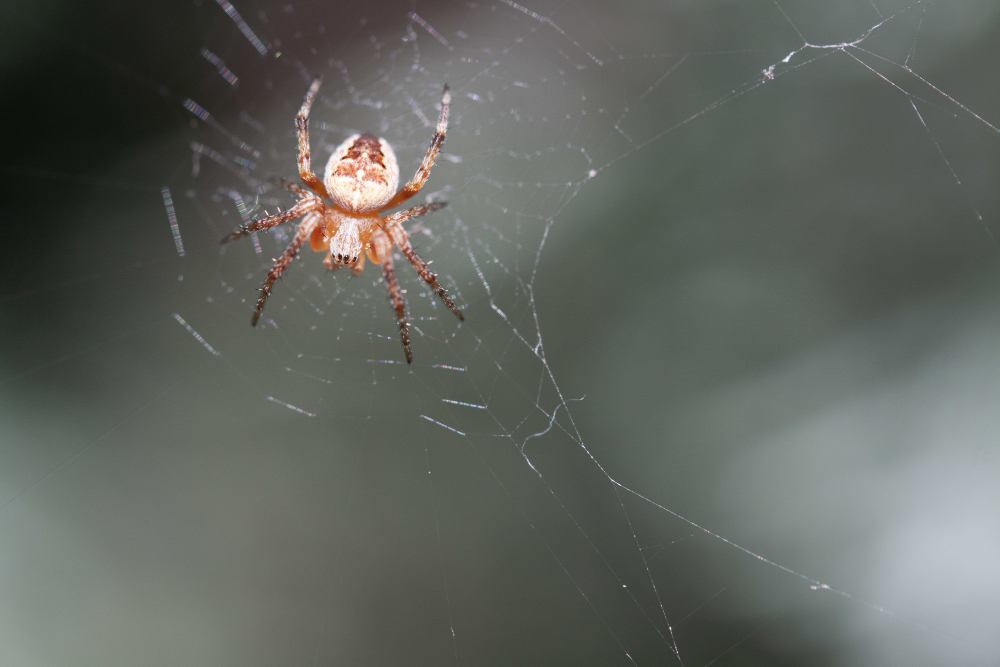
The annual wave of large spiders in houses is a mating season, synchronised across a whole region, and it is the reason the phenomenon feels like an invasion.
Nothing has increased in number. A population that was always there has switched from stationary to mobile, all at once.
7. The One in the Ceiling Corner Is a Different Animal
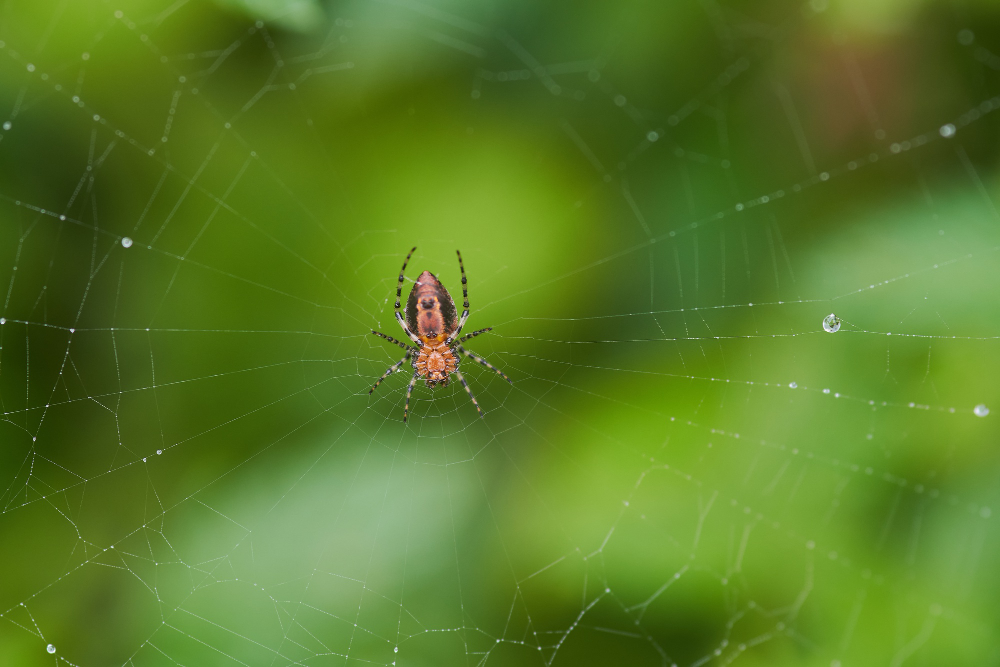
The small, long-legged, extremely fragile one that hangs motionless in a corner is a completely different kind of spider from the fast brown one on the floor.
They have different shapes, different habits, different hunting methods and different lifespans, and most households treat them as the same creature at different ages, which they are not.
8. It Has No Muscles to Straighten Its Legs
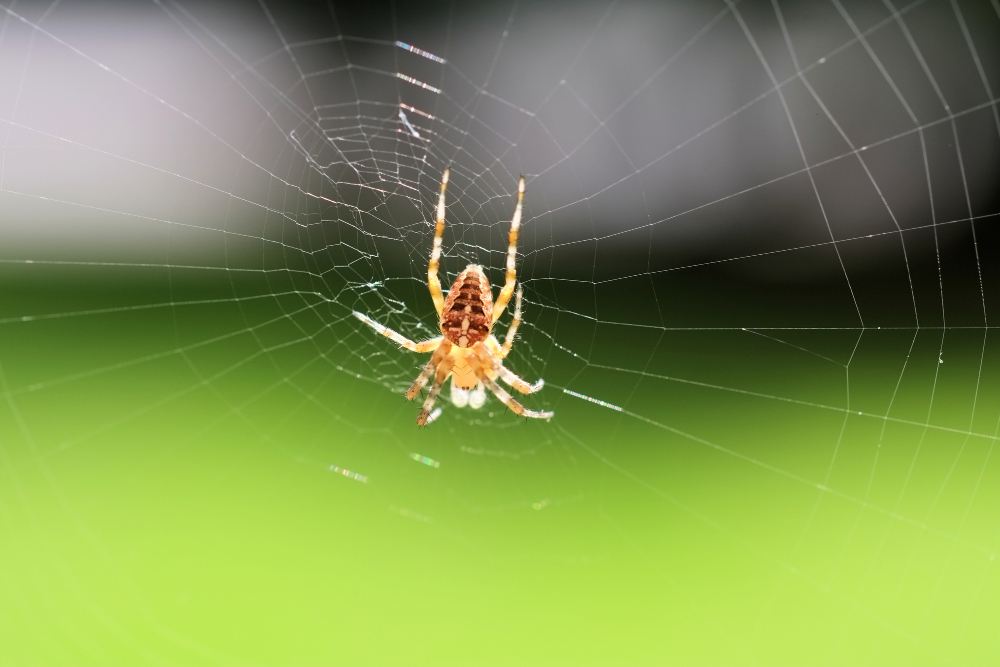
A spider’s legs have muscles to pull them in and essentially none to push them out. Extension is done hydraulically, by pumping body fluid into the limb under pressure.
Which means every step requires it to maintain internal pressure, and an injured or dehydrated spider becomes unable to walk properly before anything else goes wrong.
9. Which Is Why a Dead One Is Curled Up
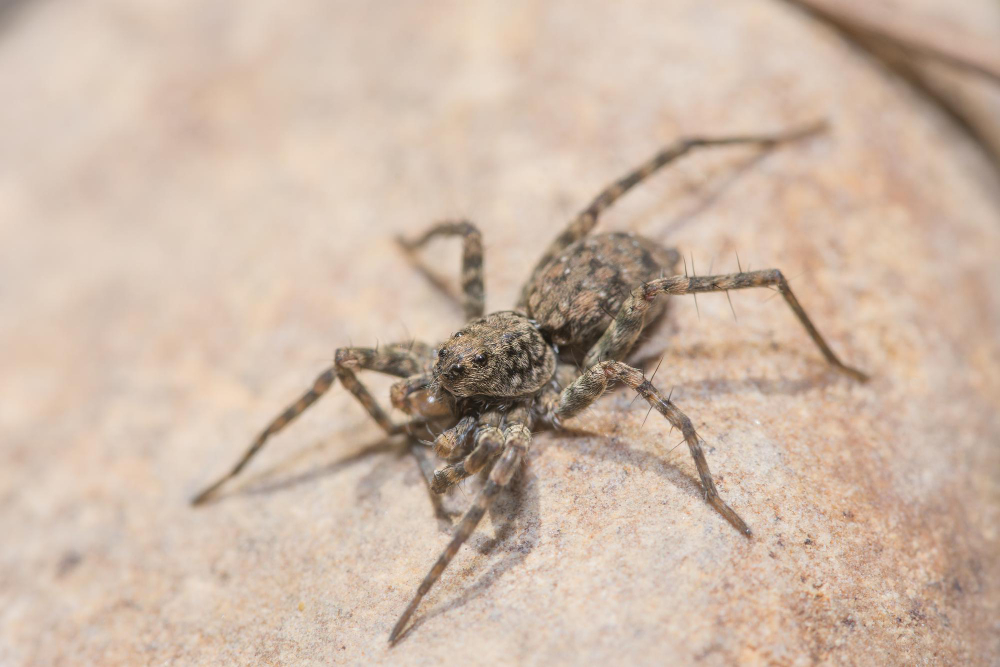
The pulling muscles are still there and the pressure is not. With nothing pushing the legs out, the flexors win and the legs draw inward.
A curled spider is therefore a reliable sign of a dead one, and the characteristic shape is a direct readout of how the legs work.
10. It Can Lose Legs and Carry On
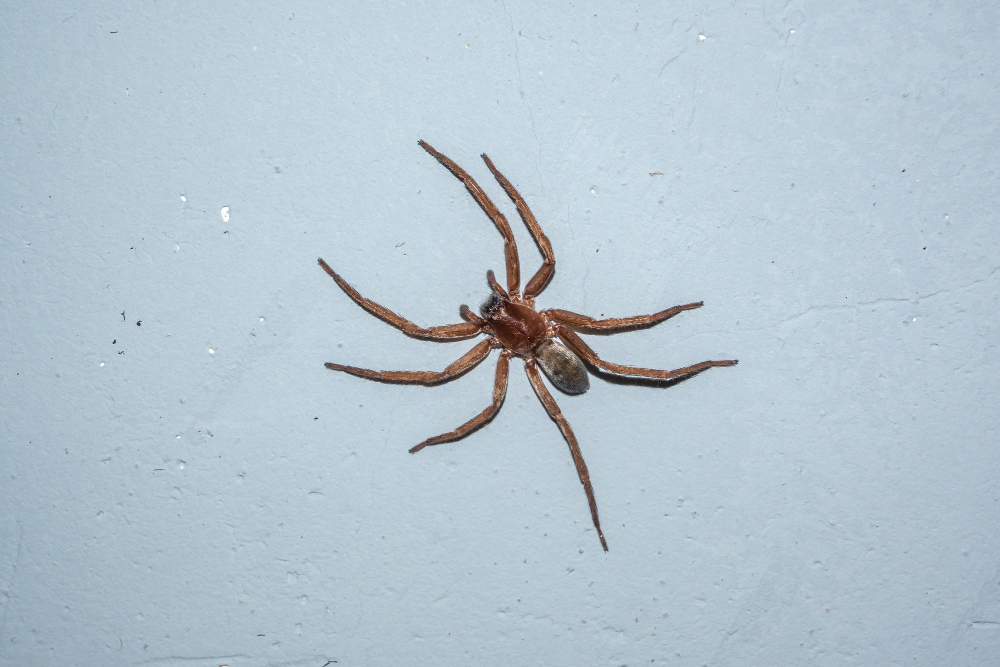
A spider that loses a leg, which happens routinely, simply continues on the remaining ones, and the gait reorganises itself within seconds.
Younger ones can regrow a lost leg at the next moult, though it frequently comes back shorter. An adult cannot and manages without.
11. It Can Go Months Without Eating
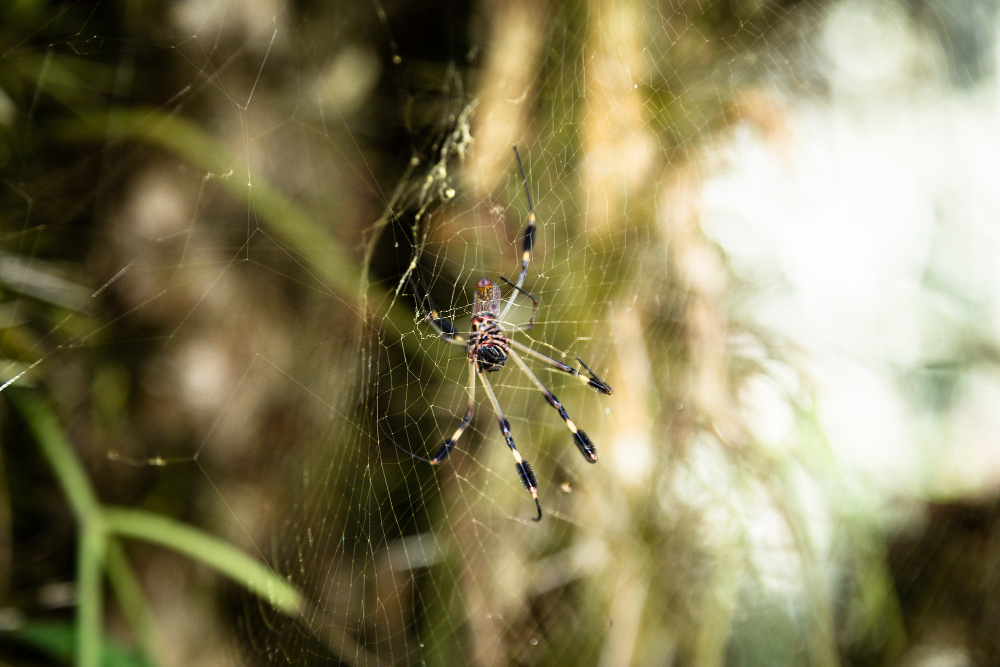
House spiders have very low energy requirements and can survive remarkable periods with no food at all, drawing down reserves and simply doing less.
Which is why one can sit in the same corner for weeks with nothing apparently happening, and why removing an insect population does not remove the spiders quickly.
12. It Is Not Interested in You
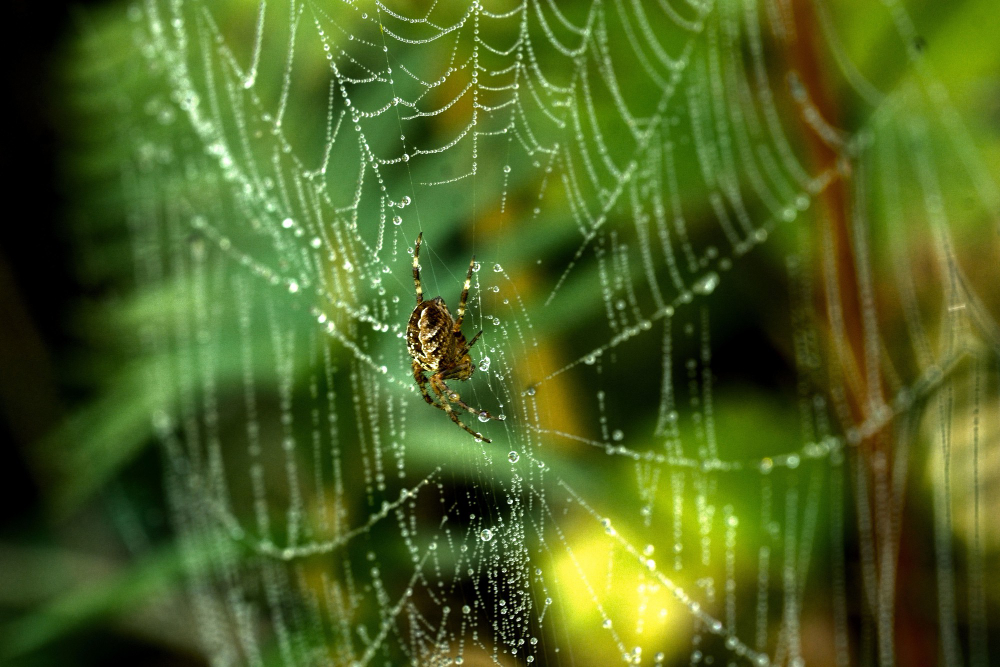
A spider has no reason to approach a person. Humans are too large to be prey, too large to be a threat worth confronting and too warm to be comfortable.
The ones that run toward somebody are running away from something else, or running along a route they were already following, and the resemblance to pursuit is accidental.
13. And It Essentially Cannot Bite You
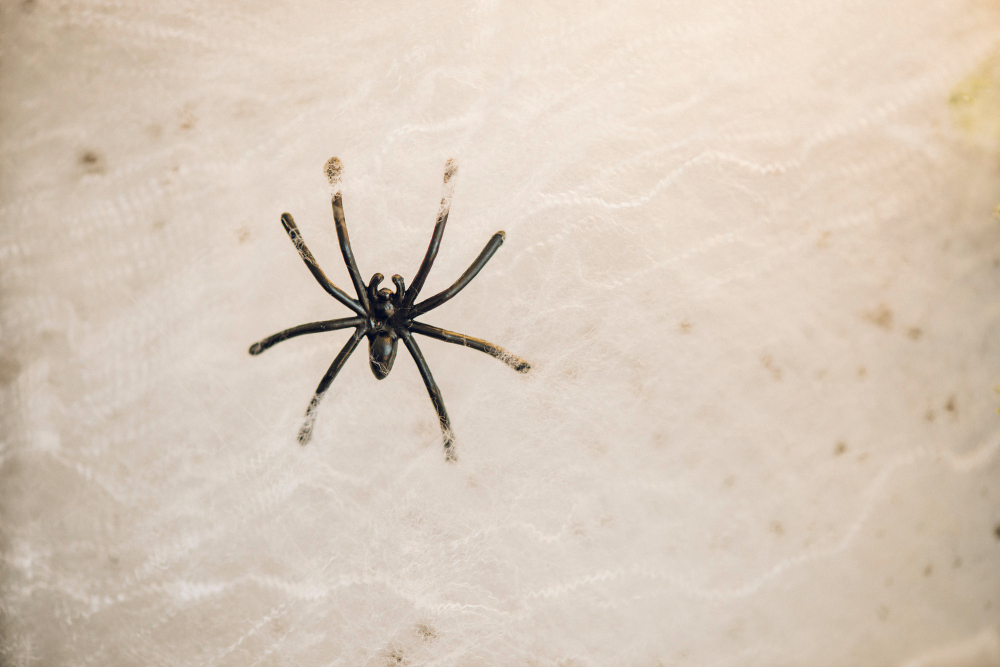
The large house spiders people find indoors have jaws adapted to insect bodies. Most cannot pierce human skin at all, and the handful of species anywhere that can do so meaningfully are not these.
Bites attributed to spiders are very frequently something else entirely, which is a well-documented problem in the records.
14. It Has Eight Eyes and Sees Very Little
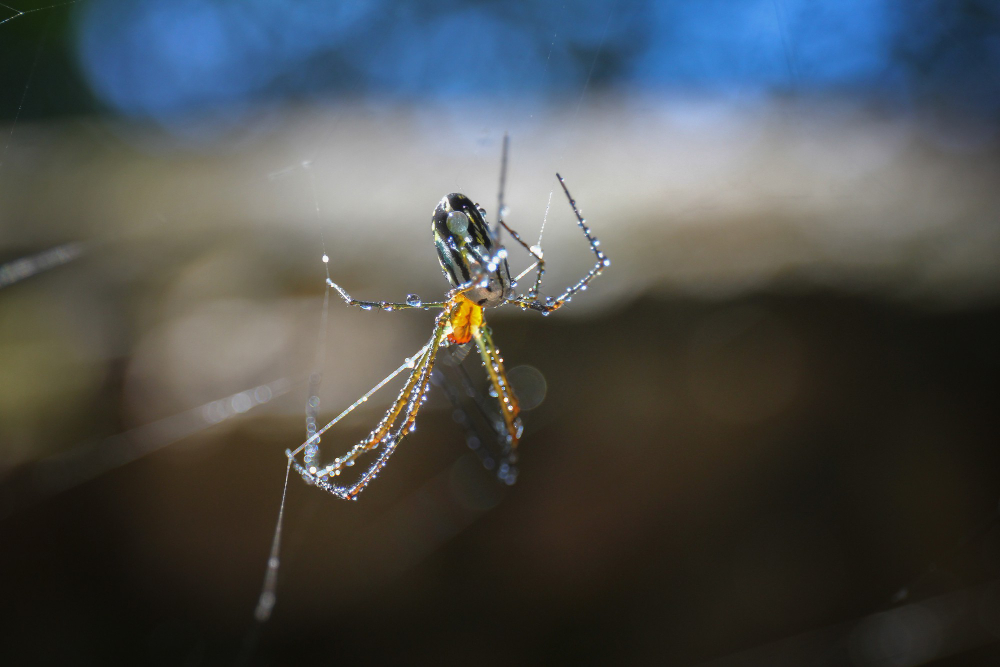
Most house spiders have eight eyes and poor vision. They detect light, movement and shadow, and that is close to the limit of it.
The exceptions are the jumping spiders, which have really good eyesight and will turn to look at you, and which are a different group entirely.
15. It Hears Through Its Legs
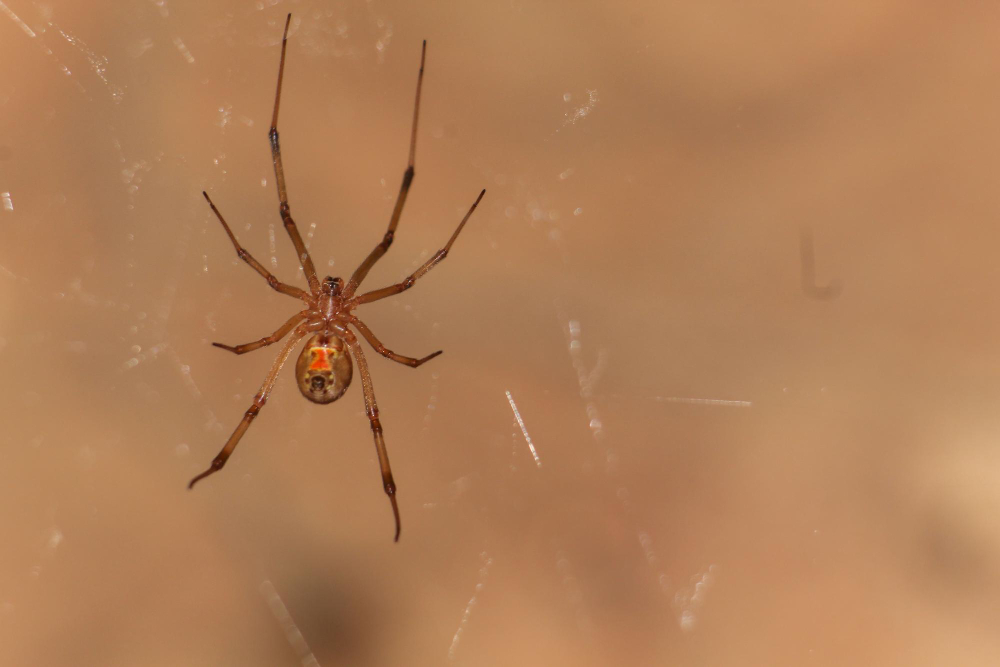
Spiders have no ears. They sense vibration through specialised hairs and organs on their legs, and they are extremely sensitive to air movement and to vibration in whatever they are standing on.
Which is why one freezes when somebody walks across a room. It has detected the footsteps through the bath, several seconds before anybody got close.
16. It Runs Flat Out and Then Stops Completely
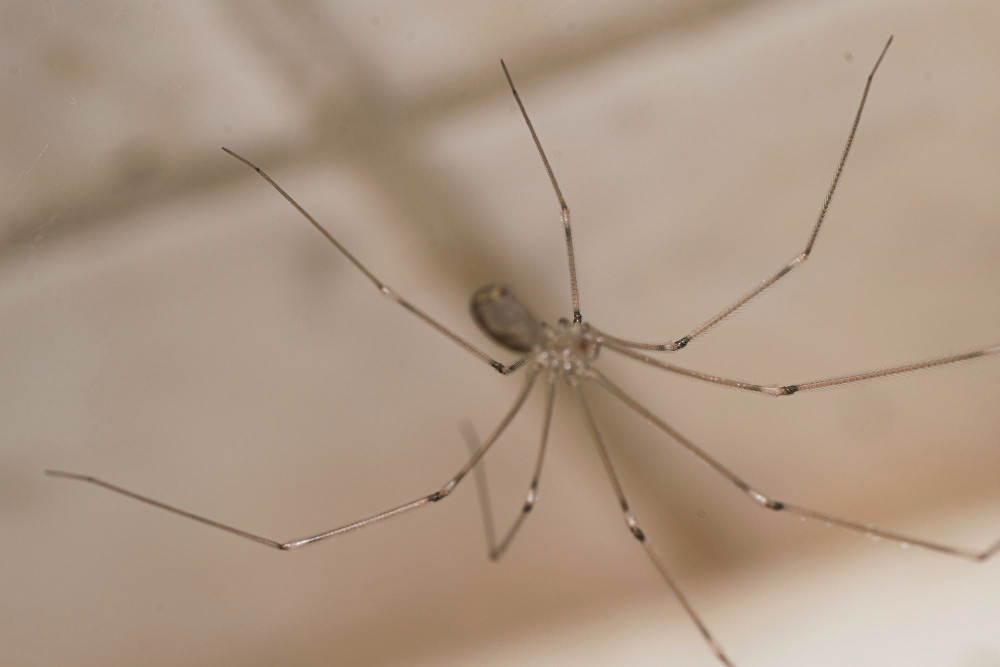
The characteristic movement is a burst of very fast running followed by an abrupt and total halt, sometimes in the middle of an open floor.
The halt is not hesitation. Staying still is a spider’s main defence against being seen, and the burst-and-freeze pattern is a single strategy rather than two behaviours.
17. Putting It Outside Is Not the Kindness It Seems
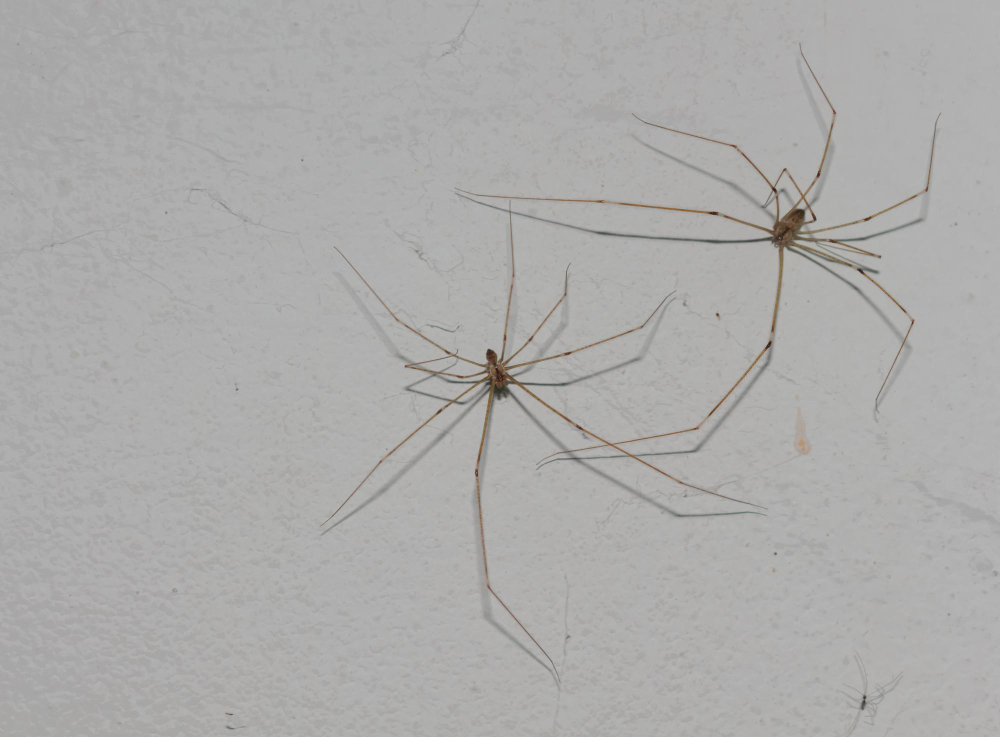
The glass-and-card method works because a smooth vertical wall is as unclimbable for a spider as a bath is, so it stays at the bottom.
The complication is what happens next. Common house spiders are adapted to the inside of buildings, and a large male put out into cold weather in autumn is unlikely to find anywhere suitable. Moving it to another room is generally better for it than the garden, and there is no judgement here either way.
An Animal That Simply Cannot Climb Out
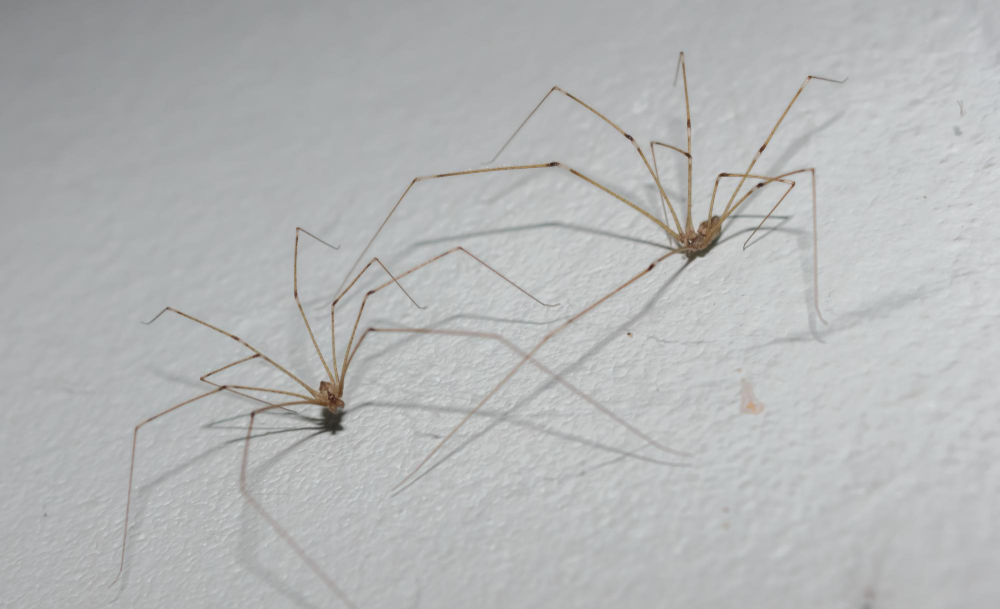
Arrived across the floor rather than up the drain, male, mobile because it is searching for a mate, trapped by a glaze it cannot grip, walking on hydraulic pressure, and listening to the room through its feet.
The eighth and ninth items together explain something everybody has seen without questioning. A spider has almost no muscle for straightening its legs and does it by pumping fluid into them under pressure – so the moment that pressure is gone, the only muscles left are the ones that pull inward, and the legs curl up. The shape of a dead spider is a diagram of how a live one walks.
Like our content? Follow us for more.