

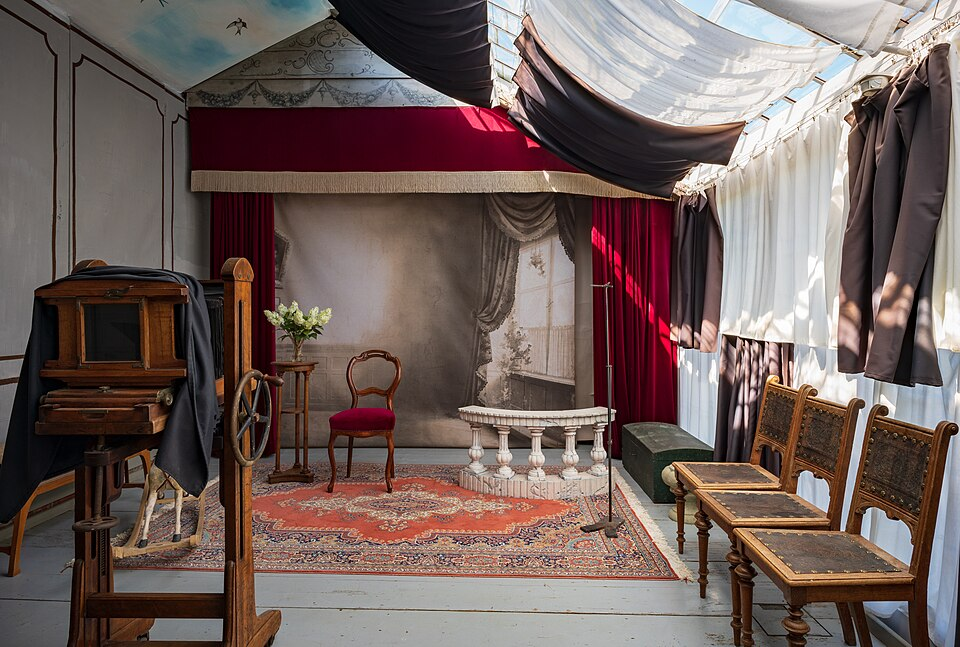
The portrait studio was a serious small business in 1962 America. Every town had at least one, the photographer was a tradesman with real technical training, and the sitting was an appointment made weeks in advance for which the whole family dressed.
It was also slow, hot, expensive and entirely blind. The photographer could not see what he had taken, the subjects could not see it either, and the question of whether the picture worked was settled days later in a darkroom.
Here are twelve things that happened at an American portrait studio in 1962 that would baffle anybody who has only ever taken a photograph on a telephone.
1. Nobody Could See the Picture
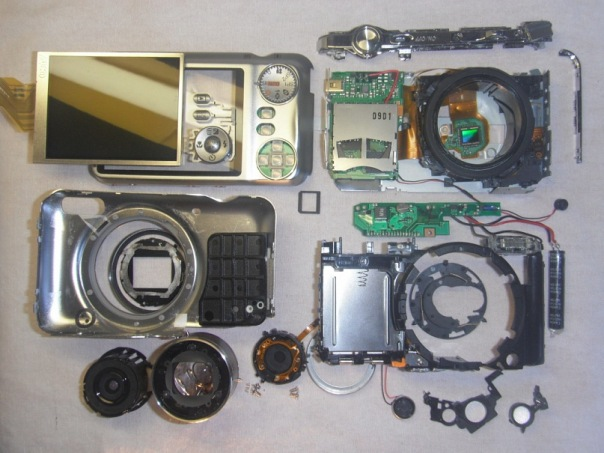
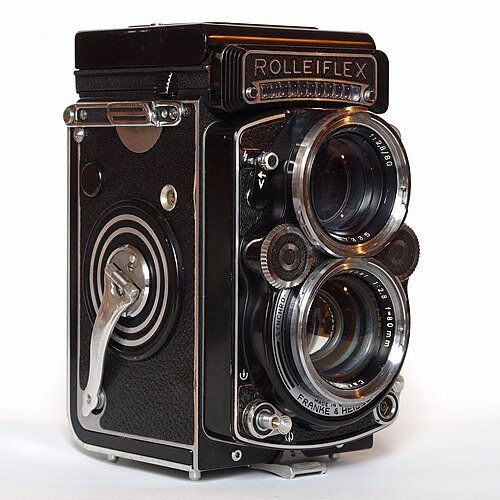
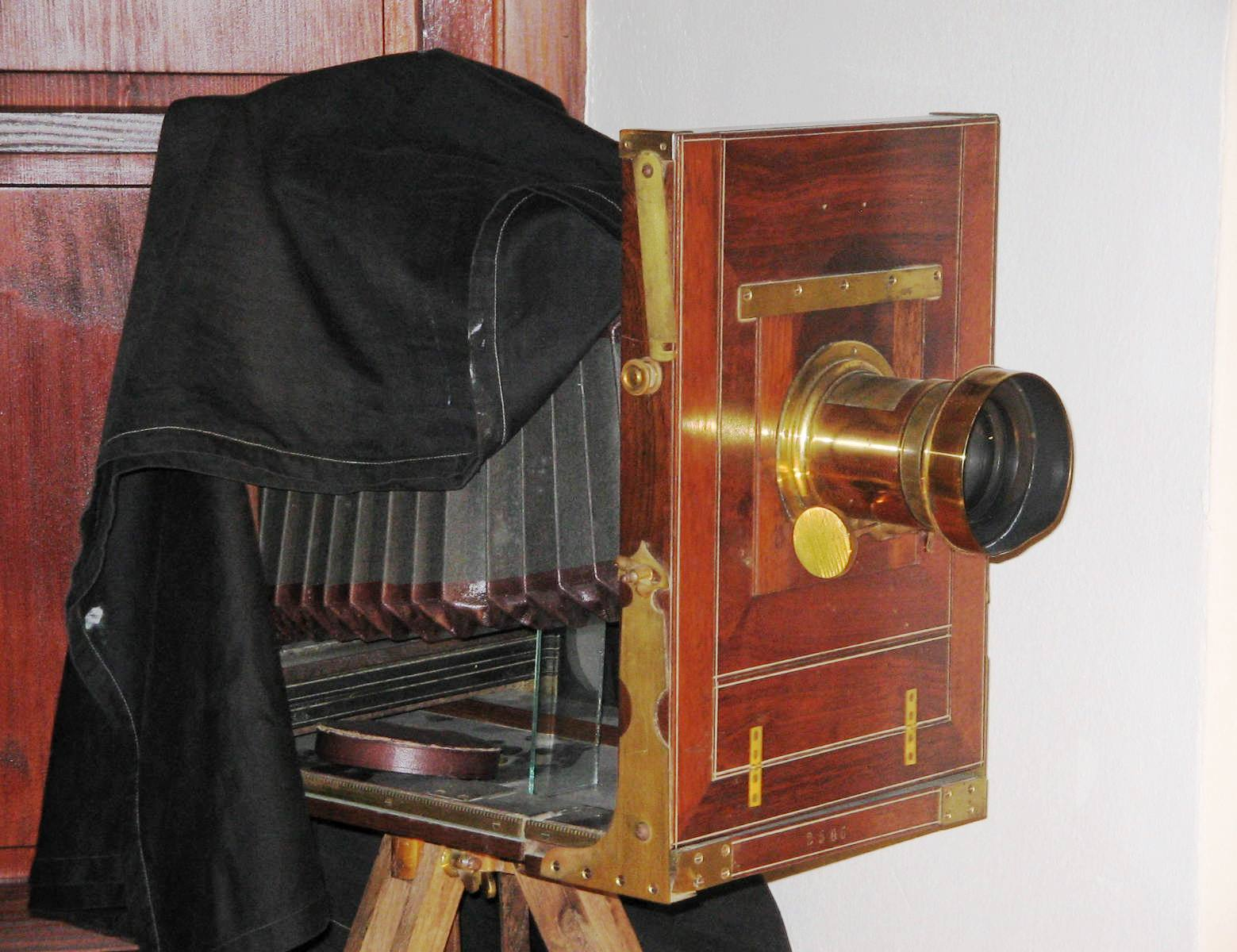
There was no screen, no preview and no way to check. The photographer composed on ground glass, under a cloth, looking at an image that was upside down and backwards, then closed the shutter, inserted the film holder and exposed.
Everything after that was faith in process. The photographer’s skill was precisely his ability to know what he had got without being able to look at it, and that skill has no modern equivalent because nobody needs it.
Like our content? Follow us for more.
2. He Took Three Exposures, Not Three Hundred
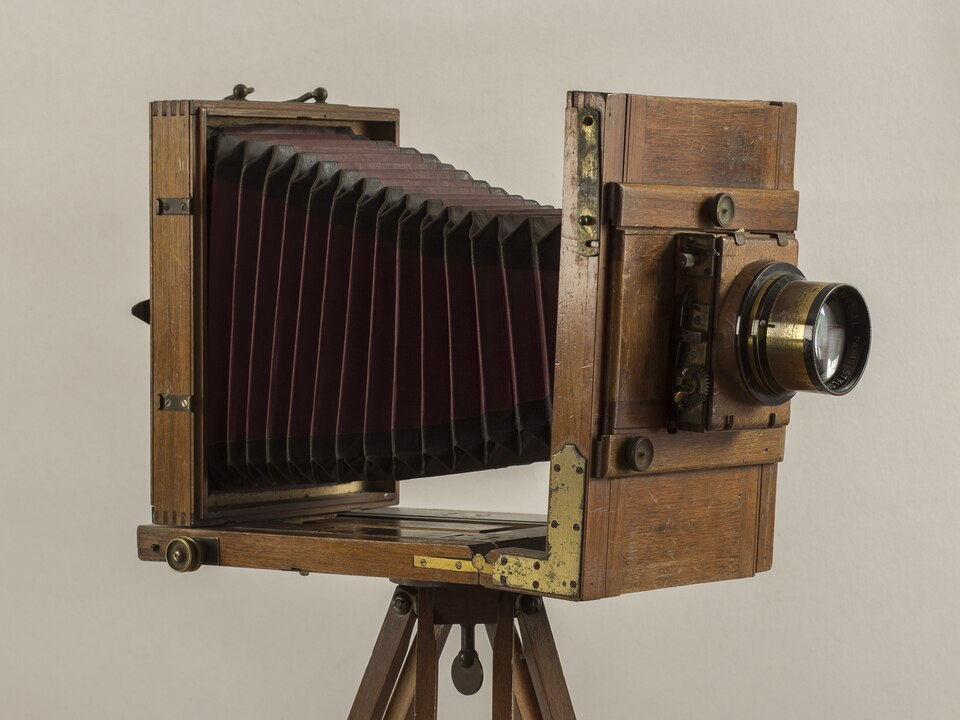
Sheet film cost real money and so did the chemistry and the time, so a sitting produced a handful of exposures. Three or four for a single portrait, perhaps six or eight for a family group, each one deliberate.
Everybody in the room understood the economics, which is why everybody held still. The pose was arranged, checked and held, because the exposure was going to happen once.
3. The Lights Were Unbearably Hot
Studio lighting was incandescent floodlight in reflectors, sometimes several hundred watts each, positioned close. The studio was hot within minutes and genuinely punishing after twenty, and children regularly cried.
Electronic flash existed and was coming in, but a great many American studios still worked under continuous hot light, partly because it let the photographer see his lighting – the one thing he could see.
4. You Had to Hold Still for a Noticeable Length of Time
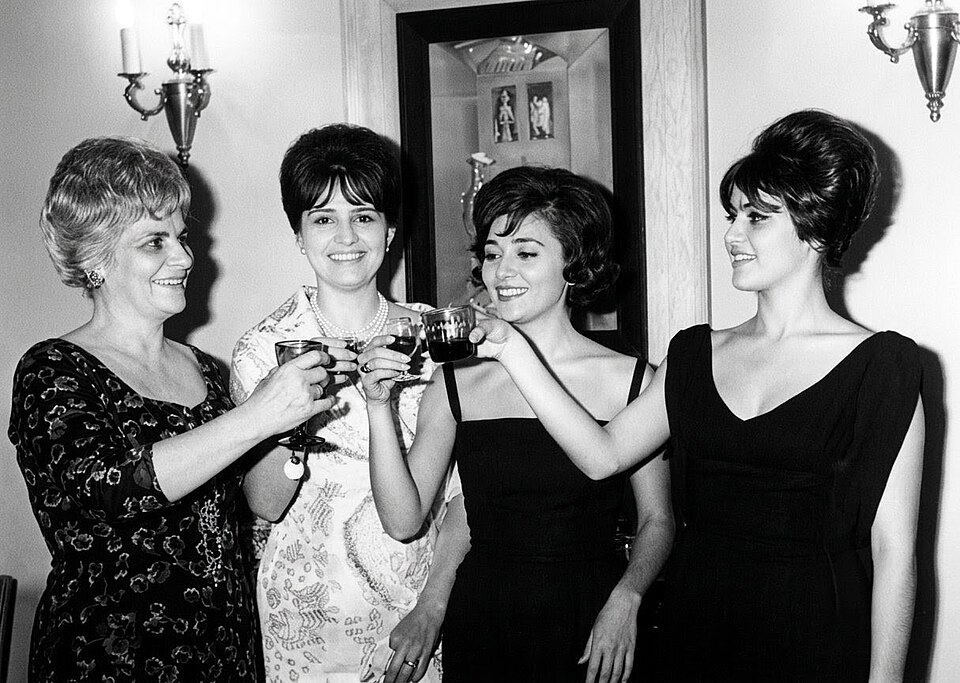
Exposures were not instantaneous. Fractions of a second, but long enough that a moving child blurred and a shifted shoulder softened the whole picture, and sitters were told to hold still and meant it.
The stiffness of period portraits is often read as emotional reserve. A good deal of it is simply people holding a position because they had been instructed to.
5. The Photographer Physically Arranged You
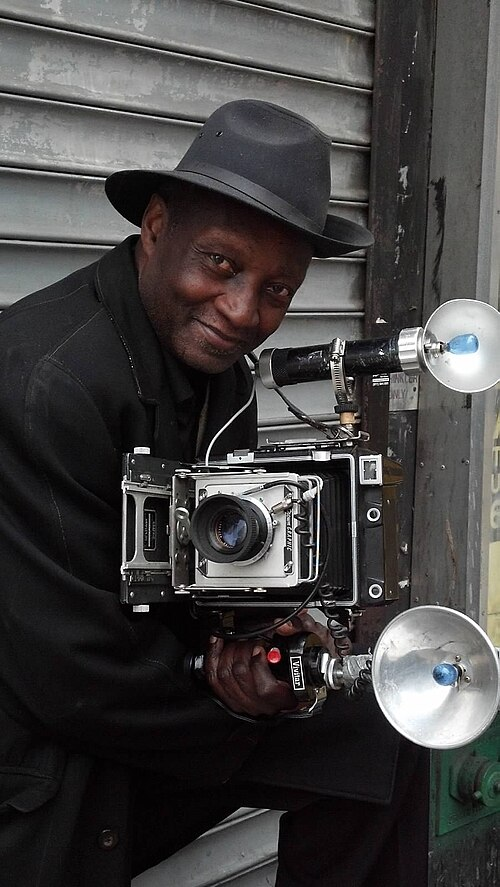
Posing was hands-on. The photographer moved a chin, turned a shoulder, repositioned hands, adjusted a collar and tilted a head, working from a set of standard poses he had been taught and used daily.
It was entirely normal and nobody thought twice about it. The conventions were rigid enough that period portraits from unconnected American studios are often posed almost identically.
6. There Was a Head Clamp in the Back Room
Holdovers from the longer-exposure era survived in some studios: posing stands, head rests, concealed supports and clamps designed to keep a sitter immobile, particularly for children and for the elderly.
By 1962 most of this was obsolete and gathering dust, but it had not all been thrown out, and a photographer with a fidgeting child and three sheets of film left would sometimes find a use for a posing stand.
7. Retouching Was Done With a Pencil on the Negative
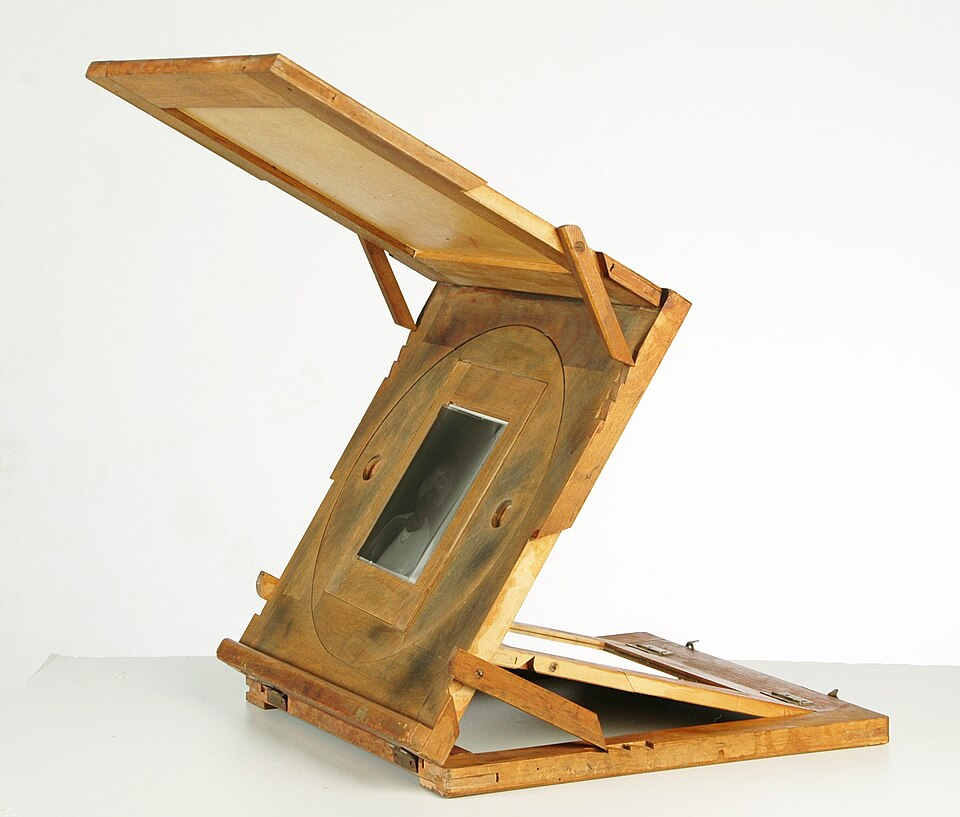
Every portrait was retouched by hand. A retoucher worked directly on the negative with fine graphite pencils, dyes, etching knives and abrasive, reducing lines, removing blemishes and softening the face, and then worked on the print as well with brushes and dyes.
It was an entire skilled occupation, usually done by women, and it was universal – essentially no commercial portrait of the period was unretouched. The modern complaint about edited images describes something the portrait trade had been doing by hand for a century.
8. Colour Was an Expensive Upgrade and Often Painted On
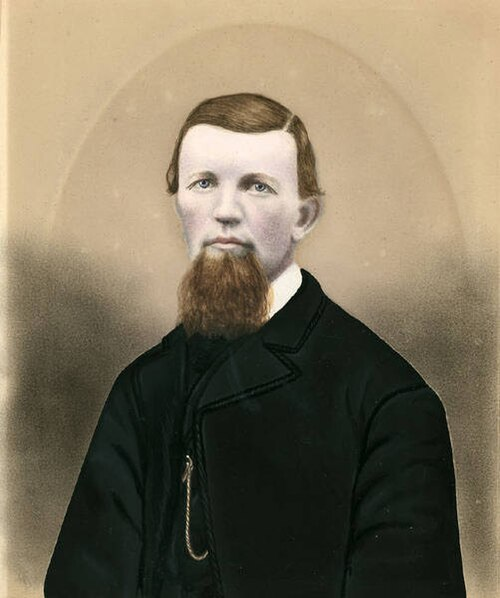
Colour film was available but costly and slower, so a great many American portraits were taken in black and white and then hand-coloured, with transparent oils and dyes applied over the print by a colourist working with cotton swabs and brushes.
The characteristic soft, slightly unreal colouring of early-sixties American portraits is often not colour film at all. It is paint, applied by hand, on a monochrome photograph.
9. You Waited Two or Three Weeks
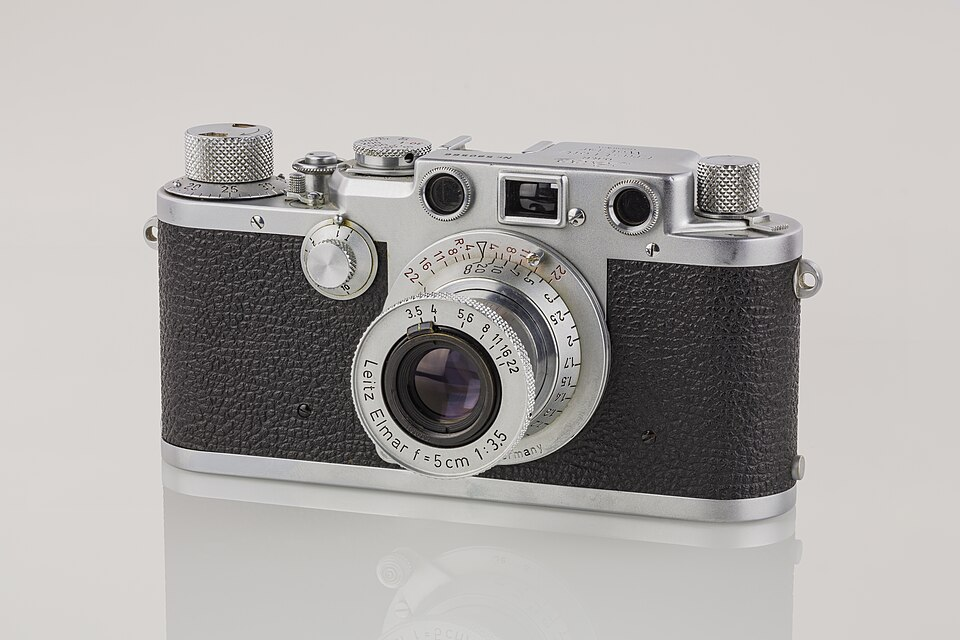
Developing, printing, retouching, colouring, mounting and framing all happened in sequence, some of it sent away. Two to three weeks was normal, and longer at Christmas.
The delay changed the nature of the thing. A photograph was an object you commissioned and collected, not an image you glanced at, and families remember the collection as an event.
10. You Chose From Proofs You Could Not Keep
The studio produced small proof prints, sometimes stamped across the face or made deliberately impermanent so they faded, and the family chose which to have printed properly and returned the rest.
The proofs existing only on loan was deliberate commercial practice, and the fading kind – printed on purpose to deteriorate – is one of the odder artefacts of the trade.
11. The Prints Were Mounted, Embossed and Signed
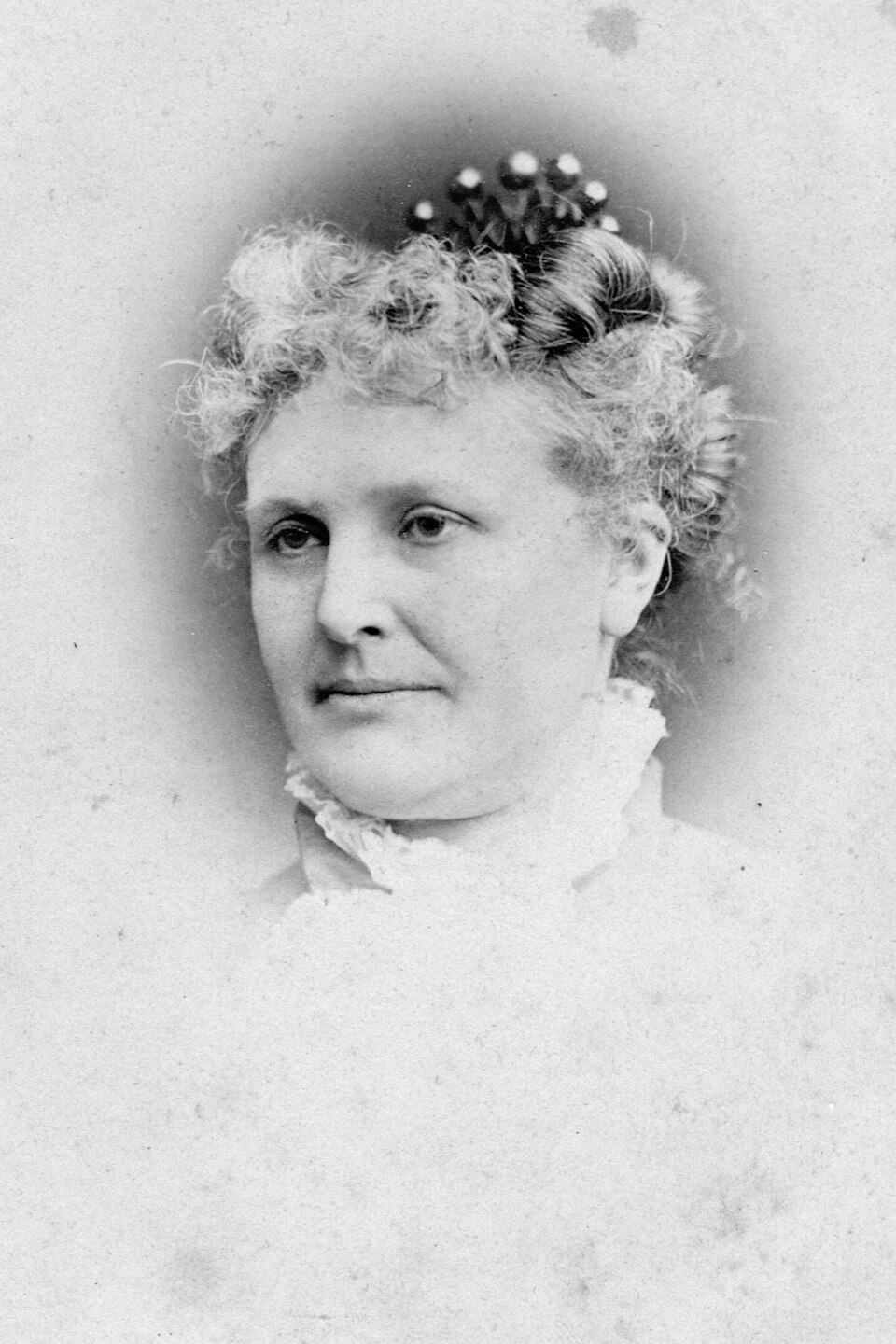
The finished portrait was dry-mounted on heavy board, often with the studio’s name embossed into the mount or signed in the corner, in a folder or frame sold by the studio. Presentation was a substantial part of what was being bought.
The studio’s name on the mount is why so many of these portraits are still identifiable sixty years later, and it is the reason period portraits survive in better condition than the snapshots from the same households.
12. The Whole Trade Was About to Be Flattened Twice
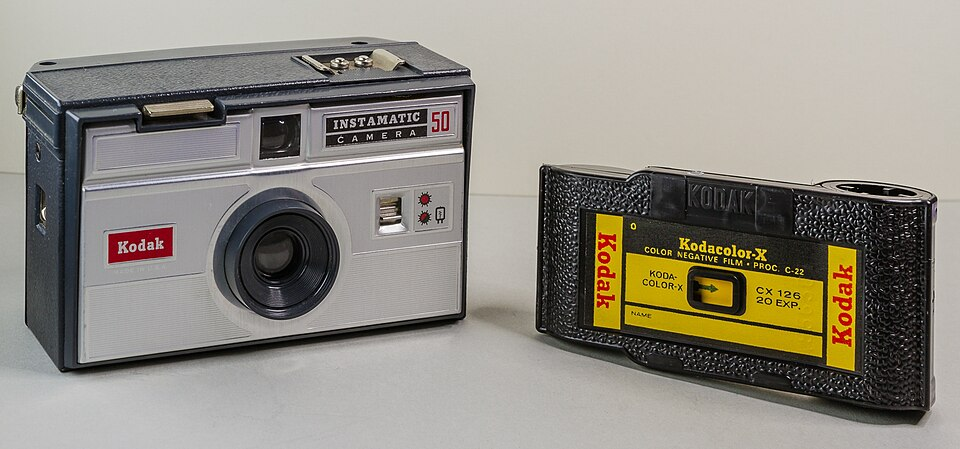
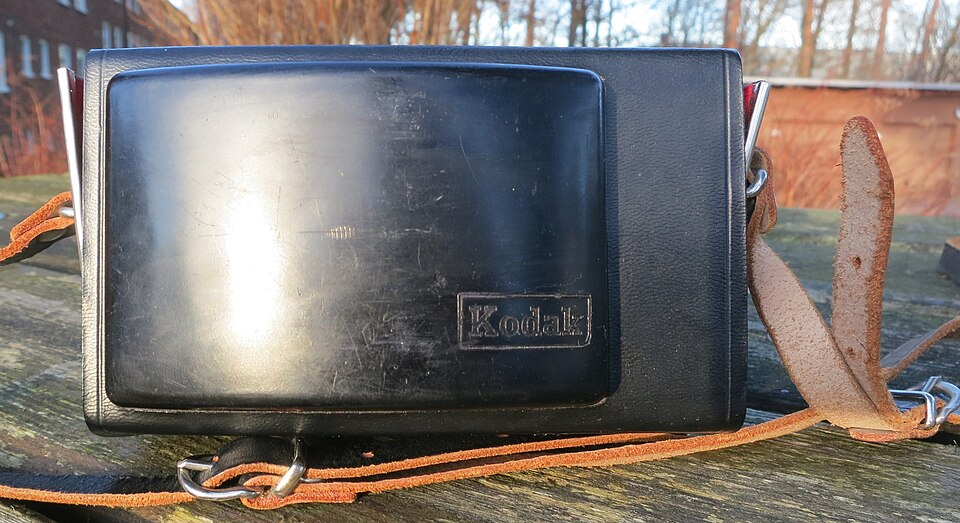
Two things were already arriving in 1962. Inexpensive, easy cartridge-loading cameras were putting competent snapshot photography into every American household for the first time, which removed the studio’s monopoly on a decent picture of the family. And the portrait business itself was industrialising, with chain operations in department stores offering a sitting and a package at a fraction of the independent studio’s price.
The independent town portrait studio was squeezed from both directions and most of them did not survive it. The trade that remains is a specialist one, and the skills – the hand retouching, the colouring, the posing conventions, the reading of ground glass – mostly went with the shops.
What Actually Made It So Different
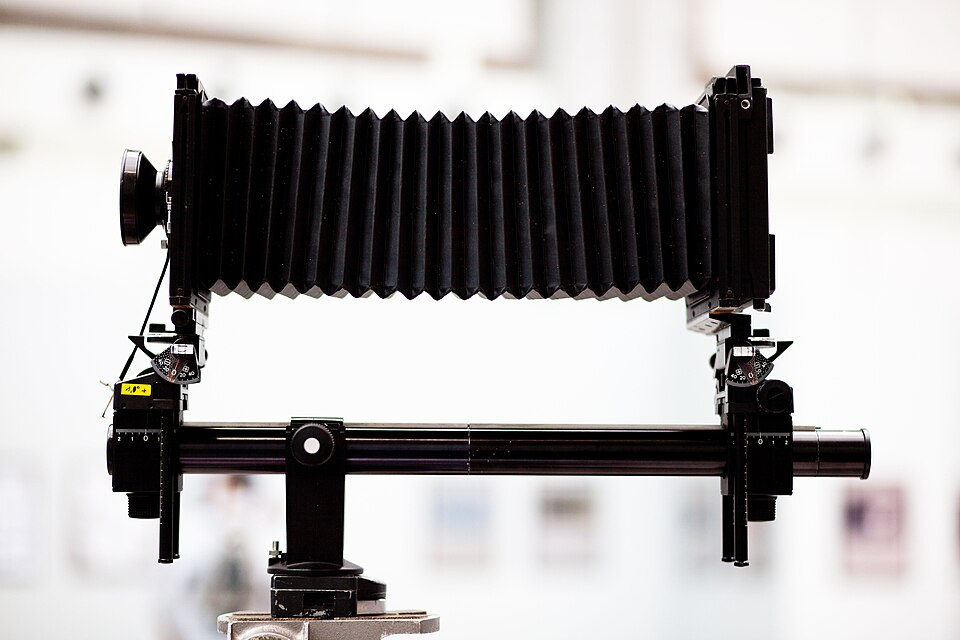
The single thing that separates a 1962 sitting from a modern one is the absence of feedback. Every part of the experience follows from it: the handful of exposures, the elaborate posing, the instruction to hold still, the photographer’s training, the two-week wait and the proof selection.
A photographer who can see the result immediately works completely differently. He takes hundreds of frames, he poses loosely and selects afterwards, he checks rather than knows, and he can hand the client the picture before they leave. Everything in this list is a consequence of not being able to do that.
The other difference is that a portrait was expensive enough to be a considered purchase, which is why the whole family dressed for it and why the result went on the wall. The thing being bought was not an image. It was an object, made by a tradesman, collected three weeks later.
The pictures survive, which is more than can be said for most of what has been photographed since. They are on heavy board, dry-mounted, with the studio’s name embossed in the corner, and they are still in good condition in attics across the United States.
They are also retouched, hand-coloured, rigidly posed and lit by someone who could not see what he was doing. The stiff unsmiling family in the frame was not reserved. They were hot, they had been told to hold still, and they knew the photographer only had three sheets of film left.
Like our content? Follow us for more.
