In 1950 the steam locomotive was still the normal way to move a train, and running one took two men doing physical work continuously for the length of the journey – one driving, one feeding a fire by hand.
Behind them stood an entire infrastructure of water towers, coaling stages, ash pits, turntables and roundhouses, staffed by trades that existed for no other purpose. Every one of those trades was gone inside twenty years.
Here are fifteen things a footplate crew did in 1950, and what each of them became.
1. The Fireman Shovelled Several Tons of Coal by Hand Every Trip
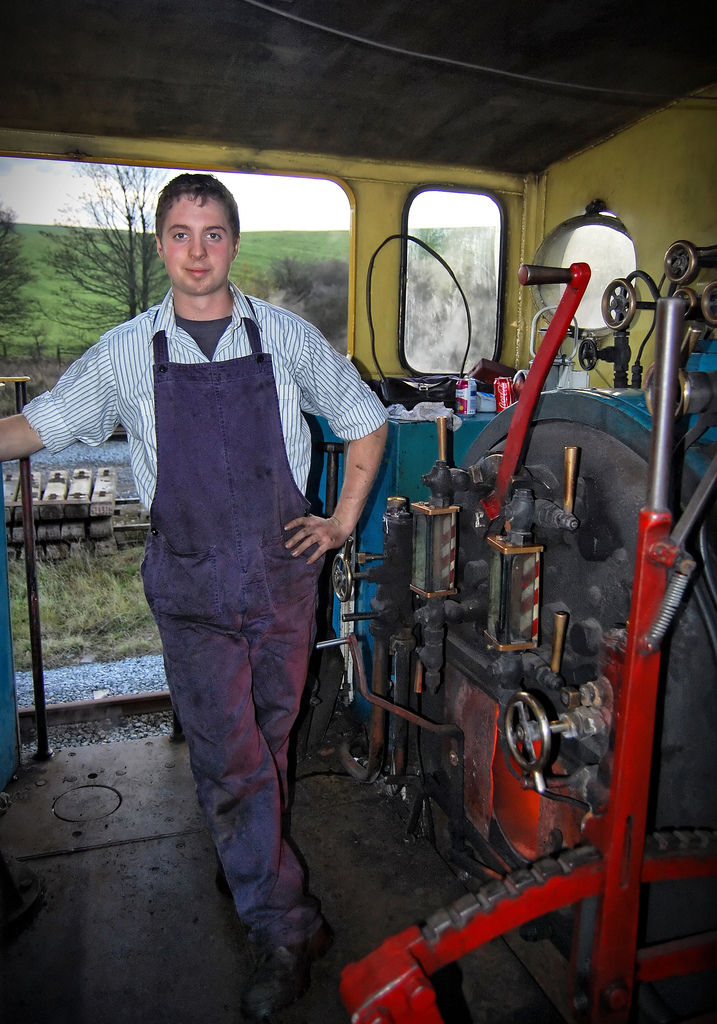
On a hand-fired locomotive the fireman moved coal from the tender to the firebox with a shovel, continuously, for the length of the run. On a heavy main-line working that could mean three to five tons in a shift, thrown through a narrow door into a fire eight feet away while the engine rolled and pitched.
It was among the most physically demanding jobs in industrial employment, and it required skill rather than just strength – coal had to be placed in specific parts of the grate to keep the fire even, and a badly fired engine lost steam on the gradient where it mattered. Mechanical stokers took over the heaviest classes, and then diesels removed the job entirely. There is no equivalent position on any locomotive built since.
Like our content? Follow us for more.
2. You Judged the Water Level by a Glass Tube and Guessed in Between
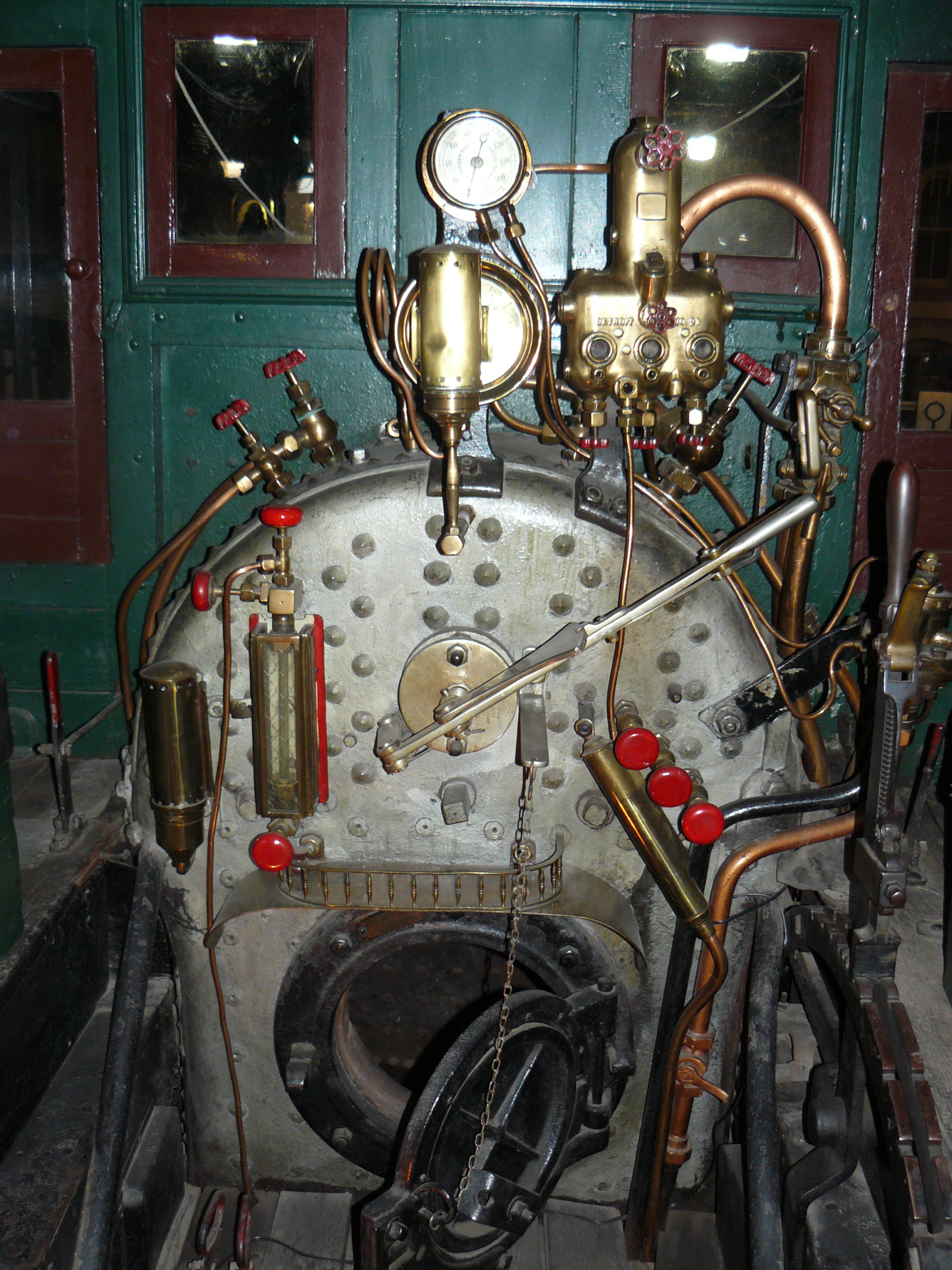
The water in the boiler had to stay above the firebox crown sheet. The only direct indication was a sight glass, which on a moving locomotive on a gradient gave a reading that sloshed, lagged and lied. The crew read it, allowed for the grade, and knew what the engine normally did.
Letting the water drop below the crown sheet uncovers superheated steel with a boiler full of pressurised water above it, and the consequence is catastrophic. Boiler explosions killed railway crews regularly for a century. Modern locomotives have no boiler at all, and the preserved steam fleet operates under inspection regimes, pressure testing, and low-water protection devices that the original crews did not have.
3. The Cab Was Open to the Weather and Nobody Thought to Fix It
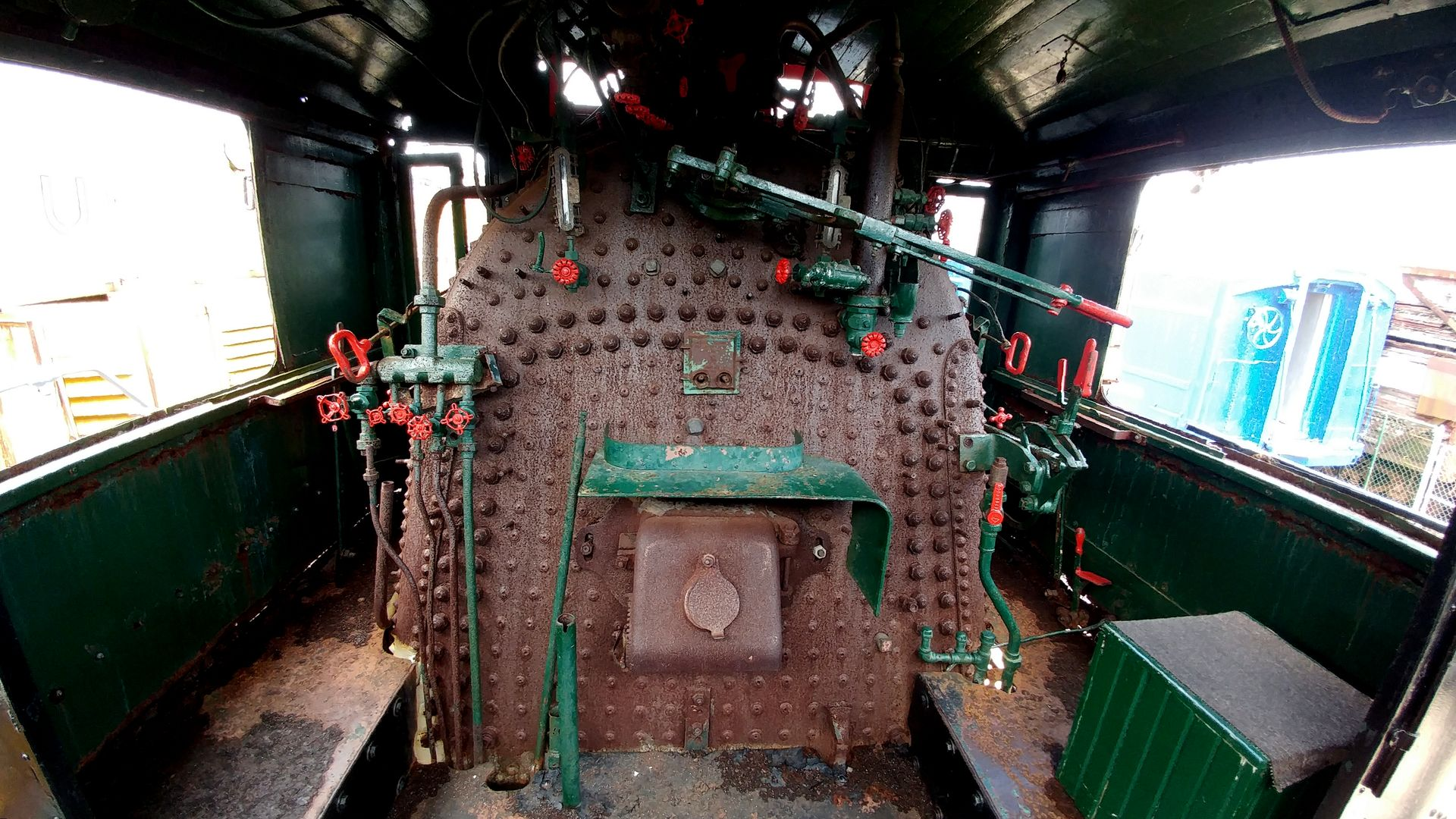
Many cabs had no side windows worth the name, no door, and a roof that stopped short. Crews worked in rain, snow and sub-zero air with their fronts roasting from the firebox and their backs freezing, which is the specific complaint that appears in every account.
British and European practice had gone further towards enclosed cabs earlier; North American practice held out longer, partly because an open cab gave better visibility along the boiler. Diesel cabs arrived enclosed, heated and sealed almost from the outset, and it is one of the changes crews noticed first and praised most – not the reliability, the heater.
4. Hand Signals and Lamps Were the Communication System
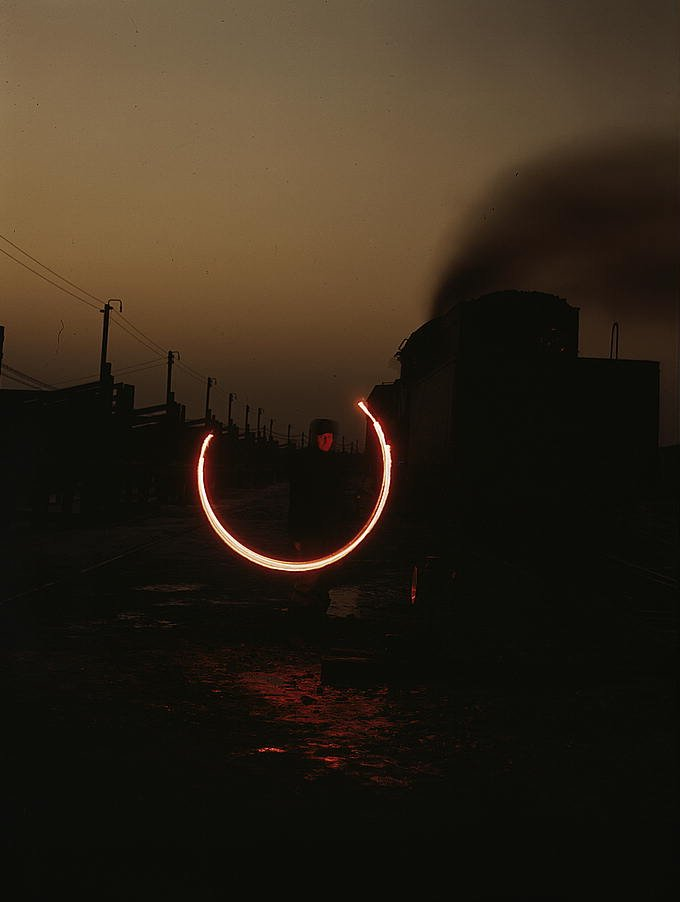
A crew talked to each other and to the ground by lamp at night and by arm movement by day, with a vocabulary of specific gestures that every railwayman knew. The engineman could not see or hear the guard at the other end of a long train, and in the yard nobody could hear anything at all.
The system worked and it was unforgiving: a misread signal in a shunting movement put somebody between two wagons. Radio arrived through the 1960s and 1970s and then became universal, and modern operations run on radio, end-of-train telemetry and track circuits. The lamp code survives in preservation and in a handful of rule books as a fallback.
5. Coupling Wagons Put a Man Between Them
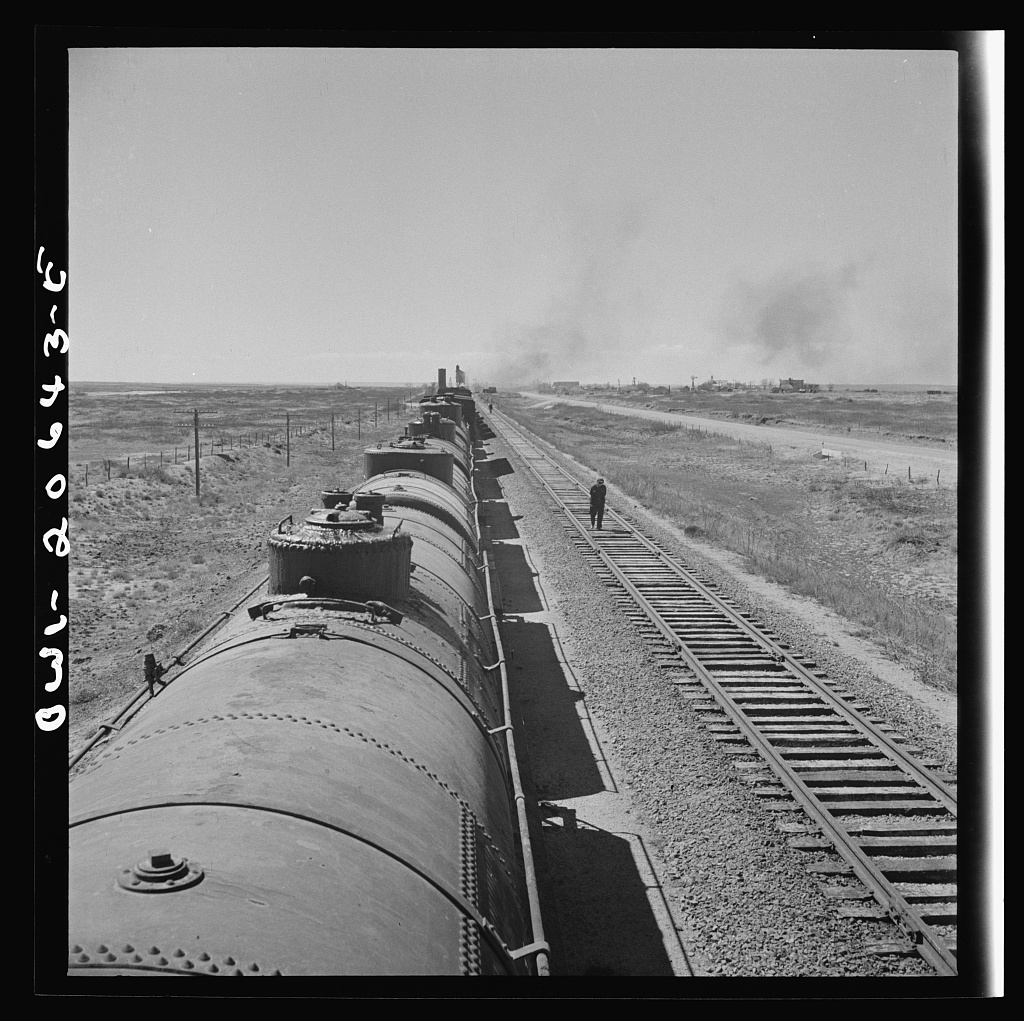
Even after automatic couplers became standard, yard work meant men walking between and alongside moving wagons, climbing on them, riding them, and reaching in to connect air hoses. The older link-and-pin coupling, which had required a man to stand between wagons with his hand in the gap, had maimed an extraordinary number of railwaymen before it was outlawed.
The Safety Appliance Act of 1893 mandated automatic couplers and power brakes and is one of the most effective pieces of industrial safety legislation ever passed – the casualty figures fell sharply and immediately. By 1950 the worst of it was gone, but yard switching remained among the most dangerous railway jobs. Remote-control locomotives, stricter rules on riding equipment and modern hump yards have removed most of the exposure.
6. The Roundhouse Turned Engines on a Table Outdoors
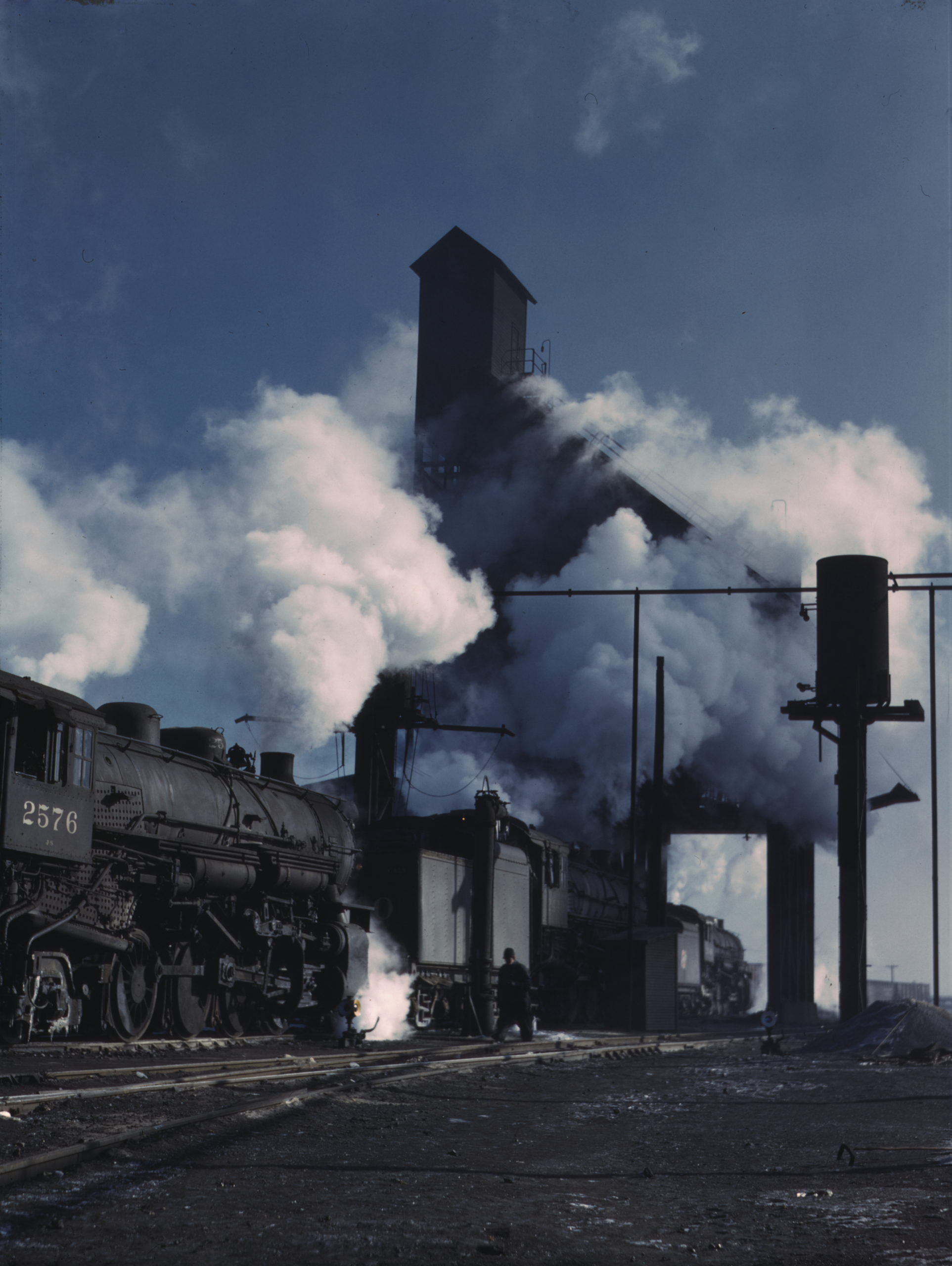
A steam locomotive runs best forwards, so every engine had to be turned. The roundhouse was a ring of stalls around a turntable, and the whole operation – turning, coaling, watering, ash dropping, washing out the boiler – happened in the open air in whatever weather there was.
Diesels run equally well in either direction and need no turning, no coaling and no ash pit, which is why roundhouses and turntables vanished so fast. The surviving ones are museums or heritage depots. A modern locomotive shed is a long straight building where a machine is plugged into diagnostic equipment, which is enormously more efficient and is nobody’s favourite photograph.
7. Ash and Clinker Were Dug Out by Hand Under the Engine
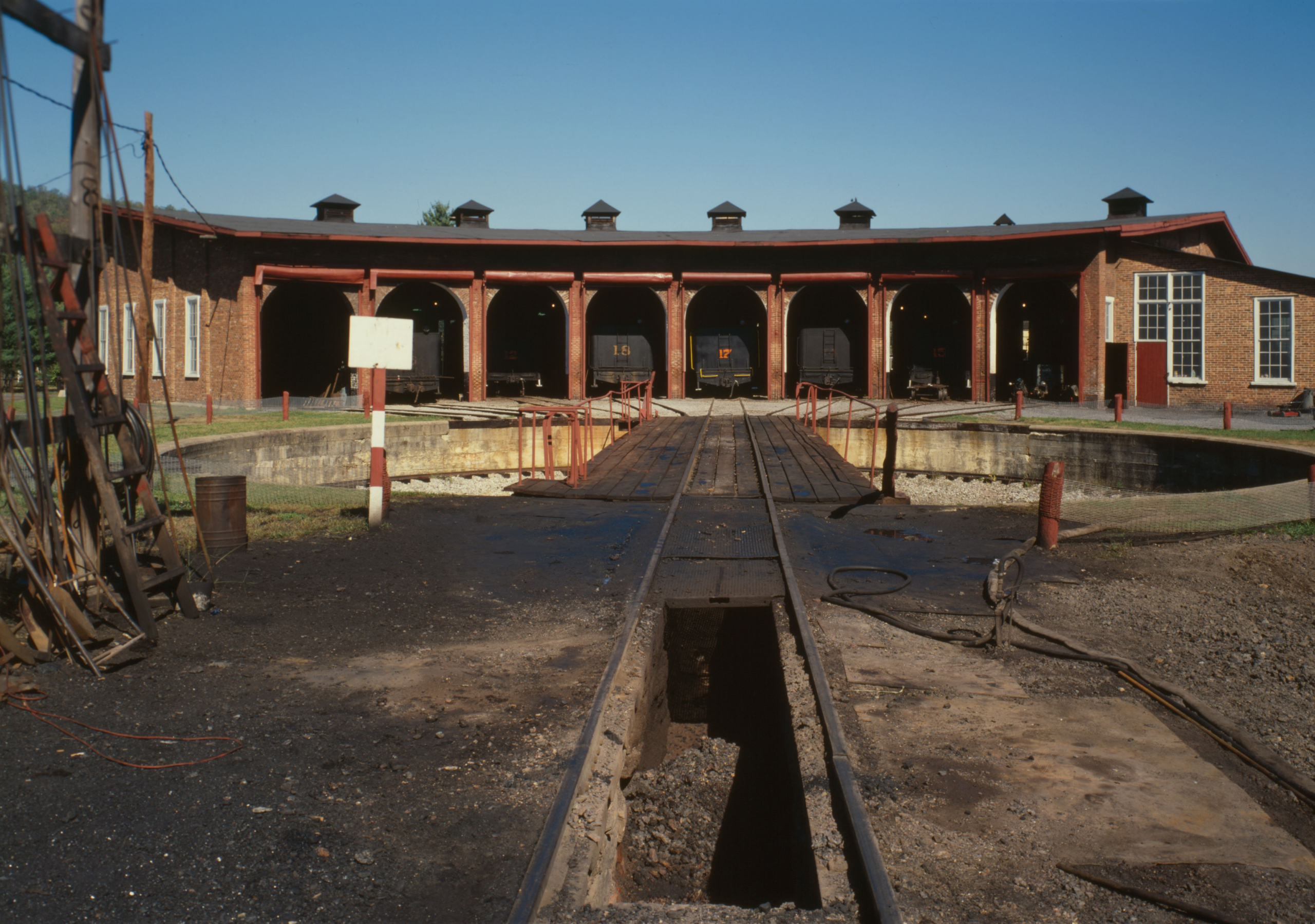
At the end of a run somebody crawled into the ash pit beneath the locomotive and raked out several hundredweight of hot ash and fused clinker. The fire had to be cleaned, the smokebox emptied, the tubes swept. It was the dirtiest job on the railway and it was usually given to the newest men.
The whole category of work disappeared with the fire. What is worth noticing is that it was the entry point to the trade: a man came in as an engine cleaner or ash pit labourer, moved to fireman, and eventually to driver, learning the machine from the bottom. The seniority ladder was also an education, and when the bottom rungs were automated away the industry had to invent formal training to replace what the ash pit had taught.
8. Promotion Was by Seniority and a Man Waited Years

The progression from cleaner to fireman to driver ran strictly by date of entry, and a man’s position on the list governed his whole career – which link he worked, which routes he knew, whether he got the express or the pick-up goods. Learning the road meant memorising every signal, gradient and curve on a route.
Route knowledge is still a formal requirement and still memorised, which surprises people who assume a modern train driver is following a screen. What changed is the ladder beneath it: there is no cleaner-to-fireman-to-driver progression, so drivers are now recruited and trained directly, and the decades-long apprenticeship by proximity is gone. Seniority still governs rosters on many railways and is still the thing most argued about.
9. Water Came From Towers, and Sometimes From the Track
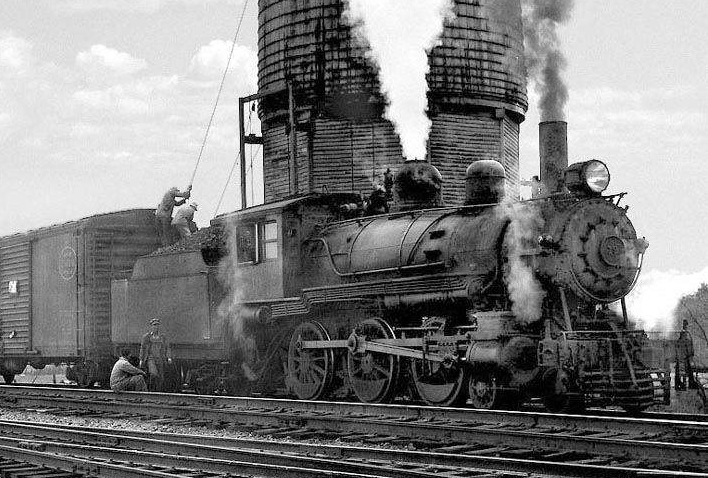
A steam locomotive consumes enormous quantities of water, so the network was dotted with water towers at intervals dictated by how far an engine could run. On some main lines there were troughs laid between the rails, and the fireman lowered a scoop at speed to take on water without stopping – a manoeuvre that soaked everything behind it if mistimed.
Track pans and water towers went with the steam fleet, and their foundations are still visible along old main lines if you know what you are looking at. The infrastructure requirement is the thing people underestimate about steam: the railway was not just a track and some engines, it was a chain of water, coal, ash and turning facilities every few dozen miles, all of which had to be staffed.
10. Cinders Came Through the Windows and Everybody Accepted It
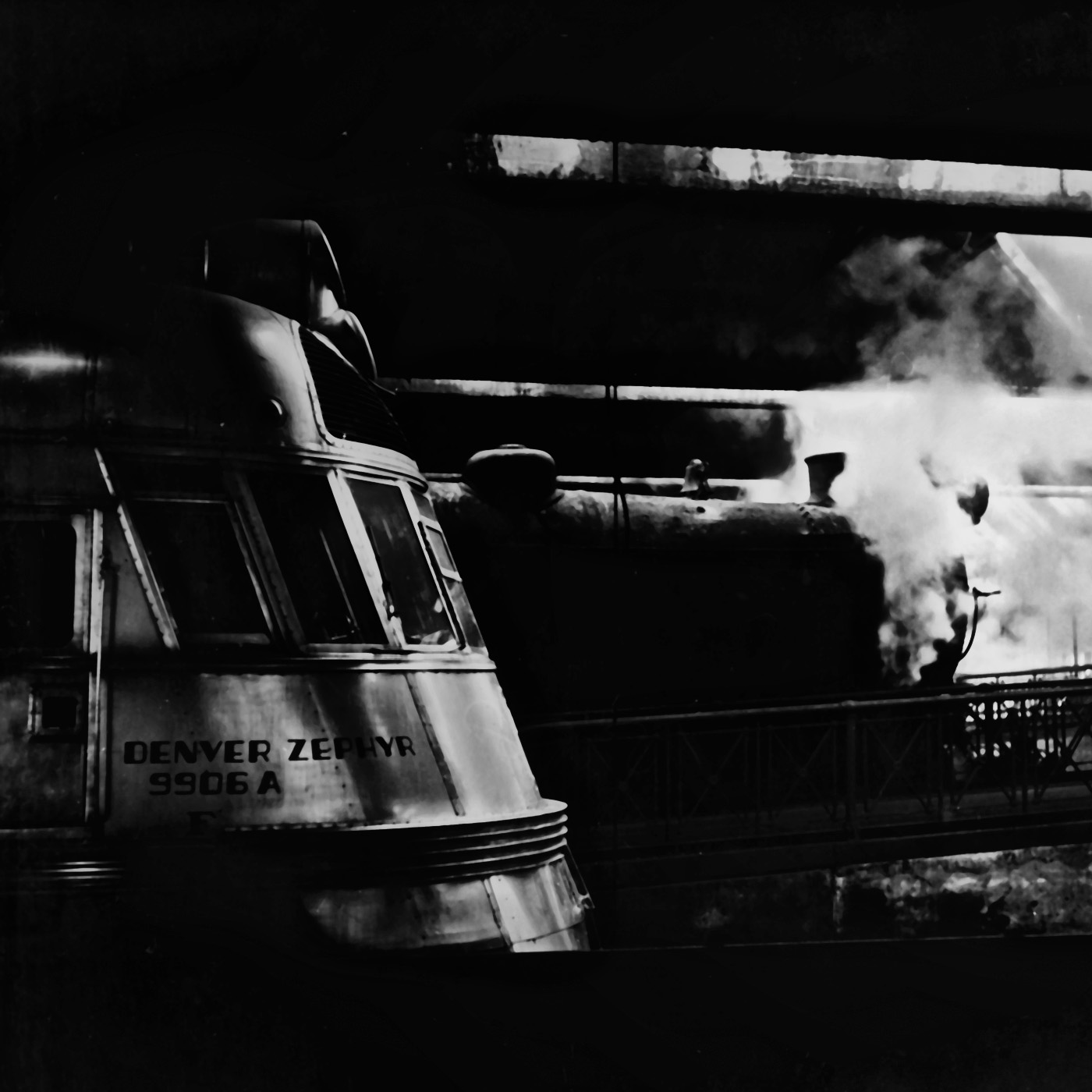
Passengers in a train behind a steam locomotive got smoke, smuts and hot cinders through any open window, which in summer was all of them. Travellers carried a cloth. Clothing was chosen for the journey. A cinder in the eye was a routine minor injury of rail travel.
This is the passenger-facing reason the railways dieselised as fast as they did, and it is frequently left out of the engineering accounts. Clean, enclosed, air-conditioned travel was a commercial argument as strong as the operating economics. The romance of steam is very largely a romance held by people watching from the lineside rather than sitting behind it with the window down.
11. The Whistle Was a Language and Drivers Had Signatures
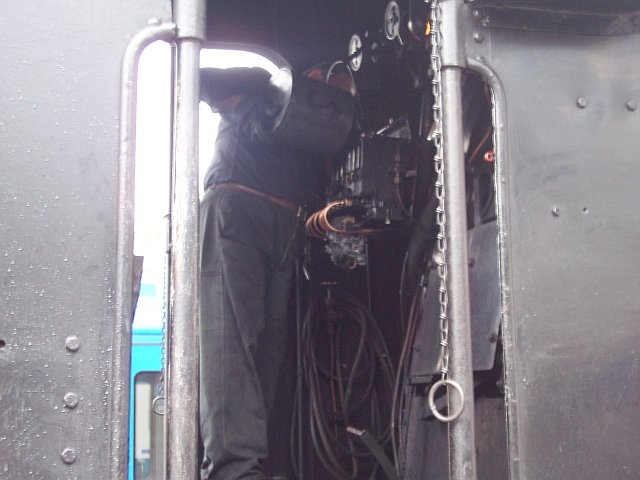
Whistle codes were formal and extensive – crossings, brake applications, calls to the guard, warnings to men on the track – and every railwayman knew them. Beyond the code, individual drivers had recognisable ways of sounding a whistle, and people living along a line could tell who was on the engine.
Horn codes persist, particularly at level crossings, where they are legally specified. What has gone is the individuality, because an air horn is an air horn, and the whistle of a steam locomotive was voiced by the driver’s hand on a valve. Communities along those lines genuinely did organise their sense of time around particular trains and particular drivers, and that is not a sentimental exaggeration.
12. Lubrication Meant a Man Walking Round With an Oil Can at Every Stop
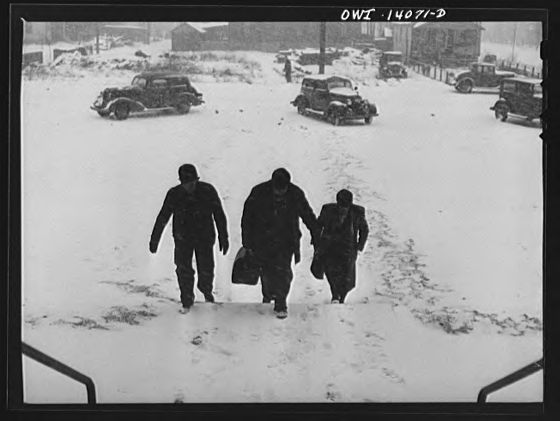
A steam locomotive has dozens of points requiring manual oiling – axleboxes, motion, eccentrics, slide bars – and the driver walked around the engine with a long-spouted can at every opportunity, reaching into the motion between the frames. He knew his engine by the state of its bearings.
A hot box – an overheating axle bearing – could set fire to a wagon or derail a train, and detecting one was a matter of looking and smelling. Modern railways have sealed roller bearings and lineside detectors that read axle temperatures automatically as a train passes at speed. The oil can and the knowledge that went with it are the clearest example of how much of the old railway ran on one man’s familiarity with one machine.
13. Crews Lodged Away From Home in Railway Barracks
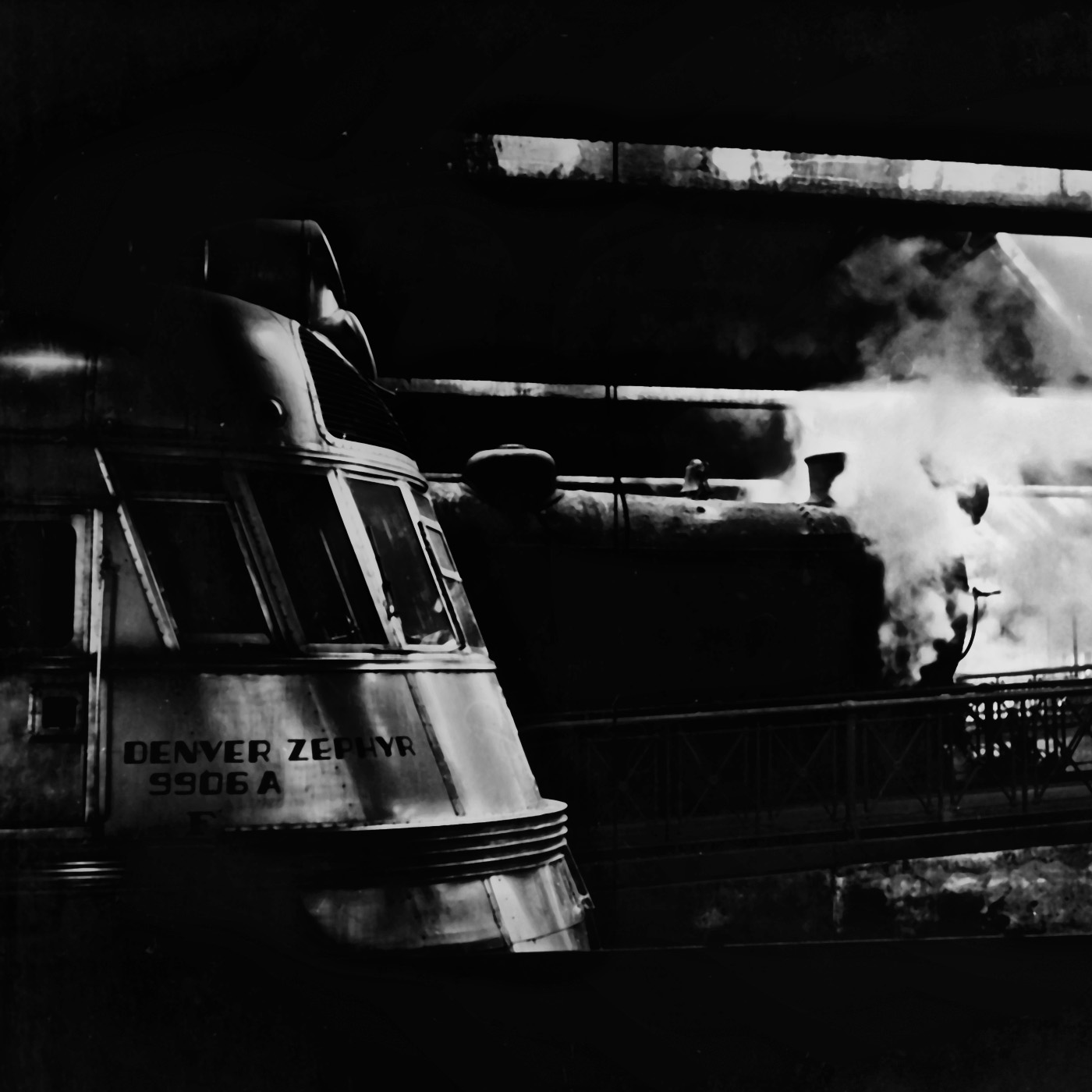
A long working meant a crew booked off at the far end and slept in railway lodgings – a dormitory building with shared rooms, a canteen, and men coming and going at every hour of the day and night. Sleep was taken when the roster allowed, not when it was dark.
The lodging houses were famously poor, and the complaints about noise, food and bedding fill union records. Modern crews either work shorter diagrams and return home, or are accommodated in hotels to a specified standard, with rest periods governed by regulated hours-of-service rules. Fatigue is now treated as a safety-critical issue with a legal framework rather than as something a man was expected to absorb.
14. Dieselisation Was Already Happening and Everybody Knew the Trade Was Ending
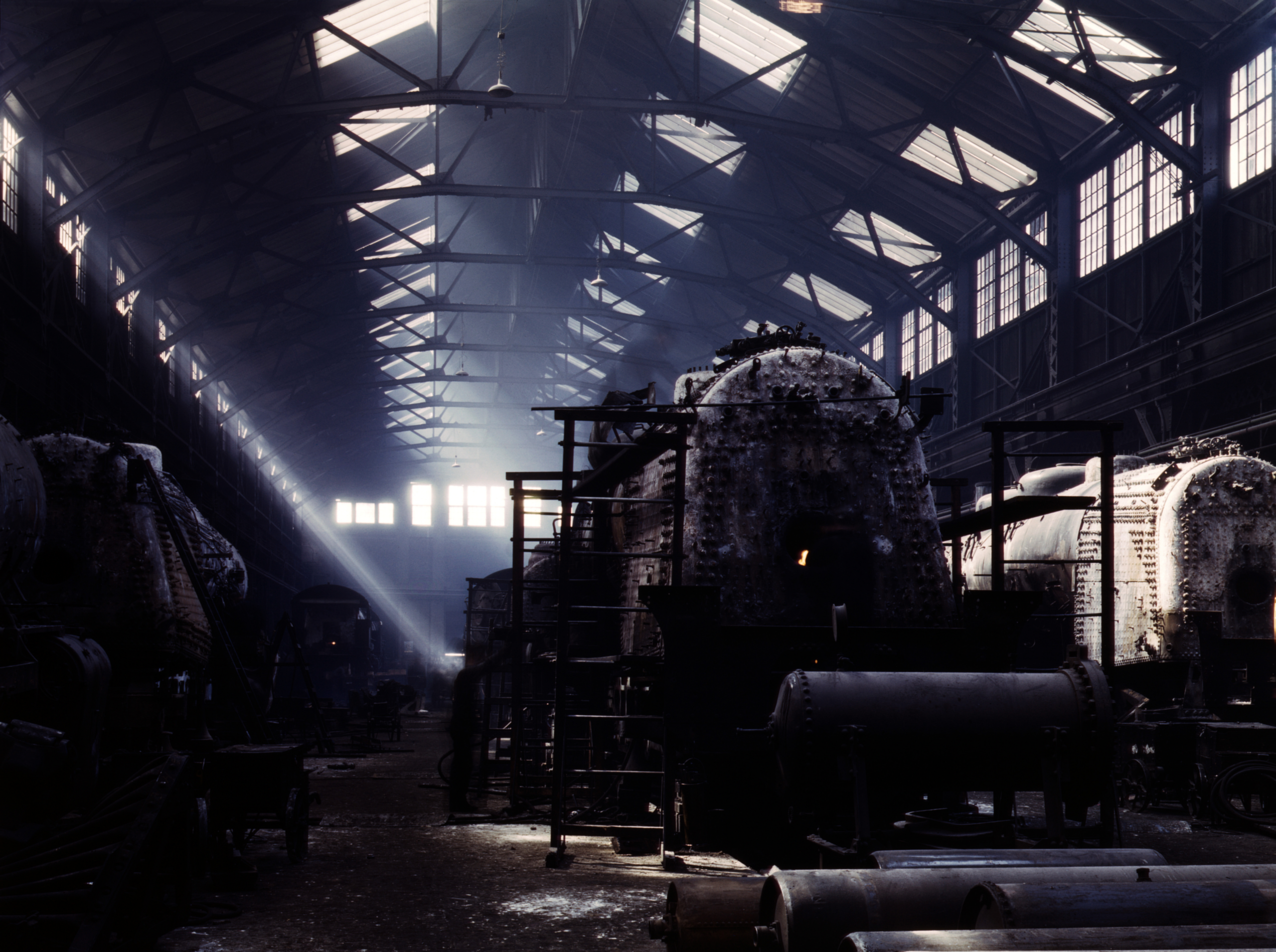
By 1950 diesel locomotives were being delivered in quantity and the arithmetic was plain: a diesel needed no fireman, no coaling, no watering, no turning and no ash pit, could run through where steam had to stop, and spent far less of its life under repair. Men entering the trade in 1950 were joining an industry that would not need their skills by the time they were forty.
The changeover was effectively complete on most North American railroads within about fifteen years, faster than almost anybody predicted. Whole grades – fireman, engine cleaner, coalman, ash pit labourer, boilersmith – were eliminated, and the disputes over what to do with firemen on diesels ran for years. It is the sharpest example in transport history of a technology removing not individual jobs but entire trades, and the men watching it arrive in 1950 understood precisely what they were looking at.
15. The Railway Was a Trade You Were Born Into
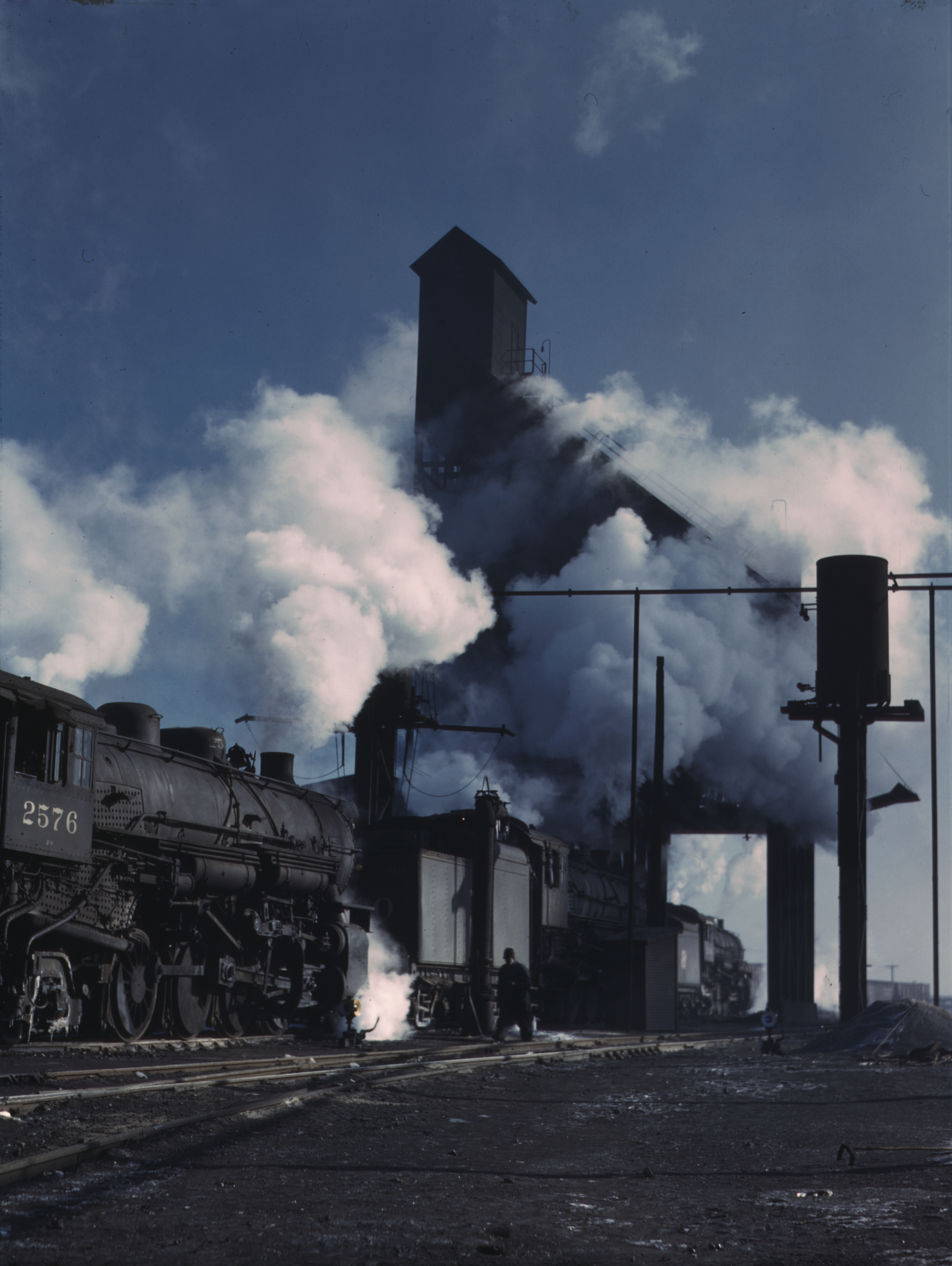
Railway families ran deep, and a father spoke for his son. Whole towns existed because the railway put a depot there, with company housing, a railway institute, a brass band and a sports club. A man’s standing in that town came from his grade on the railway.
The social world went with the trade. Railway towns lost depots, workshops and roundhouses through the dieselisation and consolidation of the following decades, and in a great many cases lost the reason they existed. What remains in those places is usually a preserved locomotive on a plinth and a society of volunteers, many of them the grandsons of firemen, maintaining machinery their grandfathers were glad to see the back of.
Why It Went So Fast
Dieselisation is usually told as a story about romance lost. The operating figures tell a different one.
A steam locomotive spent a large share of its life being prepared, serviced, turned, coaled, watered, cleaned and repaired. A diesel could work through a division without stopping, run equally well in either direction, start from cold, and be driven by one man instead of two. It needed no water towers, no coaling plant, no ash pits and no roundhouses, which meant the railways could close thousands of structures and the staff who worked in them. Availability roughly doubled; fuel and labour costs fell sharply.
Against that, no amount of affection was going to hold the line, and the railways were in no financial condition for affection. The changeover was largely complete on most North American systems by the mid-1960s.
What was genuinely lost was not the machines, which are preserved and still run. It was the apprenticeship – the progression from engine cleaner to fireman to driver, in which a man learned a locomotive by living on it for fifteen years. Nothing has been built that teaches anybody a machine that way, and the preservation societies are, in part, an attempt to keep the knowledge rather than the hardware.
If there was a railwayman in your family, the detail that usually gets the strongest reaction is the ash pit or the lodging house.
What depot did he work out of, and did he ever let you up on the footplate?
Like our content? Follow us for more.