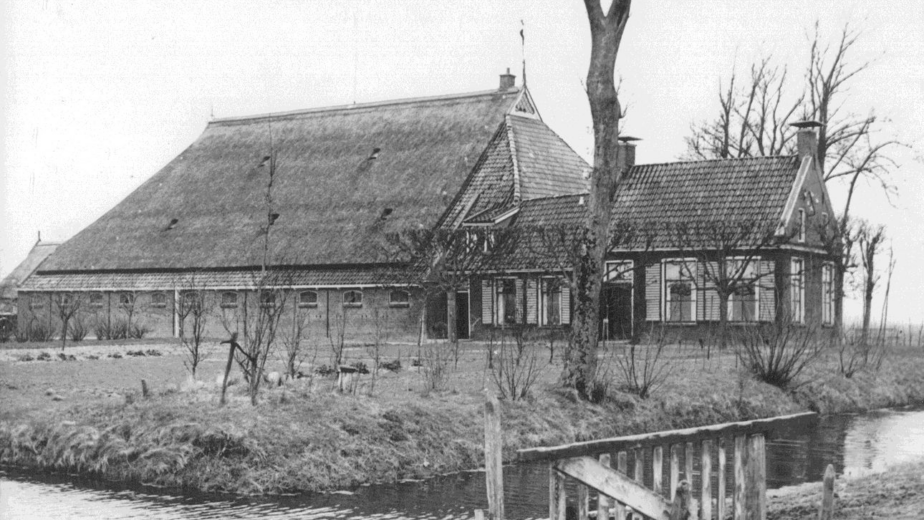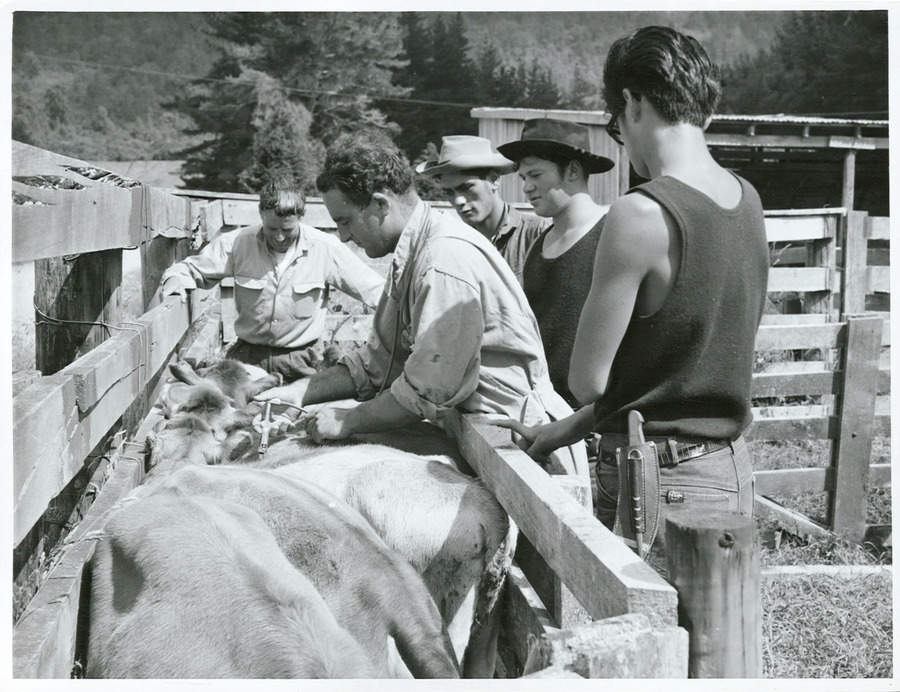
A mixed veterinary practice in 1965 made its living from farm animals, saw pets in a brief evening surgery, and was run by one or two men who covered their own nights indefinitely.
There was no monitoring equipment, pain relief was inconsistent, antibiotics were used on suspicion, most of the work happened in a field in the dark, and the profession assumed it would always be male.
Here are eleven things that were ordinary in a practice in 1965, and what each one became.
1. The Practice Was Mostly Farm Animals and the Pets Were an Afterthought
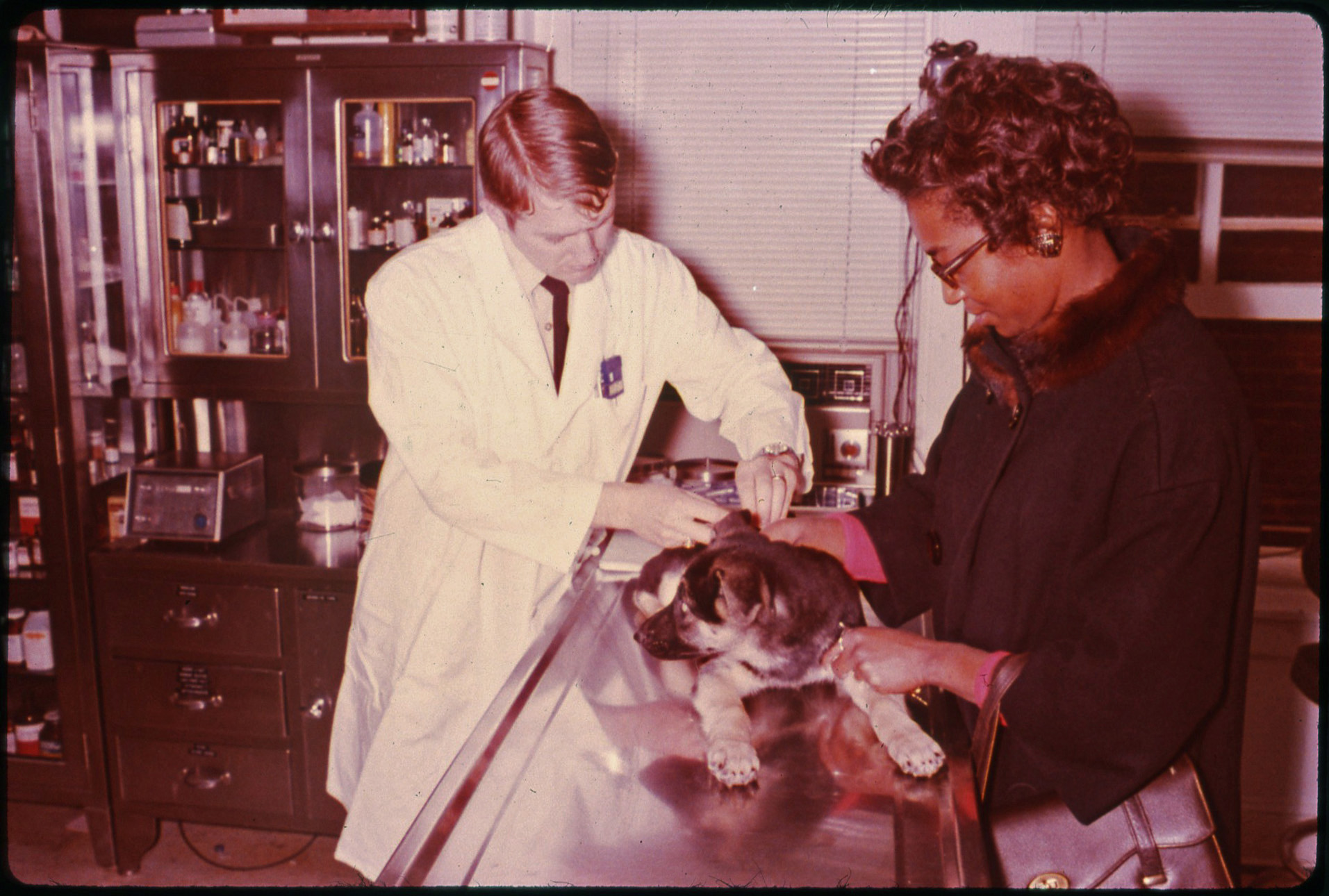
A mixed practice in 1965 earned its living from cattle, horses, sheep and pigs. Dogs and cats were seen in a short evening surgery, frequently in a room that had been used for something else during the day, and the fees from them were a minor part of the income.
That ratio has inverted completely. Companion animal work now dominates the profession in most developed countries, and farm practice has become a specialism concentrated in fewer, larger practices. The inversion tracks the change in how people regard pets – the amount a household will spend on a dog in 2026 would have been incomprehensible to a 1965 practice, and the clinical capability on offer has expanded to match.
Like our content? Follow us for more.
2. Most of the Work Happened in a Field, at Night, in the Rain
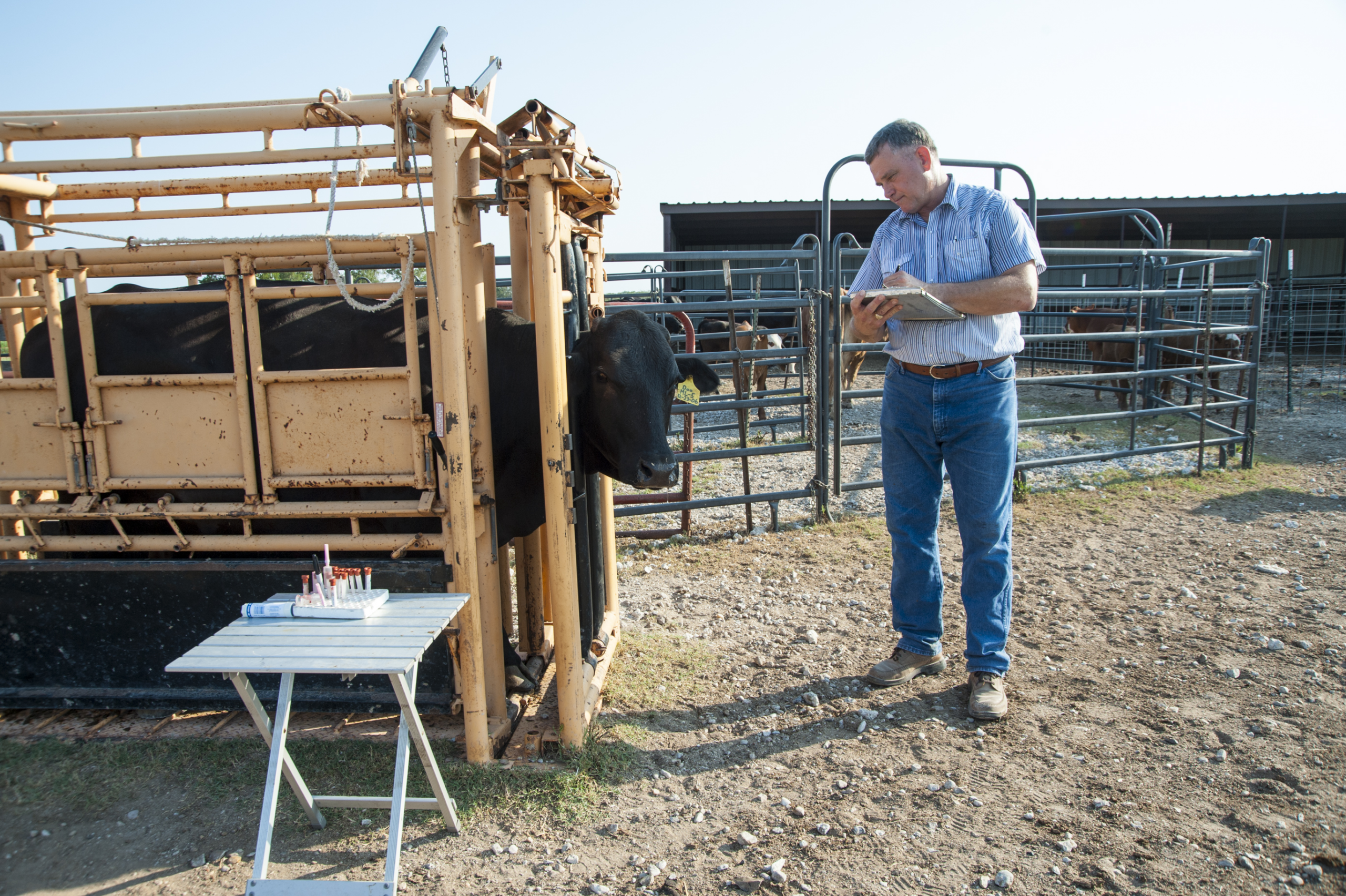
Calvings, lambings, colics and milk fevers do not arrange themselves around office hours. The vet drove out alone, worked by the light of a torch held by the farmer, stripped to the waist in a byre in February, and got on with it.
Farm work still happens at night in the rain and always will. What has changed is that the vet is no longer alone and unreachable – mobile communication, practice rotas, referral to a colleague, and far better vehicle-based equipment have replaced the single-handed practitioner who answered his own telephone at three in the morning for thirty years.
3. Anaesthesia Was Judged Entirely by Watching the Animal
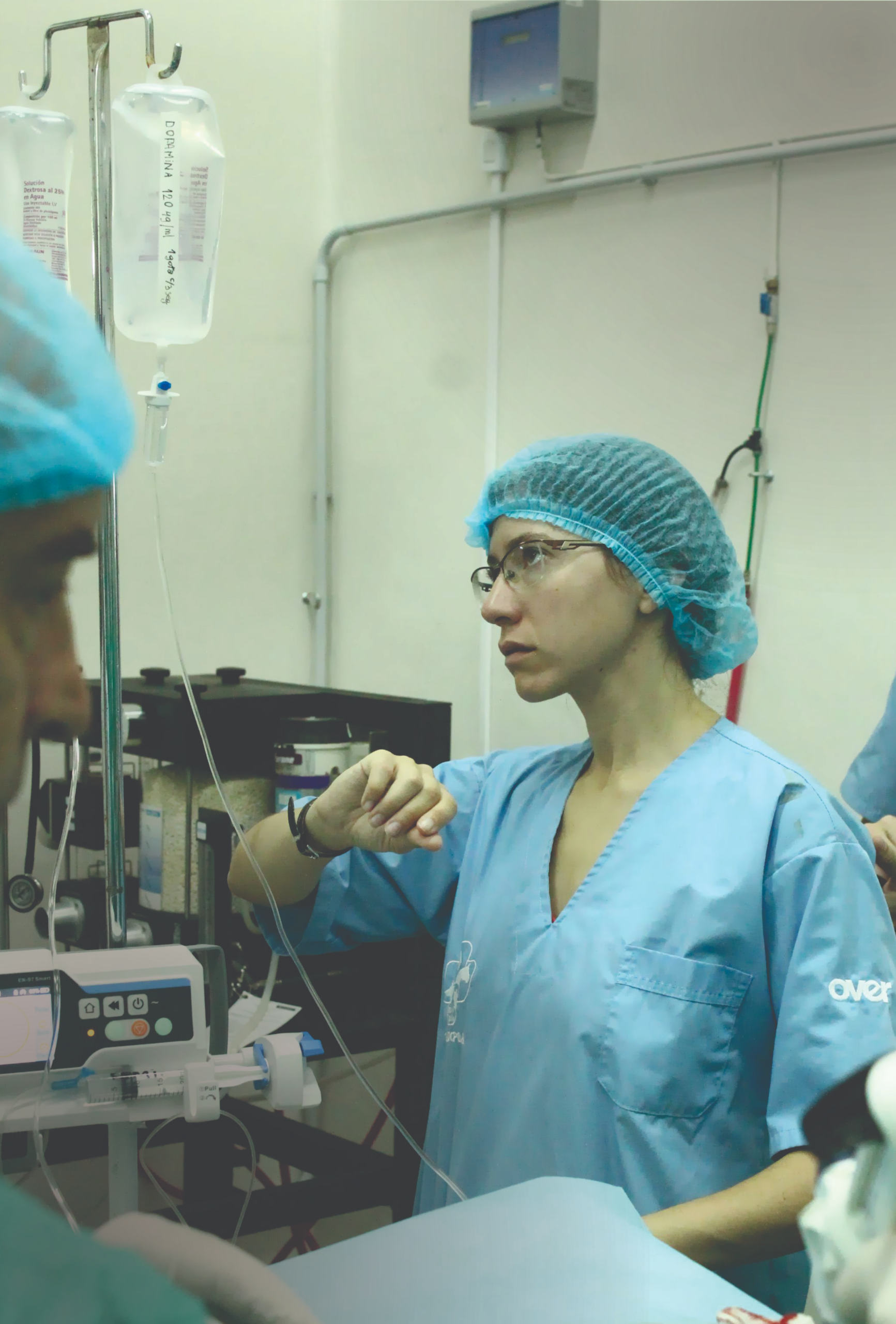
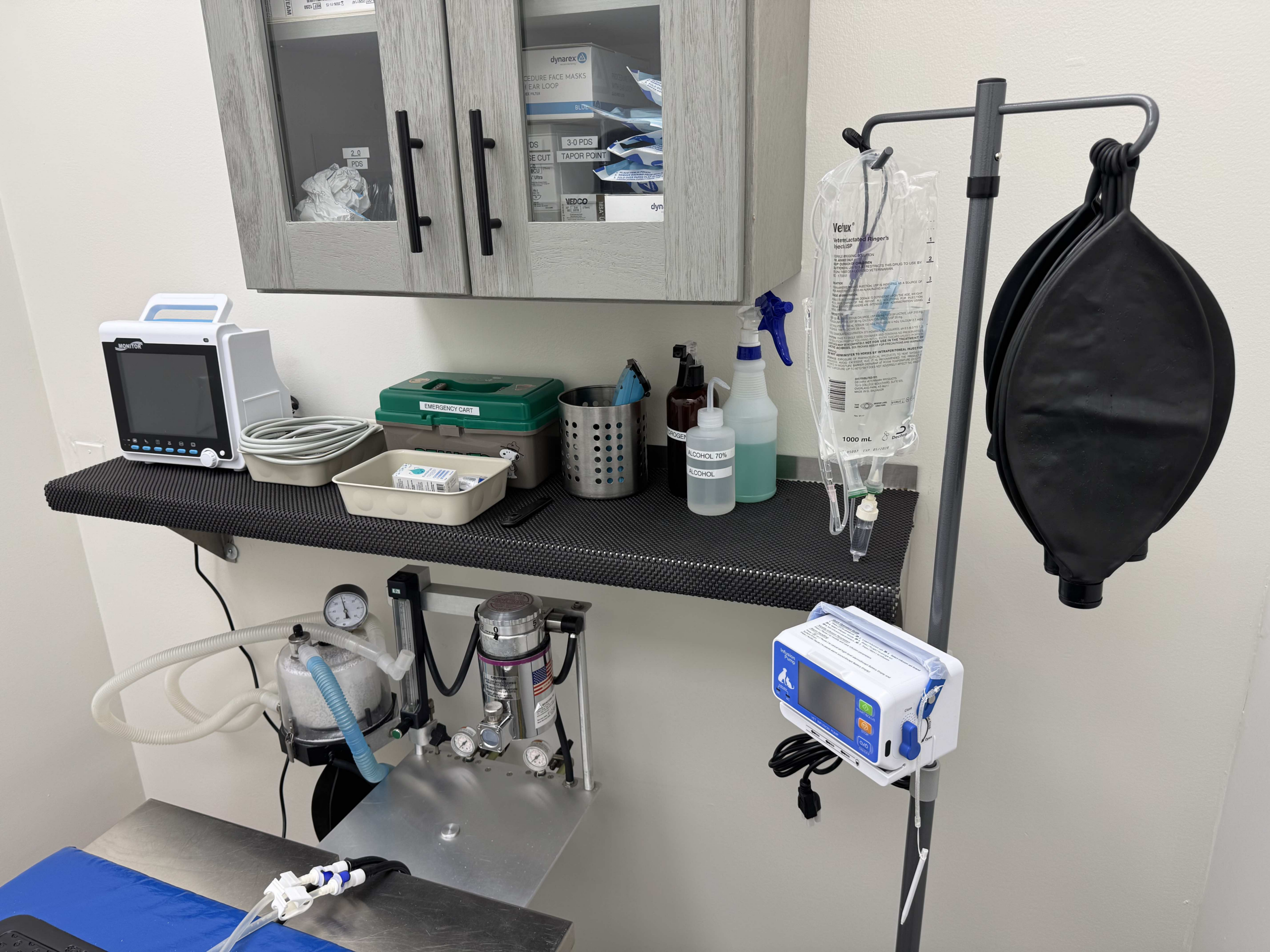
There was no monitoring equipment in general practice. Depth of anaesthesia was assessed by eye reflex, jaw tone, respiration and colour, by a vet who was also performing the surgery. Agents were less predictable and the margin between an effective dose and a dangerous one was narrower than it is now.
Pulse oximetry, capnography, blood pressure monitoring, dedicated anaesthesia nurses and far safer agents have transformed anaesthetic mortality, which has fallen very substantially for both dogs and cats. This is stated as professional history; decisions about any individual animal’s care belong with its own veterinary surgeon.
4. Pain Relief for Animals Was Barely a Category
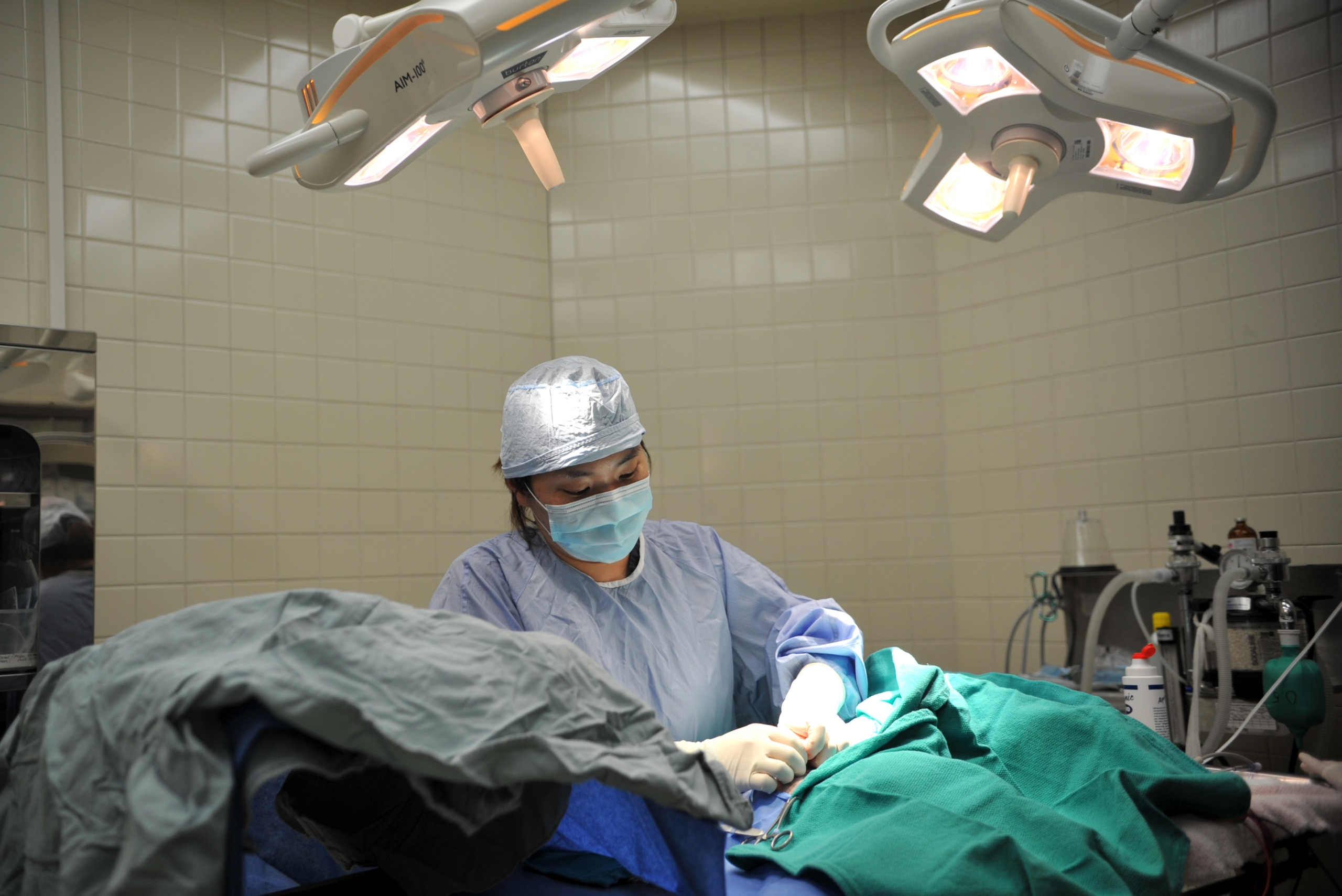
Analgesia after surgery was given inconsistently and in many practices not at all, on a reasoning that is uncomfortable to read now – that pain kept an animal still and therefore aided recovery, and that animals did not experience it as people do.
The reassessment of animal pain from the 1980s onward is one of the most significant ethical shifts in the profession’s history. Multimodal analgesia is now standard practice, pain scoring systems exist for several species, and the capacity of animals to suffer is treated as established rather than arguable. This is noted as a change in professional standards and is not guidance about any animal.
5. The Vet Mixed and Dispensed Most of What He Used
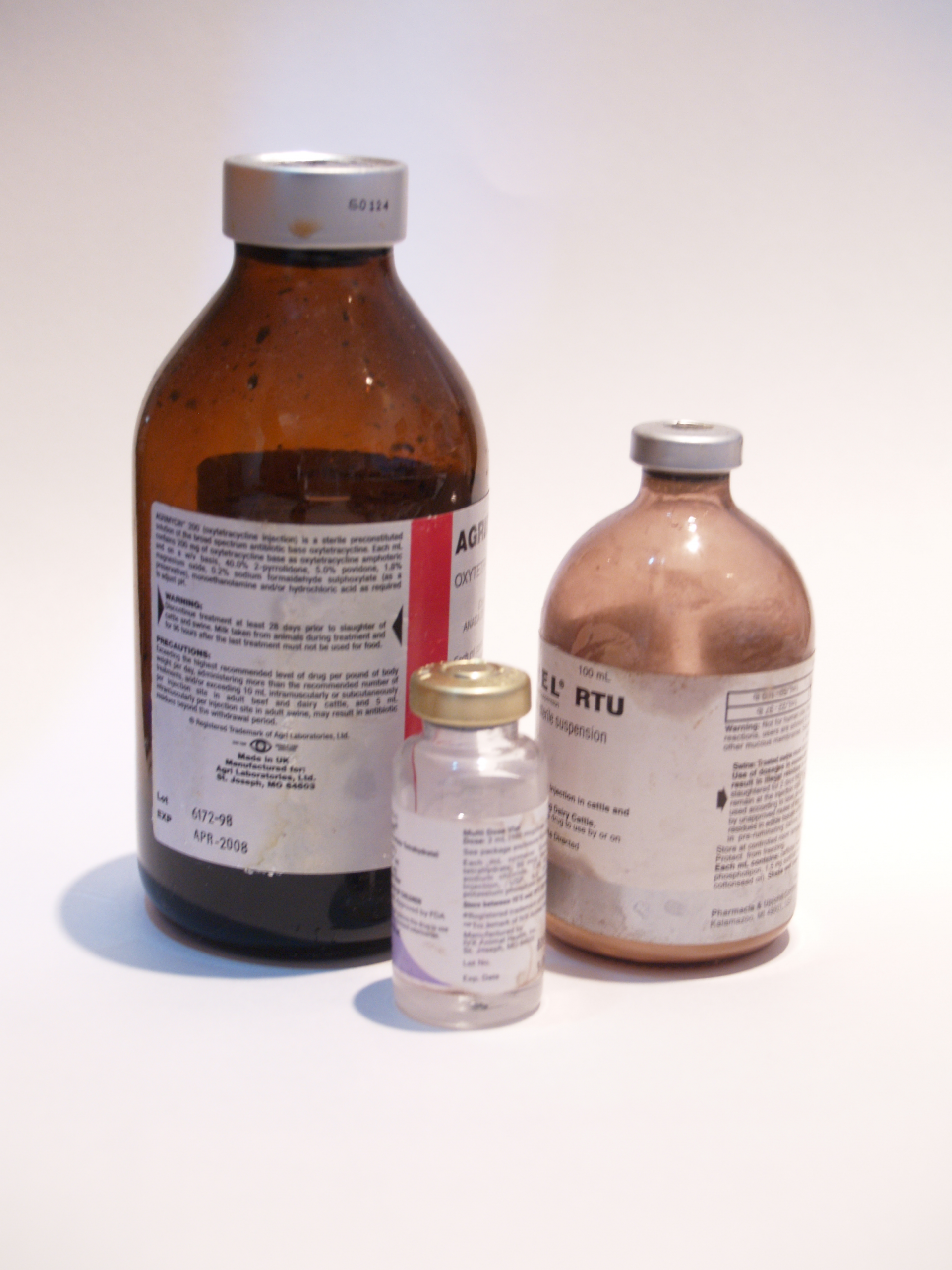
Practices compounded their own preparations, bought in bulk, and dispensed from unlabelled or hand-labelled containers. The range of licensed veterinary medicines was narrow, and a great deal of what was used had been adapted from human products by judgement.
Veterinary medicines are now a regulated category with licensing, withdrawal periods for food-producing animals, recorded dispensing, controlled drug registers and restrictions on compounding. The withdrawal period in particular – the time that must elapse between treating an animal and its milk or meat entering the food chain – is a food safety framework that barely existed in 1965.
6. Antibiotics Were Used Freely and Prophylactically
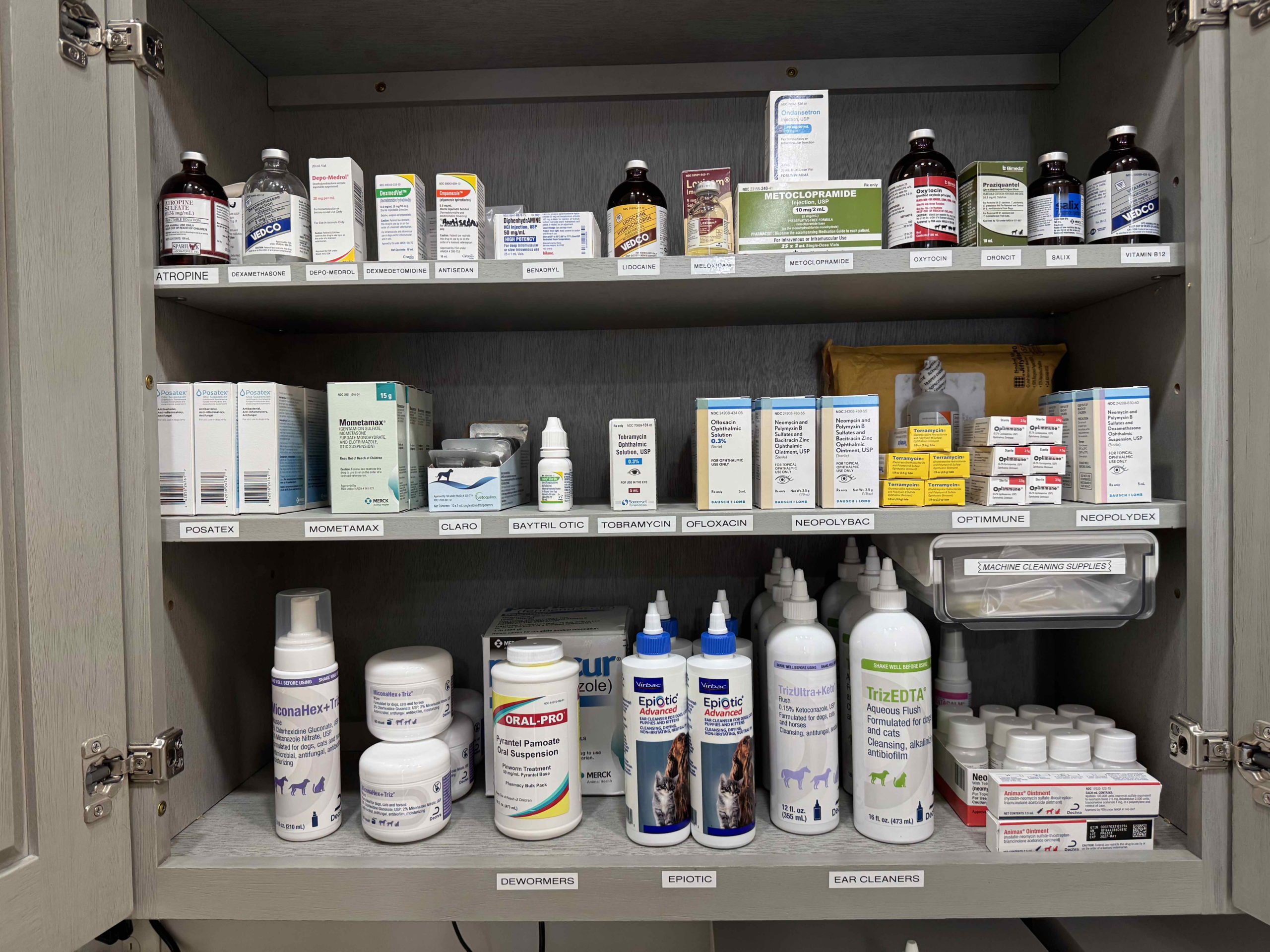
Antibiotics were newish, effective and cheap, and they were used generously – on suspicion, as a precaution, routinely at drying off, and in feed as growth promoters across whole livestock sectors.
Antimicrobial resistance has made this one of the most regulated areas in veterinary practice. Growth promotion uses have been banned in many jurisdictions, prophylactic use is restricted, certain classes are reserved for human medicine, and usage is recorded and reported. The profession generally regards the 1965 approach as having been a significant contributor to a problem nobody foresaw and everybody now manages.
7. Nobody Wore Gloves for Very Much
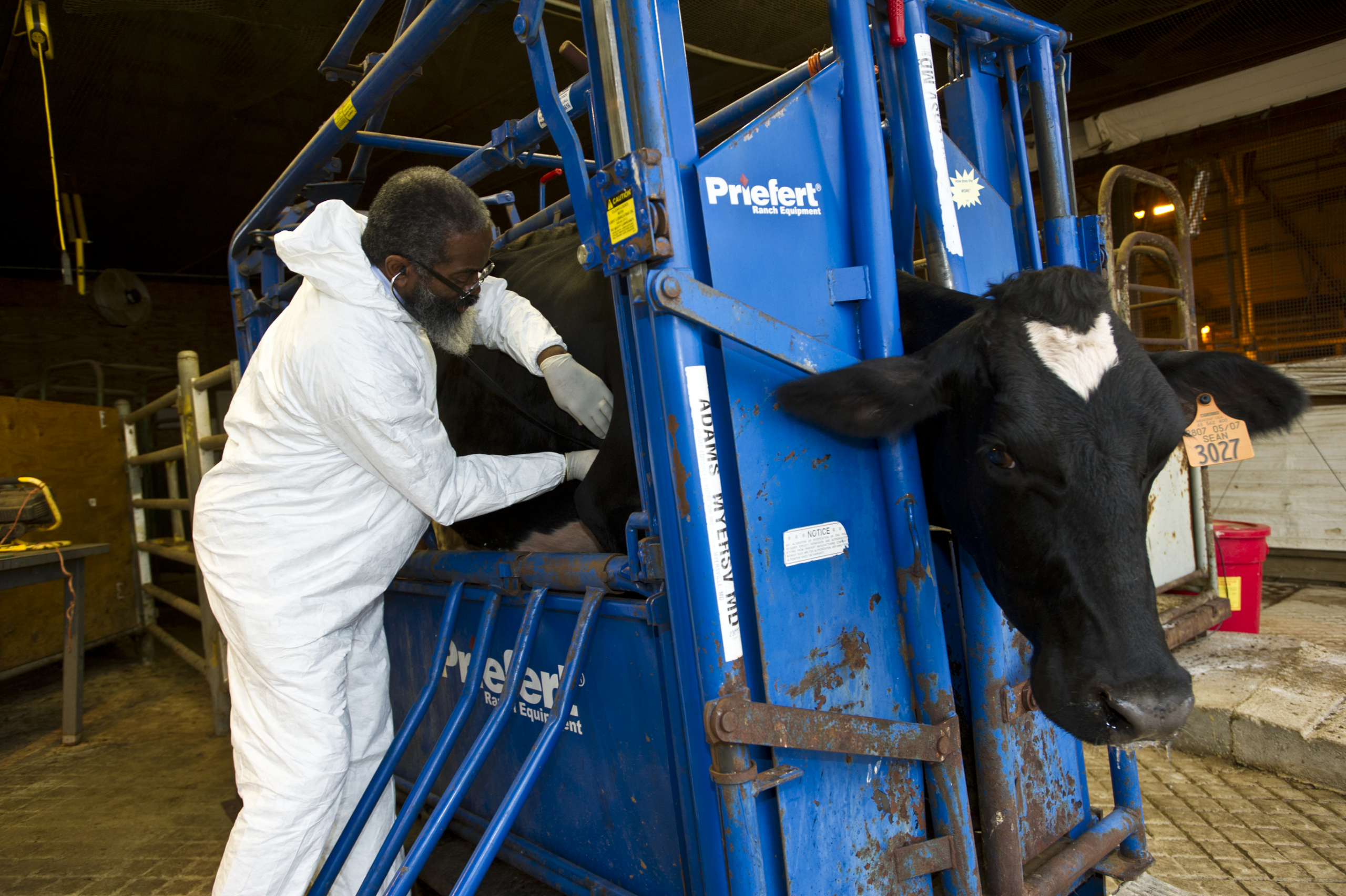
Rectal examinations, calvings, post-mortems and dirty surgery were frequently done bare-handed or with an arm-length glove reused between animals. Hand washing between farms was a bucket if there was one.
Biosecurity transformed this, and the driver was disease transmission between farms rather than concern for the vet. Disinfection of boots and equipment between premises, disposable gloves and sleeves, protective clothing changed between holdings and documented hygiene protocols became standard, accelerated sharply by major livestock disease outbreaks. The zoonotic risk to the vet was a secondary beneficiary of a change made for the animals.
8. Euthanasia and Casualty Slaughter Were Done on the Spot
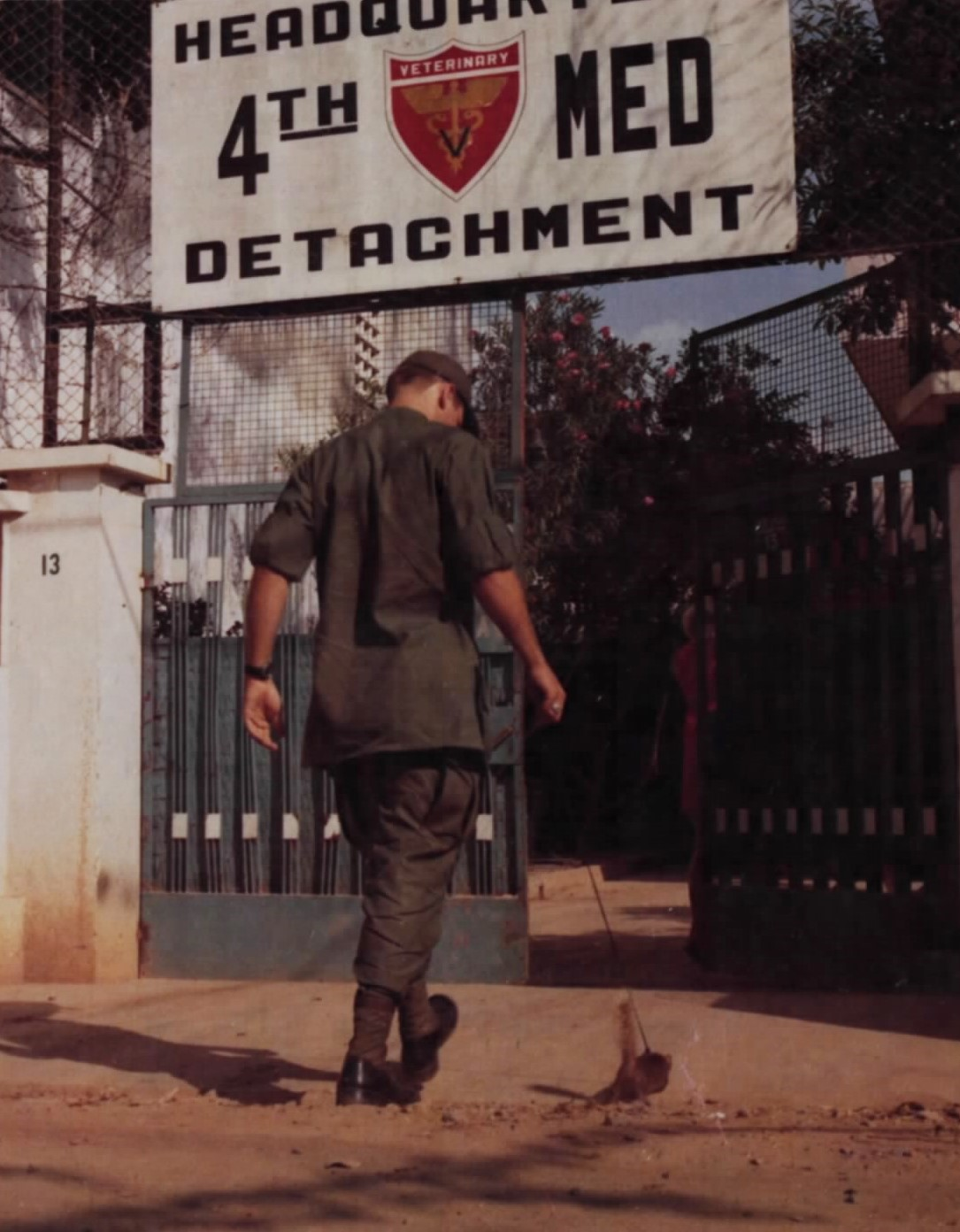
A vet carried the means to end an animal’s life and used them in the field, in the yard, or in the consulting room, frequently alone and frequently with the owner present. For large animals the method was physical and immediate.
This remains part of the job and always will, and the change is in process rather than in principle – sedation before euthanasia as standard, defined protocols, owner support, and far more attention to how it is done and what it costs the person doing it. The cumulative effect of performing euthanasia routinely is now recognised as a specific occupational burden in the profession rather than as something practitioners simply absorb.
9. The Profession Was Almost Entirely Male and Expected to Stay That Way
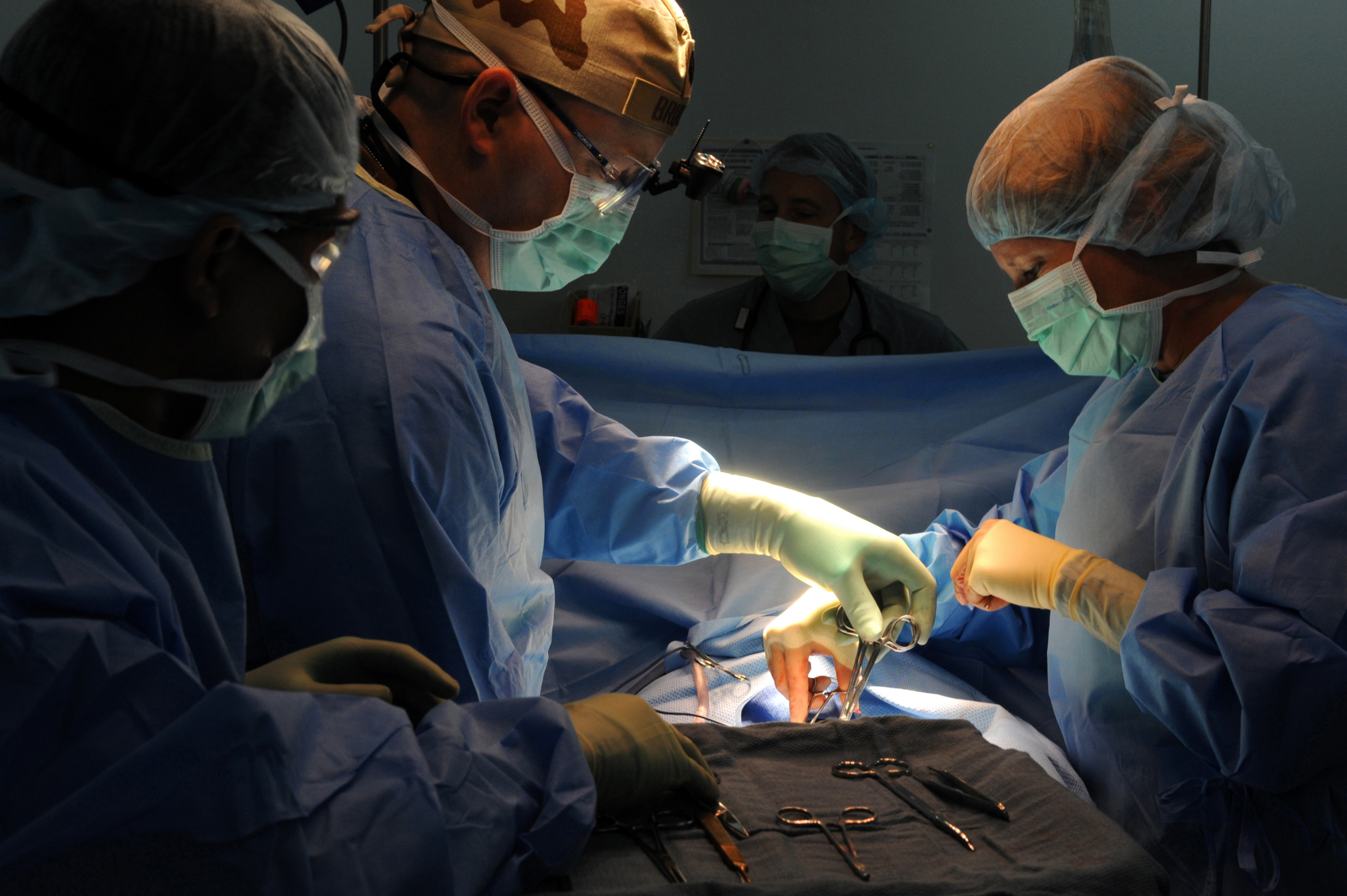
Veterinary schools in 1965 admitted small numbers of women, in some cases against informal quotas, on an argument that farm work was physically unsuitable and that women would leave on marriage. Practices advertised for men explicitly.
The reversal is one of the most complete of any profession. Women are now a substantial majority of veterinary graduates in most developed countries and a majority of the working profession in many. The transition happened over roughly three decades, and the predictions made in 1965 about what it would mean for farm practice were comprehensively wrong.
10. He Was On Call Alone, Permanently, and It Was Part of the Job’s Identity
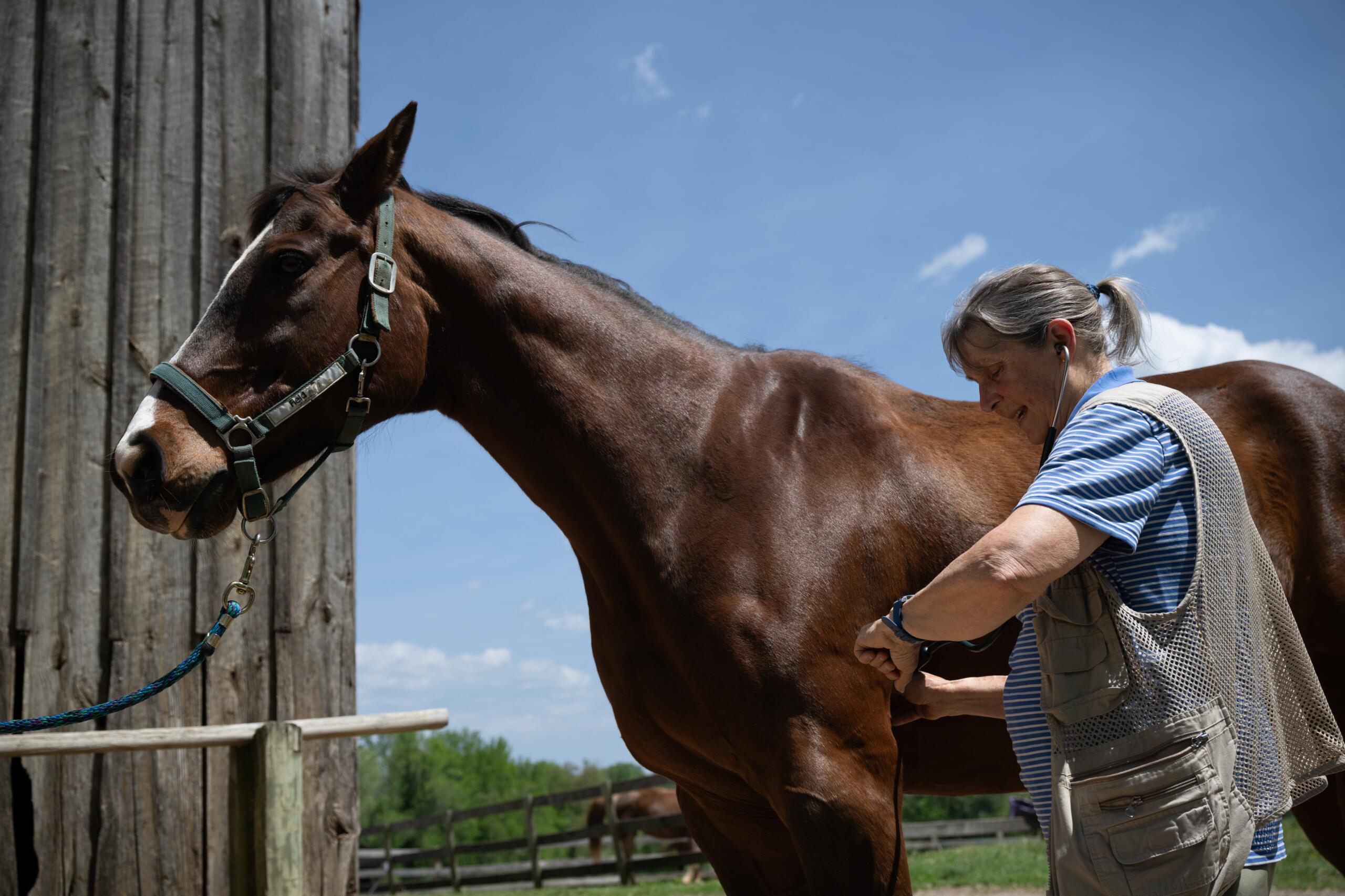
A single-handed or two-vet practice covered its own nights, weekends and holidays indefinitely. Being always available was a point of professional pride and a condition of keeping the clients, and the strain it placed on the vet and his family was not discussed.
Dedicated out-of-hours providers, shared rotas across practices and consolidation into larger groups have made permanent personal availability unusual. The profession also now talks openly about its mental health, which it did not in 1965 – veterinary medicine has a documented higher risk of occupational stress and the professional bodies run support services. Anybody struggling in the work should use those services rather than reading a list about 1965.
11. Clients Paid in Cash, Produce or Eventually
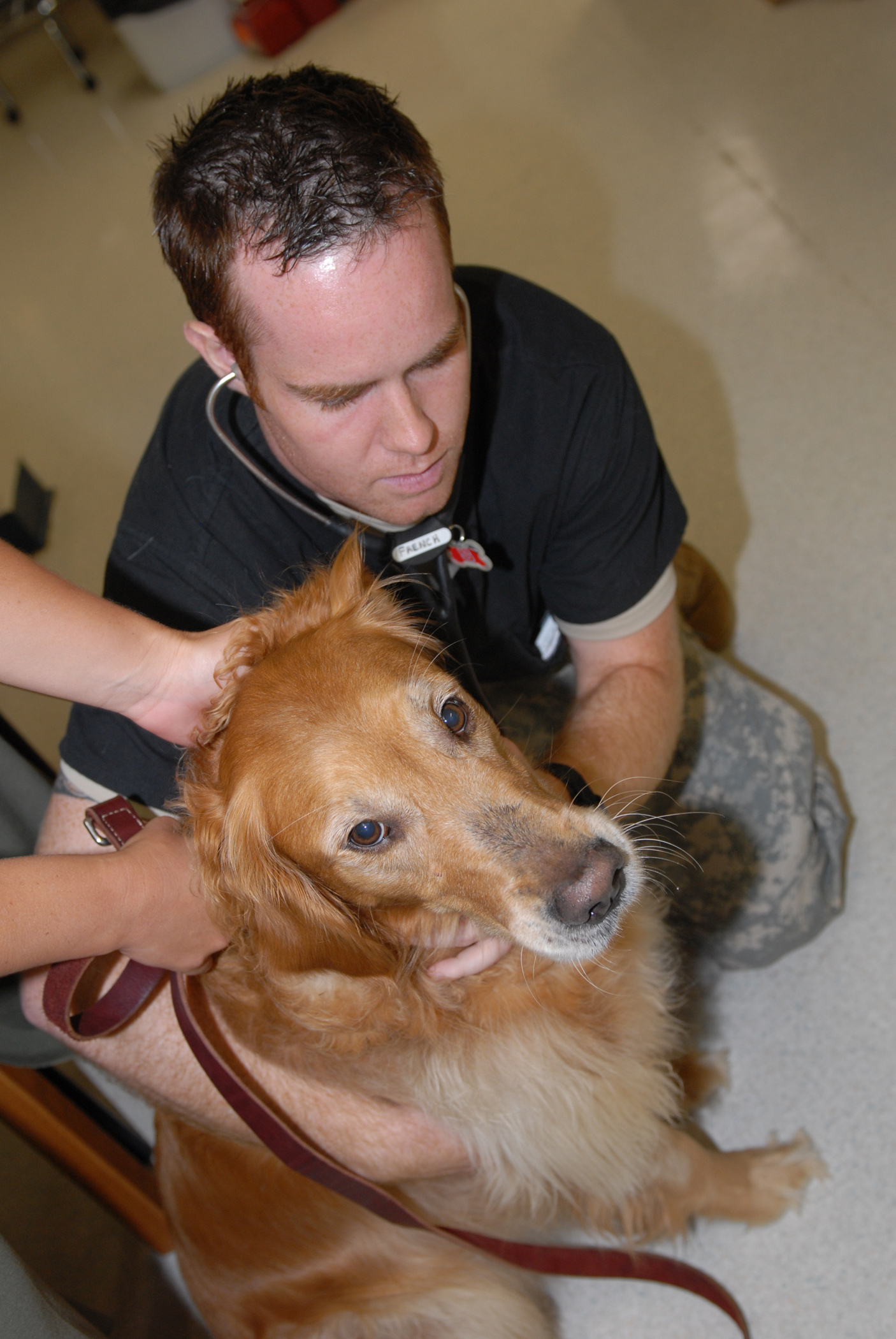
Farm accounts were settled after the harvest or the sale, or partly in kind, and a vet carried farmers through bad years as a matter of course. There was no insurance, no payment plan and no credit control beyond his own judgement.
Pet insurance, practice payment plans, corporate ownership with proper credit control and the sheer cost of modern veterinary capability have replaced that discretion with a system. The arrival of advanced imaging, surgery and oncology means a bill can now reach figures that no 1965 practice could have generated, which has made how care is paid for one of the central and most difficult questions in the profession.
The Two Changes That Did Most
Two developments reshaped veterinary practice more than everything else combined, and neither is technological.
The first is the reassessment of animal pain. The 1965 position – that analgesia was optional, that pain had a protective function, that animal suffering was not comparable to human suffering – was not cruelty as the people holding it understood it. It was a genuine belief about animal experience, and it was wrong. Its replacement, over roughly two decades, changed what surgery means, what farming practice is acceptable, and what the profession understands itself to be for.
The second is who the client is. In 1965 the client was a farmer with an economic interest in an animal, and the clinical decision was substantially a financial calculation about the animal’s value. The client is now, in the great majority of cases, somebody who regards the animal as a member of their household and whose willingness to spend bears no relation to any market value. That single change pulled the entire capability of the profession upward – the imaging, the surgery, the oncology, the specialist referral – because there was finally somebody willing to pay for it.
The vet in the byre with the torch was a better practical surgeon in some respects than his successor and had a fraction of the tools. What he did not have was anybody asking him to do more.
If there was a vet who came to your family’s farm, somebody can probably still describe his car.
What was he called, and what is the worst weather you remember him turning out in?
Like our content? Follow us for more.