In 1965 a brewery employed its own coopers to build the barrels, kept horses to deliver the beer, gave every worker a daily allowance of beer to drink on shift, and judged the brew largely on the experience of one man.
It also owned the pubs that sold the product, cleaned its vessels by sending men inside them, and was one of several thousand breweries supplying a radius of a few dozen miles each.
Here are twelve things that were ordinary in a brewery in 1965, and what became of each.
1. The Brewery Employed Its Own Coopers to Make and Mend the Barrels
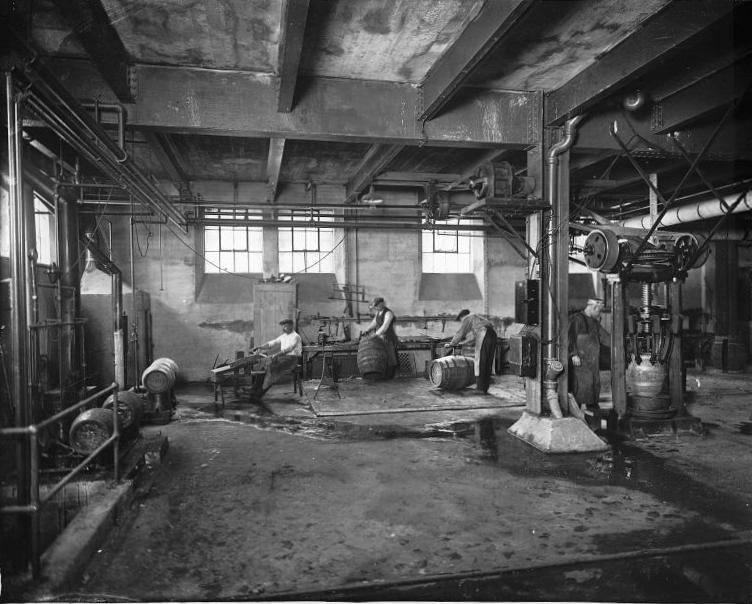
A cooper built a cask from oak staves and iron hoops with no glue, no screws and no measuring instruments beyond his own tools, relying entirely on the shaping of the staves to make a watertight vessel. A large brewery employed dozens of them, and the apprenticeship ran four or five years.
Aluminium and then stainless steel kegs displaced the wooden cask for most beer through the 1950s and 1960s, and the cooperage closed. It is one of the oldest skilled trades in Europe and it went from a standing workforce in every brewery to a handful of practitioners within about two decades. The few who remain mostly work for distilleries, where the wood is part of the product rather than just the container.
Like our content? Follow us for more.
2. Beer Was Delivered by Horse, and Some Breweries Kept Them Deliberately
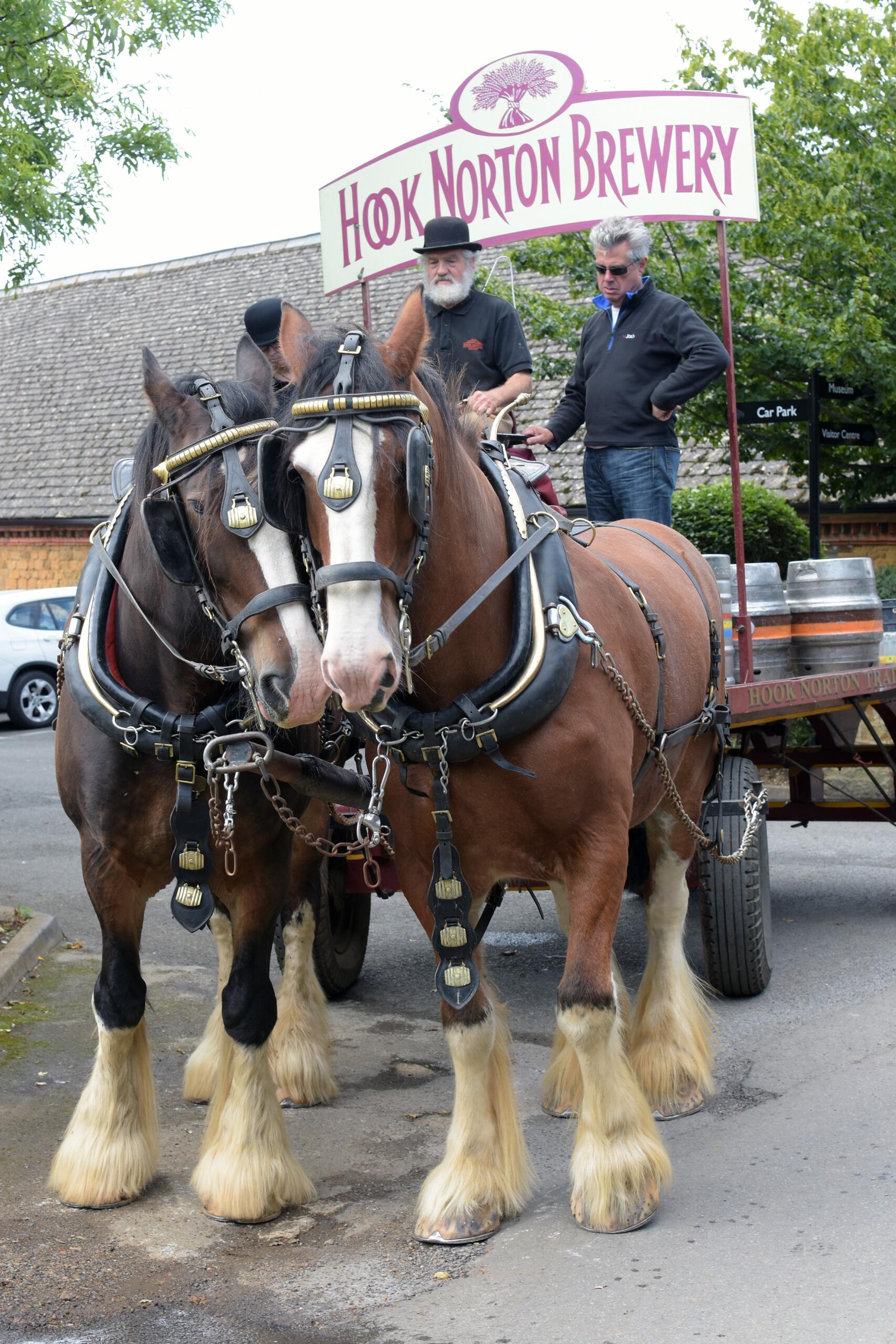
Dray horses pulled delivery wagons on short urban rounds well into the 1950s and in some cases beyond, because for frequent stops over a short distance a horse was genuinely competitive with a lorry – it did not need restarting, it knew the round, and it could be left while the draymen worked.
Motor transport won once rounds got longer and loads got heavier. Several breweries kept a team on afterwards purely for show, which is why dray horses still appear at events, and the distinction between a working team and a ceremonial one is worth drawing – the ones you see now are marketing, and the ones in 1965 were logistics.
3. Brewery Workers Had a Daily Beer Allowance Written Into the Job
The beer allowance was a formal condition of employment – a set number of pints a day, drawn from a tap on the premises, consumed during the working day. It descended from an era when brewery water was unsafe and small beer was the sensible drink, and it long outlived that justification.
Allowances were reduced, moved off the premises, converted into a take-home allocation and in most cases abolished through the 1970s and 1980s. The reasons were the obvious ones: operating machinery, driving, and an industry gradually recognising that supplying alcohol to employees during shifts was a liability it could not defend. Take-home allocations survive at a number of breweries and are popular.
4. Temperature and Timing Were Judged by a Man With a Stick
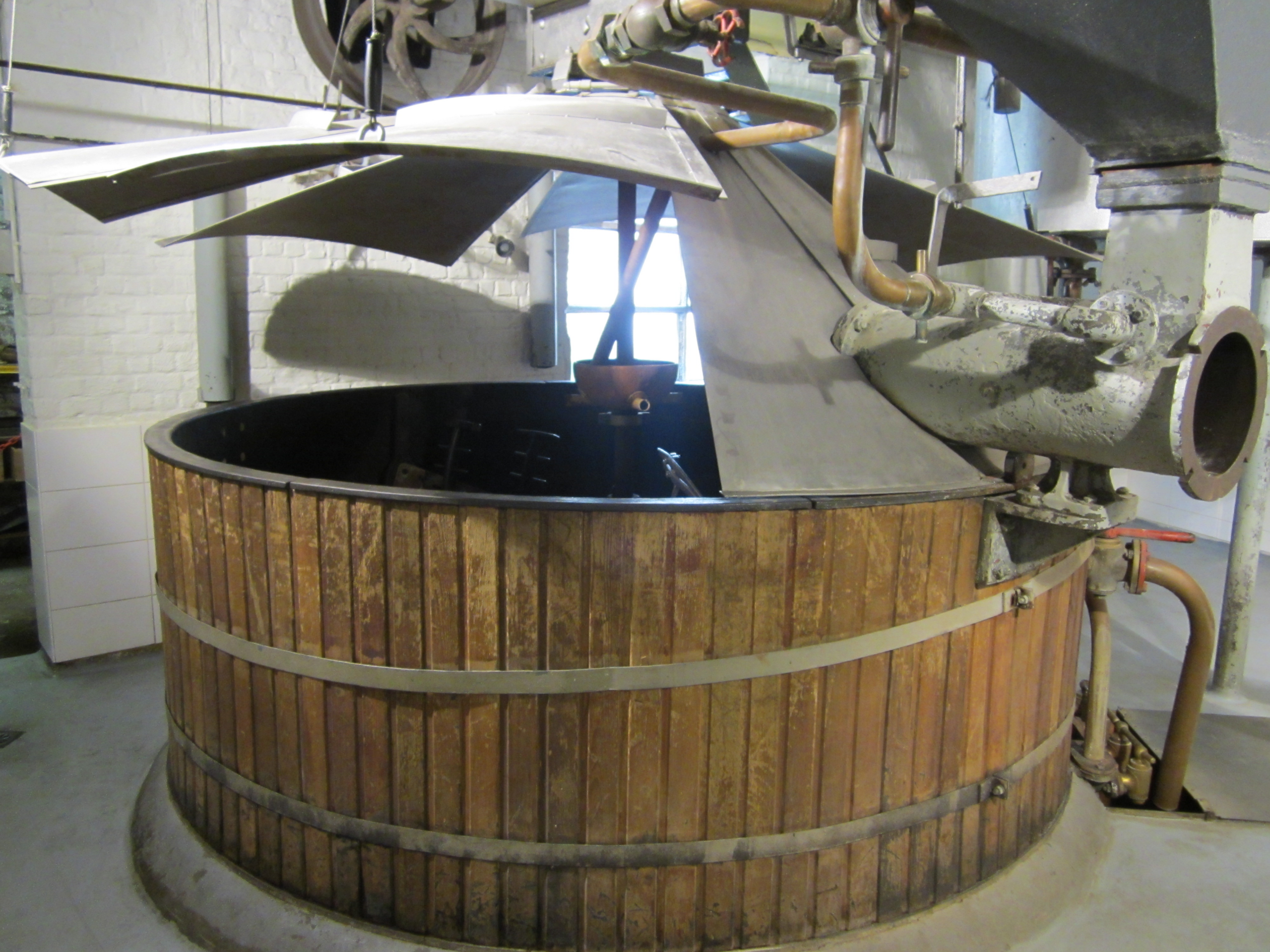
The brewer judged the mash by feel, the boil by eye, and fermentation by the appearance and smell of the yeast head. Measurement existed – thermometers and hydrometers had been in use for two centuries – but a great deal of the process rested on the judgement of one experienced person.
Automated temperature control, continuous monitoring, inline instrumentation and laboratory analysis at every stage have made the process repeatable to a degree the old brewers could not have achieved. The trade-off is well understood in the industry: the beer is far more consistent and the variation that occasionally produced something exceptional has been engineered out along with the variation that produced something undrinkable.
5. The Yeast Was the Brewery’s Own and Had Been There for Generations

Each brewery kept its own yeast, cropped from one fermentation and pitched into the next, in an unbroken line going back decades. The house character of the beer came substantially from that strain, and losing it was understood as an existential threat.
Yeast banking – storing isolated pure cultures under refrigeration or in liquid nitrogen, and propagating fresh from the bank periodically – replaced continuous repitching at most sizeable breweries, because a strain repitched indefinitely drifts and can be contaminated. The house strains mostly survived the transition and several are now held in national culture collections, which means a brewery that closed can in principle have its yeast revived.
6. Cleaning Was Done by Men Climbing Inside the Vessels
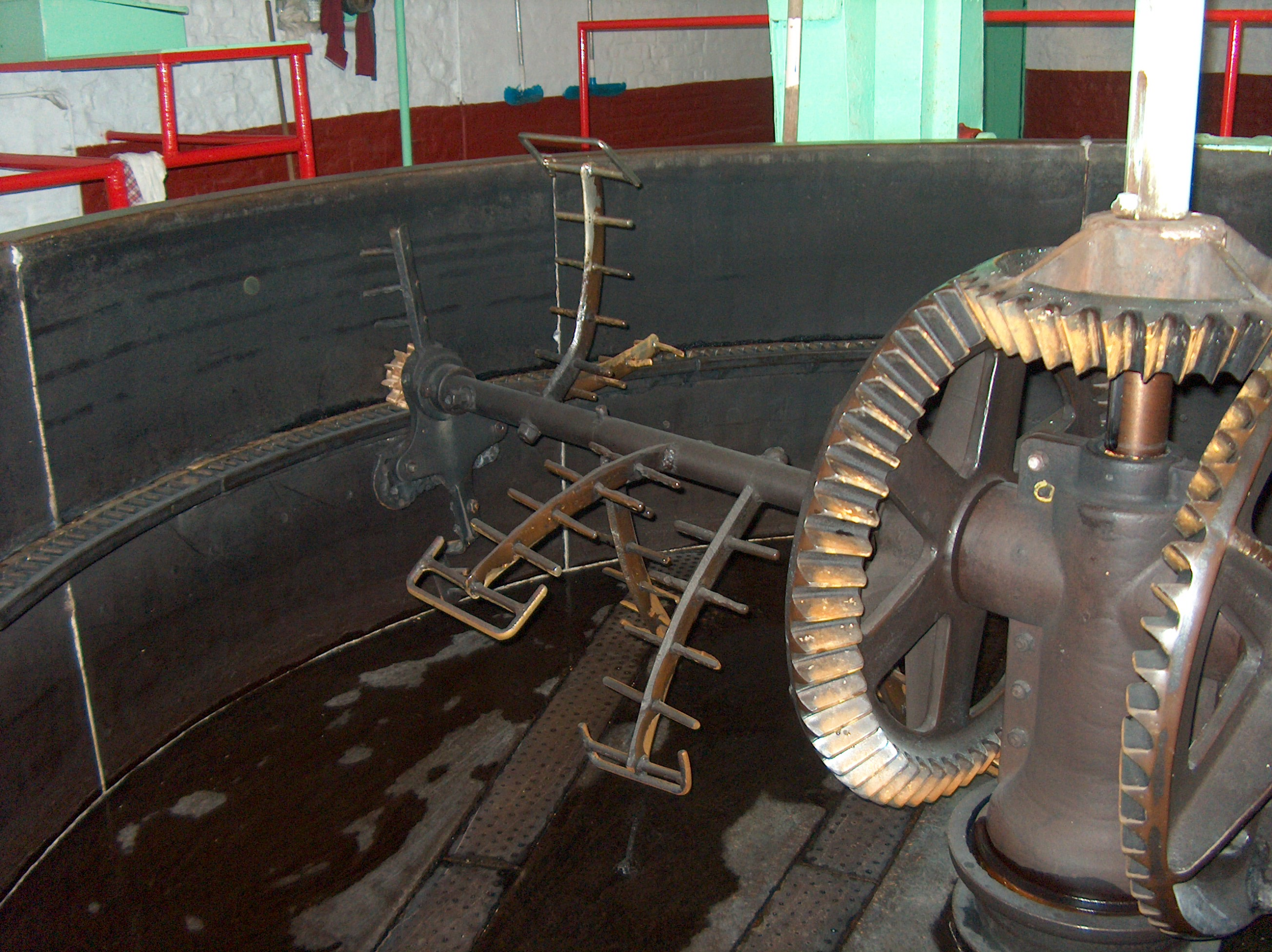
Fermenting vessels and coppers were cleaned by hand, with men going inside through a manway with brushes, hoses and caustic solution. The vessels were confined spaces with residual carbon dioxide, which is heavier than air and collects in the bottom.
Carbon dioxide in a fermenting vessel is a genuine asphyxiation hazard and it killed brewery workers. Clean-in-place systems – fixed spray balls that circulate detergent through a sealed vessel with nobody entering it – became standard, and where entry is still required it is a permit-controlled confined space operation with gas testing and a standby person. This is industrial history, not a safety instruction.
7. Almost Every Town Had Its Own Brewery and Its Own Beer
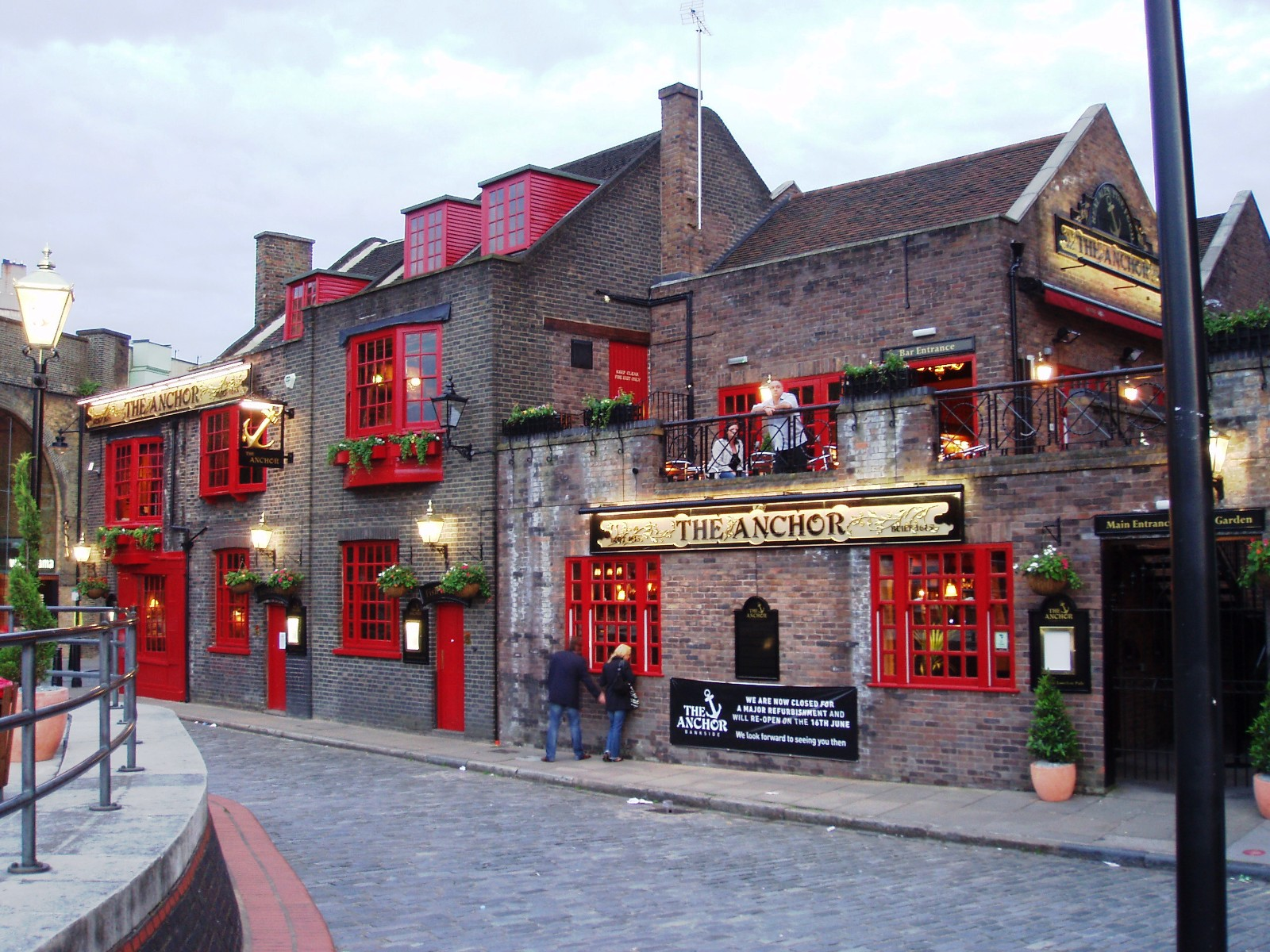
Regional and town breweries numbered in the thousands across brewing countries, each supplying a radius of a few dozen miles, each with a distinct product that people in that area drank and people outside it had never tasted. Distribution range was set by how far a dray could sensibly go.
Consolidation through the 1960s and 1970s was brutal and fast. Larger groups bought regional breweries for their tied pubs and then closed the brewery, and the number of operating breweries in most countries fell by an order of magnitude. Refrigerated transport, national advertising and keg beer that travelled well removed the geographic protection that had kept small brewers alive.
8. The Brewery Owned the Pubs That Sold the Beer
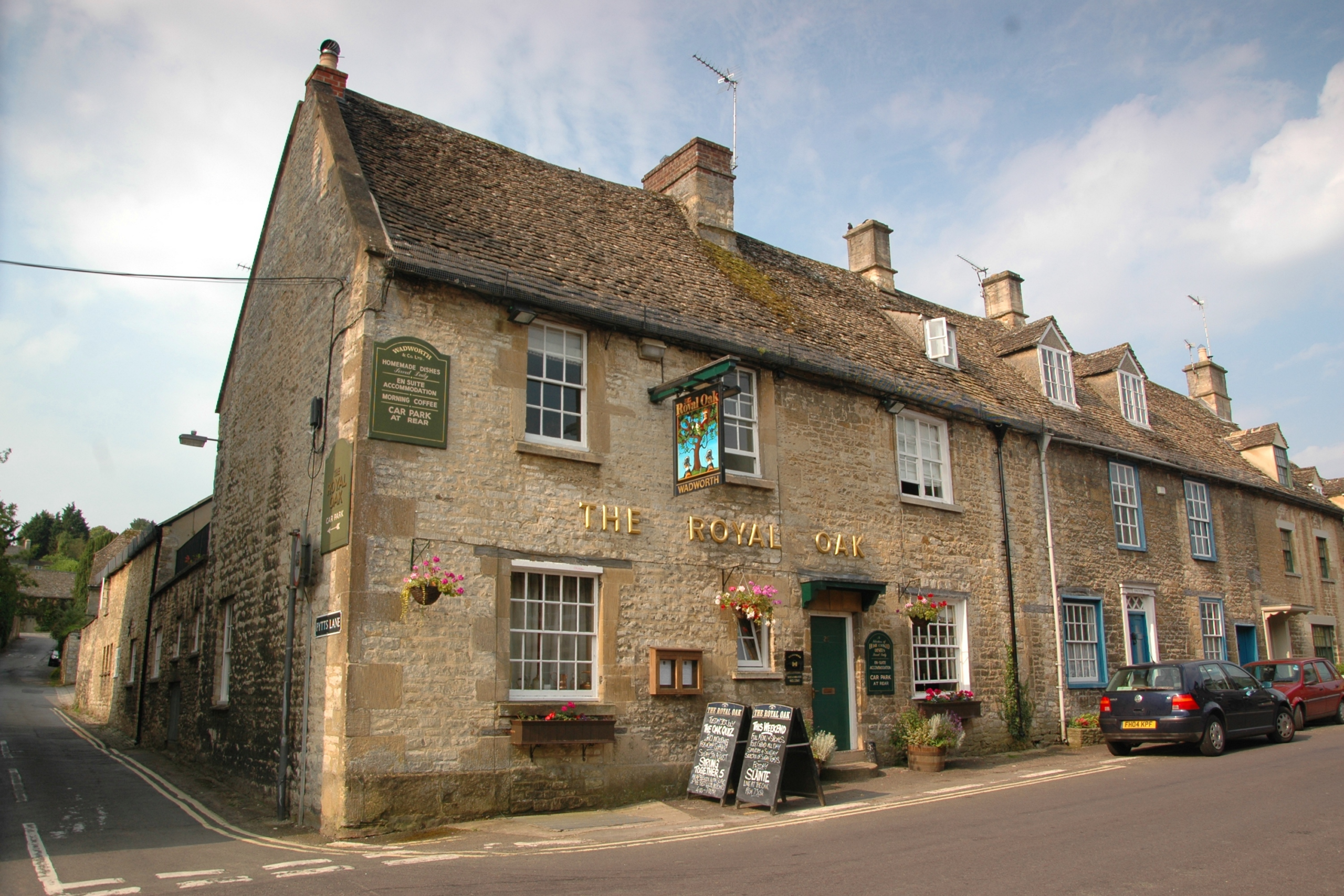
The tied house system meant a brewery owned or controlled the outlets, and those outlets sold that brewery’s products and no others. The pub was a distribution asset, and the value of a regional brewery to an acquirer was frequently the estate rather than the beer.
Competition authorities intervened in several countries, with the result that large brewers were required to free a proportion of their tied outlets or to divest estates entirely. The intended effect was more choice; a significant unintended effect was the creation of large pub-owning companies separate from brewers, with their own commercial pressures on tenants. It remains one of the most argued-about regulatory interventions in the drinks trade.
9. Bottling Was Loud, Wet and Mostly Done by Women
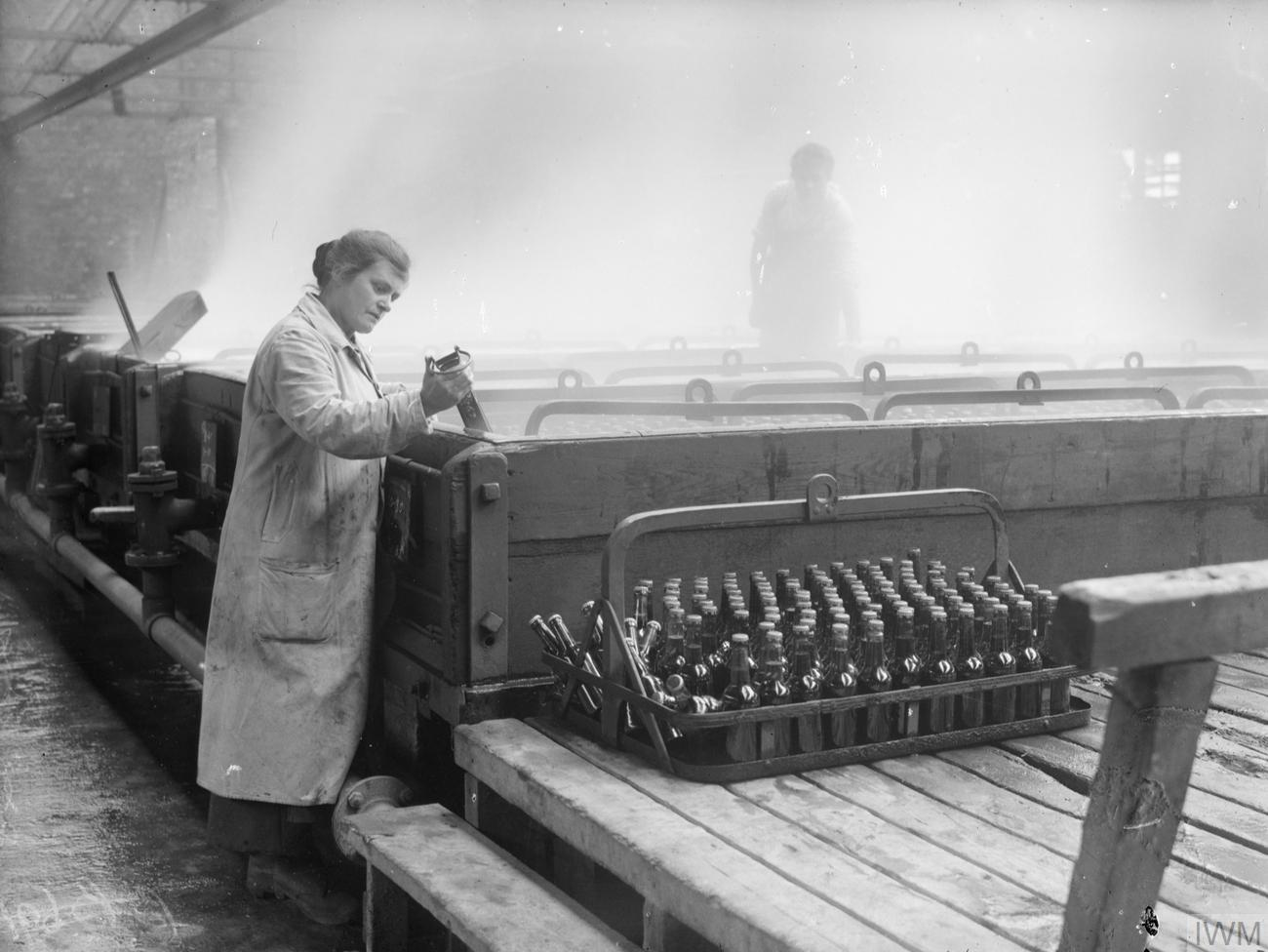
The bottling hall was a separate world from the brewhouse – conveyor lines, returnable glass arriving back dirty, washing, filling, crowning, labelling, crating. The work was repetitive, the noise was severe, the floor was permanently wet, and the workforce was substantially female while the brewhouse was substantially male.
The split was typical of the period and was reflected in the pay grades. Modern packaging halls are faster, highly automated and far quieter, hearing protection is enforced, and job classification by sex is unlawful. Returnable glass has largely given way to one-trip bottles and cans, which removed the washing plant and a great deal of the labour with it.
10. Draught Beer Was Served From the Cask in the Cellar It Arrived In
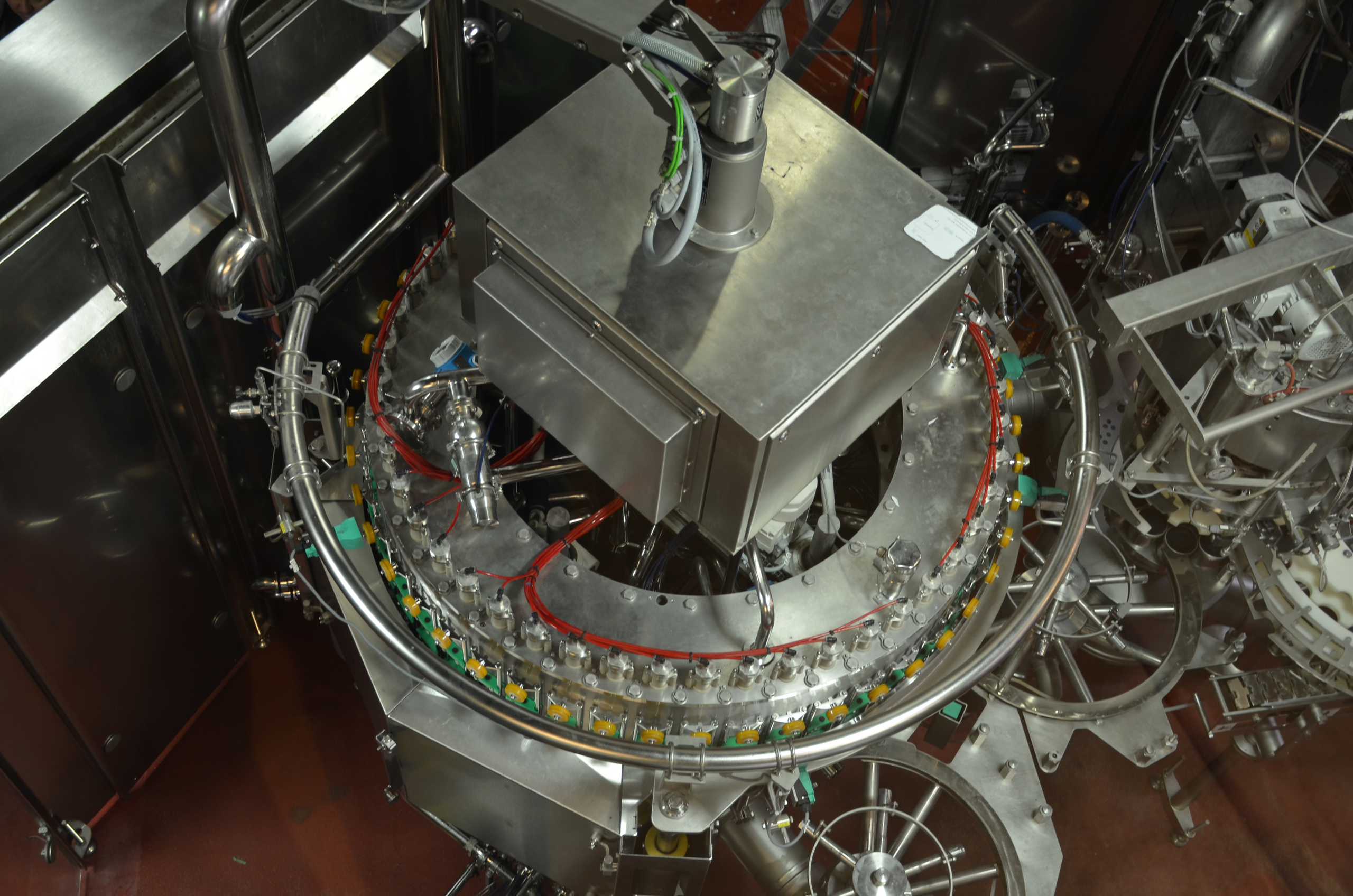
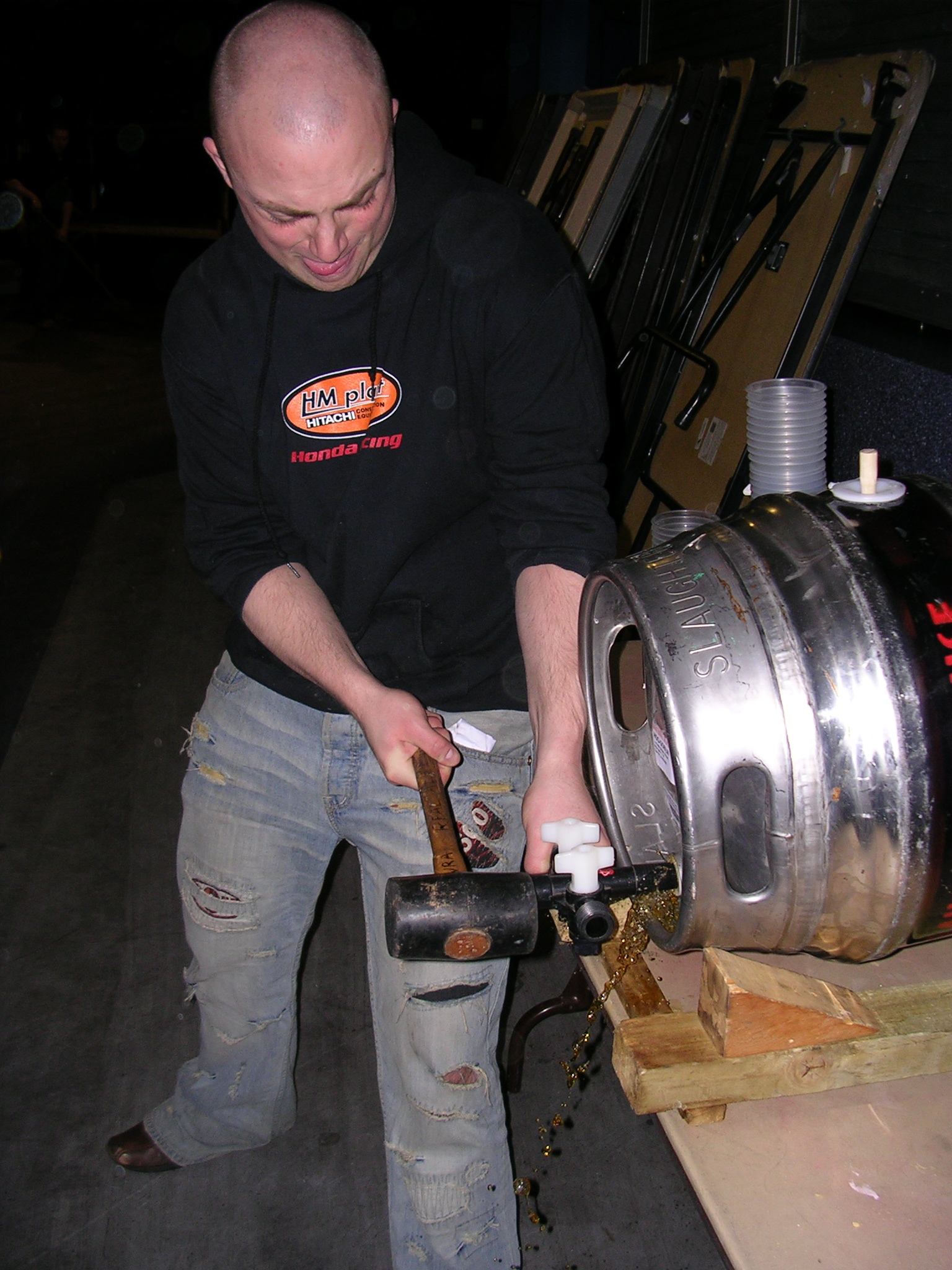
Cask beer is unfiltered, unpasteurised and still fermenting when it reaches the pub. It had to be settled, vented, tapped and kept at the right temperature by the publican, and it had a serving life measured in days once broached.
Keg beer – filtered, pasteurised, served under gas pressure – arrived in force through the 1960s precisely because it removed all of that skill and risk from the pub, travelled further and lasted longer. That shift provoked an organised consumer campaign in defence of cask beer which became one of the most successful consumer movements of the century, and cask survived as a result. The publican’s cellar skill survived with it, in the pubs that kept it.
11. The Brewery Ran on Open Vessels in a Building Full of Wild Yeast
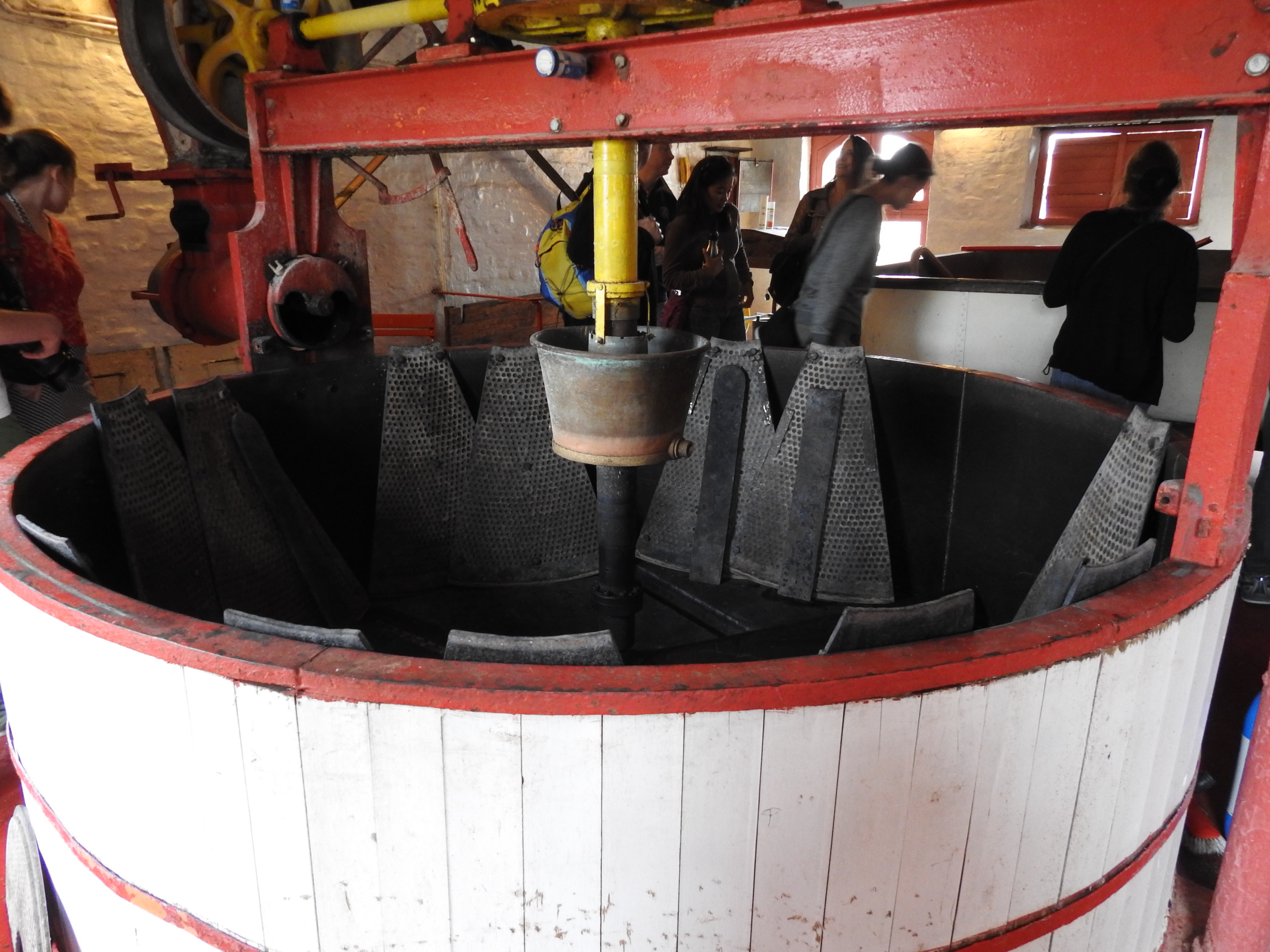
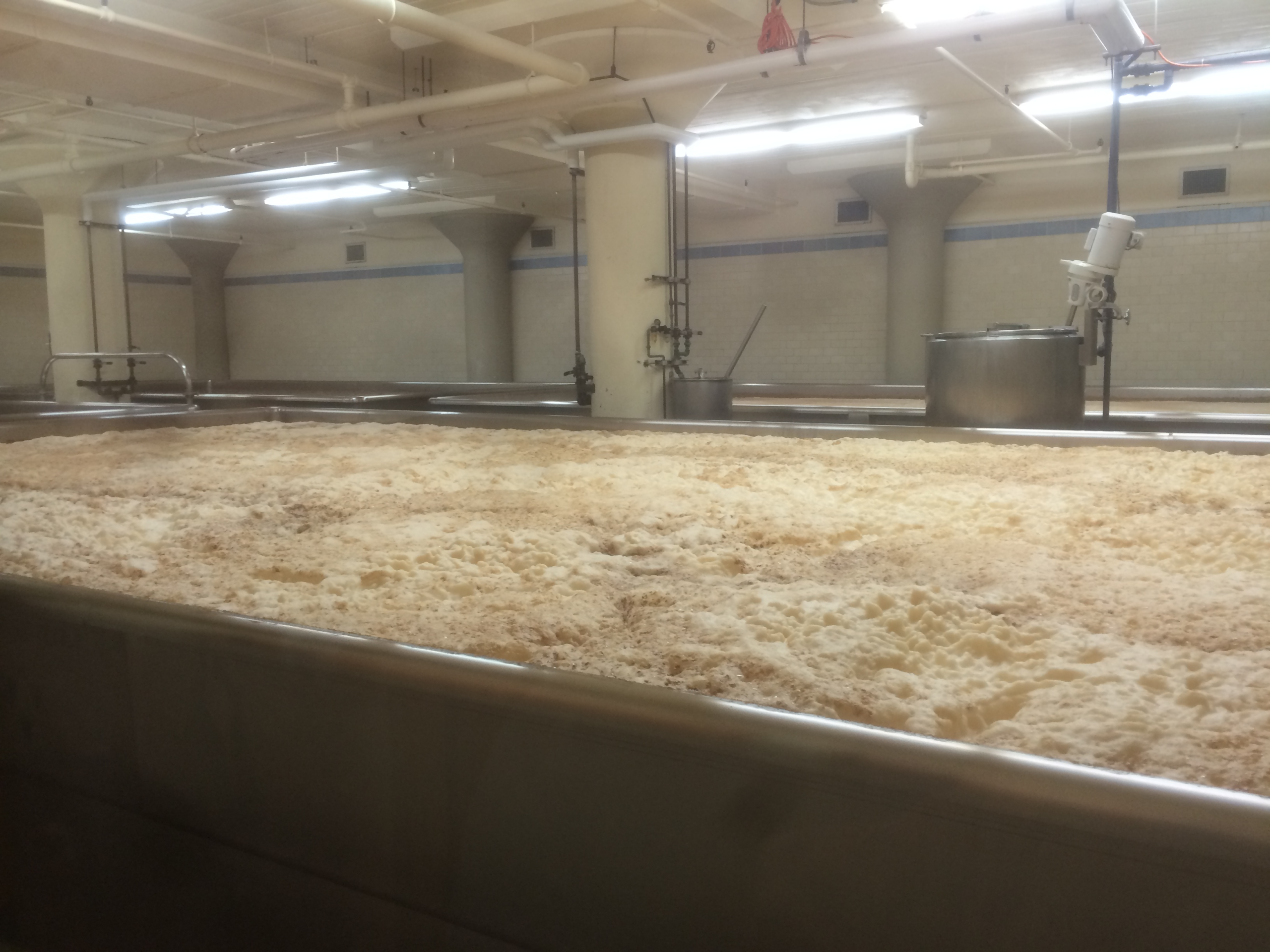
Fermentation in a great many breweries happened in open-topped vessels – squares of slate, stone or wood, or open steel – in a room whose air carried whatever the building had accumulated over a century. The brewers regarded the house microflora as part of the character rather than as contamination.
Enclosed conical fermenters, positive air pressure, filtered air handling and laboratory microbiology replaced it at most scales, because an open vessel is a contamination risk that cannot be controlled and because the conical shape allows yeast to be cropped from the bottom without opening anything. Some breweries kept open fermentation deliberately and still defend it, which is a real argument about flavour rather than a nostalgic one – but it is now a choice made with full knowledge of the risk, which it was not in 1965.
12. Nobody Imagined Small Breweries Would Ever Come Back
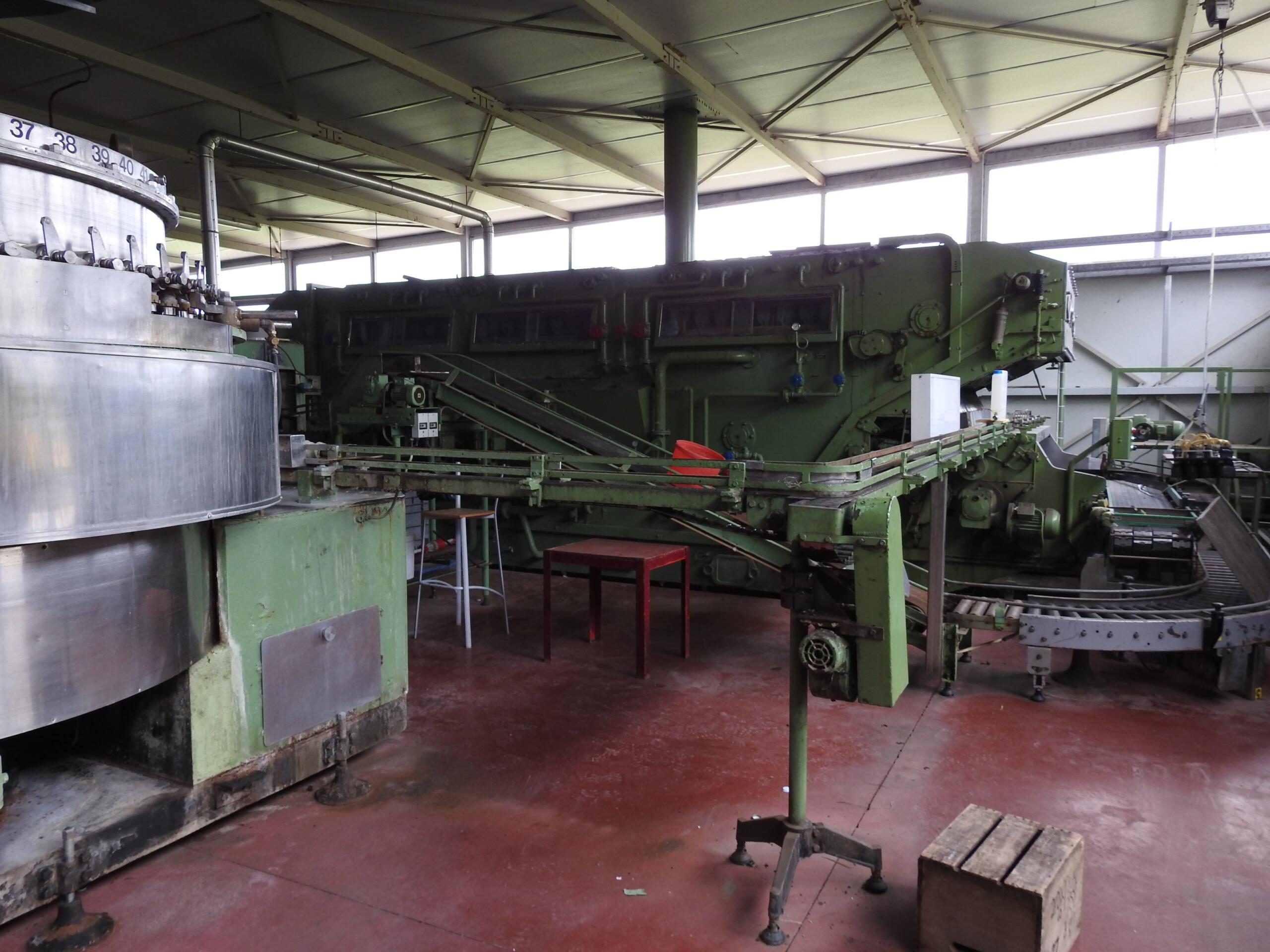
By the late 1960s the direction was one way. Consolidation was accelerating, the regional names were disappearing, and a plausible forecast had a handful of national brewers supplying everything. Opening a new small brewery would have seemed eccentric.
The reversal is the genuinely surprising part of this story. Microbreweries from the late 1970s onward, and then a very large expansion from the 1990s, took the number of operating breweries in several countries from historic lows back to figures comparable with a century earlier. The small brewery came back because the equipment got cheaper, the regulations were adjusted for small producers, and consumers turned out to want variety the consolidated industry had stopped supplying. Almost nothing else on any of these lists went backwards.
The One That Went Backwards
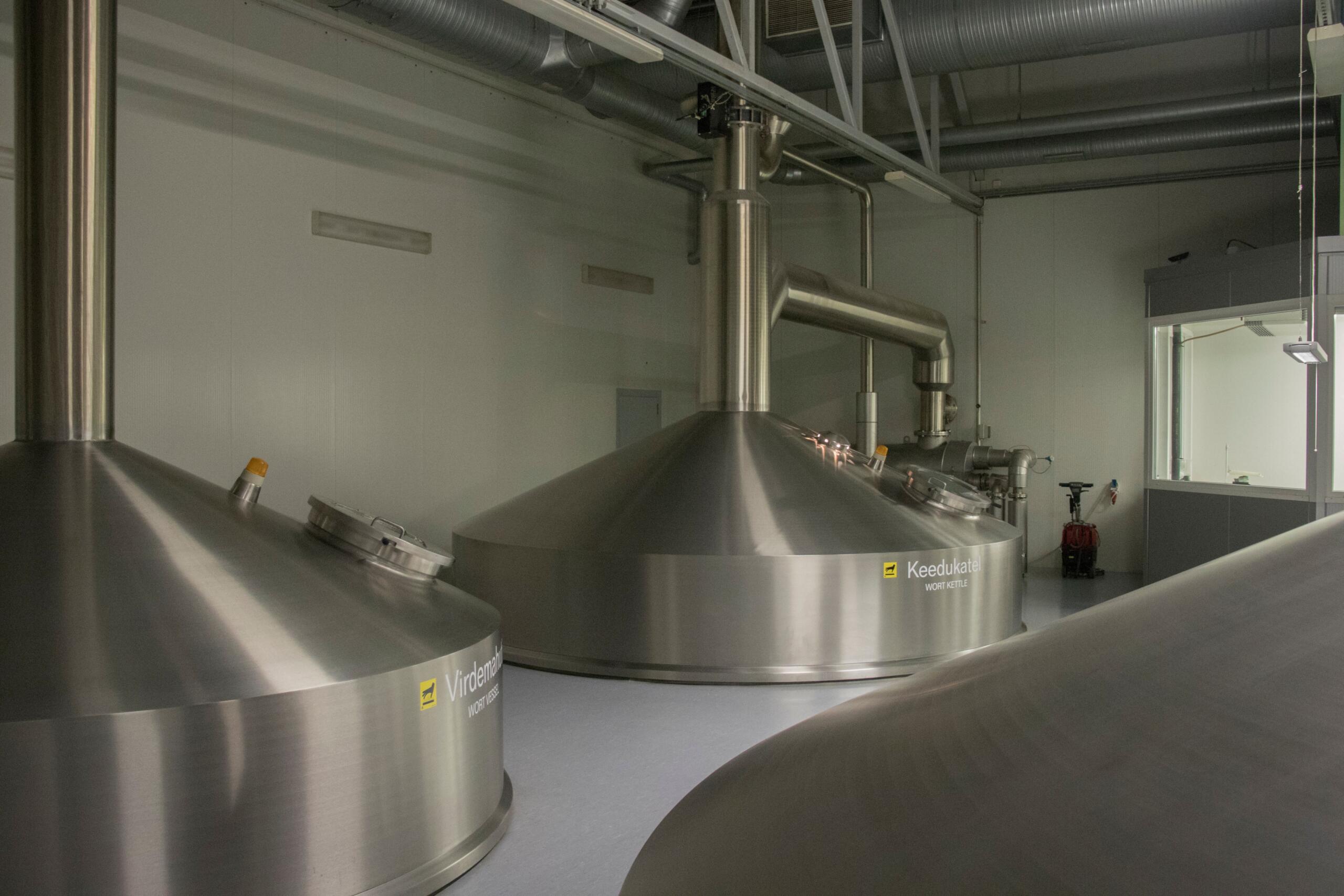
Every other workplace in this series follows the same arc: consolidation, automation, far fewer people, no return. Brewing is the exception, and it is worth understanding why.
The consolidation happened exactly as elsewhere. Thousands of town breweries became a few dozen groups within about twenty years, the coopers went, the horses went, the regional beers went, and a reasonable observer in 1975 would have forecast a handful of national producers and nothing else.
What reversed it was a combination of four things. Brewing equipment at small scale became cheap and good, largely because stainless fabrication did. Regulations and duty structures in several countries were adjusted to make small-scale production viable. An organised consumer movement defended the traditional product and, in doing so, created a market that valued difference. And the consolidated industry, having optimised for consistency and distribution, had made its products so similar that the opportunity was obvious to anybody looking.
The result is more breweries operating now than at any point since the early twentieth century in several countries. The jobs are not the same jobs – there is no cooperage, no dray, no bottling hall full of women on piece rates, and no allowance. But the thing itself came back, which is not something that can be said about the shipyard, the mill, the mine or the projection booth.
If somebody in your family worked in a brewery, the allowance is usually the first thing anybody mentions.
Which brewery, what did they do there, and is the building still standing?
Like our content? Follow us for more.