

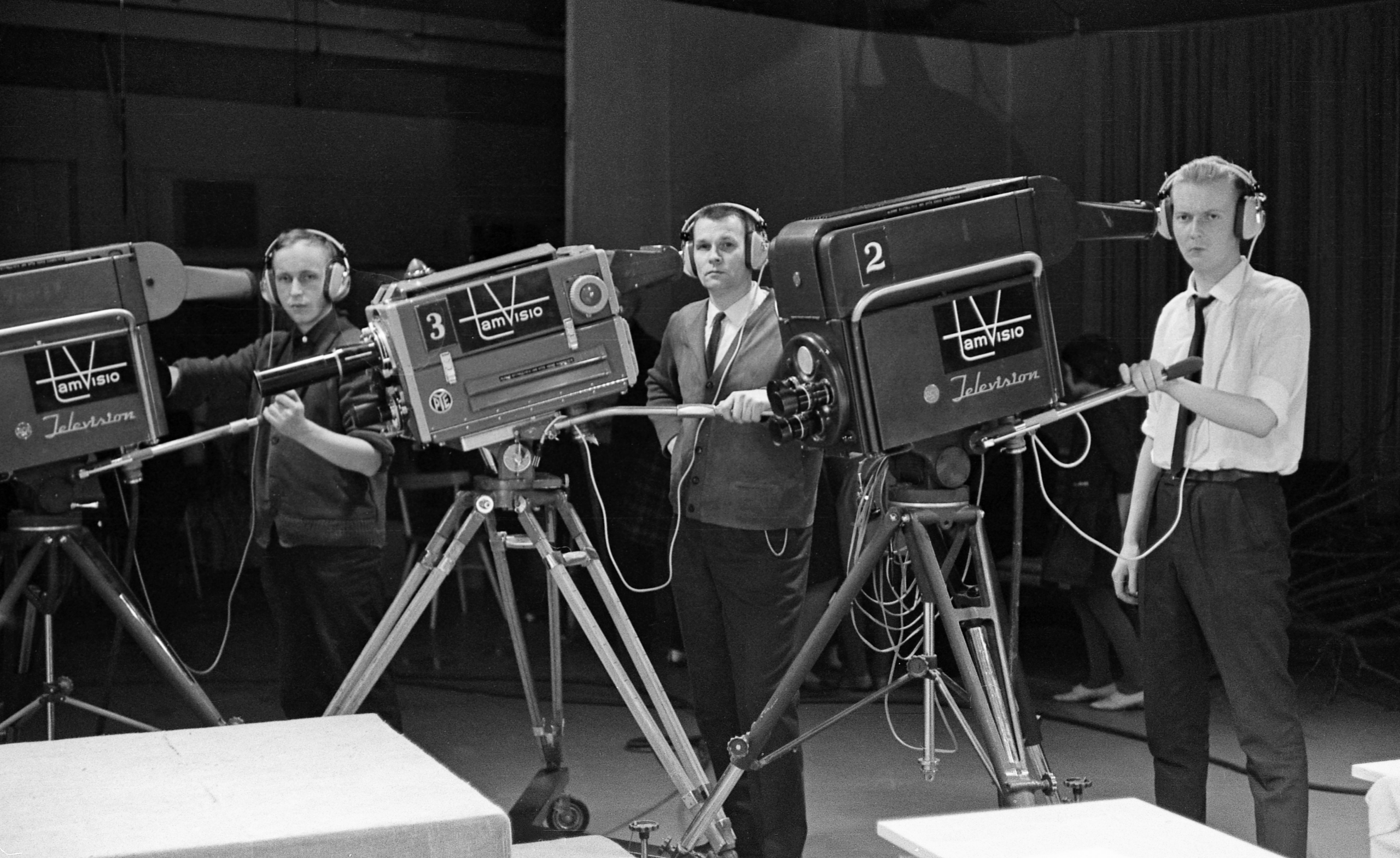
In 1965 almost every town of any size had its own television station, and it made a great deal of what it broadcast inside its own building – the news, the weather, the children’s programme, the farm report, and the advertisements, read out live by somebody holding the product.
There was no delay, no retake and no way to fix anything. Film was threaded by hand into a machine pointed at a camera, videotape was two inches wide and cut with a razor blade, and the studio was hot enough to be a health problem.
Here are sixteen things that were ordinary at a local station in 1965, and what each one became.
1. The Commercials Were Read Live, on Camera, by Somebody in the Building
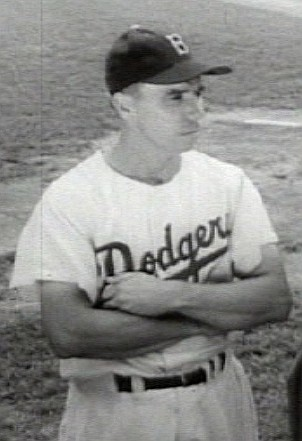
Local advertising was not a tape. An announcer stood beside the product, held it up, read the copy and said the sponsor’s address out loud. If he fumbled the price or dropped the box, that is what the town saw.
Pre-produced local spots on film and then tape removed the risk and the charm together. The live read survives in radio and in some sports broadcasting, and the specific skill – selling something convincingly to a camera while reading from a card you have had for four minutes – is close to extinct. The outtakes from that era are among the most watched archive television there is, precisely because nothing could be fixed afterwards.
Like our content? Follow us for more.
2. The Weatherman Drew the Map With a Marker, or Put Magnets On It
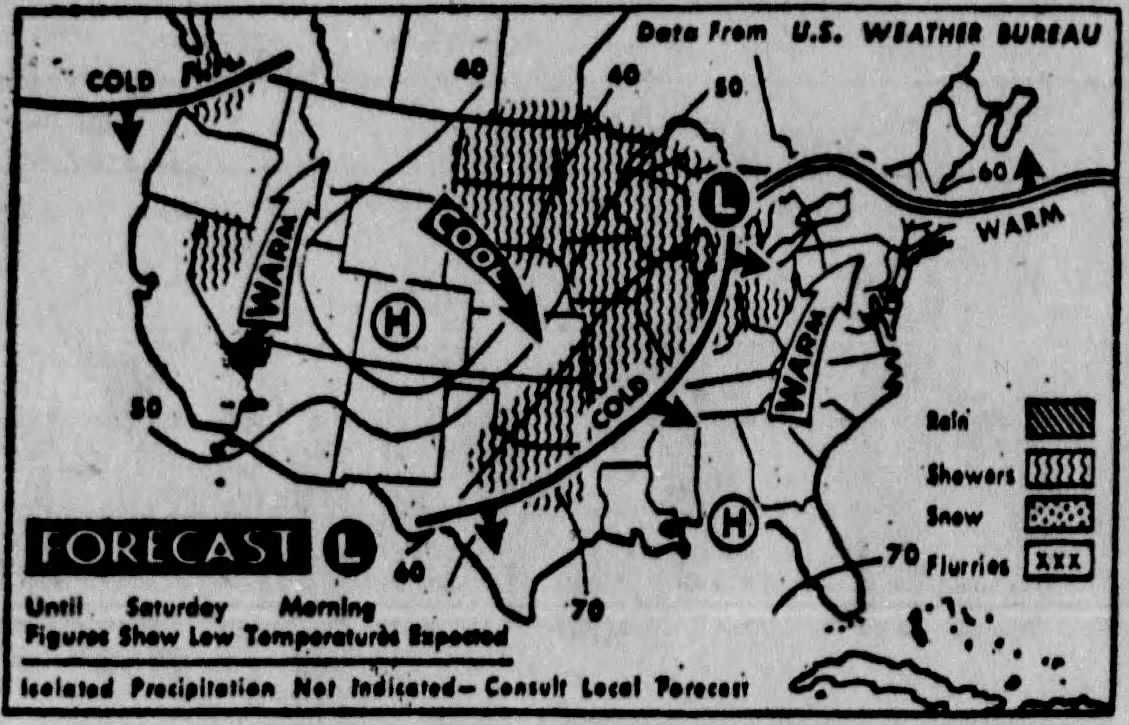
The weather segment used a painted map of the state with adhesive or magnetic symbols pressed onto it, or a board the presenter drew on with chalk or marker pen while talking. The forecast came off a teleprinter from the weather bureau an hour earlier.
Chroma key, which puts the presenter in front of an image they cannot see and have to gesture at from a monitor, arrived through the 1970s and is now universal. Radar, satellite imagery and numerical modelling replaced a printout. What has not changed is the presenter standing sideways and pointing at a surface, which is a performance convention that outlived the actual map by half a century.
3. Every Station Had a Children’s Host and He Was a Local Celebrity
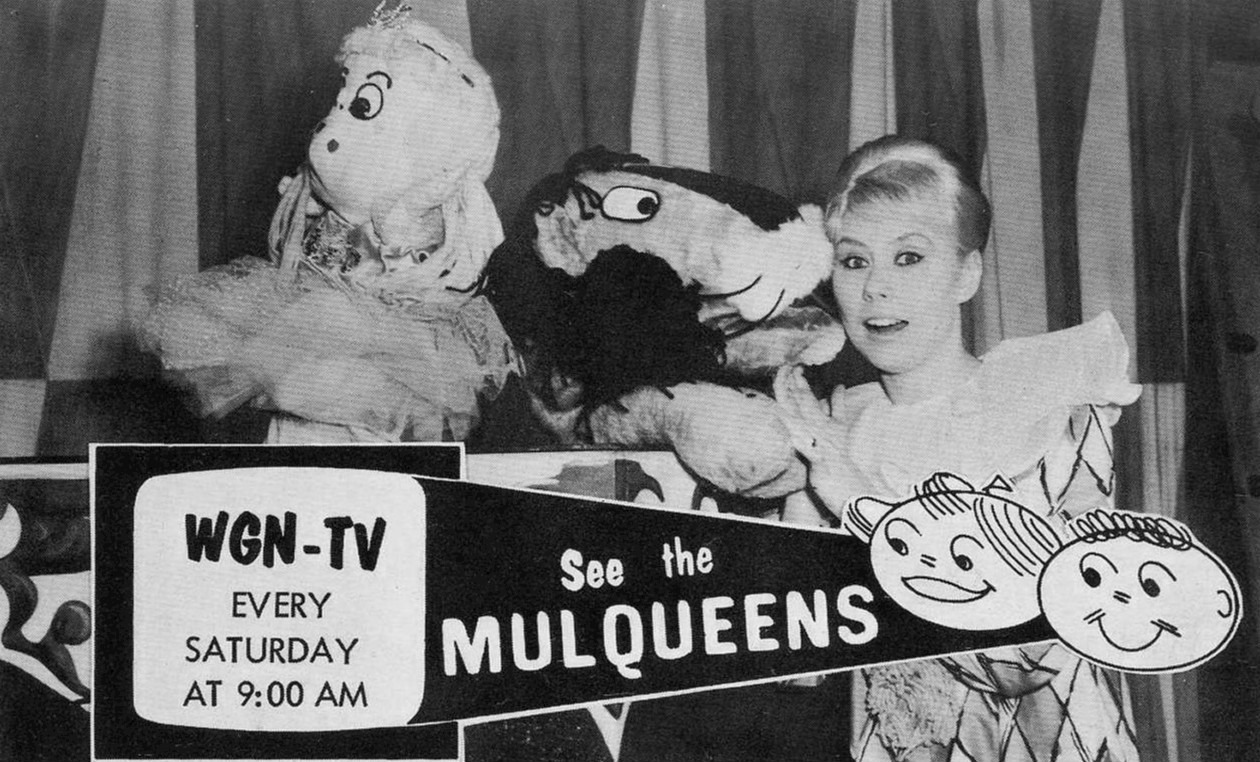
An afternoon programme with a presenter in a costume – a clown, a cowboy, a sea captain, a spaceman – introducing cartoons, reading birthdays off cards sent in by parents, and running a studio audience of children sitting on bleachers.
These shows were made locally because the station had to fill the hours and had a studio sitting idle, and they ended when syndicated and network children’s programming became cheaper than producing anything. The presenters were genuinely famous in their own market and unknown fifty miles away, which is a kind of fame that no longer exists in broadcasting.
4. Film Was Threaded Into a Machine and Pointed at a Camera
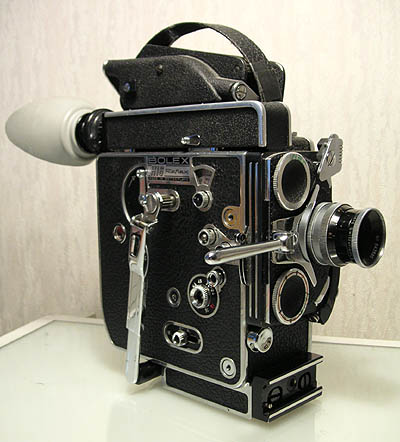
Anything not live came from a film chain – a projector aimed into a television camera through a system of mirrors, with slide projectors on the same assembly. Commercials on film, network programmes shipped on film, station identifications on slides, all played through that one cluster of equipment.
A film chain had to be loaded by hand, cued by frame, and started several seconds early so the projector was at speed. Videotape displaced film through the period, and the whole apparatus was gone within about two decades. Its failure modes – a film breaking, a slide upside down, a projector not starting – were among the most common on-air faults and are why station staff of that era can all describe the same handful of disasters.
5. Videotape Was Two Inches Wide and Edited With a Razor Blade
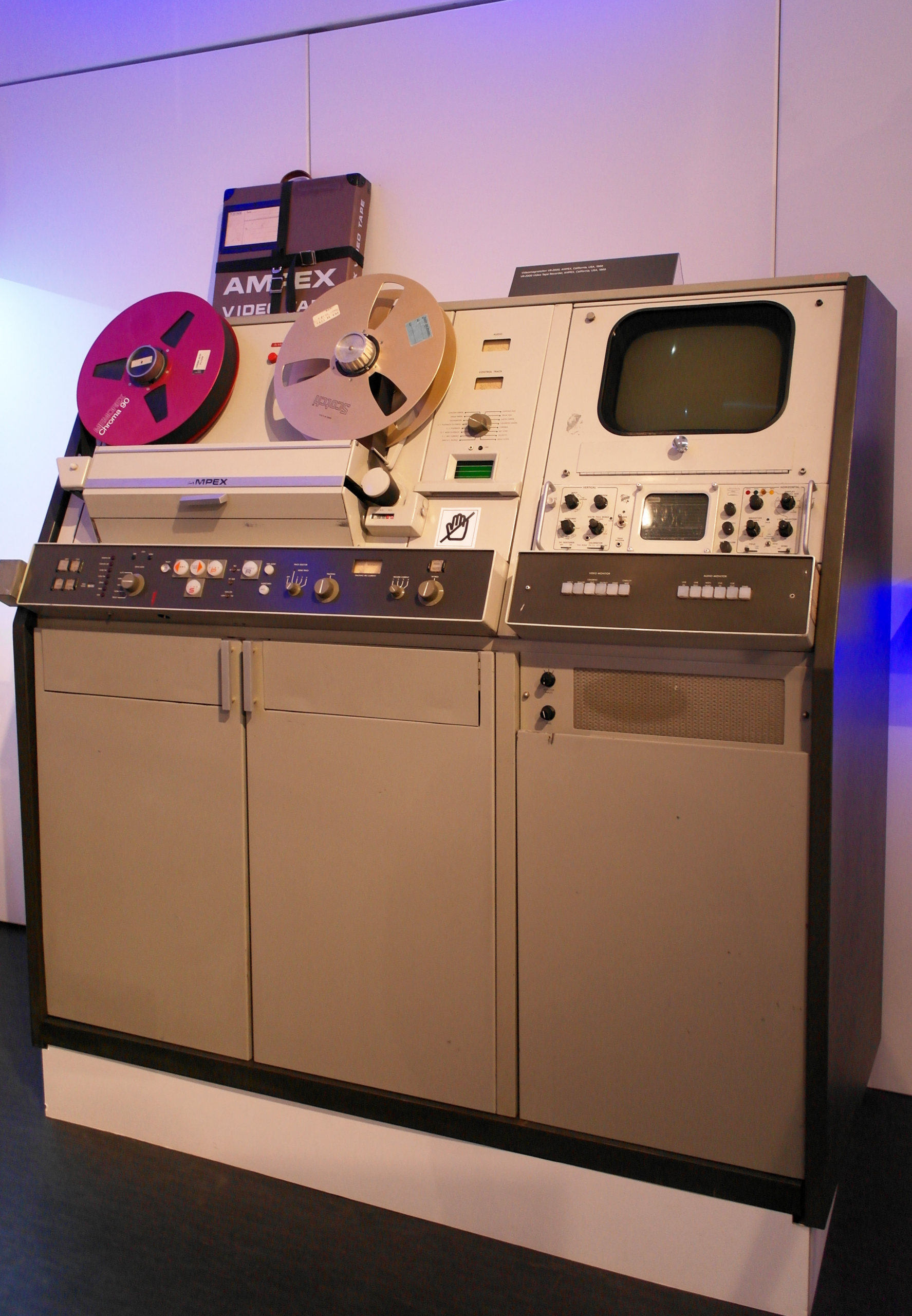
A reel of two-inch tape was the size of a car wheel and held about an hour. Early editing meant physically cutting the tape and splicing it, developing the magnetic track with iron filings to find the edit point – because you could not see the picture on the tape and had to locate the frame by developing it like a photograph.
Electronic editing, assembling from one machine to another, replaced cutting within a few years, and tape got narrower and cheaper in steps until it became a file. The razor-blade era was short and is remembered vividly by the people who lived through it, mostly because an error was permanent – there was no second copy and no undo on a physical cut.
6. The Studio Was Hot Enough to Be a Genuine Problem
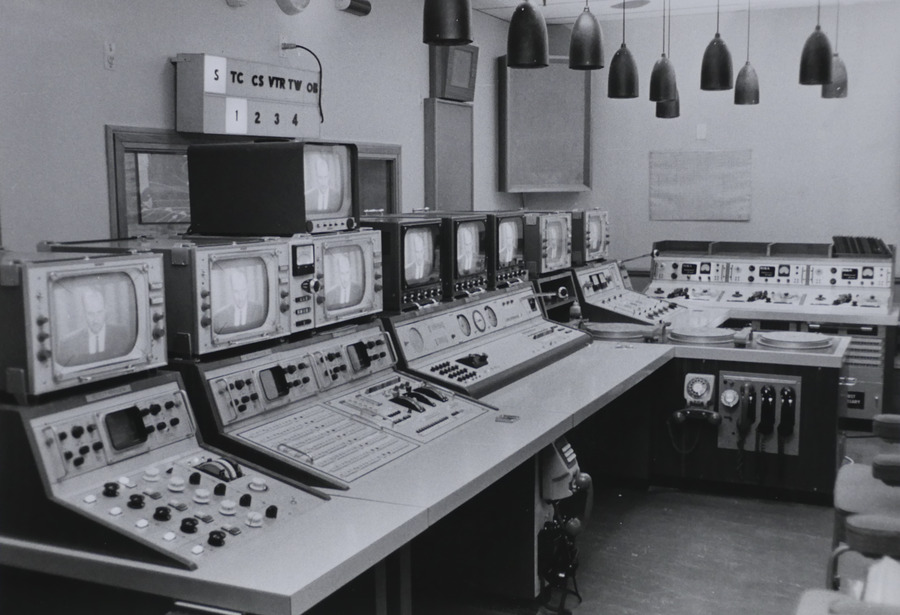
Early colour television needed enormous light levels. Banks of tungsten lamps a few feet above the presenters produced studio temperatures that could reach well over thirty degrees, and performers in costume worked under them for hours.
Camera sensitivity has improved by an extraordinary factor, and modern studios run at a fraction of the light level with cool LED fixtures. The heat is the thing everybody who worked in those studios mentions first, ahead of the hours and the pay, and it was also why so much period television features presenters who are visibly perspiring under heavy makeup.
7. Makeup Was Heavy Because the Cameras Demanded It
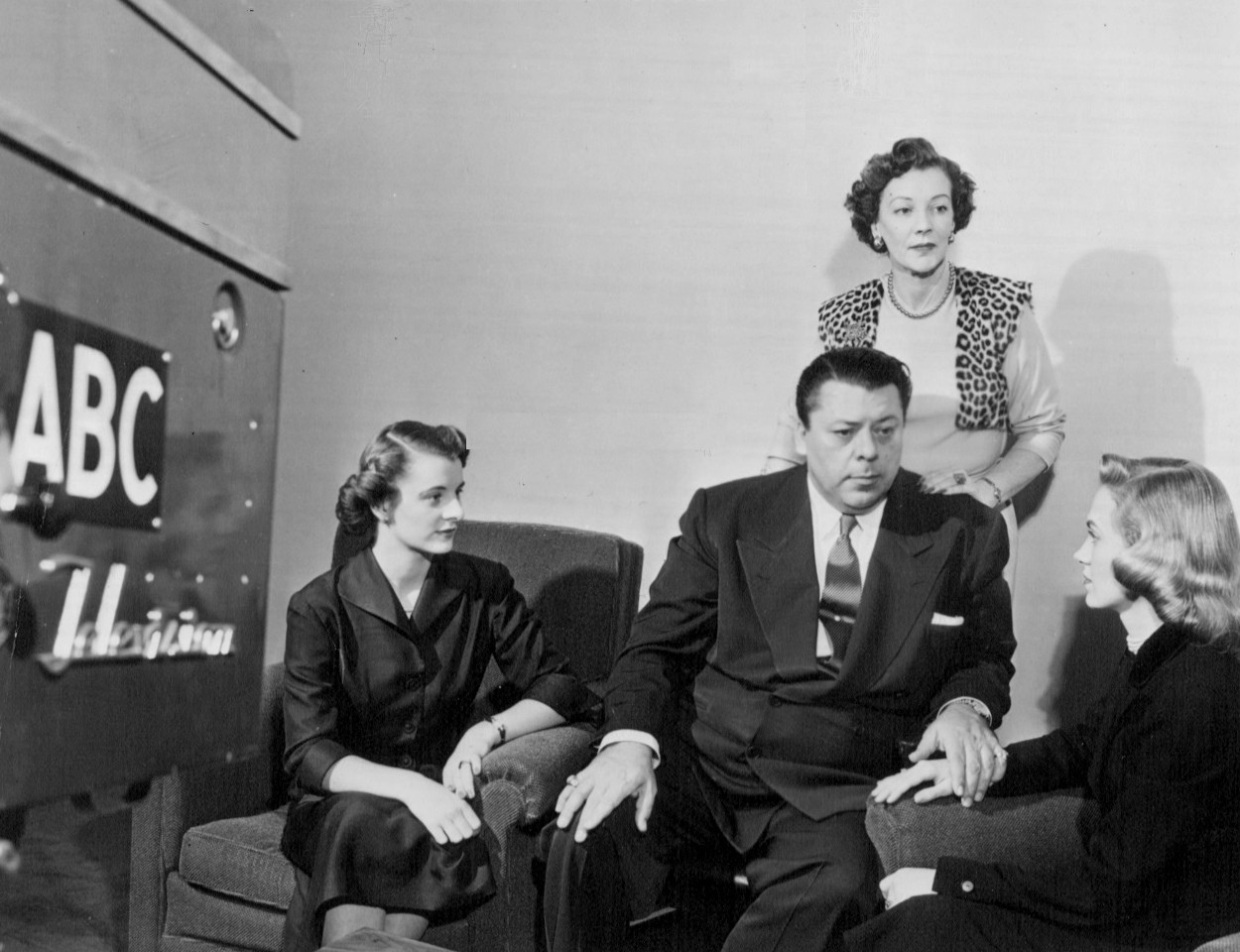
Early television cameras rendered skin tones poorly and lighting was harsh, so everybody wore substantial makeup, including men who had never worn any. Lips, eyes and jawlines were drawn in to survive the transmission.
Camera and transmission quality improved steadily and the makeup lightened with it, which is why presenters from each decade look progressively less painted. This also had a specific and uncomfortable consequence in the period: early camera tubes and lighting setups handled a narrow range of skin tones well and the rest badly, a technical bias that took decades to address and that affected who looked good on television.
8. The News Was Read From Wire Copy by One Man at a Desk
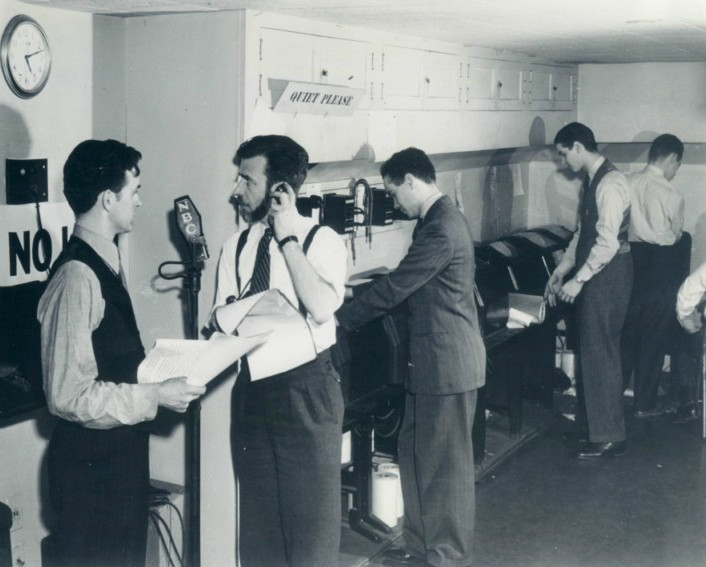
Wire service teleprinters chattered in a corner producing continuous copy. An editor tore it off, marked it up and handed it to the newsreader, who read it on camera. Local stories were covered by a reporter with a silent film camera and narrated live in the studio over the pictures.
Sound-on-film and then videotape gave reporters their own voices, satellite feeds gave stations national pictures of their own, and the single-presenter desk became a programme with correspondents, graphics and live inserts. The constraint everybody forgets is that silent local film meant the newsreader was describing pictures rather than reporting them, which is a very different kind of journalism.
9. Local Wrestling, Bowling and a Farm Report Filled the Schedule
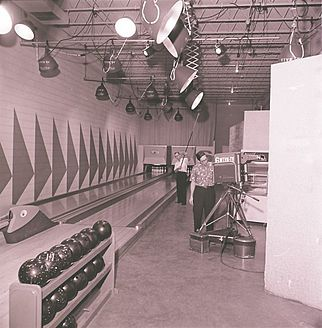
Stations had hours to fill and almost no budget, so they filled them with whatever could be produced in the building or at a venue down the road: professional wrestling, bowling, polka programmes, cooking, livestock prices and a farm report at dawn.
This is the economic fact behind the whole era. A local station had to fill a broadcast day and producing something cheaply in its own studio was less expensive than buying anything. As syndication markets matured, buying became cheaper than making, and local production collapsed to news and little else. The farm report in particular was a genuine public service in agricultural markets and is almost entirely gone.
10. A Mistake Stayed Made
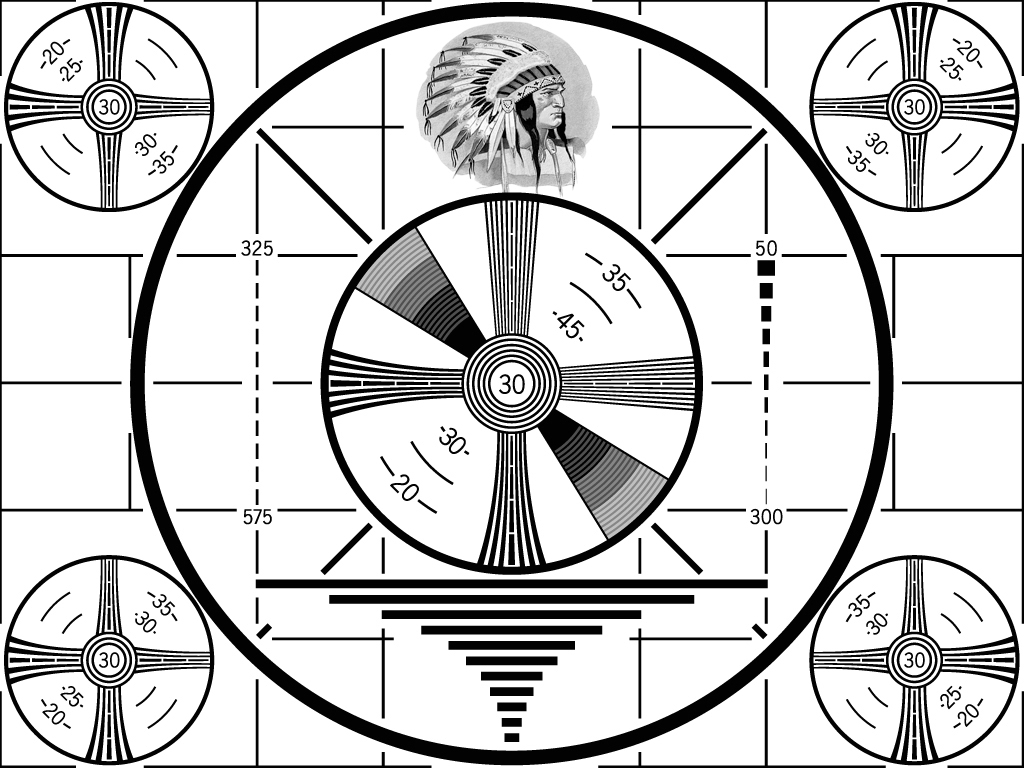
There was no delay, no safety net and no second take. A dropped cue, a camera pointed at the wrong thing, a presenter corpsing, a set falling over, an animal misbehaving on the children’s show – all of it went out exactly as it happened to everybody watching.
Recording, delay systems and the ability to retake removed the risk, and with it a quality of attention that people who worked then describe as unlike anything since. The surviving clips of things going wrong are enormously popular online, which is an odd afterlife for a period that experienced those moments as professional catastrophes.
11. The Transmitter Was a Tower Somebody Climbed
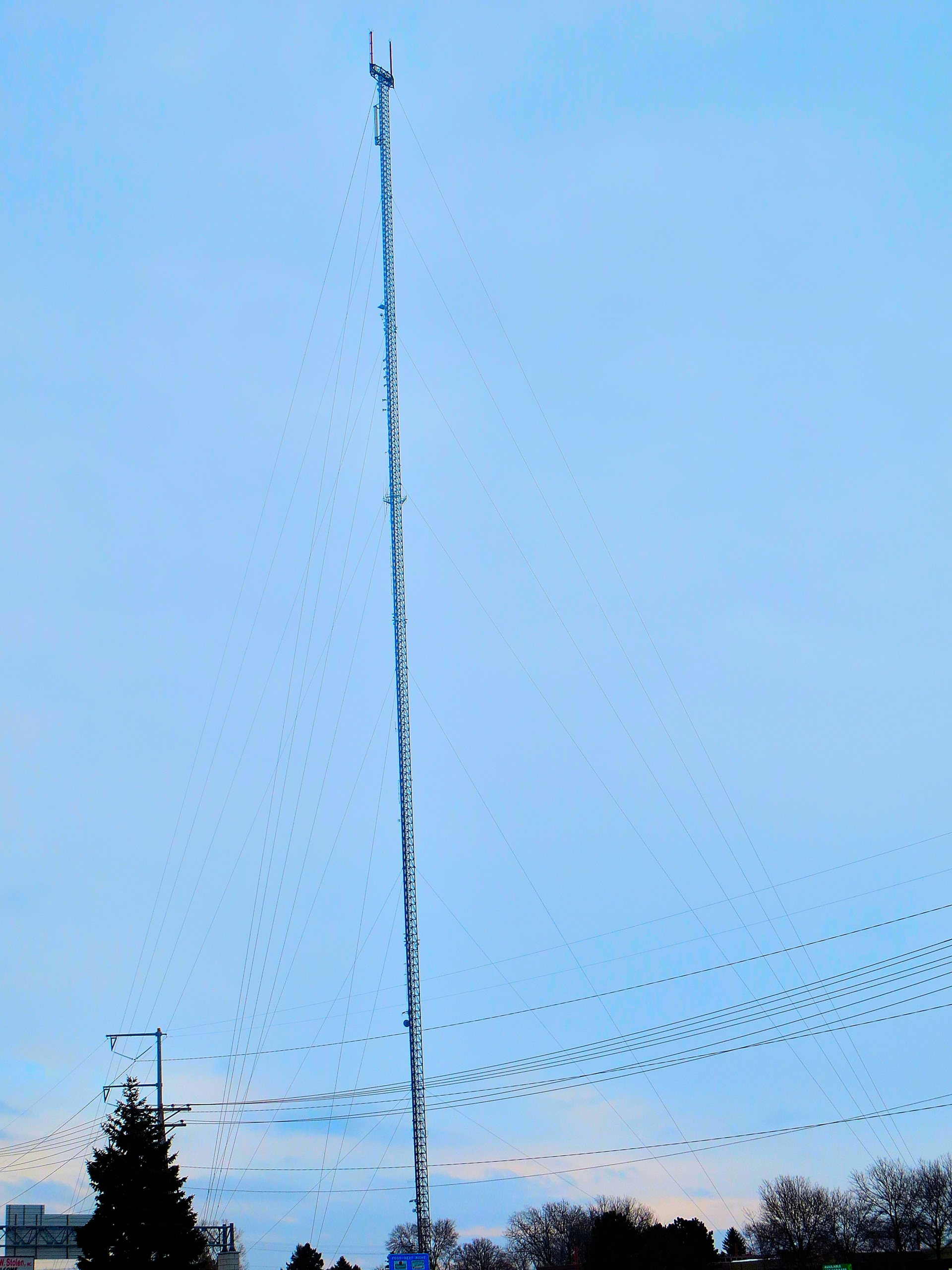
The station’s signal came from a tall mast, frequently on the highest ground in the county, maintained by engineers who climbed it to change bulbs, inspect the antenna and clear ice. Tower work was done with a belt and a hook, at heights of several hundred feet.
Broadcast tower work remains one of the most dangerous occupations by fatality rate, and modern practice involves full fall-arrest systems, documented rescue plans and far stricter rules on climbing in weather. The towers themselves are increasingly shared between broadcasters and mobile operators rather than each station owning its own, which was a major cost in 1965 and a point of local pride.
12. The Station Was Owned by Somebody Who Lived in the Town
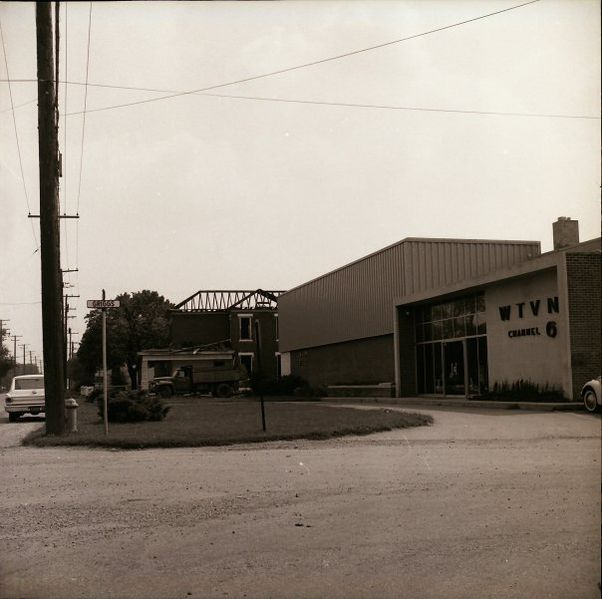
Many local stations were owned by a family, a newspaper, or a local business group, and the owner was a figure in the community who could be telephoned about the schedule. Editorial decisions were made in the building by people who would run into the subjects of them at the shops.
Ownership limits were relaxed over subsequent decades and station groups consolidated enormously, with the result that a local station is frequently one asset among hundreds, programmed and in some cases presented from elsewhere. Local news remains the main thing a station still makes itself, and it remains the main reason anybody watches one.
13. Everybody in the Building Did Several Jobs
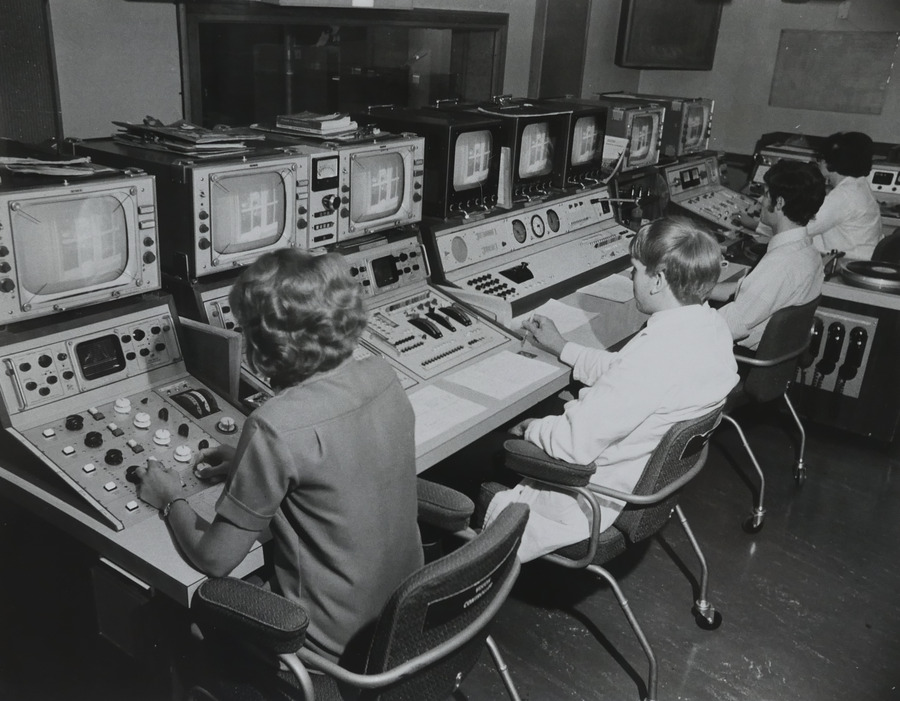
A station might run with a few dozen people in total. The same person directed the news and the afternoon film. The children’s host sold advertising. The engineer appeared on camera when somebody was ill. Staff moved between the studio floor, the control room and the office in the same shift.
Union agreements, specialisation and then automation separated the roles, and automation subsequently reduced them again – a modern station can run a news programme with robotic cameras and a single operator. The multi-skilled crew came back in the end, for the opposite reason: not because the station was too small to specialise, but because the equipment no longer needs as many hands.
14. The Signal Was Free and the Aerial Was on the Roof
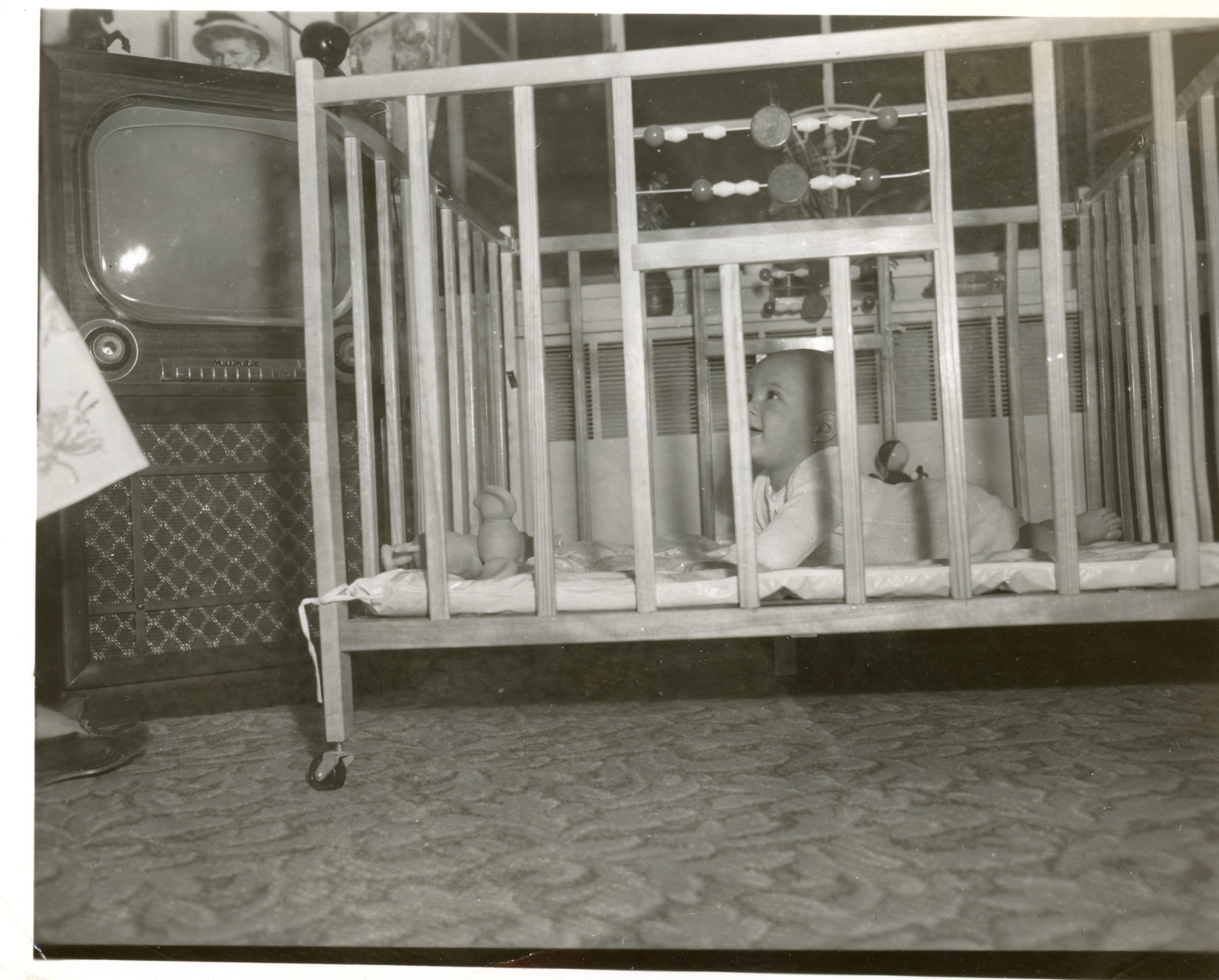
Everything the station broadcast reached the audience at no cost through an aerial on the roof or rabbit ears on top of the set. The number of channels available was the number of towers within range, which in most places was three or four.
Cable, satellite and then streaming unbundled that completely. The broadcast signal is still free and is still there, which surprises people – in most places a basic aerial will still receive local stations at no cost, now digitally and in better quality than 1965 could manage. What ended was not the free signal but the fact that it was the only option.
15. Coverage Area Was Measured in How Far People Would Drive to Shop
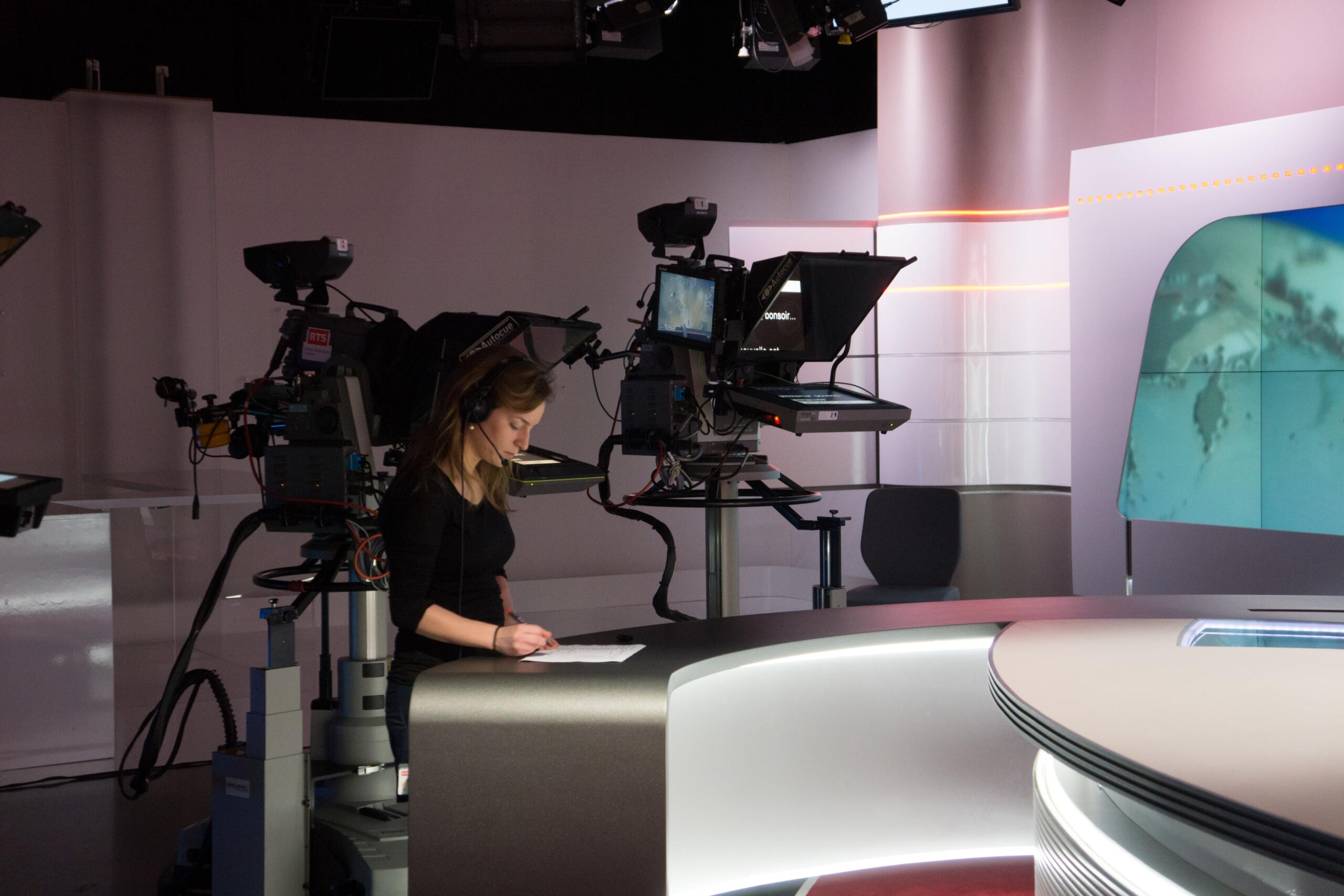
A station’s market was defined by where its signal reached and where its viewers bought things, and advertising was sold on that basis. The station knew its audience as a geography – these counties, these towns – rather than as a demographic abstraction.
Audience measurement became far more sophisticated and then streaming removed geography from the equation entirely. The local station is now one of the few media businesses that still thinks in terms of a map, which is both its weakness against national competitors and the entire reason it still exists.
16. Nobody Thought the Local Station Would Ever Be Secondary
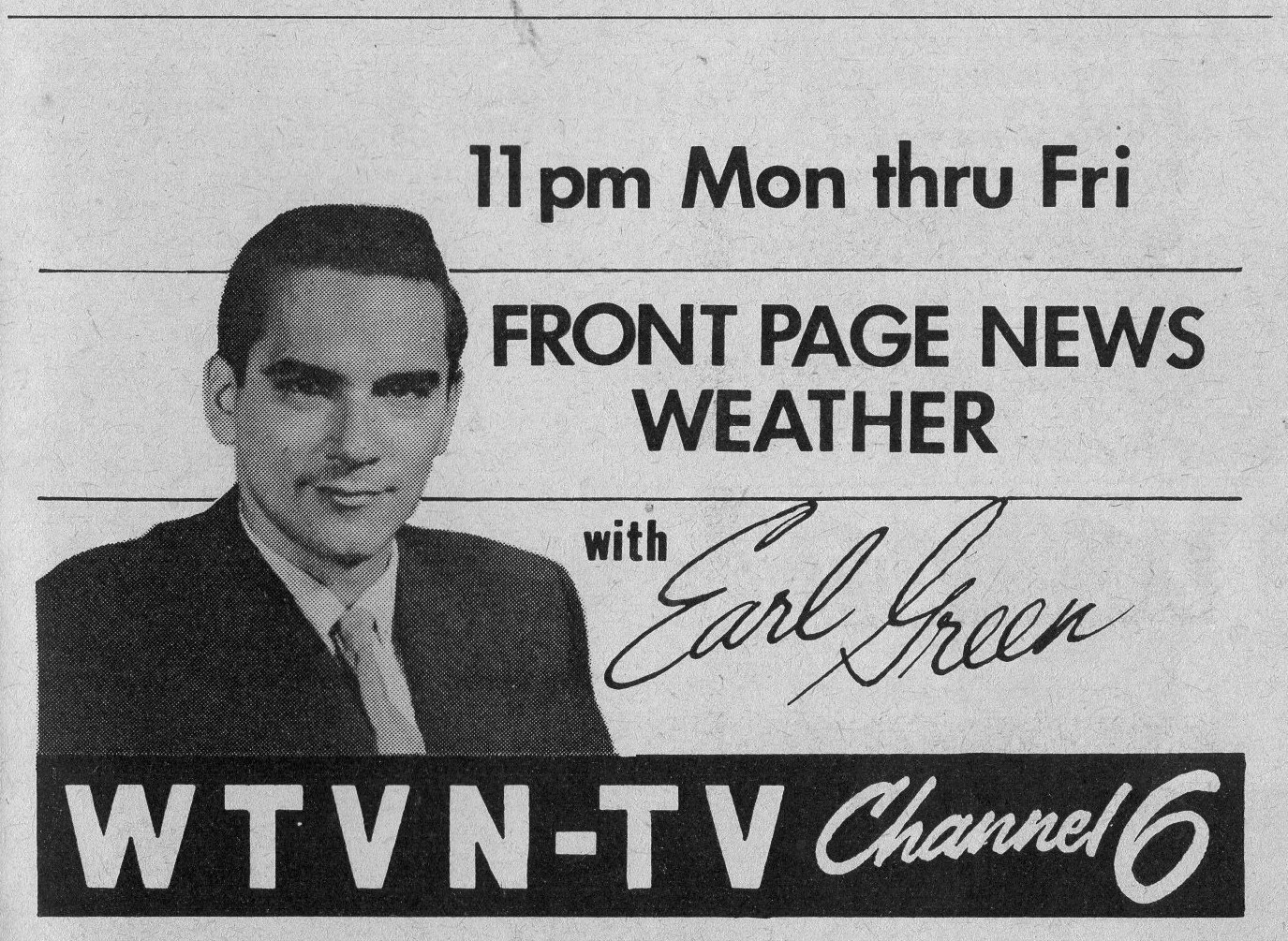
In 1965 a local television station was one of the most powerful institutions in its market – a licence to broadcast was scarce, lucrative and politically significant, and the evening news was where a town found out what had happened.
Audience fragmentation across cable, then the internet, then streaming reduced local broadcast audiences enormously over the following half century. Local stations survive largely on news, sport, retransmission fees and political advertising, and consolidation has concentrated them into large groups. The institution still exists in almost every market, which is more than can be said for most of the subjects in this series, and the thing it still has that nothing has replaced is somebody in the building who knows the name of the road where the accident happened.
What Local Television Actually Lost
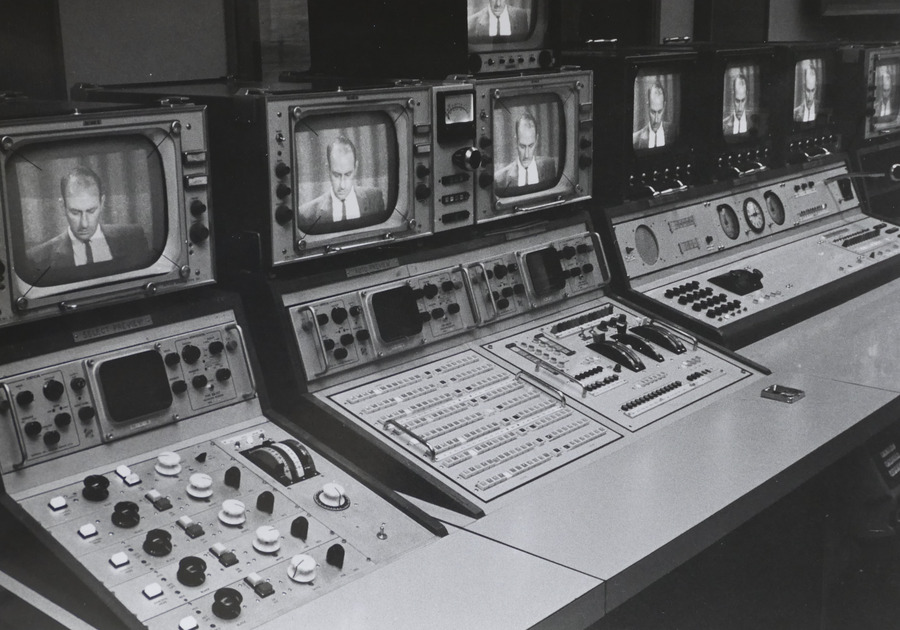
The technology on this list all got better, and nobody in the industry wants the film chain back.
What changed structurally is the economics of filling a schedule. In 1965 a station had a broadcast day to fill and almost no money, so making something in its own studio was cheaper than buying anything. That one fact produced the children’s host, the local wrestling, the cooking programme, the polka hour and the farm report – not because anybody thought they were good television, but because the studio was already there and the staff were already paid.
As syndication matured, buying became cheaper than making, and local production collapsed to the one thing that cannot be bought in from outside: news about the place the station is in.
So a modern local station is better at almost everything and makes far less. The presenters are better, the pictures are better, the information is faster and more accurate, and the building no longer produces a single programme that could not exist somewhere else – except the one that could not exist anywhere else at all.
Which is why local news is both the last thing these stations make and the only reason most of them are still on the air.
Almost everybody who grew up before cable can name their local children’s show host, and a lot of people can still sing the theme.
Which station, which town, and who was the man in the costume?
Like our content? Follow us for more.
