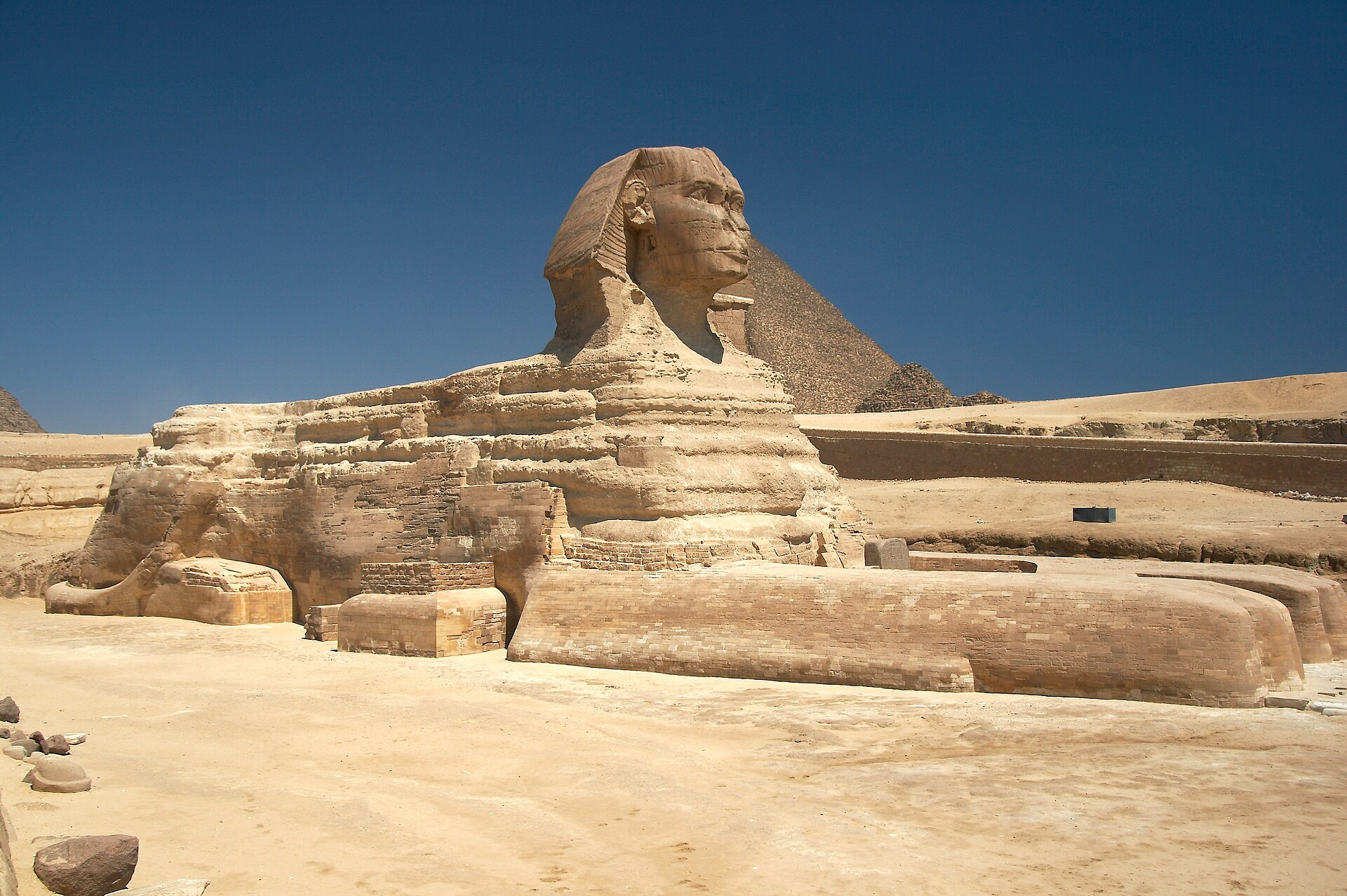
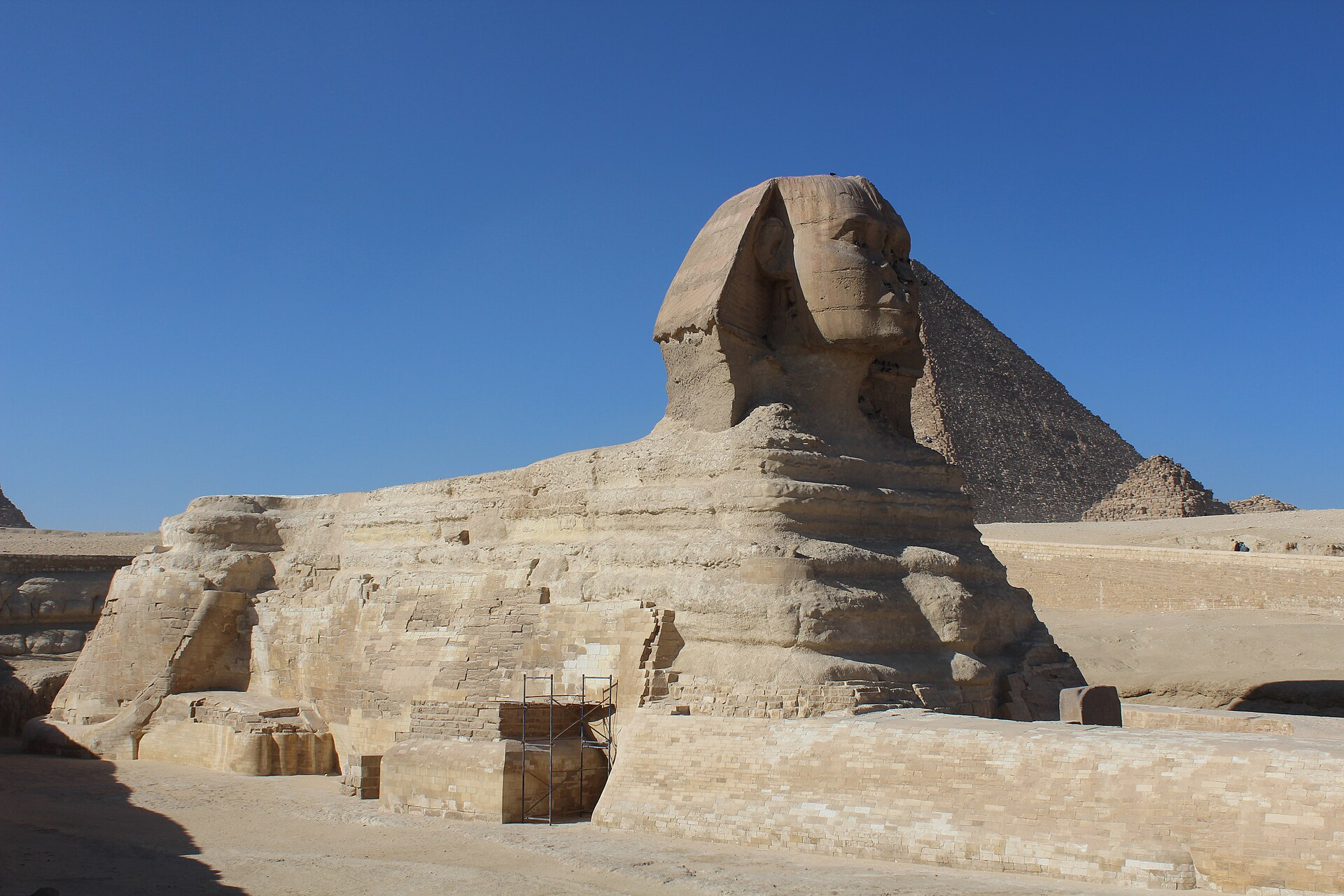
The Great Sphinx of Giza is one of the largest and most recognizable monuments on Earth: a limestone figure with the body of a lion and a human head, roughly twenty metres tall and seventy-three metres long, sitting on the Giza plateau near the pyramids. It dates to Egypt’s Fourth Dynasty, around the twenty-sixth century BCE, and its face is generally thought to represent the pharaoh Khafre.
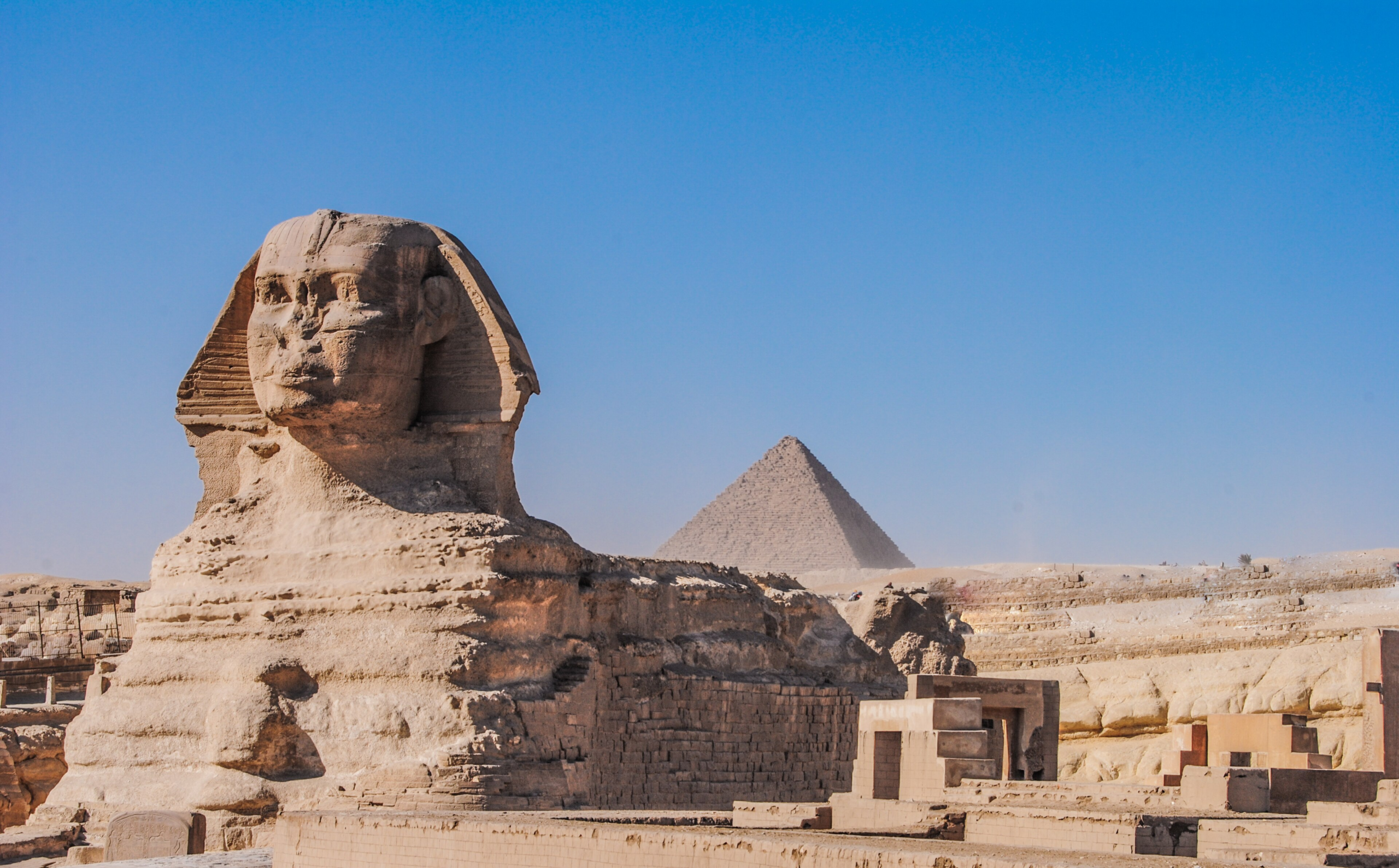
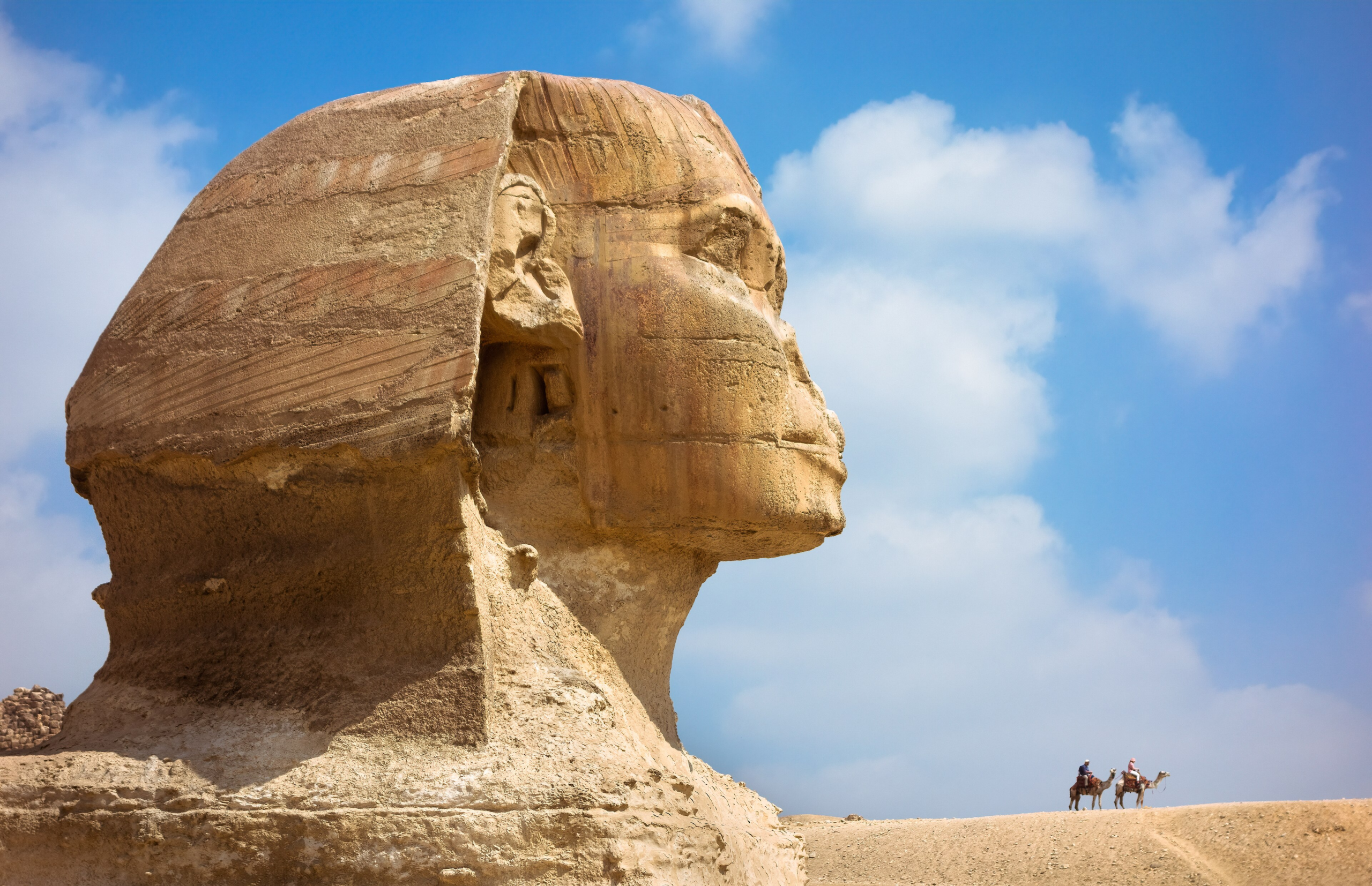
The first thing anyone notices about it is the missing nose. Where the nose should be there is a flat, broken void, roughly a metre across, with the damage extending down into the upper lip and up toward one eye. The break is not smooth or weathered; it is rough and angular, which is a clue in itself.
Almost everyone has heard the explanation. Napoleon’s soldiers, during the French campaign in Egypt between 1798 and 1801, used the Sphinx for artillery practice and blew the nose off with a cannonball. Some versions have Napoleon ordering it personally out of hostility toward the monument’s face.
The story is tidy, memorable, and demonstrably false. Here is how we know, and what probably actually happened.
The Drawing That Settles It
The decisive evidence is not an argument. It is a picture.
Frederic Louis Norden was a Danish naval captain, artist, and marine architect who travelled to Egypt in the 1730s and produced detailed drawings of what he saw, later published as an account of his voyage. He sketched the Sphinx in 1737.
His drawing shows the monument without a nose.
That single fact ends the Napoleon theory. Norden was in Egypt sixty-one years before French troops arrived. He was a trained draughtsman making deliberately realistic records, and his depiction is generally regarded as the first near-realistic drawing of the Sphinx. It is very unlikely he would have omitted a nose that was there in front of him.
It is worth noting how unusual that reliability was. Earlier European depictions were often unreliable in exactly this way: a 1579 illustration gave the Sphinx a nose and distinctly female features, and an earlier eighteenth-century traveller’s image showed the nose intact, most likely because the artist filled in what he expected rather than what he saw. Norden’s value is that he drew the thing as it was.
So the nose was gone by 1737 at the latest, and Napoleon’s soldiers cannot be responsible.
Like our content? Follow us for more.
What the Damage Itself Shows
If it was not a cannonball, what was it? The monument gives up part of the answer directly.
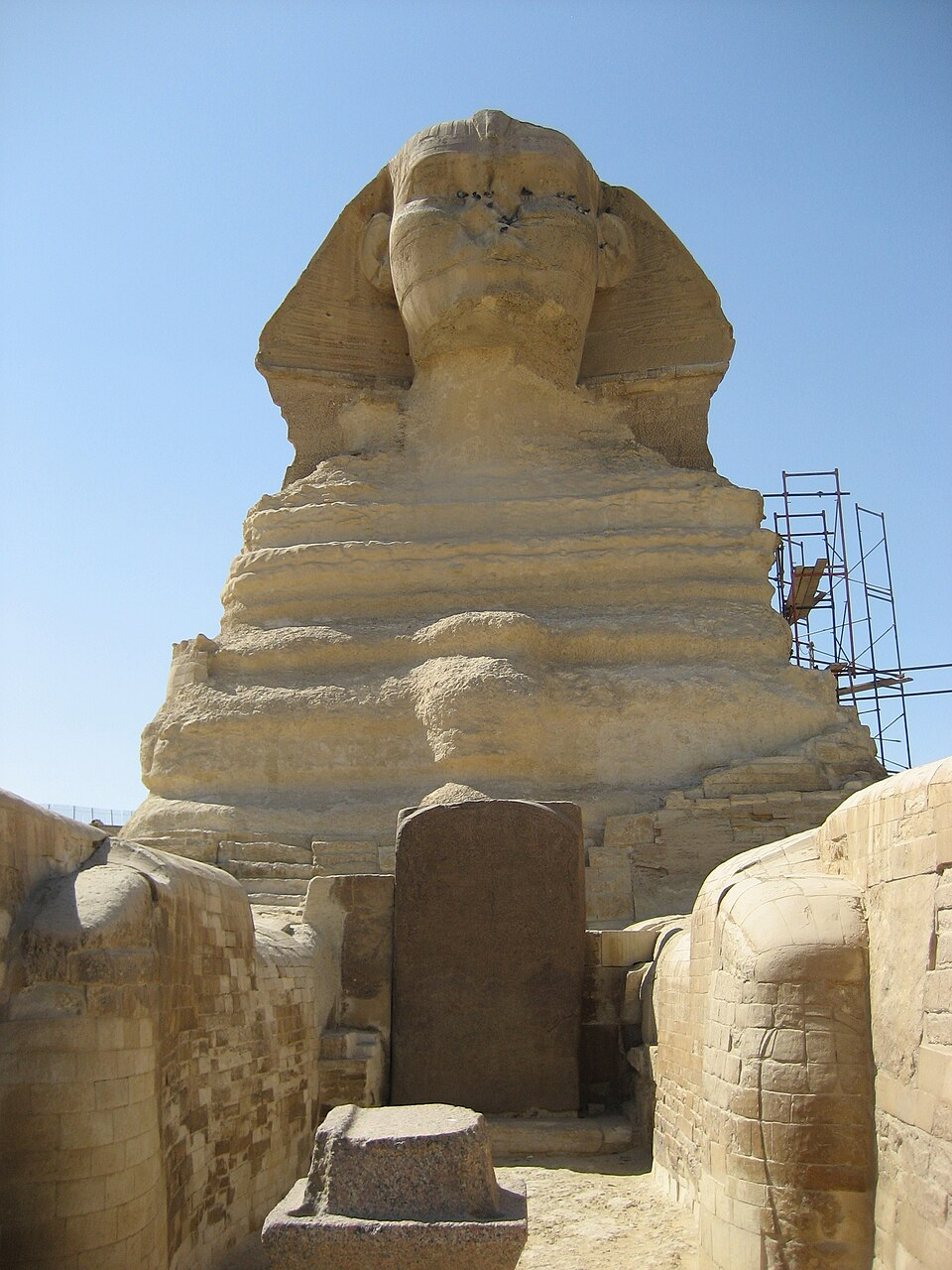
Examination of the face shows that rods or chisels were driven into the area where the nose met the face, and then used as levers to pry it off. Two insertion points are identifiable, one below the nostril and one at the bridge. That is not the signature of an impact. A cannonball produces shattering and radial fracture; this shows the deliberate, methodical work of someone with hand tools and time.
In the 1980s the American archaeologist Mark Lehner conducted a detailed study of the Sphinx and found the tool marks consistent with careful, systematic removal by chiselling from above. He also observed that the surface around the nose showed different erosion and weathering patterns from the rest of the face, suggesting the nose was removed well before the monument suffered its most severe general deterioration.
Working from that evidence, Lehner concluded the nose was likely broken off sometime between roughly the third and tenth centuries CE, which places it many centuries before Norden, and well over a thousand years before Napoleon.
The nose itself, roughly a metre wide, has never been found.
The Medieval Account
There is a written account of who did it, and it is the leading candidate, though it should be handled with some care.
The fifteenth-century Egyptian historian al-Maqrizi recorded that in 1378 a Sufi named Muhammad Sa’im al-Dahr was angered by local peasants making offerings to the Sphinx in hopes of securing good Nile floods and harvests. Regarding this as idolatry, he damaged the monument, breaking off the nose and, by some accounts, harming the ears as well. Al-Maqrizi records that he was subsequently punished for the vandalism.
This account fits the physical evidence well. It describes deliberate human damage by an individual with tools, motivated by religious objection, which matches the chisel marks precisely.
But it carries the usual caution attached to medieval historiography. Al-Maqrizi was writing roughly a century after the event he describes, and he is a single source. There is also tension with Lehner’s dating, which points to a window ending around the tenth century, several hundred years before 1378.
Those two conclusions cannot both be exactly right. It is possible that the dating window is broader than stated, that the monument was damaged more than once, or that al-Maqrizi’s account attached a specific name to an older piece of damage. The honest summary is that deliberate human chiselling is established, a fourteenth-century religious motive is plausible and documented, and the precise date and perpetrator are not settled.
The Beard, and Other Missing Pieces
The nose is not the only thing the Sphinx has lost, and the others are instructive because they show how much of the monument is absent without anyone noticing.
The Sphinx originally had a ceremonial beard, a plaited royal beard of the kind pharaohs are depicted wearing. Fragments of it survive in museum collections, having been recovered from the sand around the monument. There is scholarly disagreement about whether the beard was part of the original construction or added later, which matters for dating but not for the basic point: it is gone.
There was also, at various times, a uraeus — the rearing cobra emblem worn on the royal headdress — of which only traces remain.
So the face visitors photograph is missing its nose, its beard and its royal insignia, and has lost most of the paint that once covered it. Traces of red pigment survive on the face, indicating the whole thing was originally coloured.
Reconstructing that mentally produces something quite different from the weathered grey figure in the photographs: a painted face, bearded, wearing a cobra, staring east. The monument we discuss is a fragment, and the missing nose is simply the fragment everyone has noticed.
Why the Napoleon Version Won
The more interesting question is why a demonstrably false explanation became the default answer worldwide.
Part of it is that Napoleon’s Egyptian campaign truly was a landmark event in the European encounter with ancient Egypt. He brought a large contingent of scholars and scientists, whose work produced a monumental multi-volume description of Egypt and effectively launched modern Egyptology. The Rosetta Stone was found during that campaign. Napoleon is therefore firmly associated in the popular mind with Egypt and its monuments, which makes him a plausible-sounding culprit for anything that happened to them.
Part of it is narrative shape. A cannonball fired by a famous conqueror is a vivid, single-sentence story with a recognizable villain. “A Sufi with a chisel in 1378, or possibly someone else several centuries earlier” is accurate and substantially harder to retell at a dinner table.
And part of it is that the true answer contains uncertainty, which stories dislike. The myth offers a clean resolution; the evidence offers a range.
There is a further point worth making plainly: attributing the damage to French troops shifts responsibility onto a convenient external actor and away from a messier local history involving religious iconoclasm. Neat stories often serve someone, and it is worth asking who when a claim spreads more easily than the evidence behind it.
What the Sphinx Has Actually Survived
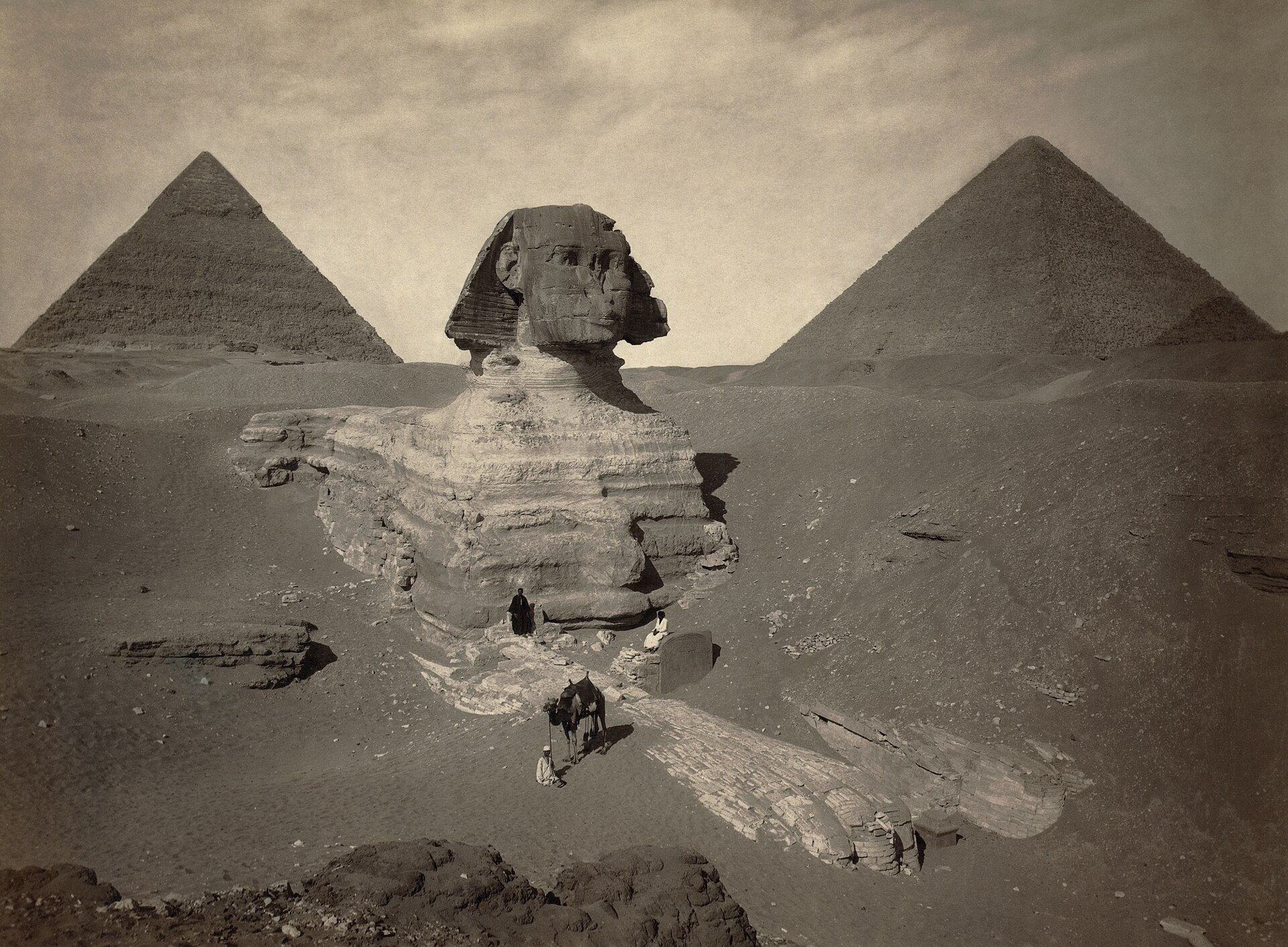
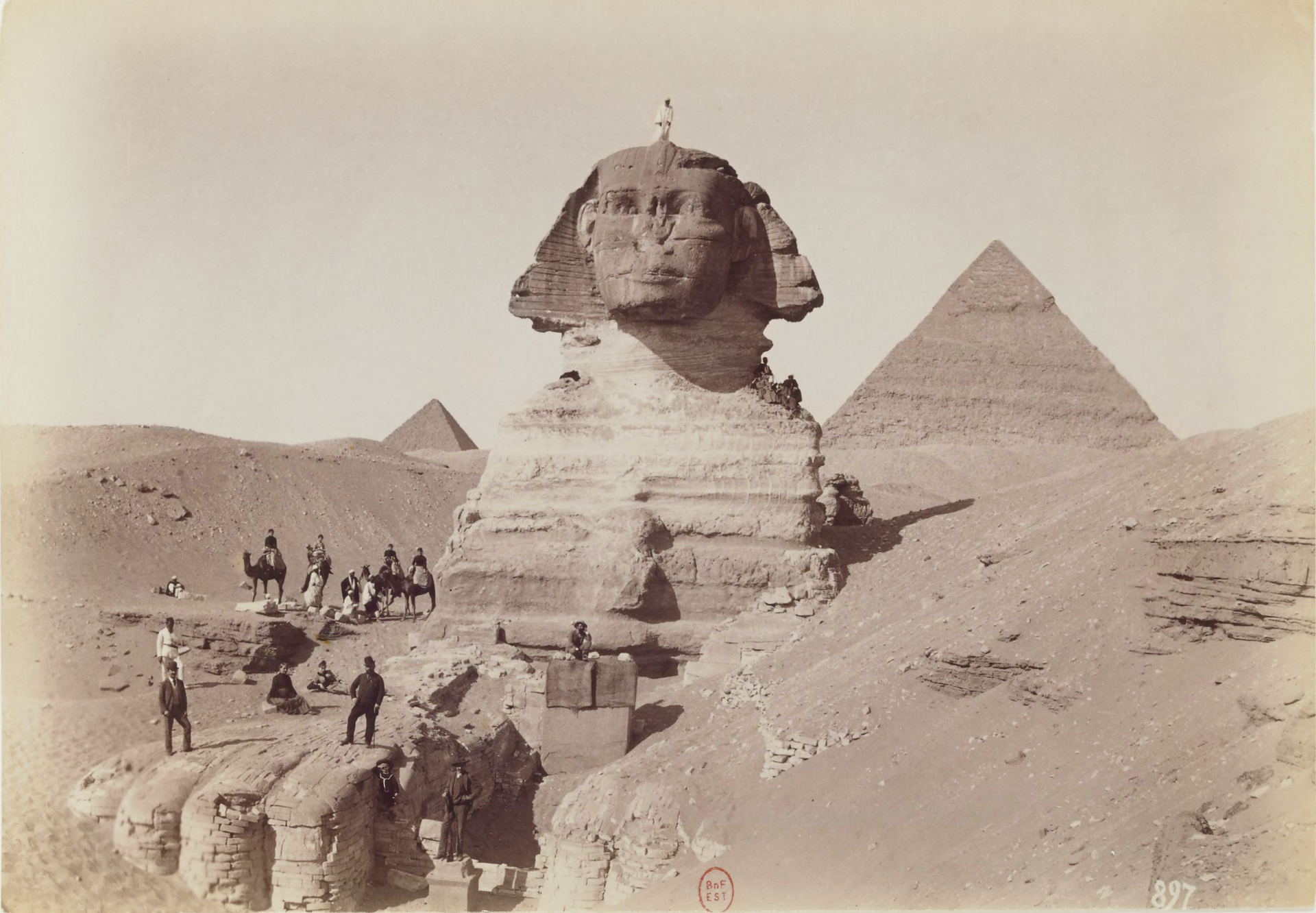
Focusing on the nose obscures how much else has happened to this monument across four and a half thousand years.
It has been buried in sand up to its neck for long stretches of its existence, which is a substantial reason any of it survives at all; sand cover protected the body from wind erosion for centuries at a time. It has been dug out repeatedly, including in antiquity. A pharaoh of the New Kingdom placed a stone tablet between its paws recording a dream in which the Sphinx asked to be freed from the sand.
It has lost its ceremonial beard, fragments of which are held in museum collections. It has been repaired and re-repaired across millennia, with different eras adding stonework of varying quality. It has weathered, cracked, and been patched.
The missing nose is simply the most visible of a long series of injuries, and it happens to be the one that generated a myth.
A Small Lesson in Checking
The Sphinx’s nose is a nearly perfect case study in how confident misinformation works, which is why it is worth more than trivia status.
The false version has everything going for it: it is specific, it names a famous figure, it explains a visible feature, and it has been repeated for so long by so many people that it carries the authority of consensus. The correction requires no specialist knowledge or new technology. It requires only someone checking whether the damage predates the accused, which a 1737 drawing answers immediately.
That check was available the entire time. The drawing has been published since the 1750s. The myth spread anyway, and continues to spread, because almost nobody thinks to look.
Standing in front of the Sphinx today, the flat space where the nose used to be is not evidence of a French cannonball. It is evidence of someone with a chisel, a religious argument in a medieval city, and centuries of subsequent uncertainty, which is a stranger and more human story than the one everyone knows.
Like our content? Follow us for more.