

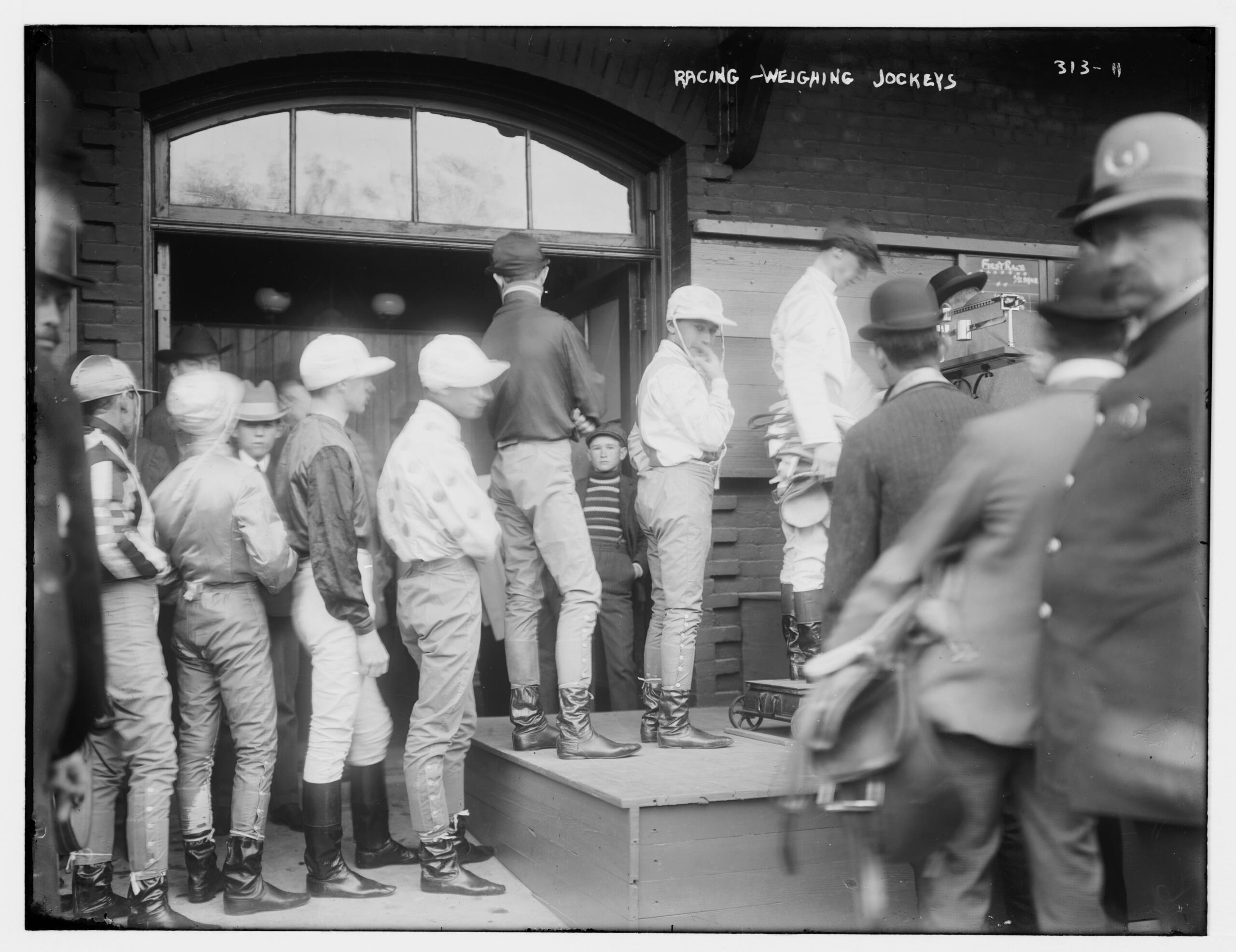
In 1965 a racing yard took boys at fourteen, housed them on the premises, worked them seven days a week, and answered to almost nobody about how any of it was done.
Riders made weight by methods that were discussed openly and would now be treated as a medical emergency, rode in caps rather than helmets, and fell at speed onto ground beside rails that did not give.
Here are fifteen things that were ordinary in a racing stable in 1965, and what each one became.
1. Stable Lads Started at Fourteen and Lived In
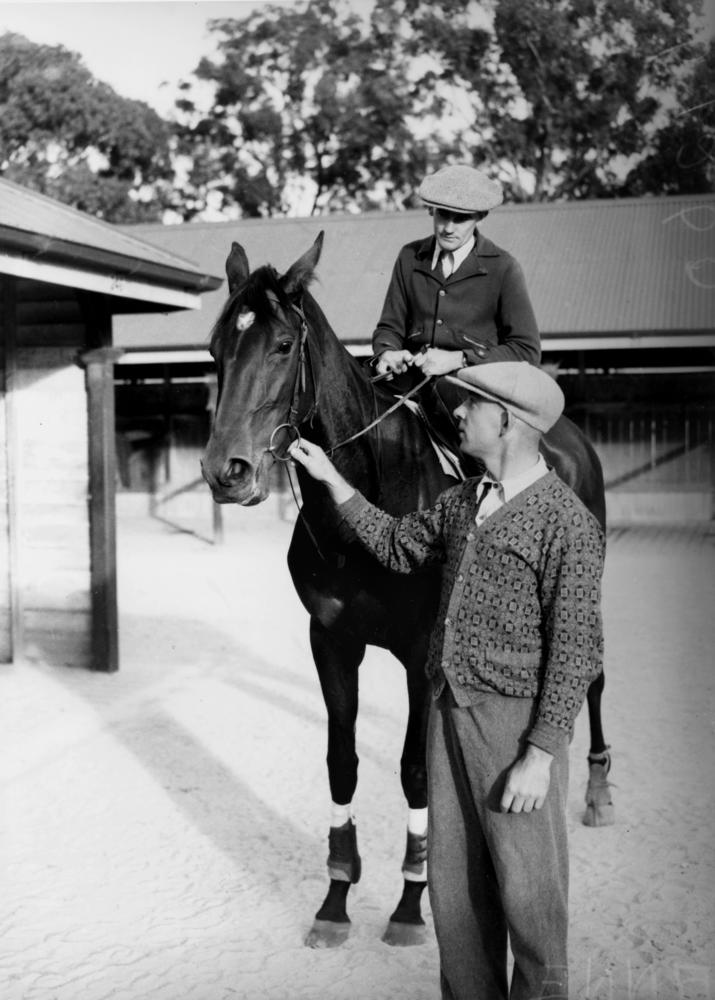
Boys joined a racing yard at fourteen or fifteen, straight from school, and lived in a hostel on the premises under the trainer’s authority. They were fed, housed, paid very little, and were effectively indentured to the yard.
Apprenticeships in racing are now formal training agreements with minimum ages, education requirements, regulated hours, pastoral support and residential standards that are inspected. The live-in hostel survives in a far better form at the training schools. What ended is a fourteen-year-old’s whole life being inside one yard with no outside structure around it.
Like our content? Follow us for more.
2. Everybody Was Trying to Make Weight and Nobody Called It What It Was
Riding weight governed whether a jockey rode at all, and the methods used to make it were starvation, dehydration, hot baths, sweating suits, laxatives and purging. It was openly discussed, widely practised and regarded as part of the job.
This is included strictly as the history of a sport’s practices. Minimum riding weights have been raised repeatedly, weighing procedures changed, saunas removed from racecourses in several jurisdictions, and nutritional support, medical oversight and confidential welfare services provided for riders. Racing authorities now treat the subject as a medical and welfare matter rather than a matter of discipline, and any individual dealing with these pressures should be in contact with those services or a doctor rather than taking anything from an article.
3. Head Protection Was a Cap With a Thin Shell
The riding helmet of the period was light, had minimal impact protection and a chin strap that did not reliably hold it on. Falls happened at thirty-five miles an hour among other horses, and what was on a rider’s head was closer to a cap than to a helmet.
Mandatory standards for racing helmets, regular replacement after impact, and compulsory body protectors for jump racing arrived over subsequent decades, alongside track-side medical teams, on-course ambulances and air ambulance access. Concussion protocols now mandate stand-down periods with medical clearance before a rider returns. Racing remains dangerous; the proportion of falls that end badly has changed substantially.
4. The Running Rail Was Solid and So Were the Wings
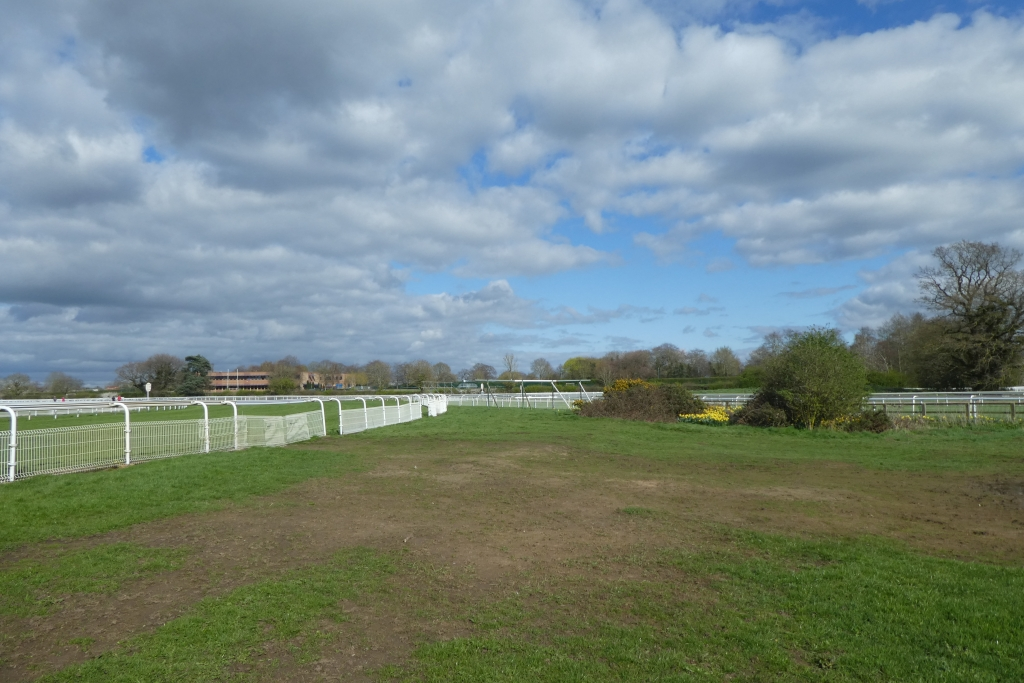
Racecourse rails were timber or steel, rigid, and a horse or rider meeting one did so at speed against something that did not give. Obstacle wings, uprights and markers were built the same way.
Plastic running rails that break away on impact, padded uprights, modified obstacle construction with more forgiving frames and birch that gives, and improved ground management have each reduced the consequences of a fall. Course design is now reviewed after incidents, and several famous obstacles have been rebuilt or softened following analysis of what happened at them.
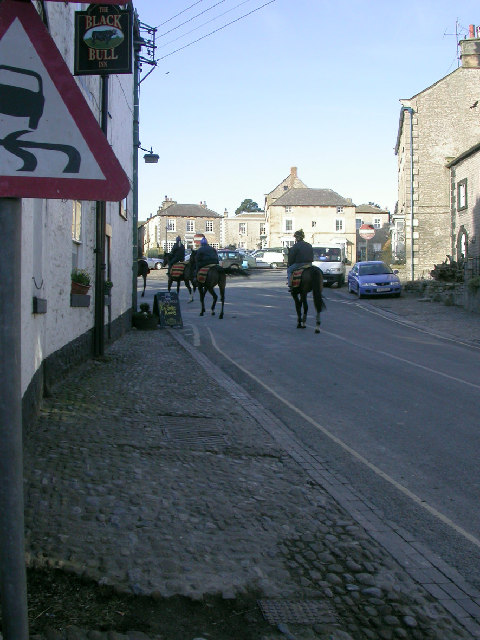
5. Riding Out Happened on the Public Road Before Dawn
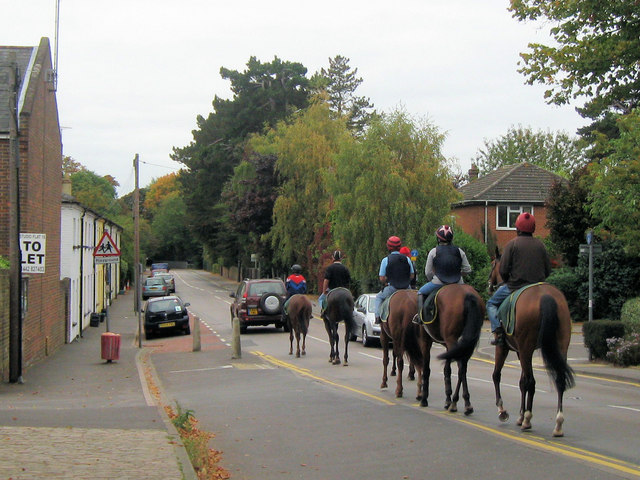
Strings of horses went from the yard to the gallops along public roads in the dark, with no high-visibility equipment, no lights and traffic that was not expecting them.
High-visibility clothing for horse and rider, lights, defined routes, and in many training centres dedicated horse walks and crossings away from traffic have substantially changed it. Road safety for ridden horses remains a genuine and unsolved problem generally, and racing yards are among the better-organised users of the road precisely because they move large strings daily.
6. Veterinary Medication Was Barely Regulated
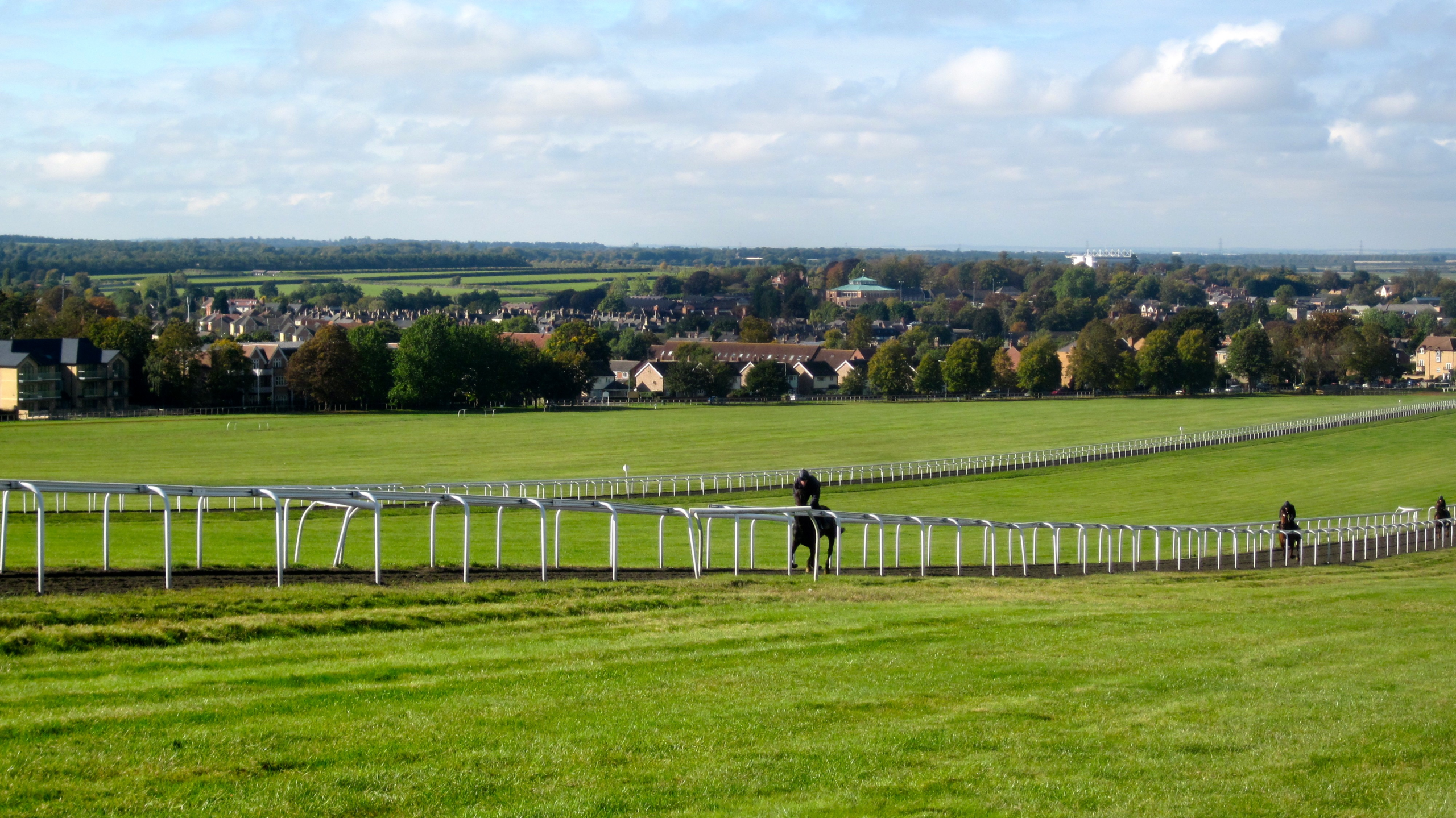
What a horse could be given, when, and by whom was governed loosely, and the testing regime to detect it was limited in scope and sensitivity compared with anything now.
Out-of-competition testing, published lists of prohibited and controlled substances, detection times, mandatory treatment records, and laboratory methods several orders of magnitude more sensitive have transformed the regulatory picture. Integrity in racing remains a continuously contested area with regular cases, which is the honest position rather than a claim that the problem was solved.
7. Stable Staff Had No Union, No Hours and No Days Off
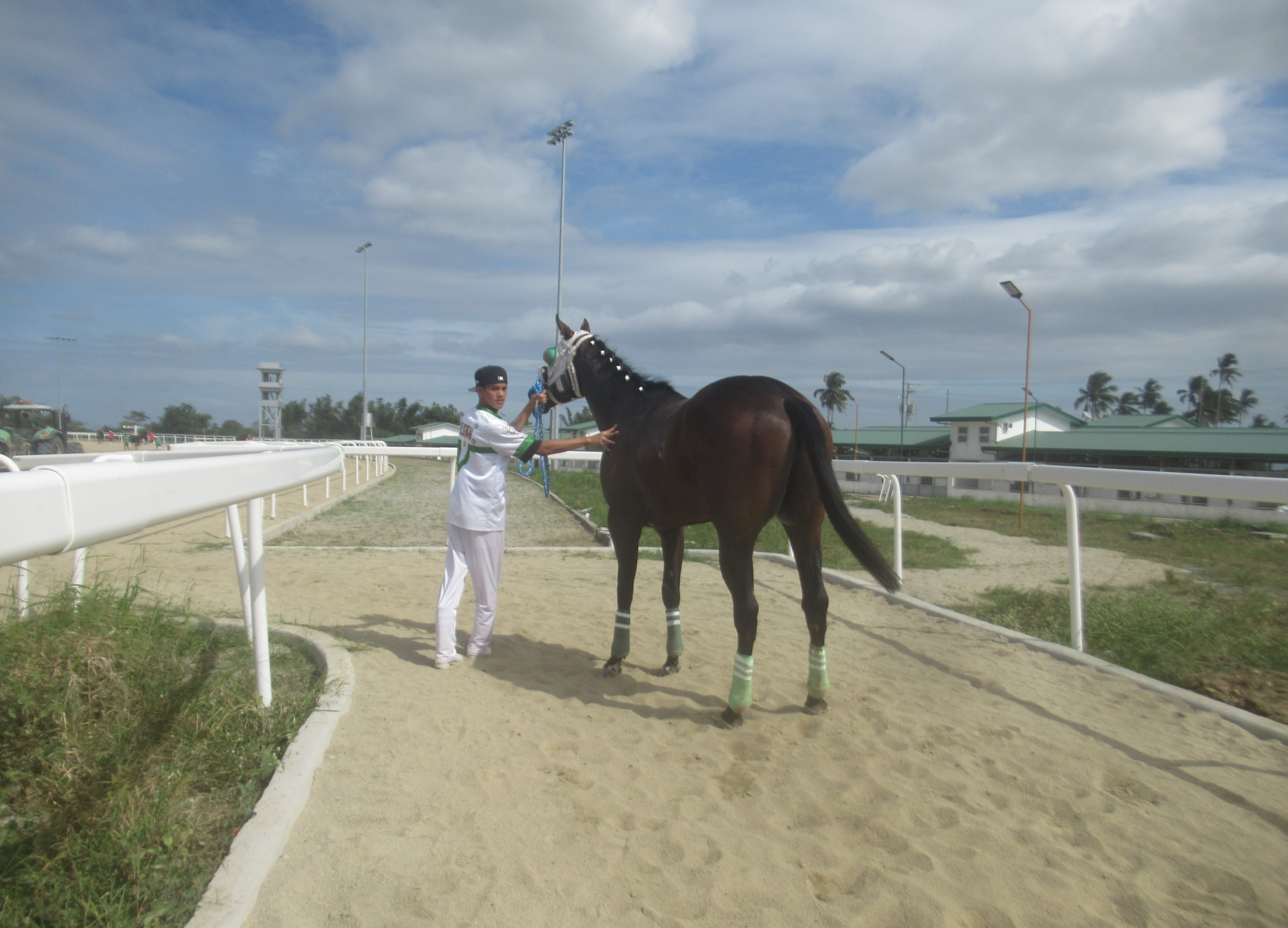
A stable lad worked seven days, early mornings and evening stables, with time off between those sessions rather than away from the yard. Wages were low, accommodation was tied, and there was no collective representation of any consequence.
Stable staff now have an organised association, defined terms, regulated hours, and minimum pay, and recruitment and retention in the role is one of the industry’s most discussed problems – which is itself evidence of how much the labour market has changed. Tied accommodation persists in places and brings the same difficulties it always did.
8. Women Were Not Licensed to Ride and Were Doing the Work Anyway
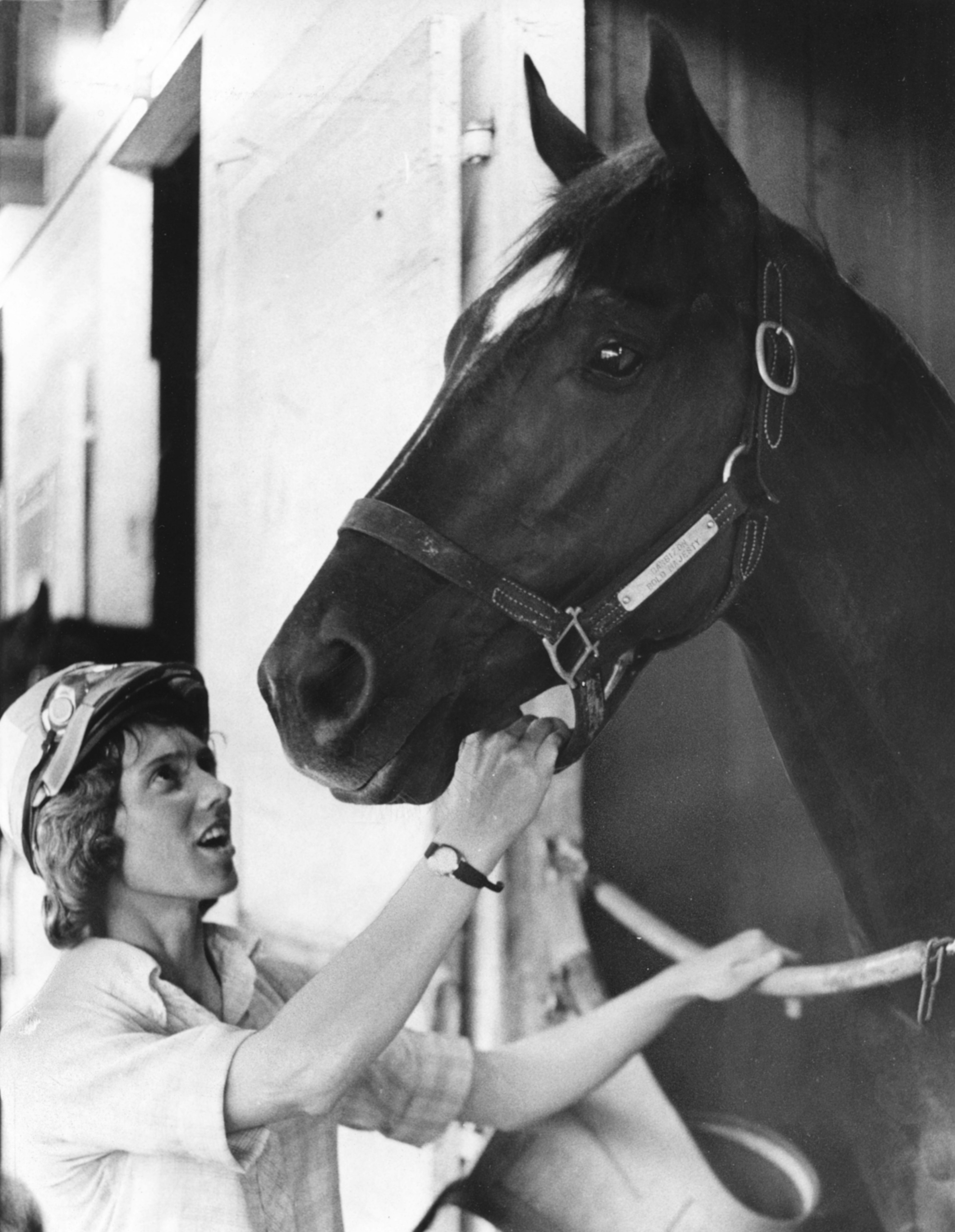
Women worked in yards, rode out, and in some cases rode work on the gallops, while being barred from holding a licence to ride in races. The exclusion was formal, it was defended with arguments about strength and propriety, and it lasted into the 1970s in most major racing nations.
Licensing opened in the 1970s, and women now ride at every level of the sport including the biggest races, hold trainers’ licences and run major yards. The change took a sustained campaign and several legal challenges rather than a change of heart, and the arguments made against it at the time read now as exactly what they were. The sport remains unequal in opportunity and prize money, which the industry acknowledges.
9. Transport Was a Box Behind a Lorry With No Monitoring
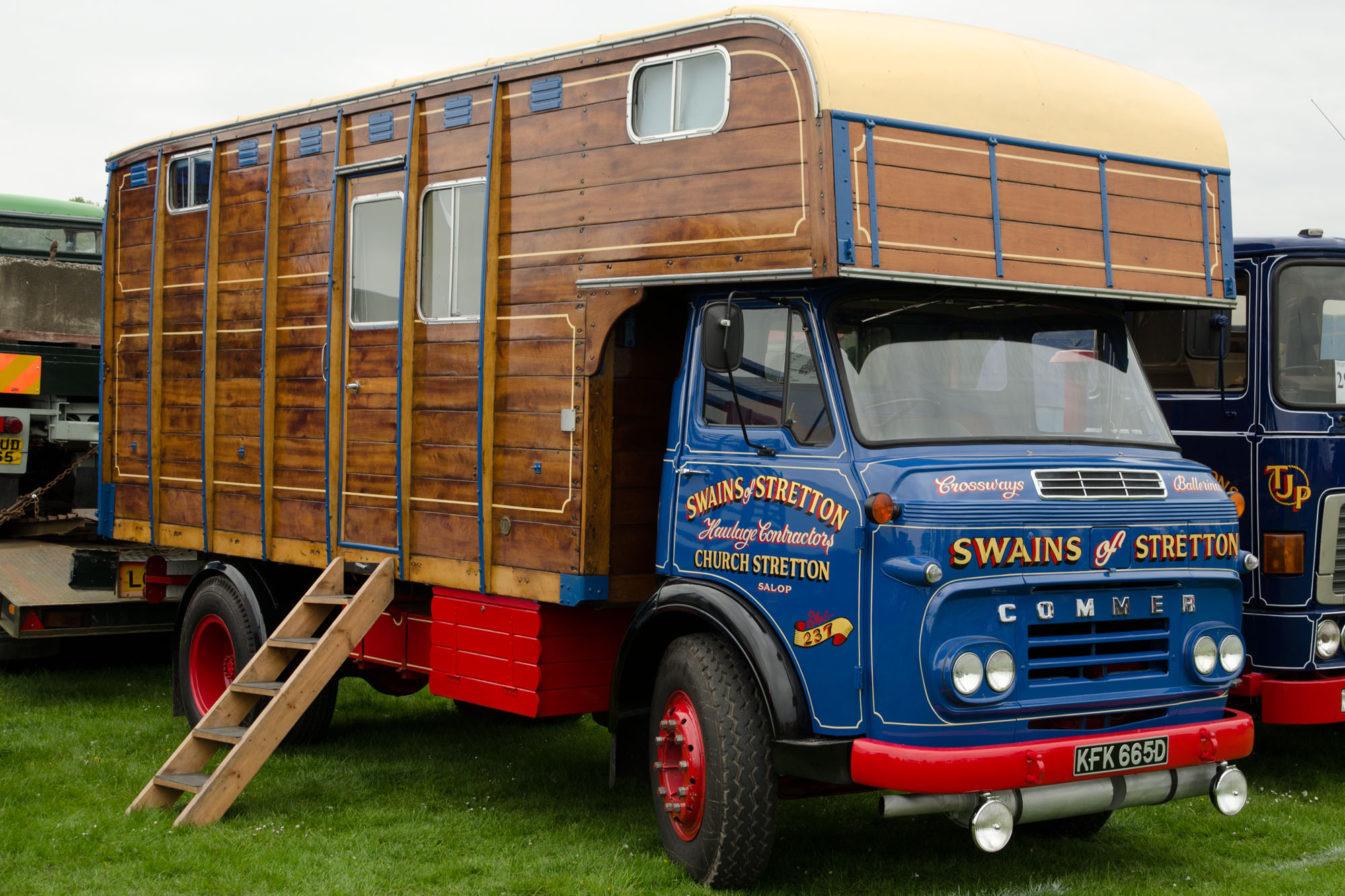
Horses travelled in boxes with limited ventilation, no temperature monitoring, and journeys planned around the race rather than around the animal, with long waits in hot vehicles at racecourses.
Transport standards covering ventilation, space, journey length, rest and water, along with monitored stabling at courses, have changed this considerably. Long-distance and international transport is now a specialist operation with veterinary oversight, which it needed to be once the sport became genuinely international.
10. The Betting Ring Ran on Cash, Chalk and Trust
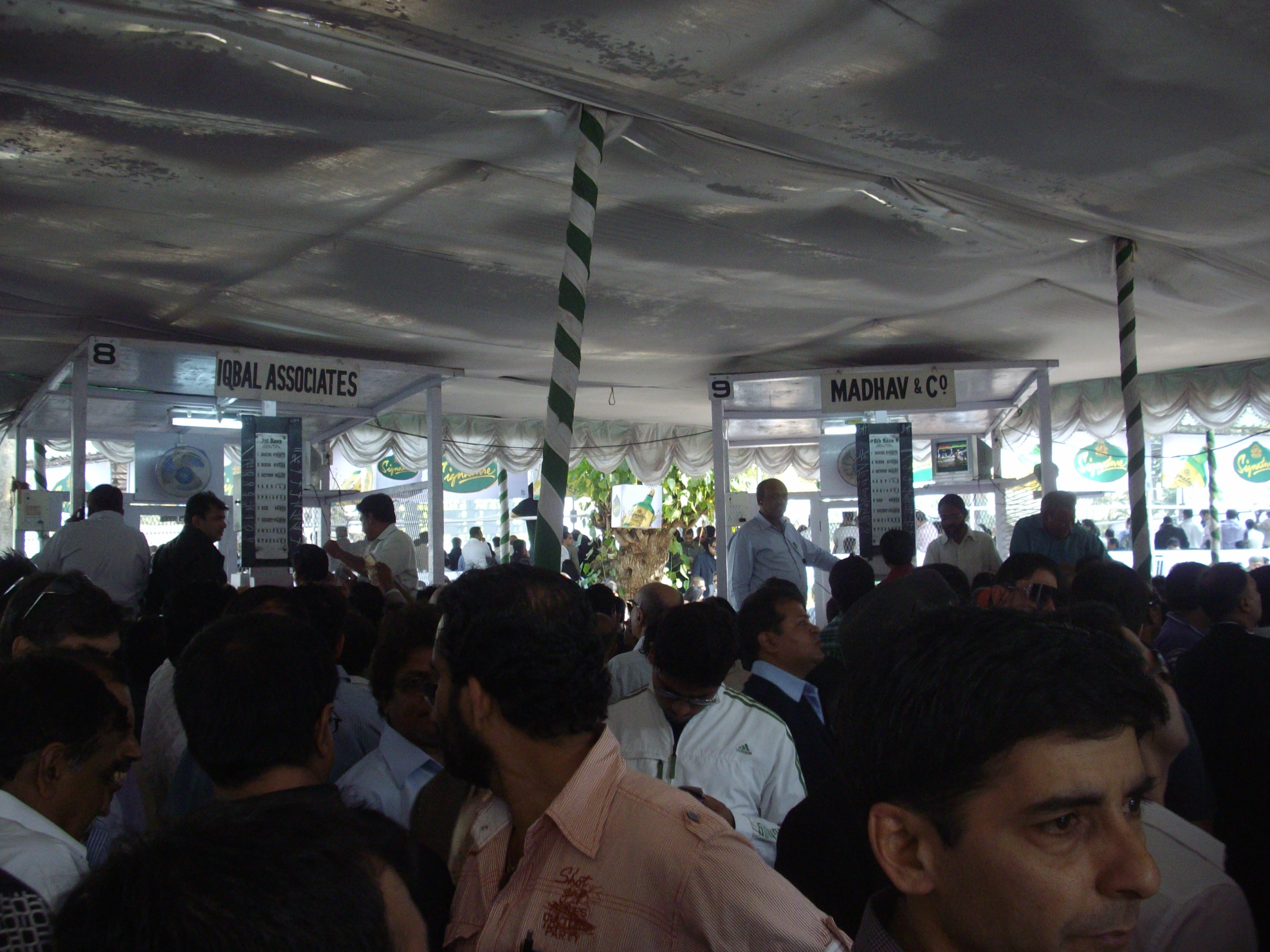
On-course bookmakers stood at boards, chalked prices, took cash, and settled on the spot. The tic-tac men signalled odds across the ring by hand. Records were a clerk’s ledger and a memory.
Betting moved to exchanges, telephone and then online accounts, with regulated operators, audit trails and licensing. The on-course ring persists and is a fraction of its former size, and tic-tac is effectively extinct – one of the few genuine sign languages developed for a commercial purpose, killed by mobile telephones. The audit trail, incidentally, is also what makes modern integrity investigation possible at all.
11. Racing Was Shown on Television and Nobody Watched a Replay
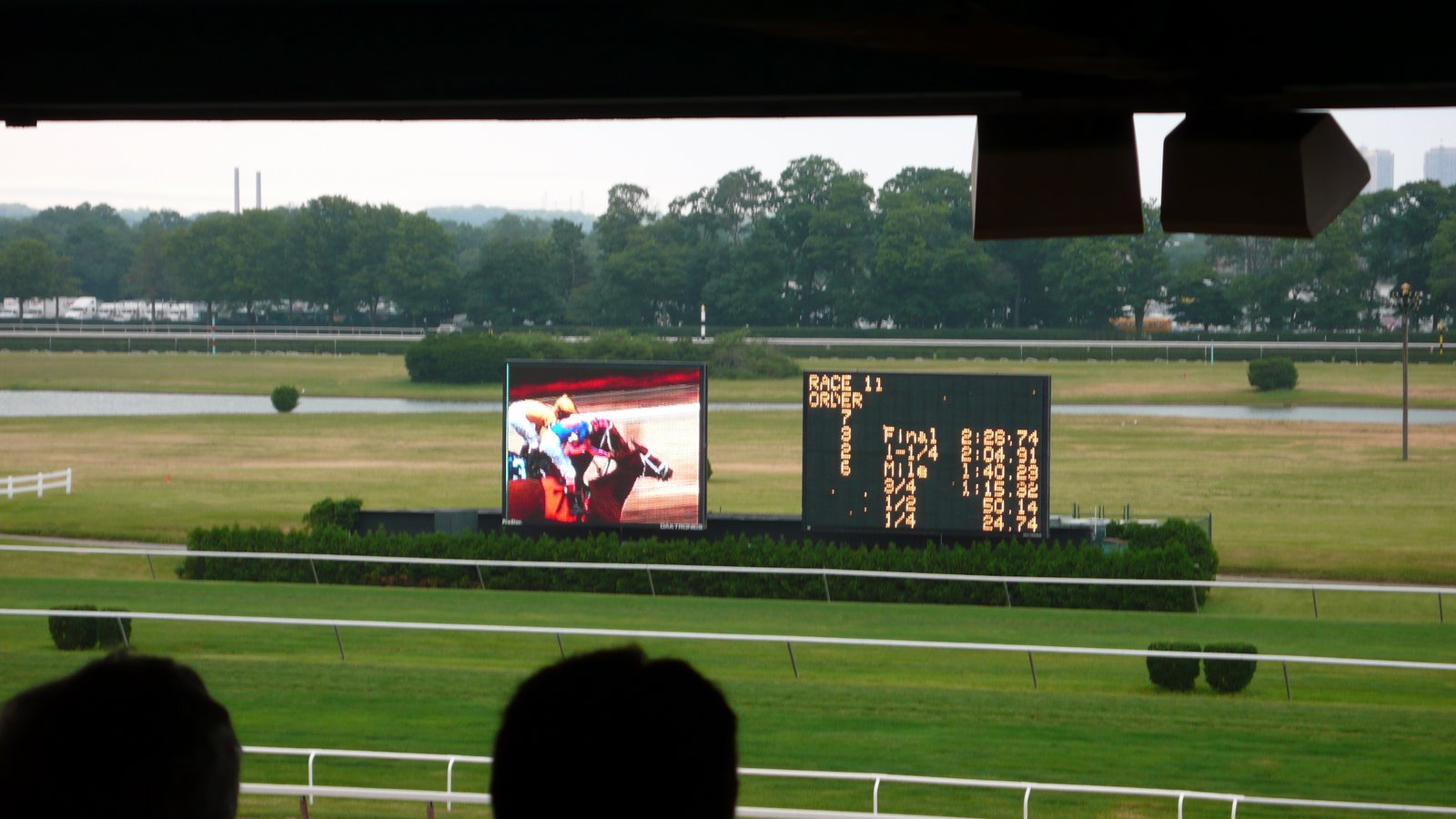
Coverage existed but there was no routine patrol film, limited camera angles, and stewards made decisions about interference from what they had seen from the stand.
Multiple camera angles, head-on and patrol footage, and replays available to stewards within minutes transformed the adjudication of races. Objections and enquiries are now decided on evidence rather than on impression, and the footage is published. It is a small change that removed an enormous amount of suspicion.
12. Jump Racing Fatalities Were Accepted as Part of It
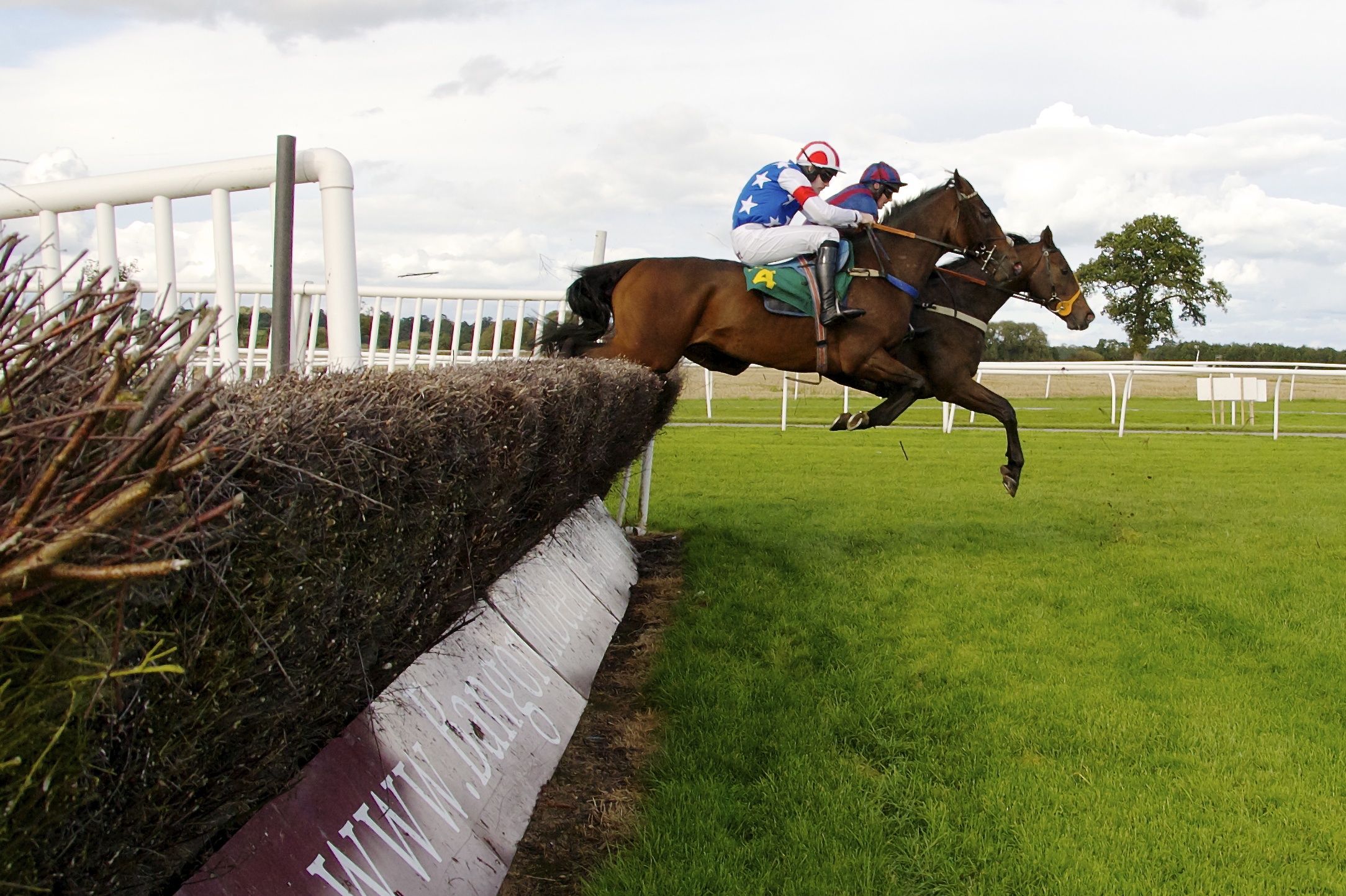
Horses were killed in races and the sport regarded it as an inherent and largely unavoidable cost. There was limited systematic recording, limited analysis of where and why it happened, and limited public accounting.
Equine fatality rates are now recorded, published and analysed in most major jurisdictions, and have fallen through changes to obstacle design, ground management, veterinary screening before racing, field size limits and race conditions. The subject remains the central public argument about the sport, it is not settled by any of those improvements, and presenting it as resolved would be dishonest. What has changed is that the numbers exist and are published, which is the precondition for any argument at all.
13. The Trainer’s Word Was Absolute Within the Yard
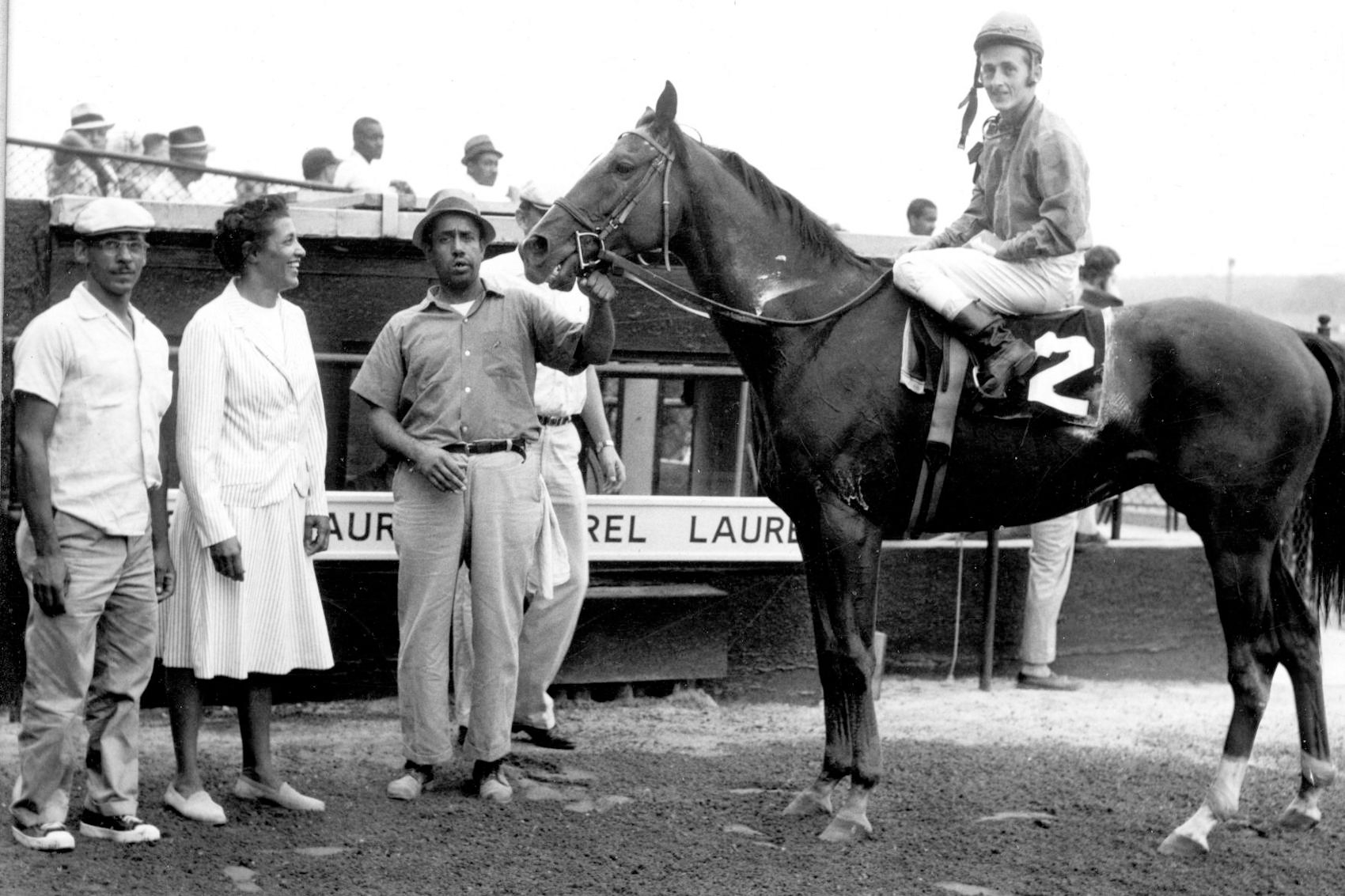
A trainer held effectively complete authority over staff, apprentices, and the horses, with very little external oversight of how a yard was run day to day.
Licensing conditions, inspection of yards, welfare rules, employment law, safeguarding requirements for young staff and confidential reporting lines have each limited that authority. The trainer remains the central figure and always will, which is appropriate – what has changed is that the yard is no longer a jurisdiction of its own.
14. Racing Was a Major Public Spectacle Rather Than a Betting Product
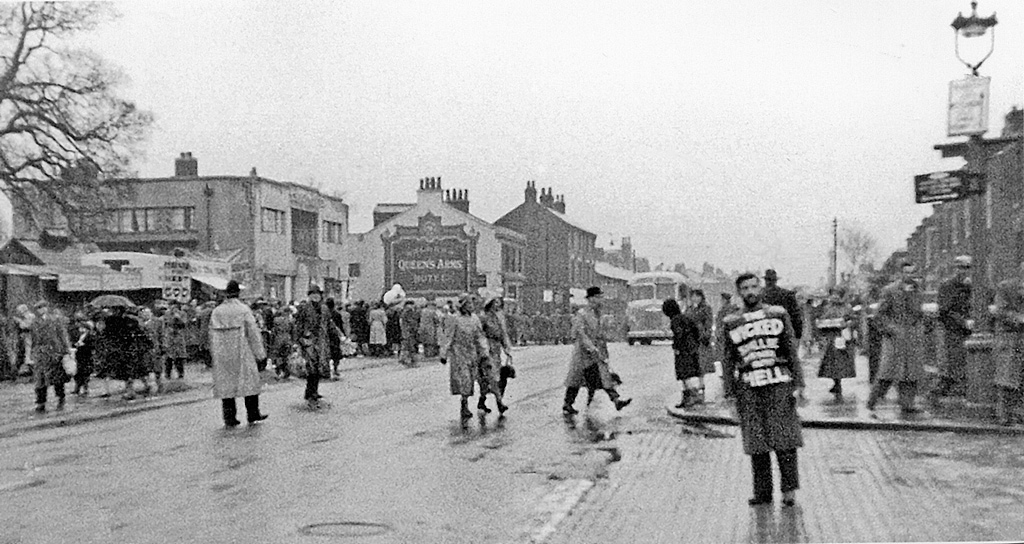
In 1965 big race days drew enormous crowds, race meetings were significant public occasions in their towns, and a substantial proportion of the audience was there rather than watching or betting remotely.
Attendance at most fixtures has declined considerably, and the sport’s economics have shifted towards media rights and betting revenue, which has changed what races are run and when. The great meetings still fill, and the ordinary midweek card frequently does not. It is the same hollowing-out that happened to local cinema and local radio, arriving later and for the same reason.
15. Nobody Expected the Horse Population to Shrink
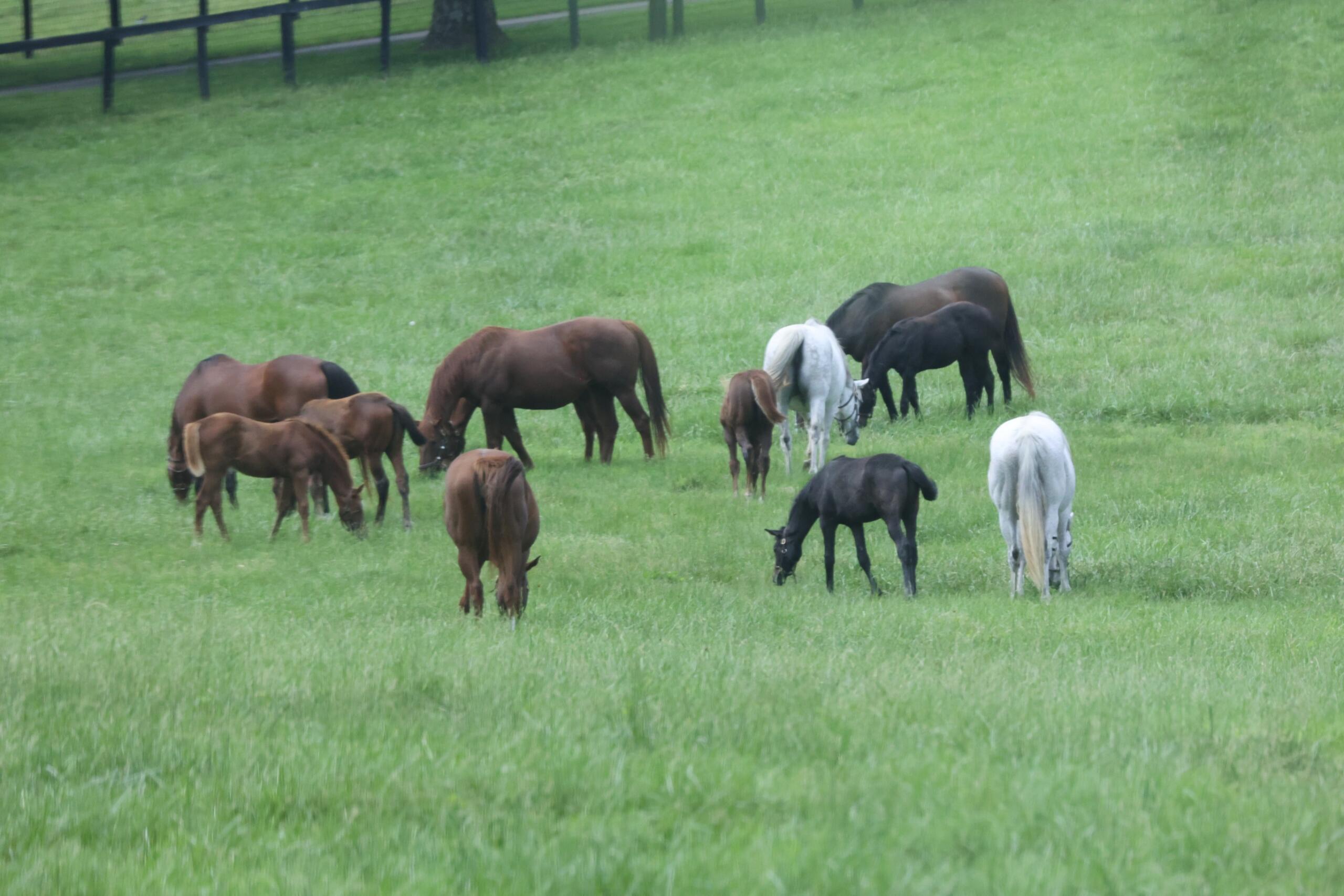
In 1965 racing was expanding, foal crops were growing, and the industry assumed continuous growth in horses, yards and fixtures.
Foal production in most major racing nations has contracted substantially from its peak, training yards have consolidated into fewer and larger operations, and the number of people employed per horse has fallen. The sport survives on a smaller base with higher concentration at the top, which is a familiar shape – and the small yard with a handful of horses, like the small farm and the small elevator, is the part that has been squeezed hardest.
The Two Arguments That Have Not Finished
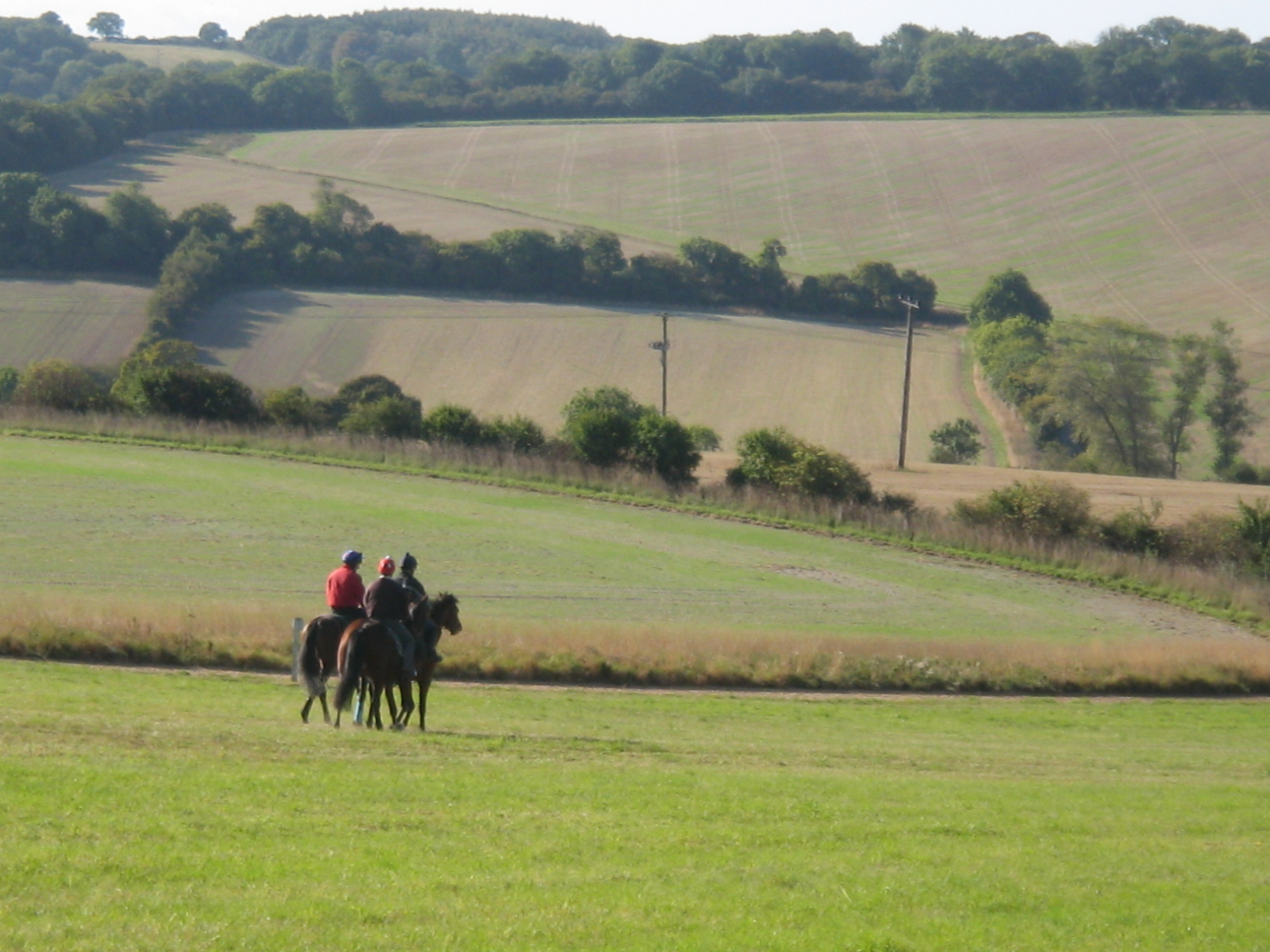
Most of this list is straightforward improvement: helmets, body protectors, breakaway rails, concussion protocols, medication control, employment rights, licensing for women, published welfare data.
Two things are not settled, and an honest account has to say so.
The first is weight. Minimum riding weights have risen repeatedly and the support around riders has improved enormously, but the fundamental structure of the sport still rewards being lighter than is comfortable, and the people inside it will tell you the pressure has been reduced rather than removed. Every increase in minimum weight is argued over because it has consequences for the horses as well as the riders.
The second is equine welfare, which is the central public argument about racing and is not resolved by the improvements listed here. Fatality rates have fallen and are now published, which is genuine progress and is the precondition for having the argument at all. Whether the remaining rate is acceptable is a question the sport and its critics answer differently, and nothing in a list of what changed since 1965 settles it.
What can be said is that an industry which in 1965 recorded almost nothing now records and publishes a great deal, and that almost every improvement on this list came from somebody being able to point at a number.
If you grew up near a training yard, the string going out in the dark is the thing you remember.
Which yard, and did you ever get up early enough to watch them on the gallops?
Like our content? Follow us for more.

