

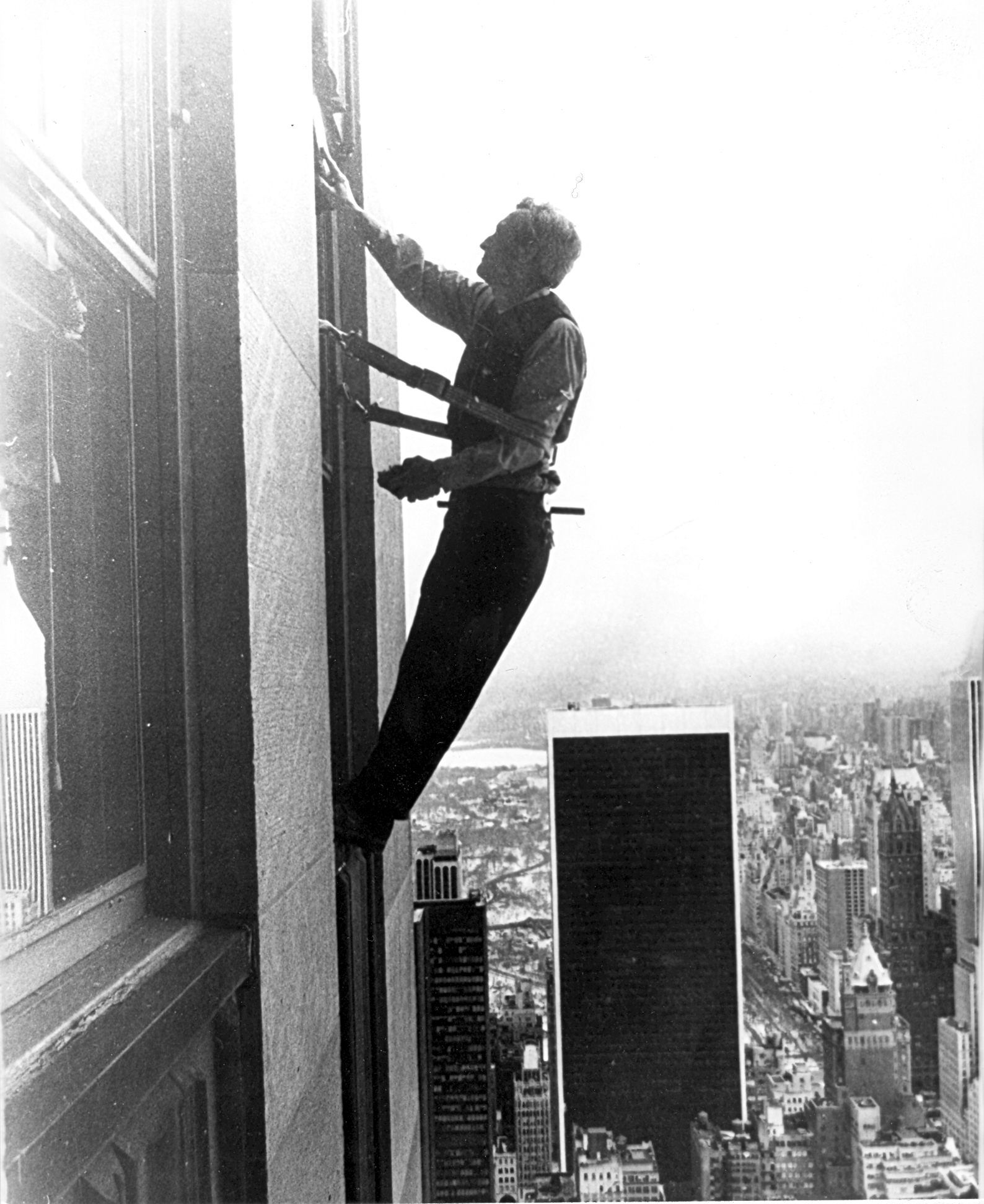
In 1960 the windows of a skyscraper were cleaned by a man who climbed out onto the sill, hooked a leather belt into two bolts in the frame, and sat back on it with the street several hundred feet below.
To move to the next window he unhooked one side and shuffled along. He inspected his own equipment by looking at it, decided for himself whether the wind was too strong, and was paid by the window.
Here are fifteen things that were ordinary in that job in 1960, and what each one became.
1. He Sat Outside the Window on a Leather Belt Hooked to the Frame
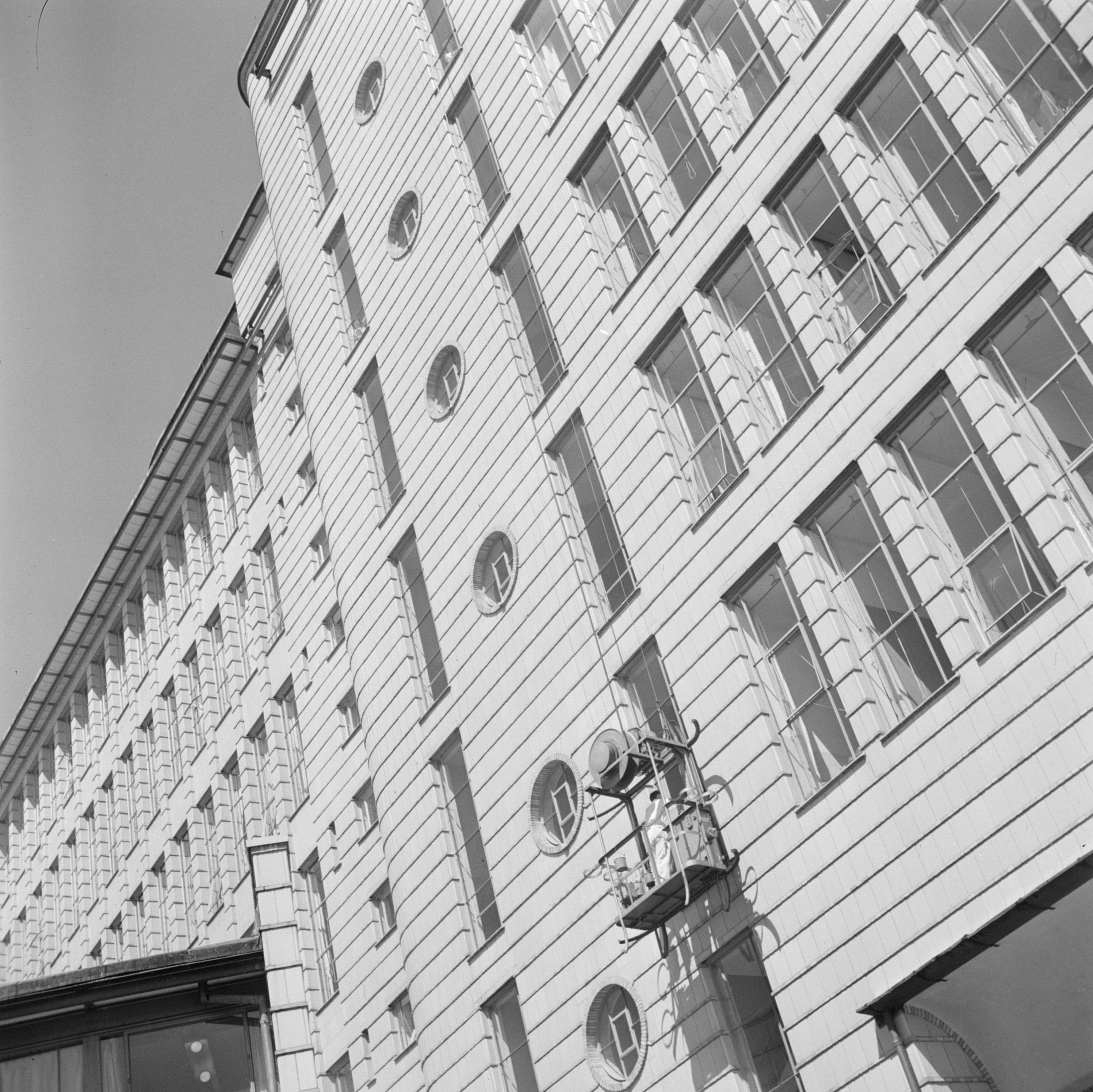
The standard method for a high-rise window was the safety belt: a leather belt with two heavy hooks, clipped into anchor bolts set into each side of the window frame. The cleaner climbed out, sat back on the belt with his heels on the sill, and worked with both hands over whatever drop was below him.
The belt-and-anchor method was used on thousands of buildings for decades and killed a steady number of people – the failure modes were a corroded anchor, a worn belt, a mis-hooked clip, or unhooking one side to move along and losing the other. It has been prohibited for new work in most jurisdictions and the surviving anchors on old buildings are generally decommissioned.
Like our content? Follow us for more.
2. Unhooking One Hook to Move Along Was Routine
To move from one window to the next the cleaner released one hook, shifted along the ledge, and re-hooked. For that moment he was held by a single point, standing on a sill a few inches deep, several hundred feet up.
Modern fall protection requires continuous attachment, which is the entire point of the change – a system that permits a moment of single-point or no attachment is not a fall arrest system. The rule is now that you are tied on at all times and that transitions are designed so that a connection is made before another is broken.
3. The Equipment Was Inspected by Looking at It
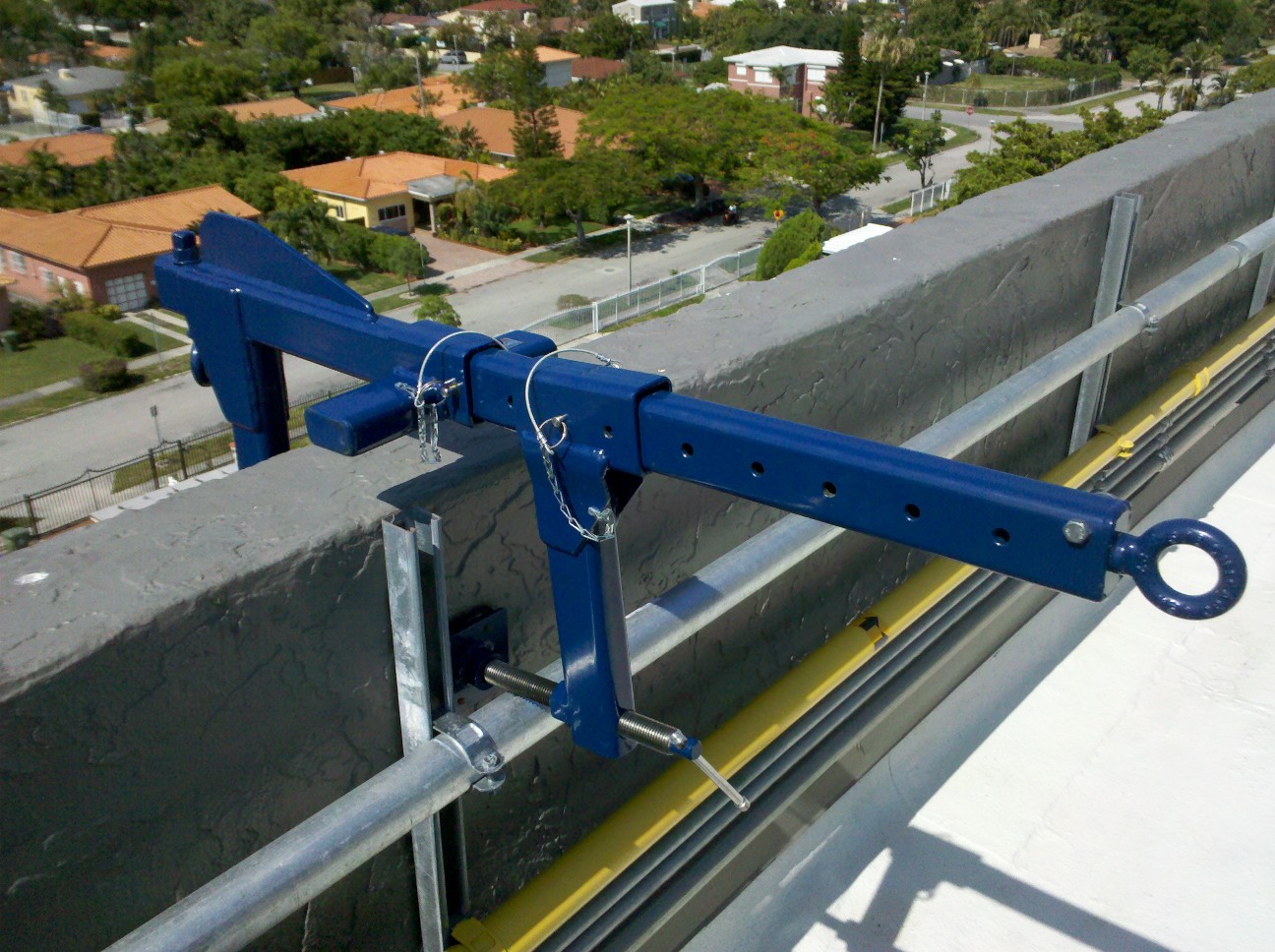
Belt, hooks, ropes and anchors were checked by eye by the man using them. There was no register, no load testing of anchors, no date stamping, and no requirement for anybody else to look at anything.
Anchor points on buildings are now engineered, certified, registered and periodically load tested, with records held by the building owner. Harnesses and lanyards are date-stamped, logged, inspected on a schedule by a competent person and withdrawn at the end of their service life whatever their condition. The shift from personal judgement to a documented system is the single largest factor in the change in the figures.
4. The Cradle Was a Plank on Ropes Hauled by Hand
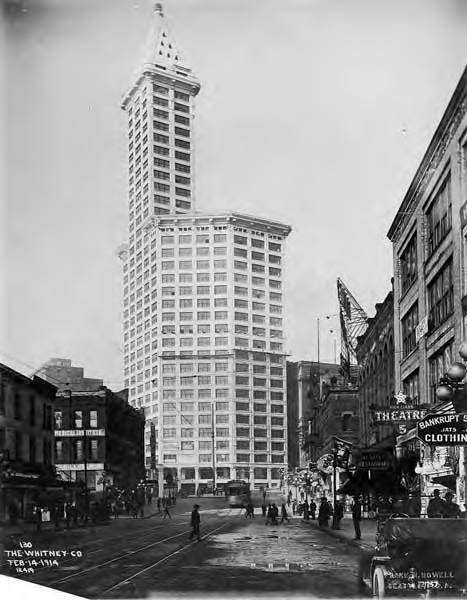
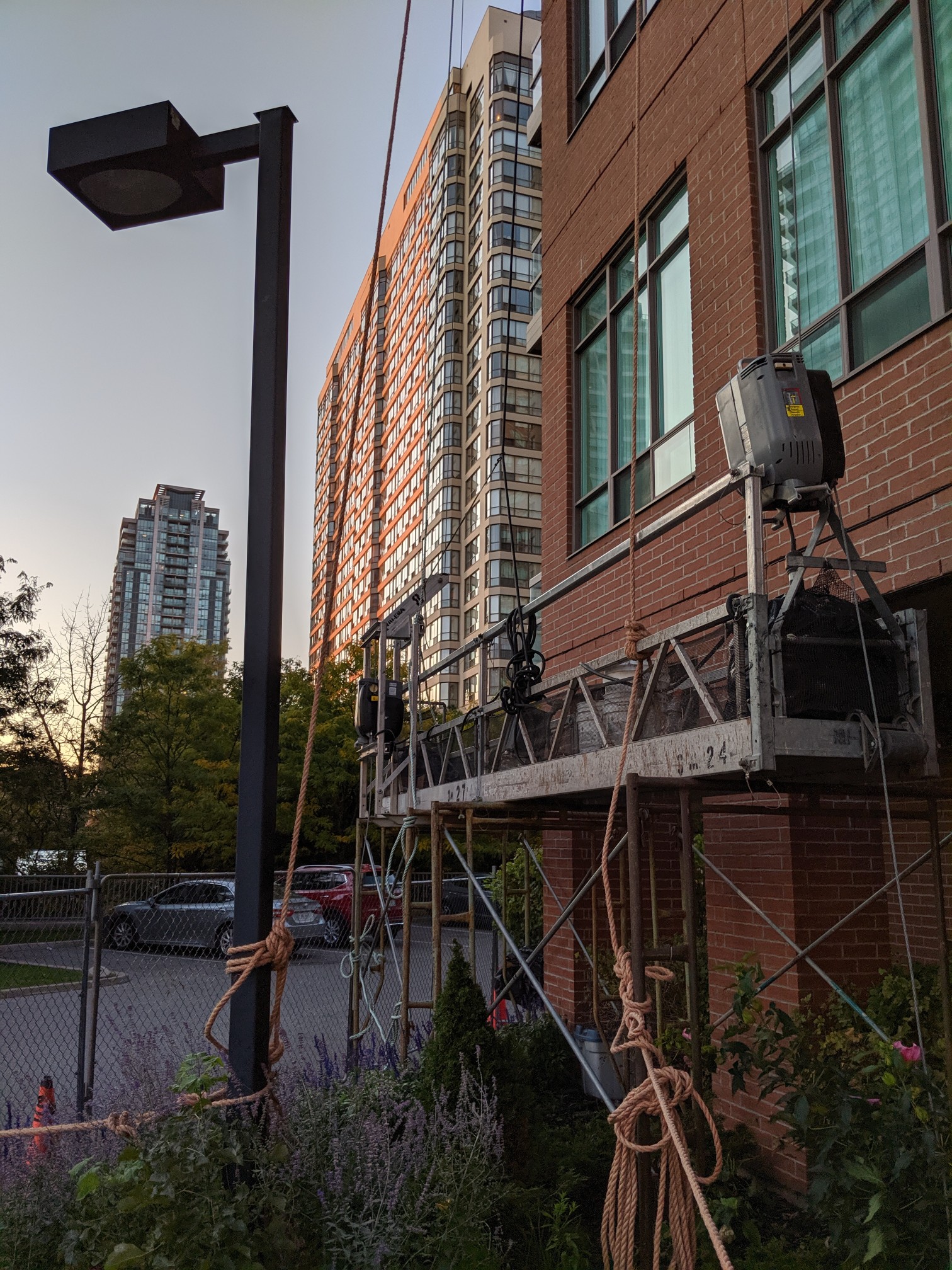
Where a belt would not serve, the alternative was a suspended cradle – a boatswain’s chair or a plank platform on ropes, raised and lowered by the men on it hauling through blocks, with the ropes secured to whatever was available on the roof.
Powered suspended platforms with secondary safety ropes, independent fall arrest for each occupant, overspeed brakes, and roof rigs that are themselves engineered and certified replaced the hand-hauled cradle. The characteristic accident with the old arrangement was one rope failing and tipping the plank, which is the reason every modern platform has independent suspension on each side.
5. Buildings Were Designed Without Anybody Asking How They Would Be Cleaned
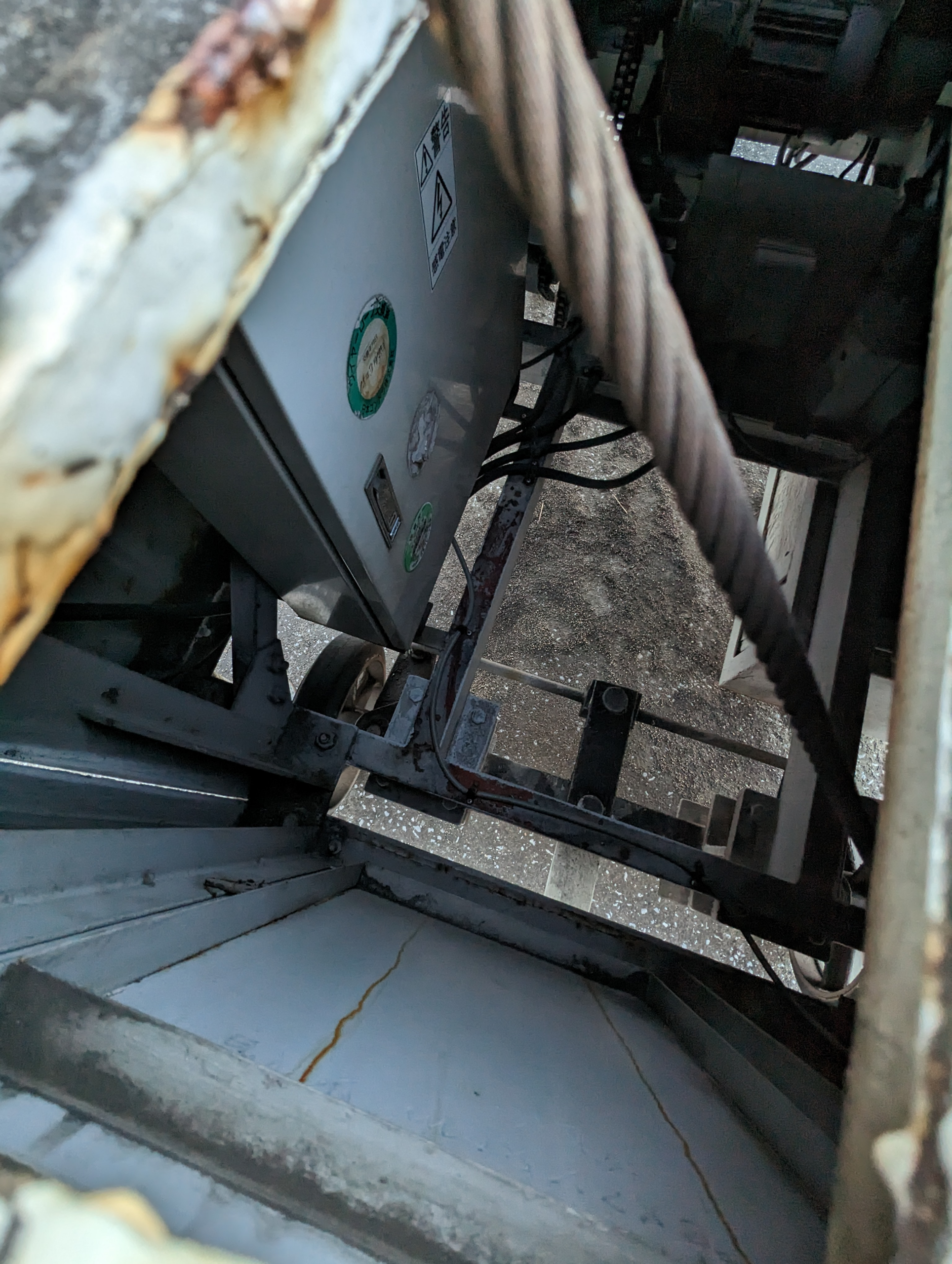
A great many towers went up with no thought given to maintenance access at all. The windows had to be cleaned, so somebody worked out a method afterwards using whatever the building happened to offer – a ledge, a parapet, a mullion.
Facade access is now designed in from the start on any significant building: permanent roof tracks, davit sockets, building maintenance units that travel the facade on rails, tie-back anchors positioned by an engineer, and in some cases windows that can be cleaned from inside. The discipline has a name and a profession, and it exists because the alternative was improvising around architecture that had ignored the problem.
6. Weather Was a Judgement the Cleaner Made Himself
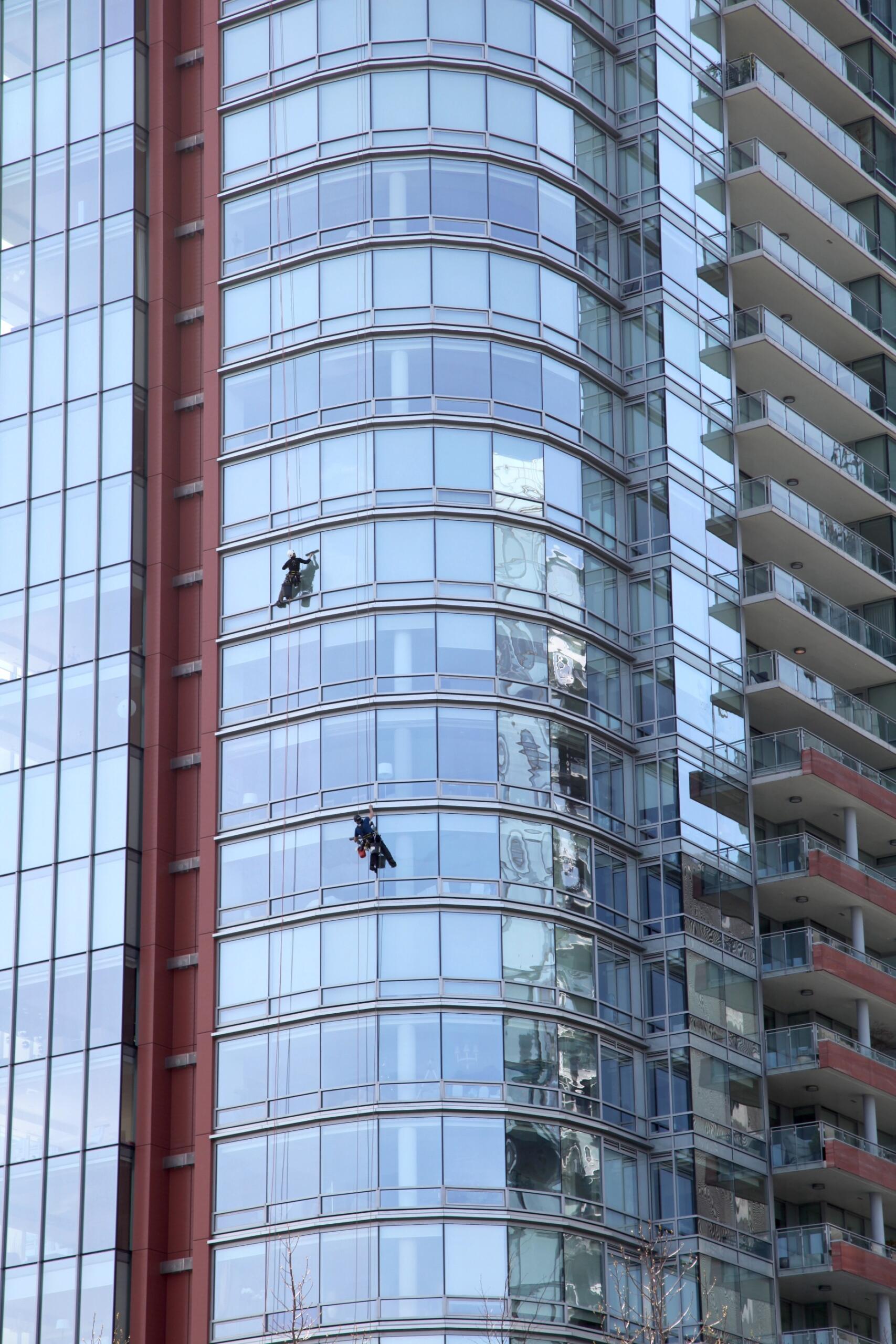
Wind at height is not the wind at street level – it accelerates around corners, forms downdraughts off faces, and gusts unpredictably between buildings. In 1960 the decision about whether it was too windy to go out was made by the man going out.
Wind speed limits for suspended access are now specified and measured, work stops at defined thresholds, and the limits account for the acceleration effects around tall buildings. The judgement has been taken off the individual, which matters because the individual is paid by the job and is standing on a roof deciding whether he can afford to go home.
7. There Was No Protection From Anything Falling
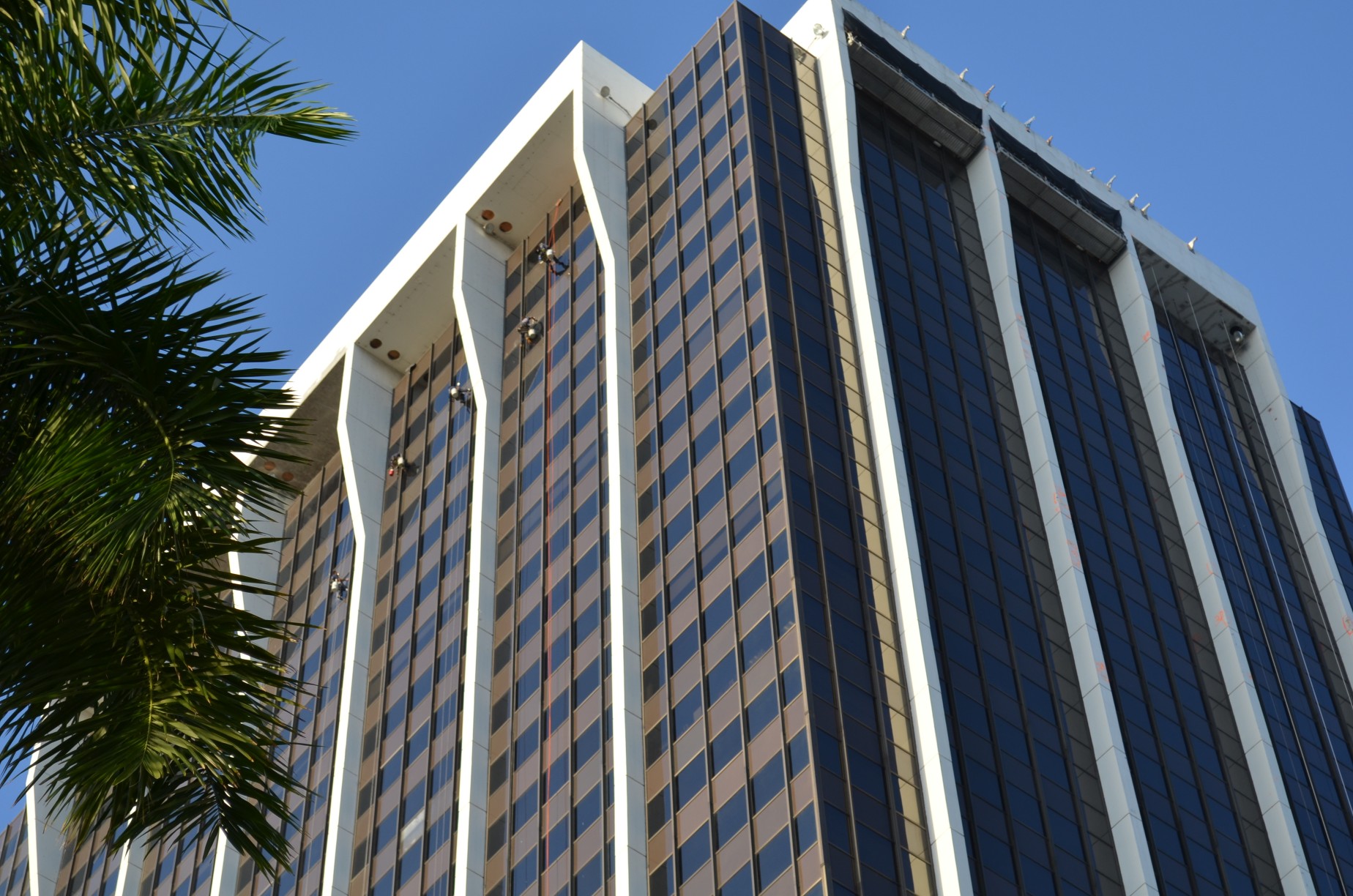
A dropped bucket, squeegee, scraper or tool from height is lethal to anybody below, and in 1960 there was frequently no exclusion zone, no tool lanyard and no signage at street level.
Tool tethering, exclusion zones, spotters, and scheduling work outside pedestrian peaks are now standard, and dropped-object prevention is a distinct area of safety practice with its own equipment. The hazard is one of the few in this series that threatens the public rather than only the worker, which is why it attracted regulation relatively early.
8. Scaffolders and Steeplejacks Worked to the Same Standards, Which Is to Say None
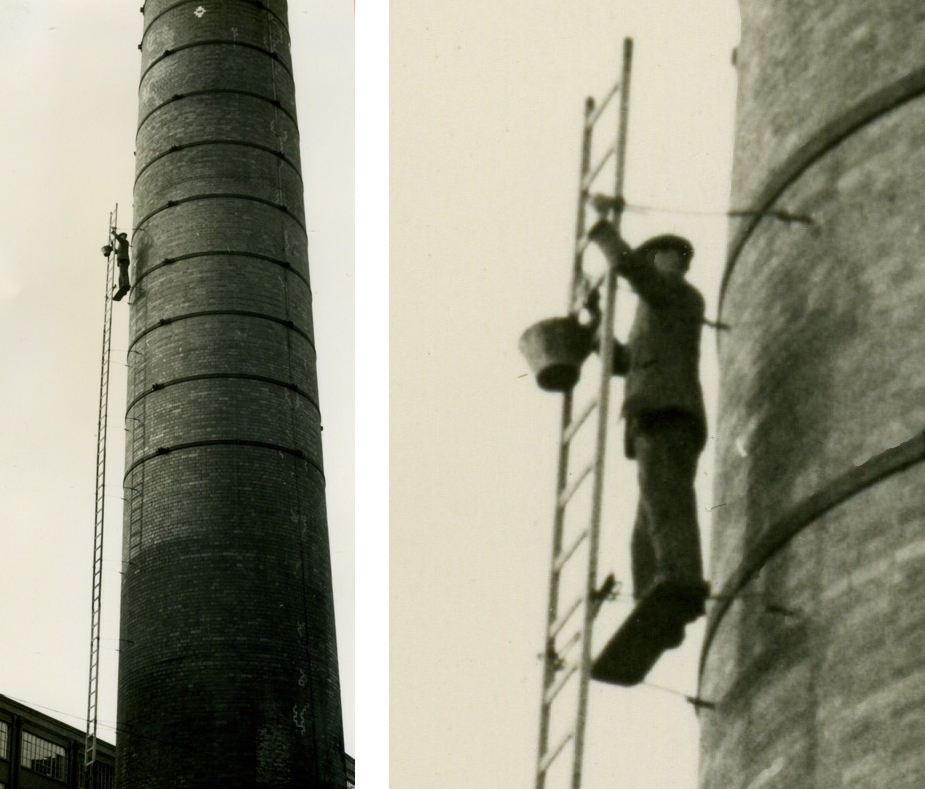
The related trades at height – steeplejacks on chimneys and church spires, scaffolders, sign erectors, riggers – operated with the same equipment and the same reliance on individual skill, and the steeplejack in particular worked from ladders lashed to a structure as he climbed it.
All of them are now governed by work-at-height regulation, and most have formal qualification schemes. The steeplejack’s traditional method of laddering a chimney from the ground upward, lashing each ladder to the one below, survives in heritage work under controlled conditions and is a genuinely remarkable skill that is close to extinct.
9. Nobody Talked About the Effect of Working at That Height All Day
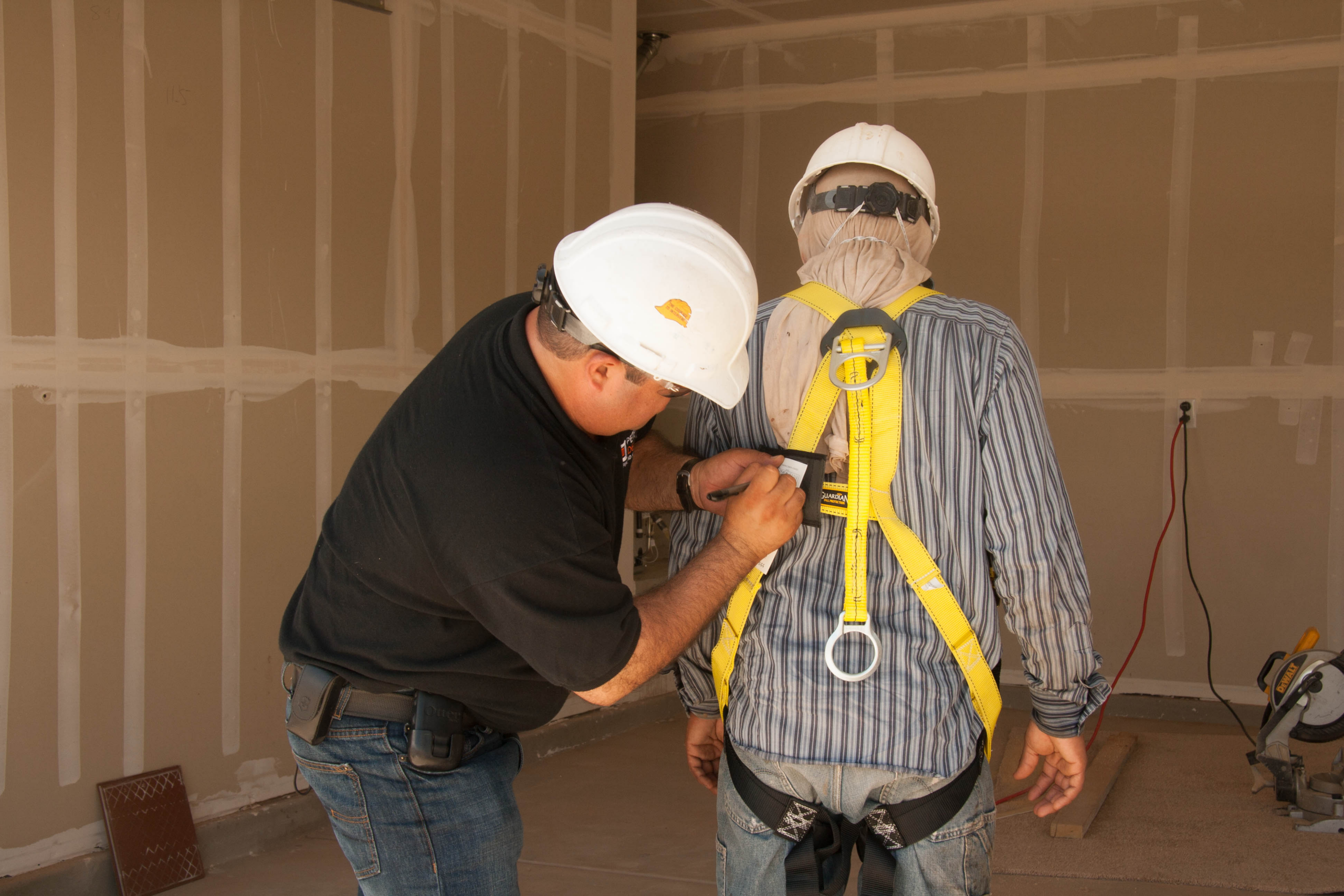
Spending a working life sitting outside windows several hundred feet up has psychological and physiological effects – on sleep, on balance, on how a person is afterwards – and in 1960 none of it was acknowledged, assessed or discussed.
Medical fitness assessment for work at height is now standard, including for conditions affecting balance, consciousness and vision, and the psychological demands are at least recognised. This is noted as a change in occupational health practice rather than as any claim about individuals, and anybody affected by their own work should be talking to a doctor rather than reading a list.
10. The Work Was Priced by the Window and the Pressure Was Obvious
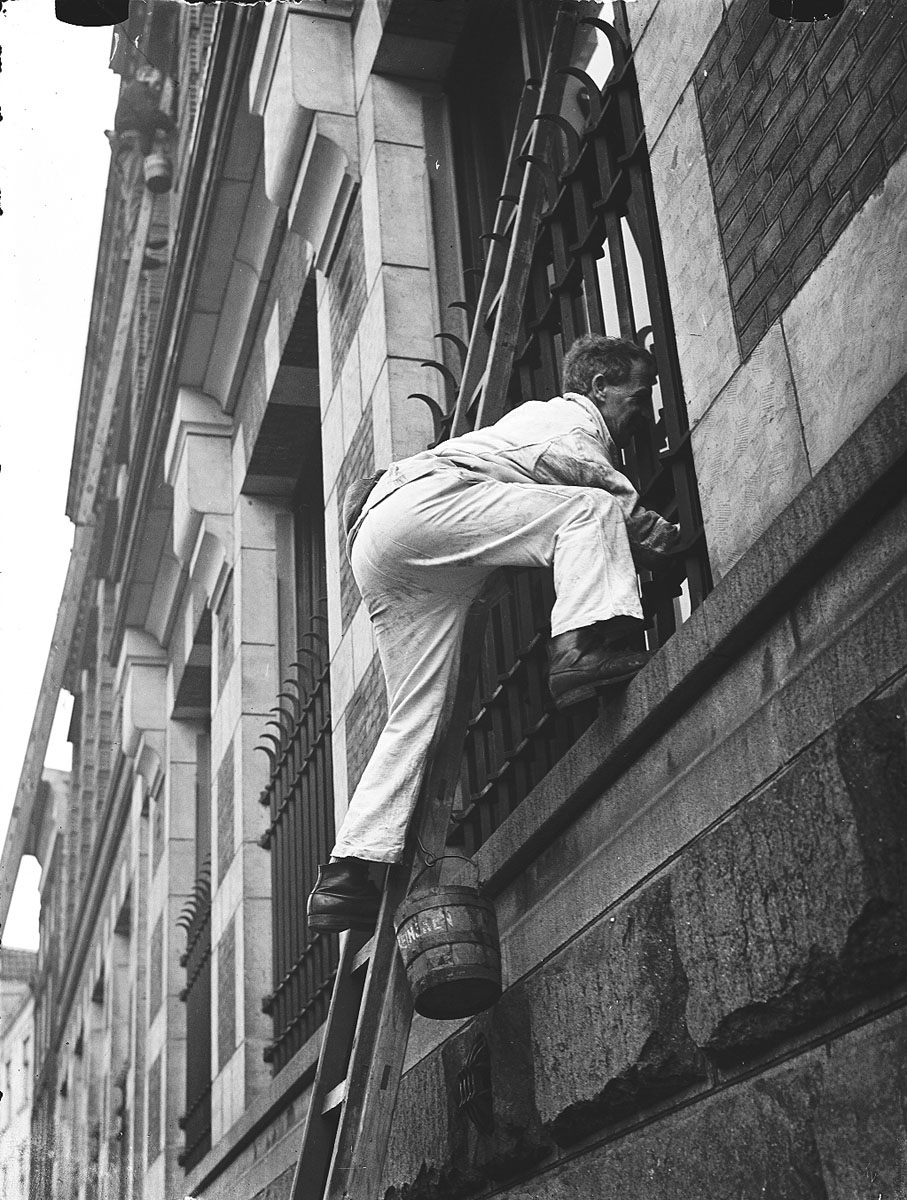
Payment by the window or by the building put a direct financial incentive on speed, and speed at height is the thing that produces mistakes – a hook not fully seated, a move made without re-checking, a decision to carry on in rising wind.
Hourly and contracted pricing with scheduled durations, and the shift of liability onto the employer and the building owner, removed much of that pressure. The incentive problem is the same one that appears with the share system on a fishing boat and the entry fee at a rodeo, and it was solved the same way: by changing who carries the cost of stopping.
11. The Ropes Were Natural Fibre and Rotted From the Inside
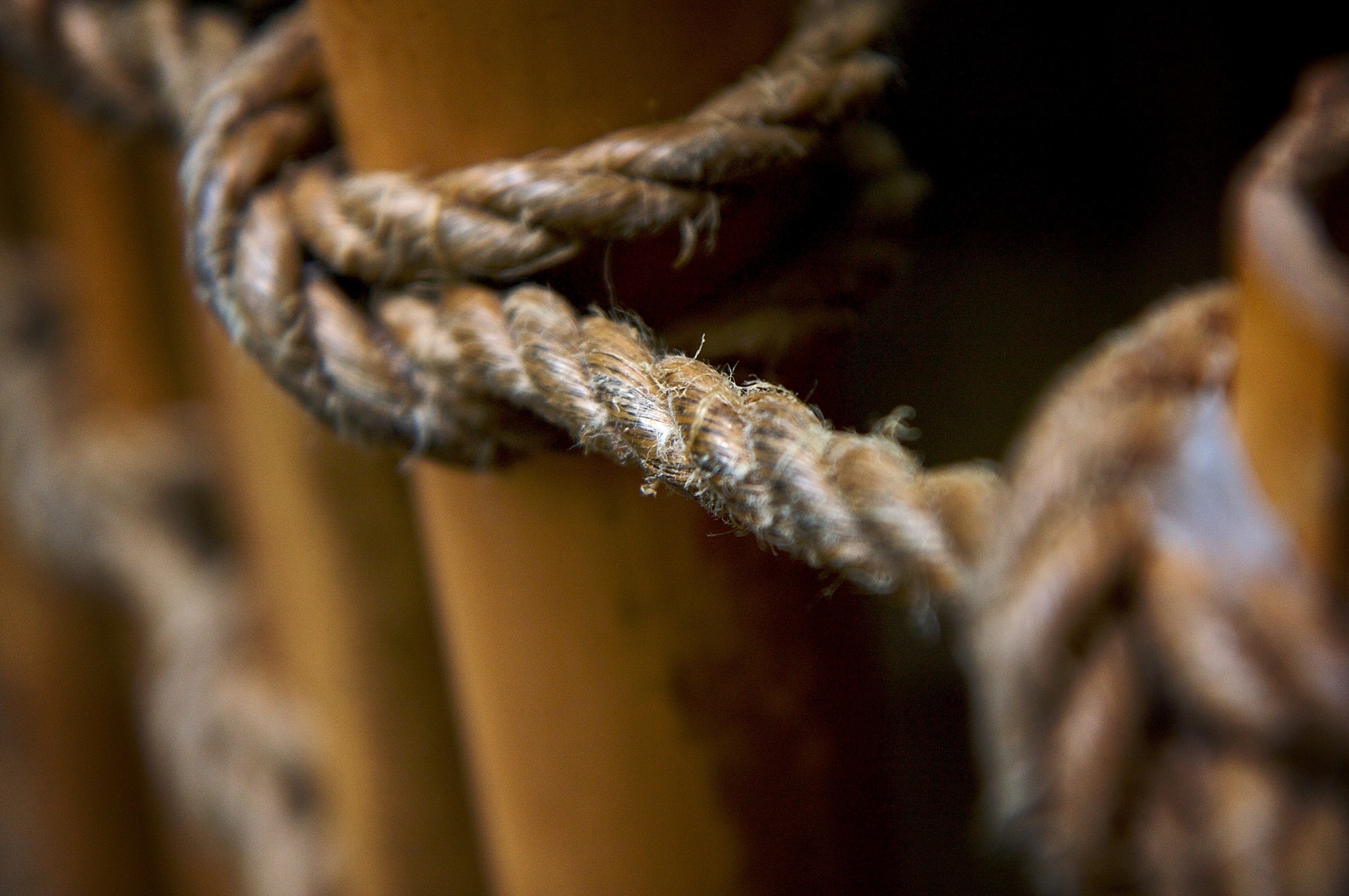
Manila and hemp ropes degrade with damp, sunlight and age, and the degradation happens inside the lay where it cannot be seen. A rope that looked serviceable could have lost most of its strength, and the only inspection was opening the lay with a fid and looking.
Synthetic ropes with known, published breaking strengths, date stamping, and discard criteria replaced them, and critical lines are now inspected on a schedule and retired by date. The move from a material that fails invisibly to one with a documented service life is a quiet and very large improvement that applies across every trade that hangs anything on a rope.
12. The Trade Was Casual, Itinerant and Largely Unrecorded
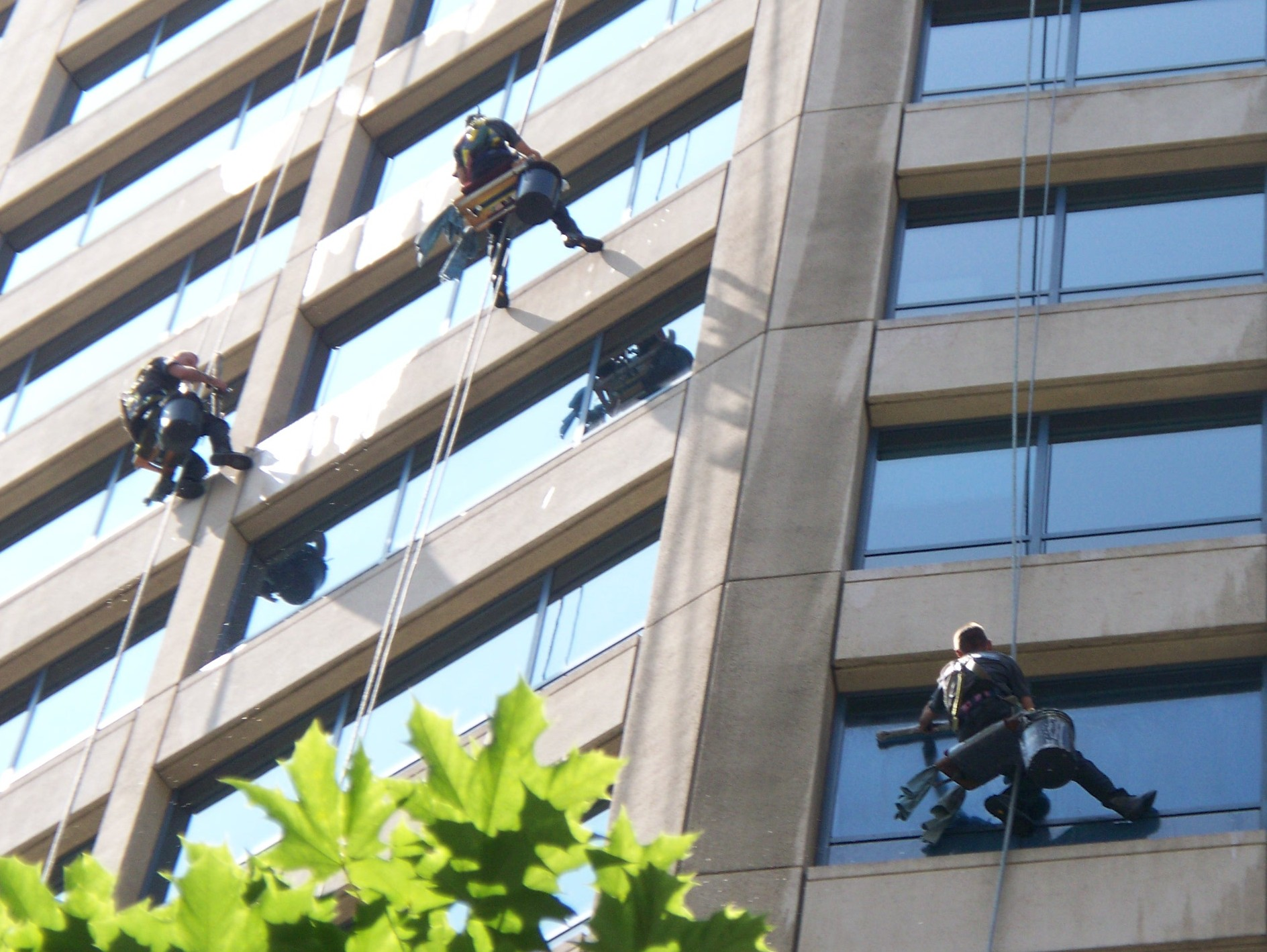
High window cleaning was frequently casual work, taken on by small operators and individuals, with little training, no qualification and poor records. A man learned by going out with somebody who already did it.
Licensing, qualification schemes, insurance requirements and client procurement standards have formalised it considerably. The informal apprenticeship survives in a better form, because the judgement that matters – reading a building, reading the weather, deciding not to go out – is still learned from somebody who has it.
13. Rope Access Arrived From Caving and Climbing and Changed Everything
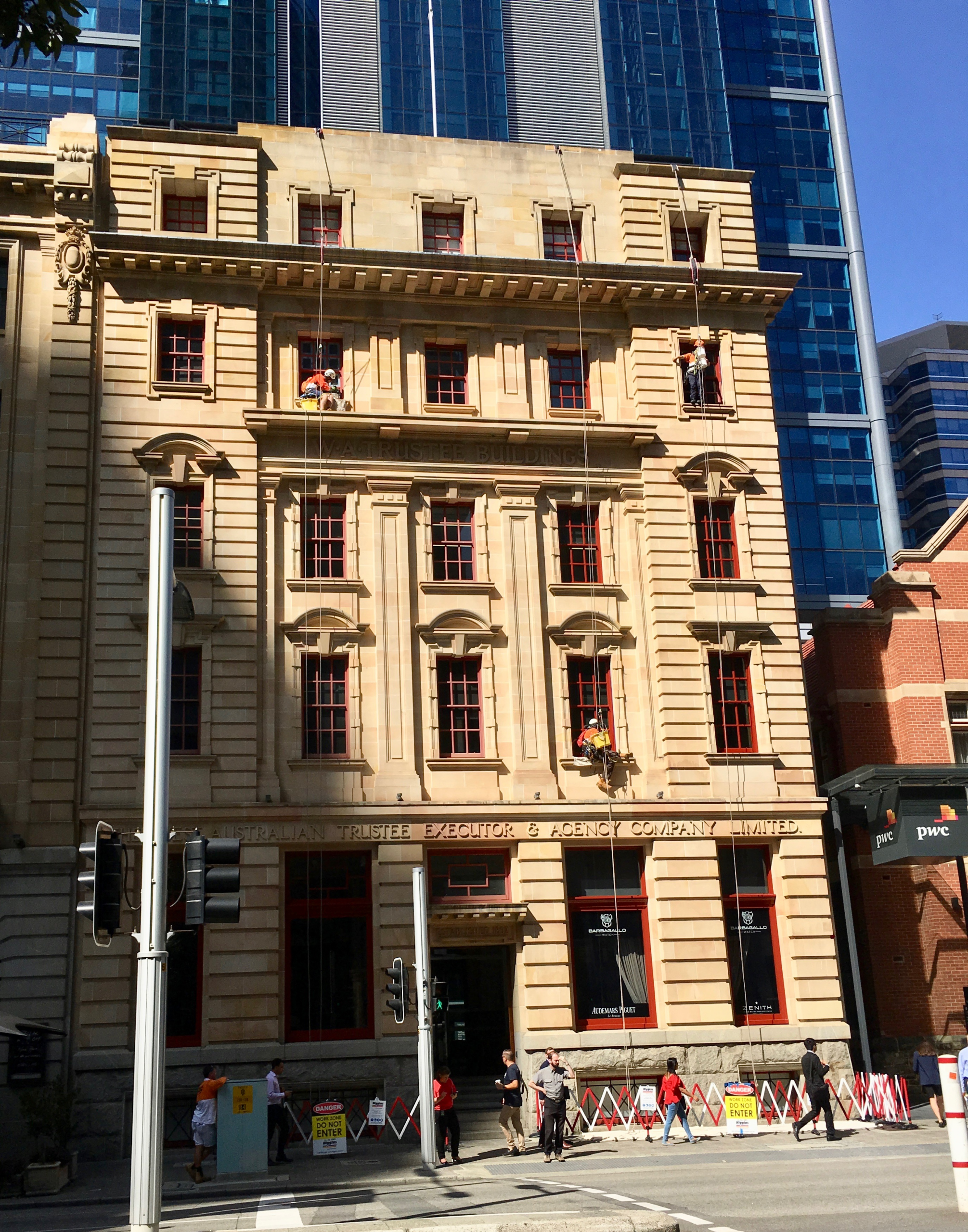
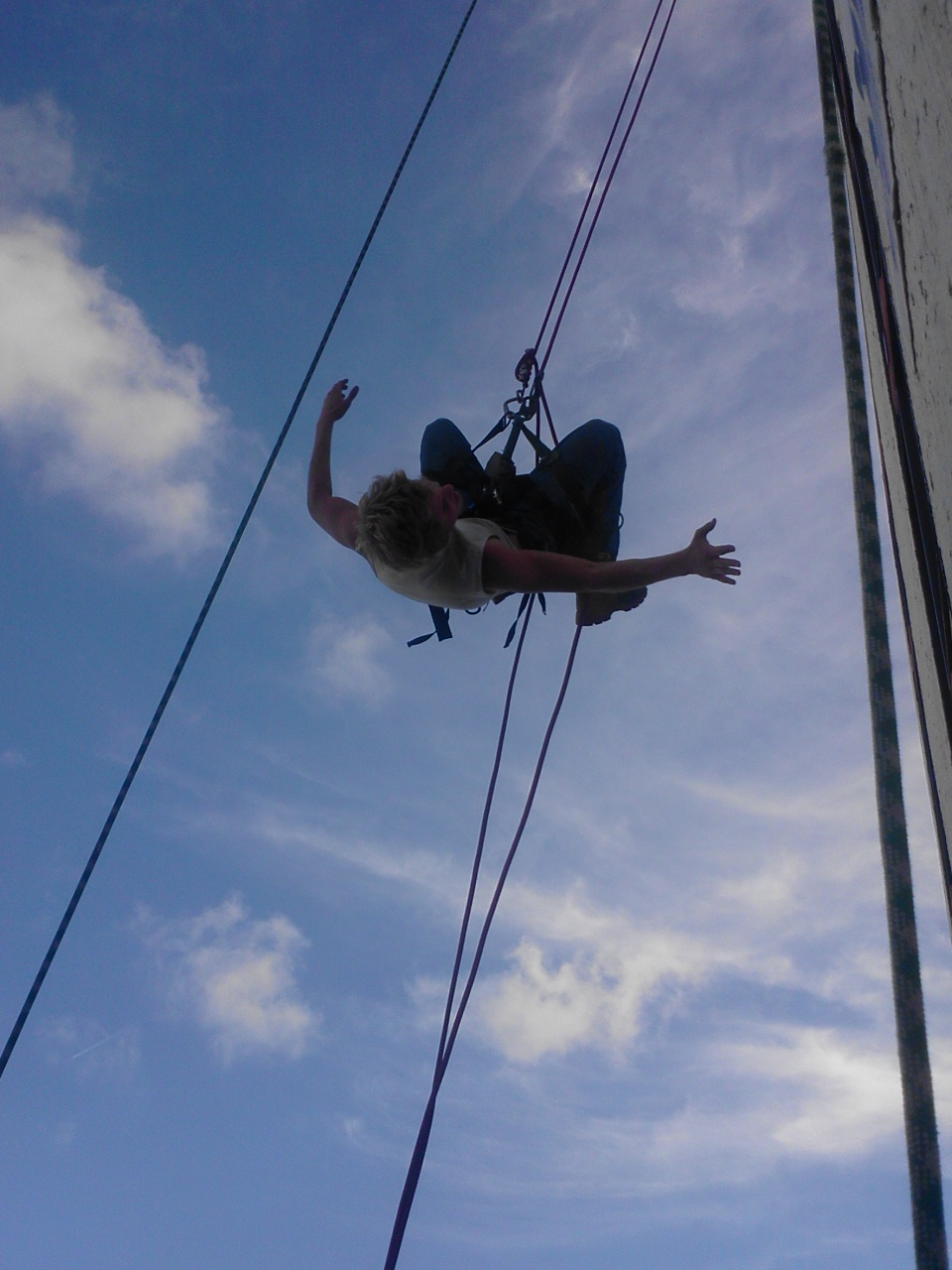
The technique now used on a great many buildings – descending on a working rope with an independent backup rope and a separate fall arrest device – came out of caving and mountaineering rather than out of the building trades, and spread into industrial use from the late 1970s onward.
It is faster to set up than a cradle, reaches places a platform cannot, and is built around redundancy: two independent systems, either of which will hold the person alone. Its safety record in professional use is very good, which is largely a function of the qualification regime around it being unusually rigorous. It is the clearest case in this series of a safer method arriving from outside the industry entirely.
14. Cleaning Itself Changed as Much as the Access Did
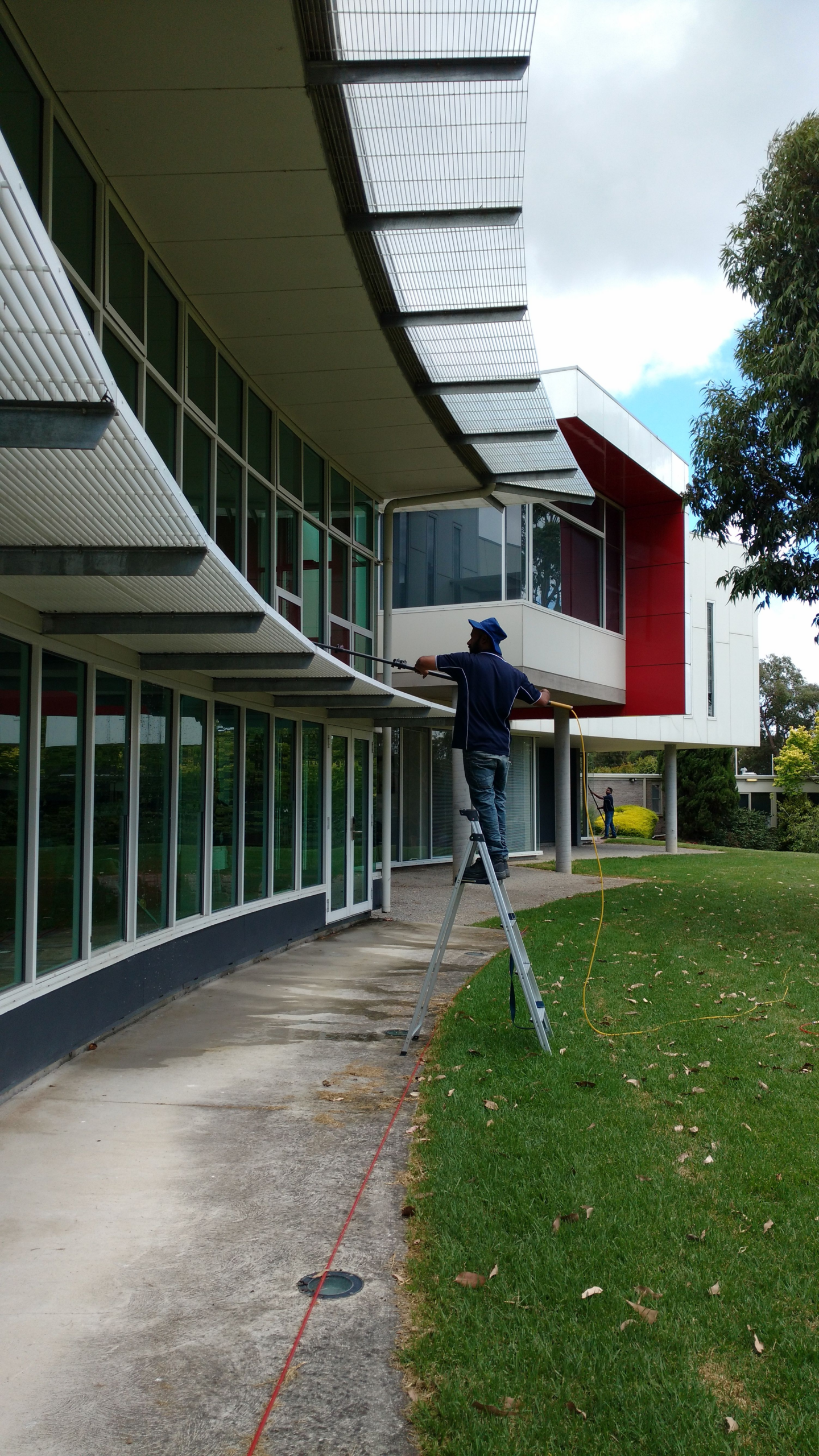
The work was done with a bucket, a soaped applicator and a rubber squeegee, drawn across the glass in a pattern and finished at the edges with a cloth – a genuine manual skill with a recognisable style.
Pure water fed through a telescopic pole from the ground now cleans a substantial proportion of what used to require access, because deionised water dries without leaving a residue and so needs no squeegee and no drying. It reaches several storeys and has removed an enormous amount of work at height entirely – which, as with the crop duster and the remote-controlled locomotive, is the safest possible outcome: not protecting the person better, but not sending them up.
15. The Windows Themselves Stopped Needing So Much
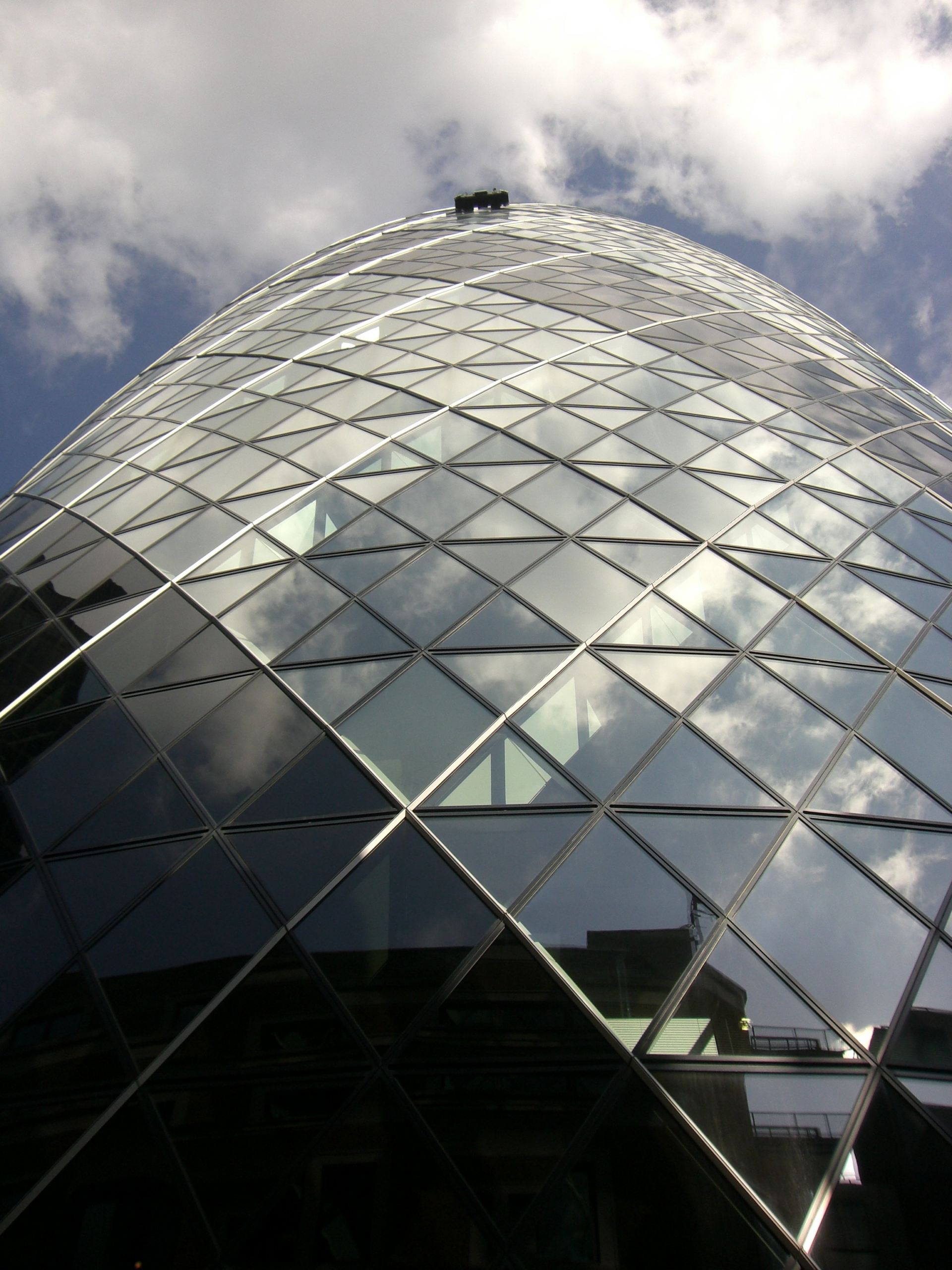
Buildings in 1960 were single-glazed, opened, and were cleaned on both faces by hand, in cities with far more airborne soot than now.
Sealed units, self-cleaning coatings that break down organic deposits in sunlight and sheet water off rather than letting it bead, better urban air quality, and facades designed with fewer horizontal surfaces to collect dirt have between them reduced both the frequency and the difficulty. The job has not disappeared and will not, because glass gets dirty, but the thing that made it lethal – having to get a person out there in the first place – is being designed away a building at a time.
The Pattern That Keeps Repeating
This trade reformed in the same three stages as almost every dangerous job in this series, and the stages are worth naming because they are the same every time.
First the equipment improved. The leather belt became a harness, natural fibre became synthetic with a published breaking strength, the hand-hauled plank became a powered platform with independent suspension and an overspeed brake.
Then the system around the equipment improved, which mattered more. Anchors became engineered, certified and load tested on a register. Inspection moved from the man’s own eye to a scheduled check by somebody else with a record. Wind limits became numbers rather than judgements. The decision about whether to go out stopped belonging to the person who lost money by not going.
And then, last and most effectively, the work was designed away. A pole fed with pure water from the pavement cleans several storeys with nobody leaving the ground. A building maintenance unit on a roof track does the rest. Facade access is drawn into the building before it is built rather than improvised afterwards.
That third stage is the one that actually moves the figures, and it is the same stage that produced the unmanned crop sprayer and the remotely operated vehicle on an oil rig. Protecting somebody at the top of a building is a hard problem. Not needing them up there is a solved one.
People who did this work describe it the same way, which is that they thought nothing of it at the time.
Did you know somebody who did it, and which building was it?
Like our content? Follow us for more.
