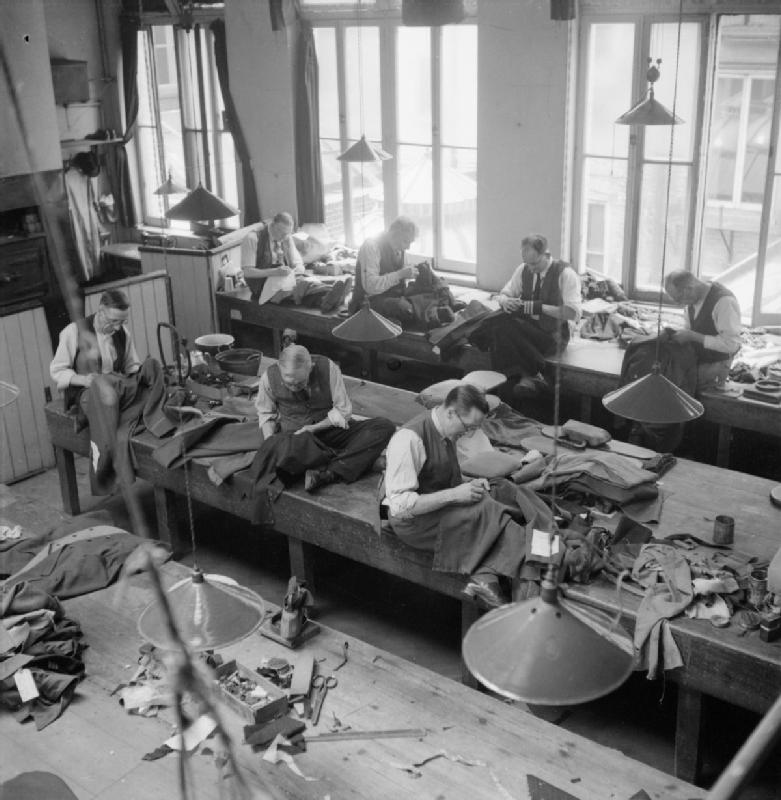
In 1960 a suit from a tailor took six weeks and three fittings. A cutter read the customer’s body, drafted a paper pattern for that person alone, and cut the cloth. Tailors in the workroom sewed the canvas into the chest by hand with thousands of small stitches, and shaped the wool with flat irons heated on a stove.
The pattern was then kept on a rack with the customer’s name on it, and amended for the rest of his life.
Here are fifteen things the bespoke tailor did in 1960, and what each one became.
1. A Suit Took Three Fittings and Six Weeks
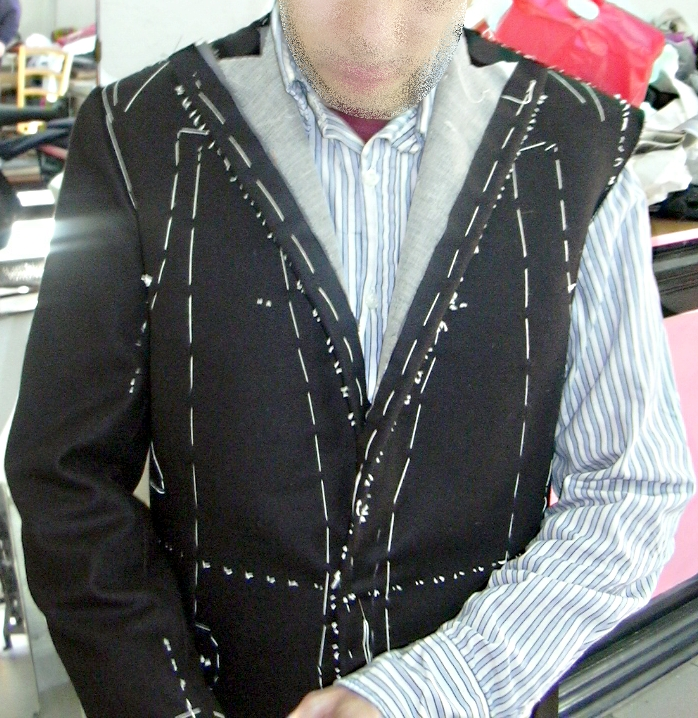
An order began with measurements and a cloth choice, after which a pattern was cut specifically for that customer, the garment was basted together in white thread, and the customer returned to be fitted in a half-made suit that was then taken apart and re-cut. That happened two or three times.
The process survives essentially unchanged at the top of the trade and has disappeared everywhere else. What replaced it is made-to-measure – a standard block adjusted to measurements and made in a factory – and off-the-peg, which is cut to population averages. The three-fitting sequence exists because a human body is not symmetrical and cannot be described by measurements alone, which is still true and is now accepted as a cost of doing business rather than a problem to solve.
Like our content? Follow us for more.
2. The Cutter Was the Senior Figure and Never Sewed Anything
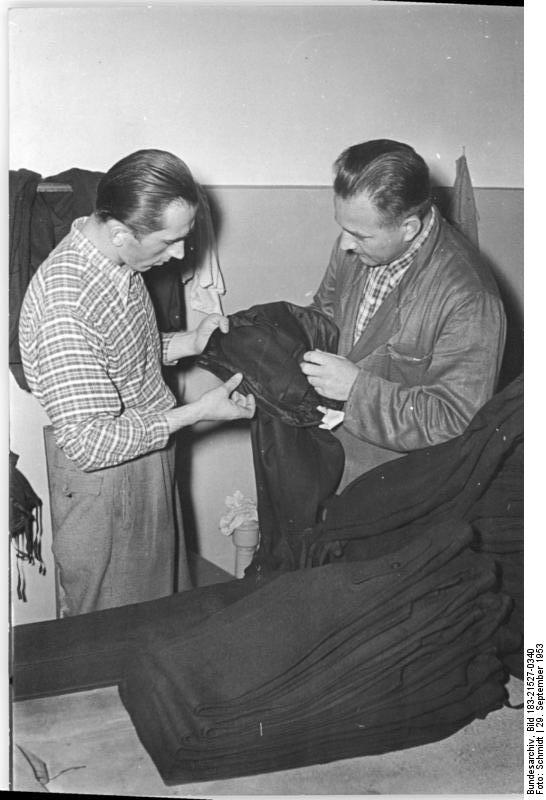
The cutter took the measurements, read the body, drafted the pattern and cut the cloth, and then handed the pieces to tailors who made them up. He was the one the customer dealt with, he carried the responsibility for the fit, and he did not make garments.
The division persists in traditional houses and the cutter remains the senior role. What has largely gone is the scale of the workroom below him – a shop that once supported a dozen tailors making up for one or two cutters now frequently sends work out to specialist makers, some of them working from home, which is how most bespoke tailoring is actually produced.
3. Everything Was Sewn by Hand Where It Mattered
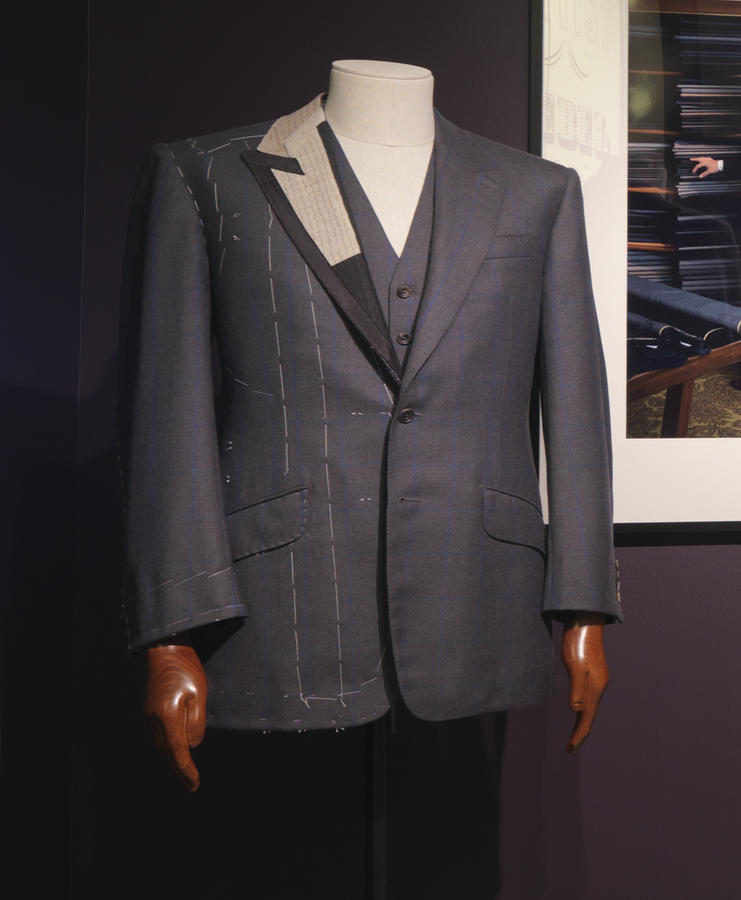
The canvas interlining that gives a jacket its shape was attached by thousands of small pad stitches worked by hand, the lapel was rolled by hand, the collar was set by hand, and the buttonholes were cut and stitched by hand.
This is the dividing line in the trade and it still is. Fusible interlining – a canvas bonded to the cloth with adhesive under heat – was introduced in the 1960s and made a jacket enormously faster and cheaper to produce. It also makes a flatter garment that can bubble with age and cleaning. Hand-padded canvas survives at the top and fused construction took the rest of the market, and essentially every argument about suit quality is really an argument about that one operation.
4. The Workroom Sat Cross-Legged on a Board
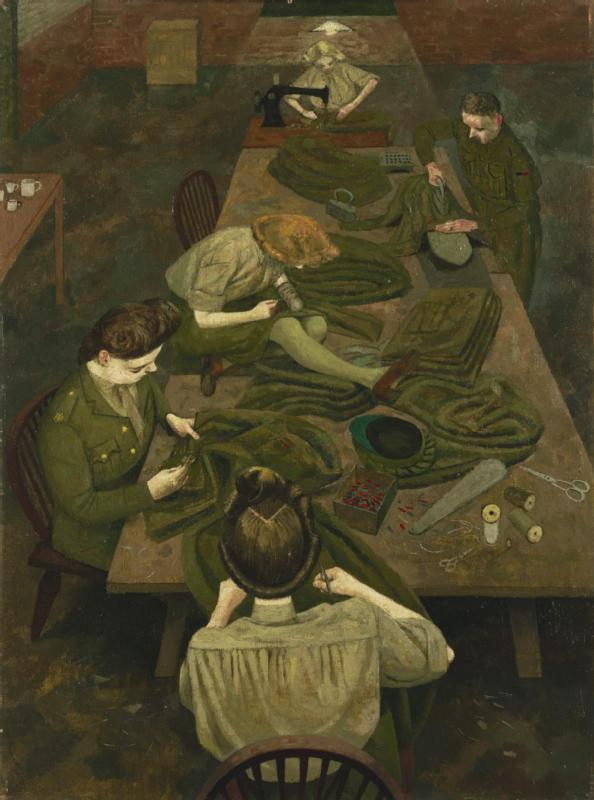
Tailors traditionally worked sitting cross-legged on a raised board or table with the garment in their lap, which puts the work at the right height and keeps it supported without a frame. It is where the phrase about sitting like a tailor comes from.
Benches and chairs replaced the board in most workrooms over the twentieth century, and the posture is now rare. The reasons are the obvious ones – a lifetime cross-legged on a board does identifiable damage to hips and knees – and the practical one that machines need a seated operator at a table.
5. The Apprenticeship Was Years and Started With Sweeping
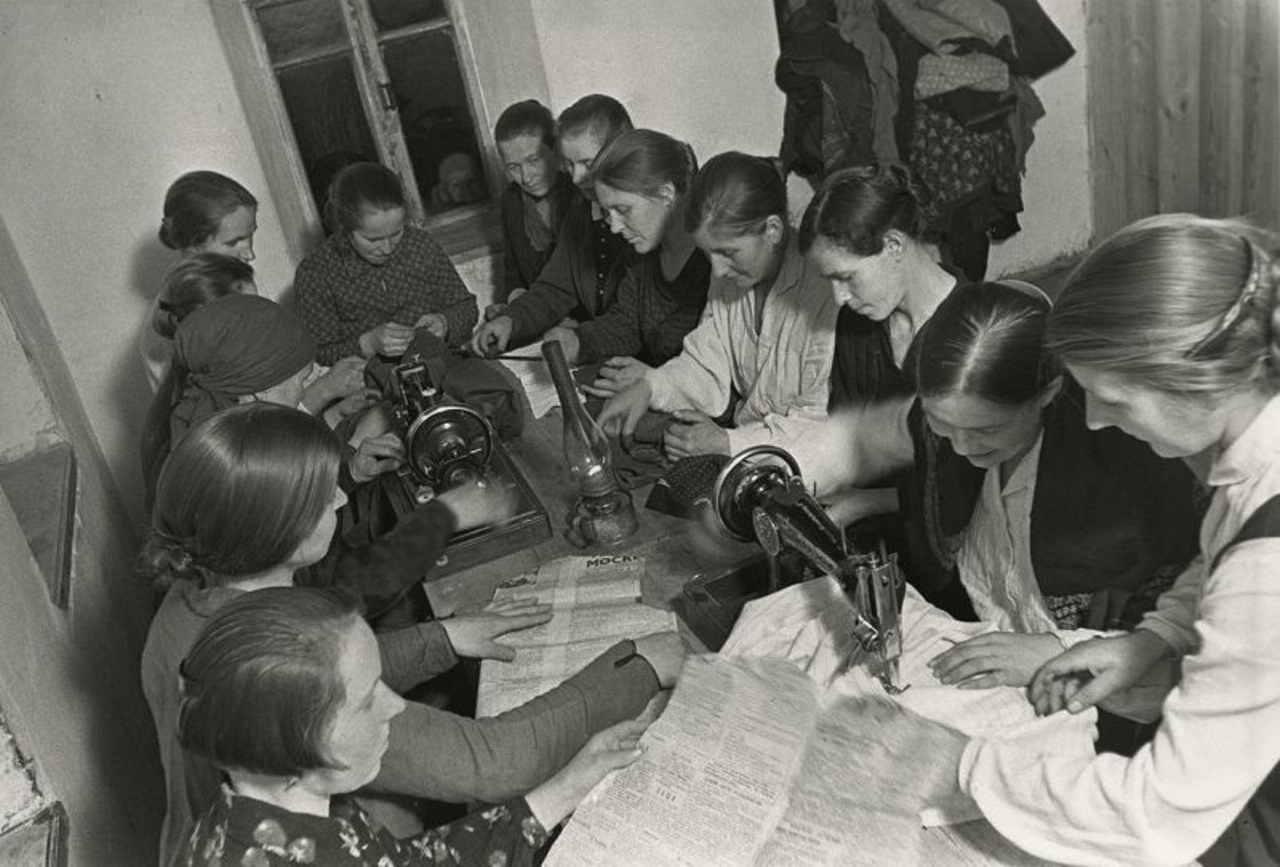
A boy entered a workroom in his teens and spent the first period doing nothing skilled – fetching, pressing, picking up pins, unpicking basting – before being given any part of a garment, and then progressed through sleeves and pockets over years before being trusted with a forepart.
Formal training schemes, college courses and structured apprenticeships now exist and are heavily oversubscribed, which is a reversal: the trade spent decades unable to attract entrants and now has more applicants than places. The old route through the workroom produced extremely skilled people slowly and excluded anybody without the connection to get in.
6. Pressing Was Half the Craft and Done With Irons Heated on a Stove
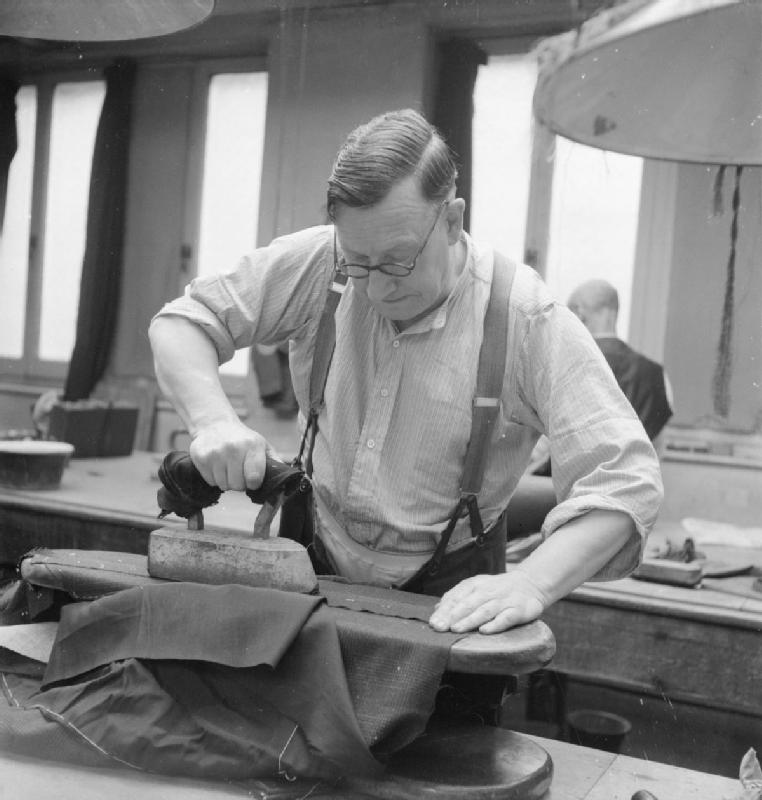
Shaping cloth with heat, steam and pressure – pressing a curve into a flat piece of wool so it follows a shoulder – is a substantial part of what makes a tailored garment fit, and it was done with heavy flat irons heated on a stove, used with a damp cloth.
Steam irons, vacuum pressing tables that pull moisture through the cloth, and steam presses transformed the speed and consistency. The skill is unchanged and is still underestimated by customers, who assume a garment fits because of how it was cut. A great deal of the shape is pressed in, and it is the part that cannot be seen in a photograph.
7. Cloth Came From Mills in the Same Country and the Books Were Enormous
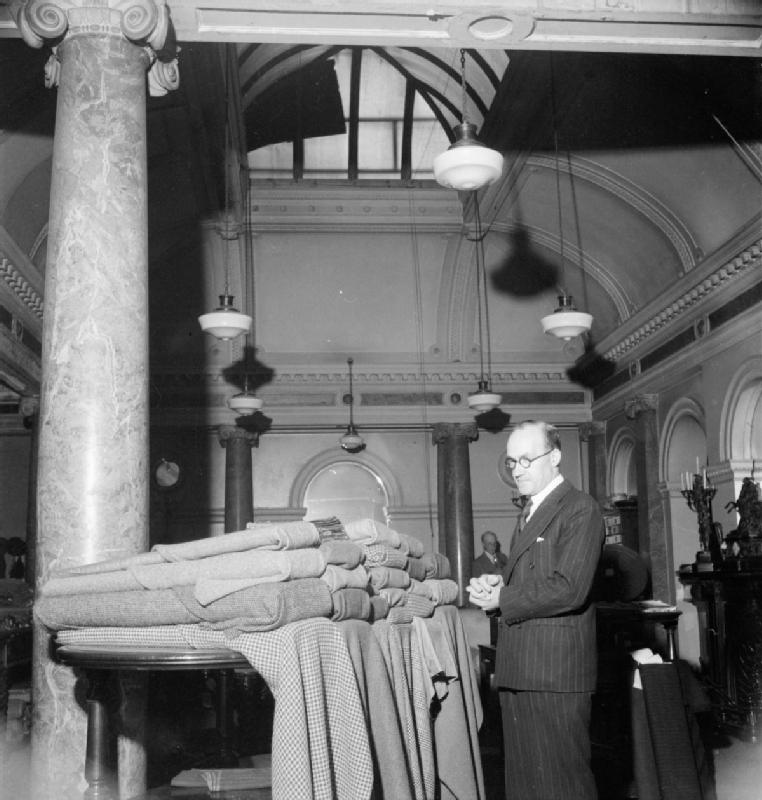
Pattern books of woollen cloth arrived from domestic mills, and a customer chose from physical swatches with the weight, the weave and the handle in front of them. Cloth weights were considerably heavier than now.
Weights have fallen substantially, because buildings are heated, people travel by car, and nobody wants a winter-weight coating suit. Lighter cloth is more comfortable and is also harder to tailor well, because heavy wool is forgiving and holds a pressed shape while light cloth shows every fault. Domestic milling contracted enormously in most traditional producing countries, and the surviving mills supply a global trade.
8. Every Customer Had a Pattern Kept on a Rack for Decades
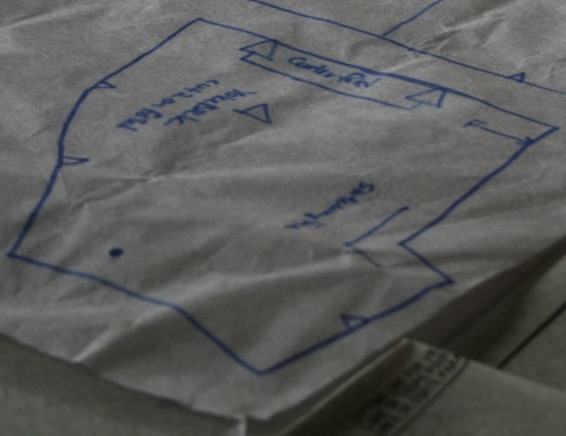
The paper pattern cut for a customer was kept, labelled with their name, and used for every subsequent order, amended as their body changed. A shop held thousands of them, and a customer’s pattern was effectively a record of their life.
Patterns are still kept and the practice is unchanged at traditional houses, which is why a customer can order a suit after ten years without a full remeasure. Digital scanning and stored measurements do the same thing in made-to-measure, with the difference that the paper pattern records the cutter’s judgement about the body, not just its dimensions – which is the part the scan does not capture.
9. The Shop Dressed Entire Families and Entire Professions
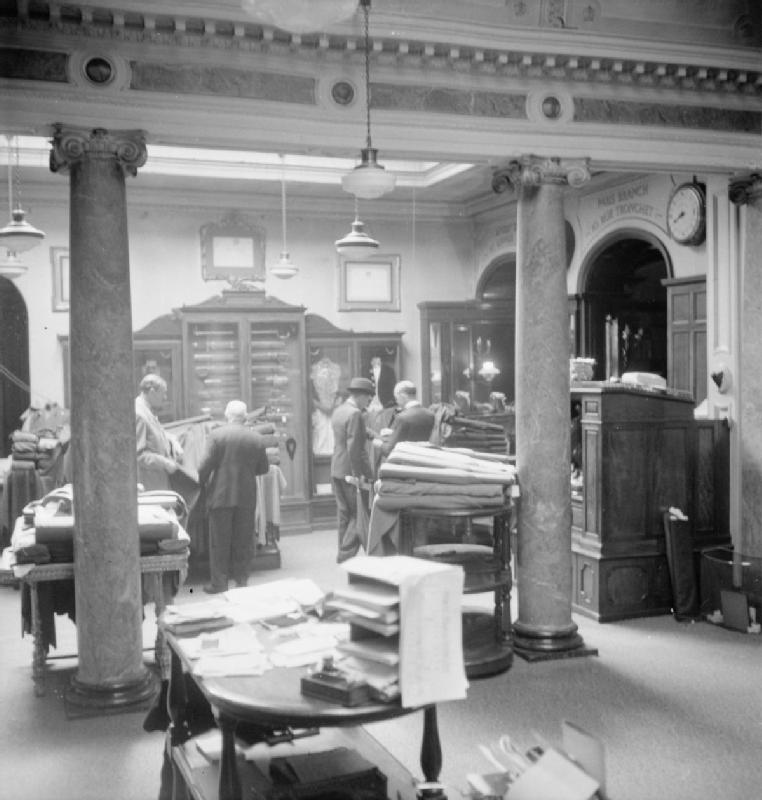
A tailor’s customers came from a defined world – a profession, a regiment, a trade, a town – and the shop knew what each of them wore. Clothing signalled occupation and status precisely, and getting it wrong was a visible error.
The collapse of formal dress codes over the following decades removed most of that. The suit went from daily uniform to occasional wear, business dress relaxed in stages and then dramatically, and the customer base for tailoring narrowed to a much smaller group buying for far fewer occasions. This is the single biggest change and it has nothing to do with how garments are made.
10. Alterations and Repairs Were Expected to Last a Lifetime
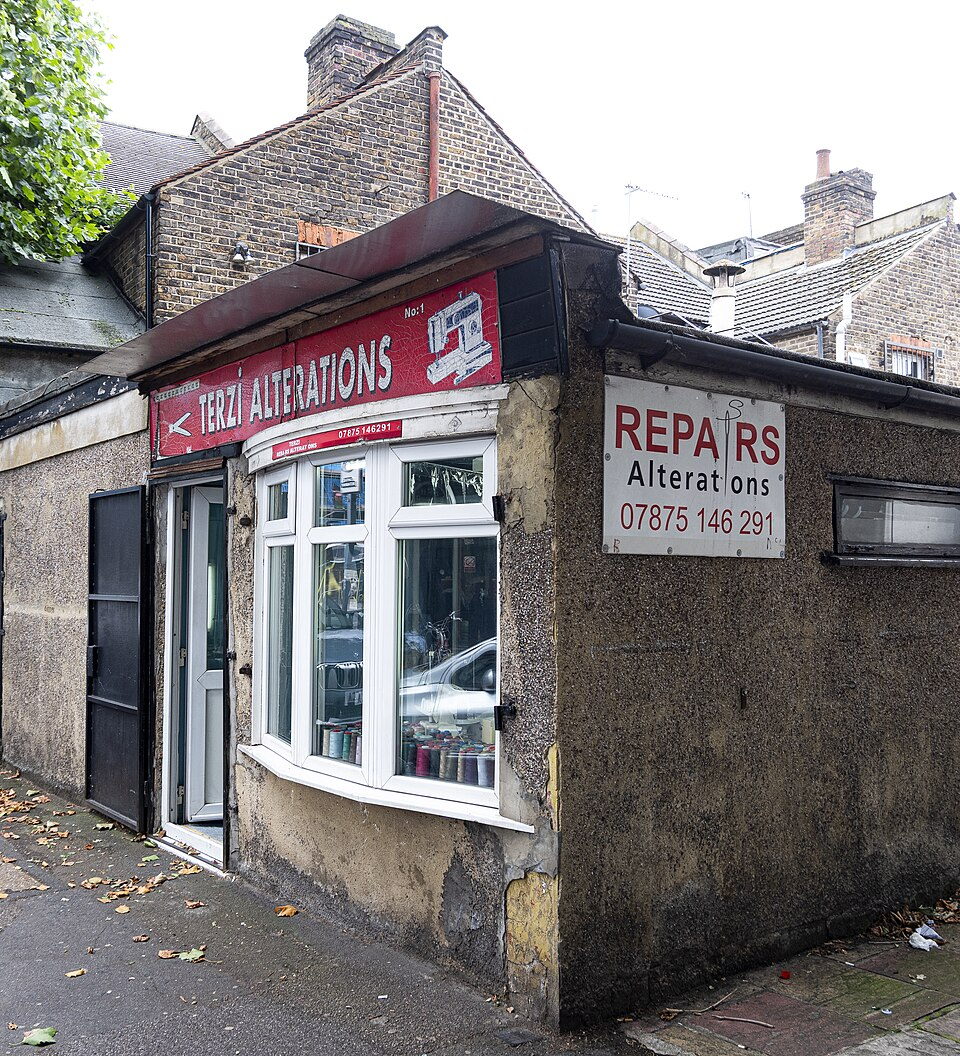
Garments were made with substantial inlays – extra cloth left in the seams – specifically so they could be let out or taken in as the wearer’s body changed over twenty or thirty years. A suit was altered, relined, re-collared and turned rather than replaced.
Inlays survive in bespoke and are one of the real arguments for it. Mass-produced garments are cut with minimal seam allowance because cloth is the main cost, which makes meaningful alteration impossible – a factory suit cannot be let out because there is nothing there to let out. The repair trade that supported the old arrangement has contracted accordingly.
11. Women Did the Finishing and Were Not Called Tailors
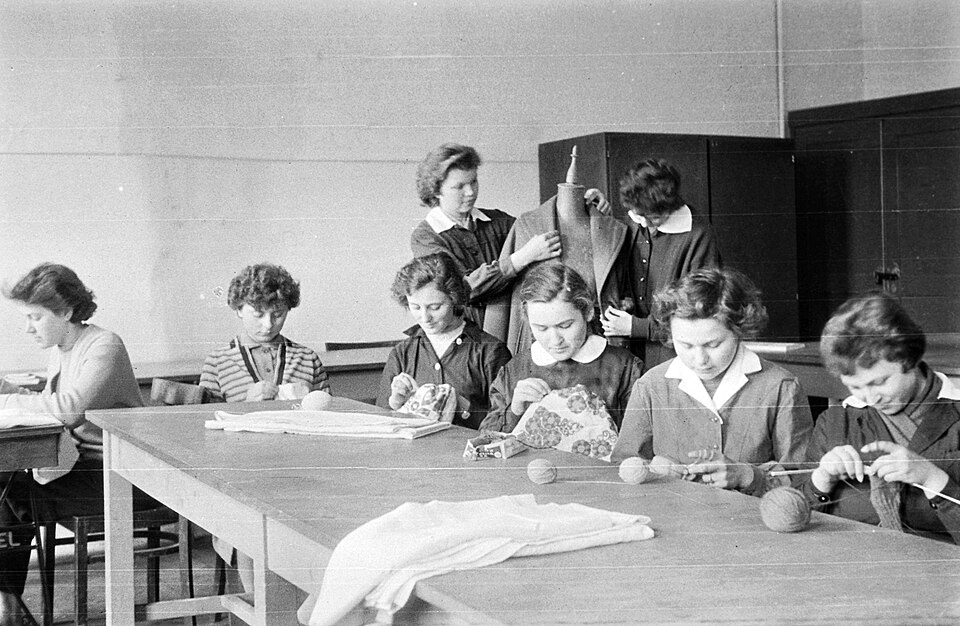
Workrooms were divided by sex and by task. Men cut and made coats; women did a great deal of the finishing, the buttonholes, the felling and the trouser work, frequently at lower rates and frequently at home as outworkers paid by the piece.
The formal division has gone and women work at every level of the trade including as cutters and as heads of house. Outworking paid by the piece has not gone and remains a significant part of how bespoke garments are actually produced, which is a subject the trade discusses less than it might.
12. Chalk, Shears and a Thimble Were the Whole Toolkit
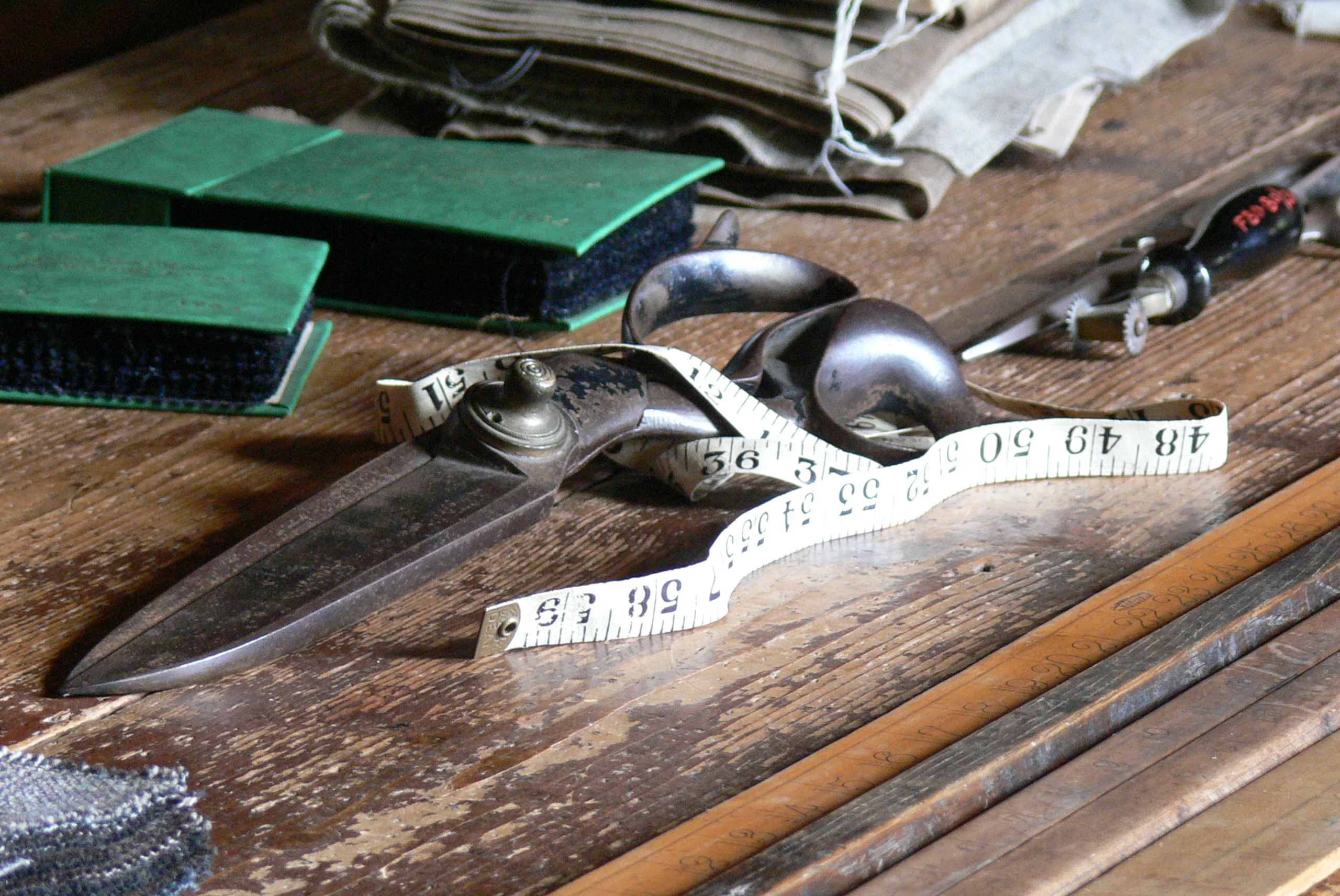
The tools were few and personal. Tailor’s chalk for marking, long shears used flat on the table rather than lifted, a thimble worn on the middle finger, a needle, a stick of beeswax to run the thread through, a tape measure round the neck, and a sleeve board and ham for pressing shapes.
The toolkit is essentially identical today, which puts tailoring with piano tuning as one of the only trades in this series whose equipment was not replaced. Sewing machines took over the long straight seams that do not need to be shaped, and everything that requires judgement is still done with the same six objects. A tailor’s shears are sharpened rather than replaced and frequently outlast the person using them.
13. The Shop Was Open to the Street and the Workroom Was Upstairs
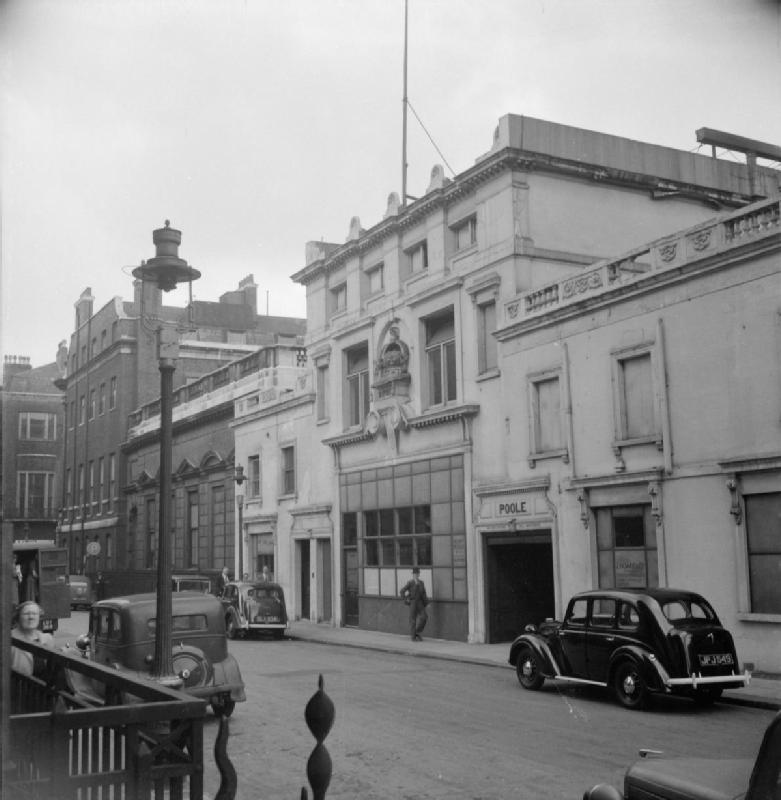
The front was a fitting room with cloth books and a mirror; the workroom was above it or behind it, and a customer could hear the work going on. The two were physically connected and the people in both knew each other.
Rents in the districts where tailoring clustered rose enormously, and a great many shops gave up the workroom and kept only the front, sending the making out. That separation is the quiet structural change in the trade – the shop a customer visits may have no tailors in it at all, and the garment may be made several miles or several countries away by somebody the customer will never meet.
14. Nobody Expected Men to Stop Wearing Suits
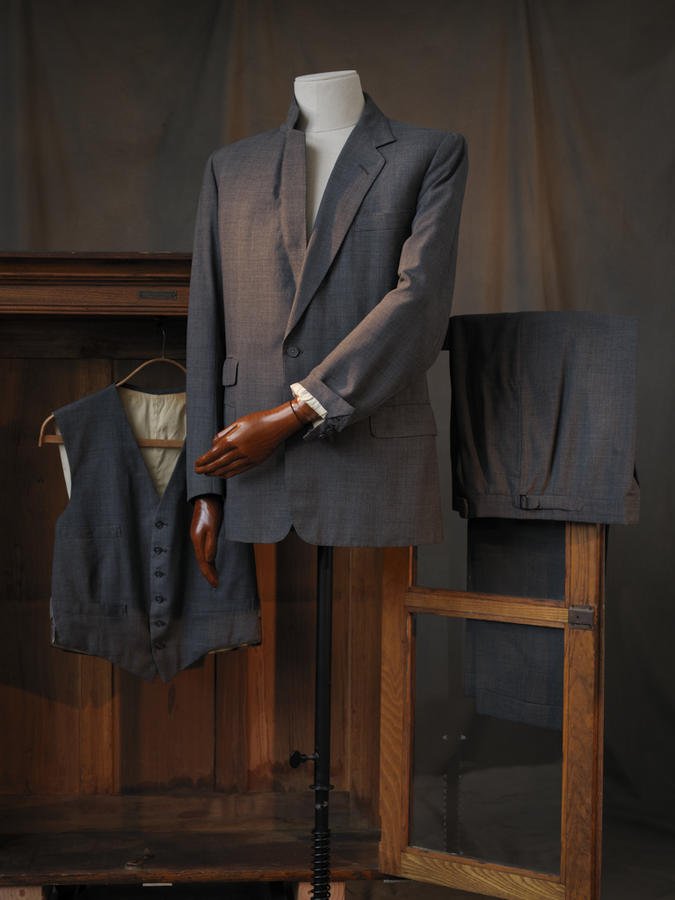
In 1960 a suit was what an adult man wore to work, to church, to a funeral and to town. The trade’s assumption was a continuing universal market with a replacement cycle.
Formal dress declined over sixty years in stages that each looked minor – the jacket off in the office, the tie abandoned, the odd jacket replacing the suit, and then the comprehensive shift to casual dress in most workplaces. The trade contracted hard, then stabilised as a luxury and occasion business, and has lately found a new and younger customer buying for interest rather than obligation. It is a much smaller trade than it was and, unlike most of the subjects in this series, it is not currently shrinking.
15. The Thing It Sold Was Fit, and That Has Not Changed
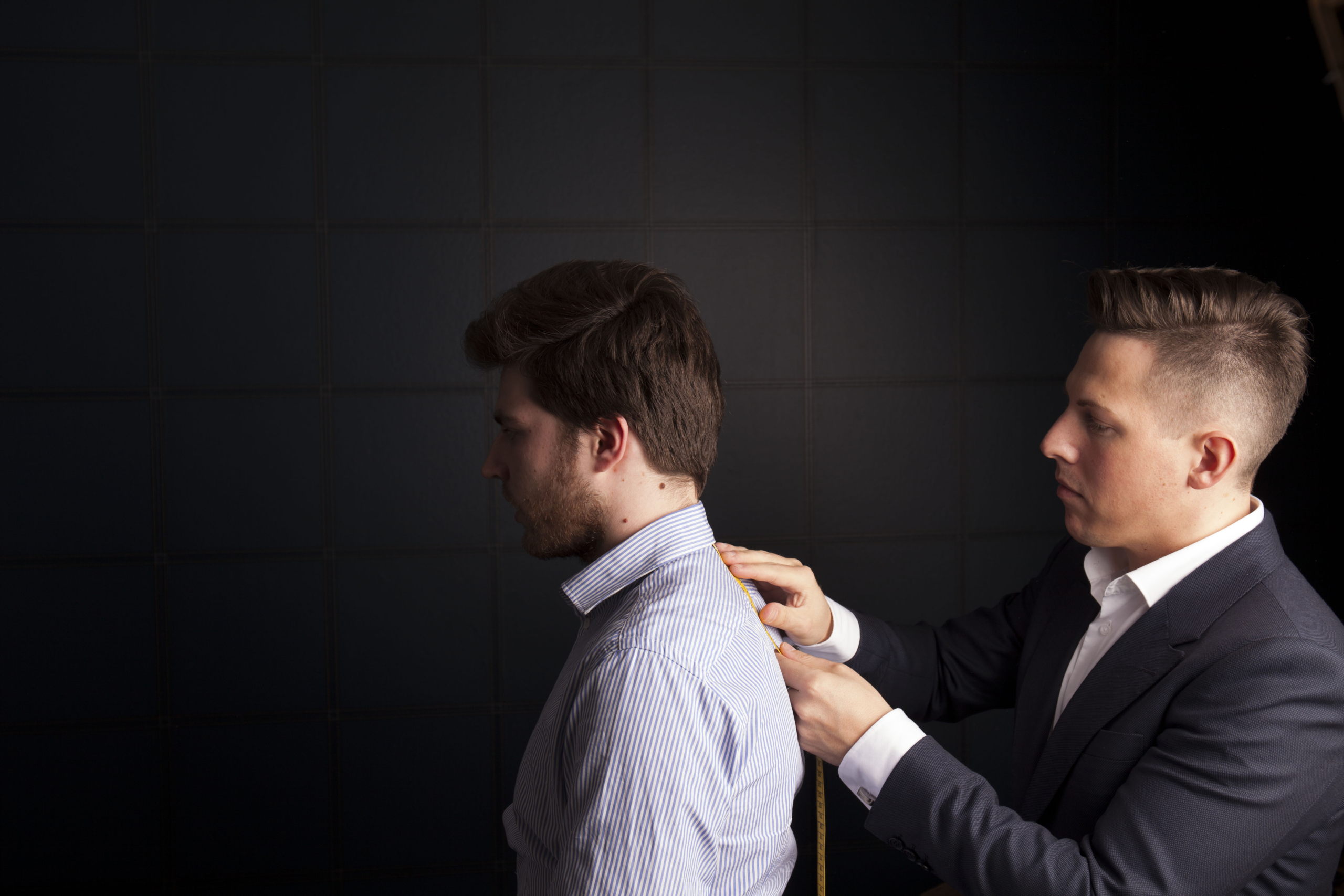
Everything in a bespoke shop exists to solve one problem: a body is asymmetric, three-dimensional, and moves, and cloth is flat. The fittings, the pattern, the canvas, the pressing and the inlays are all answers to that.
Which is why the trade survived when almost every craft in this series did not. The problem was never automated away, because it is not a manufacturing problem – it is a problem about one specific body. Factories got extremely good at making garments for the average, and the whole value of the alternative is that it is for somebody who is not the average, which includes almost everybody to some degree.
Why This Craft Survived When Others Did Not
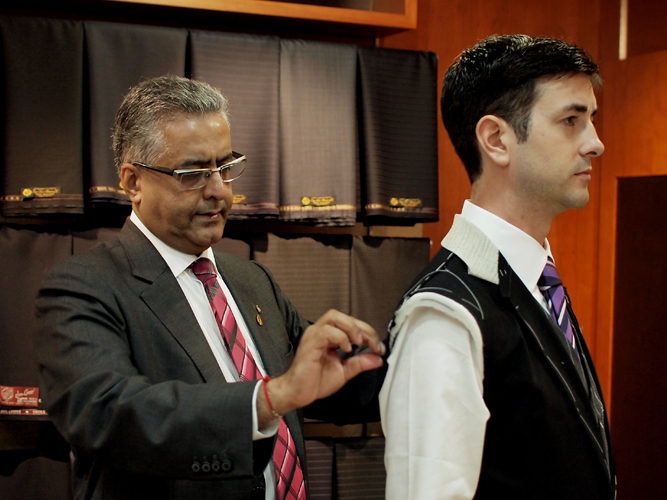
Almost every trade in this series was removed by a machine that did the job faster. Tailoring was not, and the reason is specific.
The thing being sold is not a garment. It is a solution to the shape of one person – a body that is higher on one shoulder than the other, that stands with a slight forward pitch, that has a fuller blade on one side, and that does none of this symmetrically. A pattern cut for that body, fitted twice in white basting thread and re-cut each time, is the only method anybody has found that deals with it.
A factory can make an extremely good garment for the average body at a fraction of the cost, and for a large number of people that is enough. What a factory cannot do is cut for somebody who is not the average, because the entire economic advantage of a factory is that it does not stop to look at anybody.
So the trade contracted to the customers for whom the difference is worth the money, and then stabilised there. It is far smaller than it was, it lost the daily-wear market completely when men stopped wearing suits, and the thing it does has not changed in any important respect since before 1960.
That is a rare ending for one of these lists, and the reason is that the problem it solves is not an industrial problem at all.
If your father or grandfather had a suit made, the shop probably still has his pattern somewhere if it is still trading.
Which tailor, and is the suit still in the family?
Like our content? Follow us for more.