

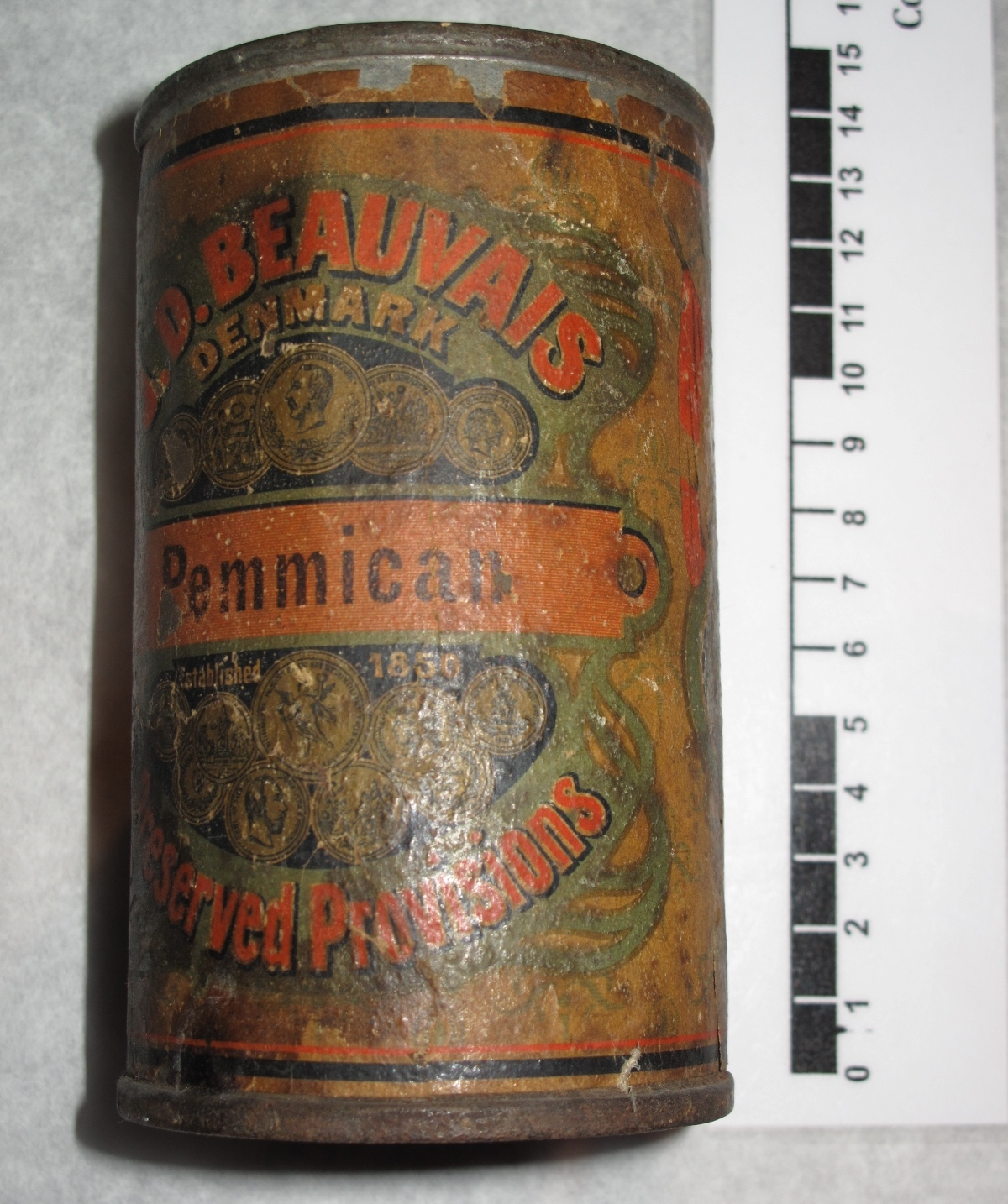
The tin can was patented in 1810. The first practical can opener appeared in the late 1850s. For most of fifty years, people bought food sealed in metal containers that nobody had designed a way of opening.
The instruction printed on early cans was straightforward and is quite something to read now: cut round the top near the outer edge with a chisel and hammer.
The Can Was Invented for an Army, Not a Kitchen

Canning began as a military supply problem. Keeping an army or a navy fed on campaign, away from fresh supply, was the binding constraint on how far and how long a force could operate, and a prize was offered for a method of preserving food.
The answer – sealing food in a container and heating it – was arrived at by Nicolas Appert in France using glass jars, and the metal container followed shortly after in Britain. Nobody at the time understood why it worked; the microbiology explaining it was decades away. It was an empirical discovery that worked reliably before anybody could say what it was doing.
That origin explains the opening problem completely. The customer was the Admiralty and the Army. The cans were enormous – some weighing several kilograms – they were opened by men who had bayonets, knives, chisels and hammers as a matter of course, and nobody was thinking about a domestic kitchen because there was not yet a domestic market.
Like our content? Follow us for more.
The Cans Were Also Extremely Heavy
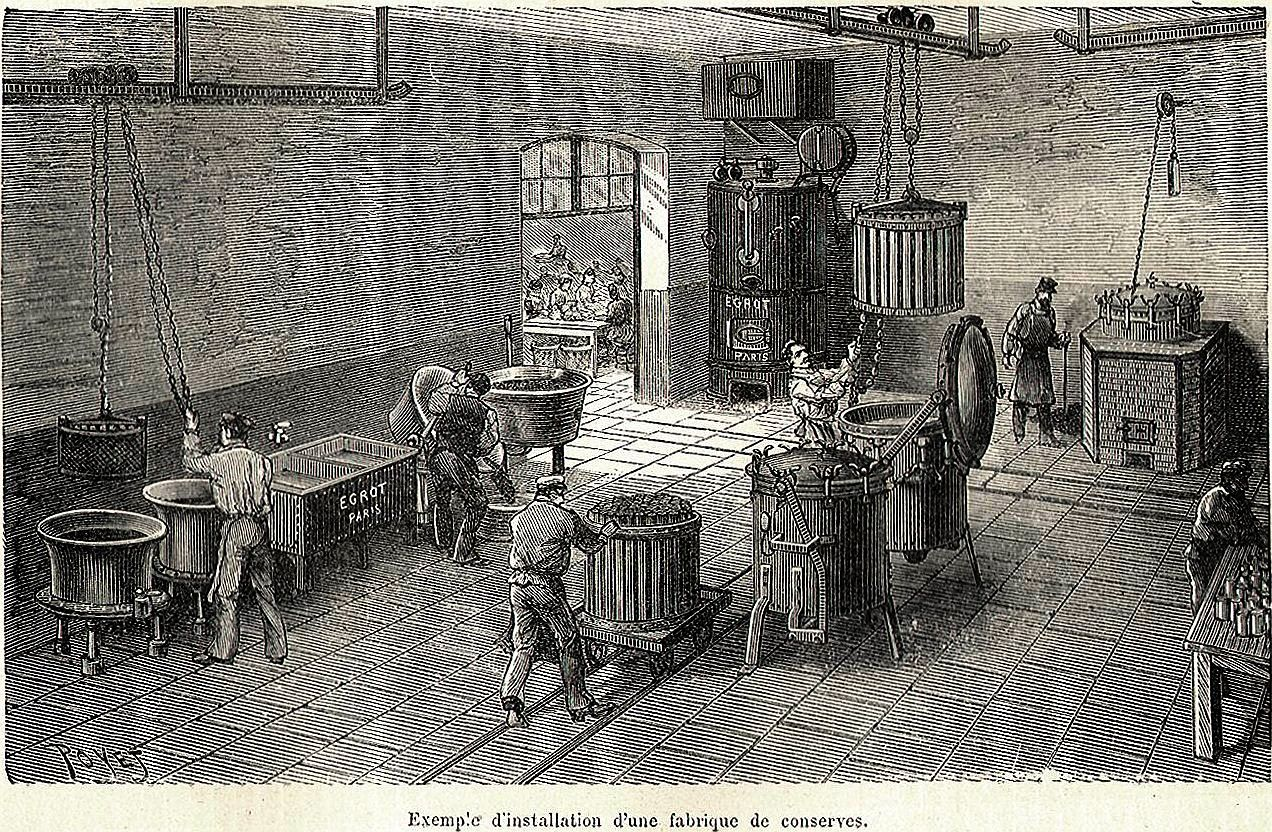
Early cans were made of wrought iron plated with tin, and the walls were thick – substantially thicker than a modern can, heavy enough that the container could weigh more than the food in it.
They had to be, because they were made and sealed by hand. A tinsmith cut, rolled and soldered each can individually, and a skilled worker produced a few dozen in a day. Thick metal was easier to work and more tolerant of an imperfect seam.
So a thing that was thick, soldered, and built to survive a sea voyage is not a thing you open with a twist. The hammer and chisel instruction was not negligence – it was an accurate description of what was required.
What changed was the metal. Thinner steel sheet, rolling mills and machine manufacture through the middle of the century produced a lighter can with a thinner rim, and only then was a cutting tool a realistic proposition.
The First Openers Were Awful
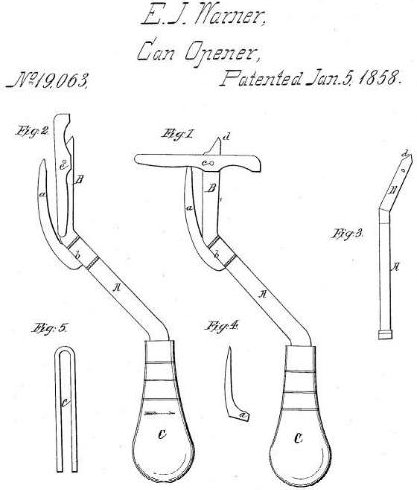
The earliest openers were essentially blades on handles designed to be driven into the lid and levered round, and some were shaped like a bull or other animal – sold with the can rather than with the kitchen, and left in the shop or given away.
They were dangerous. The operator was pushing a blade with force towards their own hand, round a lid that was becoming a circle of torn metal with an edge like a saw. Injuries were common and the resulting lid was genuinely hazardous to handle.
The improvement that mattered came later with the cutting wheel – a hardened disc that rolls round the rim cutting the metal rather than tearing it, guided by a second toothed wheel that grips the rim and drives it round. That is the mechanism in essentially every opener since, manual or electric, and it produces a clean edge rather than a torn one.
It took until the end of the nineteenth century to arrive, which is roughly ninety years after the can.
The Version That Removes the Rim Is Different Again
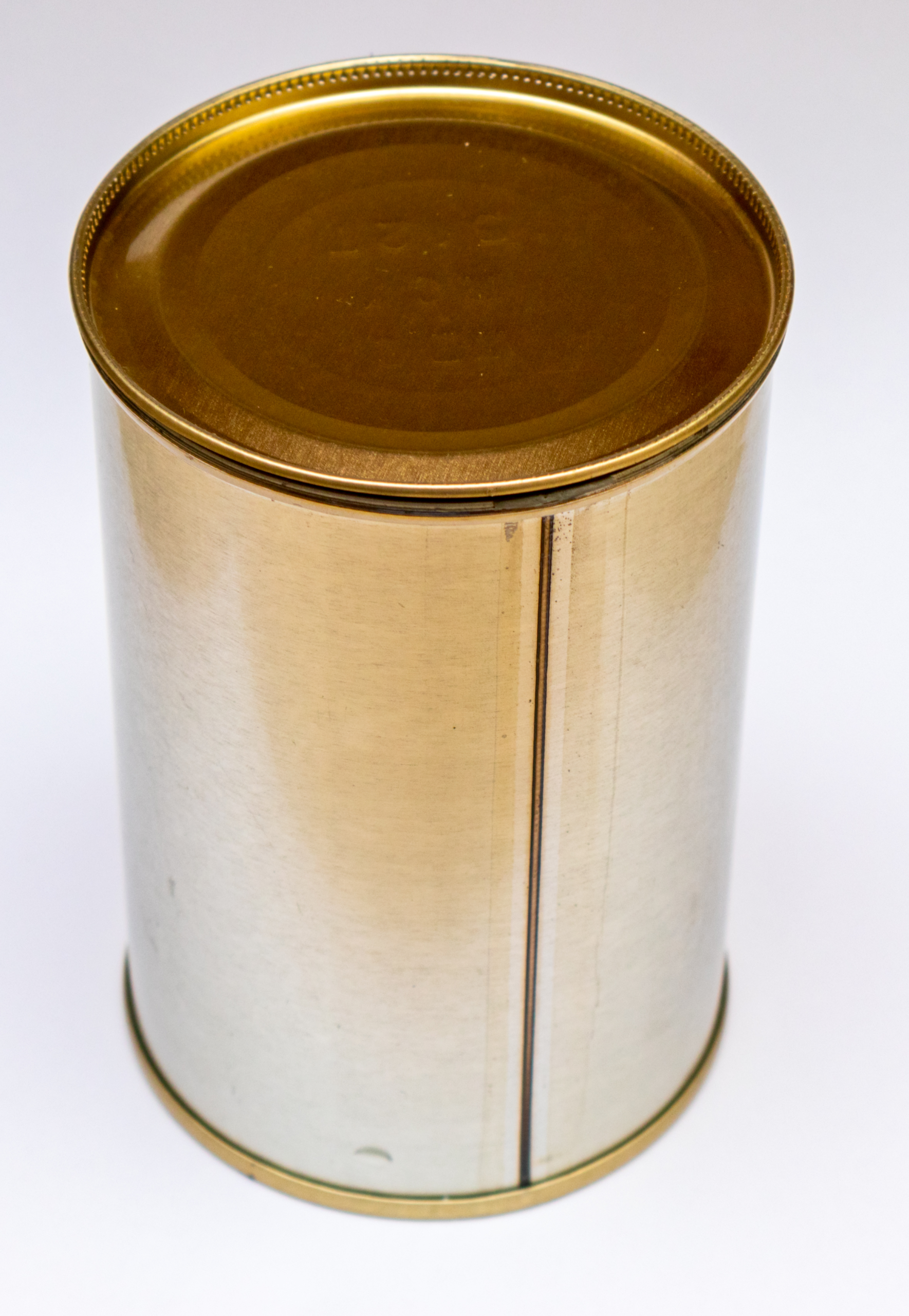
The openers now sold as safety or smooth-edge openers work on a different principle and it is worth knowing what they do, because people frequently assume they are simply better versions of the old design.
A conventional opener cuts through the lid inside the rim, leaving a sharp disc of metal and a sharp cut edge on the can.
A safety opener grips the outside of the rim and cuts through the side seam below it, separating the entire lid with its rim intact. What comes away is a disc with a folded edge rather than a cut one, and the can is left with a rolled edge rather than a sharp one.
It is slower, it does not work on every can, and the lid sits down inside the can rather than lifting off. But nothing produced is sharp, which matters in a household with children and matters a great deal to anybody who has cut themselves on a lid.
The Key and the Ring Took Other Routes
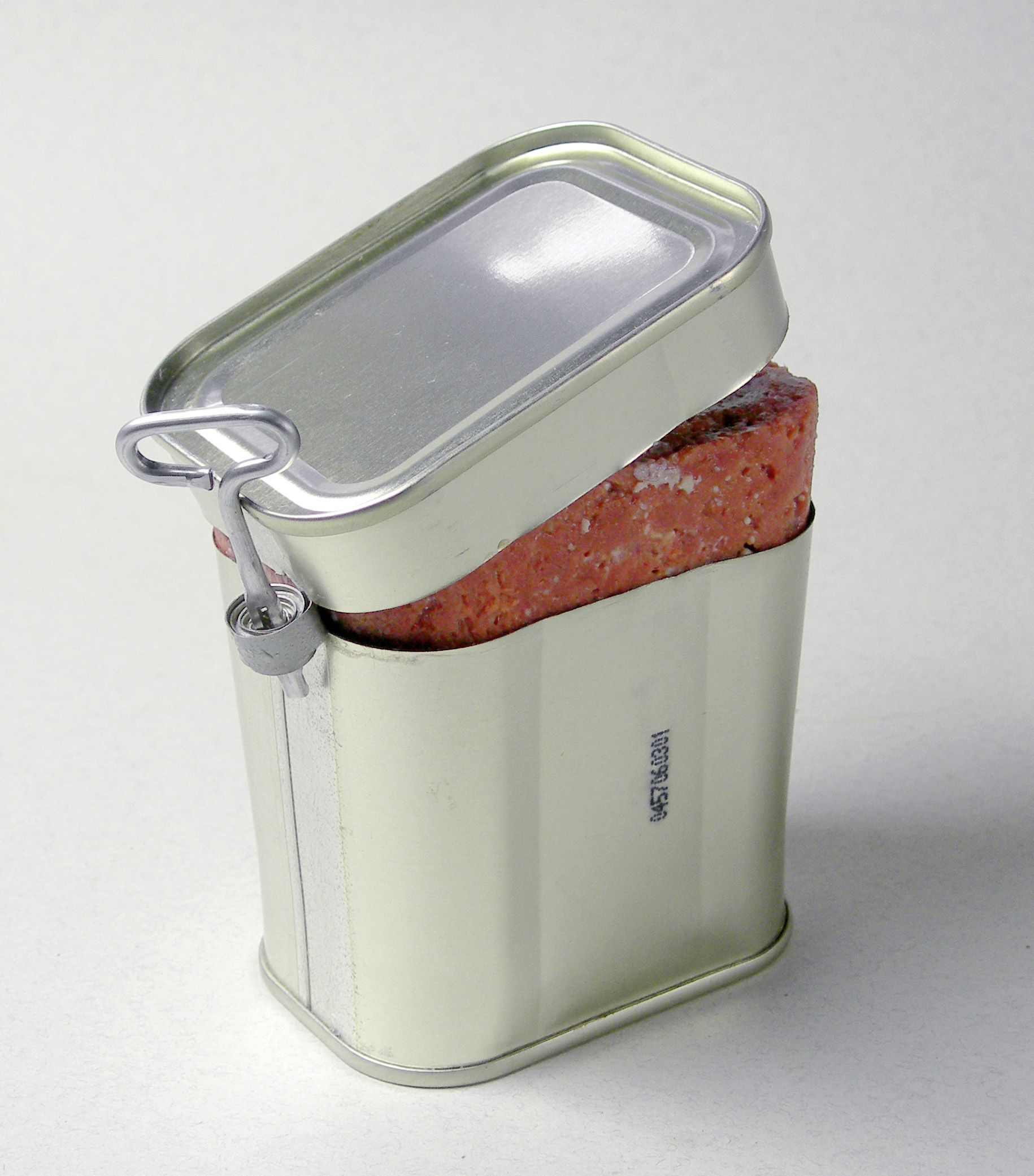
Two other opening systems developed in parallel and both still exist.
The key-and-strip, used on sardine and corned beef tins, works by tearing a pre-scored band of metal out of the can body by winding it onto a key. It is reliable when it works and infuriating when the strip tears, which it does, leaving a half-opened can with a jagged band of metal attached to a key.
The full-aperture easy-open end – a pull ring on a scored lid, like a drinks can but removing the whole top – arrived much later and is now standard on a great many products. It is why a tin of soup frequently needs no opener at all.
Those are the openers winning now. The dedicated tool is slowly becoming unnecessary for everyday groceries and is retained for the cans that still have plain lids, which are increasingly the cheaper and the larger ones.
Nobody Knew Why It Worked for Another Fifty Years
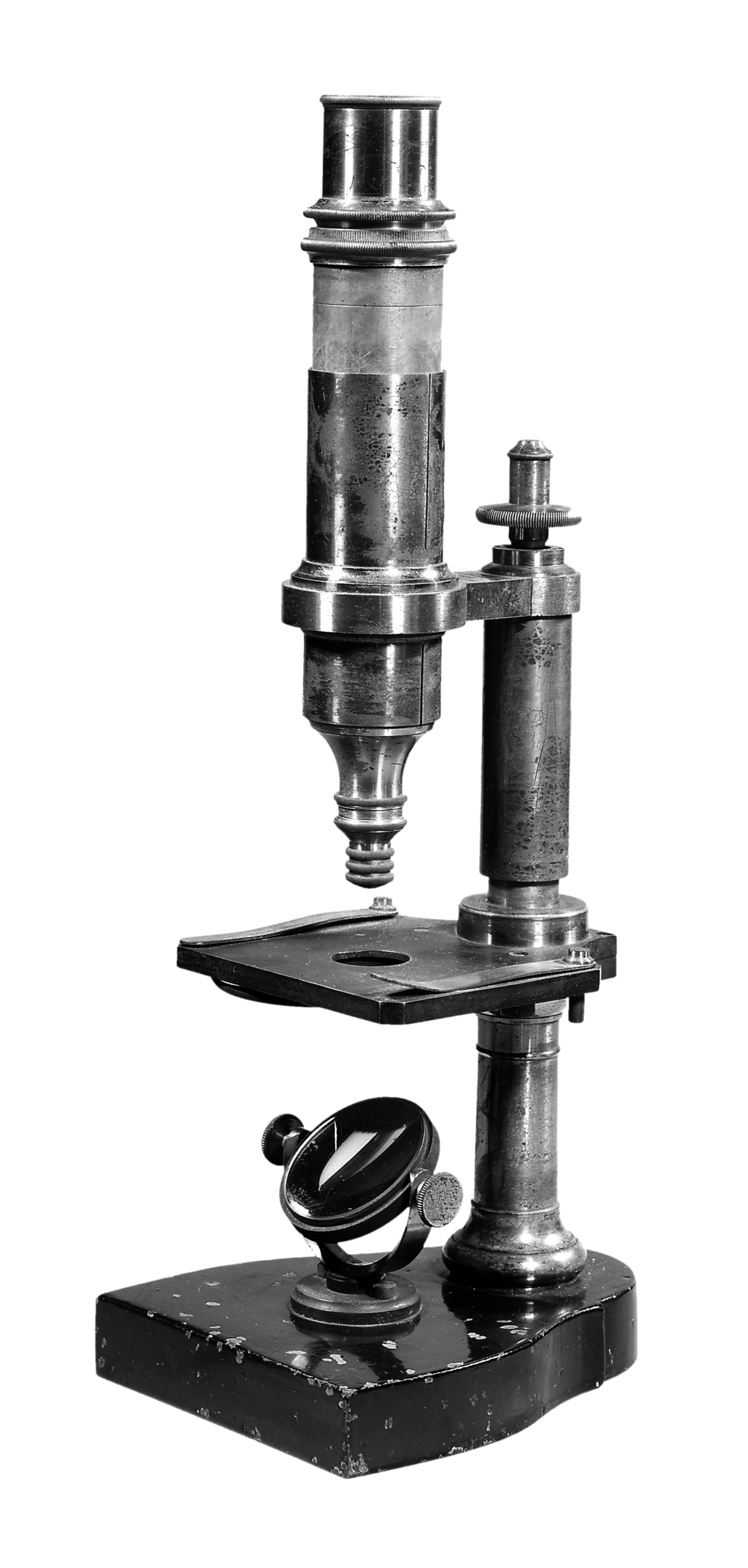
The strangest thing about canning is that it was an industrial process operating at scale for half a century before anybody could explain the principle behind it.
Appert’s method was arrived at by experiment. Food was packed, sealed and heated, and it kept. The prevailing explanation at the time was that excluding air was what preserved it, which is half right for the wrong reason – the sealing matters because it keeps new organisms out, not because air itself spoils food.
The actual mechanism – that spoilage is caused by microorganisms, that heating destroys them, and that a sealed container prevents recontamination – was established by Louis Pasteur in the 1860s, by which time canned food had been feeding armies for two generations.
That sequence is more common in technology than the usual accounts suggest. The steam engine was working long before thermodynamics explained it. Bridges stood before anybody could calculate the forces in them. Vaccination worked before anybody had seen a virus.
The practical consequence for canning was that quality control was guesswork. Without knowing what was being destroyed or what temperature and time were needed, processing was set by trial, and failures were frequent and sometimes dangerous. Once the mechanism was understood, the process could be specified – which is the point at which canning became reliable rather than merely usual.
What Canning Actually Did
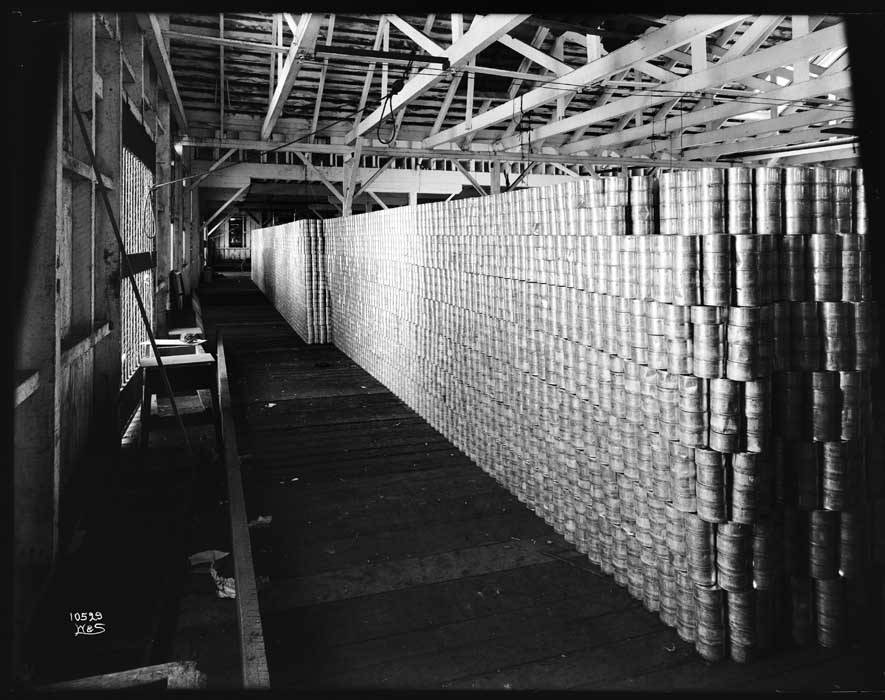
It is easy to treat the can as a minor convenience. It was not.
Canning broke the link between where food was produced and where it could be eaten, and between when it was harvested and when it could be consumed. Before it, a population’s diet was constrained by what could be grown locally, dried, salted or pickled, with everything else seasonal.
The consequences ran through everything. Armies and navies could operate further from supply. Exploration changed. Cities could be fed from much further away. Fruit and vegetables became available out of season to people who had never had them. Nutritional deficiency diseases that followed from monotonous winter diets became less common.
The can also made possible the whole subsequent structure of industrial food – standardised, transportable, storable, labelled, branded and sold at a distance from the producer. Almost every argument anybody has about modern food, good or bad, starts with the container.
Fifty Years Is Not That Unusual
The gap between the can and the can opener is one of the best examples of a pattern that recurs constantly and is almost never noticed: a technology arrives, and the thing that makes it usable by ordinary people arrives much later, because the two are solving different problems for different customers.
The wheel existed for millennia before anybody put one on a suitcase. The telephone was decades old before anybody thought a ringer should be able to be turned off. Portable computers existed well before anybody designed a bag to carry one in.
In each case the first invention is aimed at a user who can cope – an army, a business, an enthusiast – and the second invention is aimed at everybody else, and only becomes worth making once the first one has created a mass market.
So the chisel on the label is not evidence that people in 1820 were careless or stupid. It is evidence that the can was not yet for them. It became for them around the same moment somebody worked out how to open it without a hammer, and those two facts are the same fact.
Like our content? Follow us for more.
