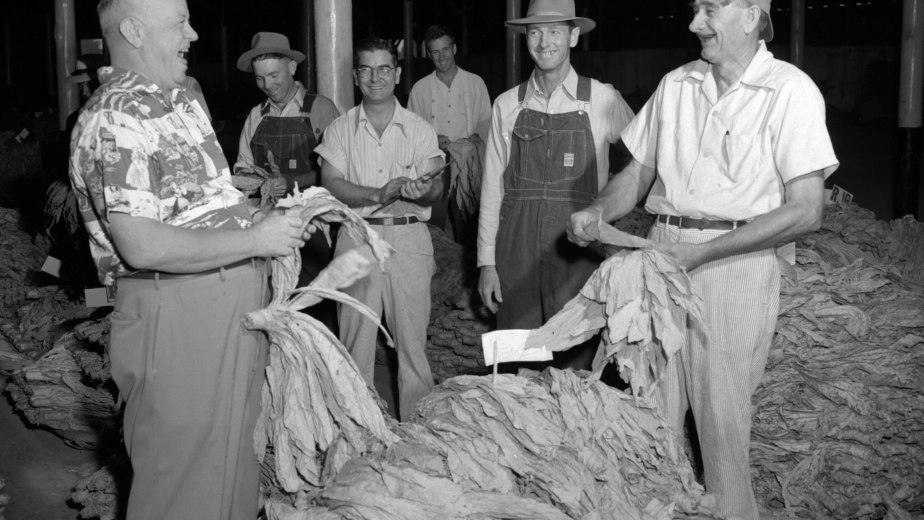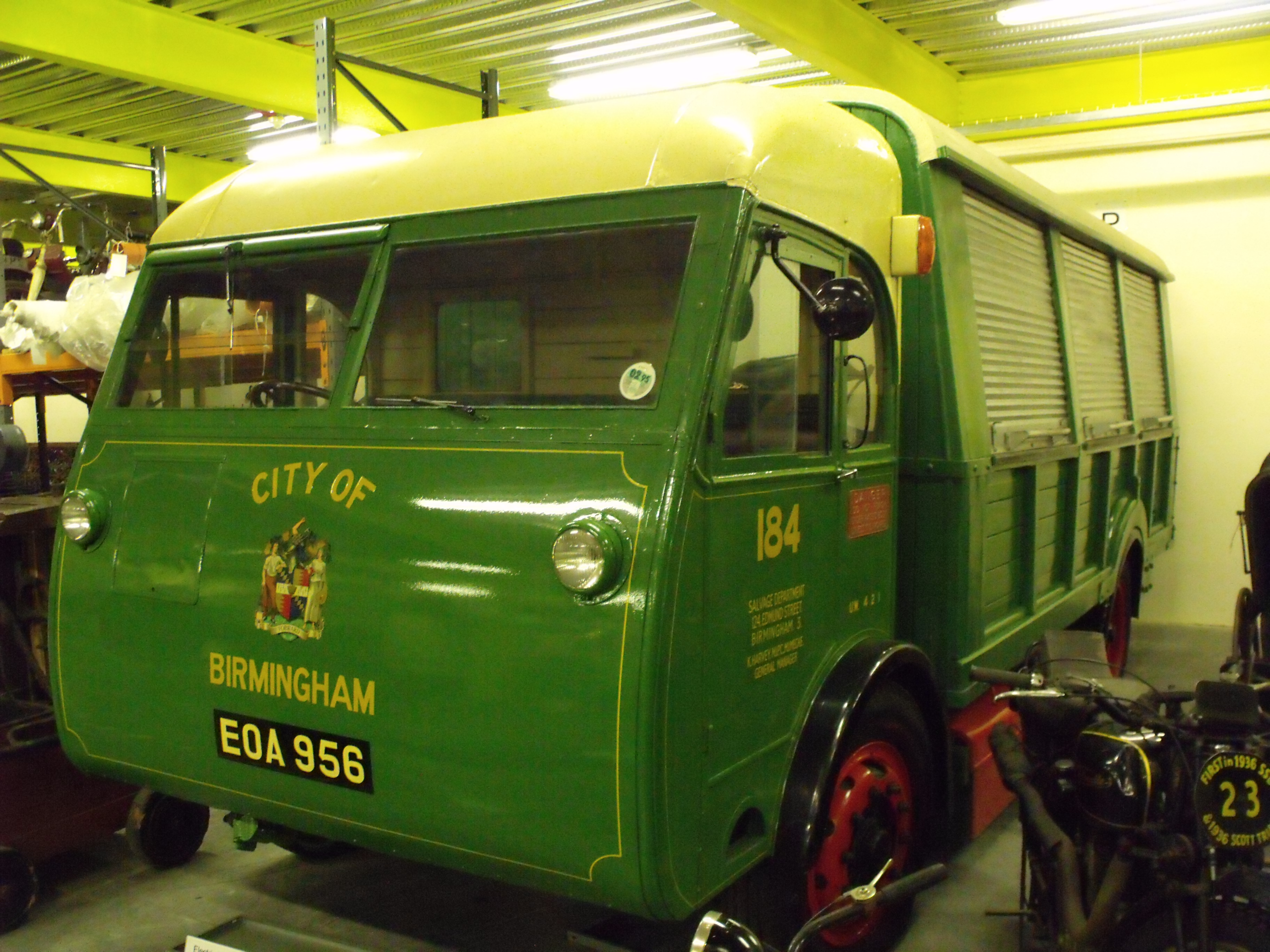
In 1960 household waste was collected by men who walked into your yard, lifted a galvanised steel bin full of warm ash and food waste onto their shoulder, carried it out and tipped it into a lorry.
They wore their own clothes, no gloves and nothing high-visibility. They rode on the back of the vehicle between houses and jumped off while it was moving. The lorry reversed up alleys with a man behind it. And everything they collected went into an unlined hole in the ground and was frequently burned.
Here are twelve things the dustmen did in 1960, and what each one became.
1. The Bin Was Lifted Onto a Shoulder and Carried to the Lorry
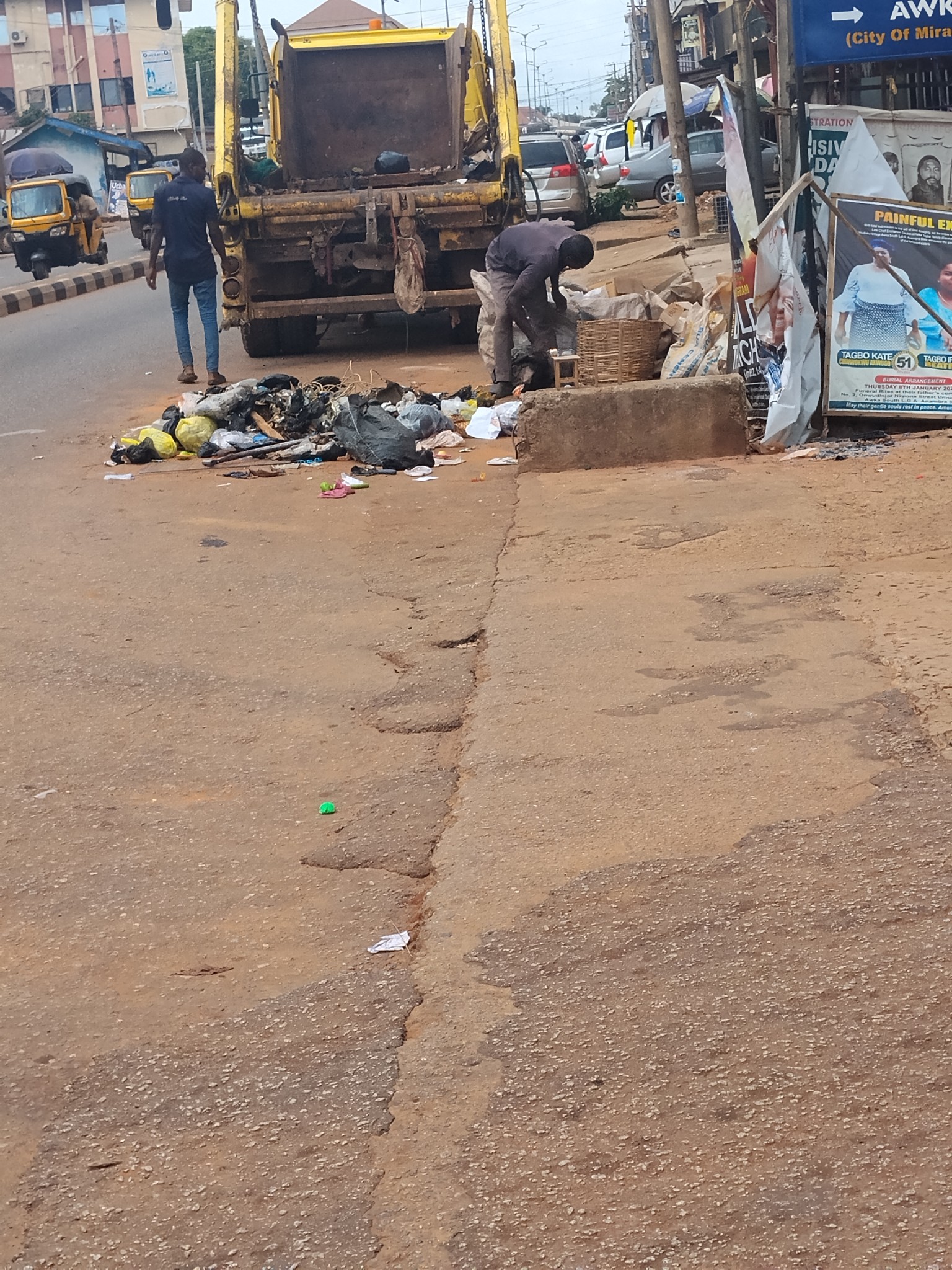
Household waste went into a galvanised steel bin, and the dustman walked into the yard, lifted the full bin, swung it onto his shoulder, carried it out and tipped it into the vehicle. A wet bin full of ash and food waste was a serious weight, carried dozens or hundreds of times a day.
Wheeled bins emptied by a hydraulic lift on the back of the vehicle removed the lifting entirely, and the change is the single largest improvement in the occupational health of any municipal trade. Manual handling injuries – backs, shoulders, knees – were effectively universal among long-serving men, and the wheeled bin was introduced as much for that as for efficiency.
Like our content? Follow us for more.
2. The Contents Were Mostly Ash and Were Mostly Hot
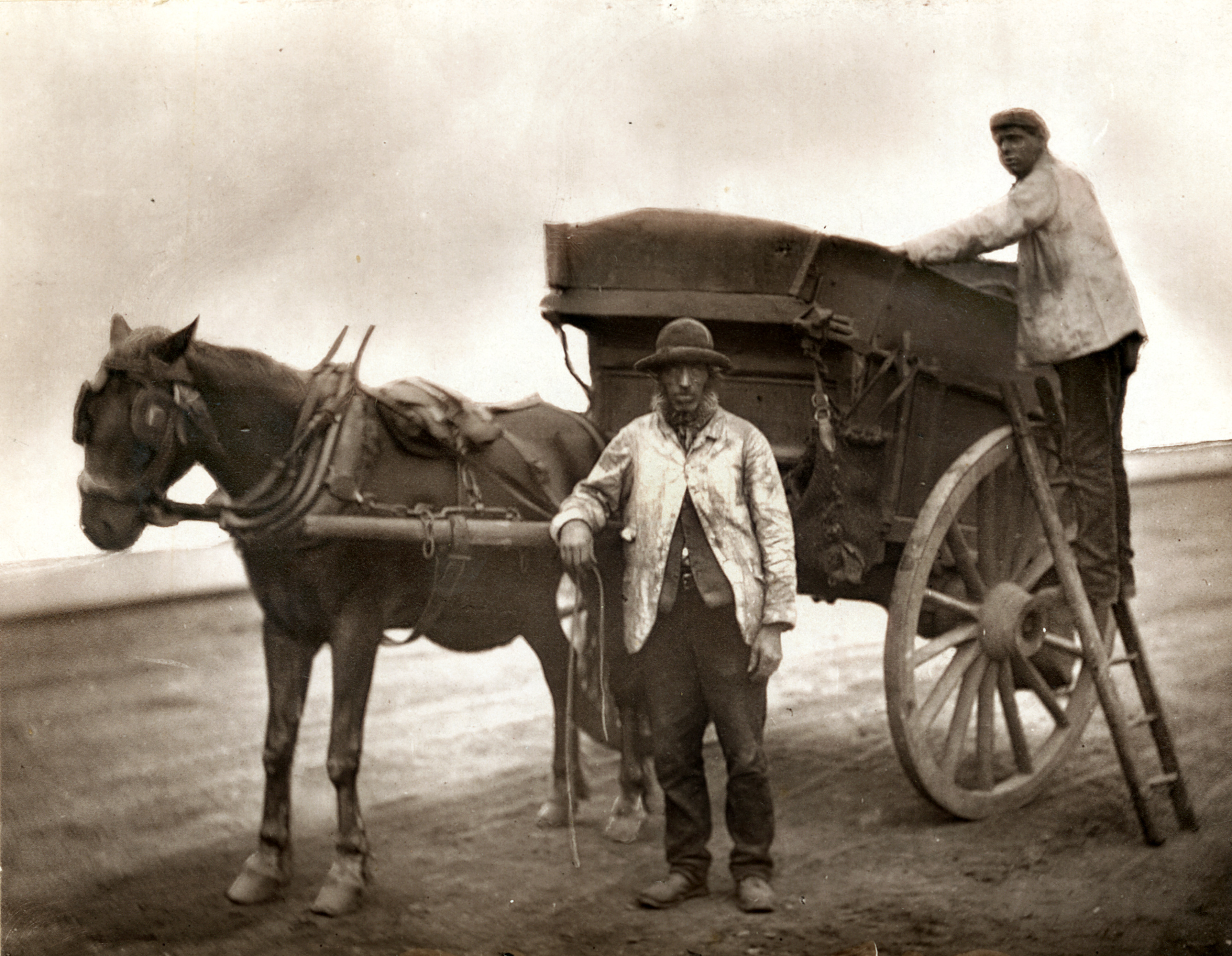
Houses heated with coal produced ash in enormous quantity, and it went into the same bin as everything else, frequently still warm. A dustman emptying bins in the morning was handling hot ash, broken glass, tins with sharp lids and whatever else the household had disposed of.
The decline of solid fuel heating transformed the composition of household waste, and the separation of recycling streams did the rest. Modern collection crews handle sorted material in closed wheeled containers, and the hazards are different – needles and batteries rather than hot ash and glass – and are managed with gloves, protocols and refusal to empty contaminated bins.
3. There Was No Protection for Hands, Lungs or Anything Else
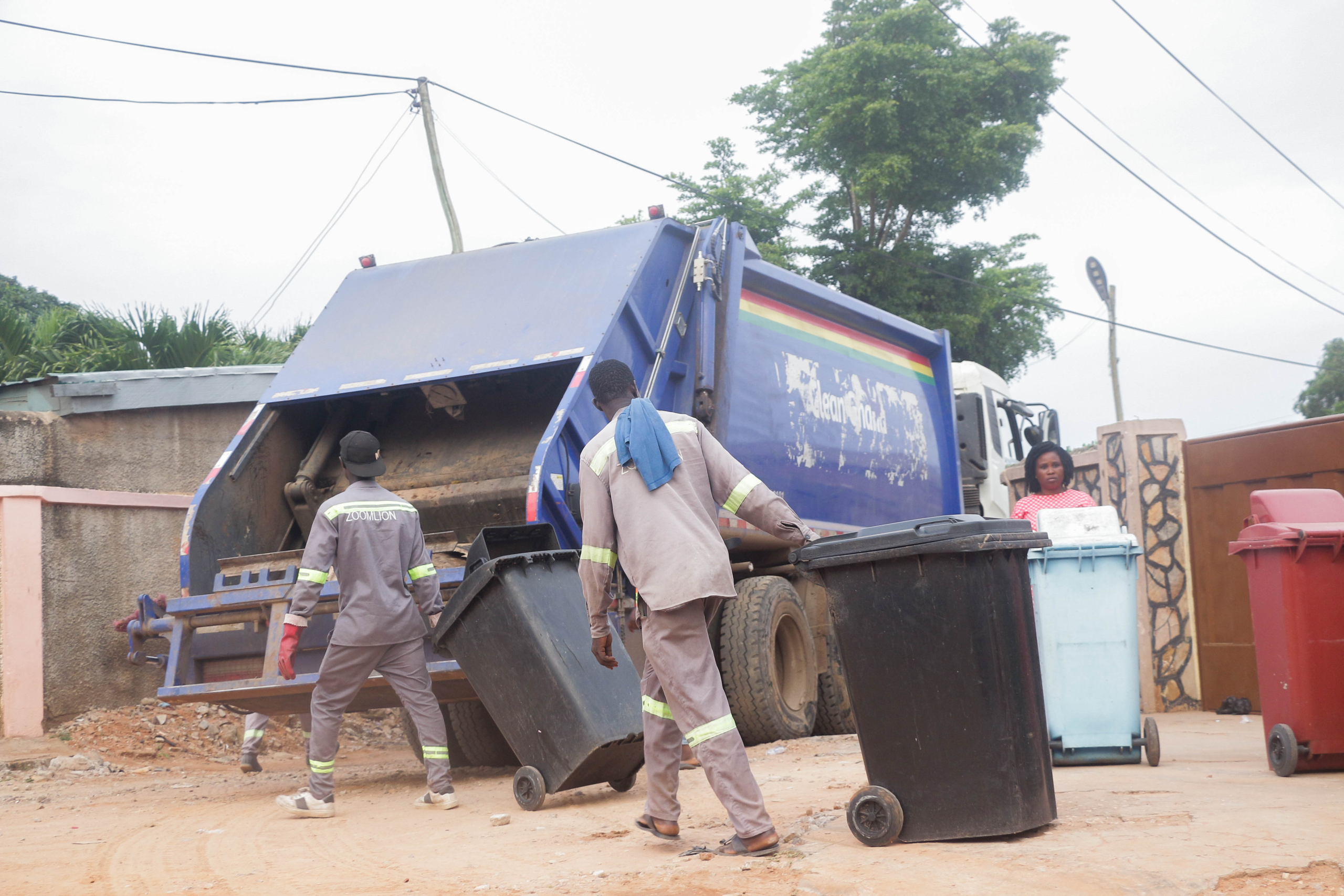
Men worked in their own clothes with no gloves, no mask, no high-visibility clothing and no safety footwear, handling unsorted domestic waste including ash, dust, broken glass, medical waste and anything a household had decided to throw away.
Personal protective equipment, high-visibility clothing, vaccination programmes, washing facilities and formal risk assessment are all now standard. The high-visibility clothing is the one the public notices and it is there because the crew works in the road beside a moving vehicle, which is where the fatalities come from.
4. Men Rode on the Back of the Moving Lorry and Jumped Off
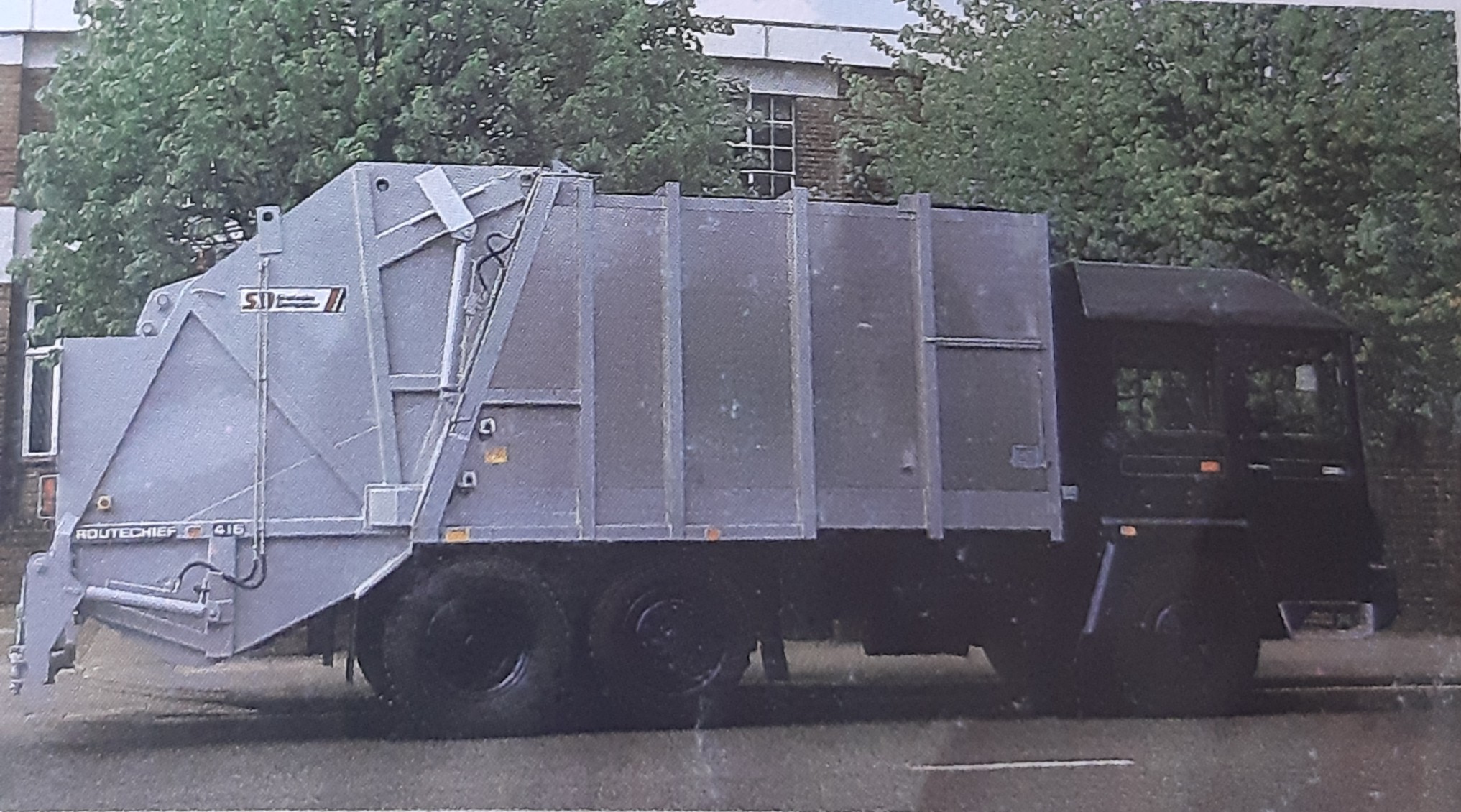
The crew travelled between houses standing on a platform or hanging on at the back of the vehicle, jumping off while it was still moving and running to the next gate. It saved time on a long round and everybody did it.
Riding on the outside of a refuse vehicle is now prohibited, and the vehicles are built without a platform to stand on. Being struck by or crushed against the collection vehicle is the characteristic fatal accident in the industry, and most of those involve a reversing manoeuvre or somebody on the outside of a moving vehicle – which is why both practices were stopped and why modern vehicles have cameras, sensors and audible reversing alarms.
5. The Lorry Reversed Up Streets With a Man Behind It
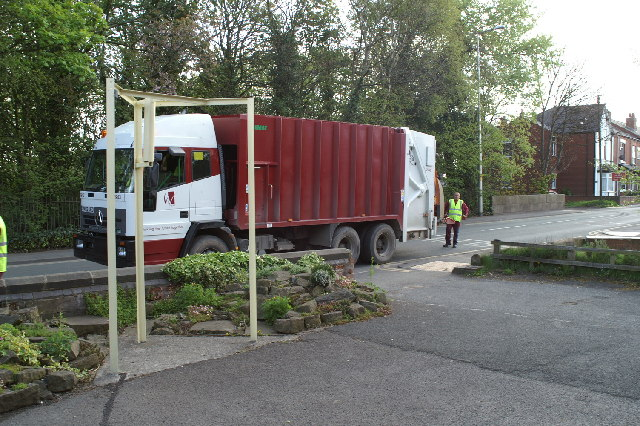
Reversing was constant – up alleys, into culs-de-sac, along narrow streets – and the crew worked around a reversing vehicle with no mirrors worth the name, no camera and no banksman procedure beyond shouting.
Reversing is now the single most controlled manoeuvre in the work, with cameras, proximity sensors, audible alarms, designated banksman procedures and in many authorities a policy of not reversing at all where a route can be planned to avoid it. Route planning software now designs collection rounds specifically to minimise reversing, which is a software solution to a physical hazard.
6. The Tip Was a Hole in the Ground and Things Were Burned In It
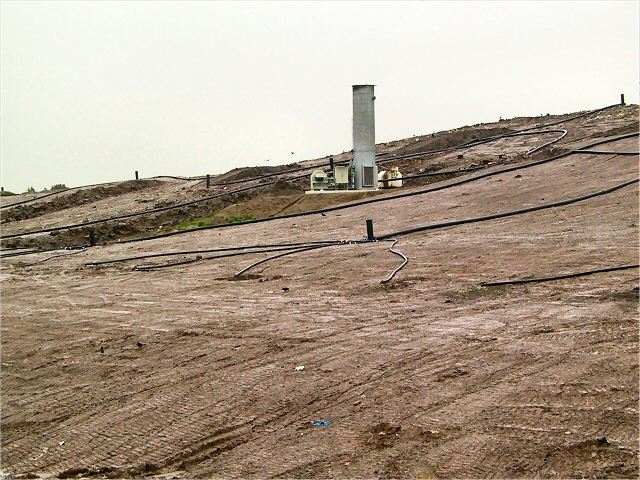
Collected waste went to a tip – frequently a worked-out quarry, gravel pit or convenient hollow – where it was pushed about and in many places burned. There was no lining, no leachate collection, no gas management and no record of what went in.
Modern landfill is an engineered containment with an impermeable liner, leachate collection and treatment, gas extraction frequently used for electricity generation, capping and decades of post-closure monitoring. Historic unlined tips are a substantial contaminated land legacy and a great many have required investigation and remediation, particularly where housing was later built on or near them.
7. Scavenging on the Tip Was Common and Semi-Tolerated
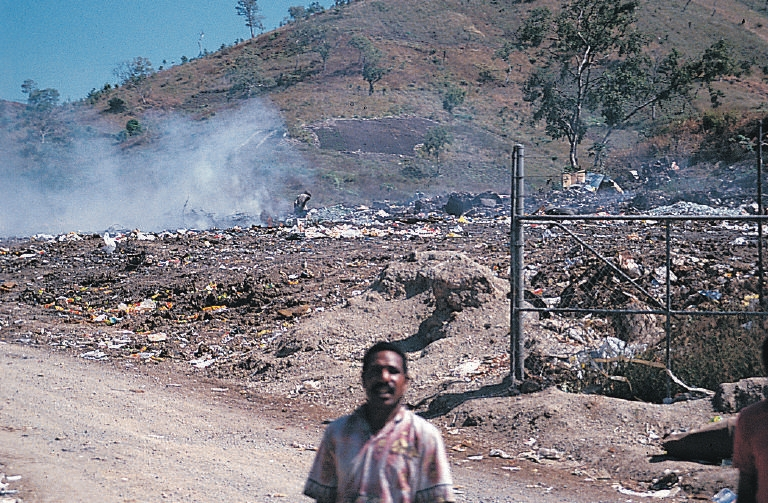
People picked over tips for metal, coal, timber and anything saleable, and in many places this was known about and allowed. Dustmen themselves salvaged – the right to what was found in the bins was an informal and valued part of the job, and a crew would know which streets were worth working.
Site access control, health and safety law and the commercial value of recyclate between them ended it. The material is now separated at source by householders and at mechanical sorting facilities, and what used to be the crew’s perk is the authority’s revenue. The informal salvage economy around waste was substantial and disappeared almost without record.
8. The Round Was Walked and the Crew Knew Every Household

A collection round was a defined walk, serving the same houses every week for years, and the crew knew which gates stuck, which dogs were a problem, who was elderly and whose bin had not been put out, and frequently brought it out for them.
Larger vehicles, wider rounds, higher turnover and contracted-out services have reduced that familiarity considerably, and assisted collections for people who cannot move a bin are now a formal registered service rather than an informal kindness. The formal version reaches people the informal one missed, and is the better arrangement – and the crews who did it the old way are consistently the ones who mention it.
9. Everything Was Collected Together and None of It Was Sorted
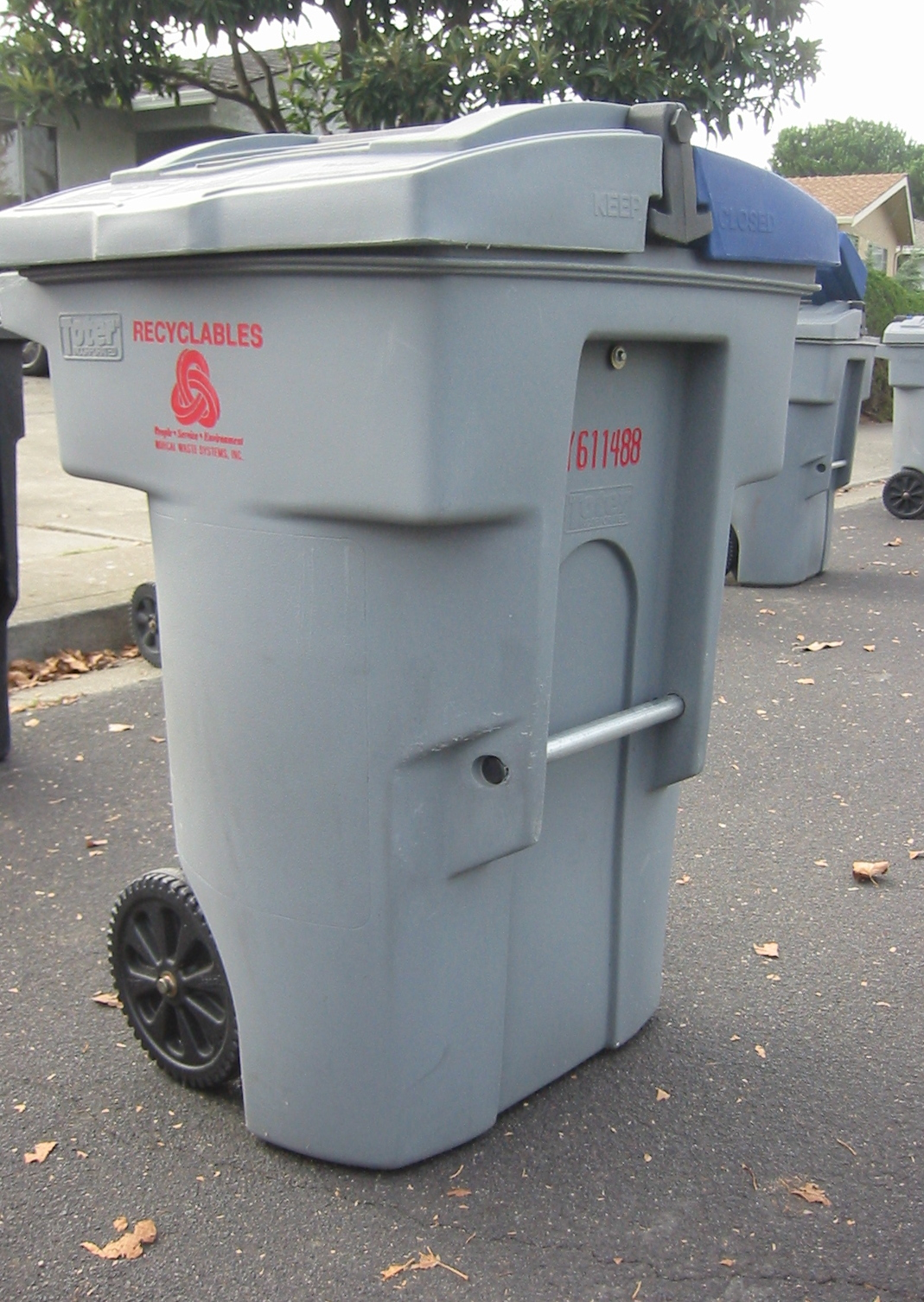
There was one bin and it took everything – ash, food, paper, glass, metal, textiles, garden waste – and the whole mixed mass went to the tip. Sorting was what the scavengers did afterwards.
Source separation into multiple streams, with separate containers and separate collection days, is now the norm almost everywhere, and the arguments about how many streams and whose job it is to sort them are among the most reliably contentious items in local politics. The mixed single bin was simpler for the householder and wasted essentially all of the material in it.
10. Nobody Weighed Anything or Measured Anything
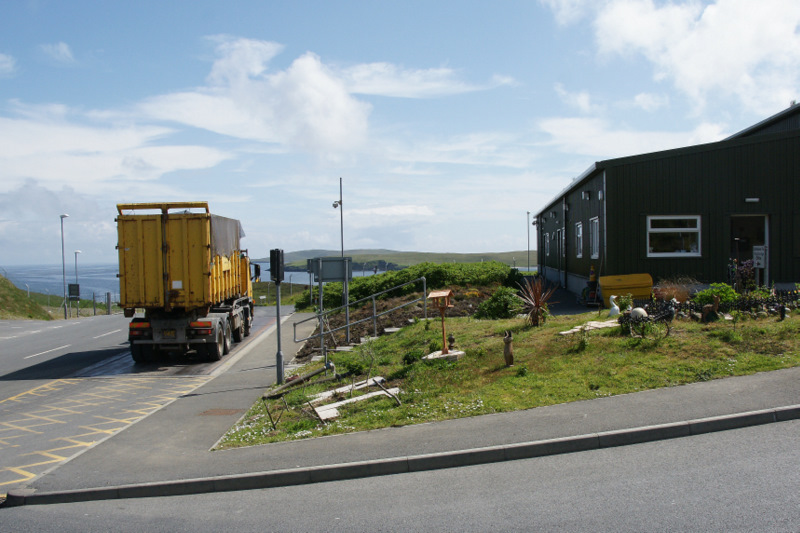
There was no record of how much waste was collected, from where, or what was in it. Collection was a service that happened, funded from general rates, with no data attached to it at all.
Vehicles now weigh their loads, rounds are tracked, composition is sampled and surveyed, recycling rates are published and in many places statutory targets apply. This is the change that made everything else possible – once the material was measured, it could be reduced, diverted and costed, and essentially every waste policy of the last forty years depends on data that simply did not exist.
11. The Job Was Secure, Pensionable and Respected Locally
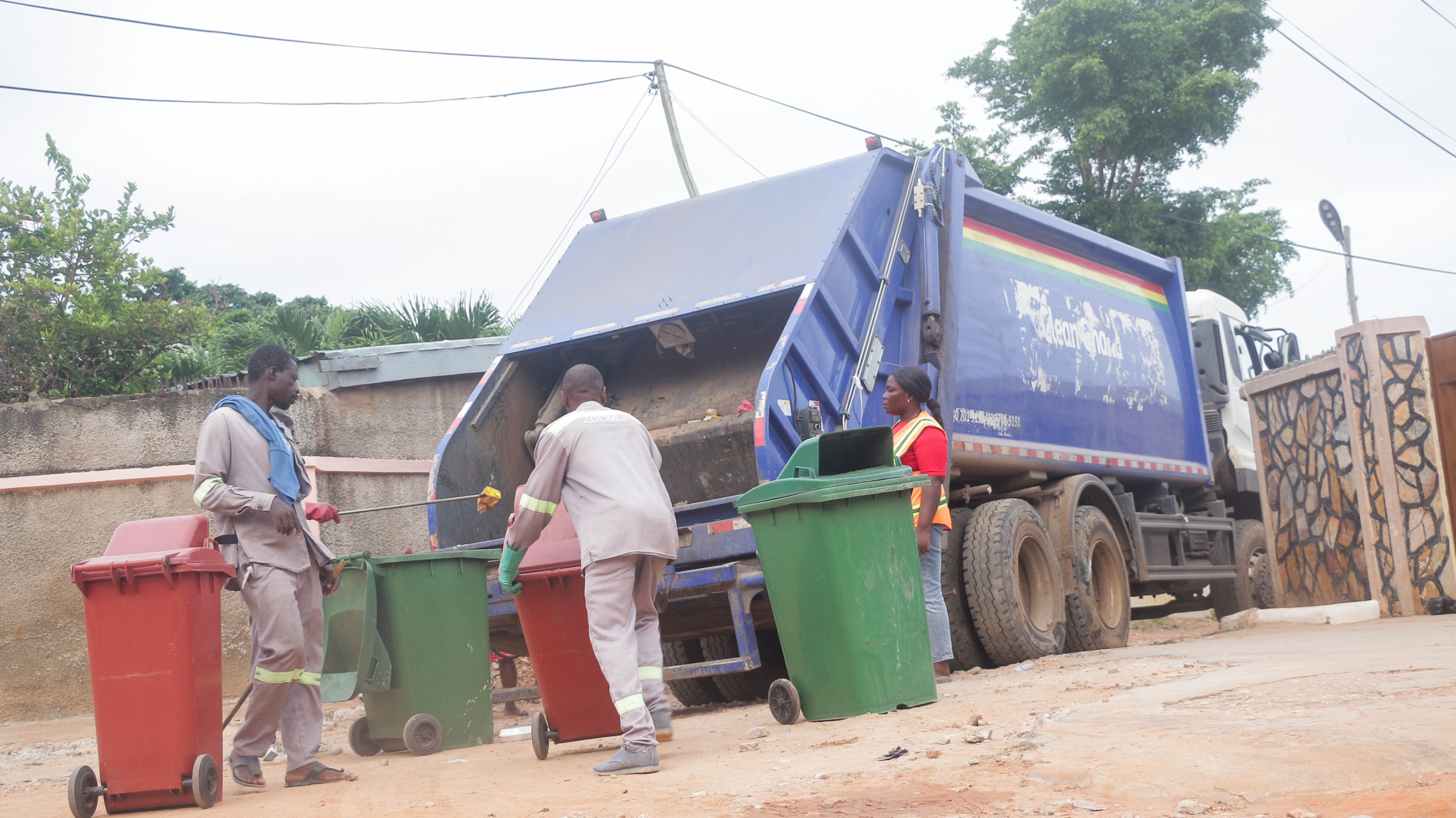
Municipal employment carried a pension, security and standing. A dustman was a council employee with a job for life in a trade his sons could follow, and in a great many towns the refuse crews were a recognisable and respected part of the municipal workforce.
Compulsory competitive tendering and contracting out from the 1980s onward moved a great deal of the work to private contractors, with consequences for pay, pensions and continuity that are still argued about. Some authorities have taken services back in house in recent years. The work itself is safer and better equipped than it has ever been, and the terms it is done on are considerably less settled.
12. Nobody Imagined the Householder Would Do Half the Work
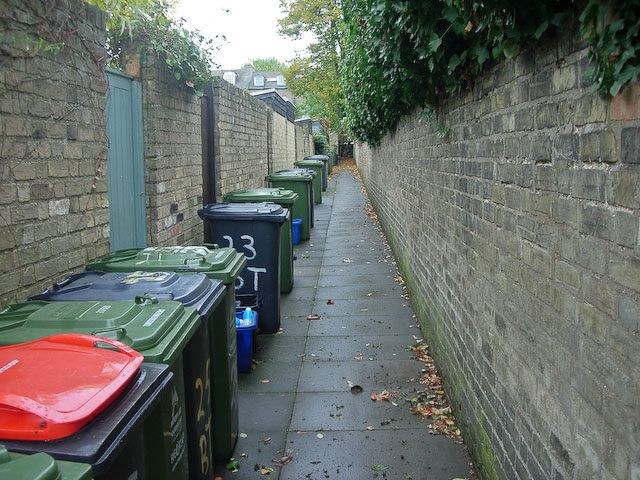
In 1960 the deal was simple: you put everything in one bin and somebody took it away. The idea that a household would sort its own waste into four or five streams, know which week each was collected, and wheel the right container to the kerb would have seemed an extraordinary imposition.
That transfer of labour to the householder is the quiet structural change in the whole service, and it was achieved almost entirely through persuasion, convenience and social pressure rather than enforcement. It is also why the arguments are so heated – the service used to ask nothing of you, and now it asks you to maintain a small sorting facility in your own garden and to remember a calendar.
The Bin With Wheels on It
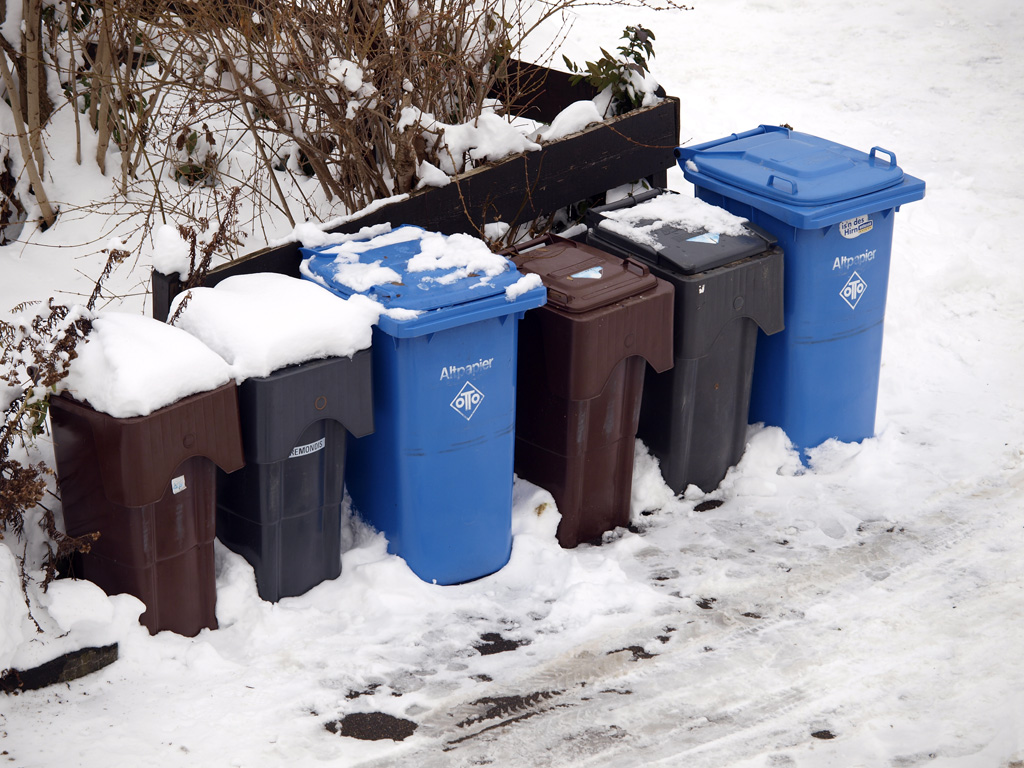
If one object explains this list it is the wheeled bin, and it is worth appreciating what it actually did.
Before it, every container had to be lifted by a person. That single fact determined the size of a bin, the weight of a load, the number of men on a crew, the injury rate of the trade and the working life of everybody in it. Backs, shoulders and knees were destroyed as a matter of routine, and the men accepted it because that was the job.
A container on wheels that engages with a hydraulic lift removes the lift entirely. The crew moves the bin rather than carrying it, the vehicle does the lifting, and the weight limit stops being what a man can shoulder and becomes what a machine can handle.
Everything else followed from that. Bins got larger, which meant fortnightly collection became possible, which made multiple streams practical, which is what made recycling at scale work at all. The crew got smaller. The vehicle got more complex. The householder acquired a job.
So the most consequential thing in modern waste management is not a policy or a target. It is a pair of wheels and a standardised lifting lip, which took the heaviest repeated manual task in municipal employment and gave it to a hydraulic ram.
If you remember the metal bins, you remember the noise of them being put down on a concrete path.
Did the crew bring your grandmother’s bin out for her, and what did they get at Christmas?
Like our content? Follow us for more.