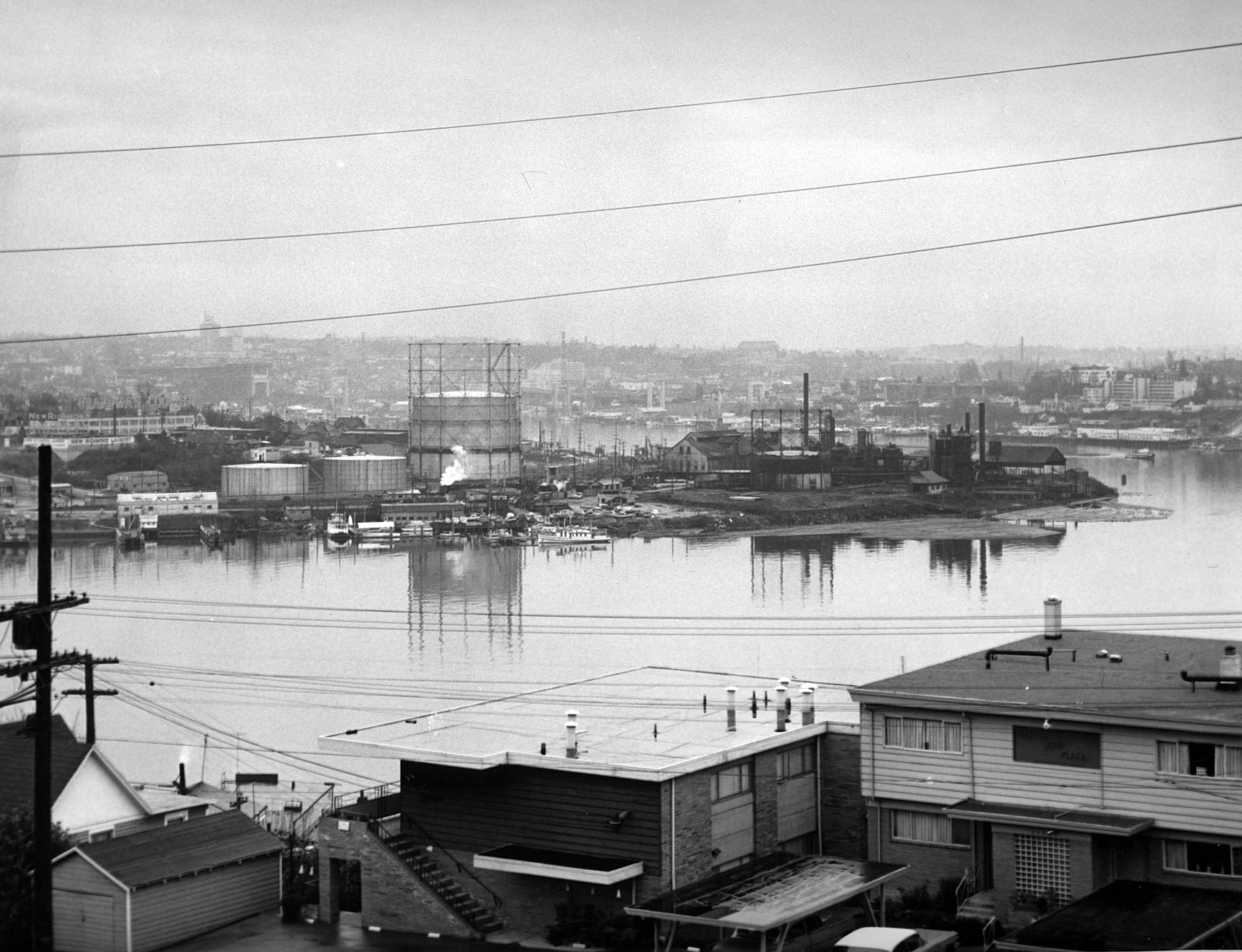
In 1955 the gas in the pipes was made in the town, out of coal, by men shovelling it into furnaces and raking out the coke by hand.
The tar went into the roads, the ammonia went on the fields, the coke was sold to households at the gate, and the whole thing was stored in an enormous drum that rose and fell in public view.
Then gas was found under the sea, and within about fifteen years the entire industry had gone.
Here are seventeen things that were ordinary at a gasworks in 1955, and what became of each one.
1. The Gas Was Made From Coal in the Town Where It Was Burned
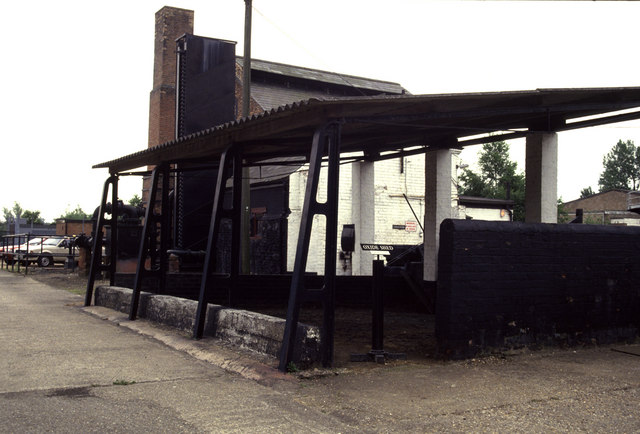
Before natural gas, gas was manufactured. Coal was heated in sealed retorts until it gave off a flammable mixture, and that mixture was cleaned, stored and piped to houses. Every town of any size had a works doing this, because gas could not be transported far.
Natural gas from under the ground, distributed through a national network, made local manufacture completely obsolete. The works closed, almost all of them were demolished, and the result is that an industry which once had a plant in every town has left almost no physical trace – which is unusual, and is why so few people under a certain age know it existed at all.
Like our content? Follow us for more.
2. The Men Charged the Retorts by Hand in Front of an Open Furnace
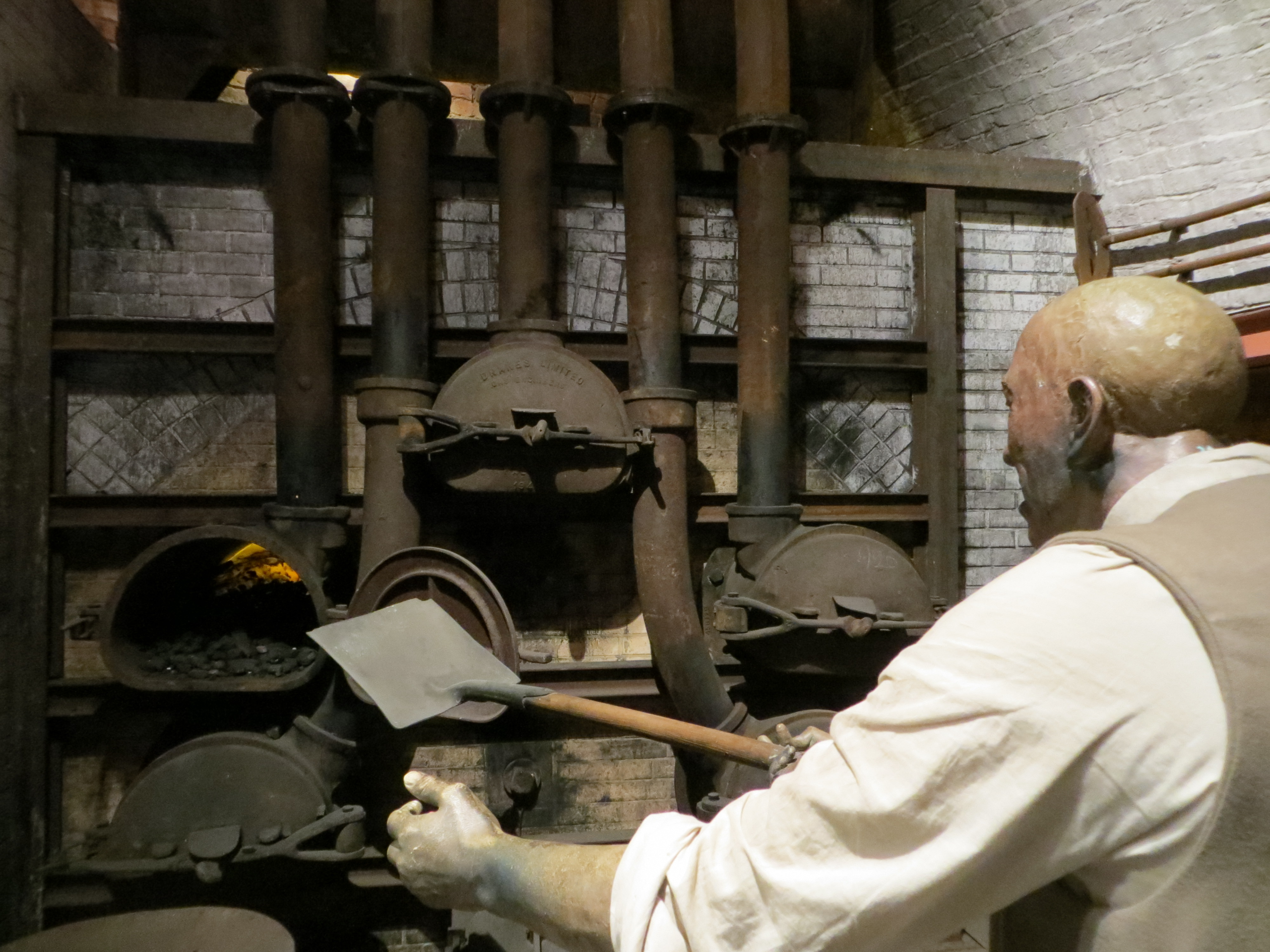
Coal was shovelled into cast-iron or fireclay retorts heated from below, and the spent coke was raked out at the end of the cycle. The work was done standing in front of an opening radiating heat from a chamber at well over a thousand degrees.
Mechanical charging machines took over the heaviest version of the work, and then the entire process disappeared with the conversion to natural gas. Retort house work is consistently described by the men who did it as the hottest job they ever had, and the comparison group includes steelmaking.
3. The Coke Left Over Was Sold for the Fire at Home
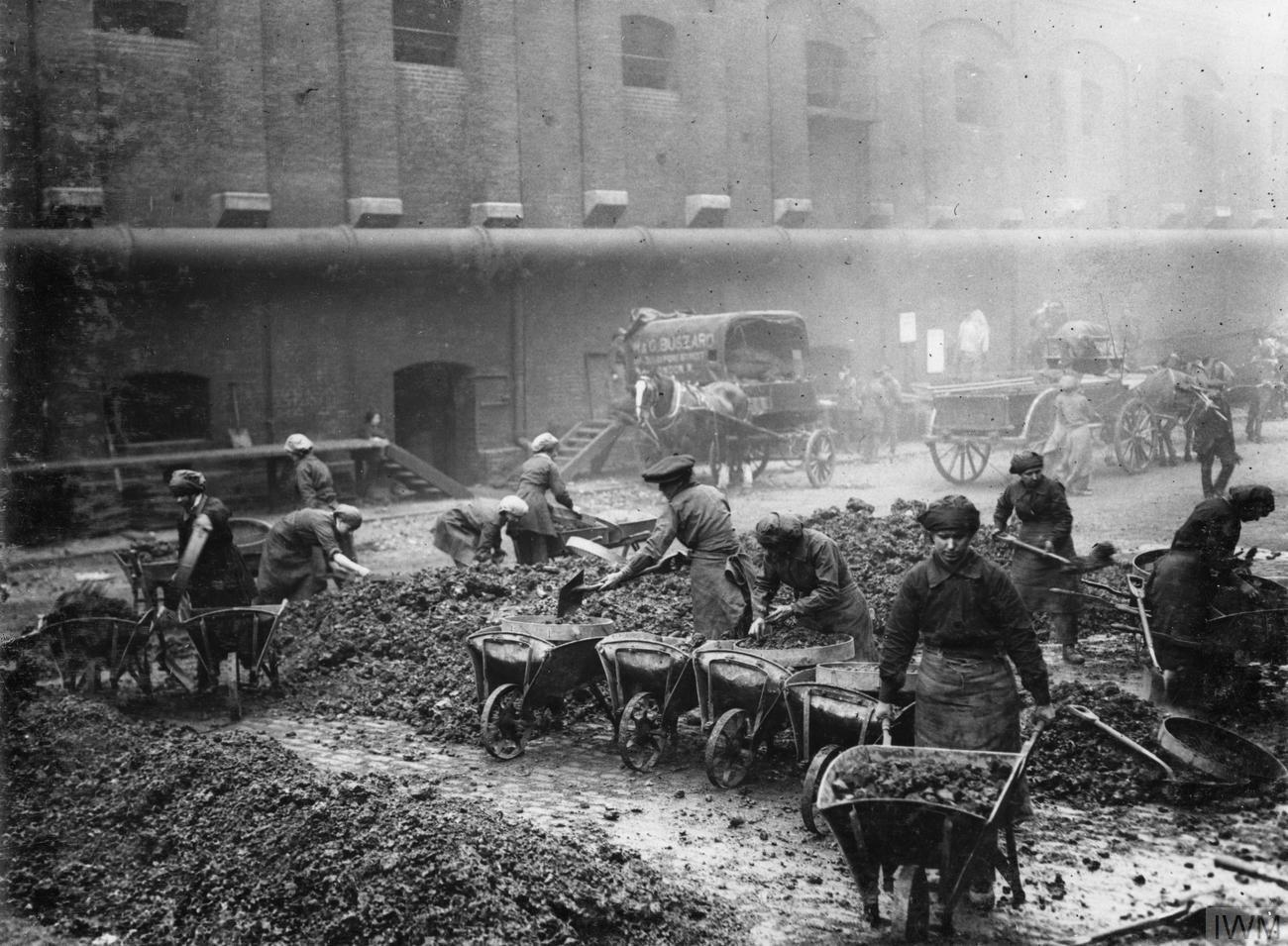
Taking the gas out of coal leaves coke, and the works sold it. People came to the gasworks yard with prams, barrows and sacks to buy it, and it burned in domestic grates and boilers across the town.
Coke for domestic use essentially vanished with the works and with the move to gas and electric heating. It was a genuinely good domestic fuel – hotter and much cleaner-burning than raw coal – and buying it directly from the plant that made it is the kind of short supply chain that no longer exists anywhere in energy.
4. The Tar Was a By-Product and It Built the Roads
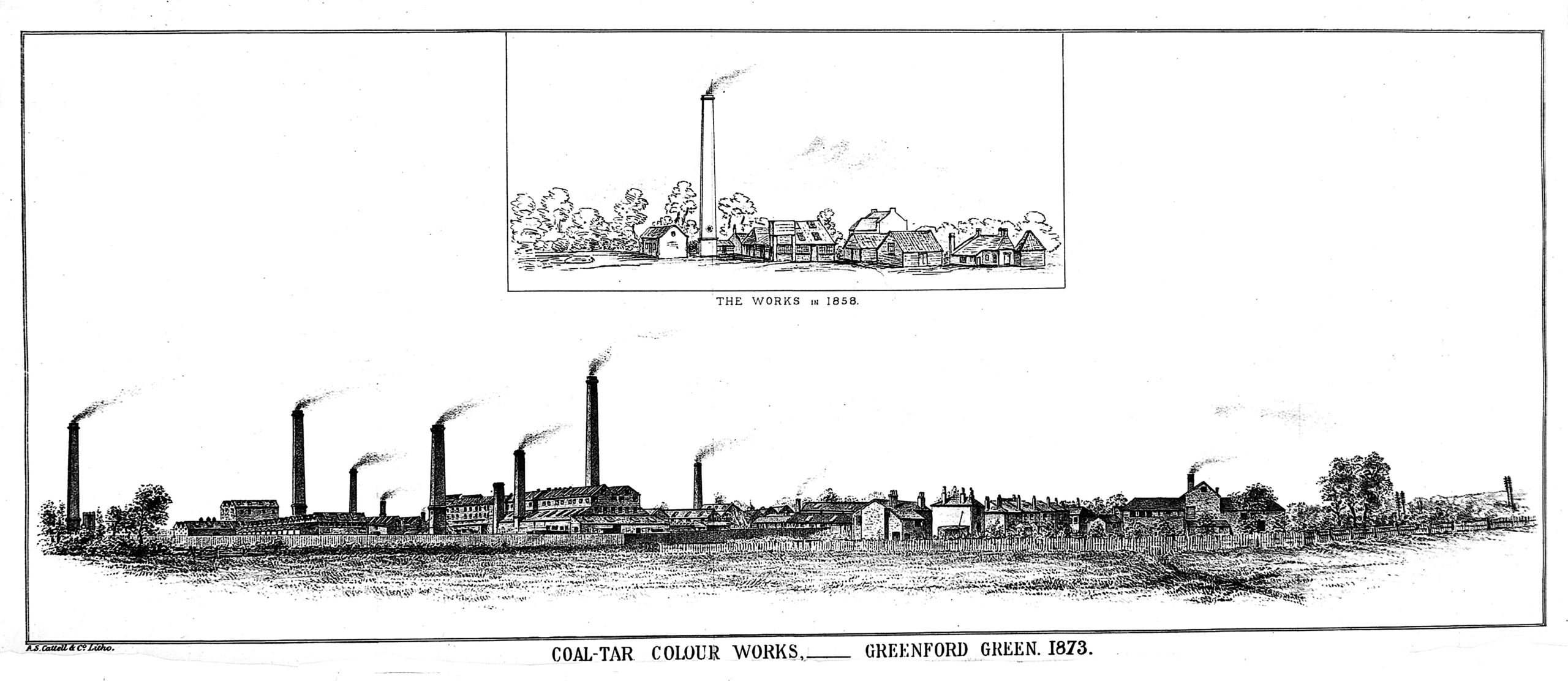
Coal tar came off the process in quantity, and it was not waste. It went into road surfacing, wood preservative, roofing, waterproofing and an enormous range of chemical products, including the first synthetic dyes and a good many early medicines.
The modern chemical industry grew substantially out of coal tar, and when gasworks closed that feedstock disappeared and petroleum replaced it. Several whole classes of product that began as a way of using up gasworks waste are still with us, which makes the works an unlikely ancestor of a very large part of twentieth-century chemistry.
5. The Ammonia Went on the Fields
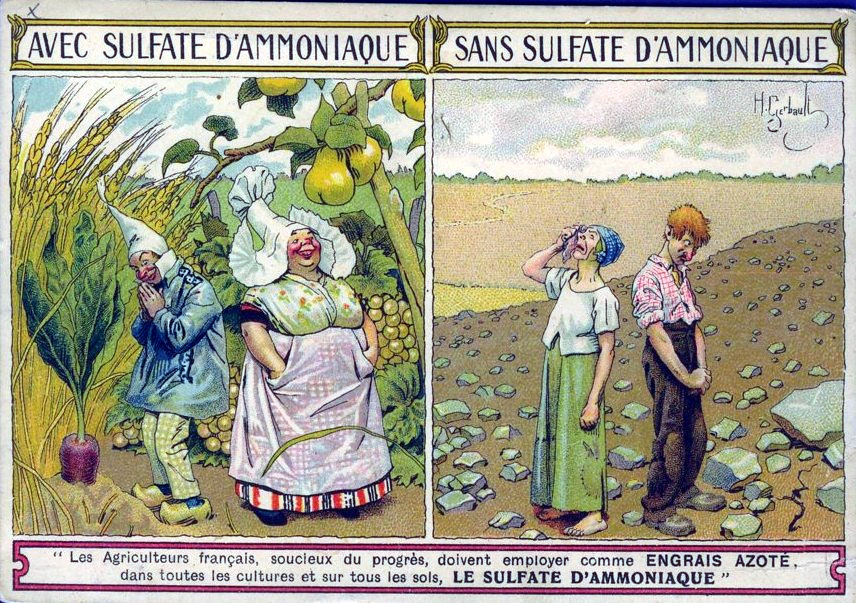
The process also yielded ammonia compounds, which were recovered and sold as agricultural fertiliser. A gasworks was therefore simultaneously an energy plant, a chemical works and a fertiliser supplier.
Synthetic ammonia made industrially from air and natural gas displaced it entirely, at a scale the by-product route could never have matched. The gasworks model – extract the valuable thing, then find a buyer for everything else that comes off – was efficient in a way modern plants have had to work hard to re-learn.
6. The Gas Was Stored in an Enormous Rising and Falling Drum
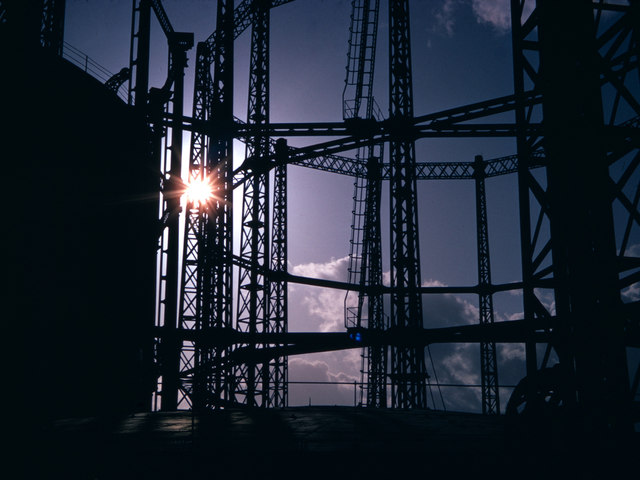
The gasholder was the landmark. A telescopic steel drum sitting in a water-filled tank, it rose as gas was stored and sank as it was used, so the whole town could see how much gas was left by looking at it.
Modern gas is stored under pressure in vessels and in the pipe network itself, and the holders were decommissioned and cut up. A handful have been retained as listed structures or built into developments. For roughly a century, the single most visible piece of public infrastructure in a great many towns was a tank that told you the energy situation at a glance, and nothing has replaced that transparency.
7. The Gas Was Poisonous and Everybody Knew It
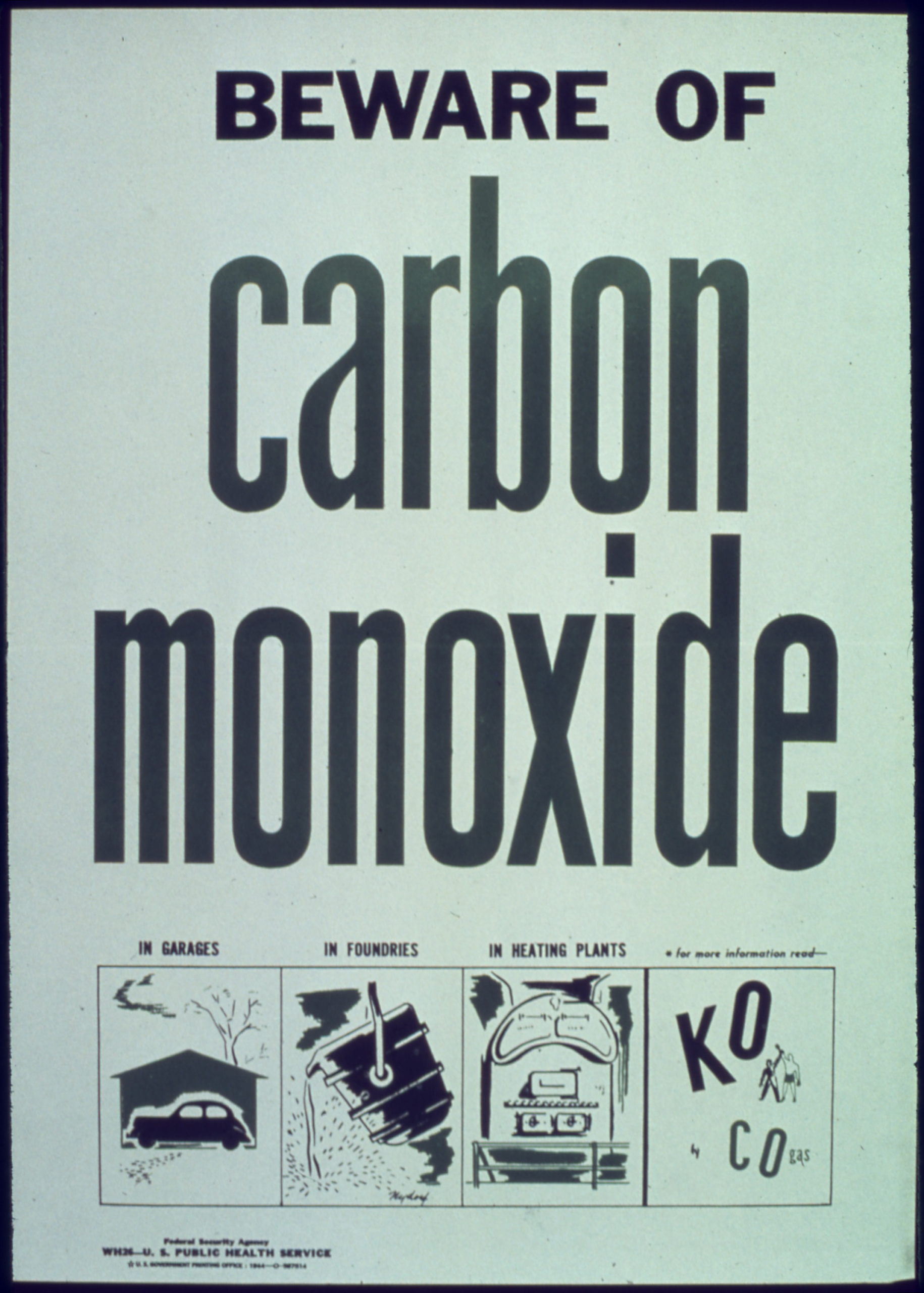
Manufactured gas contained carbon monoxide. A leak, or an unlit appliance, was a genuine domestic danger, and the smell added to the gas was the only warning anybody had.
The conversion to natural gas, which contains no carbon monoxide, removed that hazard from the domestic supply at a stroke – and it is the single largest public-safety benefit of the changeover, far larger than anything to do with efficiency. Carbon monoxide detection, appliance servicing requirements and flue regulations now handle the residual risk from incomplete combustion of any fuel. Anybody with a concern about their own appliances should have them checked by a registered engineer rather than acting on an article.
8. The Whole Town Could Smell the Works
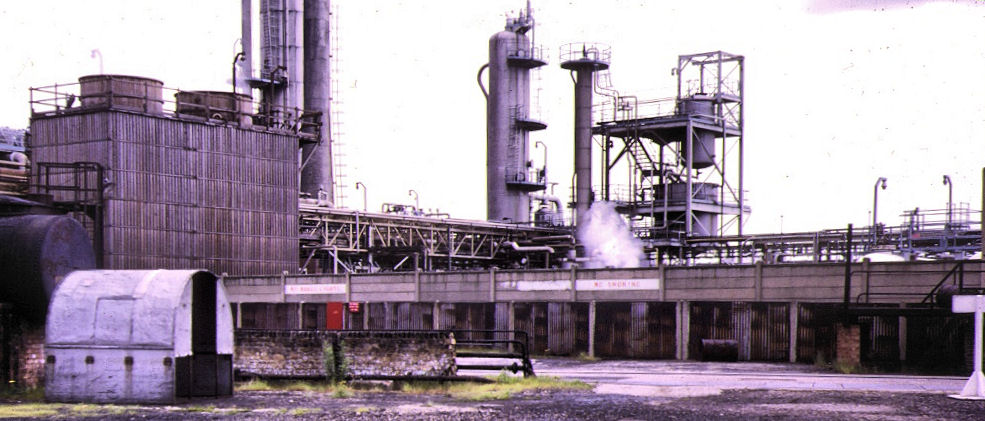
Gas manufacture produced sulphur compounds, ammonia and tar vapours, and a works smelled powerfully and distinctively. People living nearby lived in it, and the smell is one of the most consistently remembered things about them.
Emissions control, and then closure, removed it. The smell of a gasworks is a lost sensory landmark in the same category as the smell of a tannery or a brewery – instantly recognisable to anybody who knew it and completely undescribable to anybody who did not.
9. The Ground Underneath Was Being Quietly Ruined
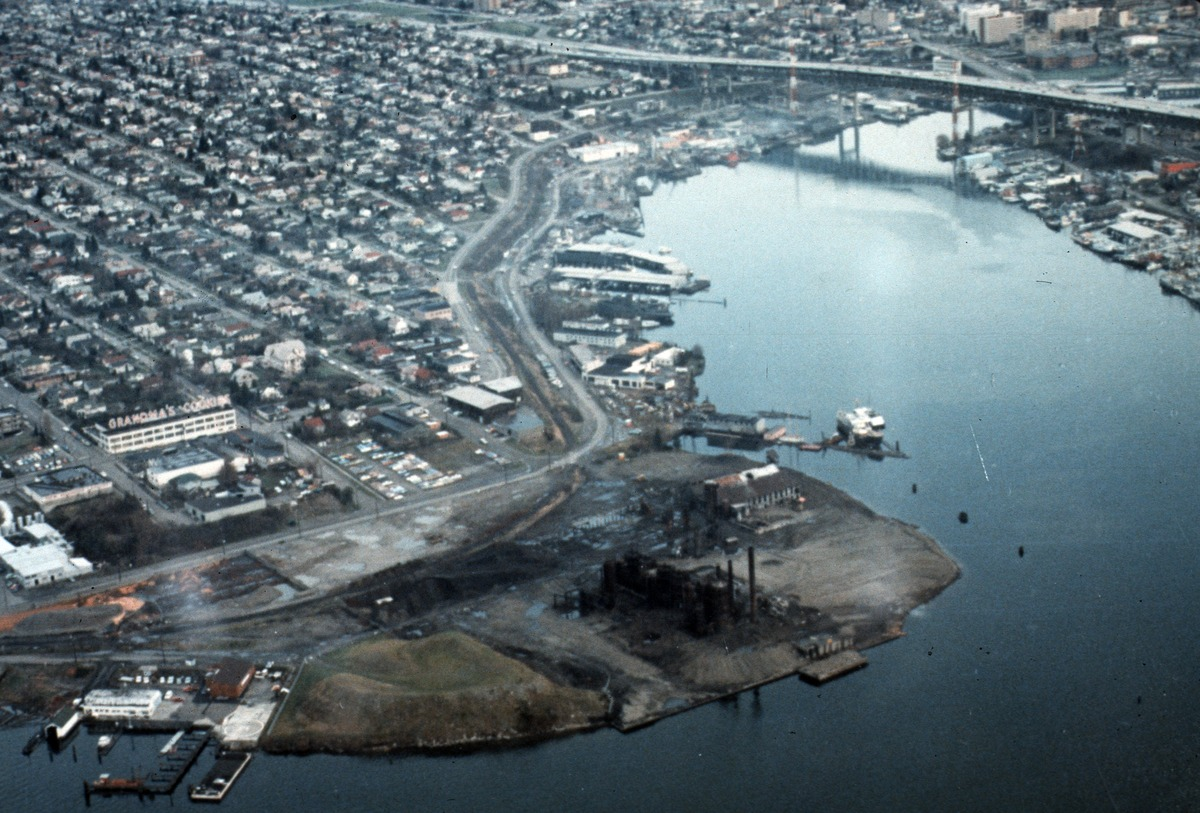
Tar, spent oxide, ammoniacal liquor and assorted residues were handled, stored and in many cases simply tipped on site, over many decades, with no containment.
Former gasworks are now among the most contaminated categories of urban land, and remediating one before redevelopment is a substantial and expensive piece of engineering. This is the industry’s real legacy: not the buildings, which went, but the ground, which stayed. A great many town-centre regeneration schemes have run into it.
10. The Works Ran Continuously and the Shifts Never Stopped
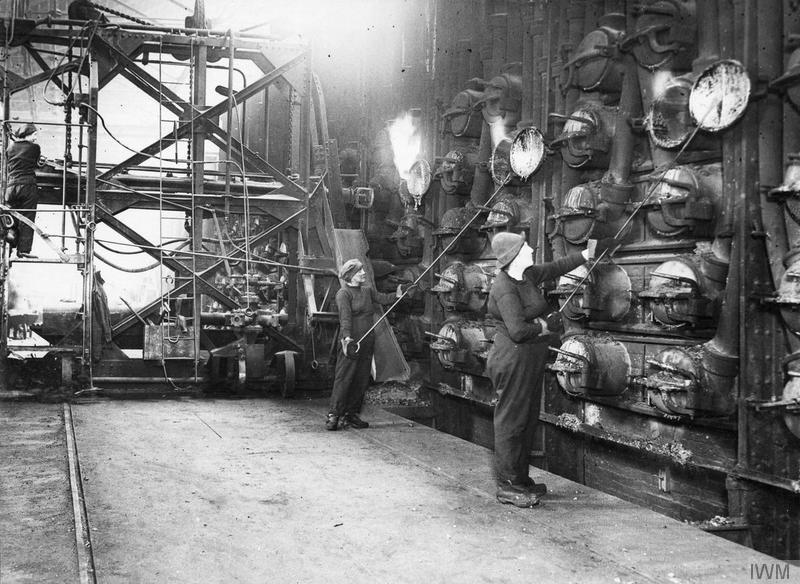
Gas demand never went to zero and the retorts could not be allowed to cool, so a works ran around the clock, every day, with shifts covering nights, Sundays and Christmas.
Continuous operation is still normal in energy, but with vastly fewer people and no manual intervention in the hot zone. The social consequence in a gas town was a workforce permanently out of step with everybody else’s hours, which shaped the pubs, the shops and the family routines around the works.
11. The Gas Board Had a Shop on the High Street and Rented You the Cooker
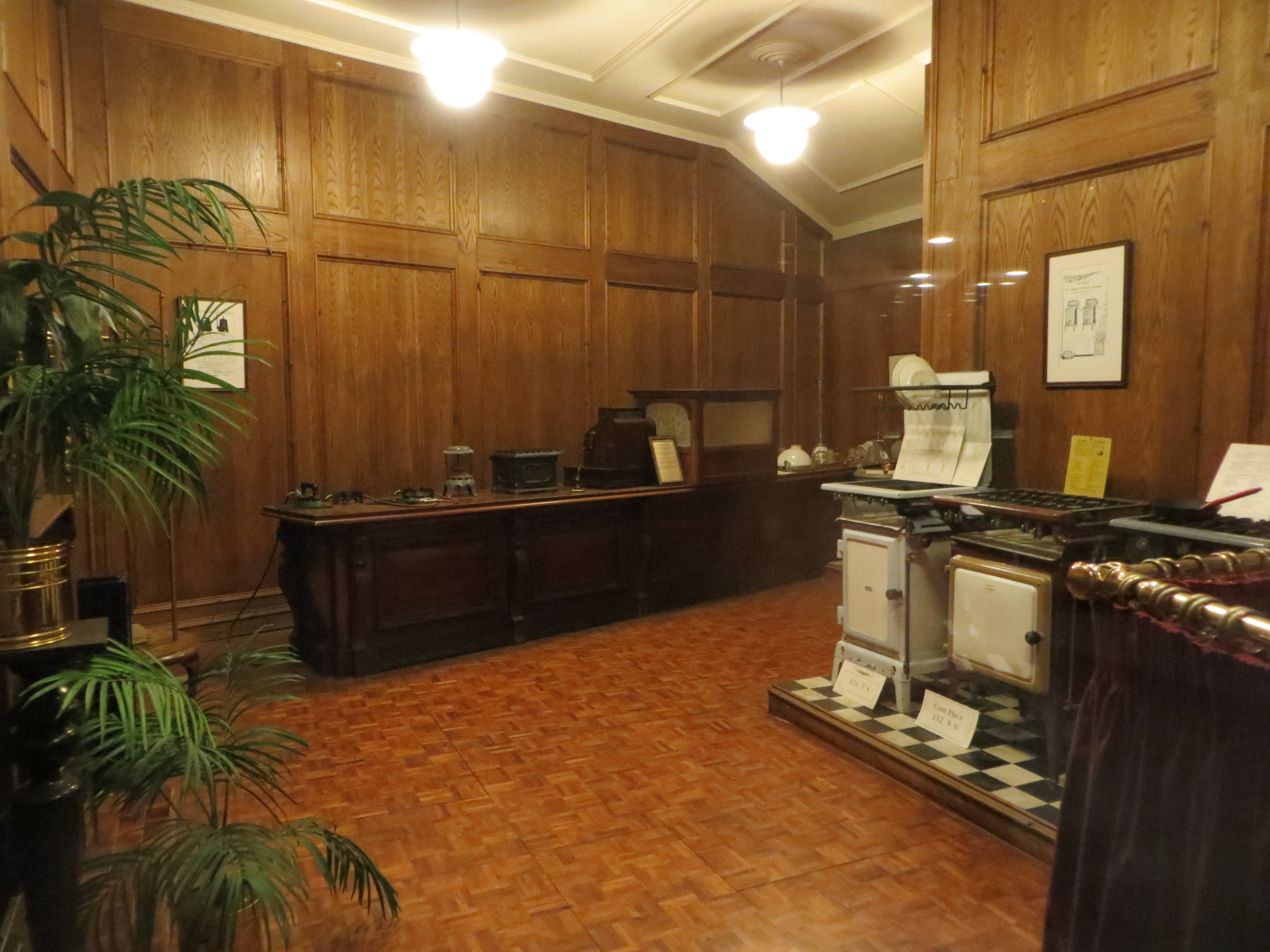
The works ran a showroom in the town centre. It displayed cookers, fires and water heaters, it took your bill payment over the counter, and in a great many cases it rented the appliance to you rather than selling it, with maintenance included.
Appliance retail moved to independent and chain shops and then online, and billing moved to post, then direct debit, then an app. The showroom model made obvious sense for a supplier that wanted people using more gas and could service what it installed, and its disappearance means there is now nowhere to go and physically look at a gas appliance before a fitter arrives with one.
12. The Meter Took Coins
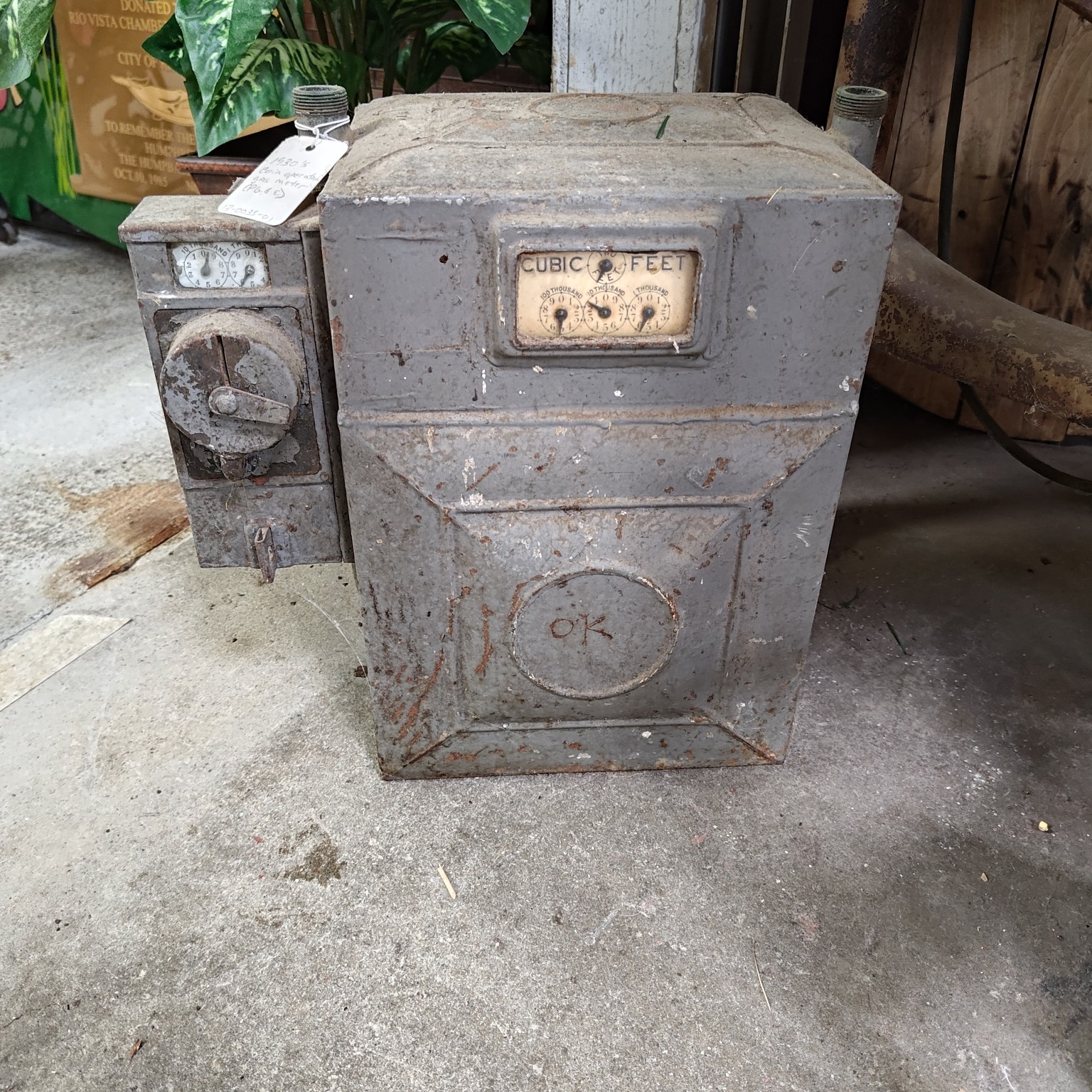
A great many houses had a prepayment meter that took coins and delivered gas until the money ran out. A man from the works came round periodically to empty it, and the accumulated coins were counted on the kitchen table.
Card and key meters, then smart meters with remote top-up, replaced the coin box. The arrangement meant the gas could stop in the middle of cooking if nobody had change, which is remembered with some feeling, and it also meant a stranger with a key to your meter cupboard was a routine domestic visitor.
13. Gas Did the Lighting, the Cooking, the Water and the Fridge
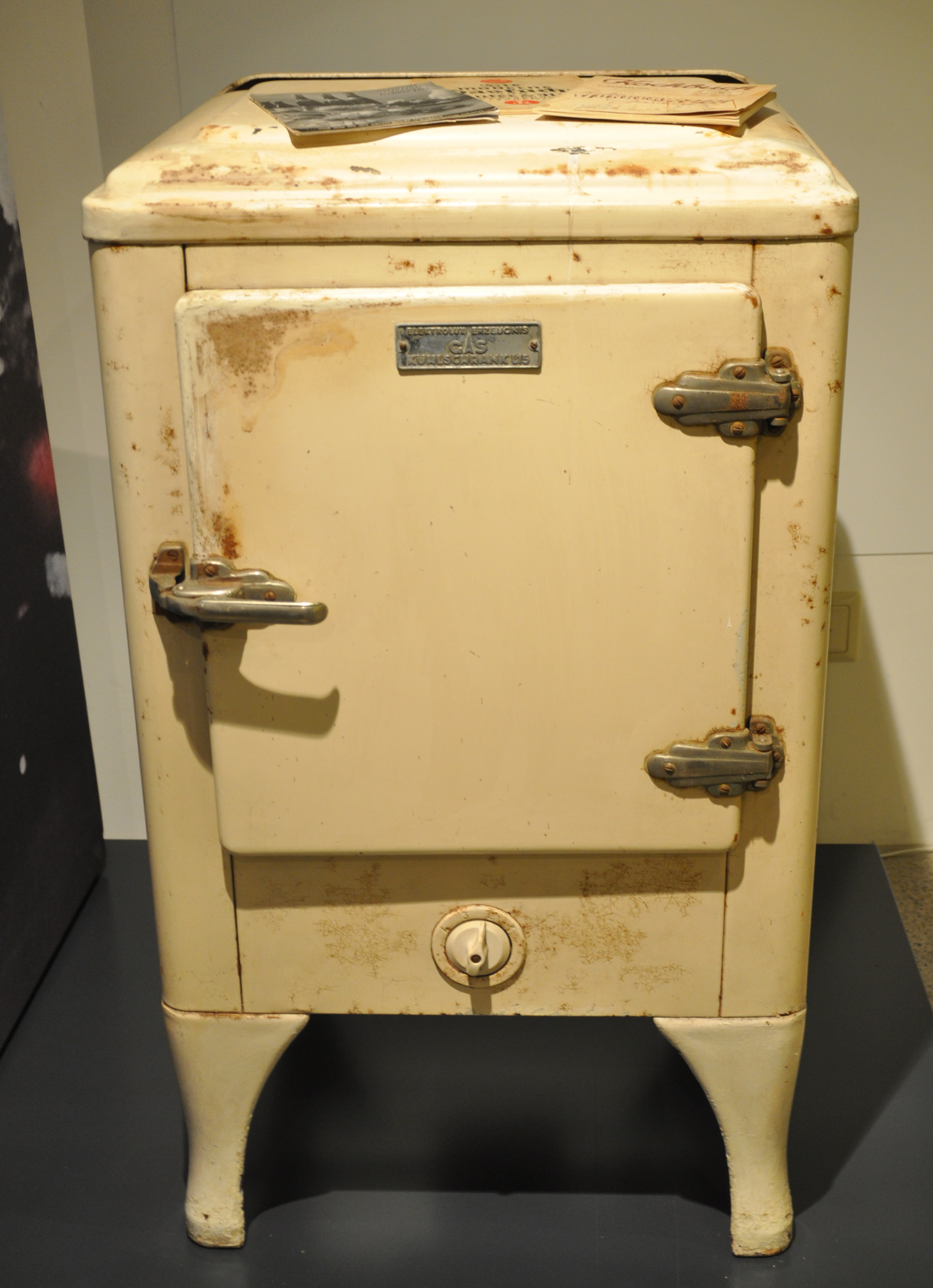
Before electricity was universal, gas did almost everything in a house – lights, cooker, water heater, fires, and in some houses a refrigerator running on a gas flame with no moving parts at all.
Electricity took the lighting and the refrigeration decisively, and gas retreated to heating and cooking, where it remains. The gas refrigerator still exists in caravans and off-grid use and is a genuinely elegant machine, which almost nobody realises was once a mainstream domestic appliance.
14. Every Appliance in the Country Had to Be Converted by Hand
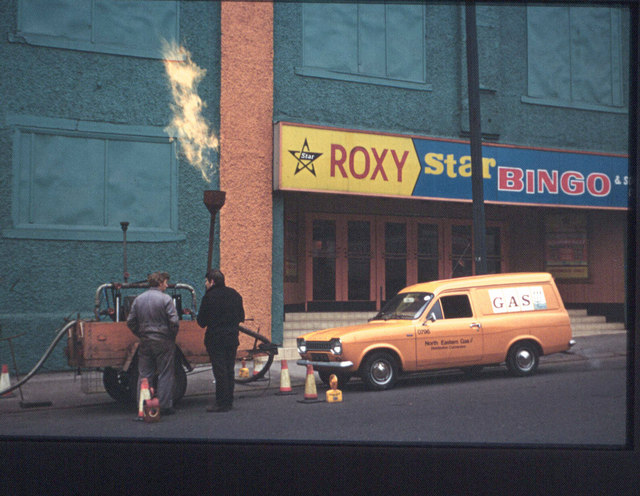
Natural gas burns differently from manufactured gas, so every burner on every cooker, fire and boiler had to be physically modified or replaced. Teams went house by house, street by street, converting everything.
It was one of the largest peacetime domestic engineering operations ever undertaken, it took about a decade, and it was carried out almost entirely without incident. It is also almost completely forgotten, which is the usual fate of enormous logistical achievements that go well.
15. The Works Was Where a Lot of Men Spent Their Whole Lives
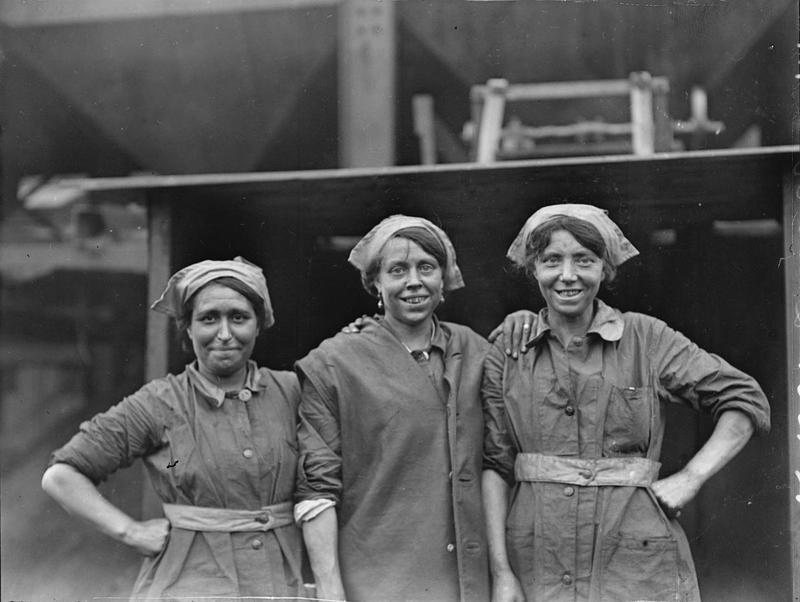
A gasworks was a major local employer with a defined hierarchy, and a man could start in the yard at fifteen and retire from the same site, as could his son.
Those sites closed within a few years of each other across the whole country as the conversion proceeded, so the employment did not taper – it ended. For a works town that meant the loss of the largest employer and the demolition of its most prominent structure within roughly the same decade.
16. Nobody Thought the Gas Would Come From Under the Sea
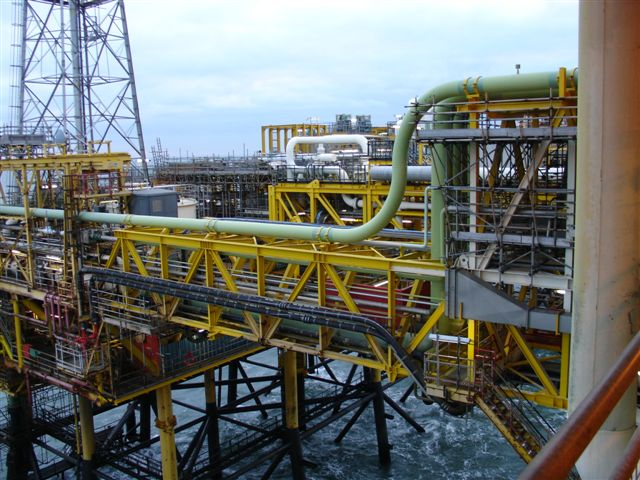
In 1955 gas meant coal, and the idea that the whole country’s supply would arrive from offshore fields through a national pipe network was not part of anybody’s planning.
Offshore discoveries and the pipeline network changed the entire basis of the industry within about fifteen years. It is one of the fastest and most complete substitutions of a primary energy source anywhere in industrial history, and it happened with so little public drama that most people remember only the man who came to adjust the cooker.
17. The Sites Are Now Flats and Almost Nobody Knows Why the Ground Was Cheap
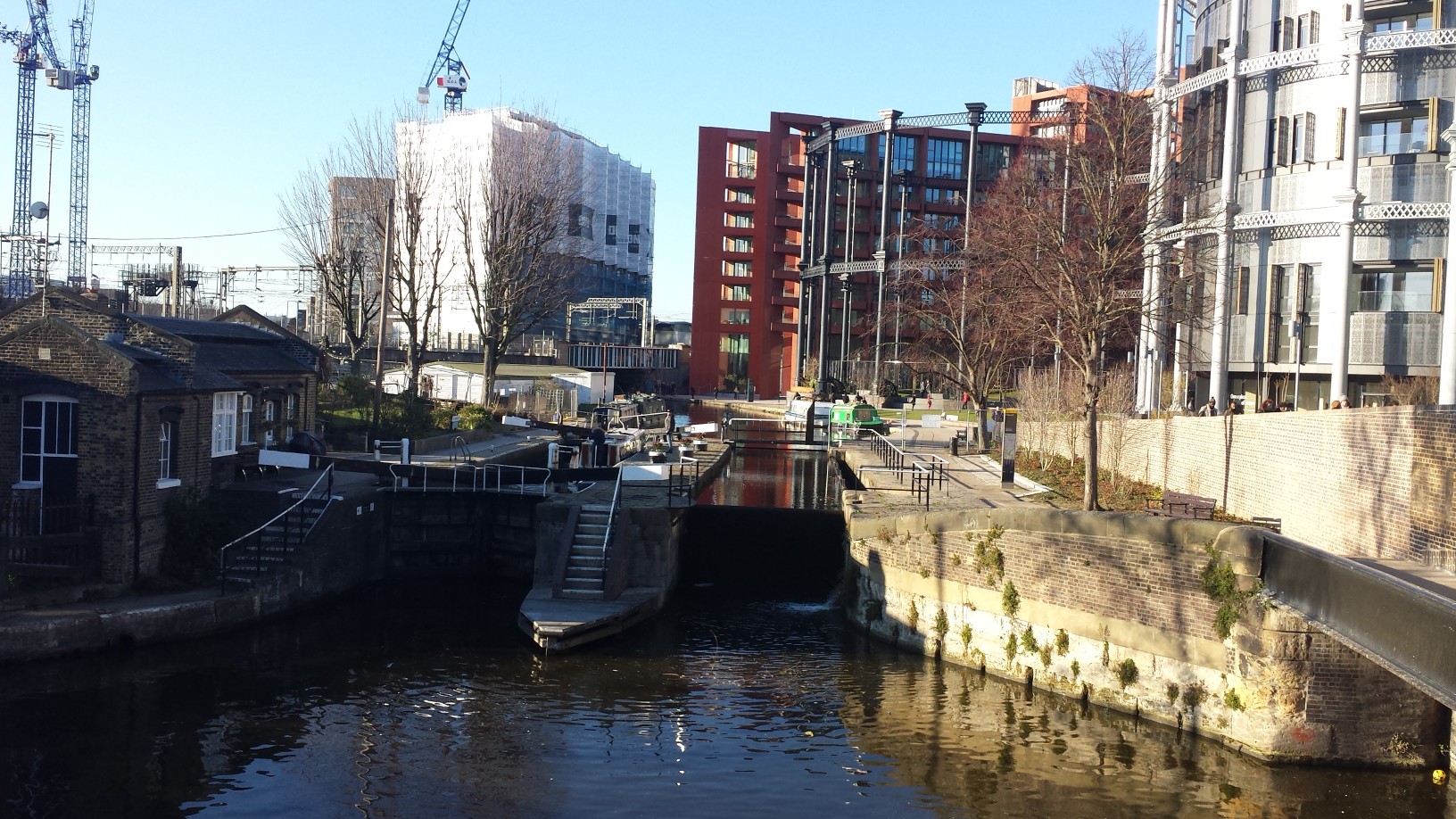
A gasworks occupied a large central site with rail or canal access, which made it extremely attractive land once the works had gone.
Those sites are now housing, retail parks and business districts, and the remediation that preceded the building is invisible in the finished development. The gasholder frames that have been kept and built around are the only widely visible reminder that an entire manufacturing industry once sat at the centre of nearly every town – which is a strange thing for something that large to have left behind.
The Buildings Went and the Ground Stayed
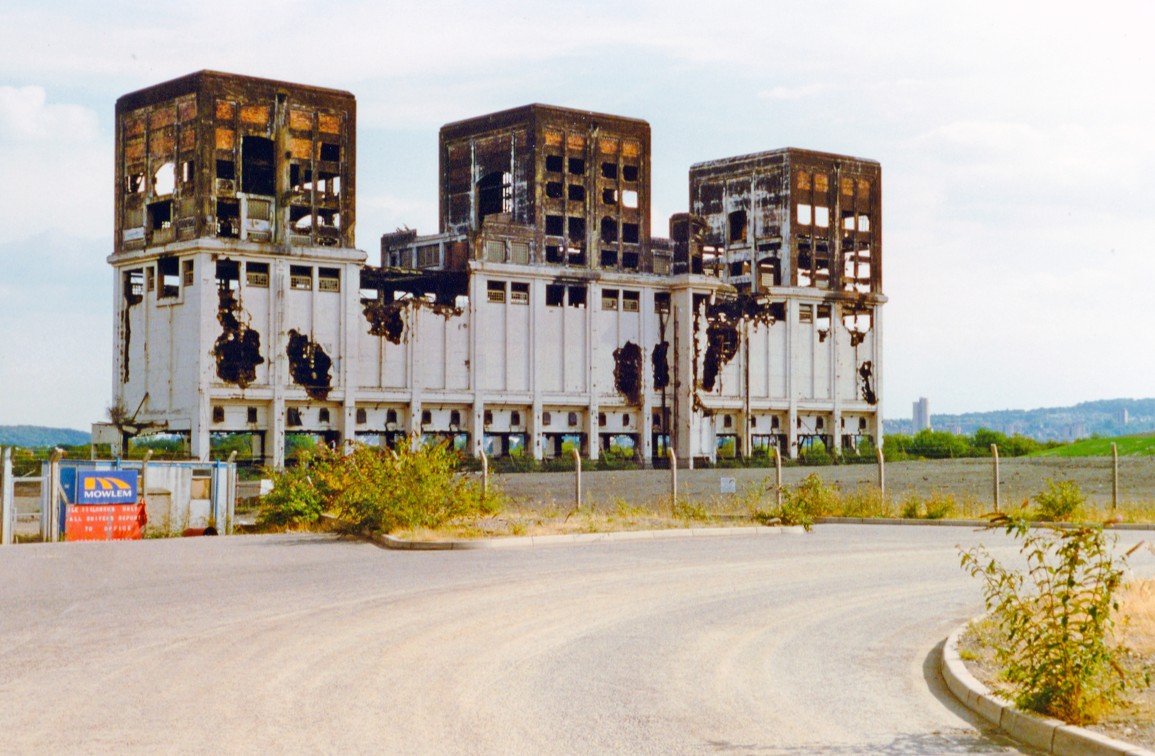
The thing that survives from this industry is not what you would expect.
The retort houses were demolished. The gasholders were cut up for scrap, with a handful kept as landmarks. The coke yards, the purifier houses, the offices and the rail sidings all went, and in most towns there is now nothing above ground to show that a gasworks was ever there.
What stayed is underneath. A century of tar, spent purifying material, ammoniacal liquor and assorted process residues went into the ground on those sites, at a time when the concept of containment did not meaningfully exist, and none of it left when the buildings did.
This is why former gasworks are among the most carefully investigated pieces of land in any town, and why redeveloping one begins with drilling and sampling rather than with foundations. The remediation is frequently the single largest item in the project, and it is entirely invisible in the finished flats.
Which is a fair summary of what this industry actually was. It gave an entire country light, heat and cooking for a hundred years, built a large part of the chemical industry out of its own waste stream, converted every appliance in the land to a different fuel without serious incident, and then disappeared so completely that most people do not know it happened.
The receipt is in the soil.
If you grew up in a gas town you will remember the smell and the shape of the holder on the skyline.
Which works was it, and what stands there now?
Like our content? Follow us for more.