

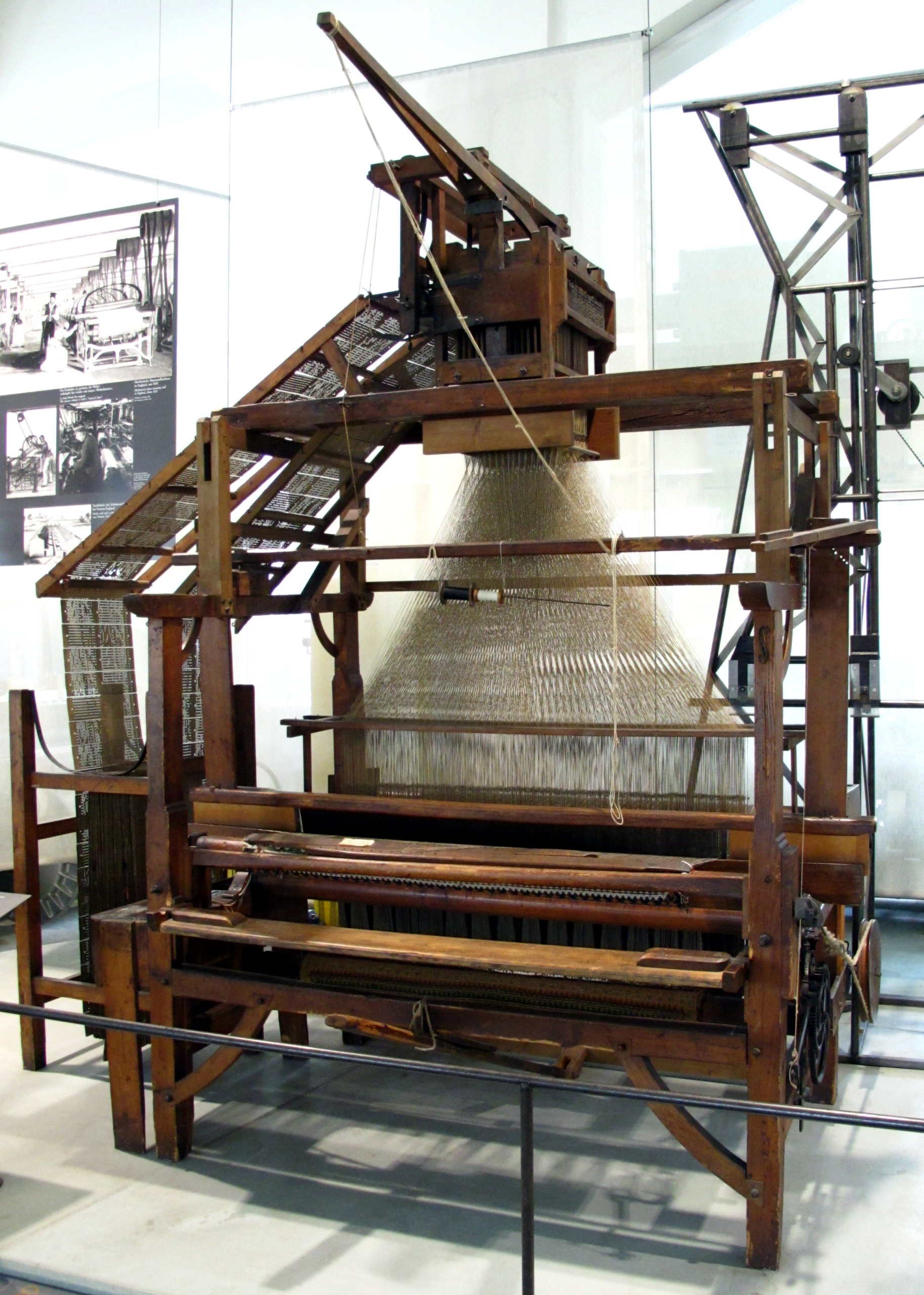
In 1960 a patterned carpet began as a design painted square by square on squared paper, was translated into thousands of punched cards by hand, and was woven on a loom that read those cards one row at a time.
The weaving floor was too loud for speech. The air was full of fibre and the windows were kept shut deliberately. And the carpet came off the loom in strips to be joined on somebody’s floor.
Here are twelve things that were ordinary in a carpet factory in 1960, and what became of each one.
1. The Pattern Was Punched Into Cards Before Anything Was Woven
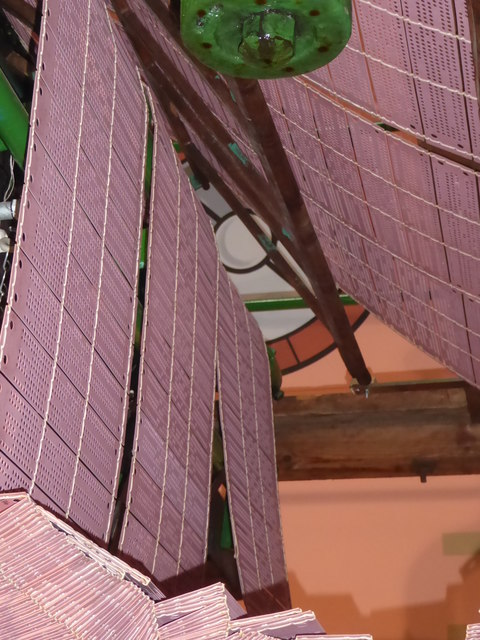
A patterned carpet was produced by a loom reading a chain of punched cards, one card per row, each hole determining whether a particular yarn was lifted. Preparing a design meant punching thousands of cards by hand from a painted draft.
Electronic pattern control replaced the cards, and a design change that once took weeks of card punching now takes minutes. The card system is the direct ancestor of programmable machinery generally, and a carpet loom in 1960 was running on stored instructions in physical form, which is a more remarkable thing than it was treated as.
Like our content? Follow us for more.
2. The Design Was Painted Square by Square on Point Paper
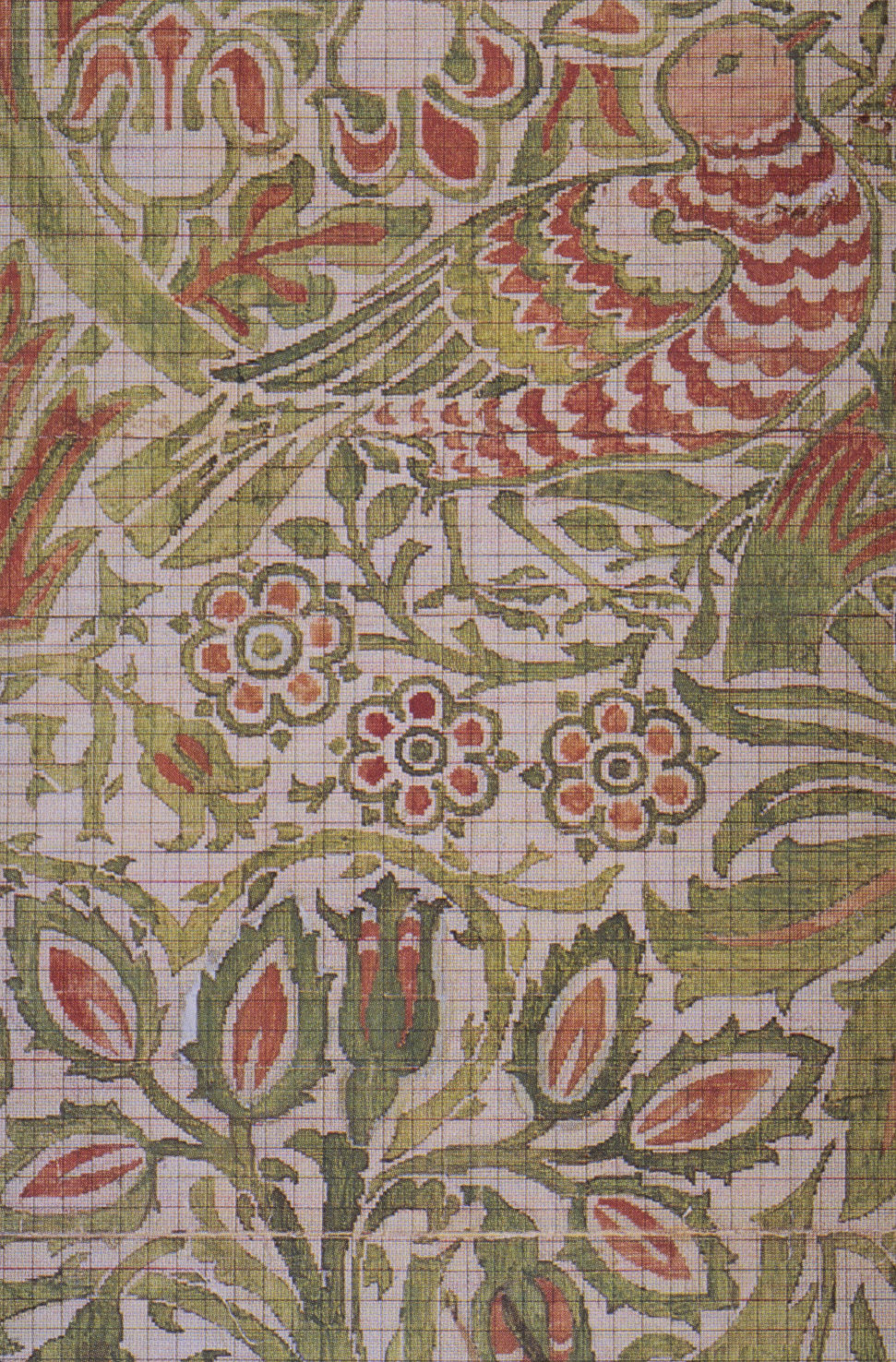
Before any cards were punched, a designer translated the artwork onto squared paper, colouring one square per knot or tuft, by hand, across a sheet representing the whole repeat.
Computer-aided design replaced point paper entirely. The designer was working at the resolution of the finished carpet, square by square, which meant the limits of the loom were present in the drawing from the first mark – a constraint modern designers have to be taught to think about and that was unavoidable then.
3. The Noise on the Weaving Floor Was Beyond Conversation
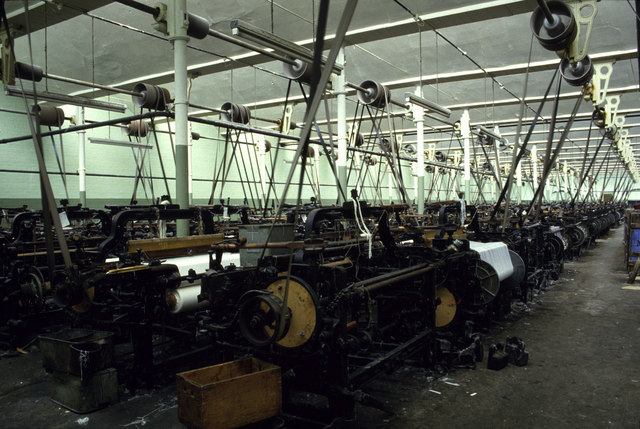
A floor of mechanical looms, each throwing shuttles and beating up rows continuously, produced sustained noise at a level where speech was impossible and the whole building vibrated.
Acoustic enclosure, quieter weft insertion methods, exposure limits and hearing protection have changed it. Weavers developed lip reading and a signed vocabulary to communicate across the floor, which is documented across the whole textile industry and is one of its more striking adaptations. Stated as occupational history; anybody with that work history should discuss it with their own doctor.
4. The Air Was Full of Fibre and the Windows Were Kept Shut
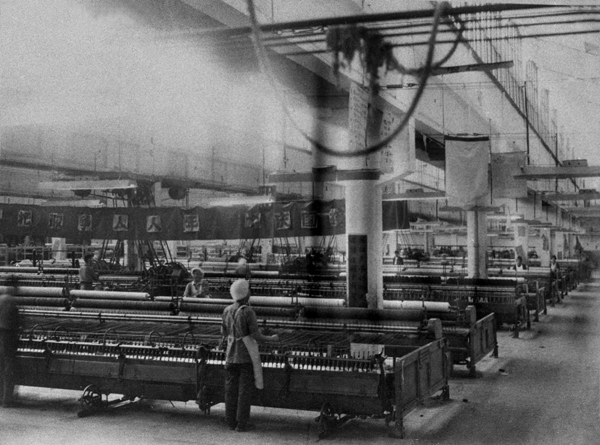
Wool and other fibres shed continuously during handling, spinning and weaving, and the air carried a visible fibre load. Humidity was deliberately kept high to stop yarn breaking, so the windows stayed closed.
Extraction, filtration and enclosed handling have transformed the atmosphere. The humidity requirement was real – dry yarn breaks and weaving stops – which meant the conditions that suited the process were the opposite of the conditions that suited the people. Included as occupational history only.
5. Broken Threads Were Found and Tied by Hand at Speed
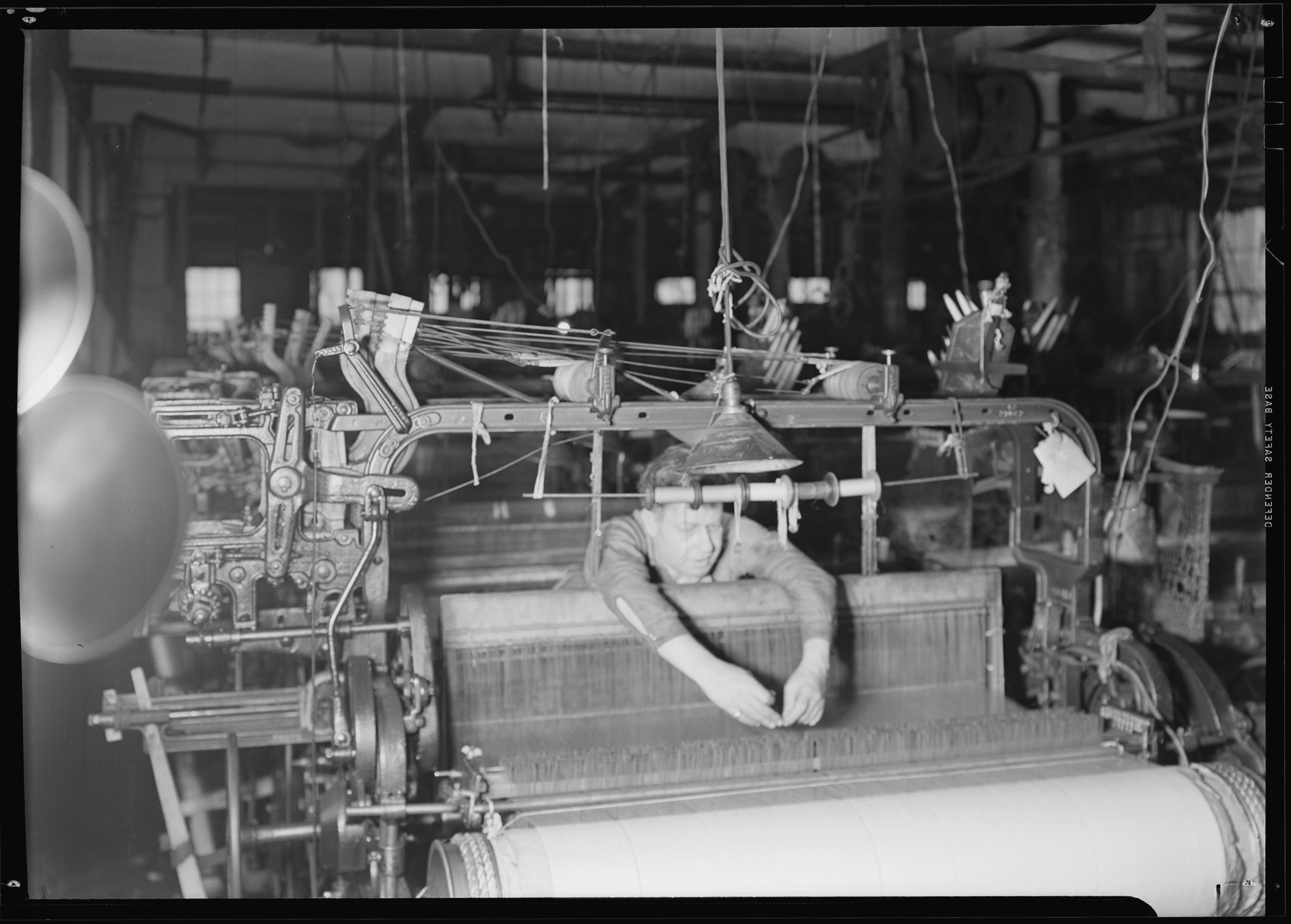
A loom running thousands of ends will break them regularly, and a weaver’s main job was spotting a break instantly and tying it with a specific knot, fast, without stopping production where possible.
Automatic stop motions, knotting devices and monitoring systems detect and in many cases repair breaks. The weaver’s knot is small, secure and tied one-handed in about a second, and it was taught to children in weaving districts before they were old enough to work.
6. Carpet Was Made in Narrow Widths and Joined in the House
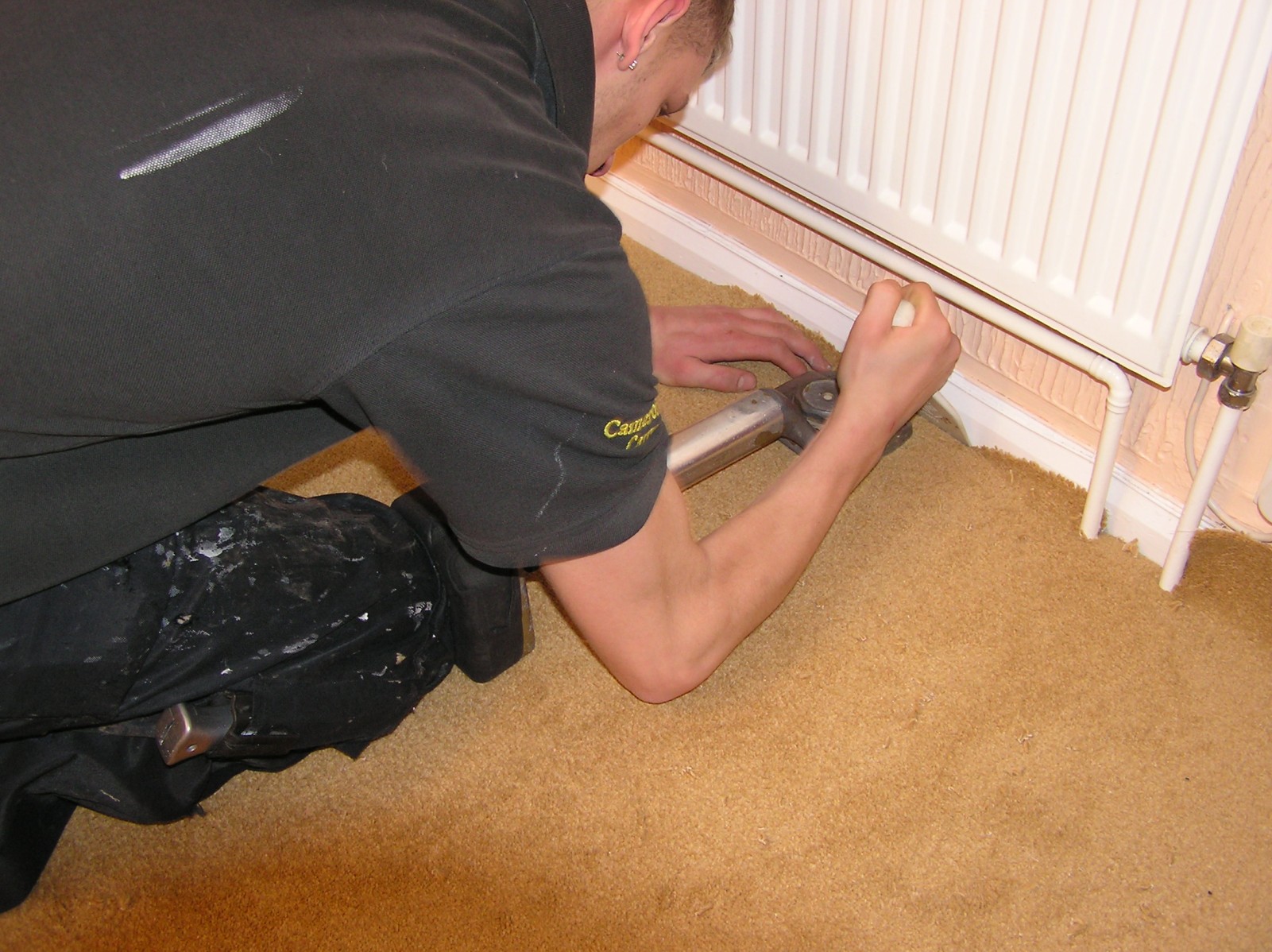
Looms produced carpet in strips, and fitting a room meant sewing or seaming lengths together on site, matching the pattern across each join.
Broadloom weaving and tufting machines producing full room widths removed the seaming. Pattern matching across a seam by hand on somebody’s floor was a fitter’s skill, and a badly matched join was the most visible possible failure in a job that had otherwise gone well.
7. Tufting Arrived and Destroyed the Economics Within a Decade
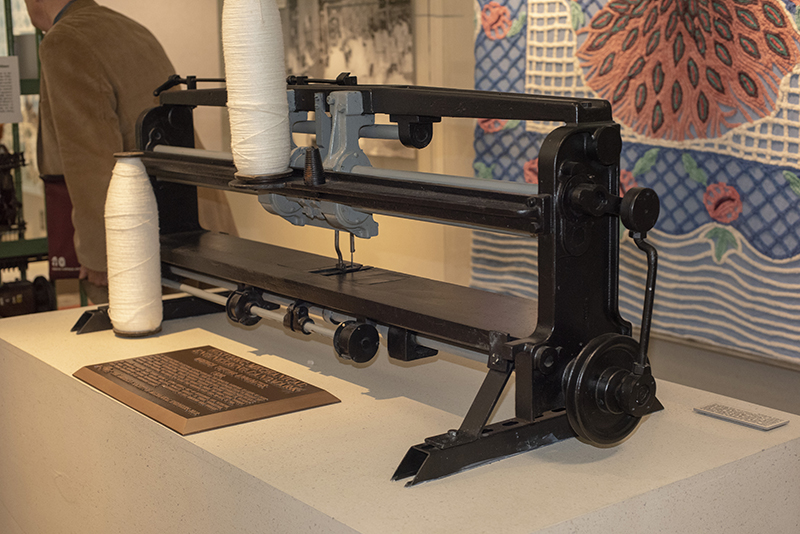
Woven carpet is made by interlacing yarn into a structure. Tufting punches yarn through a pre-made backing with rows of needles and glues it in place, and it is enormously faster.
Tufting took the overwhelming majority of the market very quickly, and most carpet made now is tufted. Woven carpet survives at the top of the market and in contract work where durability justifies the cost. The speed difference is not marginal – it is a different order of production entirely, which is why the transition took about ten years rather than a generation.
8. The Backing Was Jute and the Glue Was Natural
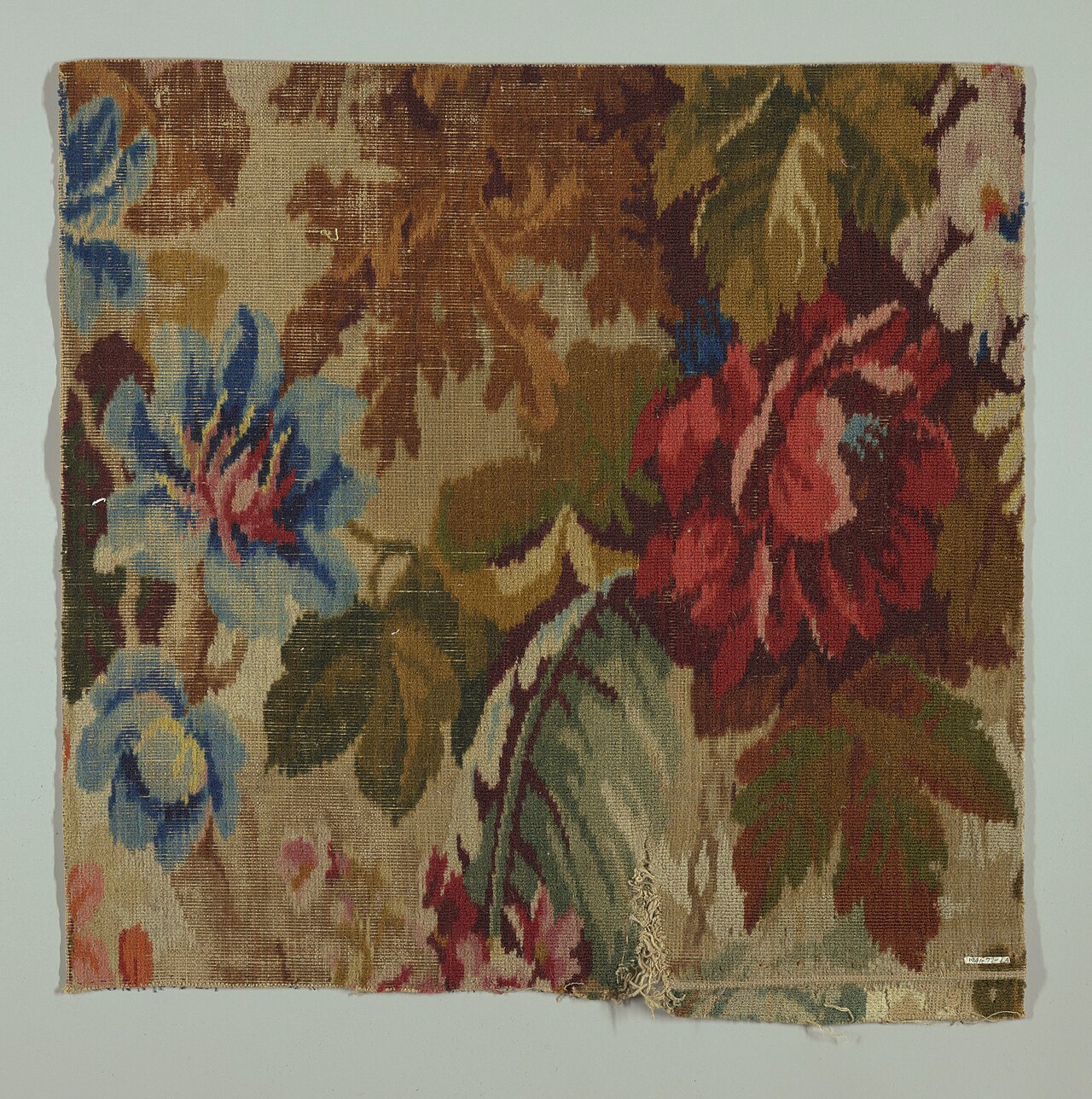
Woven carpet was built on jute backing with natural adhesives and a hessian secondary backing, all of it biodegradable and all of it vulnerable to damp and insects.
Synthetic backings and latex compounds replaced them, giving dimensional stability and damp resistance and creating a product that is extremely difficult to recycle. Old carpet rotted, which was a defect as a floor covering and an advantage at the end of its life, and that trade has been made in the opposite direction.
9. Dyeing Was Done to the Yarn and the Shade Had to Match Across Years
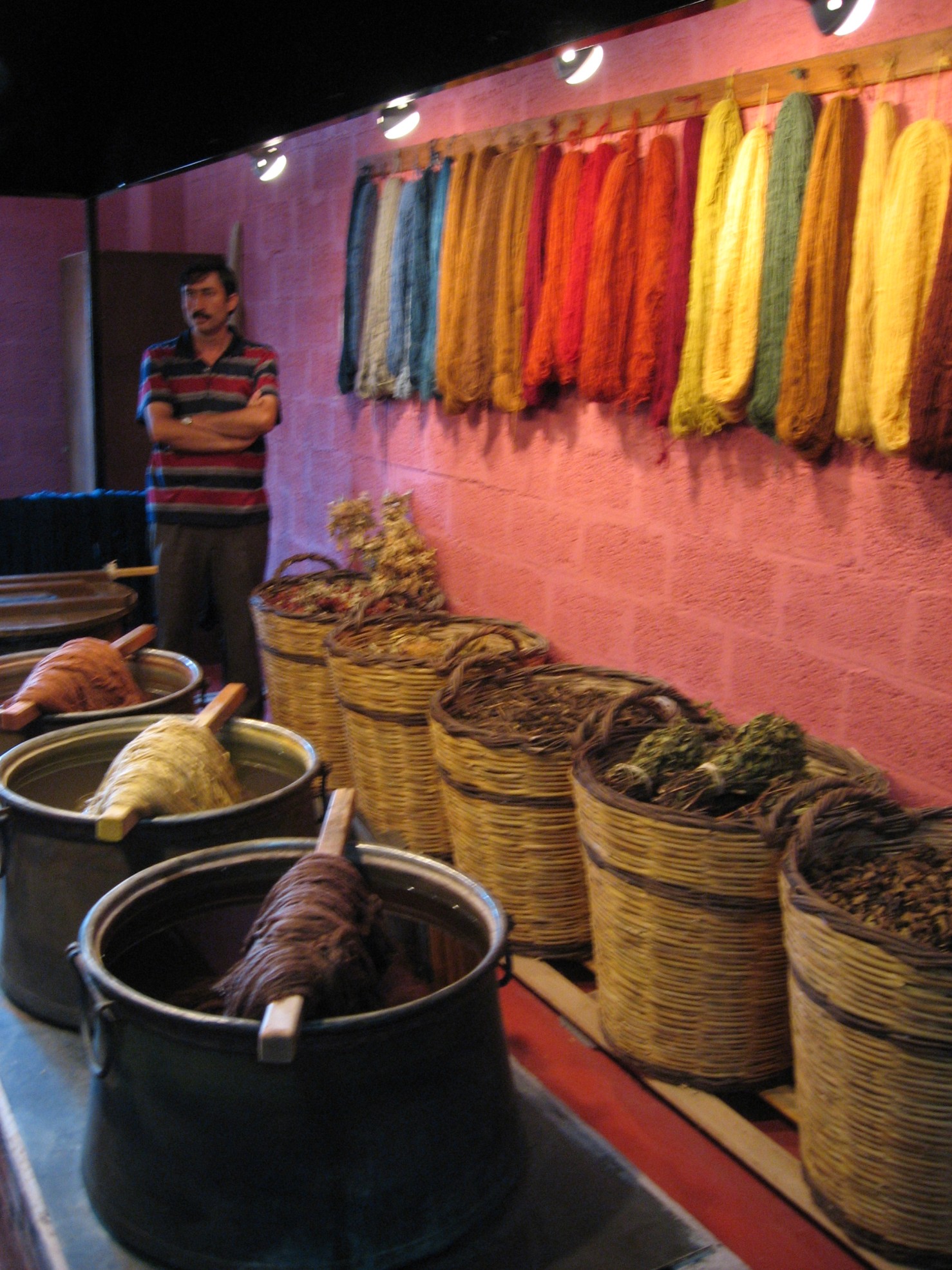
Yarn was dyed in batches before weaving, and a customer extending or repairing a carpet years later needed a matching dye lot – which required the works to record and reproduce shades over long periods.
Instrumental colour matching, piece dyeing and printing after manufacture have changed the problem. The requirement to reproduce a shade from a record made years earlier was the hardest standing problem in the industry, and it is the reason dye records were kept with the care normally reserved for accounts.
10. Moth Damage Was a Genuine Commercial Threat
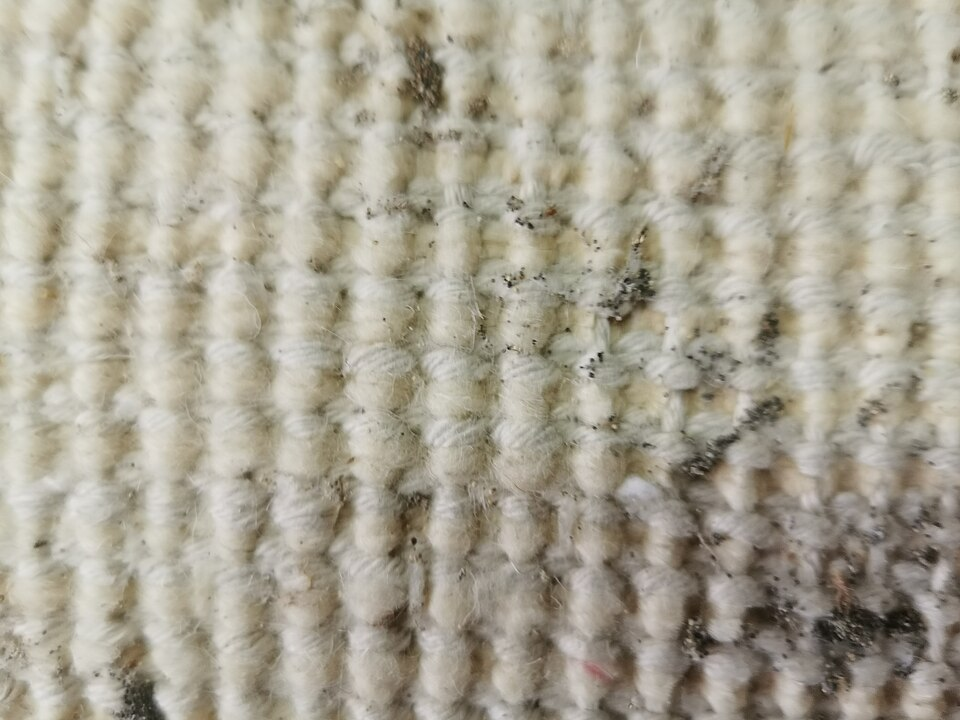
Wool carpet is food for certain insects, and infestation could destroy stock in a warehouse or a customer’s floor, with treatment chemicals applied as a matter of routine.
Mothproofing chemistry changed substantially after several treatments were restricted, and synthetic fibres are simply not edible, which removed the problem for most of the market. It is one of the under-appreciated reasons synthetic carpet displaced wool so completely in the volume market.
11. The Trade Was Concentrated in a Few Towns and Everybody Was In It
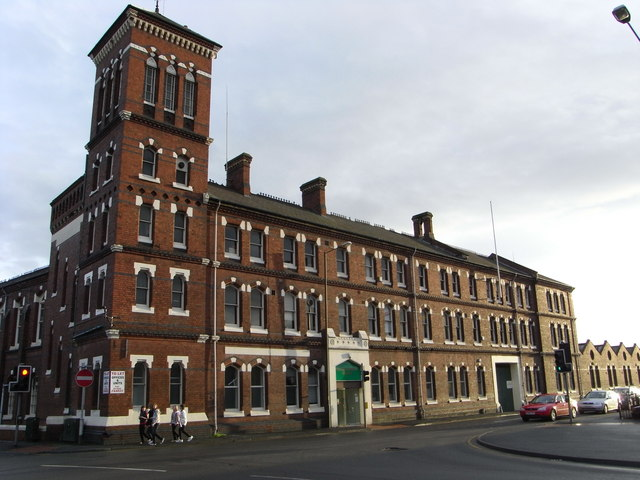
Carpet manufacture clustered in a small number of towns, where the mills, the dyers, the yarn spinners, the designers and the loom engineers all operated within a few miles of each other.
Imports and consolidation reduced it drastically, and the surviving manufacture is concentrated in fewer and larger operations. The familiar pattern applies: the specialists went before the mills did, and the mills then had to buy from further away at higher cost.
12. Nobody Expected Hard Floors to Come Back
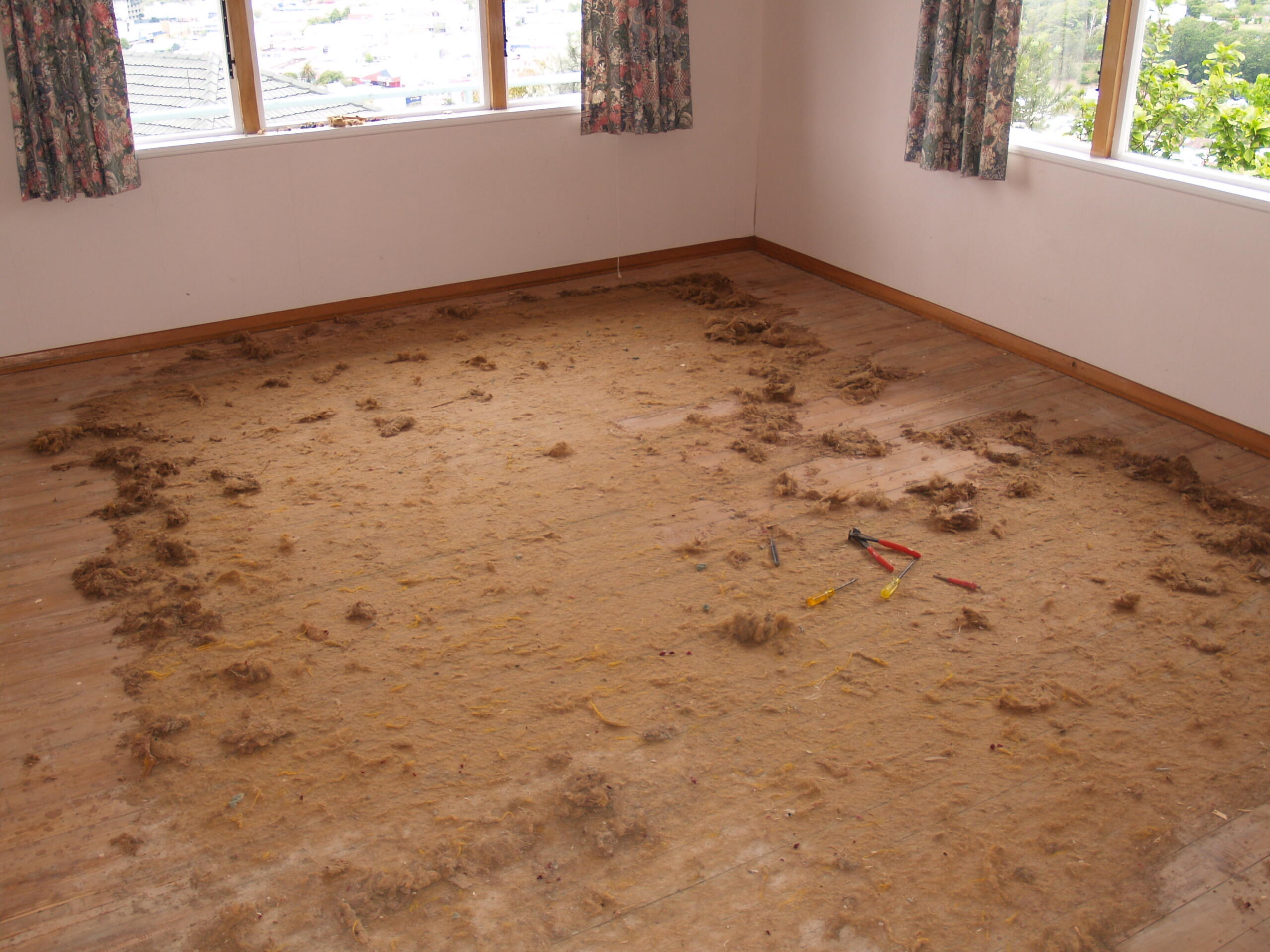
In 1960 fitted carpet was the modern choice and bare boards meant you could not afford otherwise. The idea that people would deliberately remove carpet to expose the floor underneath would have seemed perverse.
Hard flooring took a very large share of the domestic market, driven by fashion, by allergy concerns and by the arrival of convincing engineered and laminate products. The carpet industry’s response has been to compete on comfort, acoustics and warmth rather than on appearance, which is a reasonable position and a much smaller market than the one it had.
The Loom Was a Computer and Nobody Called It One
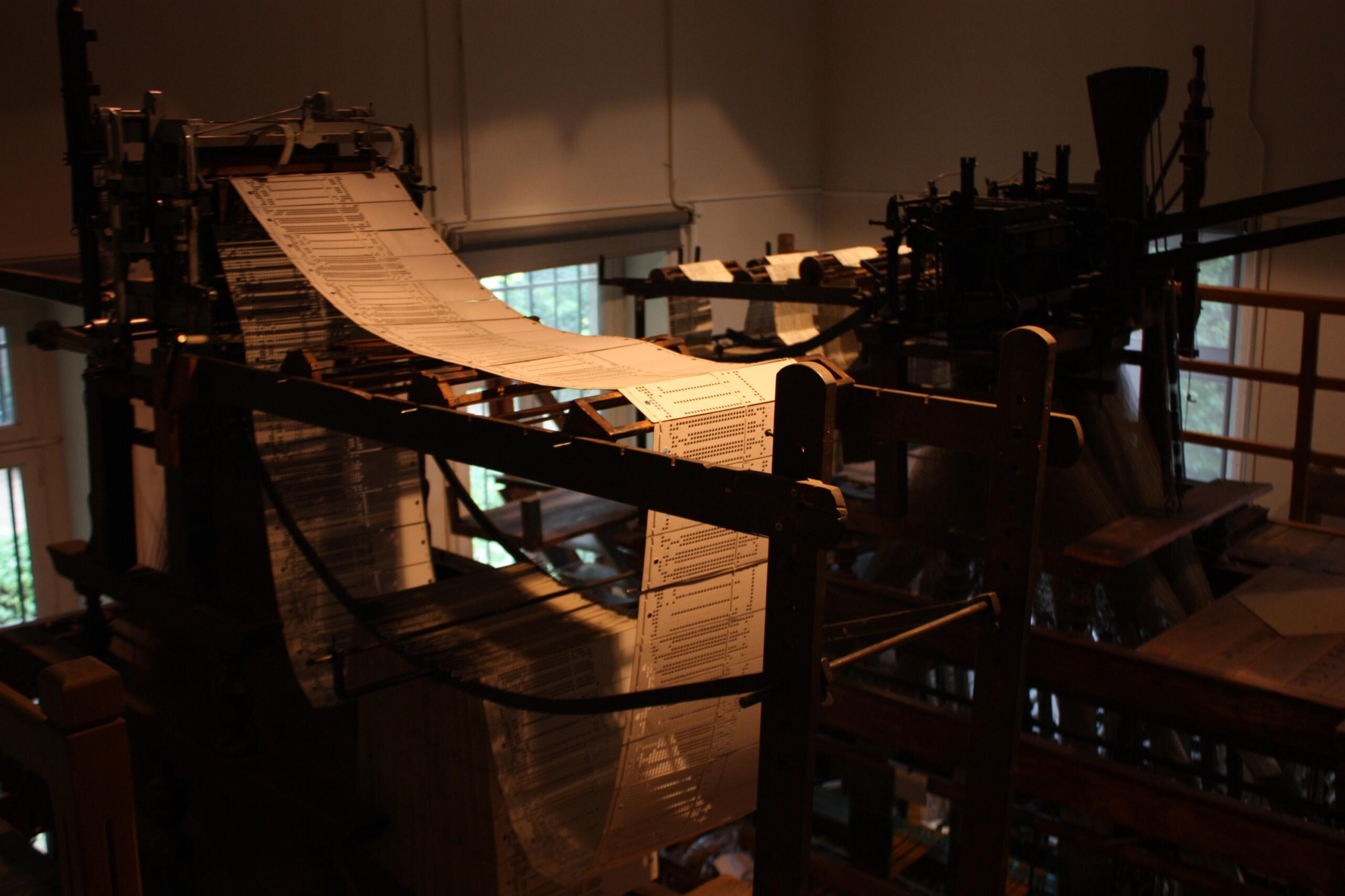
The detail worth stopping on is the card chain.
A patterned loom in 1960 was executing a program. The pattern was encoded as holes in cards, the cards were fed in sequence, each one was read mechanically, and the holes determined which of thousands of yarns were lifted for that row. Change the cards and the machine made something entirely different with no modification to the machine itself.
That is stored-program control, in physical form, and it predates electronic computing by well over a century. The principle was developed for figured weaving and was explicitly the inspiration for early mechanical computing – the idea of a machine whose behaviour is determined by a removable set of instructions rather than by its own construction came out of textile manufacture.
By 1960 nobody on a weaving floor thought of it that way. It was simply how the loom worked. The cards were punched in a room upstairs, carried down, laced into a chain and hung on the machine, and the men maintaining them were doing something they would not have described as programming.
What finally replaced the cards was electronic control, which is the same idea in a different medium and which does the job incomparably better – a design change that required weeks of punching now requires somebody to load a file.
So the carpet loom is a rare case of a trade that had the central idea of the computer age, in daily industrial use, as an ordinary piece of equipment, for a hundred and fifty years before the thing it anticipated arrived and replaced it.
If you worked in carpets you will know whether you were on weaving or tufting and which came first in your mill.
And if there is a pattern repeat you still recognise, somebody painted it square by square.
Like our content? Follow us for more.
