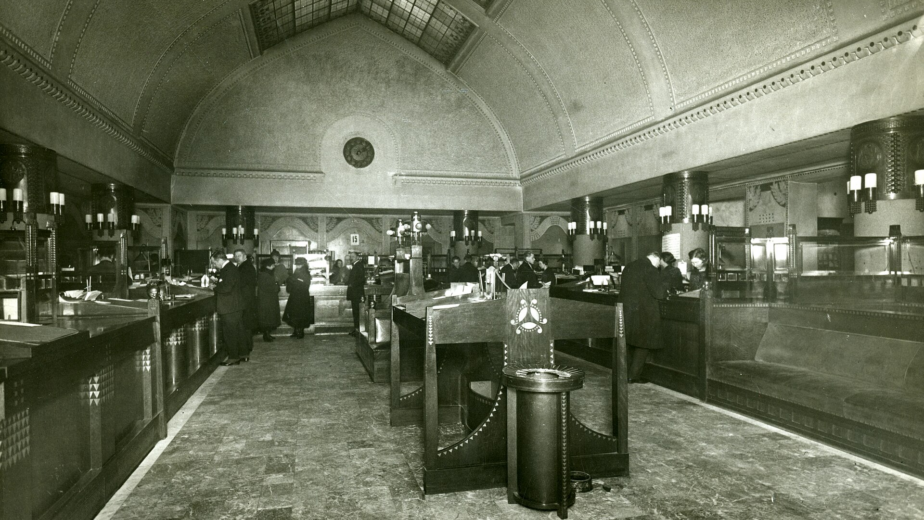
In 1960 a distillery had a government excise officer living on the site, holding one of the two keys to the locks on the critical equipment, signing the ledgers that determined the duty.
The spirit ran through a locked brass and glass case the stillman could see into but not reach. The point at which to cut from one fraction to the next was judged by nose. The casks were repaired on site by coopers. And the warehouse lost a share of everything in it every year, permanently, with nothing to be done about it.
Here are sixteen things that were ordinary in a distillery in 1960, and what became of each one.
1. A Government Officer Lived on Site and Held One of the Two Keys
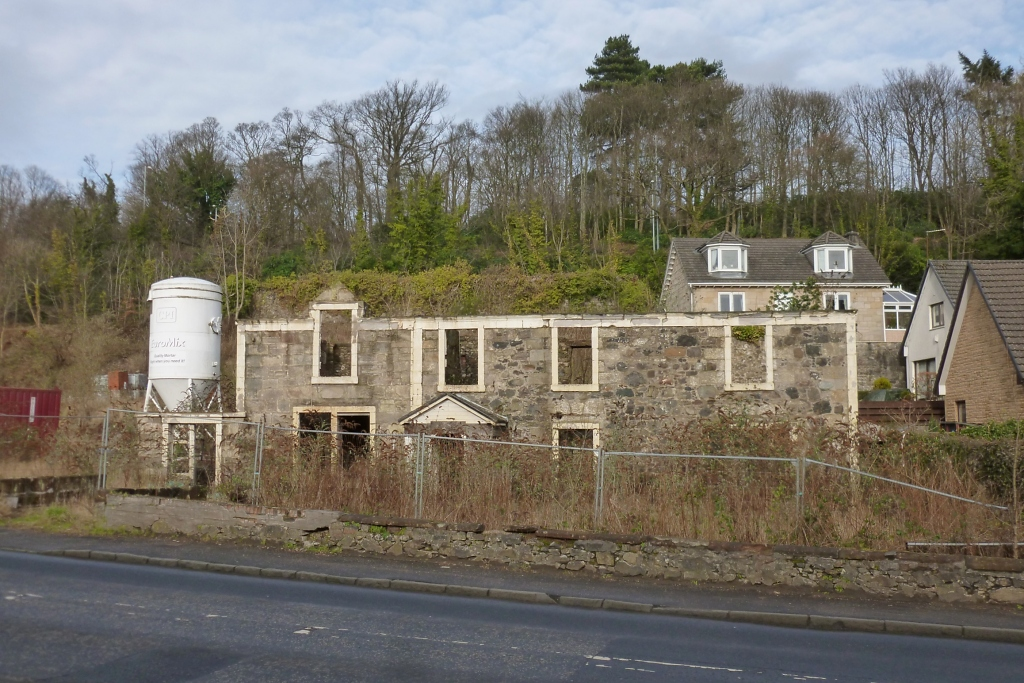
Because the product was taxed on volume and strength, an excise officer was stationed at the distillery, frequently in a house provided for him, and the critical equipment was locked with two different locks – one key held by the distillery and one by the officer. Nothing could be moved without both.
Metering, bonded warehousing, electronic accounting and audit replaced continuous physical supervision. The resident officer was a government employee living in the distillery’s own house, socially part of a small community, and professionally responsible for policing it – which is an awkward position that everybody involved managed by a set of unwritten understandings.
Like our content? Follow us for more.
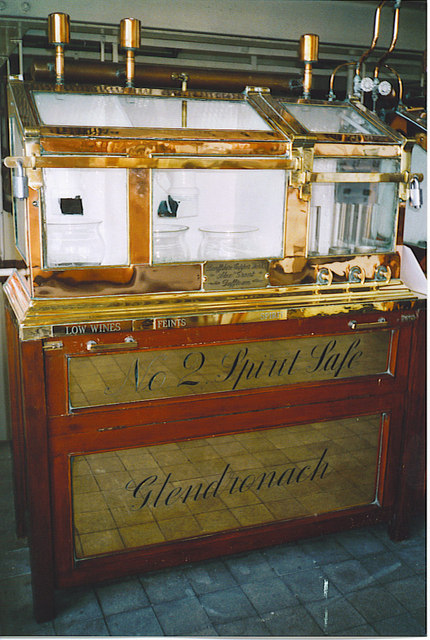
2. The Spirit Ran Through a Locked Brass and Glass Box
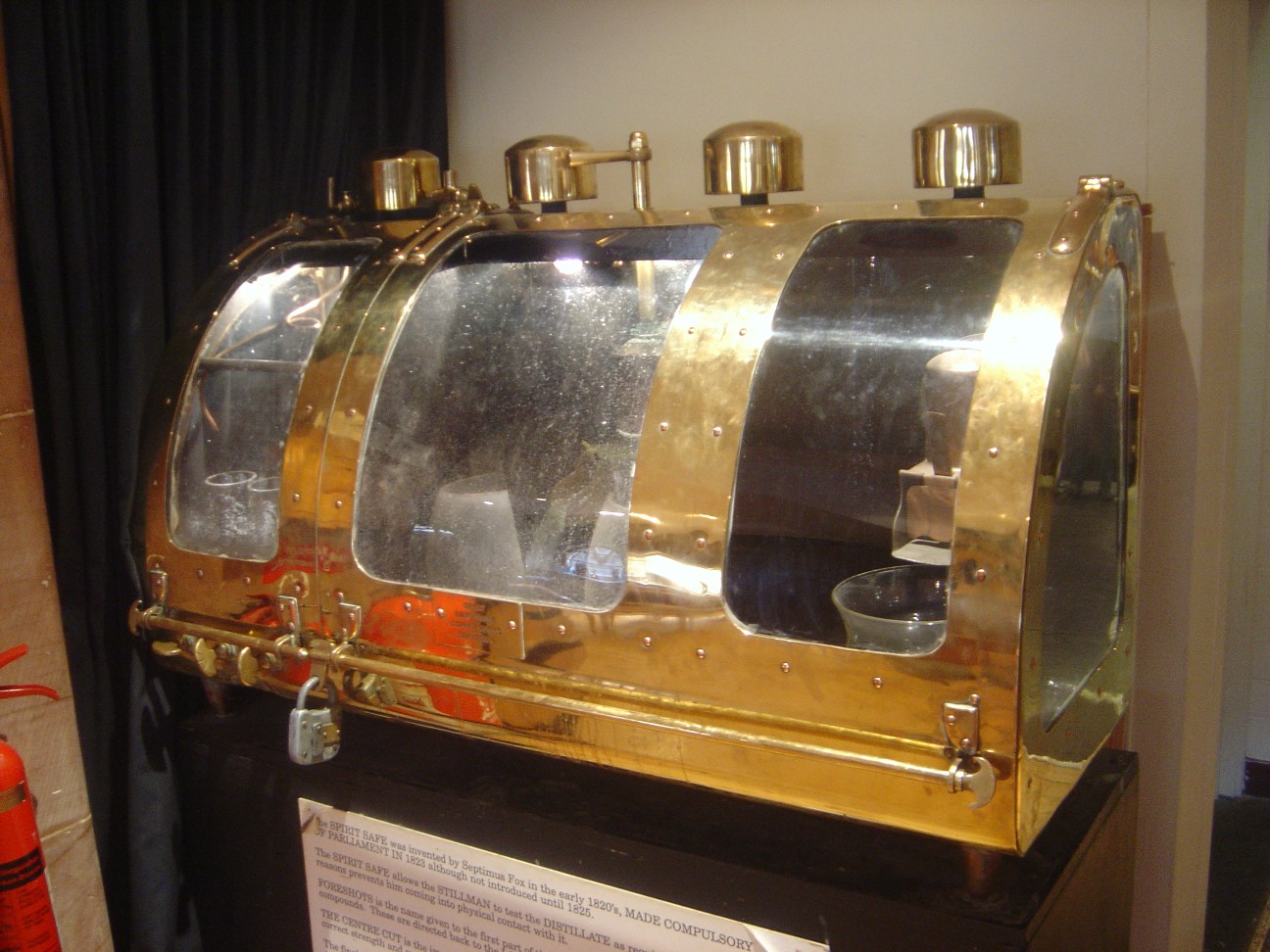
The still output passed through a sealed case containing the instruments, where the stillman could see the spirit and test its strength through the glass but could not touch it, directing the flow by external valves.
Still in use in many distilleries and still the point at which the critical decision is made. It is an unusual piece of equipment – designed so that a skilled operator can do a precise job on a liquid he is physically prevented from reaching, because the alternative was unsupervised access to untaxed spirit.
3. Cutting the Spirit Was Done by Nose and by Hand
A distillation run produces an initial fraction, a usable middle and a final fraction, and only the middle is wanted. Deciding exactly when to switch was done by the stillman judging strength, appearance and smell, and operating a valve at the moment he judged right.
Instrumented and in many places automated, with the cut points set by measurement and recorded. The judgement is still a real skill where it survives, and the decision is the single largest determinant of the character of the final product – the same wash, cut differently, produces noticeably different spirit.
4. The Stills Were Beaten Copper and Were Repaired Rather Than Replaced
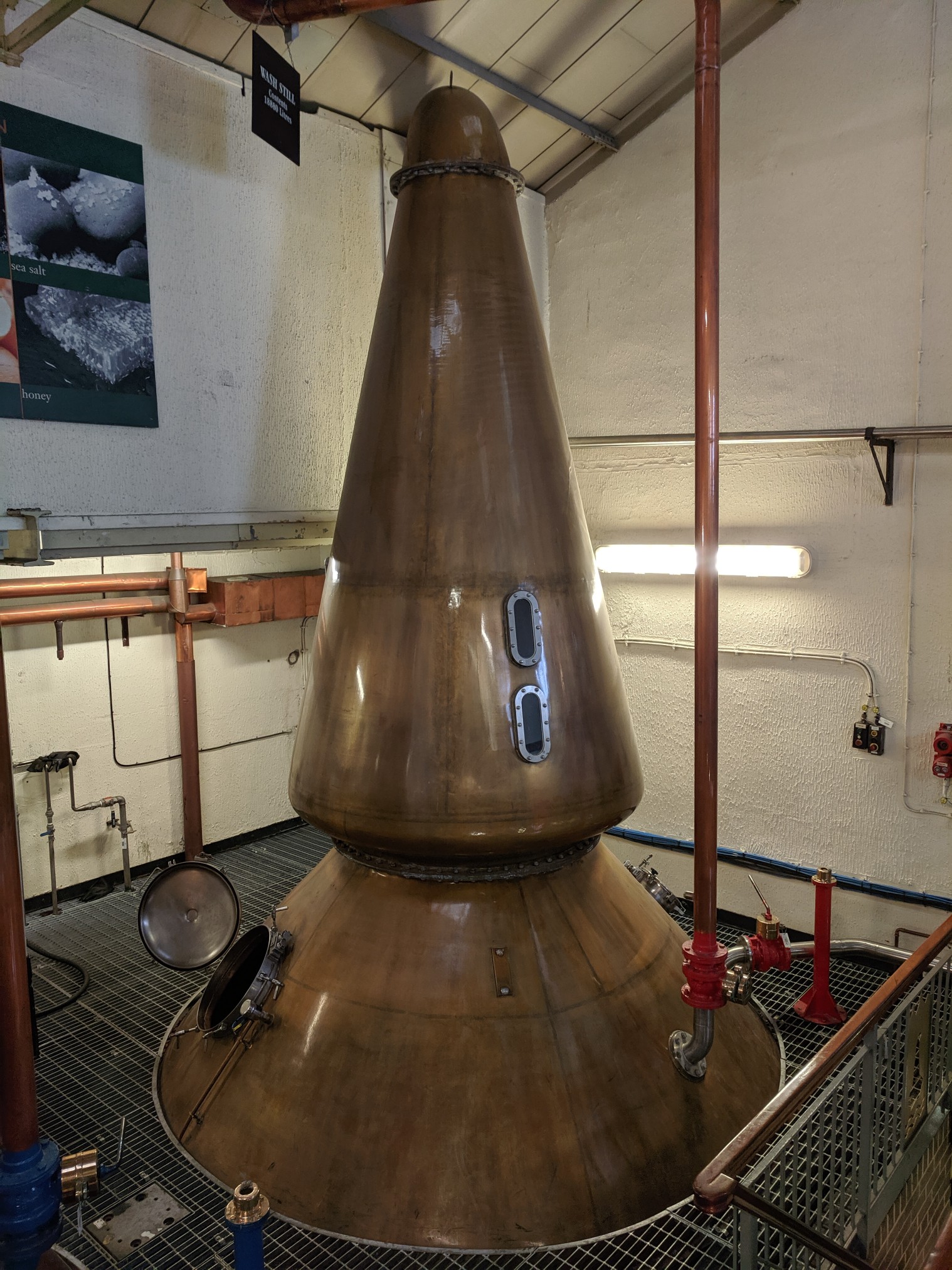
Stills were made of copper, hand-raised and riveted or welded, and they wore thin over years of use. They were patched, re-bottomed and eventually replaced with an exact copy, including copies of the dents.
Still copper, still hand-made by specialist coppersmiths, and still replaced like for like. Copper is used because it reacts with sulphur compounds in the vapour and removes them, so the metal is part of the process rather than just a container – which is also why the practice of copying a worn still exactly, dents included, is not superstition as it first appears.
5. The Warehouse Lost a Share Every Year and Nobody Could Stop It
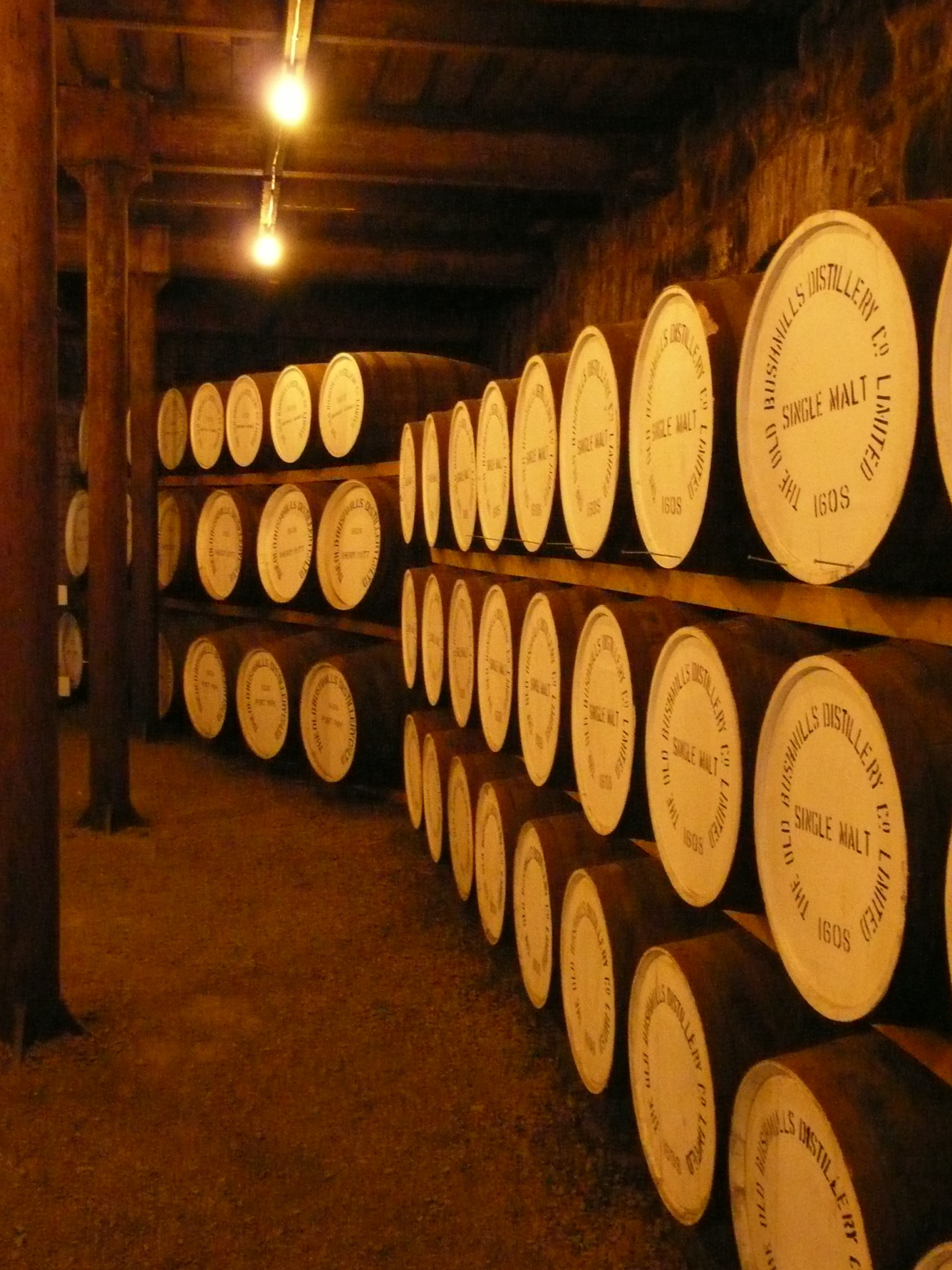
Spirit maturing in wooden casks loses volume continuously through evaporation, at a rate depending on the warehouse conditions, and after many years a substantial proportion of what went in is gone.
Unchanged, and the loss is still untaxable and still accepted as a cost of maturation. There is nothing to be done about it short of sealing the cask completely, which would prevent the interaction with air and wood that maturation depends on – the loss is not a side effect of the process, it is inseparable from it.
6. Casks Were Repaired by Coopers on Site
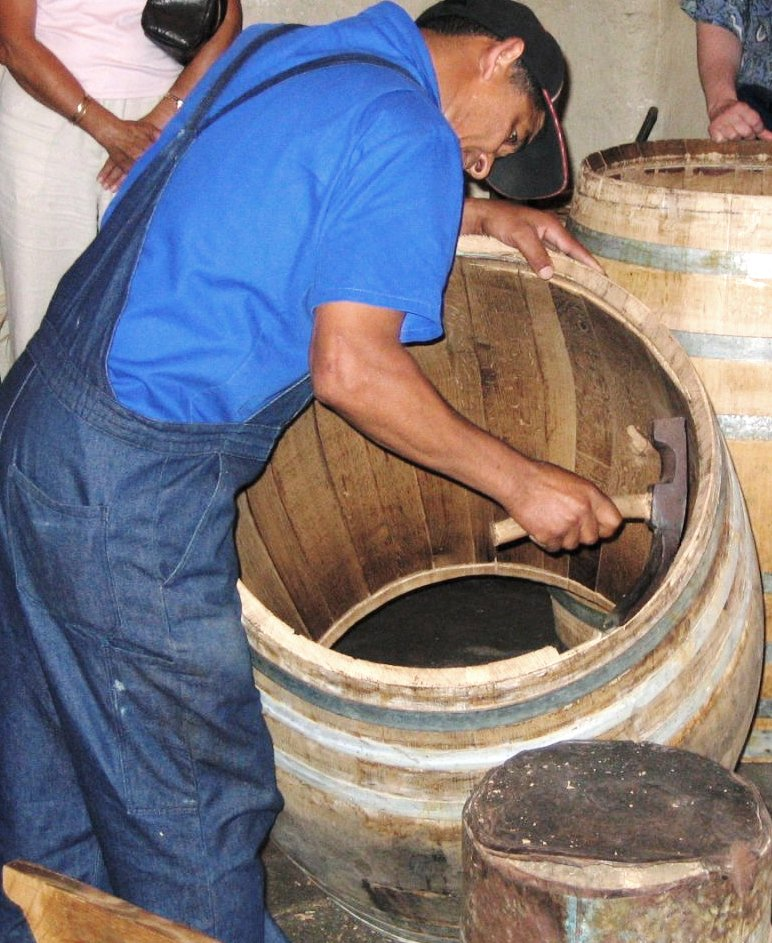
A distillery employed coopers who stripped, inspected, replaced staves, re-hooped and re-charred casks, by hand, with tools unchanged for centuries.
Mechanisation has taken much of the heavy work and skilled coopers remain essential, in smaller numbers, to an industry that still depends entirely on wooden containers. It is one of the very few medieval trades surviving as a going industrial occupation rather than as a heritage demonstration.
7. The Whole Place Was a Fire and Explosion Risk Nobody Discussed
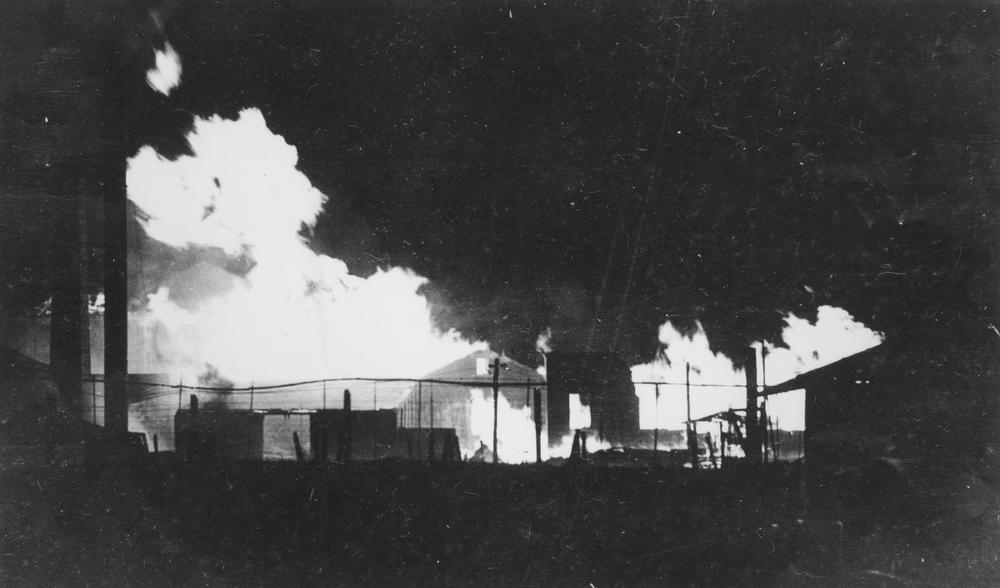
Warm spirit vapour, wooden warehouses, open flames under stills and electrical equipment that was not designed for the atmosphere made a distillery a serious hazard, and the controls amounted to care.
Hazardous area classification, intrinsically safe electrical equipment, vapour detection, bunding, and modern warehouse construction and separation now govern it. Distillery and warehouse fires were catastrophic when they happened, because burning spirit flows, and the separation distances in a modern site layout are a direct consequence.
8. Men Worked Inside Vessels and Nobody Tested the Air
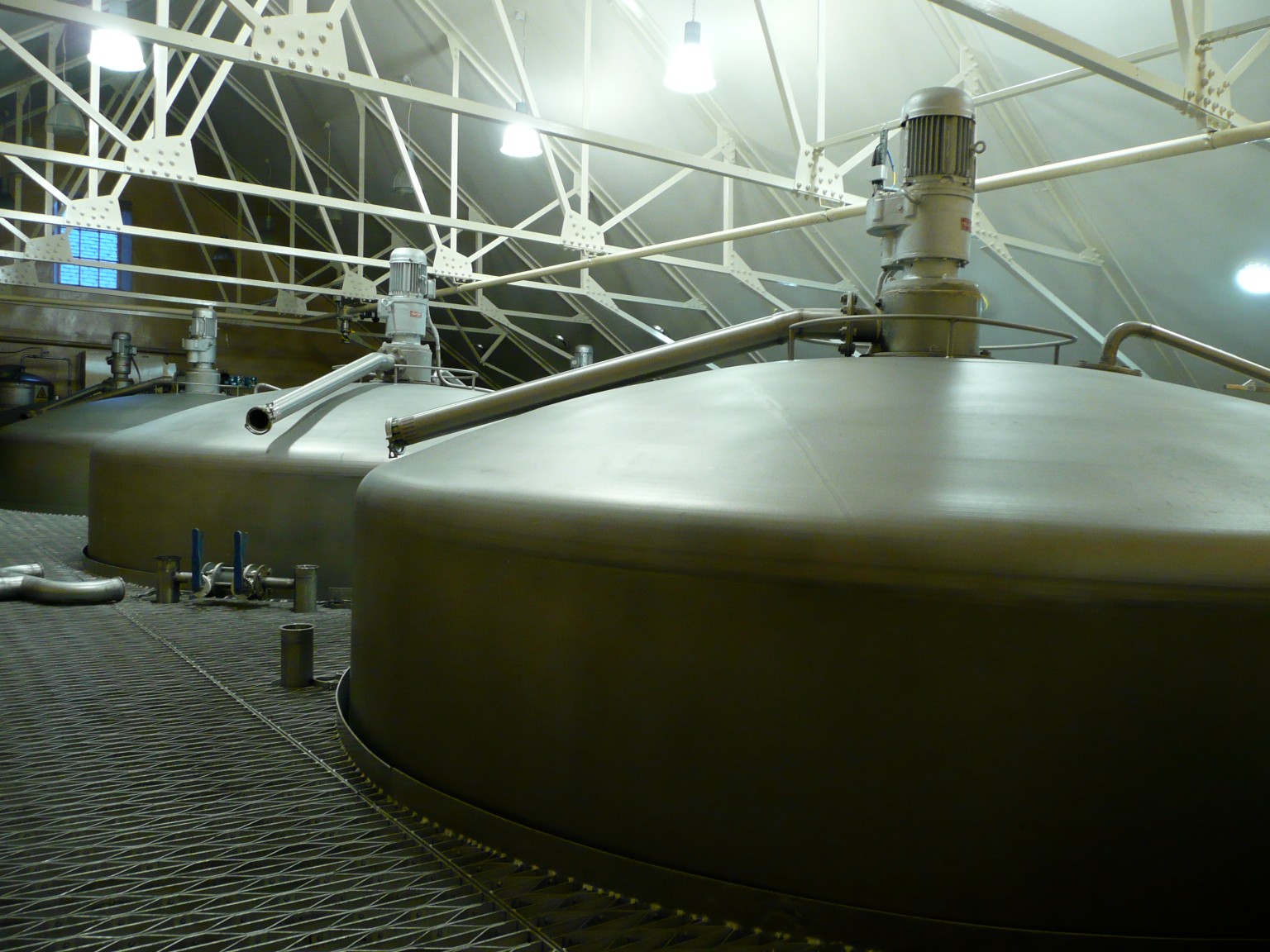
Cleaning washbacks, stills and tanks meant going inside, into a space that had recently contained fermenting or distilling material, with no atmosphere testing, no forced ventilation and frequently nobody watching from outside.
Confined space entry is now a permit-controlled operation with testing, ventilation, rescue arrangements and a trained watcher. Fermentation consumes oxygen and produces carbon dioxide, so a recently emptied vessel can be lethal while appearing entirely ordinary. Stated as occupational history; anybody with concerns about their own work history should raise them with their own doctor.
9. Workers Were Given a Daily Allowance of the Product
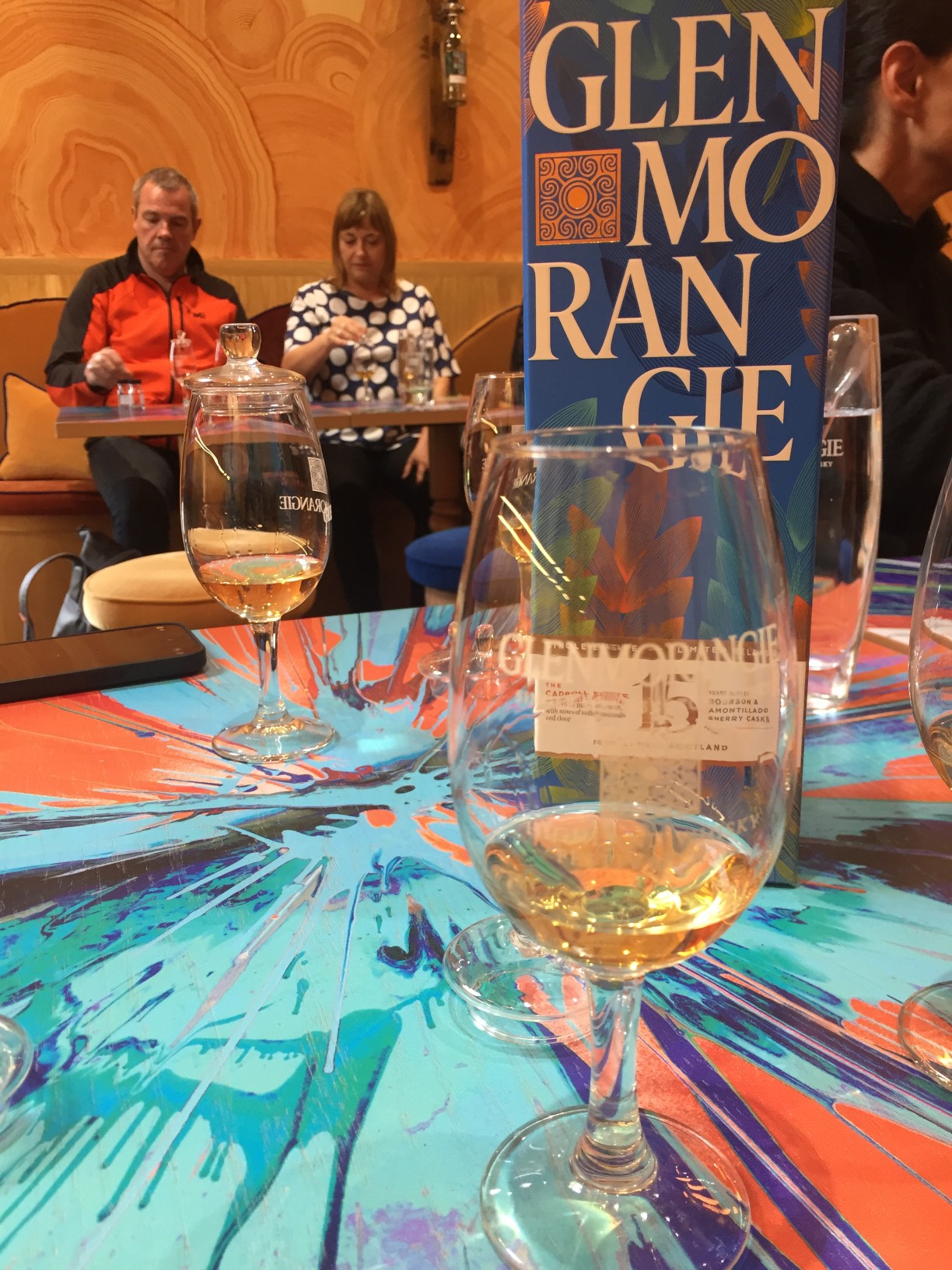
A measured allowance of spirit was a recognised part of the terms of employment at many distilleries, taken during the working day, and regarded as entirely normal.
The practice ended across the industry. It is included because it was genuinely standard and because its ending is straightforwardly a good thing – operating heavy machinery and making judgement calls on a hazardous site is not compatible with it, and the modern position needs no defending.
10. The Barley Was Local and the Water Was the Whole Reason for the Site
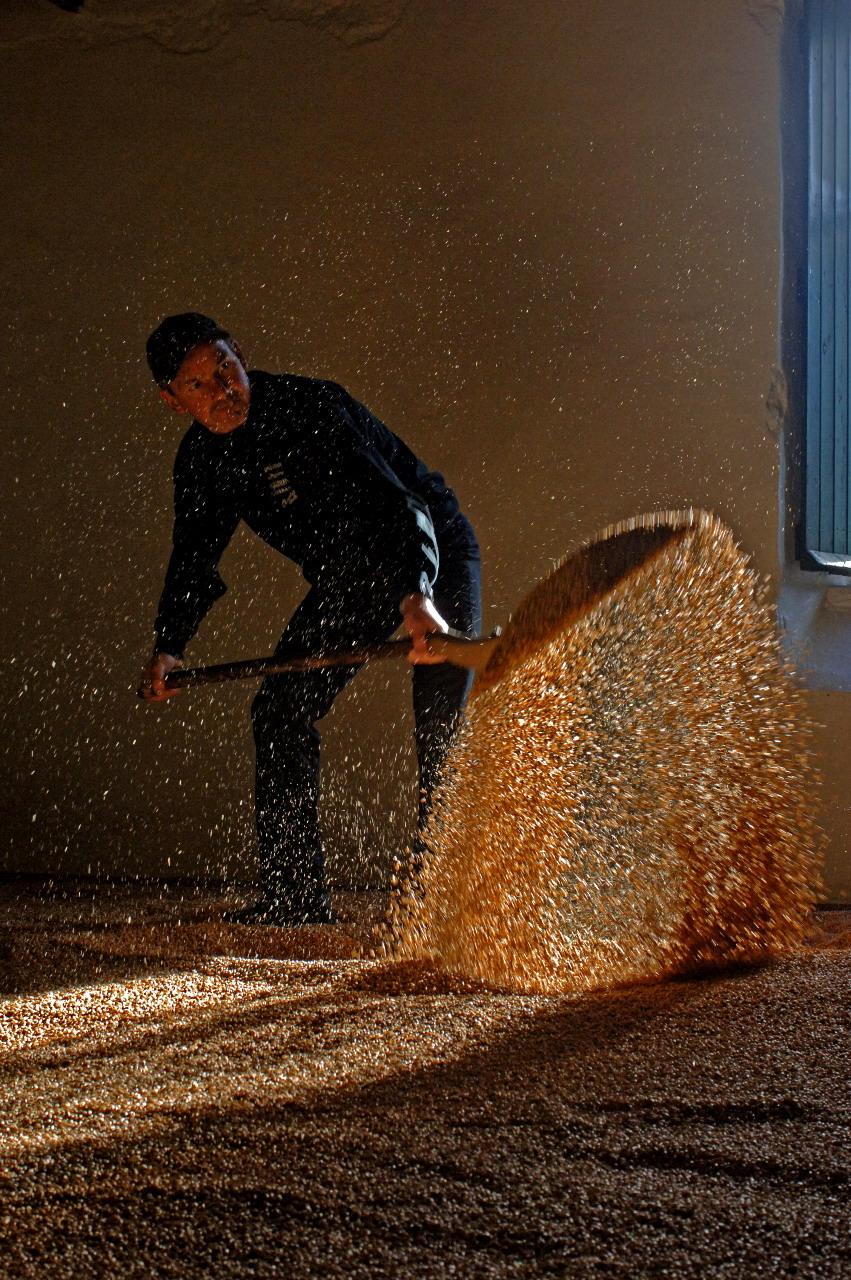
Distilleries were sited on a water source, used barley from the surrounding area, and in many cases malted it themselves on their own floors.
Centralised malting, national and international grain supply and treated water have loosened all of it, though water source remains genuinely important and is still a reason sites persist where they are. Floor malting at the distillery survives at a small number of places, mostly deliberately.
11. Production Was Seasonal and the Place Shut Down Completely
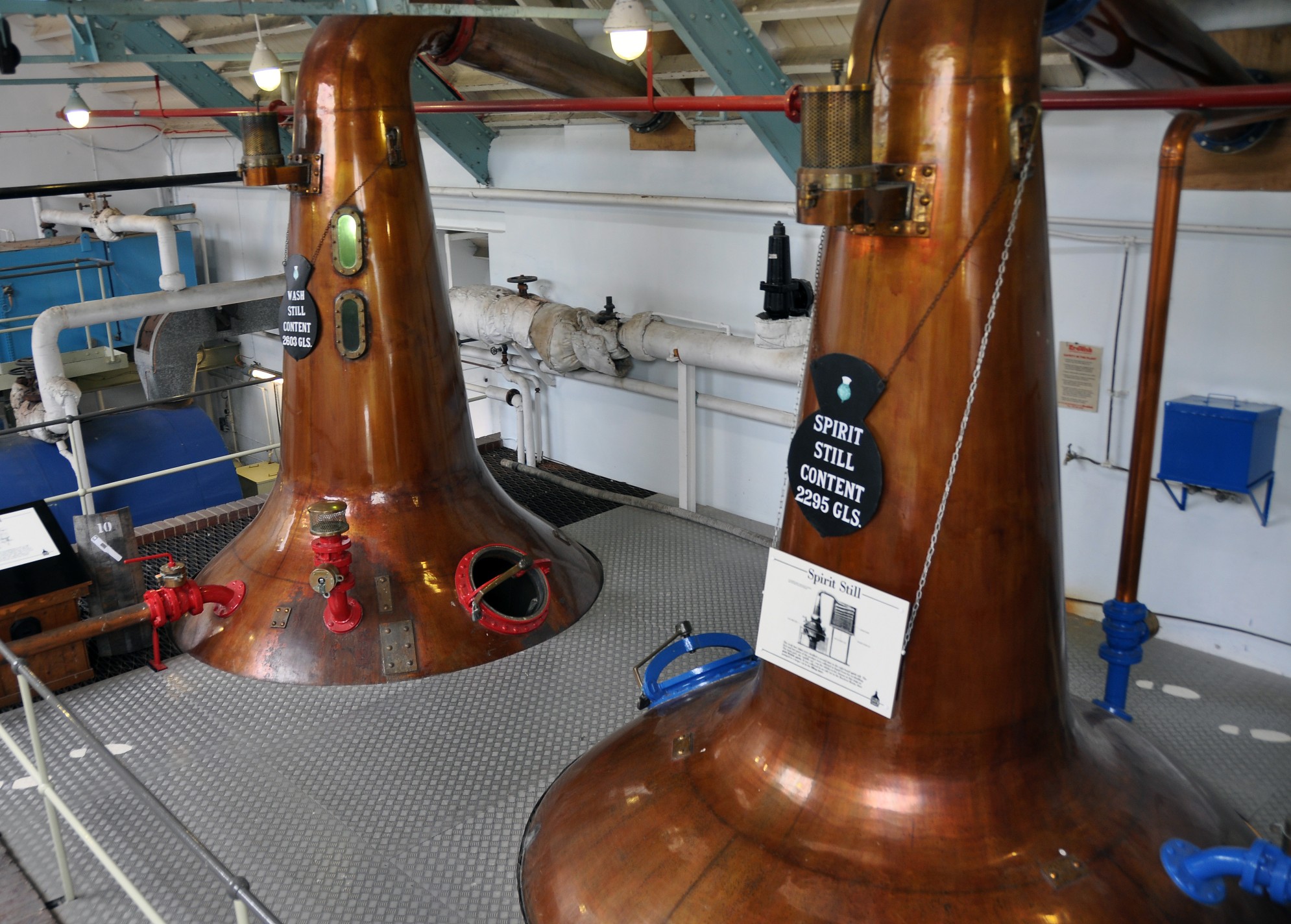
Distilling stopped for a period each year – traditionally in summer – when conditions were unsuitable and staff were needed elsewhere, and the whole plant was silent while maintenance was done.
Temperature control and year-round operation ended the seasonal shutdown at most sites, and a maintenance period remains. The silent season structured the working year of entire communities, with people moving to agricultural work and back, and its disappearance changed what kind of job a distillery job was.
12. Everything Was Recorded in Ledgers That the Officer Signed
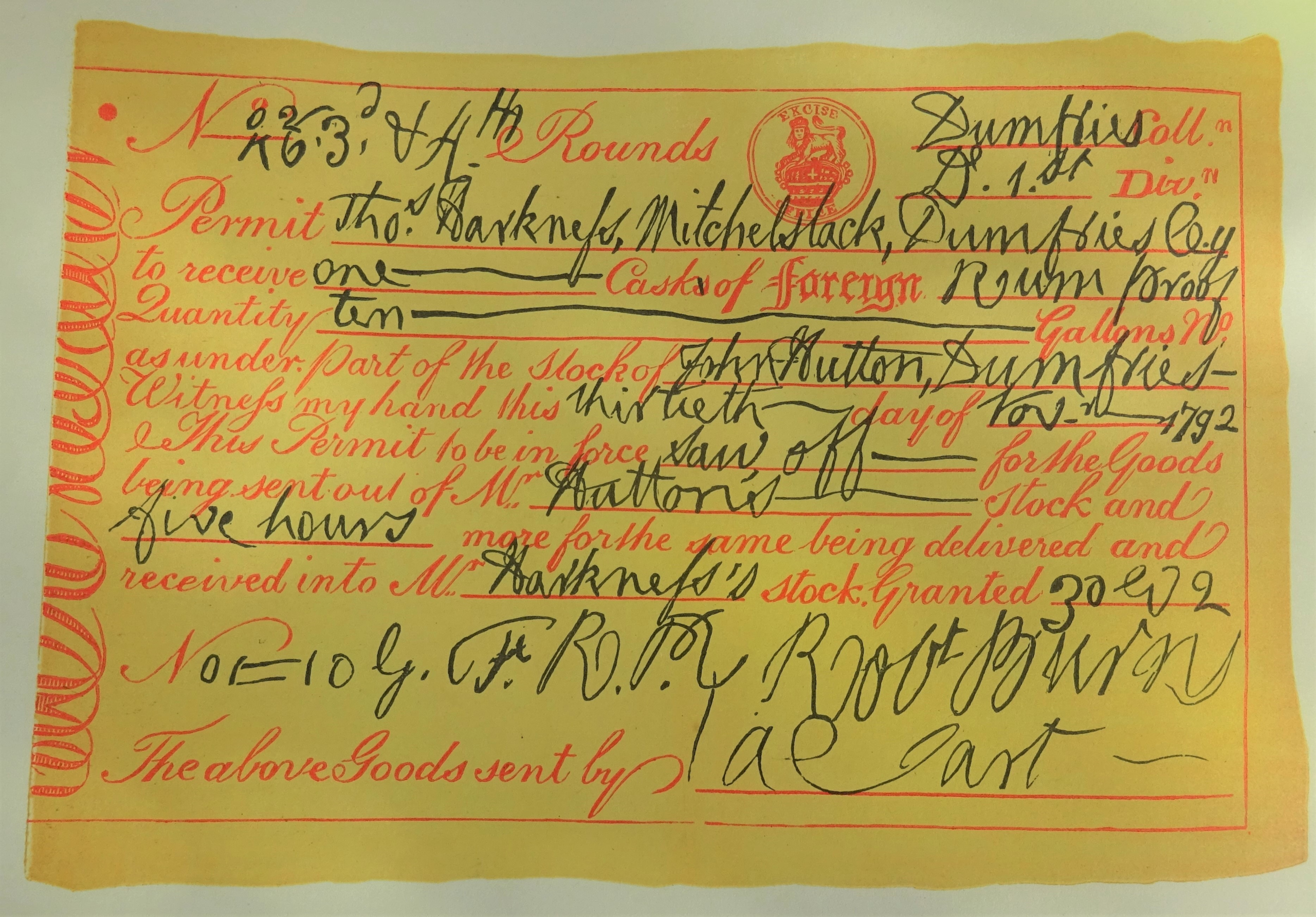
Quantities, strengths, movements and losses were entered by hand in books, checked and signed by the excise officer, and those books were the legal record on which duty was assessed.
Electronic systems, metering and audit replaced the ledgers. The books survive in considerable numbers and are genuinely valuable historical records, because an industry under continuous government supervision generated more documentation about its daily operations than almost any comparable trade.
13. Nobody Was Selling Single Distillery Products to the Public

The overwhelming majority of output went into blends, and the individual distillery was an ingredient supplier whose name the drinker never saw.
Single-distillery bottlings became a major category and transformed the industry’s economics and its marketing. A great many distilleries that existed as anonymous component suppliers now have visitor centres, and the shift in where the value sits – from the blender to the distillery – is the largest commercial change in the sector in a century.
14. The Smell Was Everywhere and Was Part of the Place
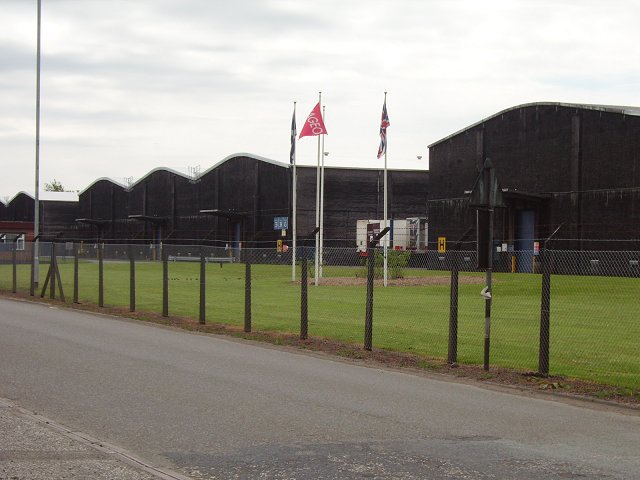
Mashing, fermentation and warehouse evaporation produced a heavy, sweet, unmistakable smell across the site and the surrounding area.
Still largely true, and one of the reasons distillery tourism works. The warehouse smell in particular is a direct consequence of the evaporation loss, which means the thing visitors most enjoy about the site is the product leaving it.
15. Nobody Expected Tourists
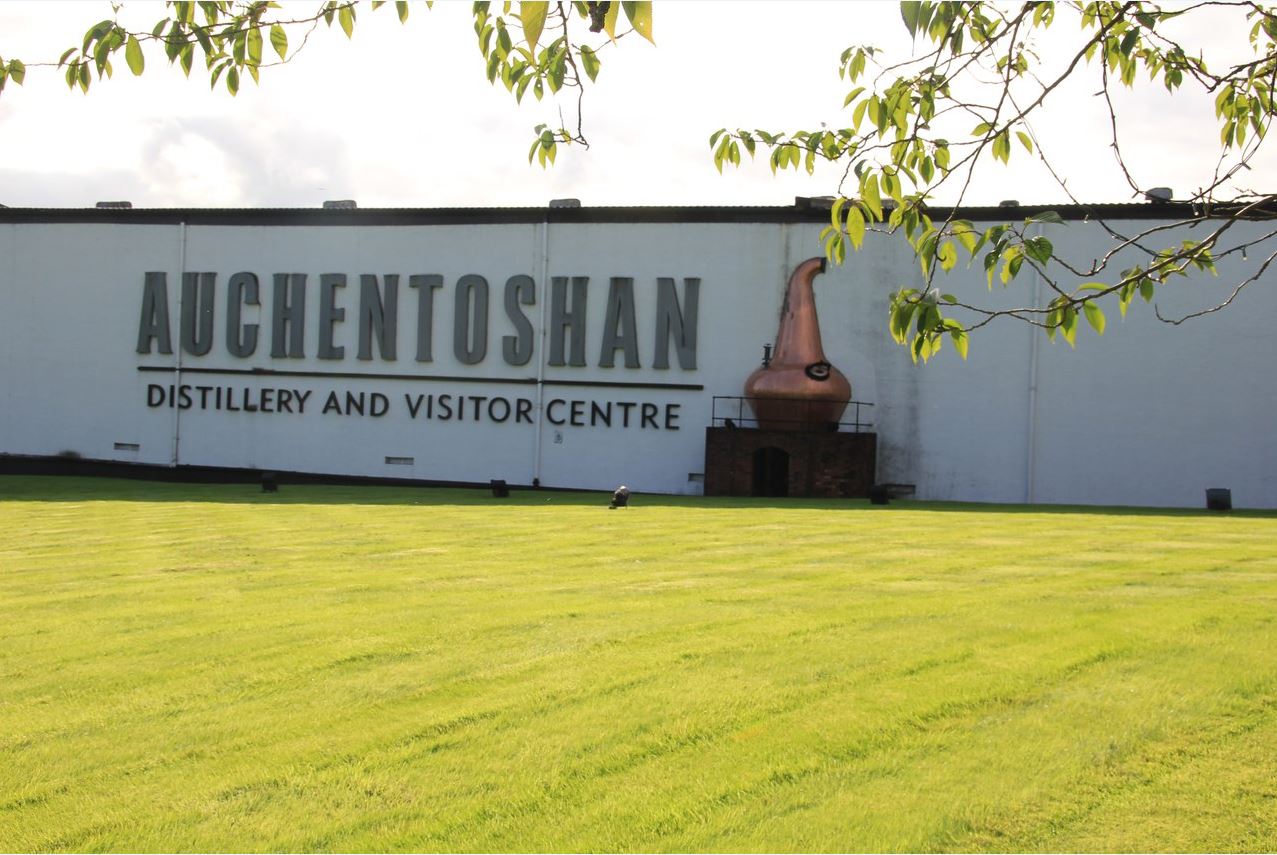
In 1960 a distillery was an industrial site in a remote place that made a component for somebody else’s brand, and the idea of people travelling to look at it would have been met with bafflement.
Visitor centres, tours and distillery tourism are now a substantial business in their own right and in some cases shape how sites are presented and even how they are built. It is a complete inversion – a working plant that was invisible to consumers is now partly a destination, and some of the equipment is kept visible for reasons that have nothing to do with production.
16. The Oldest Equipment in the Building Is Still the Most Important
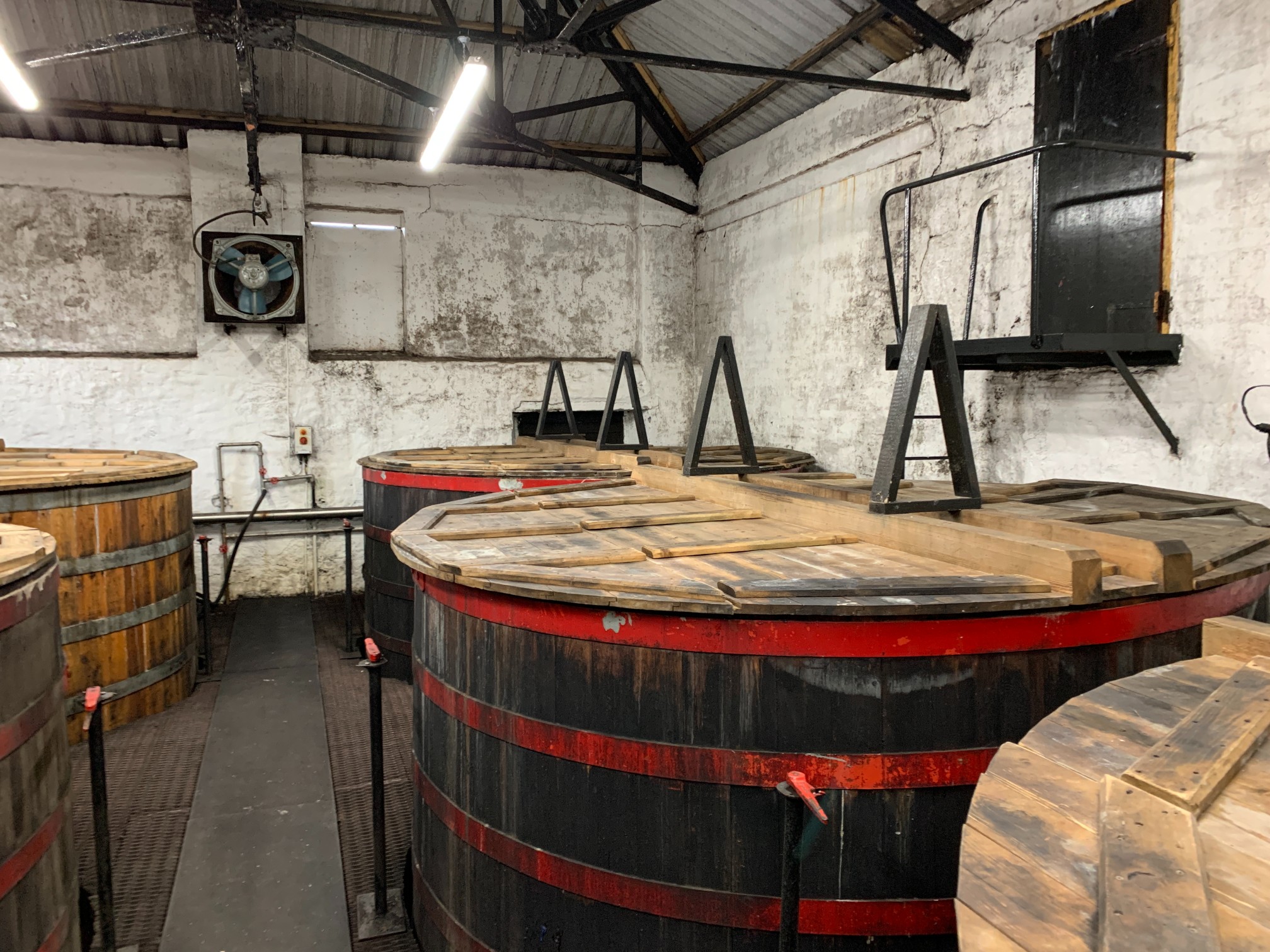
Copper stills, wooden washbacks, wooden casks and a water source – none of which has changed in principle for a very long time.
Every attempt to replace them with something more controllable has run into the same finding: the material is part of the process. Copper removes sulphur compounds, wood contributes to fermentation and dominates maturation, and the losses and inefficiencies that modern engineering would eliminate turn out to be where the product comes from. It is one of the few industries where the pre-industrial equipment survived scrutiny and won.
The Old Equipment Won on the Evidence
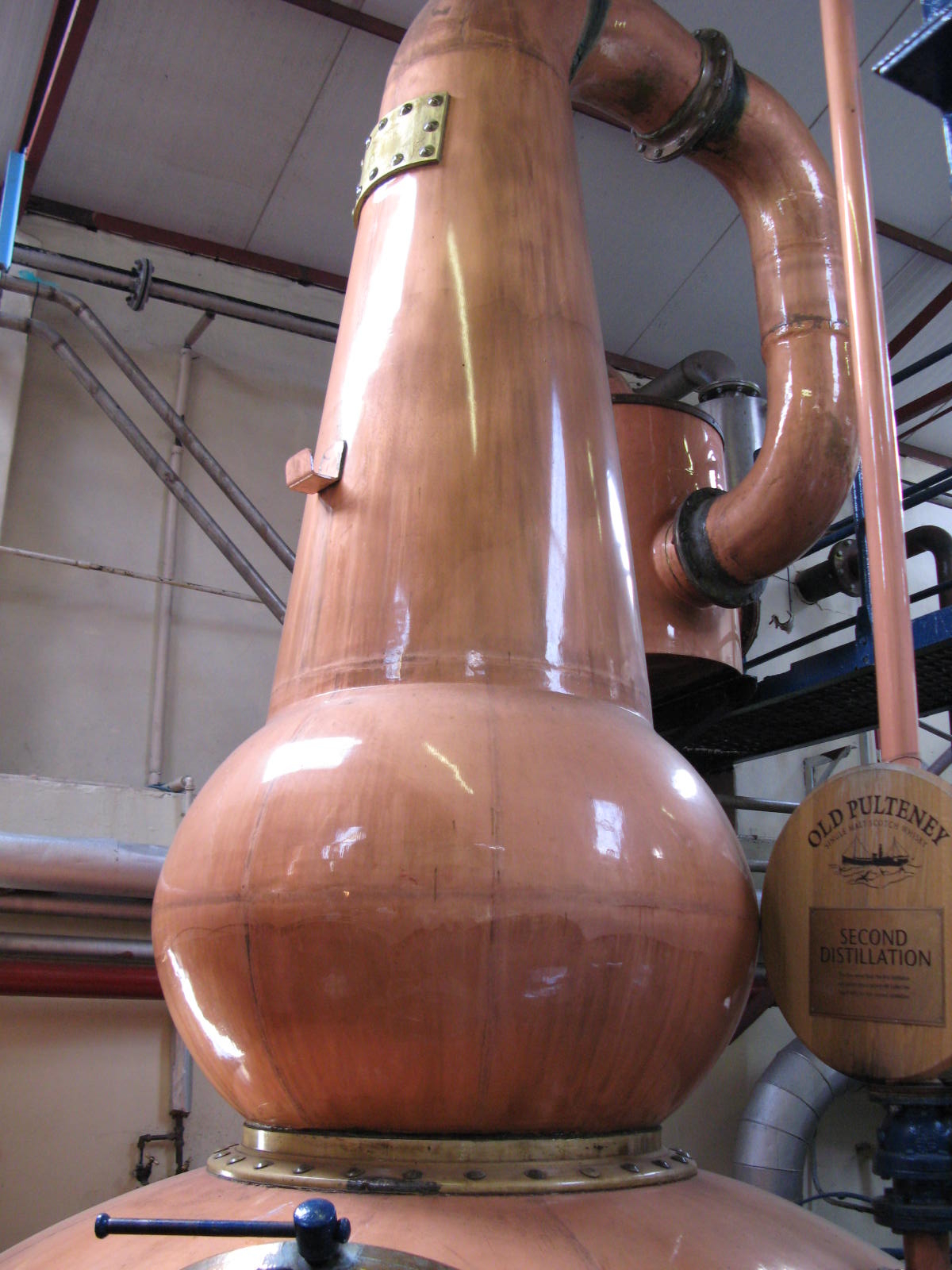
Almost every piece in this series describes traditional equipment being replaced by something better. This industry is the exception, and the reason is worth understanding.
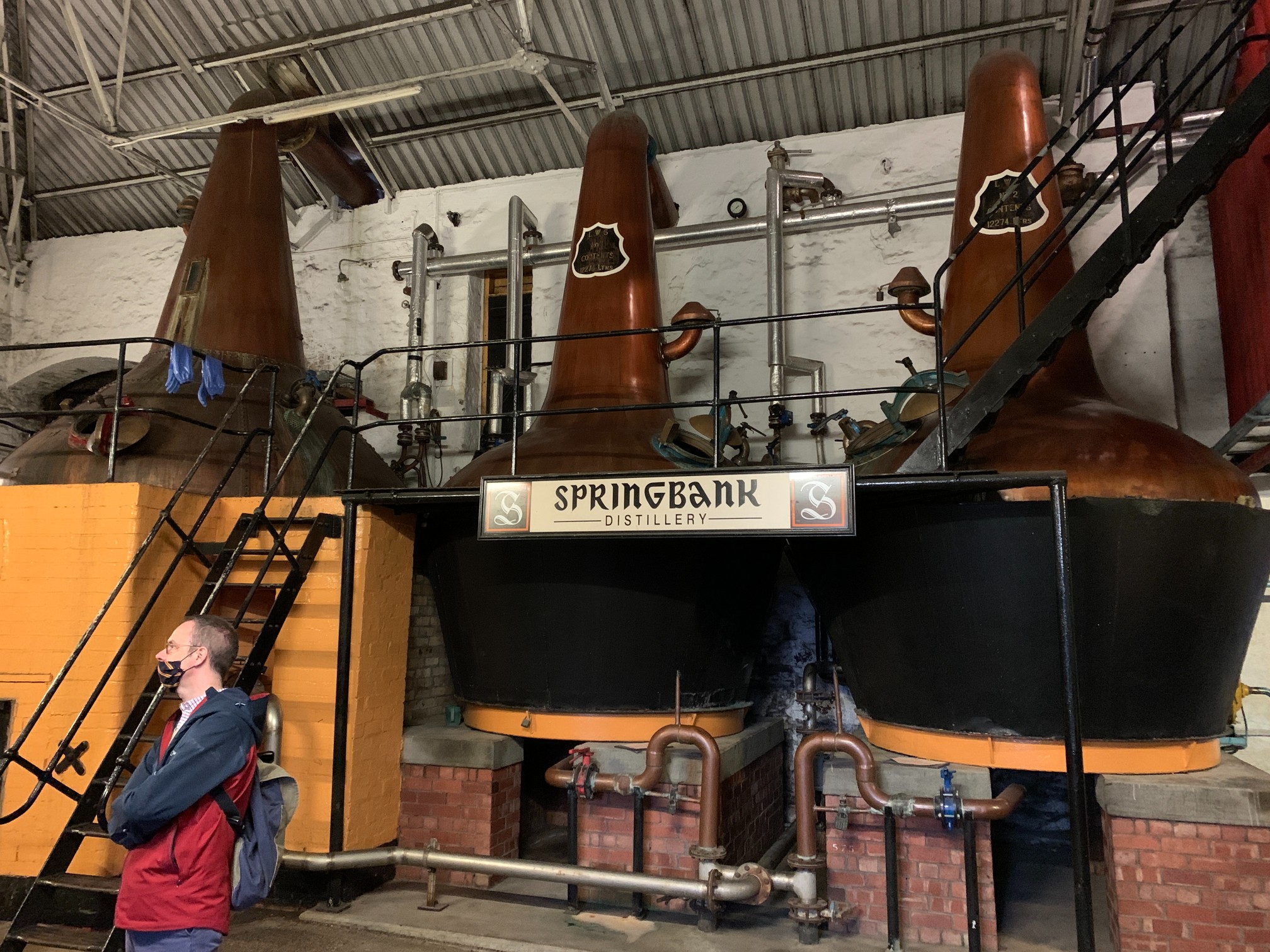
A distillery in 1960 used copper stills, wooden fermentation vessels and wooden casks. Each of those is inconvenient. Copper is expensive, soft and wears through. Wood is porous, variable, hard to clean and impossible to sterilise properly. Casks leak, lose product continuously and have to be maintained by a skilled trade.
Stainless steel is better than all of them on every one of those measures, and the industry tried it, in various places, over decades.
What it found was that the material is not a container. Copper reacts with sulphur compounds in the vapour and removes them, and spirit from a stainless still is measurably different and worse. Wooden washbacks carry a resident microbial population that contributes to fermentation in ways that are still not fully characterised and that a sterile vessel does not reproduce. And maturation in wood is not storage – it is a slow chemical interaction between spirit, wood and air through the cask, and the evaporation loss that looks like pure waste is part of the same process that produces the product.
So the inefficiencies turned out to be the mechanism. Remove the losses and you remove the result.
That is a genuinely unusual finding and it is why a modern distillery looks so much like an old one. Not because the industry is sentimental, though it has learned the commercial value of appearing so, but because it tested the alternatives properly and the old answer kept winning.
If you worked at a distillery you will know whether yours still had an officer’s house and who lived in it last.
And if you have been round one recently, almost everything you were shown was there for the same reason in 1960.
Like our content? Follow us for more.