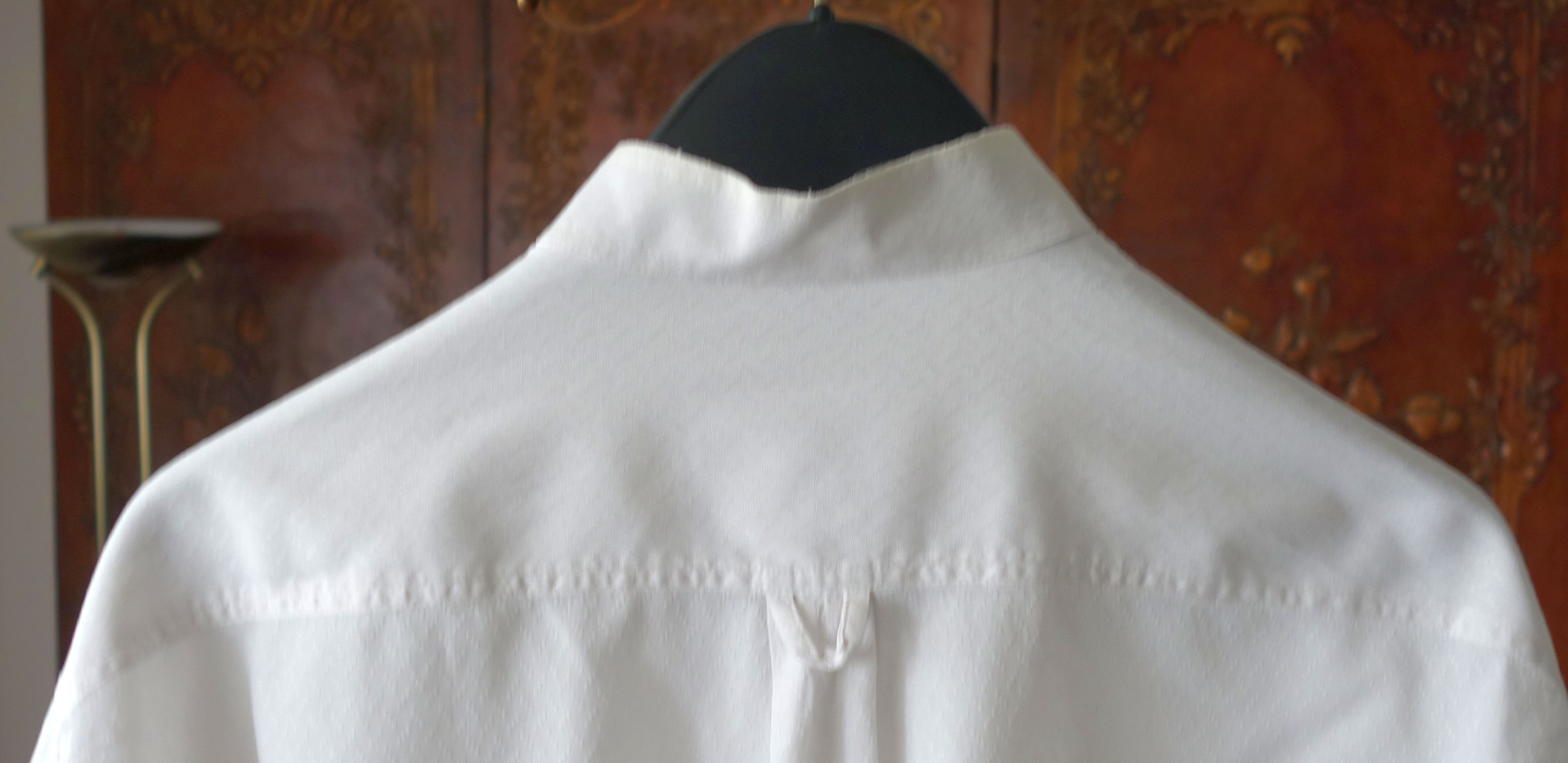
On the back of a great many shirts, just below the yoke where the pleat sits, there is a small fabric loop.
Most people have noticed it, nobody is told what it is for, and a significant proportion of those who have thought about it assume it is a manufacturing artefact of some kind.
It is not. It was put there deliberately, it had a clear function, and it then acquired two further meanings that had nothing to do with the original one.
The Original Purpose Was Somewhere to Hang It
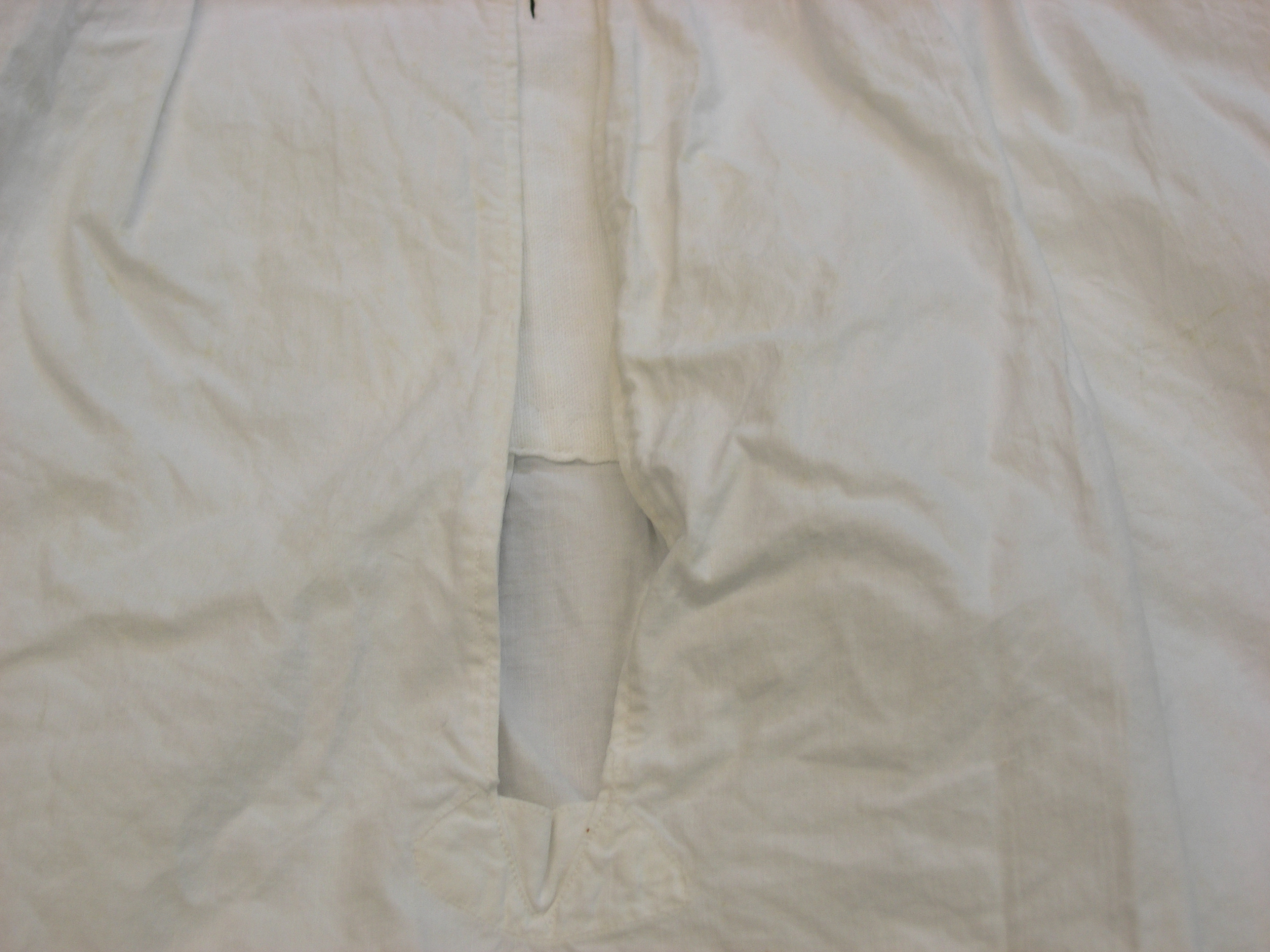
The loop comes from sailing and from the clothing made for it.
On a boat there are no wardrobes and very few flat surfaces, and anything put down slides away. What a boat has in abundance is hooks. A loop sewn into the back of a shirt lets it be hung on a hook rather than folded, laid down or draped over something, which on a small vessel is the difference between having a dry shirt and not.
The same logic applies in any changing situation where a hook is available and a hanger is not – a locker room, a gym, a workshop, a ship’s cabin.
So the feature was functional and specific, introduced into a style of shirt made for people who needed it, and it worked exactly as intended.
Like our content? Follow us for more.
Then It Became a Signal About Your Relationship Status
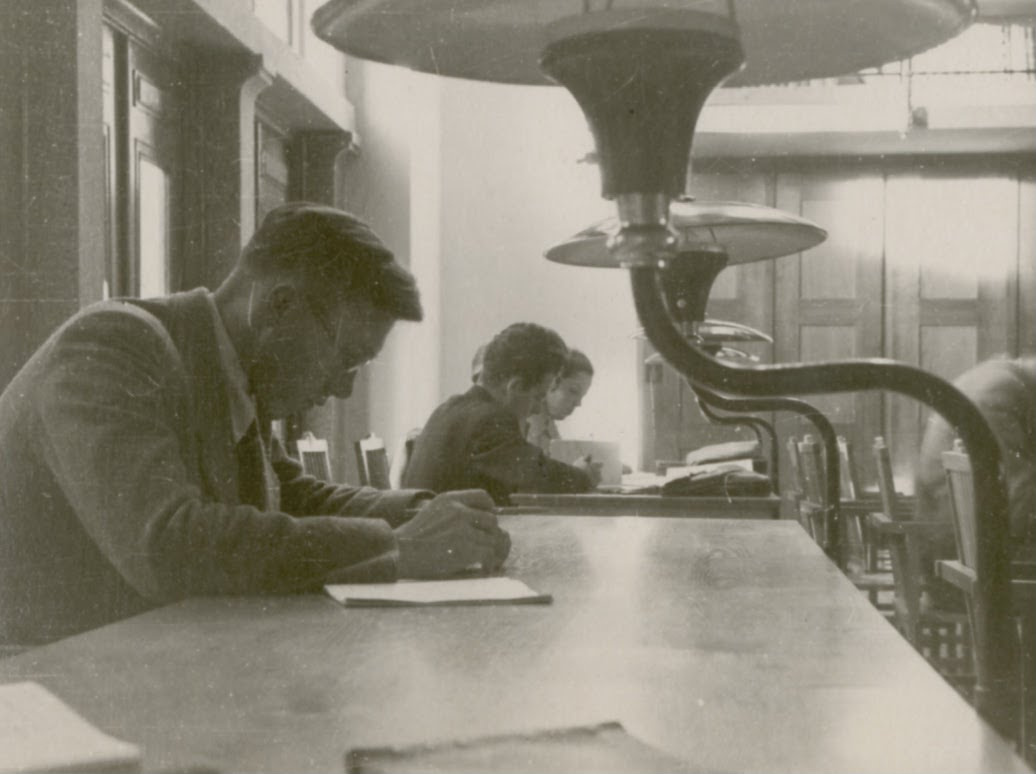
The shirts became fashionable well beyond sailing, particularly among students, and at that point the loop acquired a meaning that nobody designed.
At several colleges a convention developed in which the loop carried information about whether the wearer was attached. The accounts differ in the detail – in some versions wearing the loop meant available and removing it meant taken, in others a loop being torn off by somebody was the declaration – and the specifics vary by institution and by who is telling it.
What is consistent is that the loop became a social object. It was something visible on the back of somebody walking away from you, it required no explanation among people who knew the code, and it could be acted upon physically, which is an unusual property for a piece of clothing to have.
How formalised any of this ever was is genuinely uncertain, and a good deal of what is repeated about it is the kind of story that improves with retelling. What is not in doubt is that the loop was noticed, discussed and used for something other than hanging shirts up.
And Then It Was a Mark of Which Shirt It Was
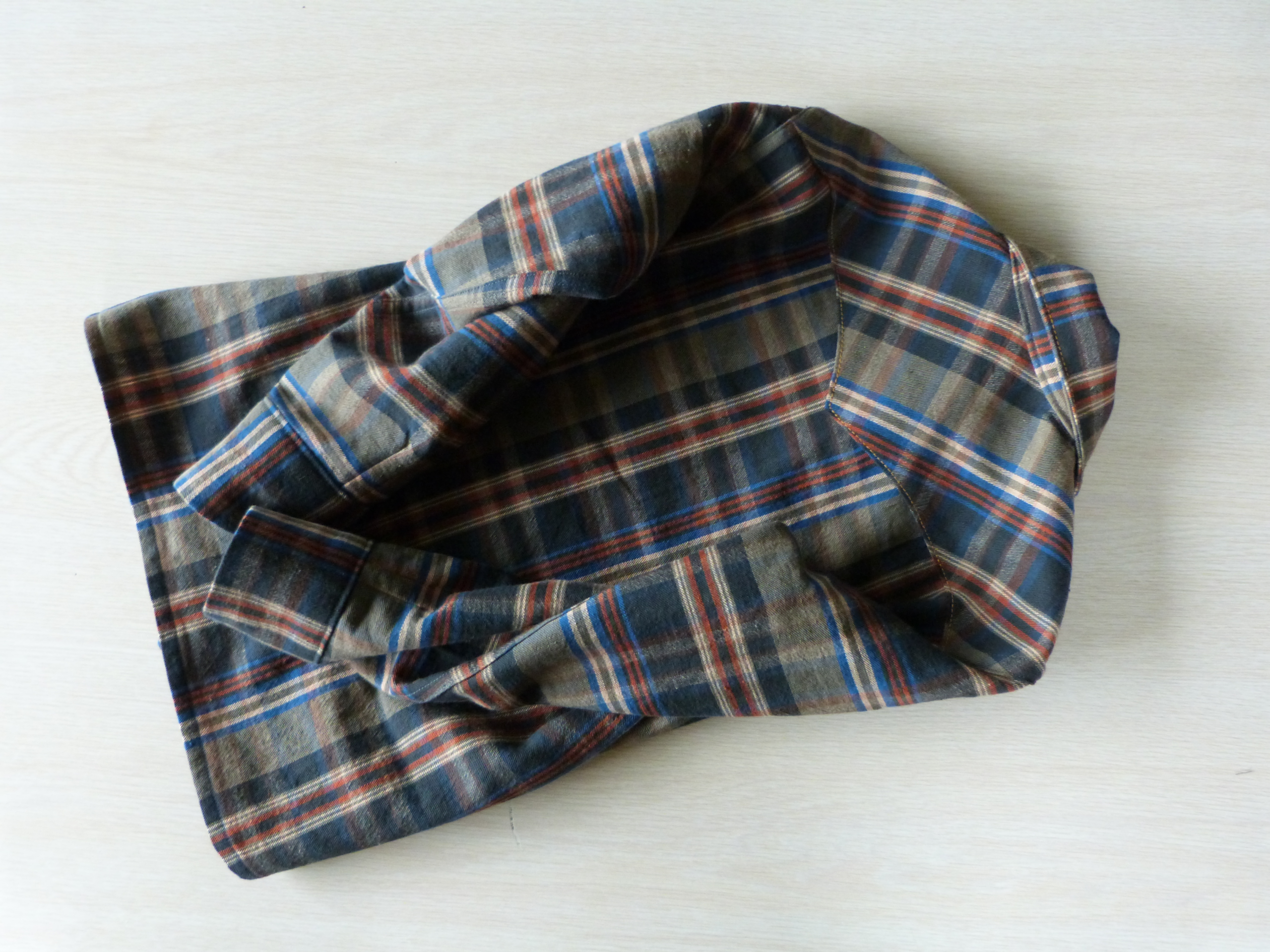
The third function is commercial and is the reason it is still there.
As the style spread, the loop became a recognisable feature of a particular kind of shirt. A customer could identify the type at a glance, from behind, on somebody else, which is an extremely efficient form of advertising and one that costs the manufacturer almost nothing.
At that point the loop stopped being optional. A shirt of that style without one looks wrong – not obviously, but enough that it reads as a cheaper imitation – and a manufacturer who removed it would be removing a recognition cue for a saving of a few centimetres of fabric and one operation.
So it stayed, and it is now on an enormous number of shirts whose wearers will never hang one on a hook, do not know the college convention, and could not say why the loop is there.
That is the standard life cycle for a detail like this: functional, then social, then simply constitutive of what the object is.
The Loop Is Not the Same as the Hanging Loop in a Coat
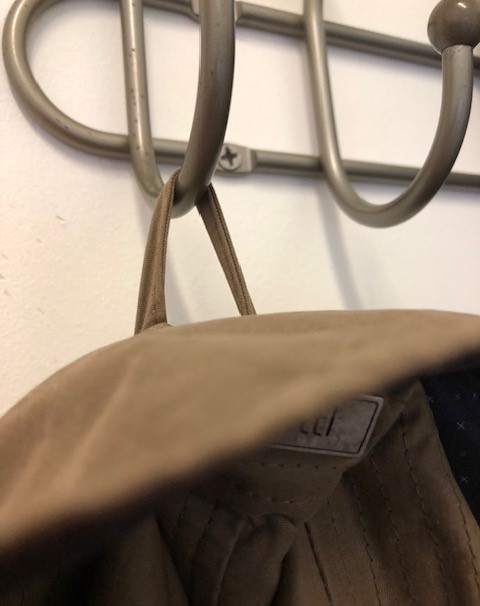
It is worth separating this from the loop inside the collar of a coat or jacket, which looks like the same idea and is not.
A coat’s hanging loop is inside the garment, at the back of the neck, and it exists because a heavy coat hung on a hook by the collar distorts – the weight pulls the shoulders and the collar out of shape permanently. The loop transfers the load to a point stitched into the structure rather than to the fabric at the neck.
On a good coat that loop is substantial, anchored into a seam, and sometimes made of a different material entirely because it has to carry real weight. On a cheap one it is a token that tears out the first time it is used, which is the quickest available test of how a coat was made.
The shirt loop is external, sits on the back yoke rather than inside the collar, and never carried any significant weight because a shirt has none.
So the two features look alike, sit in roughly the same region, and solve different problems – one is a structural detail that matters, the other was a convenience for a specific environment and is now a recognition cue. Noticing the difference is a reasonable way to look at any garment: ask whether a feature is load-bearing, and the answer tells you whether it is still doing a job.
The Pleat Underneath It Is Doing Real Work
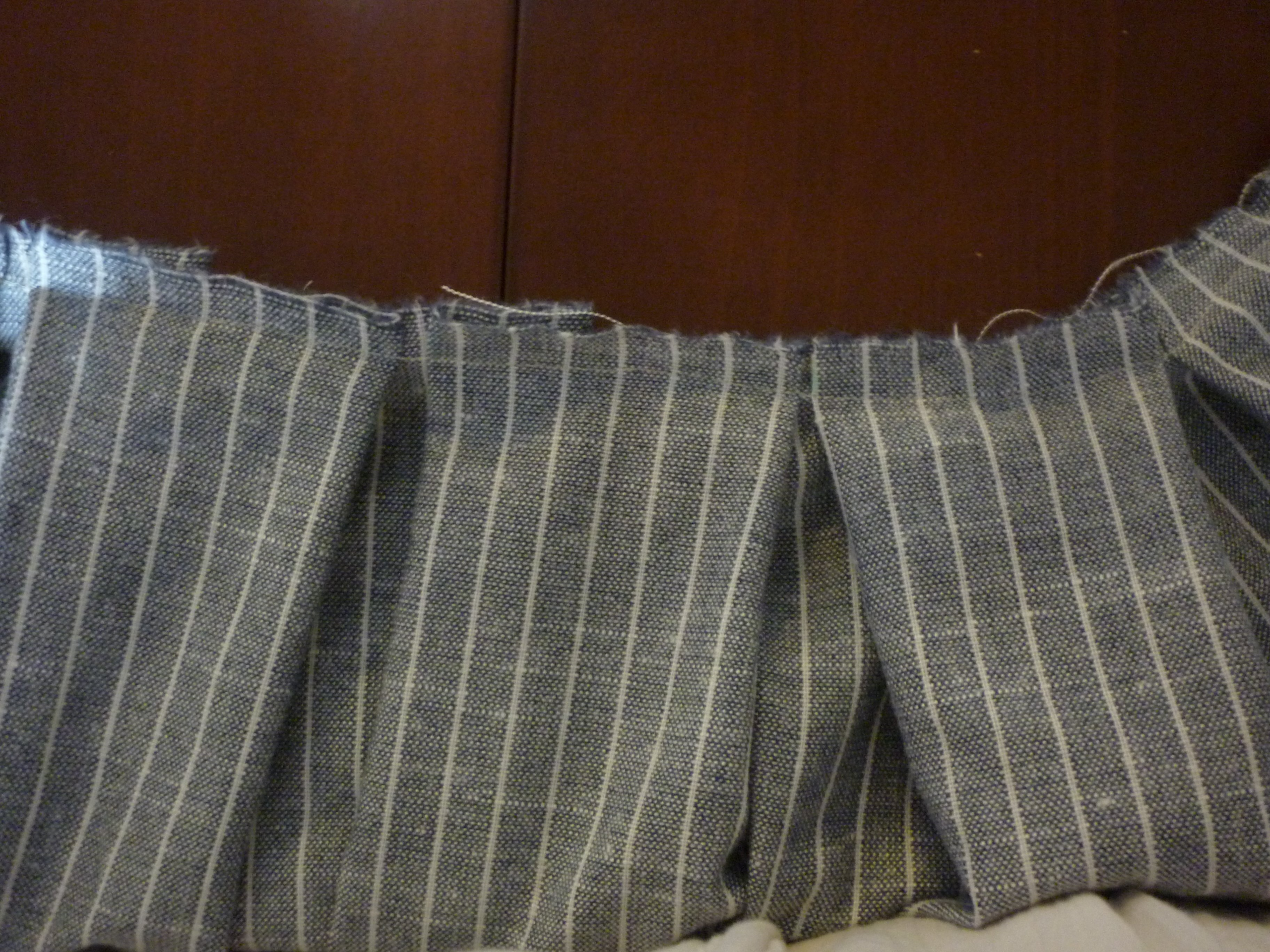
Worth mentioning because it is adjacent and is also widely misunderstood: the box pleat or the pair of pleats below the yoke, where the loop usually sits.
That pleat is extra fabric, folded and stitched at the top, which releases across the back when the wearer reaches forward. Without it, a shirt cut to fit the back when standing still becomes tight across the shoulders the moment the arms come forward, and either restricts movement or pulls out of the trousers.
A box pleat and a pair of side pleats do the same job with slightly different results. The box pleat is associated with the more casual styles and gives more movement; side pleats are tidier and give a closer fit.
This is a real functional feature that survives for functional reasons, which makes it a useful contrast with the loop sitting on top of it – one is still doing its job and one has outlived three.
And both of them are on the part of the shirt the wearer cannot see, which is probably why neither gets explained.
The Shirt It Came From Was a Specific Garment
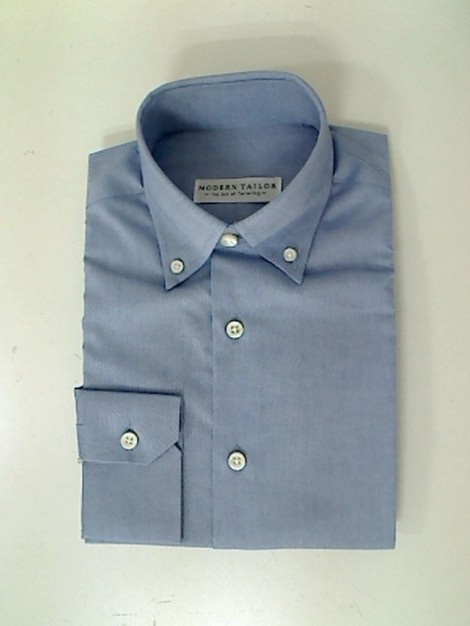
The loop belongs to a particular shirt rather than to shirts in general, and knowing which one explains why it appears where it does.
The style is a soft casual shirt in a woven cotton – collar with a button at each point to stop it flapping in wind, a single patch pocket, a back pleat for movement, and the hanging loop. Every one of those features is a solution to being outdoors and active rather than to sitting at a desk.
The buttoned collar points are the clearest case. A soft collar on a boat or a sports field lifts in the wind and flaps against the face; buttoning the points down holds it flat. That detail also came from sport, and it travelled into general use for the same reason the loop did – the shirts became fashionable away from the activity they were made for.
So a modern casual shirt frequently carries a collection of features that were each solving an outdoor problem, worn by people who are indoors, who could not name any of the problems, and for whom the features now function purely as the recognisable signature of that style.
It is a complete set rather than one stray detail, which makes the shirt an unusually good object to read. Almost nothing on it was decorative when it was designed.
Why Clothing Keeps Features Nobody Uses
The loop belongs to a long list of garment details that stopped working and stayed.
Buttons on a jacket sleeve that do not undo. The notch in a lapel that marks where a collar used to fasten. Vents in the back of a coat cut for horseback. The buttonhole in a lapel with no button to match it. Epaulettes. The strap on the back of a waistcoat.
In every case the function went, the appearance stayed, and the reason is the same: a garment is read by other people, and an item missing a feature that everyone expects reads as wrong before anybody can say what is missing.
Clothing is unusually conservative in this respect compared with almost any other manufactured object. A kettle that loses an obsolete feature looks modern; a jacket that loses one looks cheap.
Which is why the fastest way to understand what a garment used to be for is to look at the parts of it that currently do nothing.
Check the back of your own shirts. If the loop is there, that shirt is descended from sailing clothing.
And if it has been torn off, somebody at some point was making a point.
The loops do come off on their own too, usually by catching on the back of a chair, which is the one genuine argument against the feature and the reason some manufacturers make them shorter than they used to be. A detail that survives for recognition rather than function still has to survive being worn, and a loop that tears a hole in the yoke has cost more than it earned.
Like our content? Follow us for more.