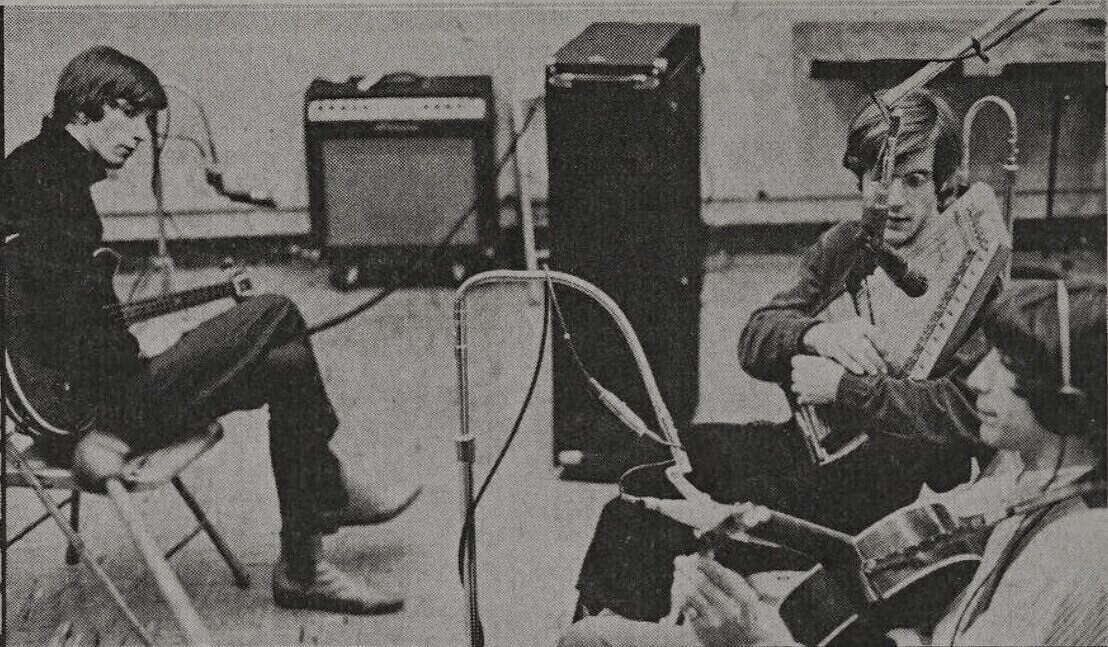
In 1965 a record was made by everybody playing at once, in one room, with the balance set by moving musicians and microphones until it was right, and a mistake near the end of a take meant starting again from the beginning.
The engineer wore a white coat and was a technician. The echo came from a tiled room with a loudspeaker in it. The editing was done with a razor blade. And the studio belonged to the record company.
Here are seventeen things that were ordinary in a recording studio in 1965, and what became of each one.
1. Everybody Played at Once and a Mistake Meant Starting Again
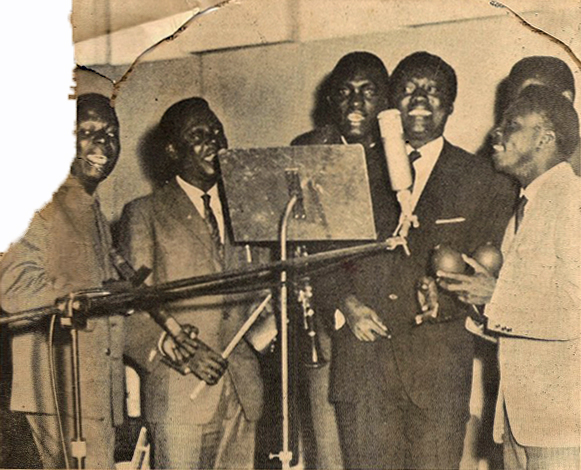
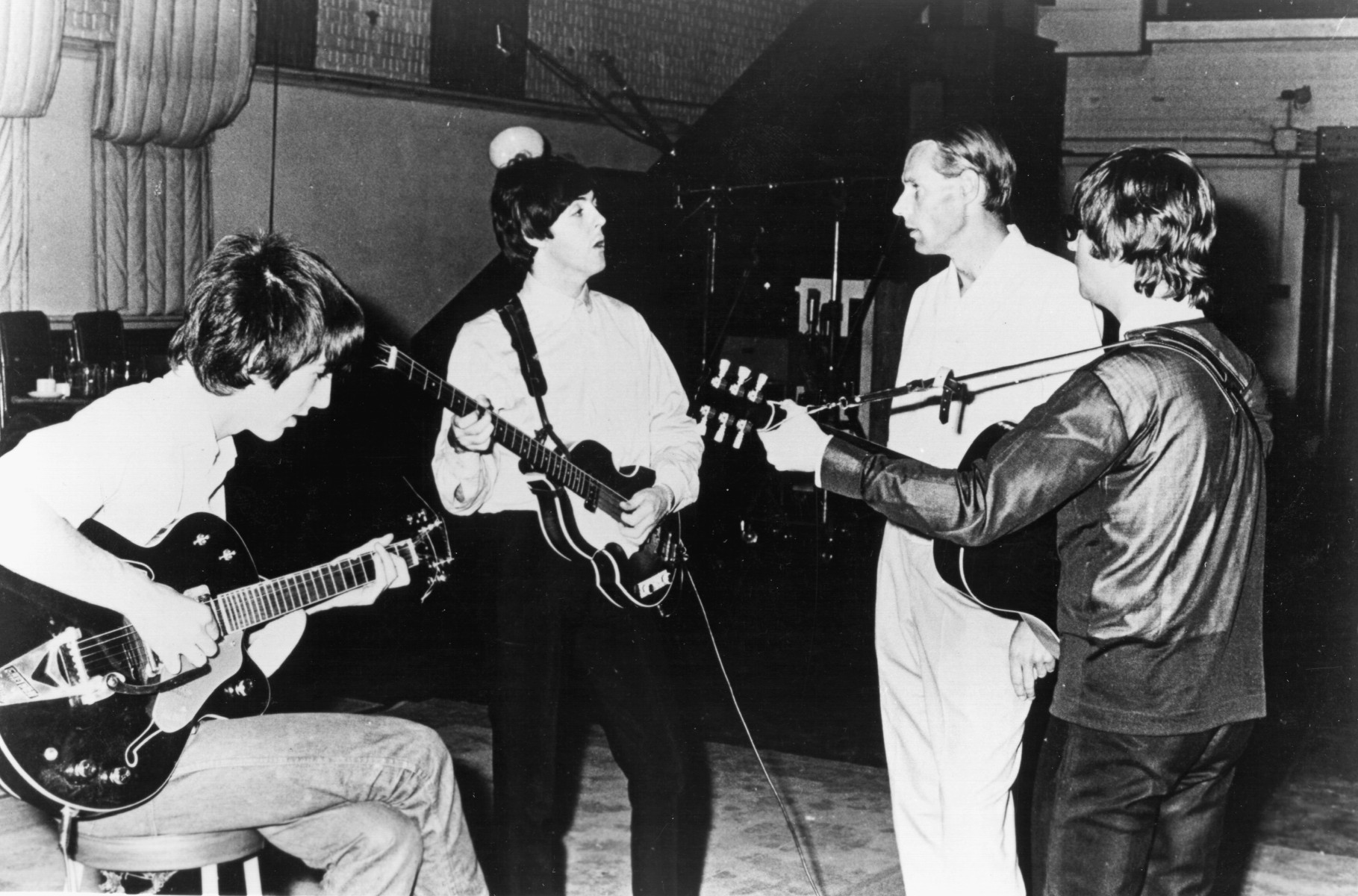
A session captured the whole performance in one pass. The band played together in the room, the balance was set before the take rather than afterwards, and if anybody made a mistake near the end, the entire take was discarded and they played it again from the top.
Multitrack recording, overdubbing and digital editing mean a part can be replaced, repaired or constructed note by note. The 1965 method produced performances rather than assemblies, which is a real difference and not purely a romantic one – musicians listening to each other in a room play differently from musicians recording alone to a click.
Like our content? Follow us for more.
2. The Engineer Wore a White Coat and Was a Technician, Not an Artist
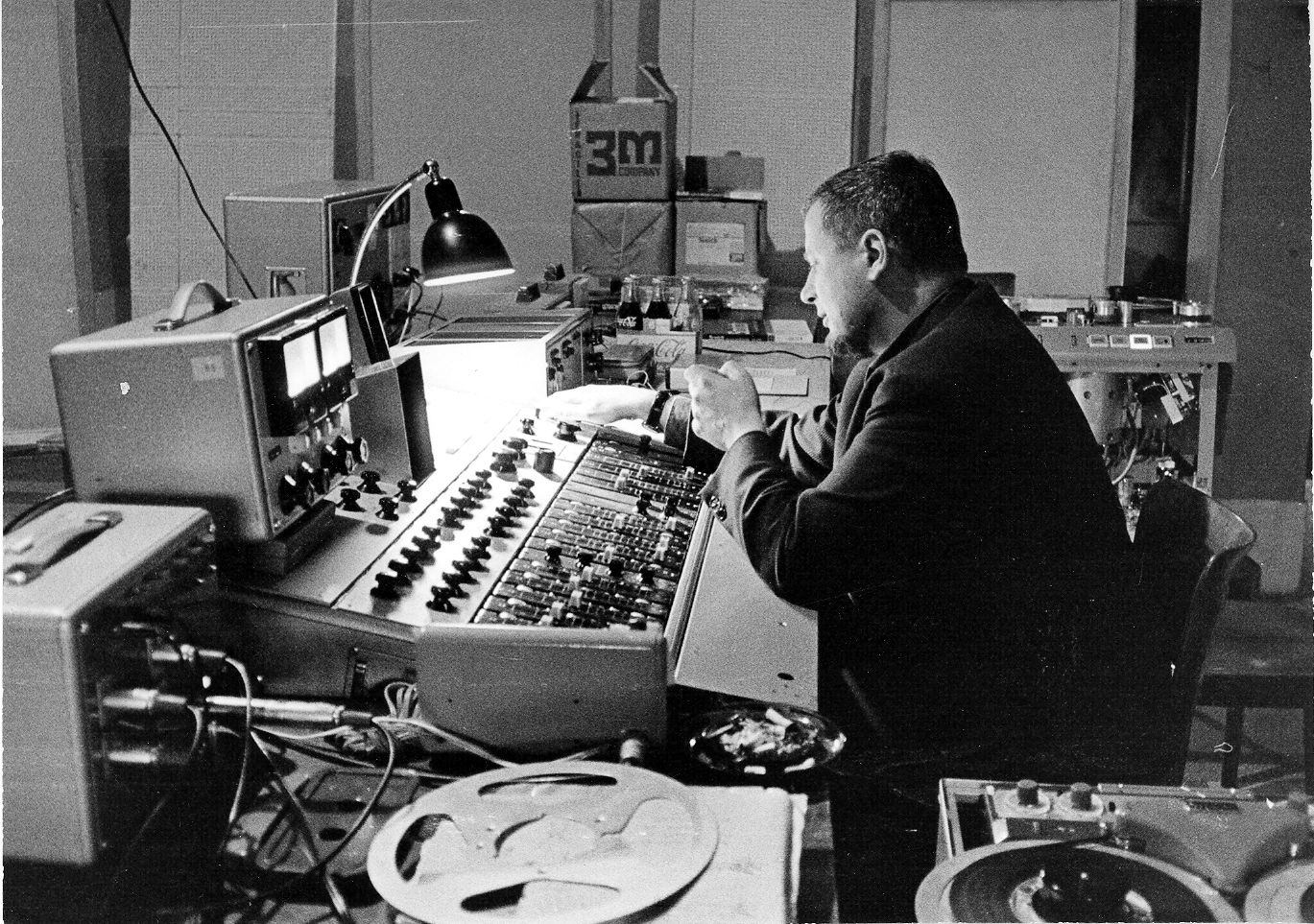
Recording engineers at established studios were employees of the company, frequently in uniform, with a technical rather than a creative role, and the idea of an engineer shaping the sound of a record was not how the job was defined.
The engineer and producer became central creative figures within about a decade. The white coat was not an affectation – these were technical staff in a technical department, maintaining and operating equipment the company owned, and the shift to a creative role was resisted by the institutions before it became the norm.
3. The Balance Was Made With Microphone Placement, Not With Faders
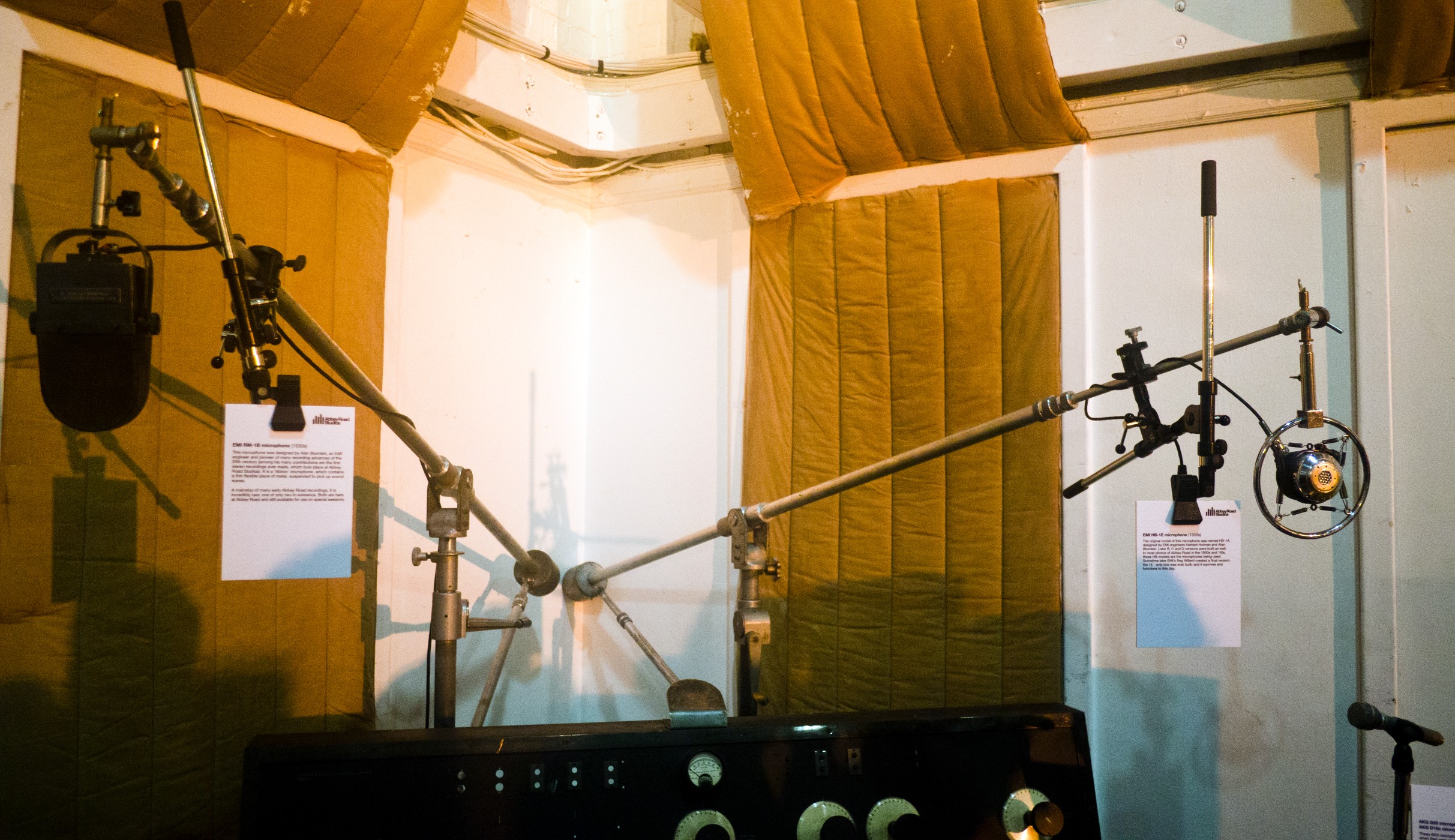
With few tracks available, the relative level of everything had to be right in the room. Getting a balance meant physically moving musicians and microphones until the sound arriving at the tape was correct.
Multitrack recording moved the balance decision to the mix, after the event. The old method required the engineer to solve the problem before anything was committed, which is a harder discipline, and the skill of placing microphones to capture an ensemble properly survives precisely because it still produces results that cannot be reconstructed afterwards.
4. Echo Came From an Actual Room
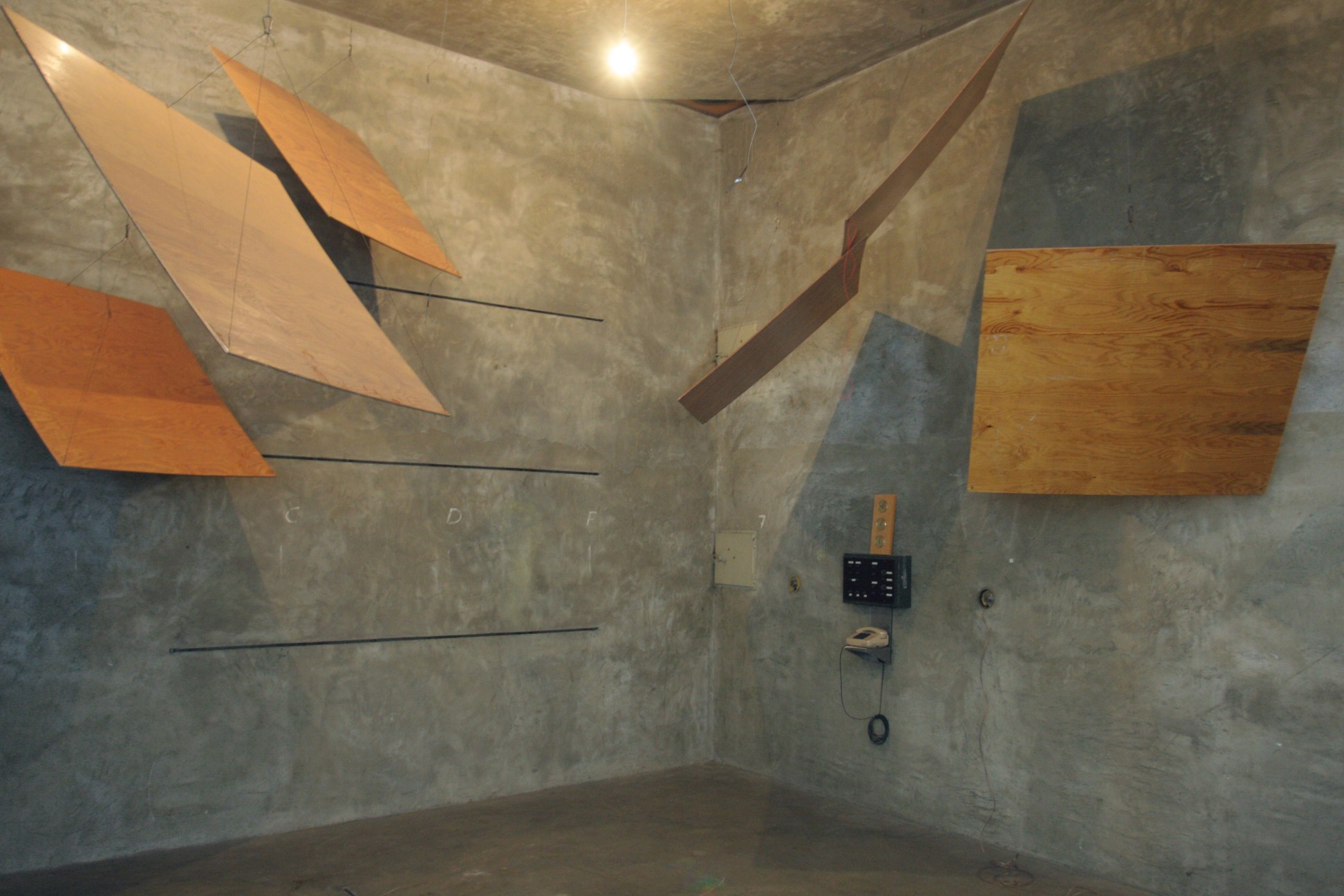
Reverberation was created by sending the signal to a loudspeaker in a dedicated hard-surfaced chamber – a stairwell, a basement, a purpose-built tiled room – and recording the result with a microphone at the other end.
Digital reverb simulates it with enormous flexibility. Real chambers are still used and still sought out, because a physical space produces a density and irregularity that is difficult to model, and several famous chambers have been preserved and are booked remotely by people recording elsewhere.
5. Tape Was Spliced With a Razor Blade
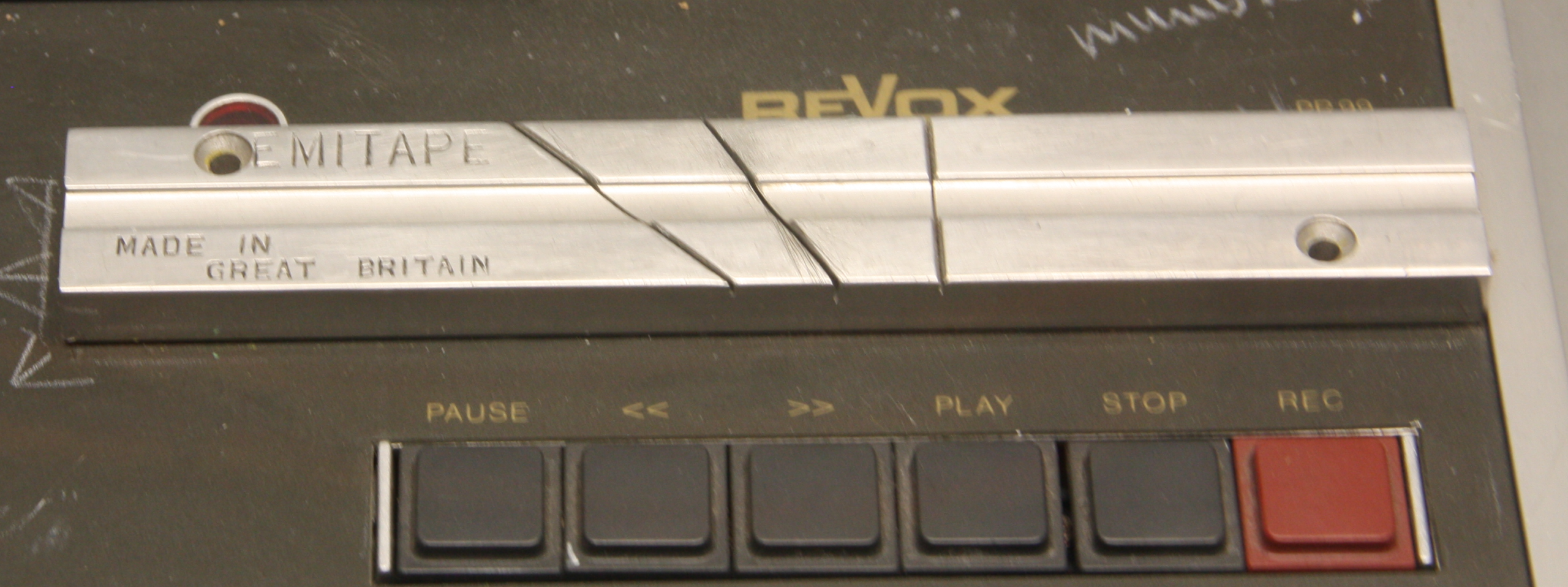
Editing meant finding the exact point on the tape, marking it with a wax pencil, cutting it at an angle in a splicing block and joining the pieces with adhesive tape.
Digital editing is non-destructive, instant and reversible. A tape edit was none of those: the cut was permanent, the material between cuts was physically gone, and a mistake could not be undone, which concentrated the mind considerably and is why editing was done by specialists.
6. The Tape Machines Were Maintained Daily by Engineers

Heads were cleaned and demagnetised, alignment was checked against test tones and adjusted, and the machines were calibrated at the start of every day as routine.
Digital recording removed the maintenance regime entirely. A misaligned machine degrades everything recorded on it in ways that are not obvious at the time, which is why the discipline existed, and why tapes from well-run rooms sound consistently better than tapes from poorly run ones.
7. The Studio Was Owned by the Record Company and Was Booked Internally
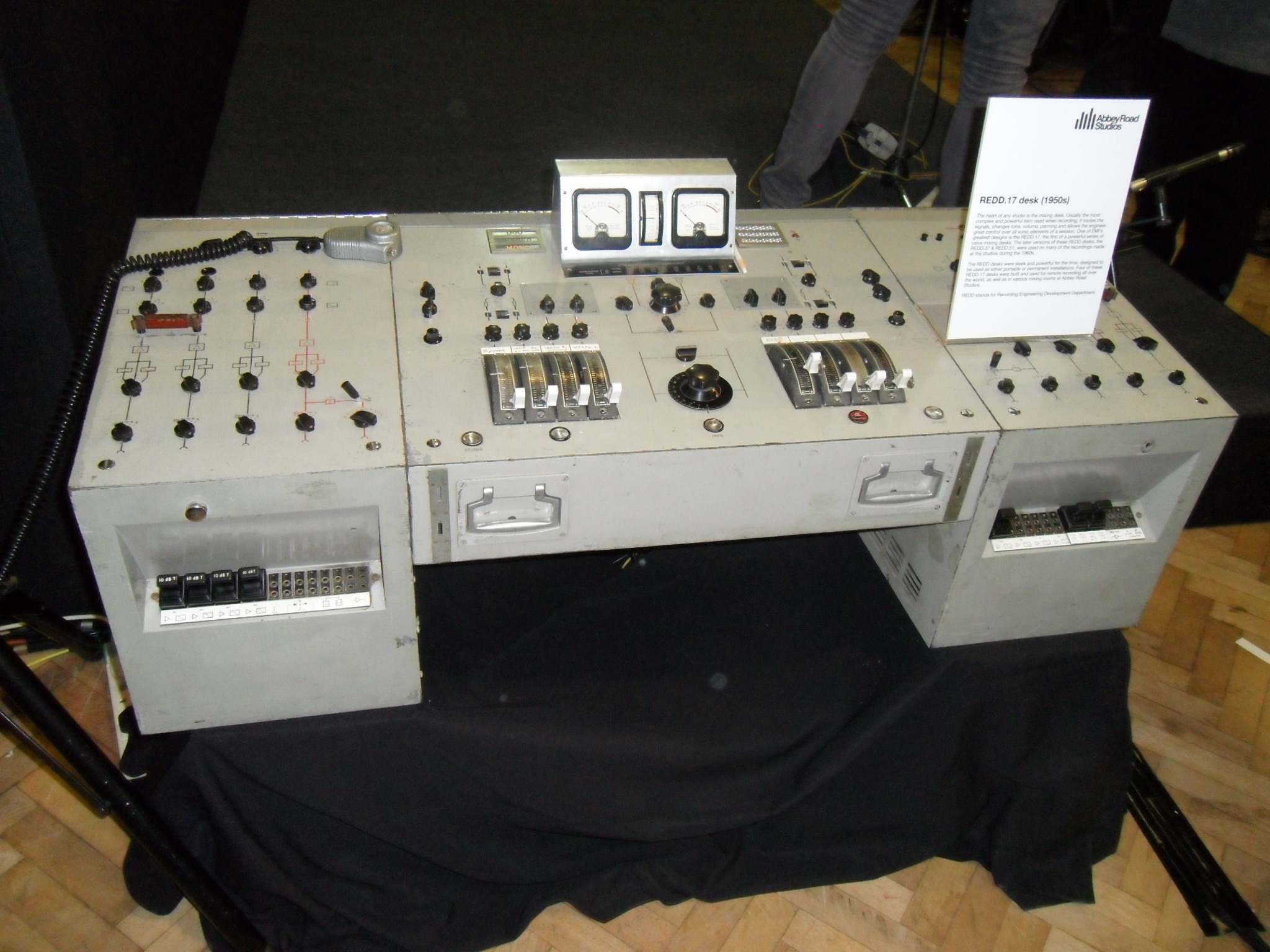
Major studios were departments of record companies rather than independent businesses, with staff engineers, company-owned equipment and session time allocated internally to the company’s own artists.
Independent studios, and then home and project recording, broke the model entirely. The company studio meant an artist recorded where they were told, with staff they did not choose, in a time slot allocated by somebody else, which is a substantially different relationship from hiring a room.
8. Sessions Ran to the Clock and the Clock Was Strict
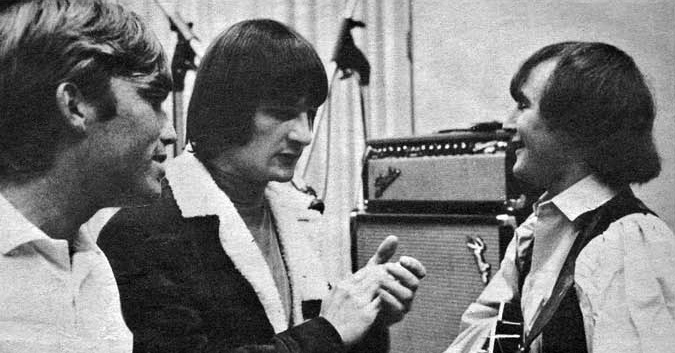
Time was booked in fixed sessions with defined start and end times, with musicians contracted for the session and a strict expectation that recording stopped when the session did.
Flexible booking and the collapse of the cost of recording removed the constraint. The clock produced an extraordinary rate of work – complete finished recordings in a single session was normal – and the resulting discipline is visible in the material, which was arranged, rehearsed and ready before anybody walked in.
9. The Musicians Were Frequently Not the People on the Cover
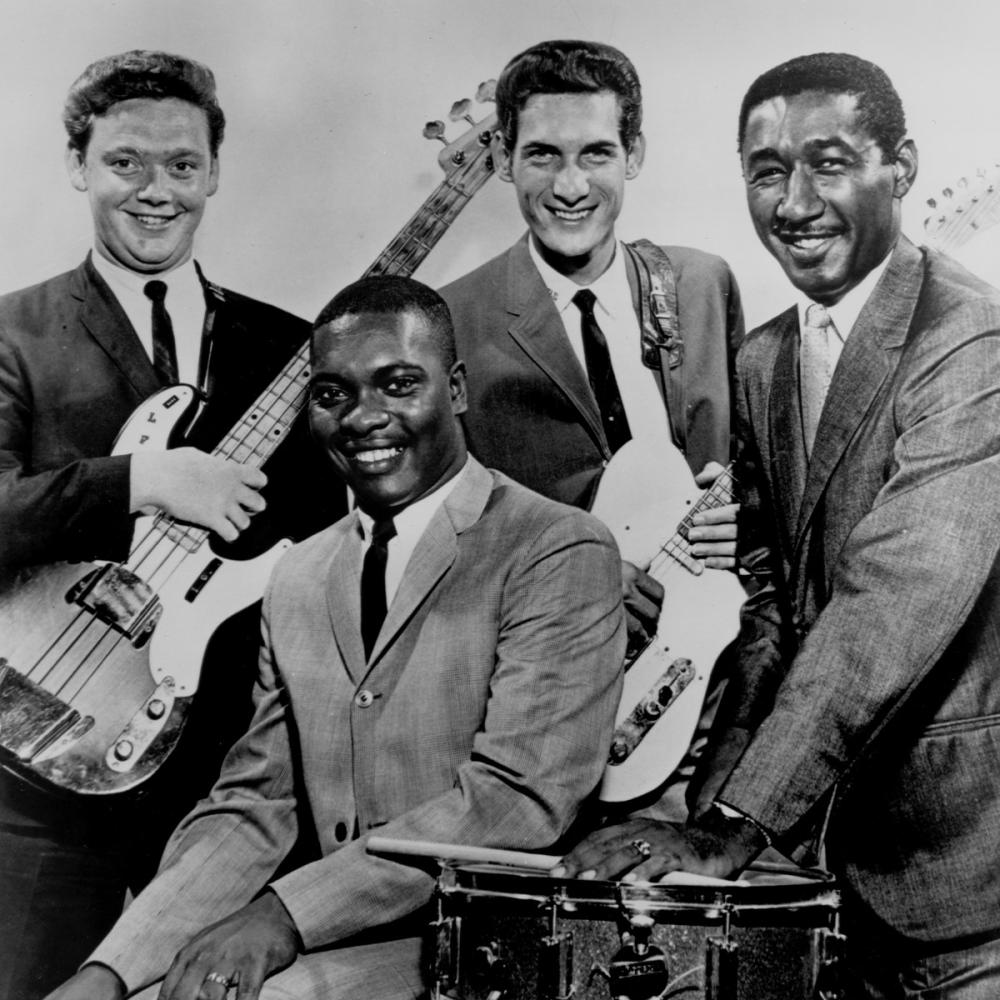
Session players – a small pool of extremely capable musicians working constantly across many acts – played on an enormous proportion of commercial records, uncredited, for a flat fee.
Credits are now standard and residual arrangements exist in many places. The session players of this period are responsible for a vast amount of recorded music that is attributed to somebody else entirely, and the recognition of that came decades later, by which time most of them had no financial stake in any of it.
10. The Arranger Wrote the Parts and Was the Hidden Author
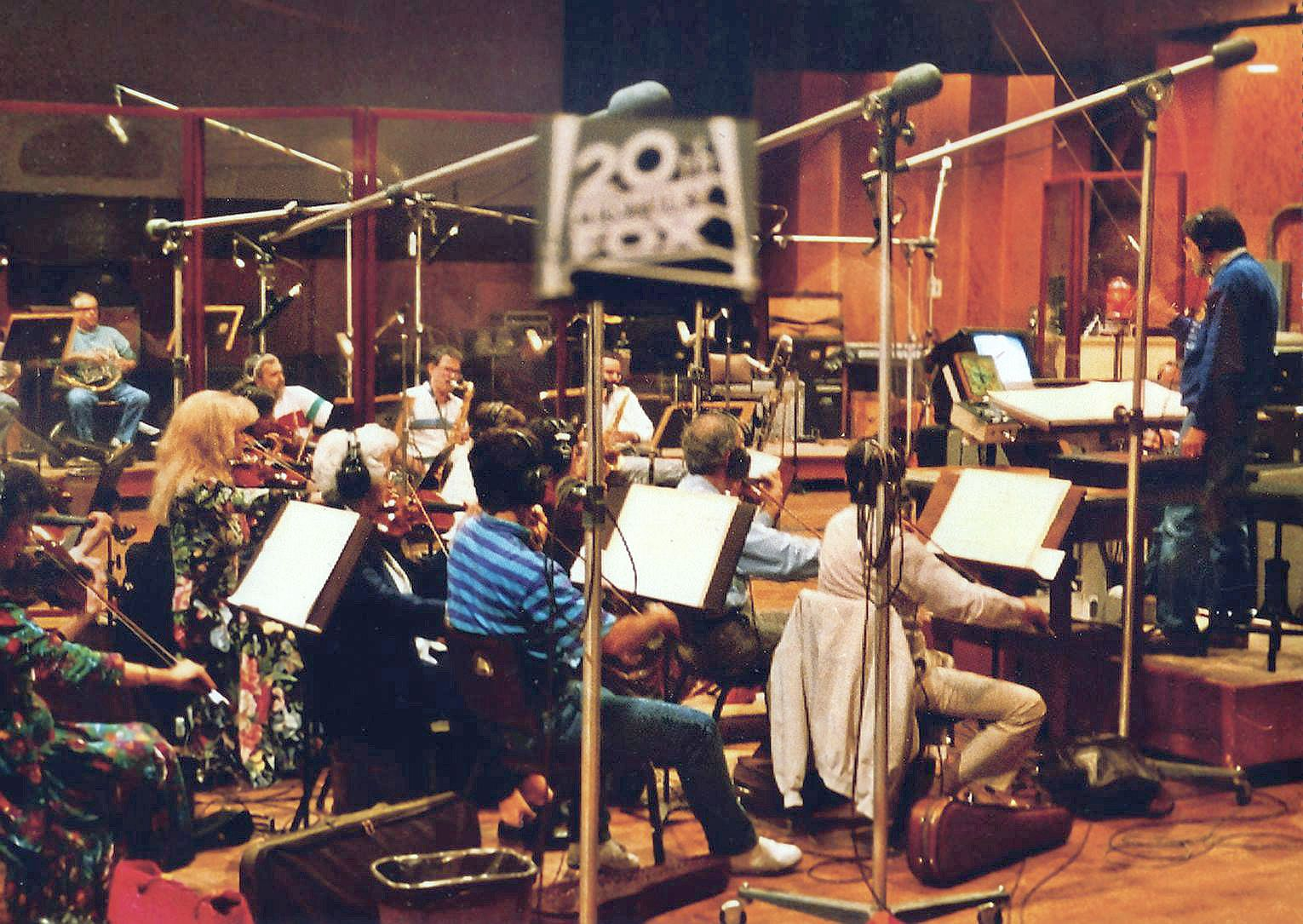
Many recordings depended on an arranger who took a song and wrote the orchestration – the string parts, the horn lines, the structure – which the session players read at sight.
Arrangement is now frequently done by the producer or built up in software. The arranger was central, is rarely remembered, and the difference between a song and a record is largely the thing the arranger did.
11. Monitoring Was Loud and Nobody Thought About Hearing
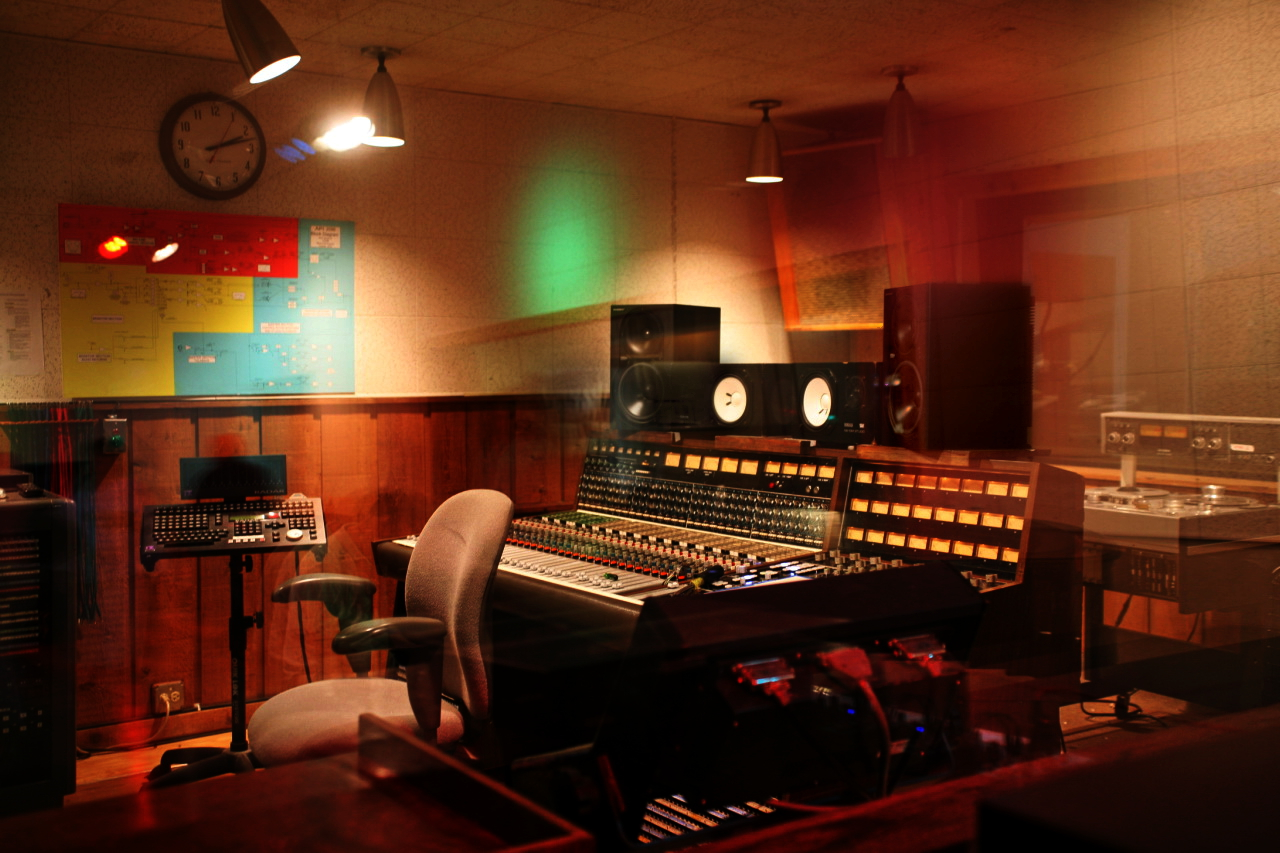
Control room and studio monitoring was played at high levels for long periods, because loud sounded better and because judging a mix at volume was the convention.
Exposure awareness, level standards and monitoring at controlled volumes are now normal practice, driven by the hearing damage documented across the profession. Stated as occupational history only. Anybody with concerns about their own hearing should raise them with a professional rather than with an article.
12. Everything Was Mono and Stereo Was an Afterthought
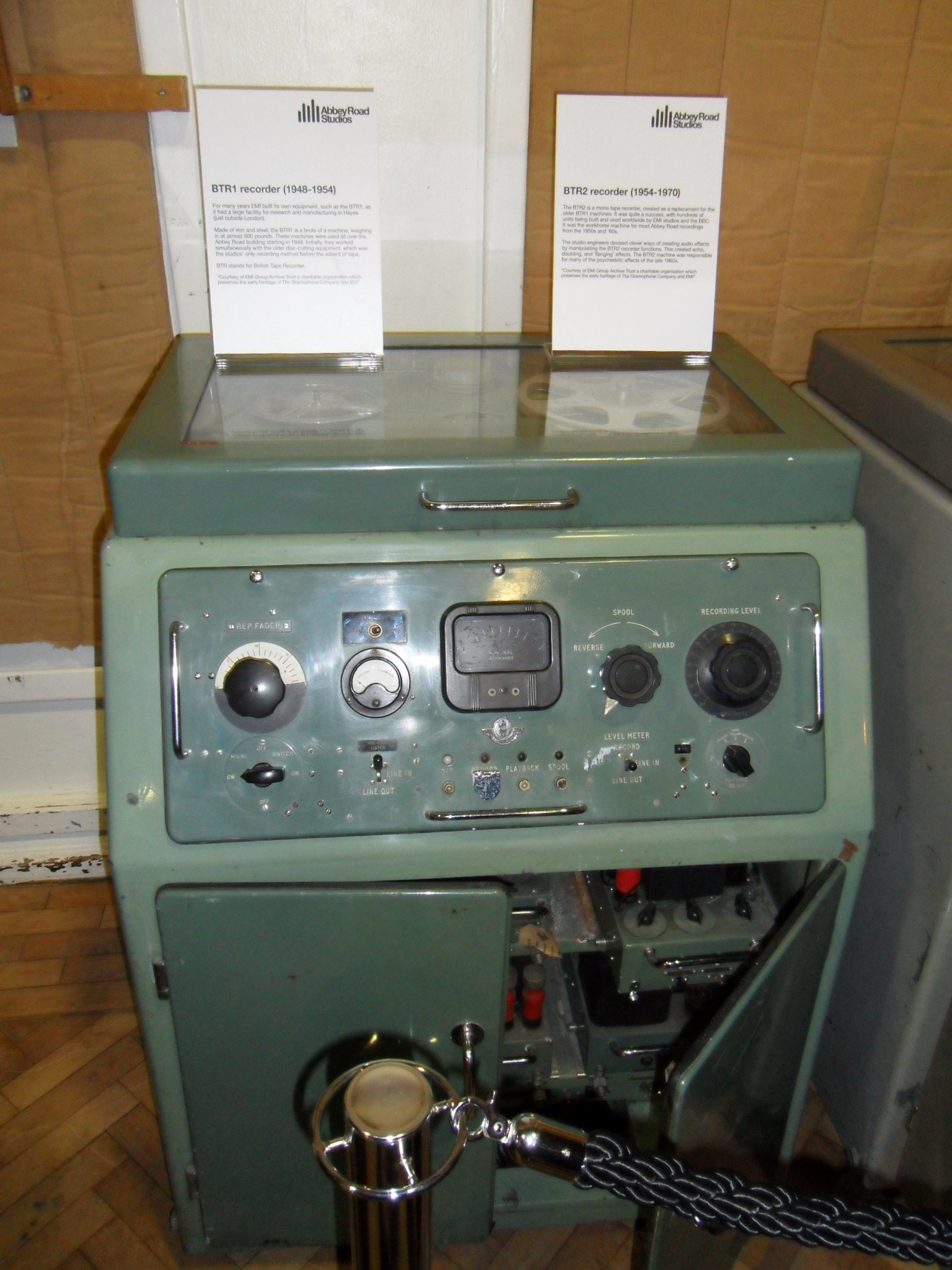
The mono mix was the product, because that is what records were played on, and the stereo version was frequently produced quickly afterwards with far less care.
Stereo became the standard and the mono mixes became collectors’ items – and in many cases the mono is the better record, because it is the one the people involved actually worked on. It is a useful reminder that the definitive version of something is whichever one the makers were paying attention to.
13. Nobody Kept the Multitracks Deliberately
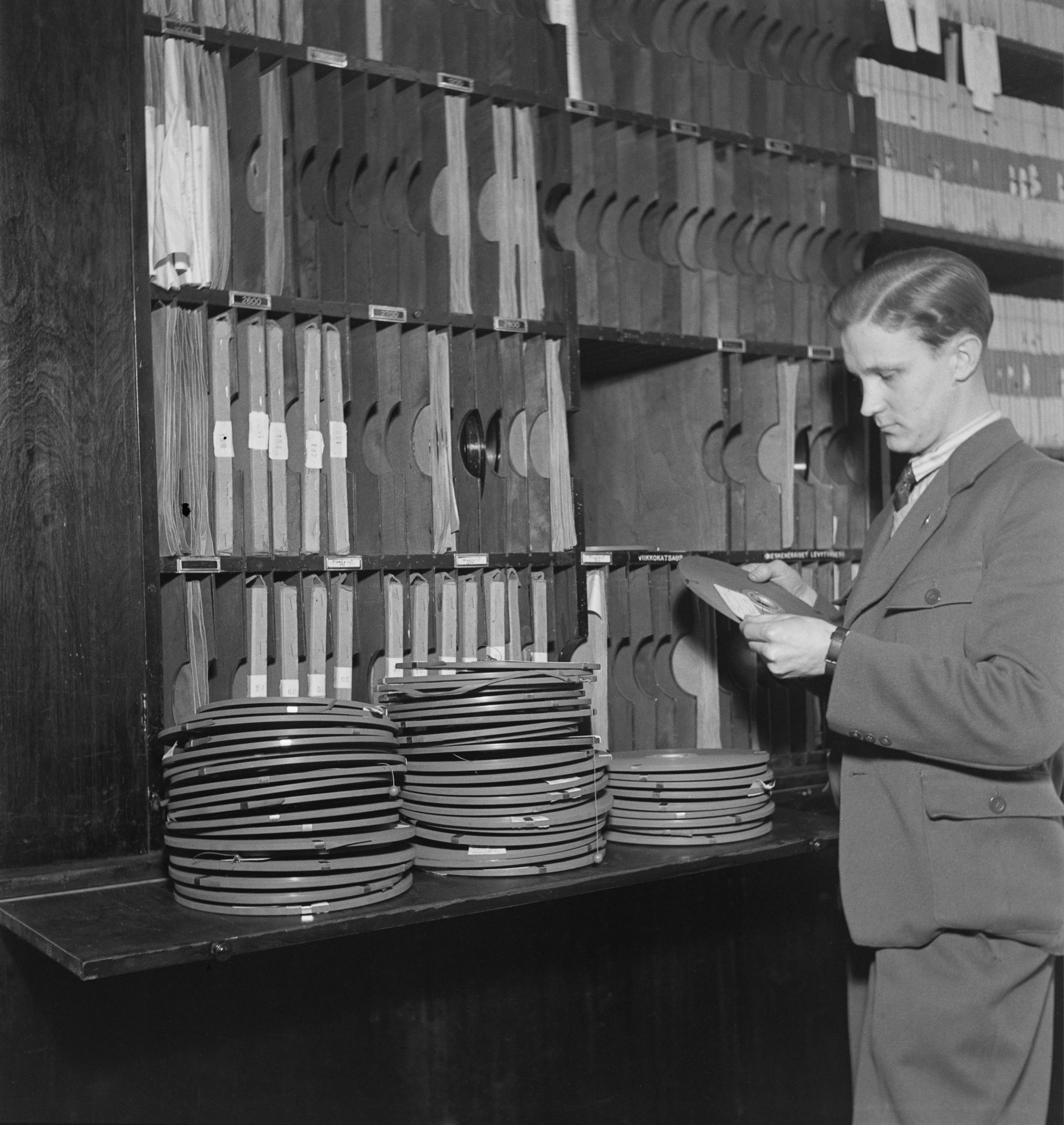
Tapes were company property, storage cost money, and the multitrack masters were frequently reused, discarded or stored badly once the record was finished.
Archival preservation is now taken seriously and a great deal was lost before it was. The surviving multitracks are the basis of every remix, remaster and immersive version produced since, and the material that was wiped is simply gone – which is why some recordings can be revisited and others never will be.
14. The Tape Itself Was Degrading From the Day It Was Made
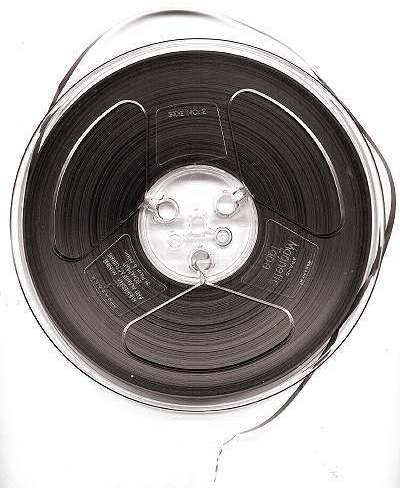
Magnetic tape is a physical medium that deteriorates – binders break down, layers print through to each other, and storage conditions determine how fast.
Digitisation of archives has become urgent for exactly this reason, and some tapes now require baking before they can be played at all. There is a finite window in which a tape can be transferred, it is closing, and the work is a race that institutions are funding with varying urgency.
15. The Room Was Designed for Orchestras and Got Used for Bands
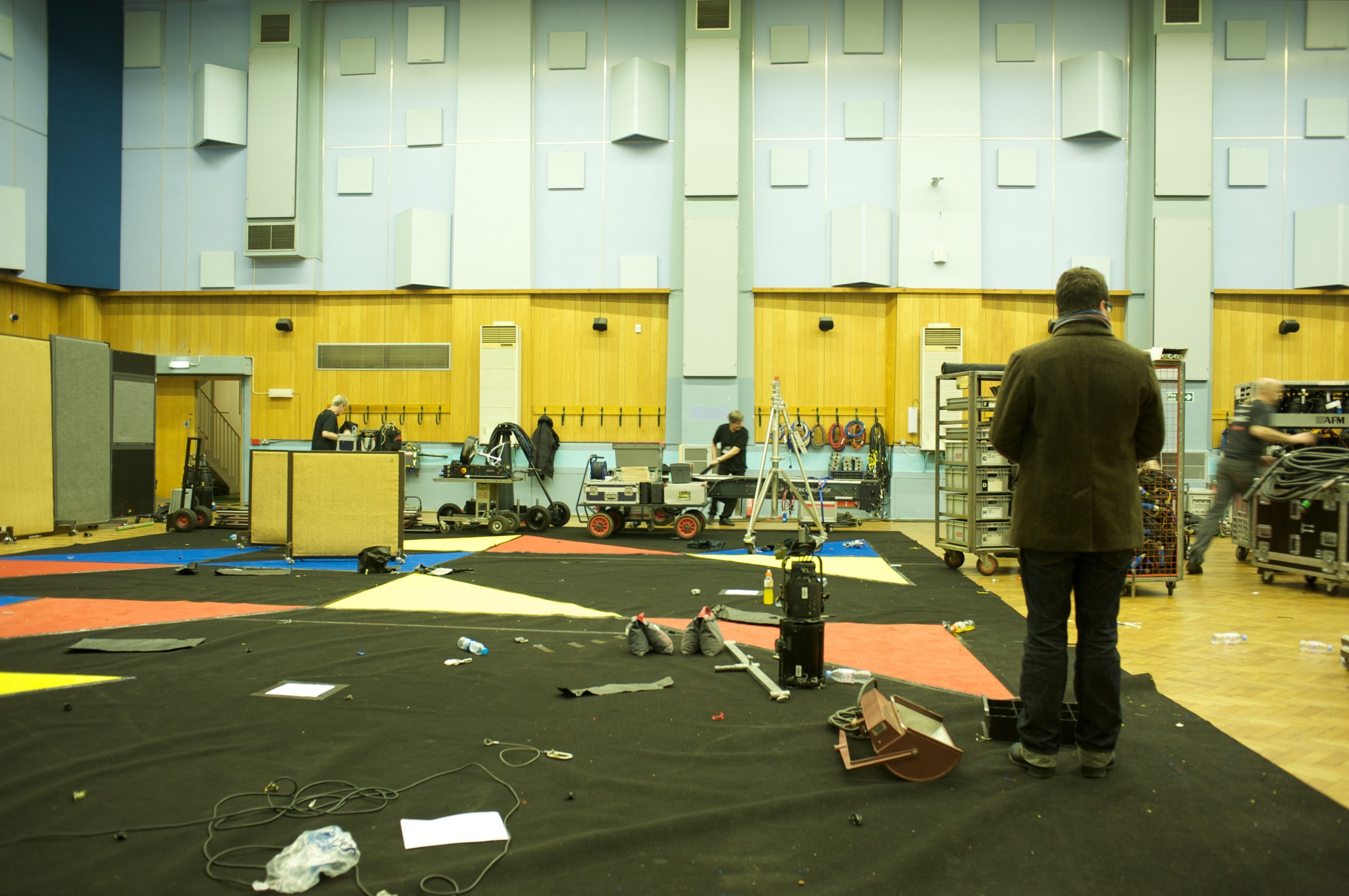
The large studios were built for orchestral and big band work, with high ceilings and long reverberation, and the pop recording that came to dominate them was using a space designed for something else.
Purpose-built rooms with controlled acoustics and variable treatment followed. Several of the most celebrated recordings of the period owe their sound to a band being recorded in a hall built for sixty musicians, which was an accident of what rooms existed rather than anybody’s intention.
16. Nobody Expected Anybody to Record at Home
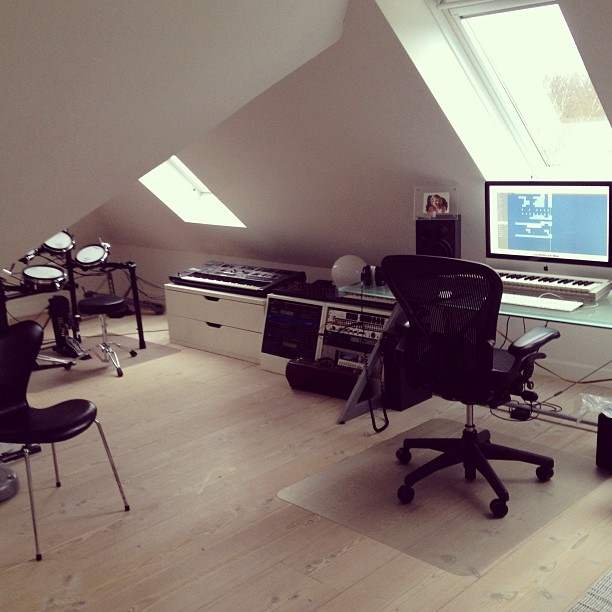
Recording required a building, a technical department, maintained machines and trained staff, and the idea that a usable record could be made in a bedroom was not conceivable.
Computer recording made professional-standard capture available for the price of a decent instrument, and the majority of released music is now at least partly recorded outside a commercial studio. The large rooms survive for the things that still need them – orchestras, ensembles playing together, and the acoustic of a space that cannot be simulated – which is roughly what they were built for in the first place.
17. The Limitations Are Now Bought Deliberately
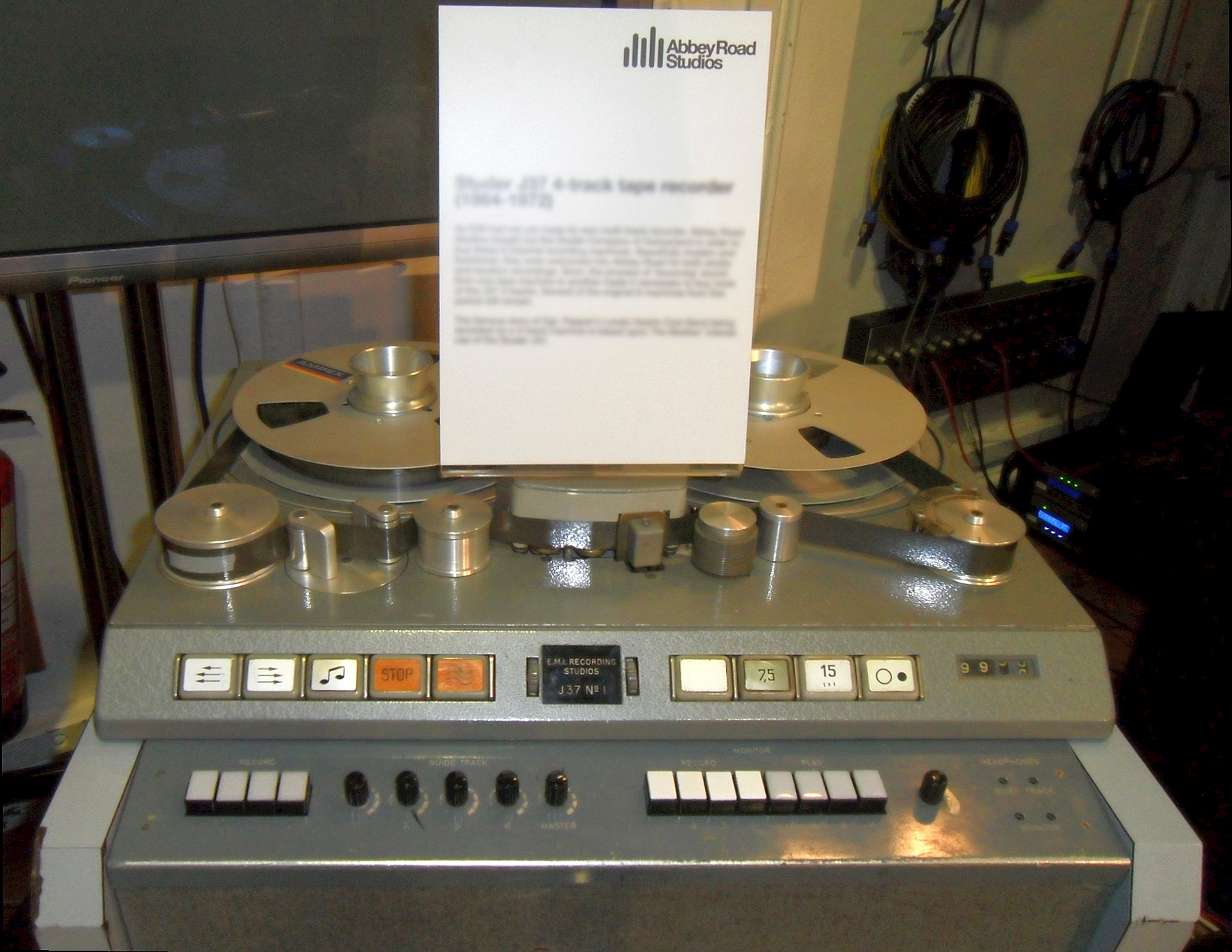
Four tracks, no editing, a fixed session, everybody in one room, and no way to fix anything afterwards.
All of it is now available as a choice, and a considerable number of artists choose it – recording to tape, live in a room, with limited tracks, specifically to get the results the constraints produce. The constraints turned out to be doing something: they force decisions early, they require the performance to be good rather than repairable, and they make a record a document of an occasion rather than an assembly. Nobody in 1965 thought of any of that as a feature.
The Constraints Were Doing Something
The temptation with this list is to read it as a catalogue of limitations that technology removed, and that is accurate and incomplete.
Every item describes something that could not be done. You could not fix a mistake. You could not change the balance later. You could not take a week over it. You could not record the parts separately. You could not undo an edit.
All of those are now gone, and the gains are enormous and real. A musician who plays one excellent take of a difficult part can keep it. A producer can rebuild an arrangement at three in the morning. A record can be made with no money at all.
But the constraints were not neutral, and the reason a significant number of people now deliberately reimpose them is that they produced specific effects.
A take that cannot be repaired has to be good, which changes how it is played. Musicians in a room hear each other and adjust in real time, which produces an ensemble rather than a stack of parts. A fixed session means the arrangement is finished before anybody arrives, because there is no time to work it out in the room. And a decision that cannot be reversed is made properly, because there is no option of deferring it.
Remove the constraints and all of that becomes optional – which means it has to be chosen, deliberately, by somebody with the discipline to choose it, against the constant availability of fixing it later.
That is the honest summary of what changed. Nothing became impossible. Everything became optional, and the things that used to be enforced by the equipment now have to be enforced by the people, which is a much harder thing to rely on.
If you worked in a studio then you will know which room, which machines, and who kept them aligned.
And if the multitracks from your sessions survived, that is more luck than anybody arranged.
Like our content? Follow us for more.