

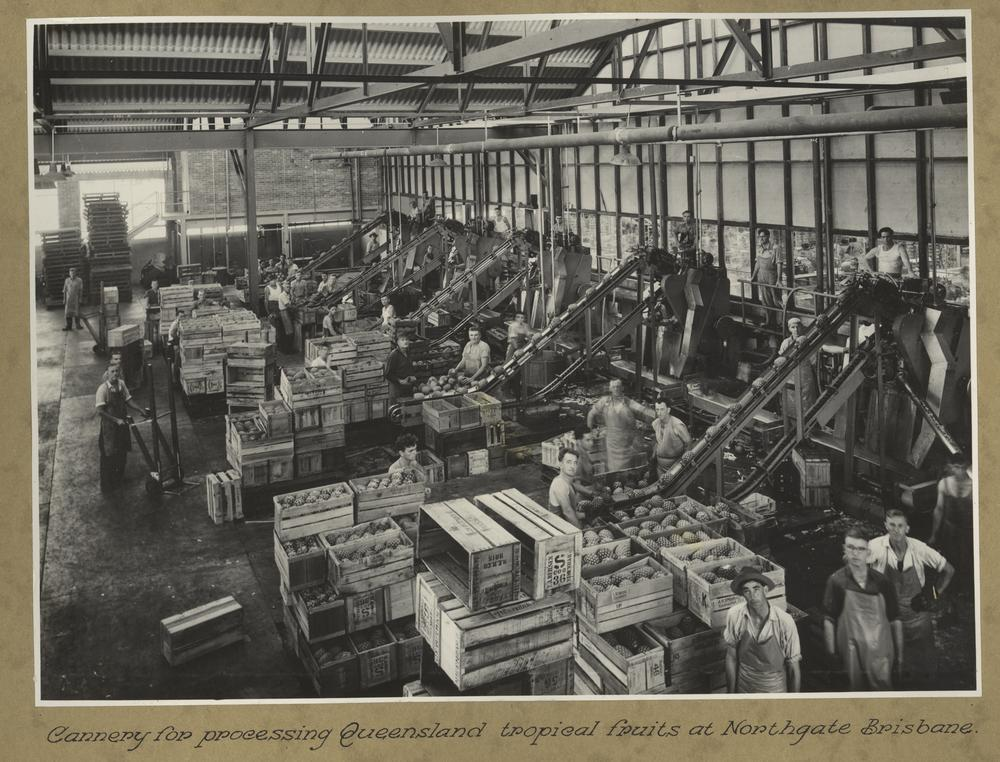
In 1960 a jam factory’s entire year happened in a few violent weeks when the fruit came in, because soft fruit spoils within days and the crop does not wait.
It was boiled in open pans and judged by a man with a thermometer and a spoon. A proportion of underripe fruit went in deliberately to make it set. The jars were filled near boiling and sealed themselves as they cooled. And the whole town knew from the air which fruit was running that week.
Here are twelve things that were ordinary in a jam factory in 1960, and what became of each one.
1. The Fruit Arrived All at Once and Had to Be Dealt With Immediately
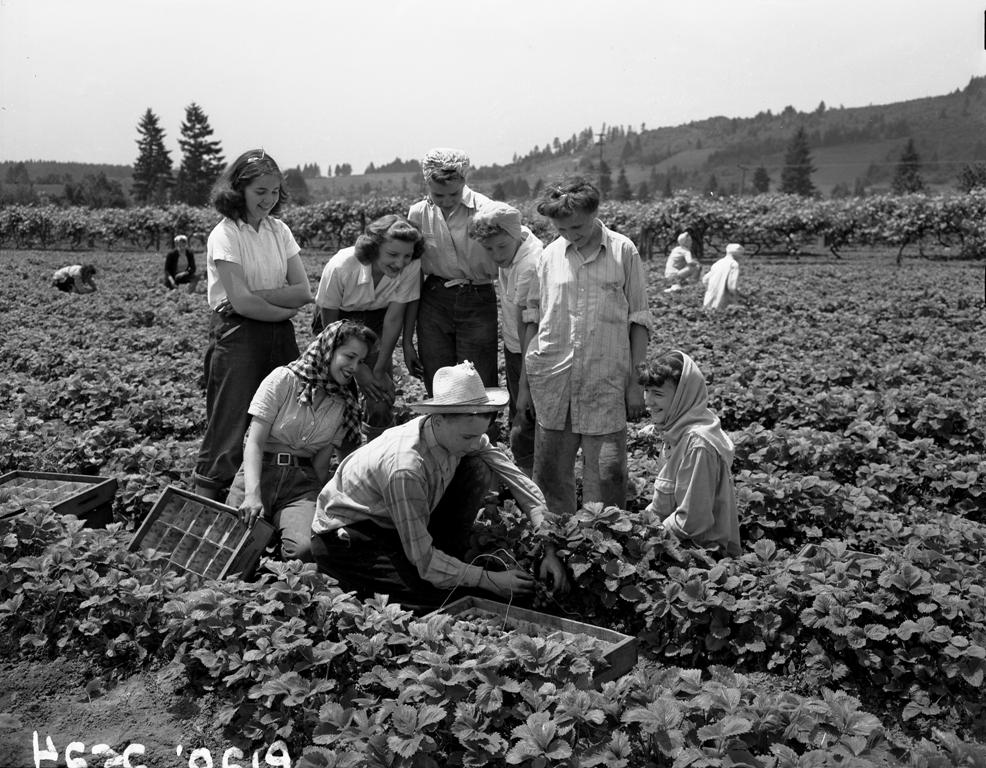
Soft fruit ripens over a few weeks and spoils within days, so a jam factory’s entire year was concentrated into short violent seasons when the crop came in and everything had to be processed as it arrived.
Frozen and pulped fruit held in store, and imported supply from other hemispheres, decoupled production from the harvest and turned a seasonal operation into a continuous one. The seasonal panic is the thing that defined the industry, and it is why these factories were sited among the growing areas rather than near the customers.
Like our content? Follow us for more.
2. Everything Was Boiled in Open Pans and Watched by a Man With a Thermometer
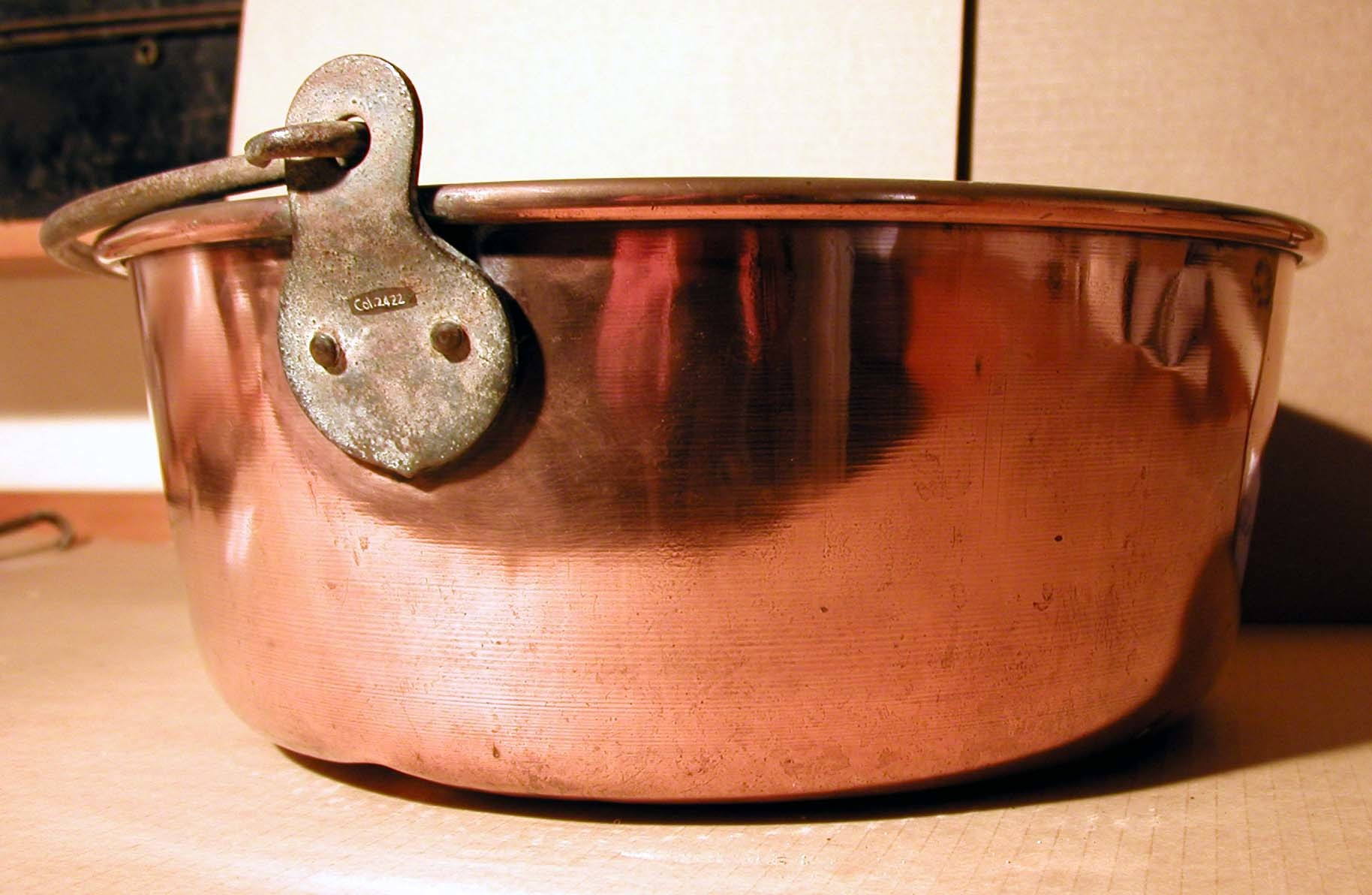
Jam was made in open steam-jacketed pans, boiled until the setting point was reached, with the boiler judging it by temperature, by the behaviour of the drop off a spoon and by experience.
Vacuum pans, continuous cookers and instrumented control of soluble solids replaced the judgement, and open-pan boiling survives for premium and small-batch production. Vacuum boiling at lower temperature preserves far more of the fruit’s colour and flavour, which is the single biggest quality difference between a 1960 product and a modern one.
3. The Setting Depended on Three Things Balanced Against Each Other
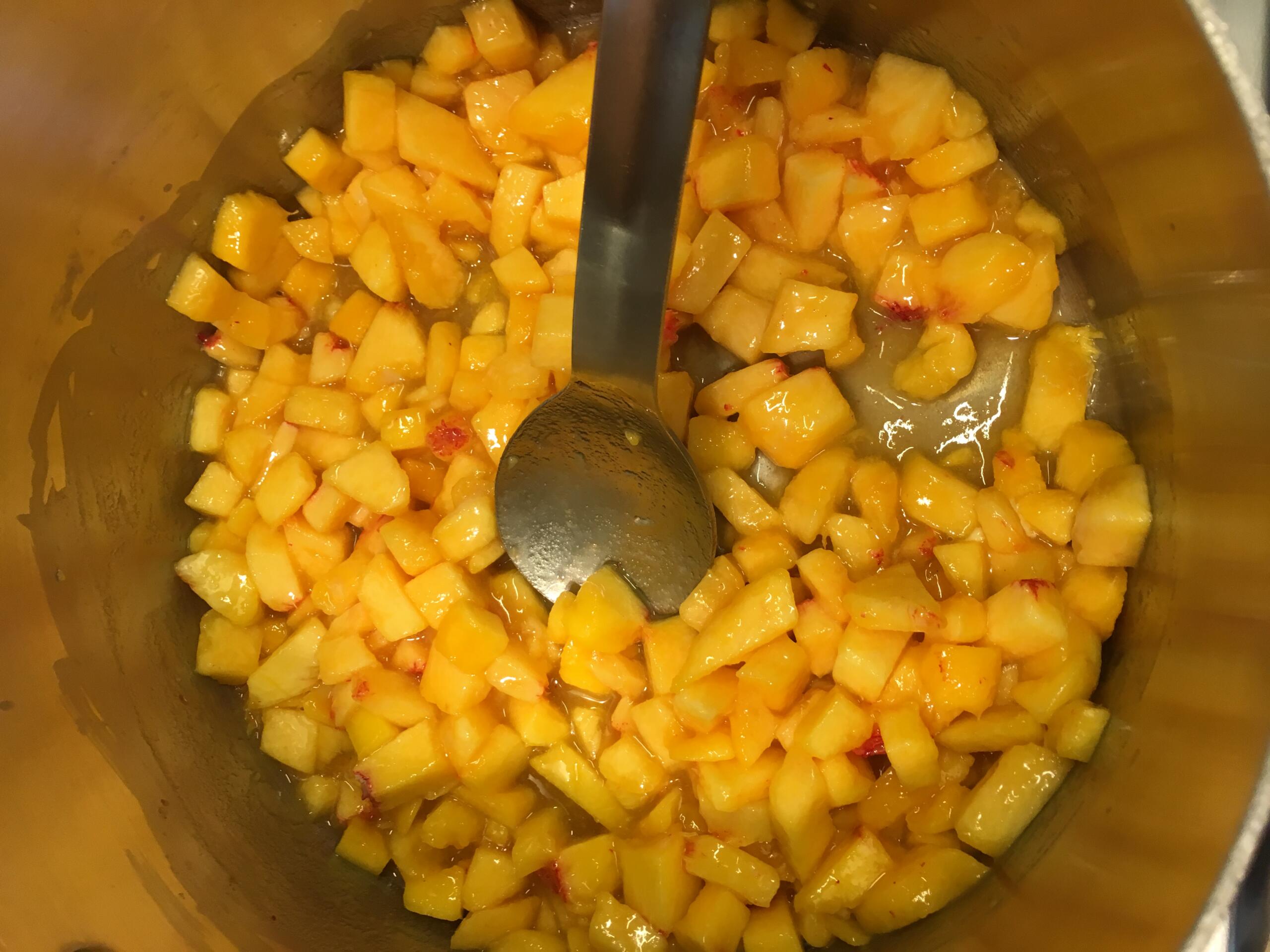
A jam sets because pectin forms a network, and that requires the right pectin, the right sugar concentration and the right acidity together. Get one wrong and the batch does not set, or sets like rubber.
Added pectin to a measured specification, acidity control and soluble solids measurement made it reliable. Before that, the variable was the fruit – pectin content differs by variety, by ripeness and by season – and the boiler was continuously compensating for a raw material that changed every week.
4. Underripe Fruit Was Added Deliberately
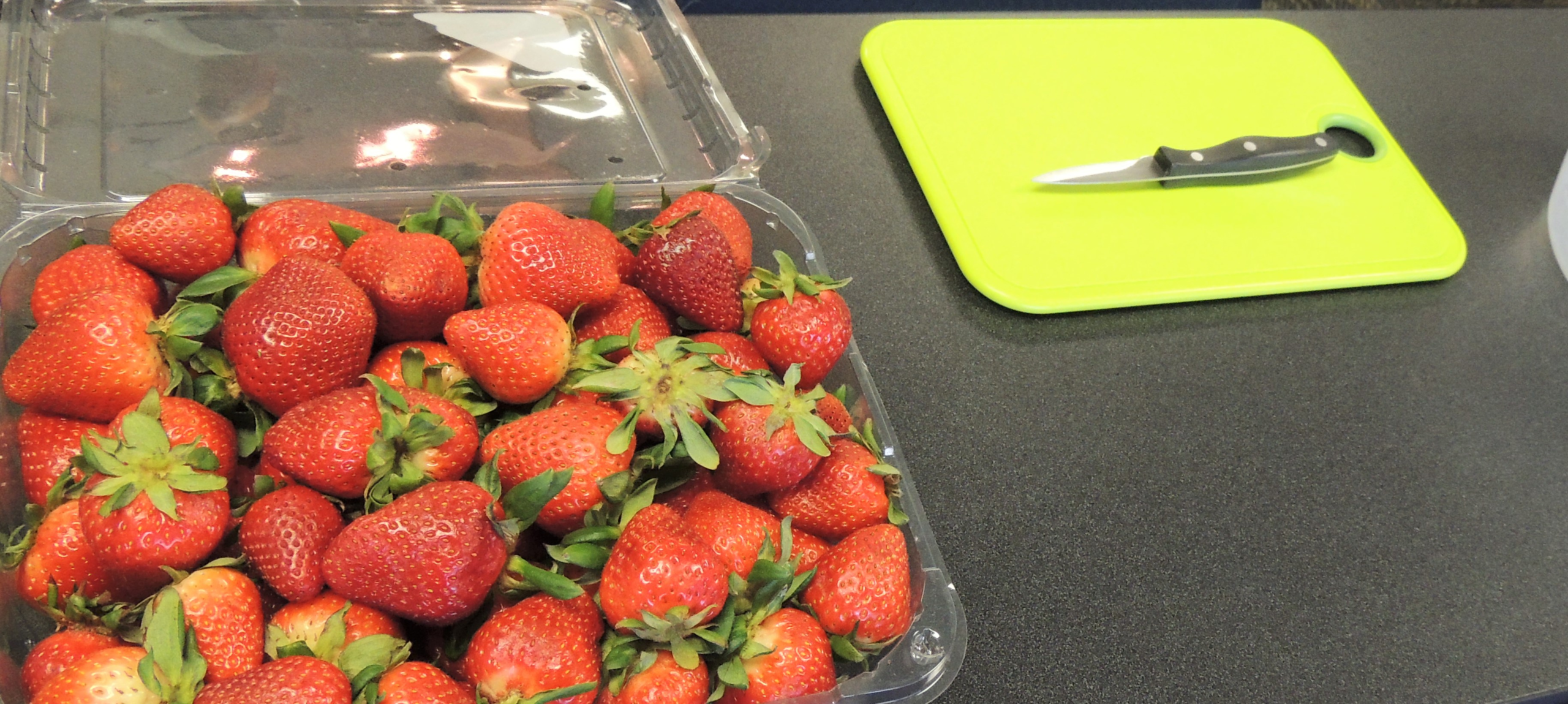
Because pectin is highest in slightly underripe fruit and flavour is highest in ripe fruit, a proportion of underripe was included specifically to make the batch set.
Standardised added pectin removed the need. It is a neat example of a traditional practice encoding real chemistry that nobody involved could have described in those terms – the growers and boilers knew that some underripe fruit made it set, and the reason was not established until long after the practice was universal.
5. The Sugar Was the Preservative and the Quantity Was Not Negotiable
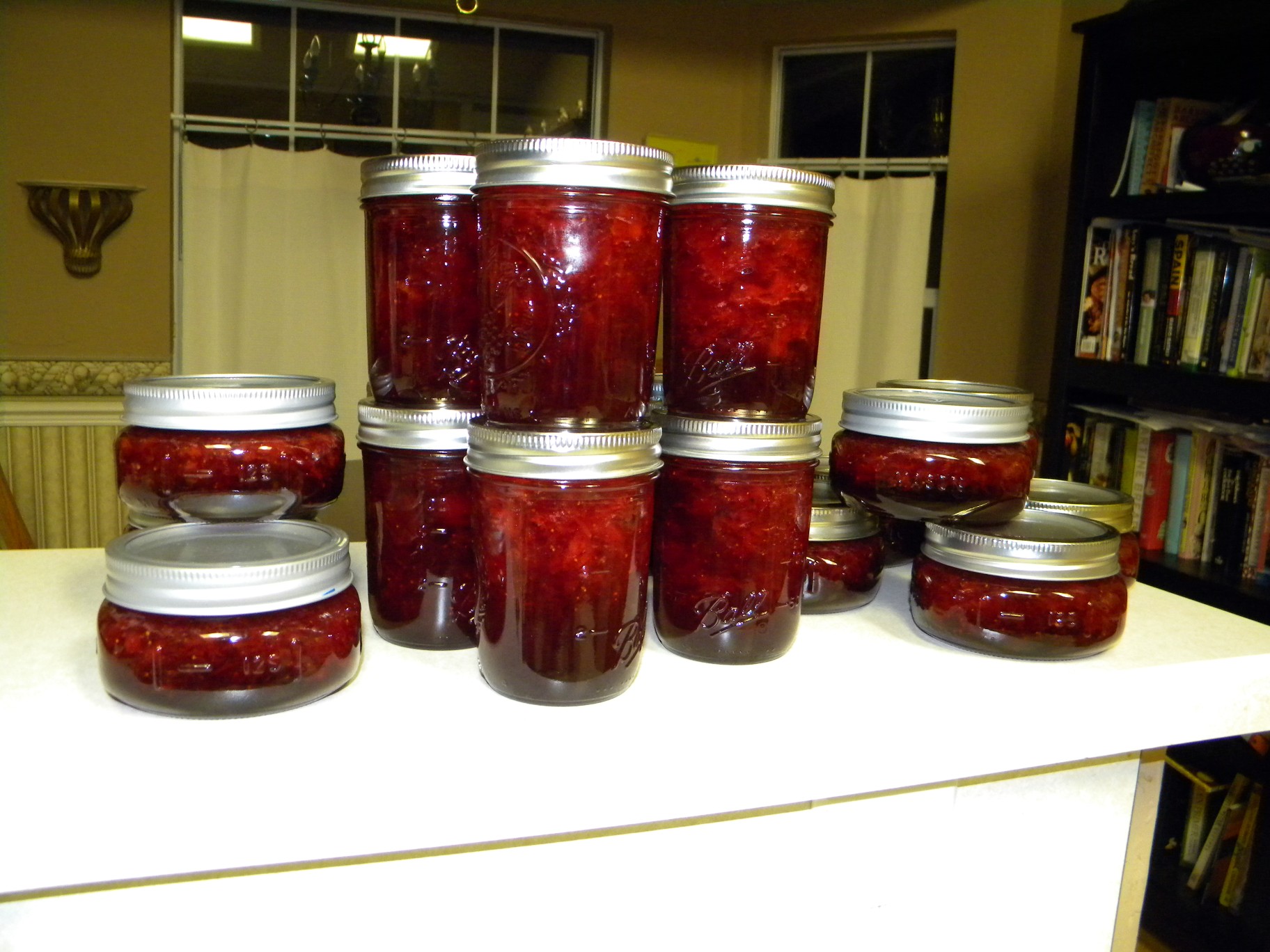
Jam keeps because the sugar concentration is high enough to make water unavailable to spoilage organisms, which requires a specific minimum and is the reason jam is as sweet as it is.
Compositional standards define minimum soluble solids for products using the name, and reduced-sugar products exist and require refrigeration after opening and frequently additional preservation. The sweetness is not a recipe preference that could simply be reduced – it is the preservation mechanism, and removing it means replacing it with something else.
6. The Fruit Was Picked Over by Hand on a Moving Belt
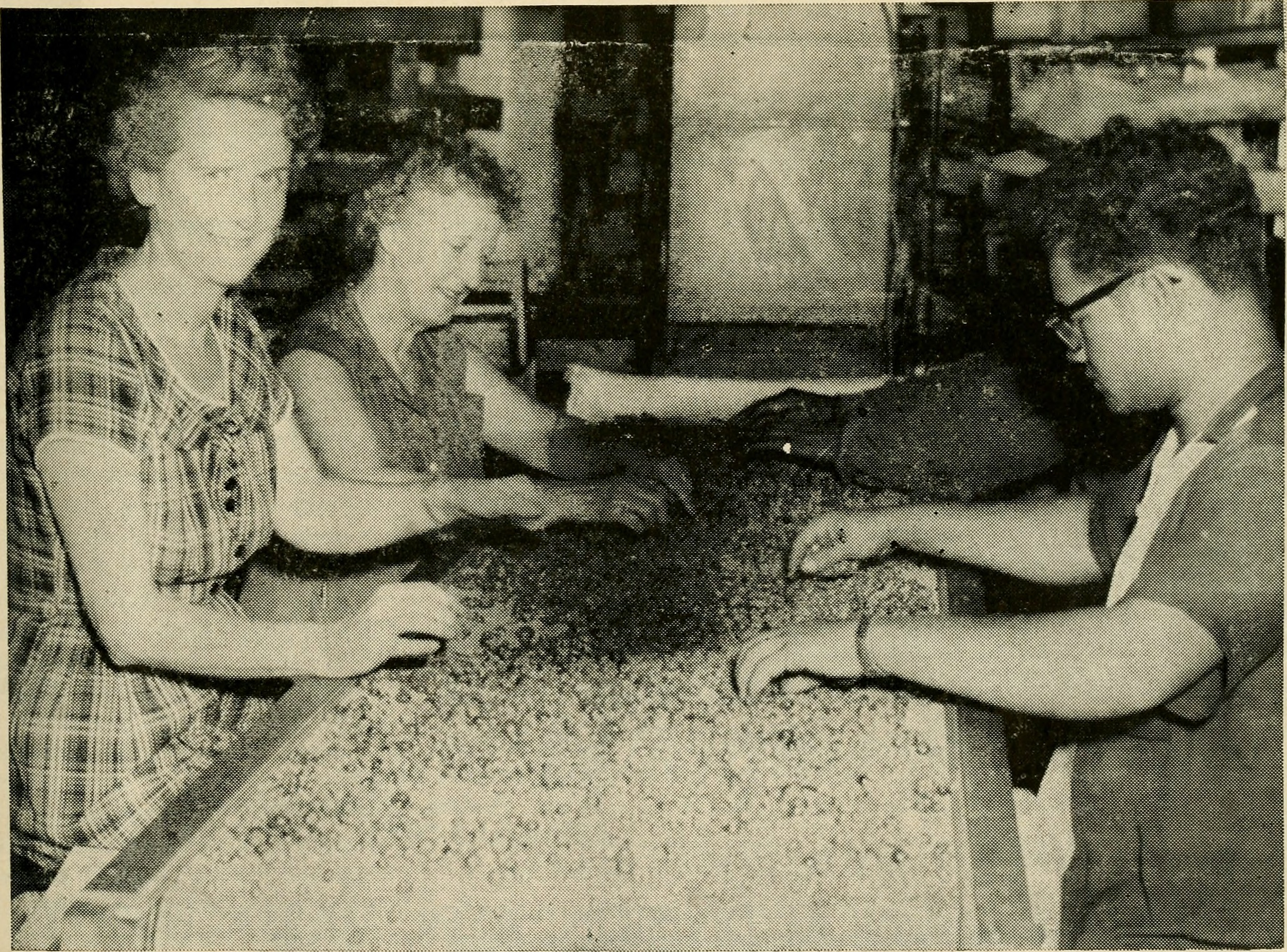
Incoming fruit ran along belts with rows of women removing stalks, leaves, unripe and damaged fruit, insects and anything else by hand, at speed, for the whole season.
Optical sorting, air separation and mechanical destalking handle most of it. Hand picking over was the largest employment in the factory, was entirely seasonal, and in fruit-growing districts it was the annual work that a great many households relied on.
7. The Jars Were Filled Hot and Sealed by the Vacuum They Made
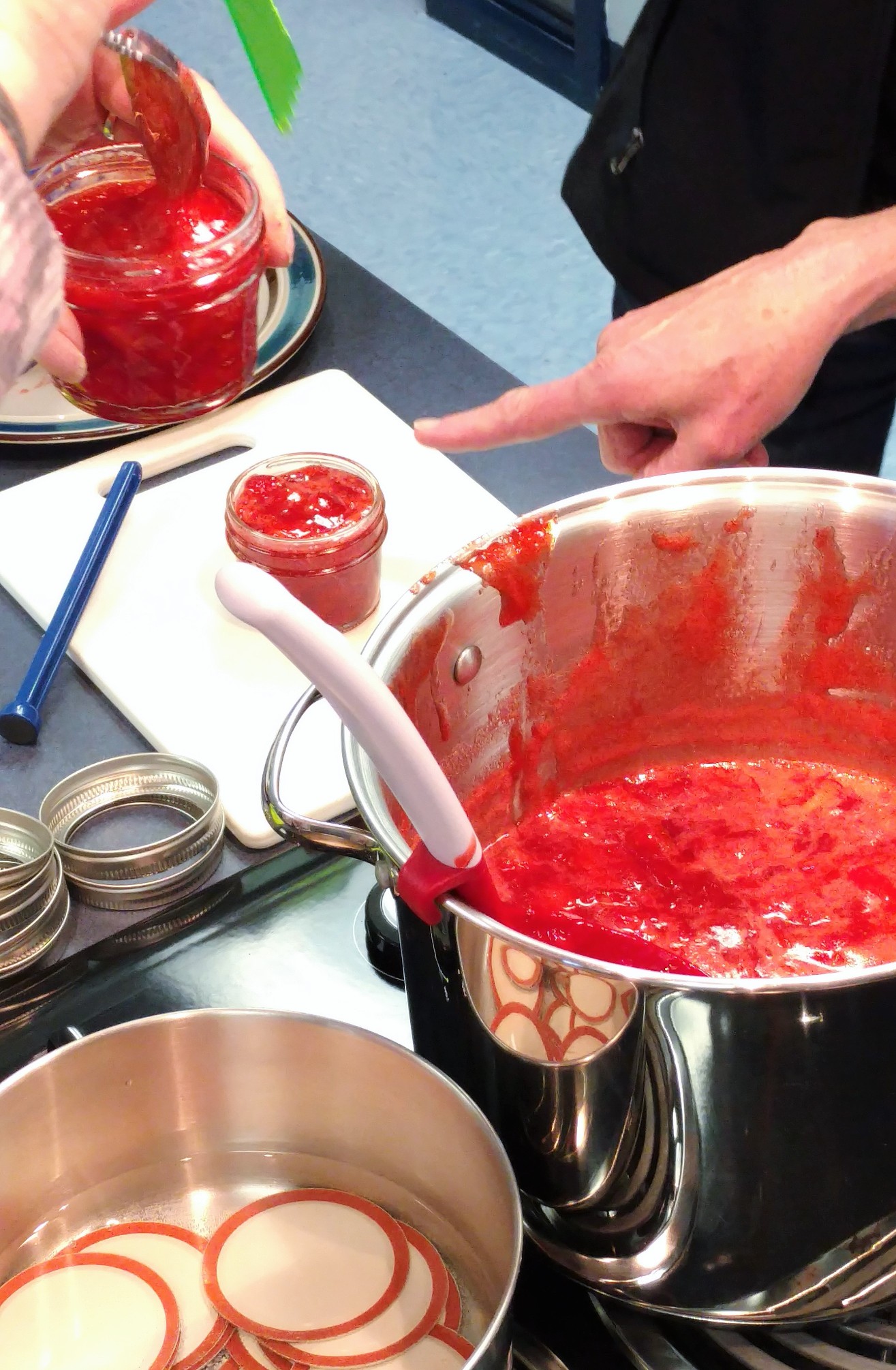
Product was filled at near-boiling temperature, the lid applied immediately, and as the contents cooled the headspace contracted and pulled the lid down into a vacuum seal.
Still fundamentally how it works, with controlled filling temperatures, measured headspace and seal integrity testing. The button on a modern lid that pops when first opened is the direct descendant: it is a vacuum indicator, and it is the simplest possible way of showing a customer that a seal has held.
8. The Jars Came Back and Were Washed and Reused
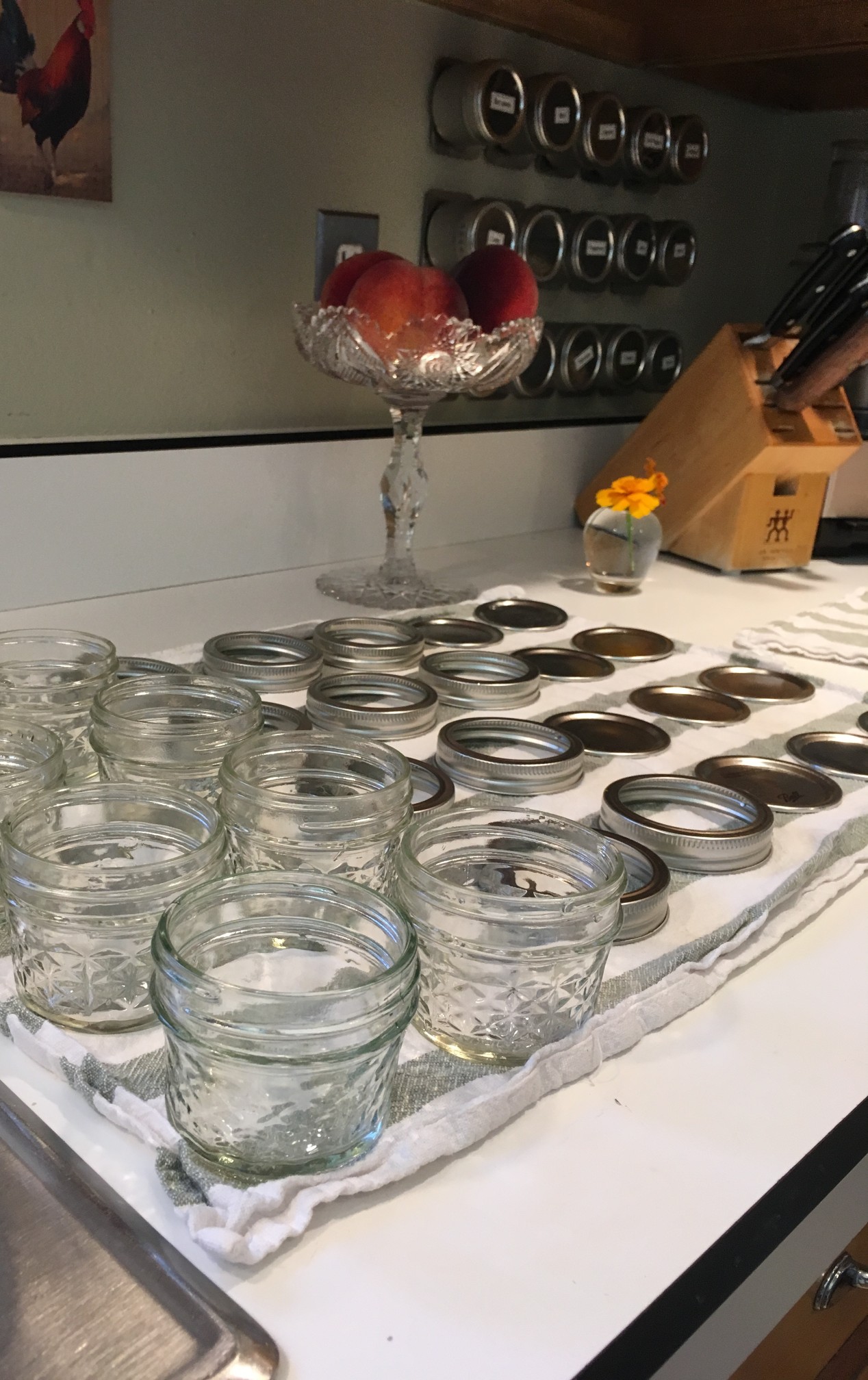
Glass jars were returned, collected, washed and refilled, because glass was expensive relative to the product and a returnable system was the obvious arrangement.
Single-use containers and kerbside recycling replaced return systems almost entirely. Returnable glass has a substantially better environmental profile than single use where the collection distances are short, which is precisely the condition that stopped applying when production consolidated into a few large factories serving everywhere.
9. The Labels Were Applied With Glue and a Brush
Labelling was a manual operation with paste, applied to wet or warm jars, with the position judged by the operator.
Automated labelling at high speed with pressure-sensitive or wrap-around labels replaced it. Crooked labels on jars of this period are not a sign of a poor factory – they are a sign of a human, at the end of a long day, in a season when the fruit was not waiting.
10. Nobody Was Measuring Fruit Content and It Varied Enormously
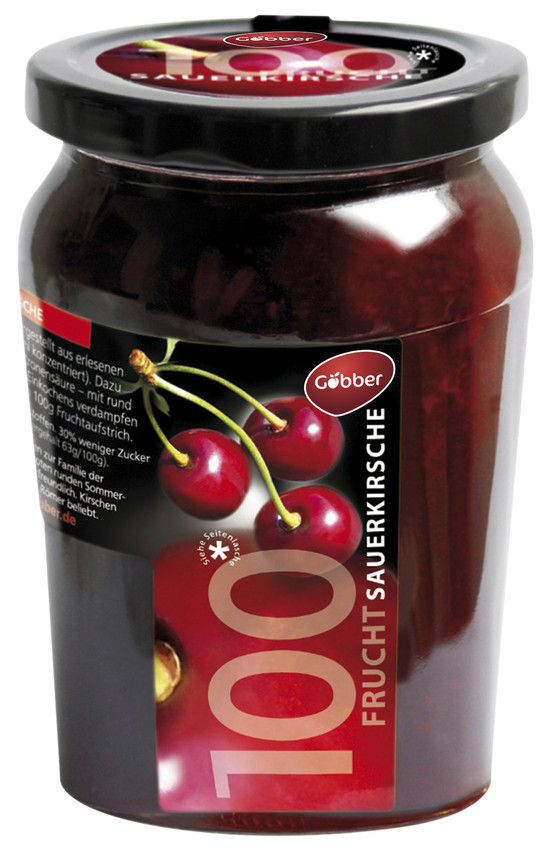
How much actual fruit a jam contained was not consistently specified or declared, and products ranged from substantially fruit to substantially not.
Compositional standards now specify minimum fruit content for products sold under particular names, with labelling requirements and defined categories distinguishing jam from products made differently. It is one of the clearest cases in food law of a name being protected because the name was the only thing the customer had to go on.
11. The Factory Smelled of Whatever Was Running That Week
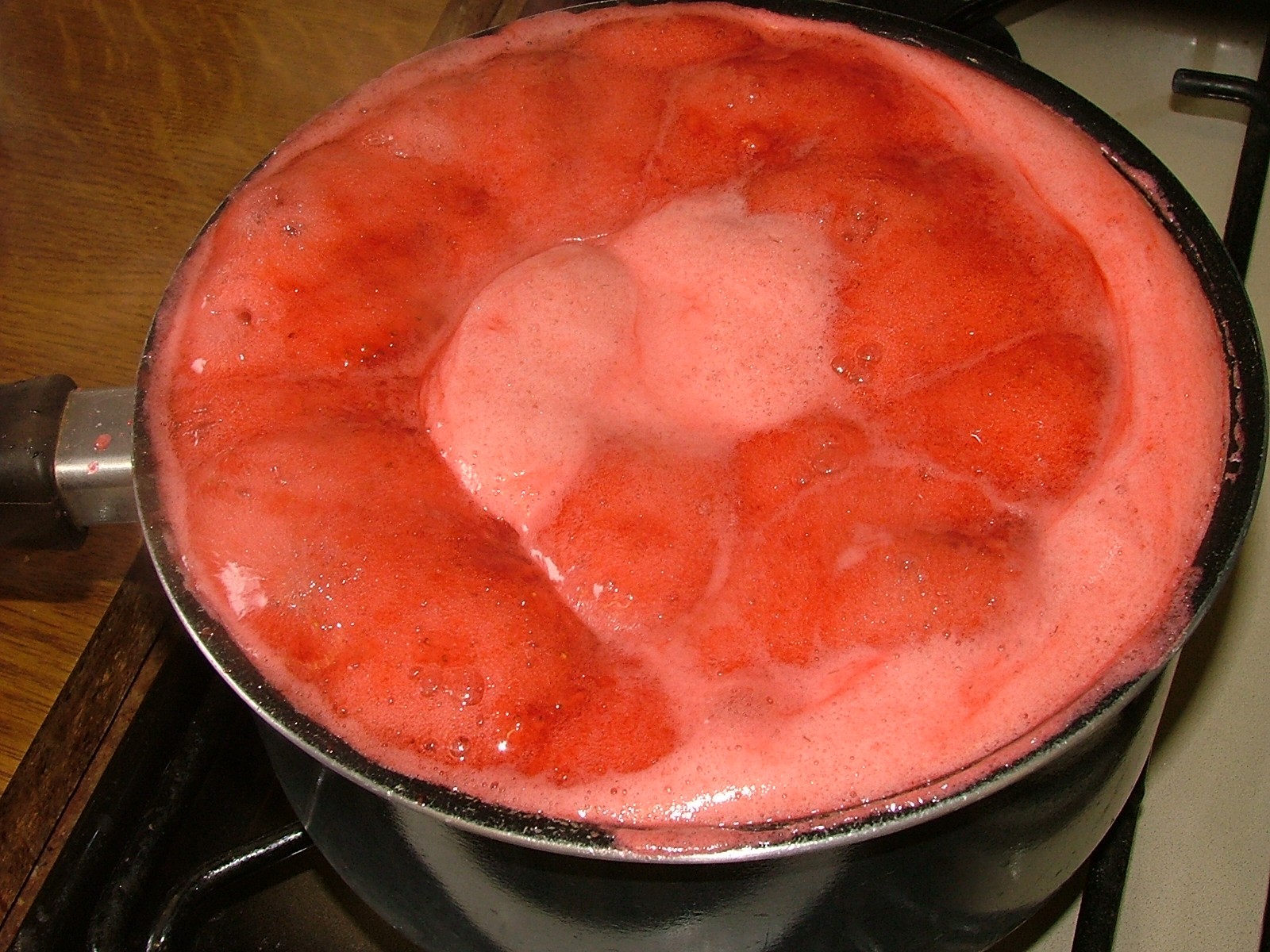
Boiling fruit produces an overwhelming smell, different for each fruit, and the town knew from the air which crop was being processed.
Extraction has reduced it without removing it. It is the third pleasant industrial smell in this series after the chocolate works and the roasting of cocoa, and people who lived near these factories can still name the fruits in order of the season.
12. Nobody Thought the Fruit Would Come From Somewhere Else
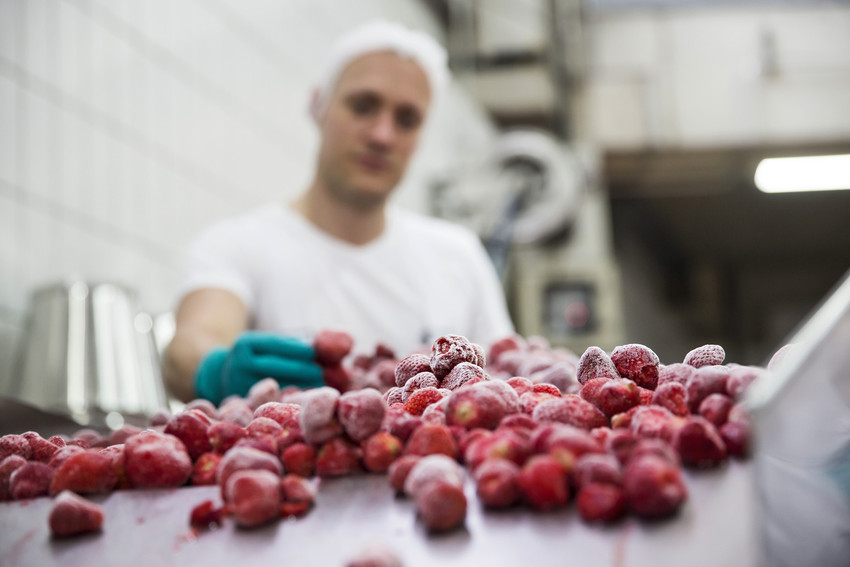
A jam factory existed where the fruit grew, because fruit cannot travel far before it spoils and the whole operation was built on that constraint.
Freezing, pulping, aseptic storage and refrigerated shipping removed the constraint completely, and fruit now travels as frozen pulp from wherever it is cheapest. The factories left the growing districts, the growing districts largely stopped growing soft fruit for processing, and the two halves of an industry that had been within a few miles of each other for a century ended up on different continents.
The Practice Knew the Chemistry Before Anybody Could State It
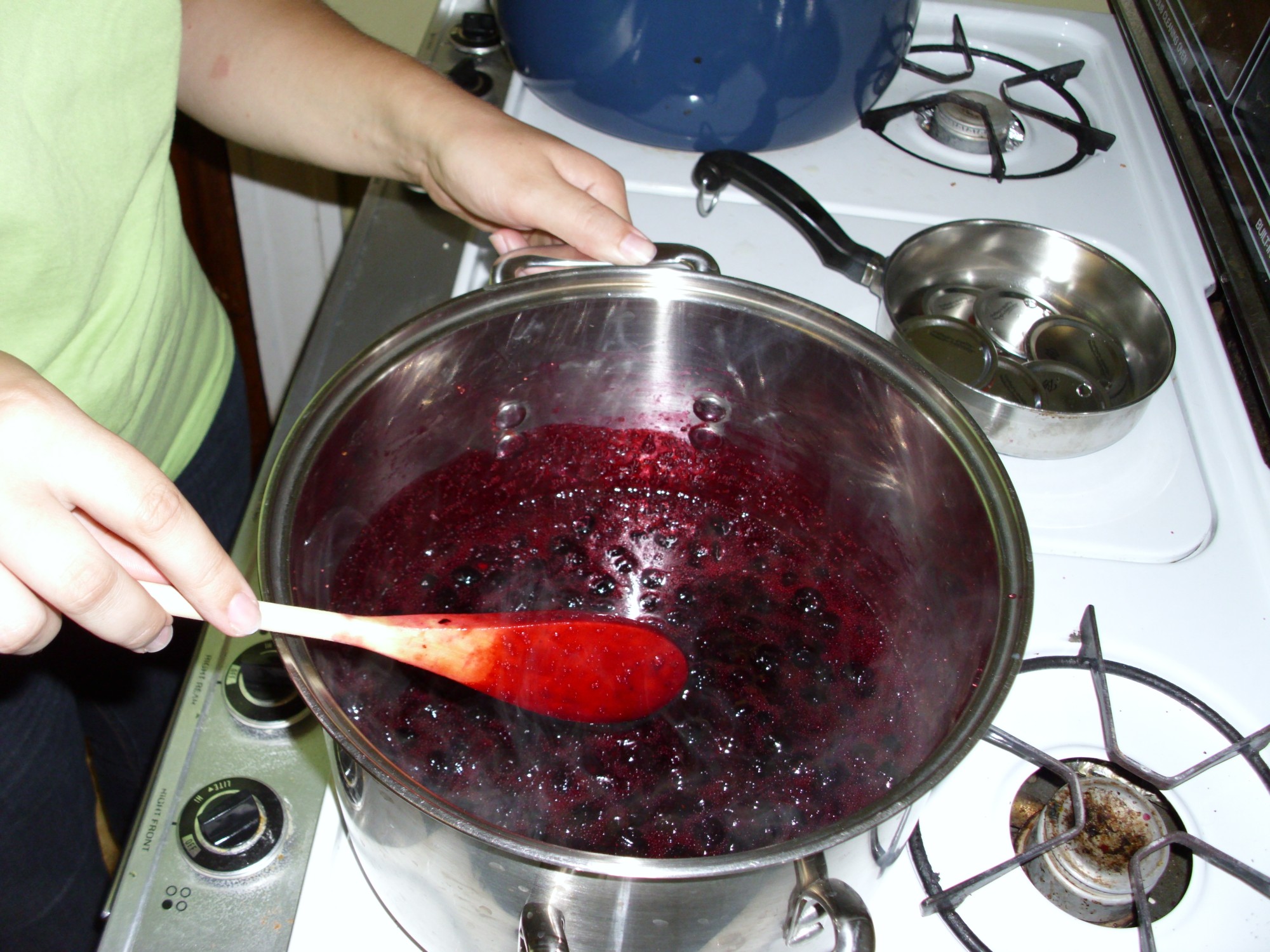
The underripe fruit is the detail worth ending on, because of what it shows about how traditional practices accumulate.
Jam sets because pectin, a long-chain molecule in the fruit, forms a three-dimensional network that holds the liquid. That network only forms under specific conditions: enough pectin, a high enough sugar concentration, and an acidity within a fairly narrow range. Miss any of the three and you have syrup, or something rubbery, or a batch that cannot be sold.
Pectin content is highest in fruit that is slightly underripe and falls as the fruit ripens further, while flavour and colour develop in the opposite direction. So the two things you want are maximised at different moments, and the practical answer is to use mostly ripe fruit and add a proportion of underripe to carry the set.
Growers and boilers had been doing exactly that for generations before anybody had isolated pectin, named it, or explained what it did. They knew that some green fruit in the pan made the batch set, they knew roughly how much, and they adjusted it by season and variety because they had learned that the amount needed varied.
That is a correct and quantitative understanding of a chemical mechanism, held by people who had no concept of the molecule involved, arrived at entirely by paying attention to outcomes over a very long period.
It is the same shape as the dimpled golf ball, the copper still and the wooden washback. The explanation arrived decades or centuries after the practice, and when it arrived it confirmed what the practice had already settled on rather than correcting it.
Which is a reasonable argument for taking an established practice seriously even when nobody involved can tell you why it works – not because tradition is wise, but because a thing that has been refined against results for two hundred years has been tested more thoroughly than most things anybody can explain.
If you picked over fruit on the belts, that was the whole season’s work and it came round once a year.
And if you grew up near a jam factory, you can probably still put the fruits in the right order by smell.
Like our content? Follow us for more.
