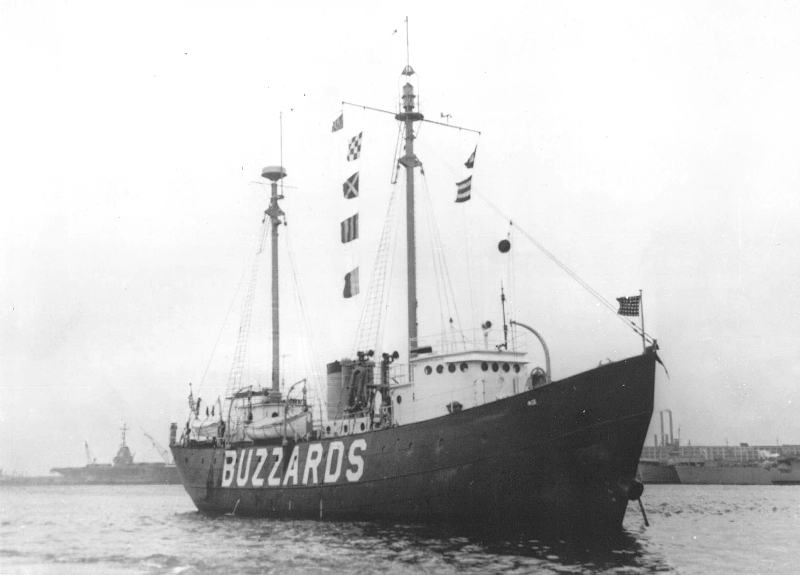
In 1960 there were ships whose entire purpose was to stay in one place – moored on a single enormous anchor over a sandbank or a shoal where no lighthouse could be built, frequently with no engine at all.
The motion never stopped, because a vessel held by a cable snubs and pitches rather than riding the sea. The fog signal sounded every half minute for days at a time, and the crew lived inside it. The tour lasted a month, and the relief came when the weather let it.
Here are fifteen things that were ordinary on a lightship in 1960, and what became of each one.
1. The Ship Was a Lighthouse That Could Not Go Anywhere
A lightship was moored on a single enormous anchor at a fixed position marking a sandbank, a shoal or a channel where a lighthouse could not be built because there was nothing to build it on.
Large navigation buoys with automatic lights, and then satellite positioning making precise fixes available to every vessel, removed the need for almost all of them. The thing to grasp is that these were ships designed specifically not to move, in places chosen because they were dangerous, and they stayed there through everything the sea did.
Like our content? Follow us for more.
2. It Had No Engine for Most of Its History
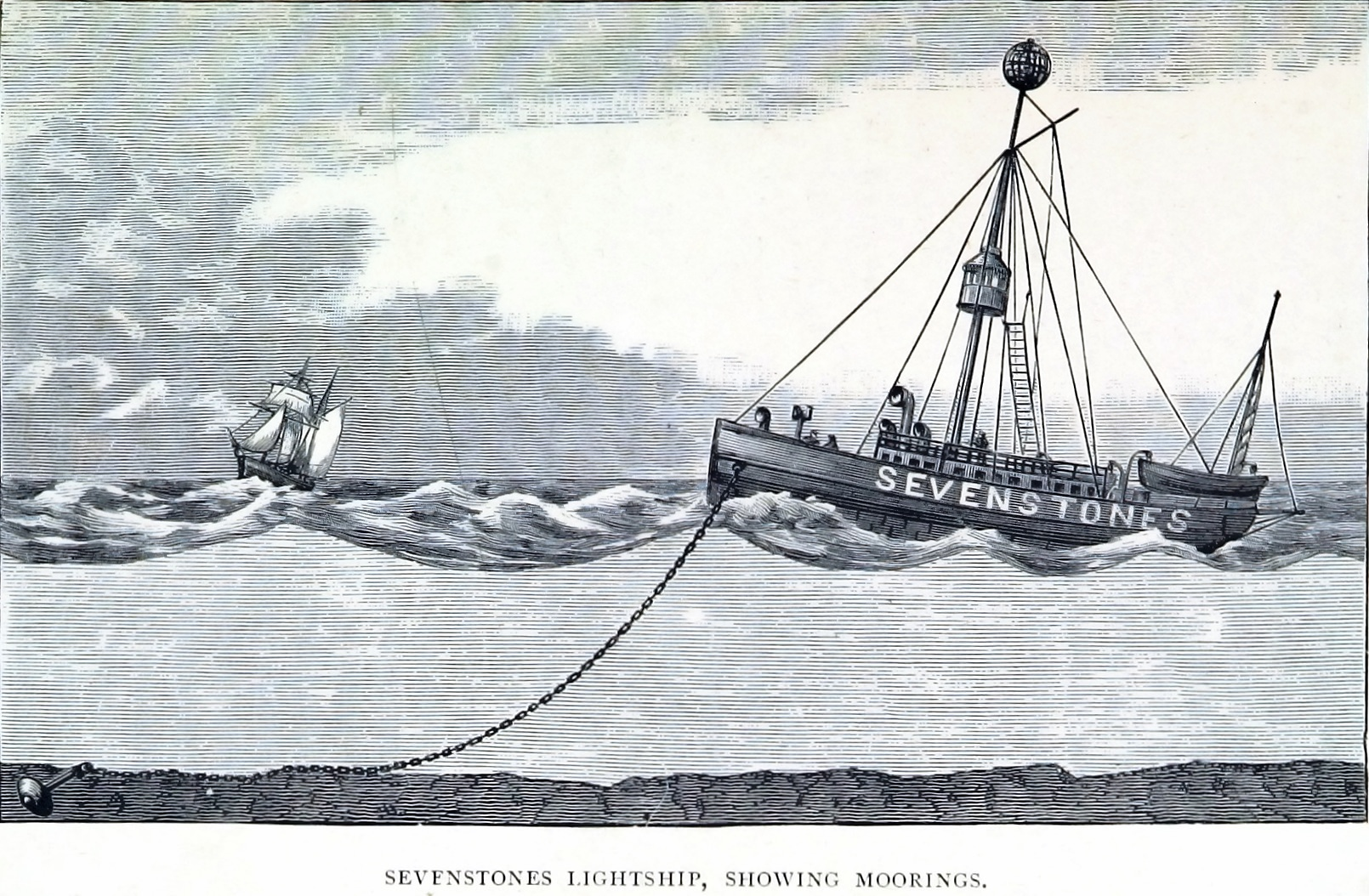
Lightships were frequently unpowered hulls, towed to station and left there, which meant that if the cable parted the vessel was adrift on a hazard with no way to control where it went.
Later vessels were given engines and the stations have gone. A ship with no propulsion, moored over the exact danger it exists to warn other ships about, is a genuinely alarming arrangement, and it was the normal one.
3. The Motion Never Stopped and There Was Nothing to Be Done About It
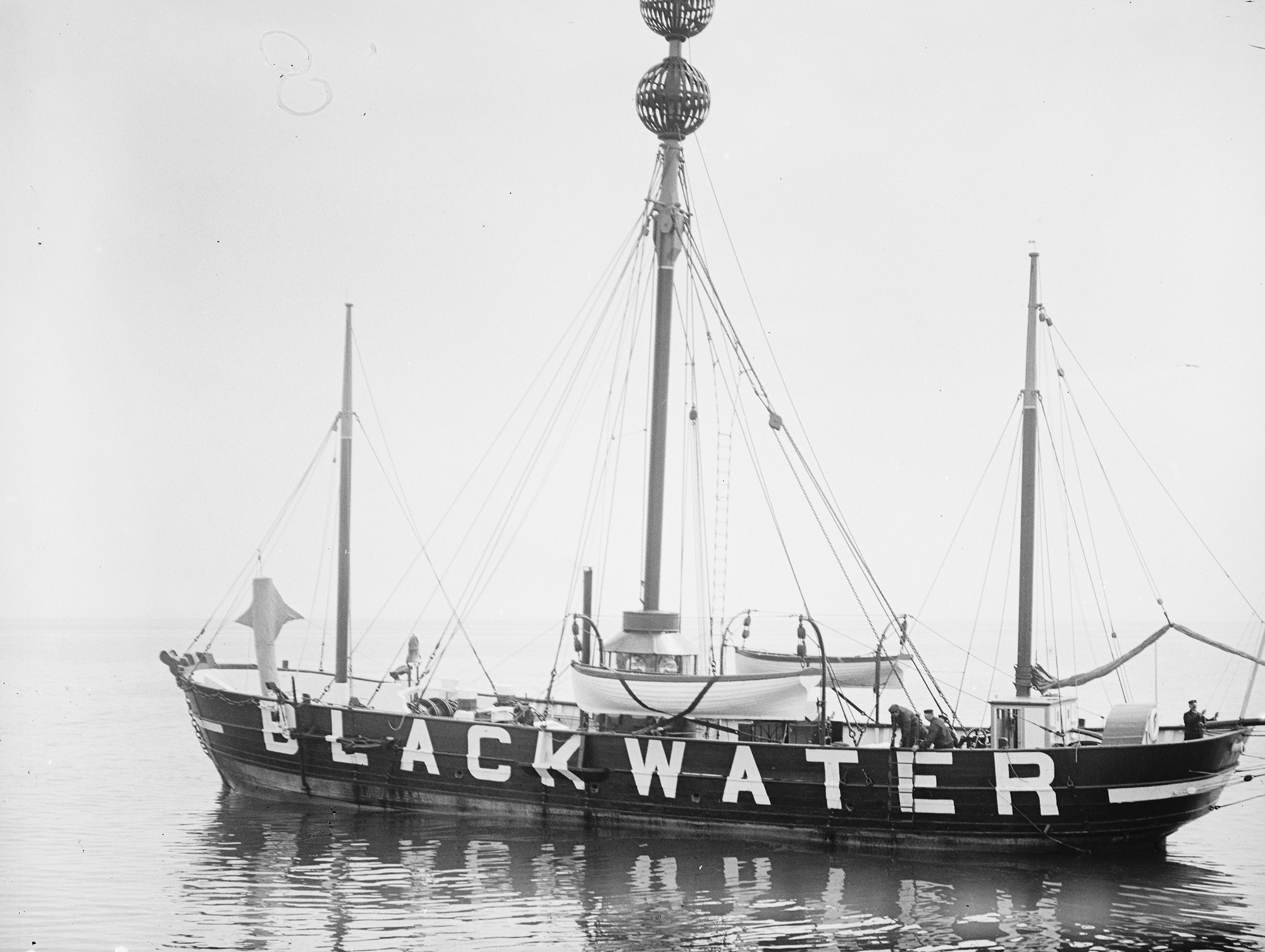
A vessel held bow-on to wind and tide by a cable does not ride the sea the way a ship under way does. It snubs against the chain, pitches sharply, and in a swell with a cross wind it moves constantly and unpredictably.
Not applicable to a buoy. Lightship crews describe the motion as the defining hardship of the job, worse than the isolation, and it is the detail that distinguishes the posting from a lighthouse on a rock – a lighthouse keeper had a building that stayed still.
4. The Crew Were There for Weeks and the Relief Depended on the Weather
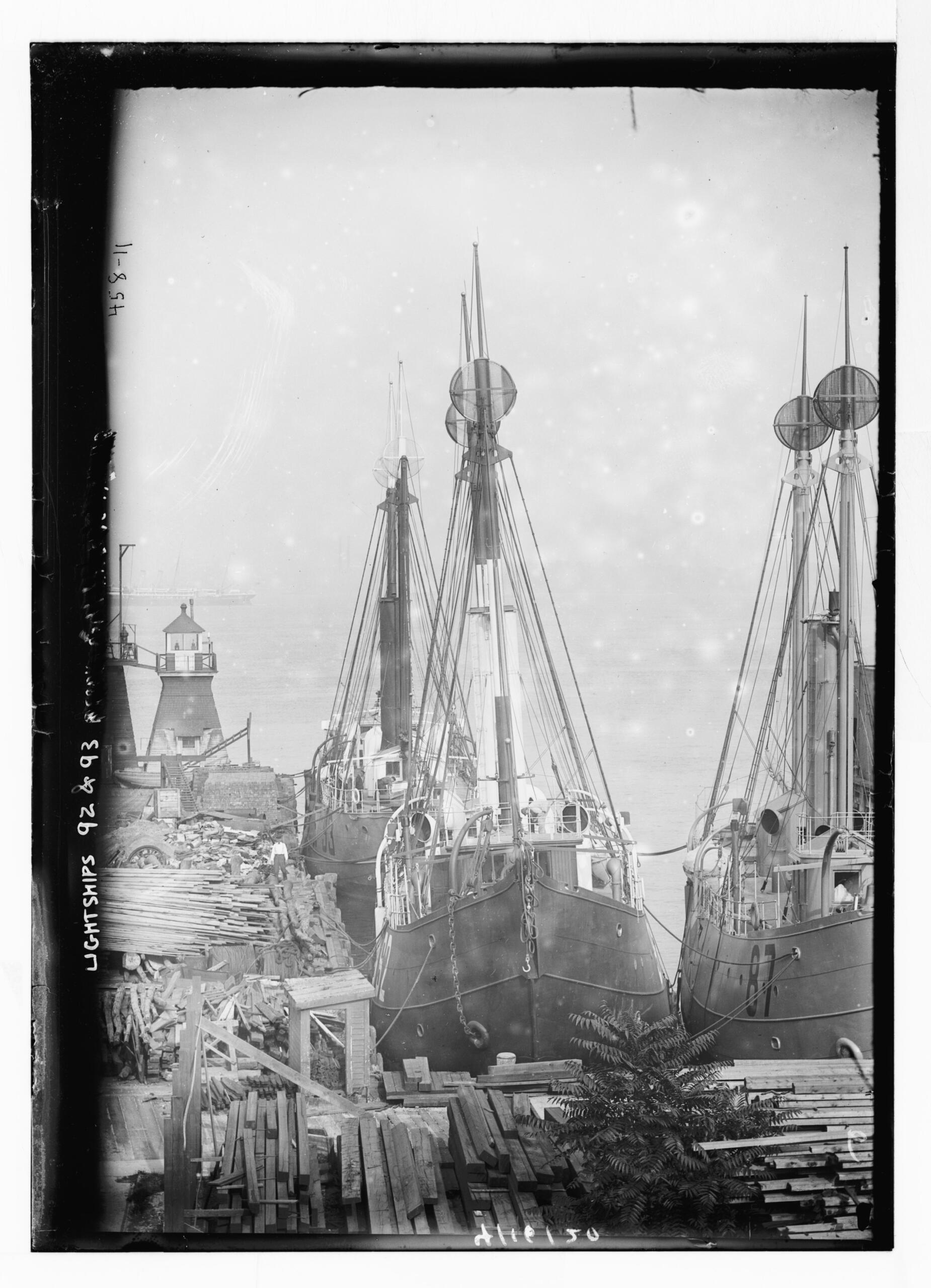
A tour was typically a month or more, with the relief vessel coming out to exchange crews – an operation that required conditions good enough to transfer people between two vessels at sea, and which was postponed when they were not.
Helicopter relief where stations persisted, and automation elsewhere, removed the problem. An extended tour with no end date you can rely on is the specific psychological difficulty of this kind of posting, and it is the same one reported from weather ships and from rock lighthouses.
5. The Light Had to Be Tended All Night Every Night
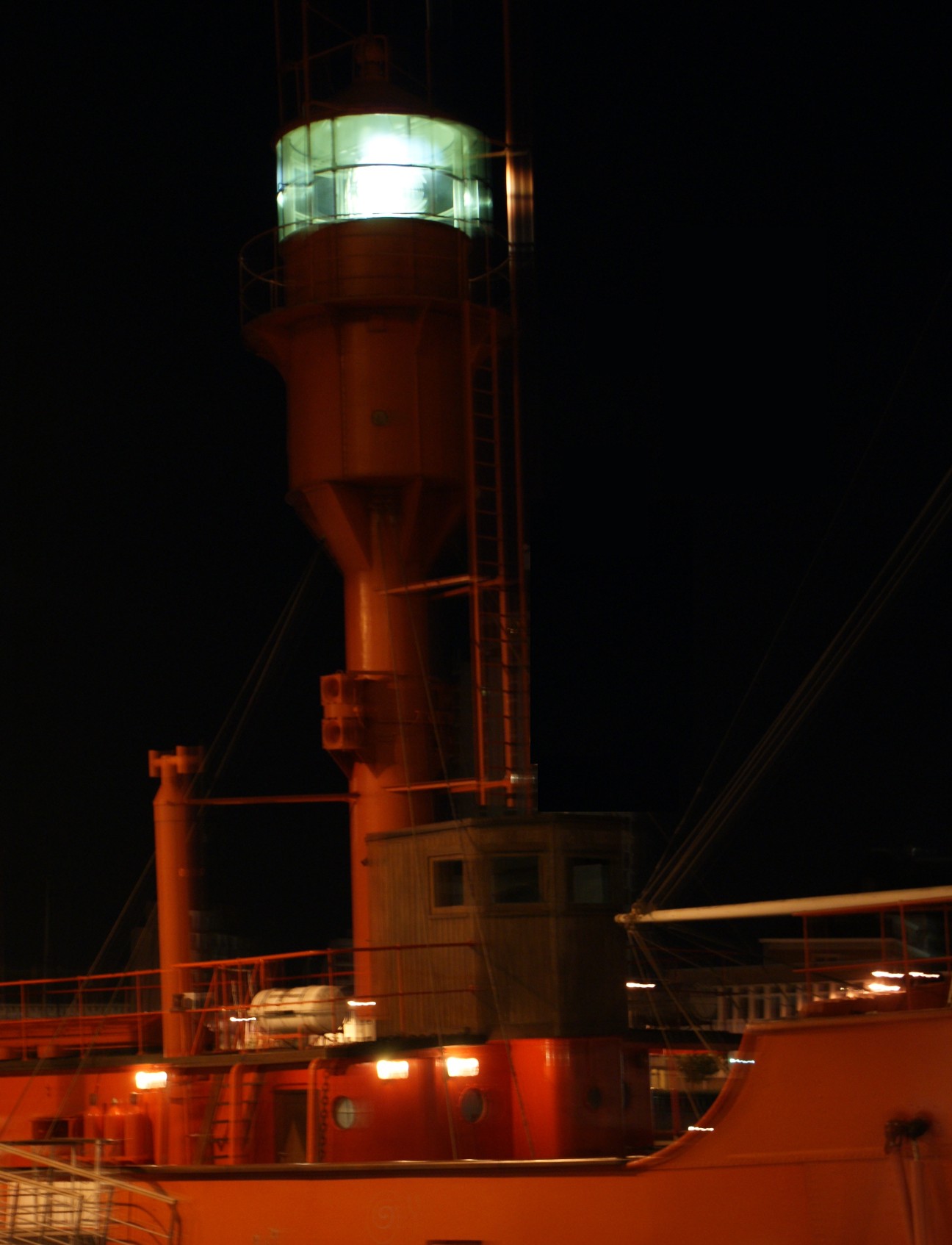
The lamp was lit, watched, maintained and extinguished at dawn, with a keeper on duty through the hours of darkness checking the mechanism and the rotation.
Automatic lights with monitored operation and remote alarms removed the watch. A failed light on a hazard is worse than no light at all, because vessels navigate by its absence as well as by its presence, which is why it was watched rather than simply switched on.
6. The Fog Signal Was Loud Enough to Be Unbearable
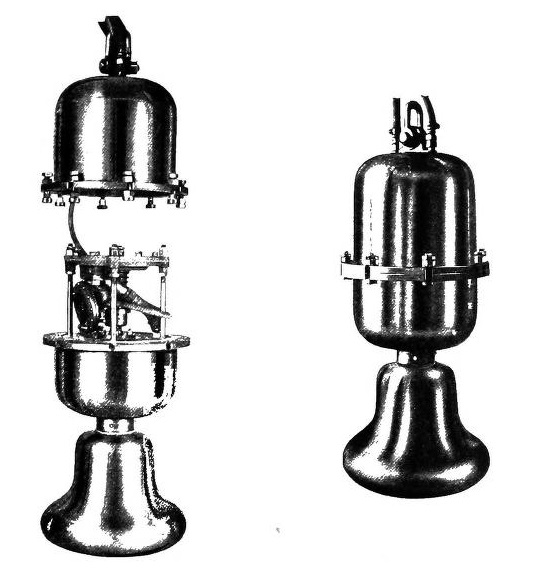
In fog the vessel sounded a signal at intervals, continuously, for as long as the fog lasted – which could be days – and the crew lived inside the thing producing it.
Automated signals and the general decline of audible fog signalling in favour of electronic aids have changed it. Living aboard a vessel sounding a fog signal every thirty seconds for three days is described consistently and vividly by everybody who did it, and it is not something a modern working environment would contain.
7. Every Station Had Its Own Light Character and Its Own Sound
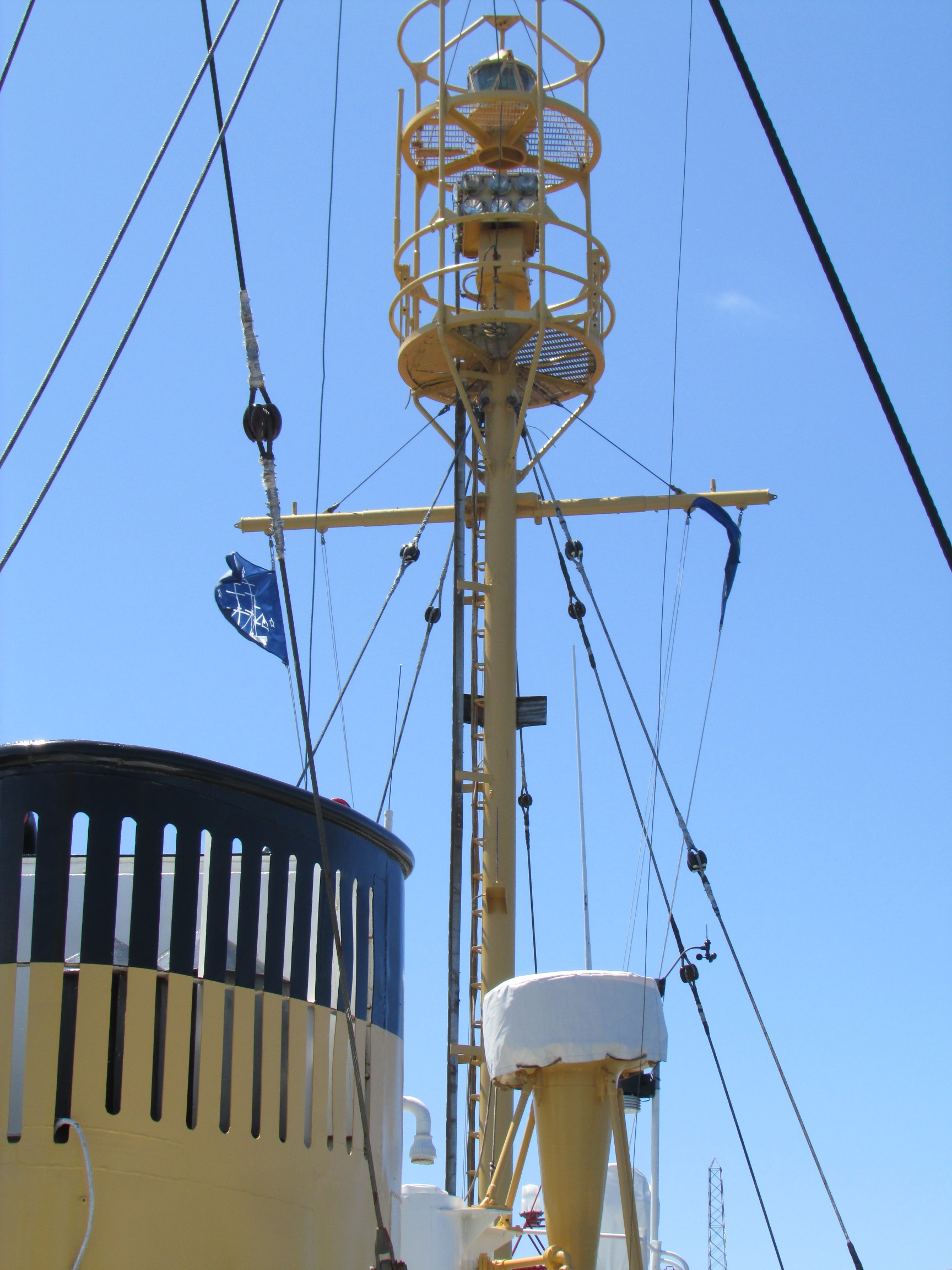
Each light flashed in a distinct pattern and each fog signal had its own rhythm, so a mariner could identify precisely which station they were hearing or seeing and therefore exactly where they were.
The principle survives on buoys and lighthouses and is now backed by electronic identification. The character system is an elegant piece of information design – a single light conveying a unique identity through nothing but the timing of its flashes, readable at a distance in bad weather by somebody with a watch.
8. The Vessel Was Painted Red With the Station Name on the Side
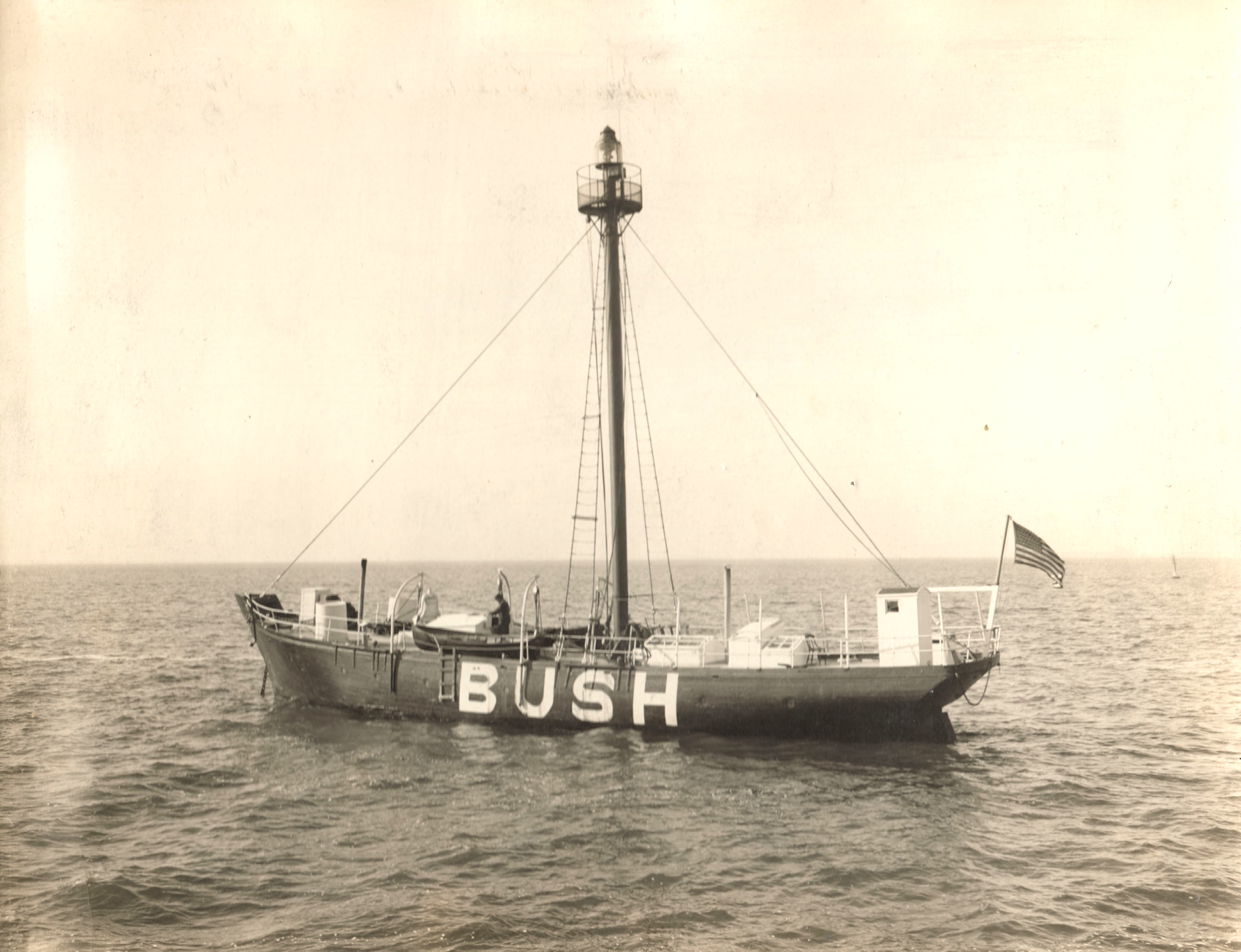
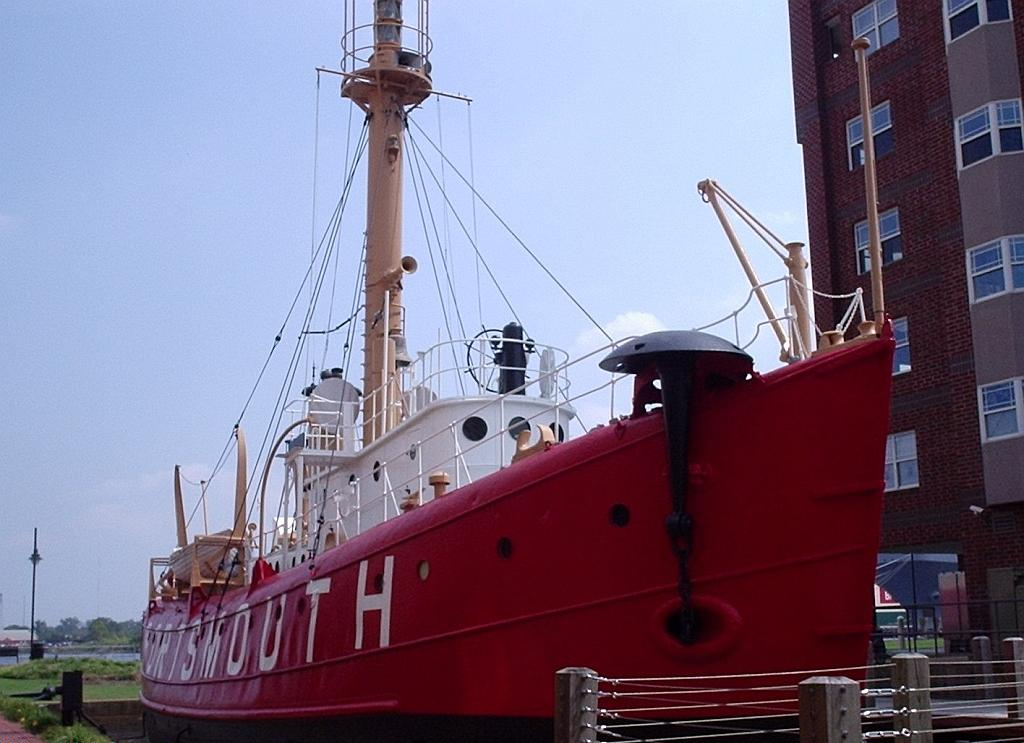
Lightships were painted a distinctive red with the name of the station in large white letters along the hull, so that a vessel arriving in daylight knew immediately which hazard it was looking at.
Buoys carry marks and identifiers to the same purpose. The name on the hull was the daytime version of the light character – the same information, in a form that works when the light is not visible – and the preserved vessels in museums and harbours are nearly all still carrying theirs.
9. The Crew Were Also Watching for Vessels in Trouble
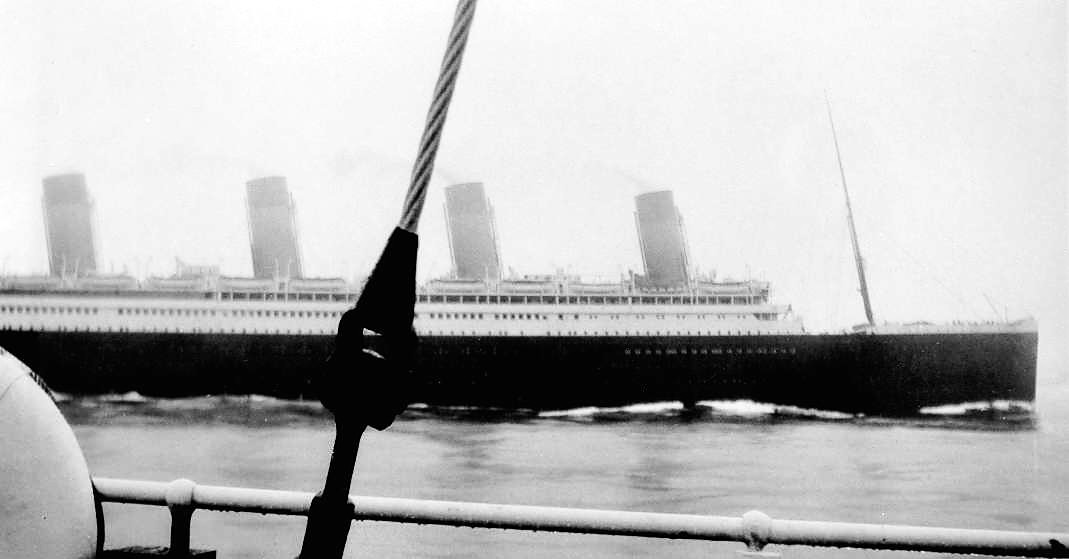
Sitting permanently beside a known hazard, the crew saw ships standing into danger, and warned them, and on occasion were the first to a wreck.
Radar, electronic charting and satellite positioning have made the hazard far harder to blunder into. The lightship’s secondary role as a permanent observer at the exact place where things went wrong is poorly recorded, and the stations were positioned at precisely the points where a mistake was most likely.
10. Supplies, Mail and Water Came Out by Boat
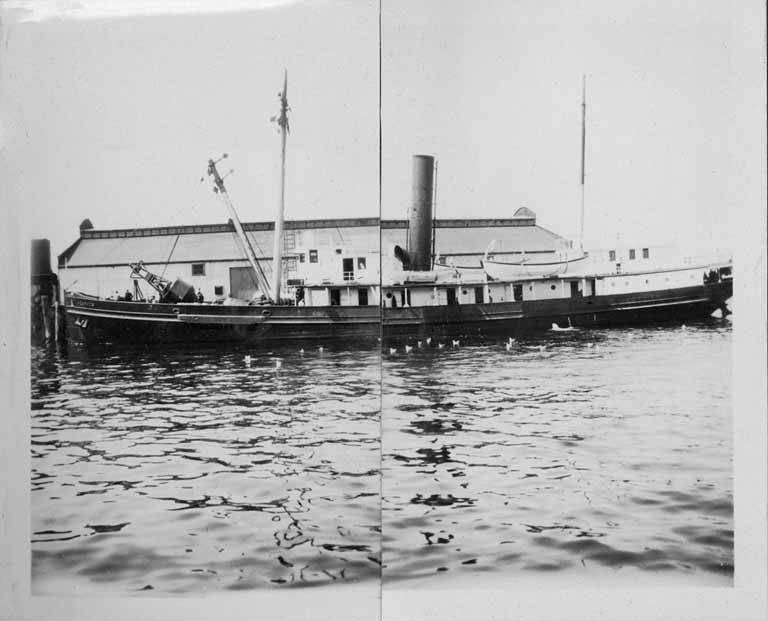
Everything the vessel needed arrived by tender, which meant provisioning depended on conditions, and a bad spell meant going short.
Not applicable to an unmanned station. The logistics of keeping a crewed vessel supplied at a fixed point offshore for decades is a quiet achievement of organisation, and the tender service was as much a part of the system as the ship.
11. The Work Was Mostly Maintenance and Mostly Painting
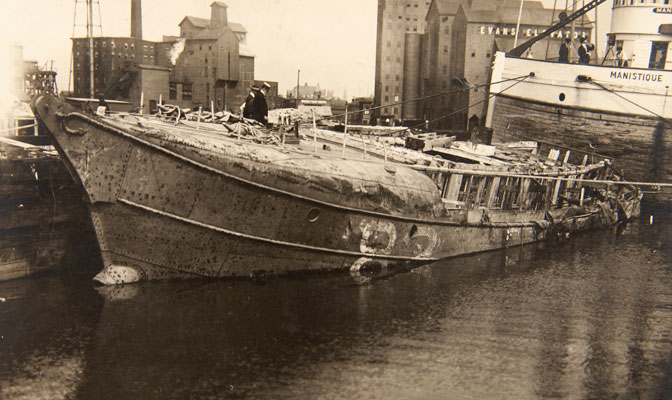
Beyond tending the light, the crew maintained the vessel – and a steel hull moored permanently in salt water requires continuous attention, which in practice meant chipping rust and painting, endlessly.
Modern coatings and unmanned stations removed it. The endless painting is remembered with some feeling, and it was not make-work: a moored vessel that is not maintained has a limited life, and the maintenance was the only thing preventing the ship becoming the hazard.
12. Boredom Was the Occupational Hazard Nobody Named
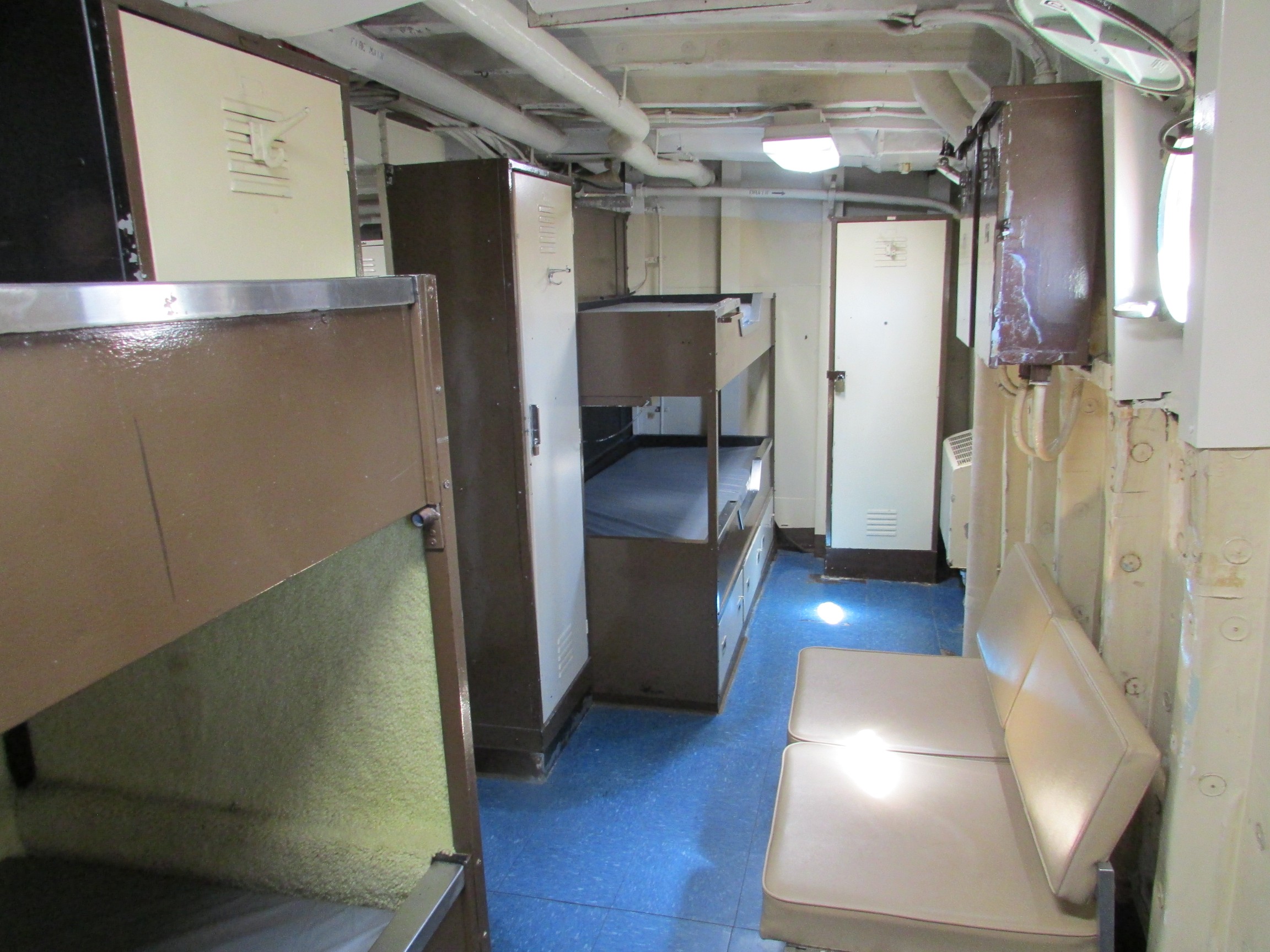
The work was routine, the station never changed, and the crew were confined to a small vessel with the same few people for weeks, with the light requiring attention and very little else happening.
Mental health in isolated and confined working environments is now a recognised and actively managed subject across offshore, maritime and polar work. In 1960 it was not named, not discussed and not provided for, and the strategies people used were entirely their own. This is stated as occupational history; anybody affected by isolation in their own work should seek proper support rather than relying on an article.
13. Nobody Thought a Buoy Could Do It
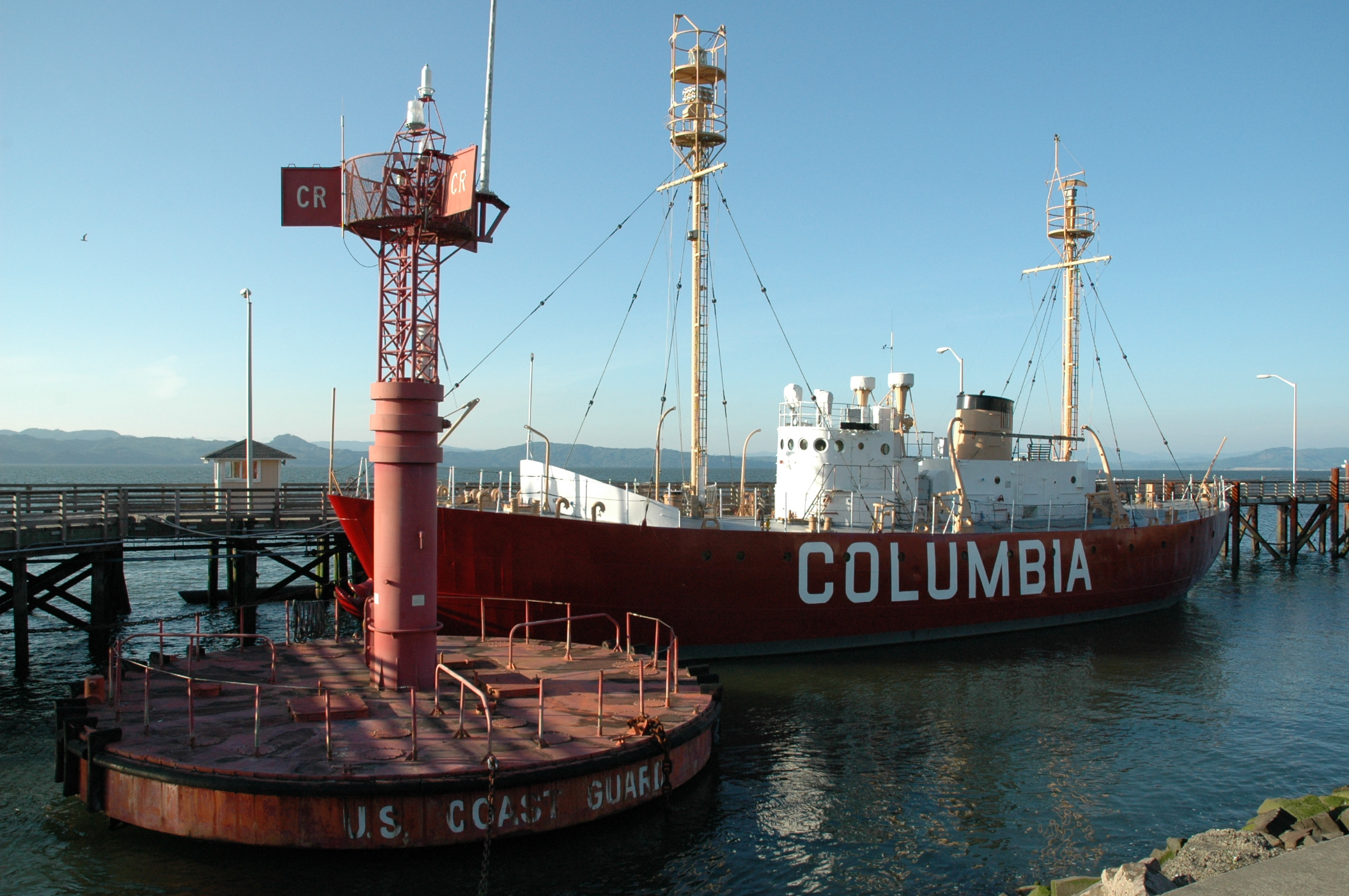
A large automatic buoy with a light seemed an inadequate substitute for a manned vessel with a proper lamp, a fog signal and people watching.
Large navigation buoys, solar power, reliable automatic lamps and remote monitoring made it entirely adequate and enormously cheaper. The crewed lightship was replaced by an object with no crew, no engine, no paint problem and no relief schedule, which did the primary job as well and the secondary jobs not at all.
14. The Ships Themselves Were Too Good to Scrap
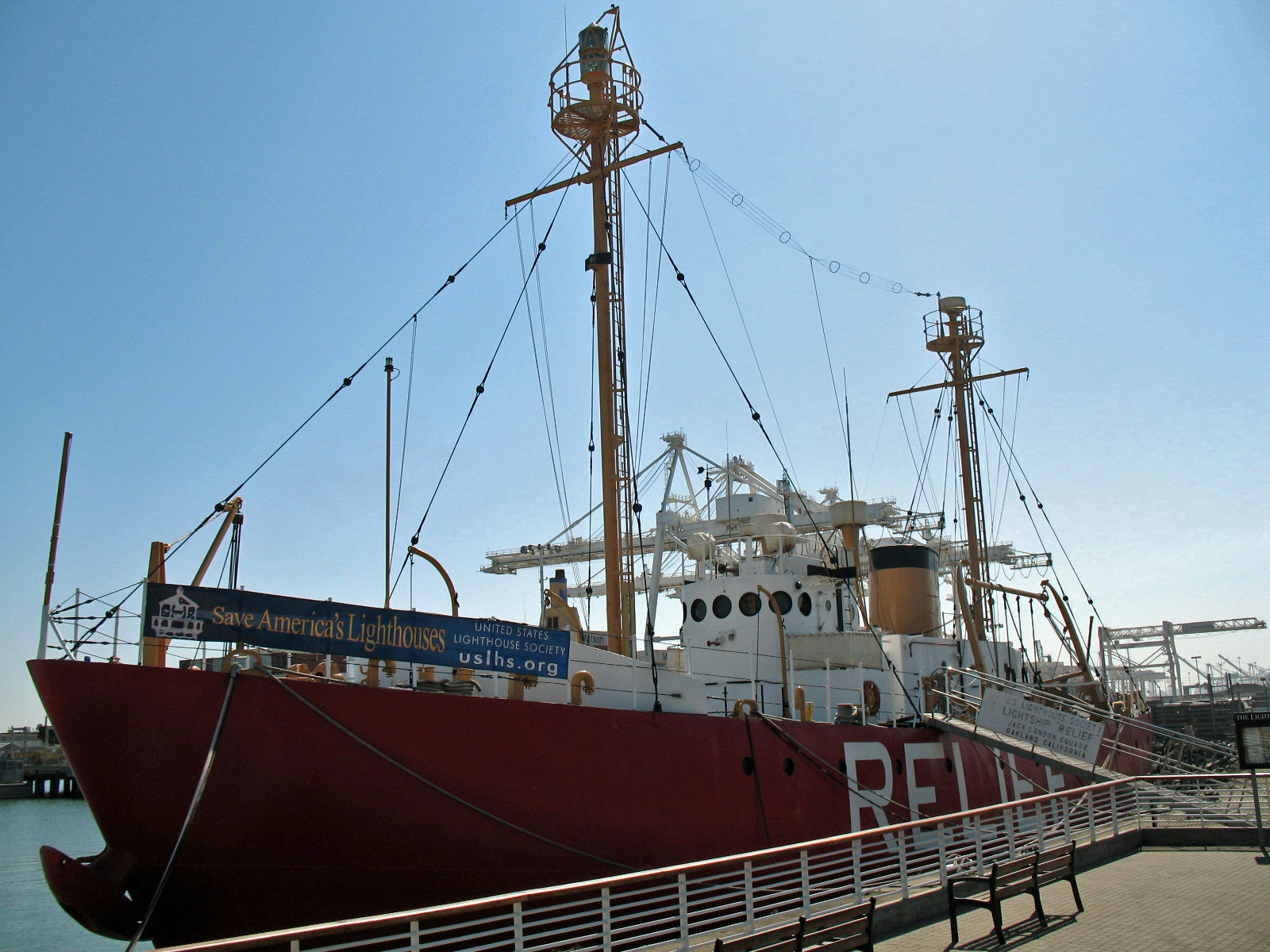
Lightships were built extremely strongly, because a vessel moored permanently in exposed water takes a beating no ordinary ship experiences.
A considerable number survive – as museums, as moored venues, as accommodation and in a few cases restored and afloat – precisely because they were overbuilt for a job that no longer exists. They are among the most recognisable preserved vessels anywhere, and the red hull with the station name is the reason people know what they are looking at.
15. The Stations Still Exist and Nothing Is There
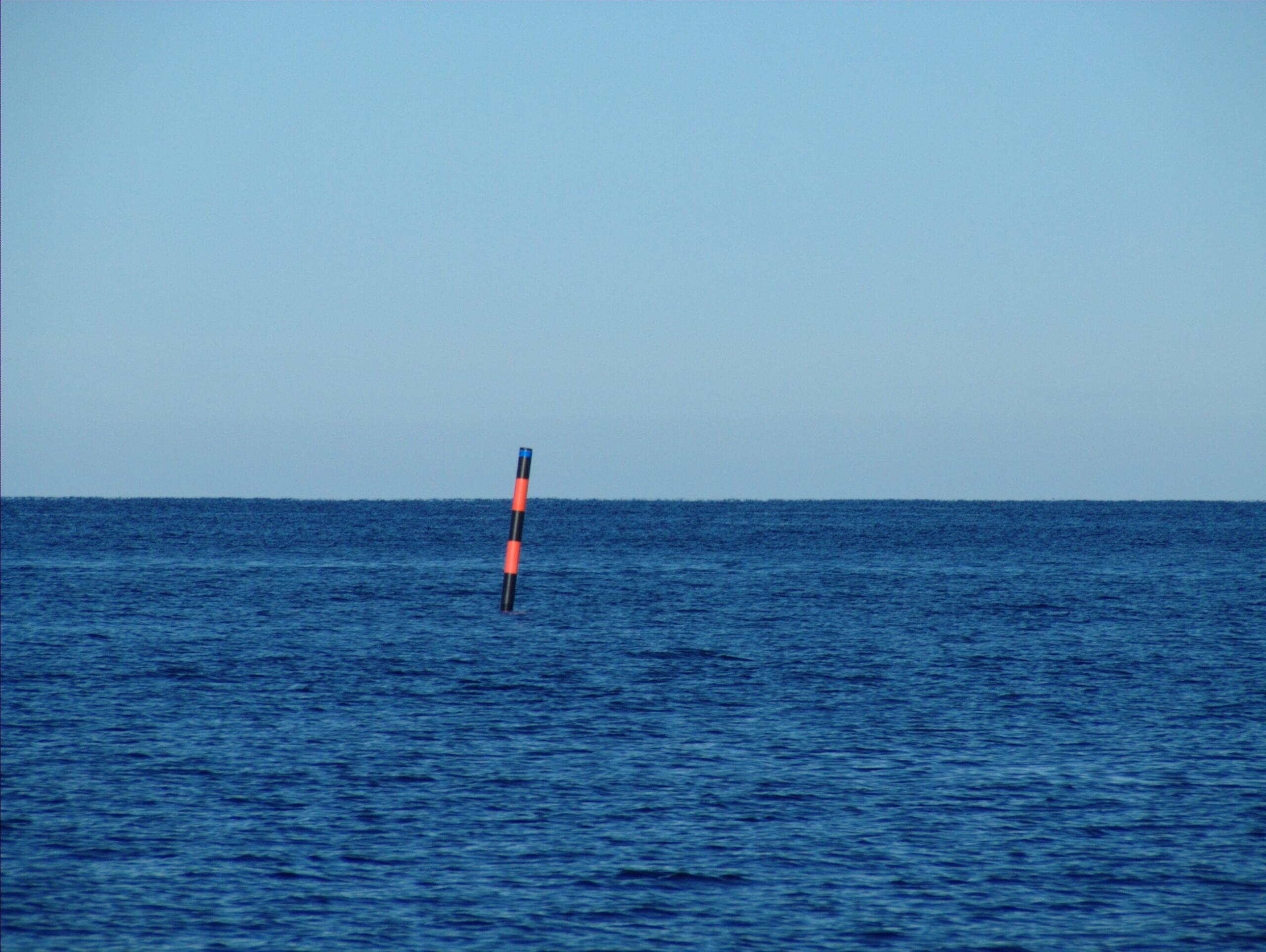
Each lightship marked a specific hazard that has not moved, and the hazard is still there.
What marks it now is a buoy, or a note on a chart, or nothing visible at all – because a vessel with satellite positioning and electronic charting knows where the bank is without needing to be told by something floating above it. The danger is unchanged, the warning became unnecessary, and the difference is entirely in what the ships approaching it can work out for themselves.
The Warning Became Unnecessary and the Danger Did Not
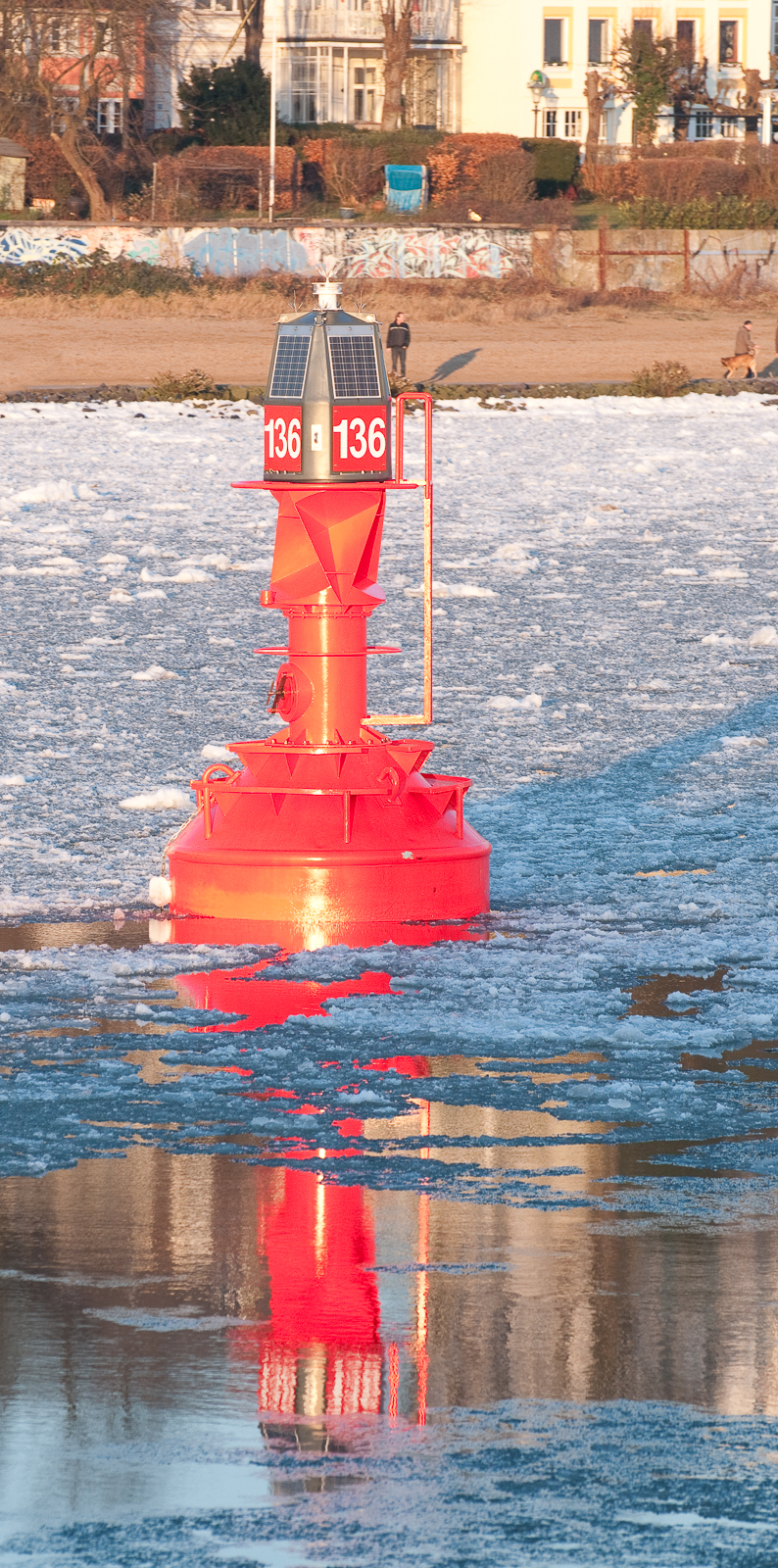
The thing that ended this is not what ended most of the trades in this series, and it is worth being precise about it.
A lightship existed to tell a passing vessel two things: there is a hazard here, and you are at this particular point on the chart. Both of those were genuinely difficult to know in 1960. A ship at sea in poor visibility had a compass, a log, a chart and dead reckoning, and its estimate of its own position could be out by a considerable margin after a long passage. A light with a known character, at a known position, flashing a pattern that could be identified and timed, resolved that instantly.
So the lightship was not primarily a hazard marker. It was a position fix – a fixed, identifiable, visible point in an environment with almost nothing else in it.
Satellite positioning removed the need for that completely. A modern vessel knows where it is continuously, to within a few metres, without reference to anything external and regardless of visibility. The chart tells it where the bank is. The two together make the hazard avoidable with nothing floating above it at all.
Which means the stations were not made redundant by a better way of marking hazards. They were made redundant by ships becoming able to work out their own position – a change that happened somewhere else entirely, for other reasons, and that quietly abolished an entire category of maritime infrastructure along with the lighthouses that were automated at the same time.
The banks are all still there. The reason anybody needed to be told about them is what went away.
If anybody in your family served on one, the station name was painted on the side in letters you could read from a mile away.
And a surprising number of those hulls are still afloat somewhere, usually as something else.
Like our content? Follow us for more.