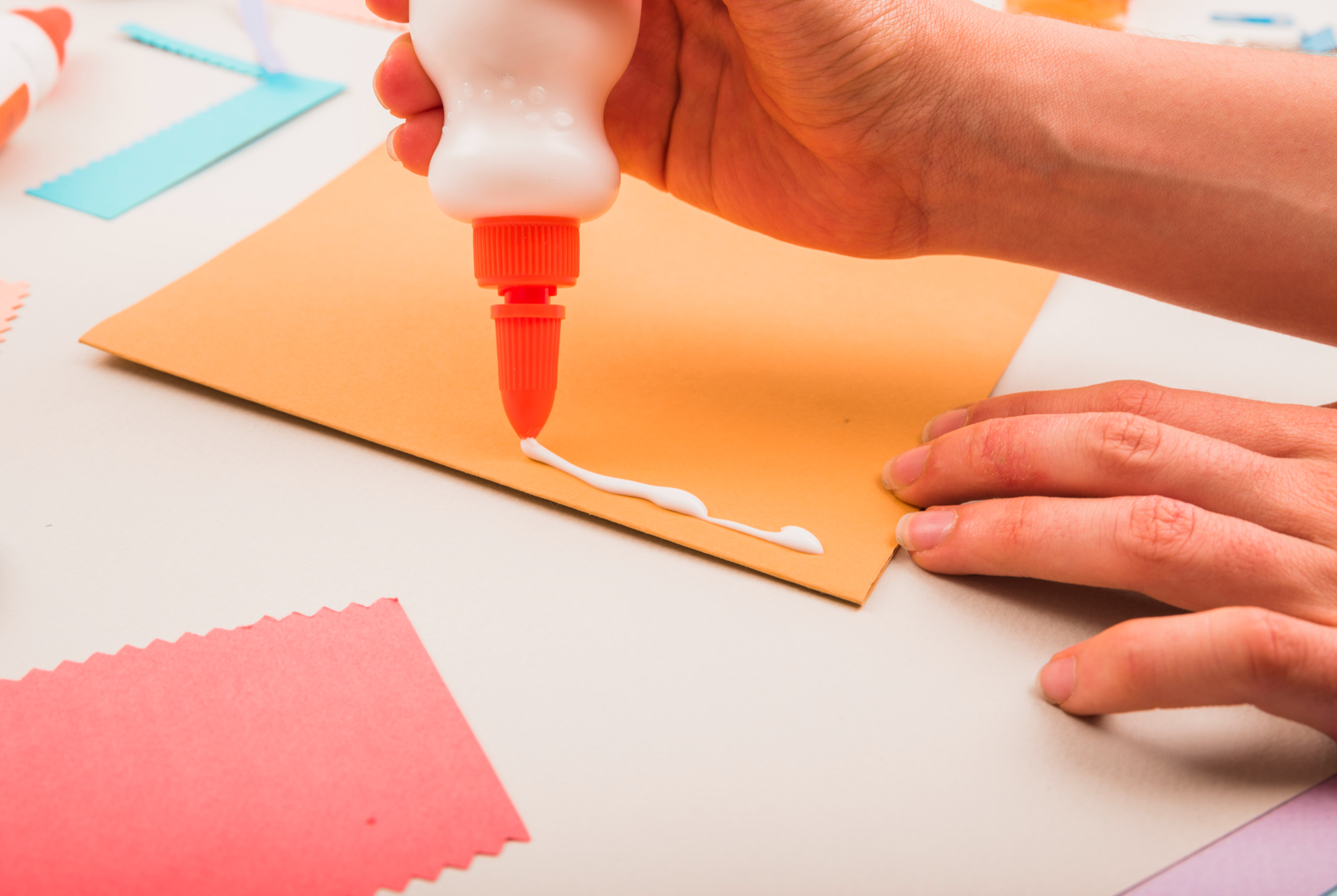
The useful way to think about any bond is as a chain with three links – surface, adhesive, surface – and a chain fails at whichever link is weakest. Here are twelve.
1. It Has to Wet the Surface First
Before any bond exists, the adhesive must flow into intimate contact with the surface, spreading rather than beading up on it.
If it will not spread, nothing that happens afterwards matters. Wetting is the precondition that every other step depends on.
Like our content? Follow us for more.
2. Which Is Why Some Surfaces Refuse Everything
Certain plastics have surfaces that adhesives cannot wet, so the glue sits on top in droplets and never makes contact at the molecular scale.
It is not that the bond is weak; it is that no bond forms. Non-wetting surfaces are the materials that defeat glue entirely.
3. Grease Is the Universal Enemy
A film of oil, including the natural oil from a fingerprint, sits between the adhesive and the surface and prevents contact everywhere it is present.
This accounts for an enormous proportion of failed bonds. Surface contamination is the commonest cause of glue not working.
4. Roughness Gives It Something to Hold
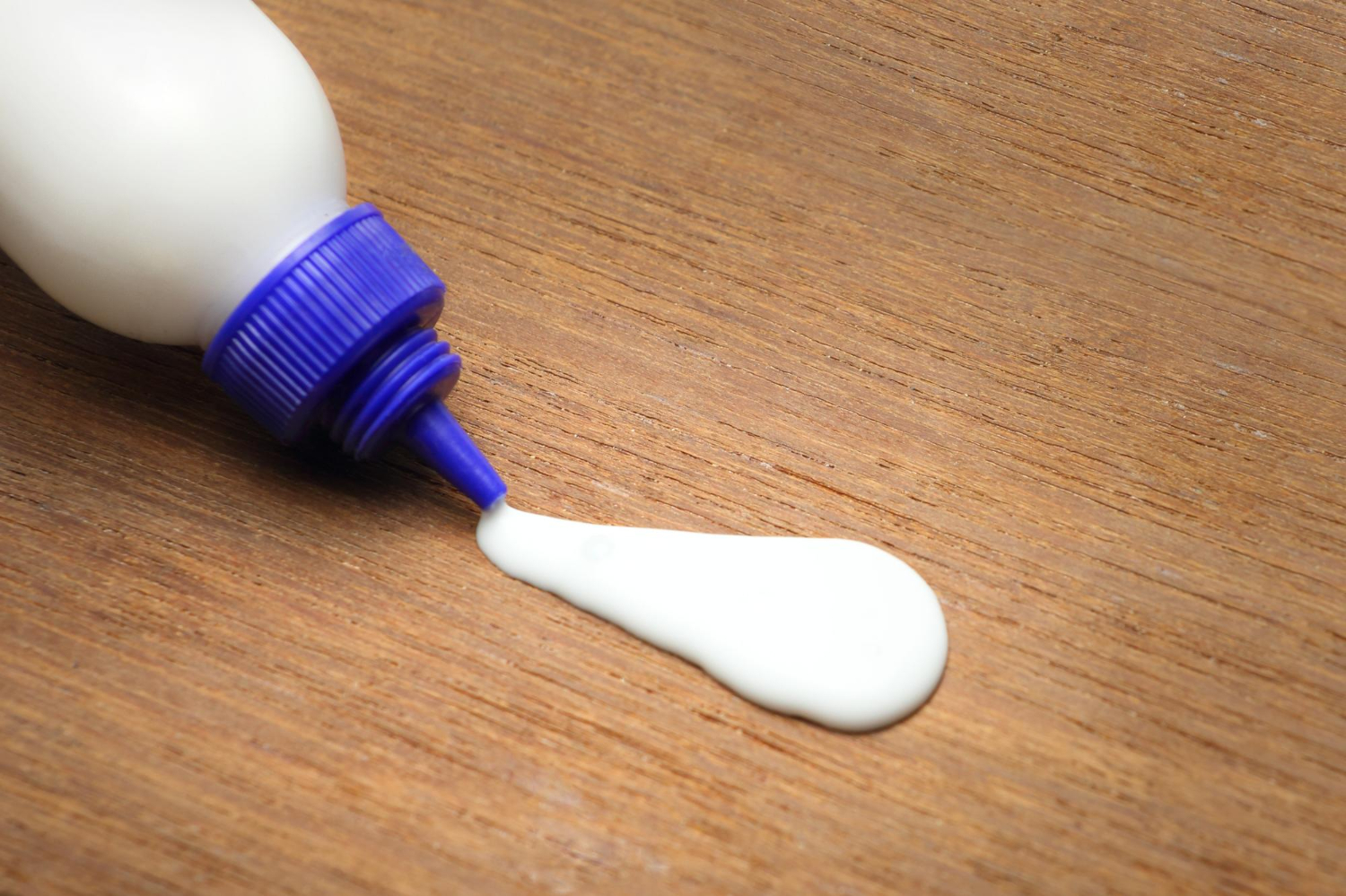
A microscopically irregular surface offers both more area for molecular attraction and physical cavities the adhesive can flow into and set inside.
That mechanical key is real grip rather than a metaphor. Surface roughening is the preparation that works by two mechanisms at once.
5. Setting Happens Several Different Ways
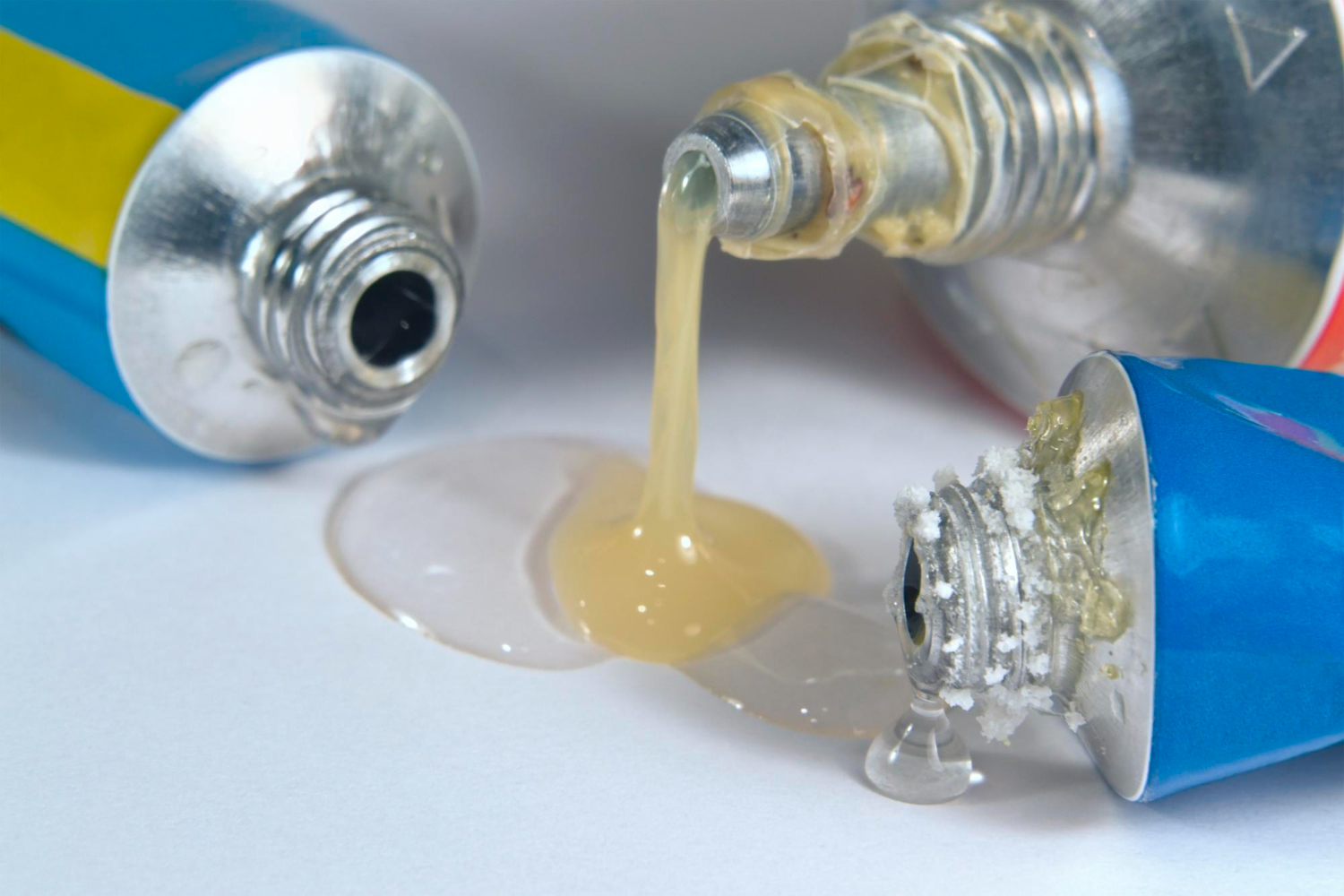
Some adhesives set by losing a solvent, some by cooling from a melt, some by two components reacting together, and some by reacting with moisture from the air.
Which route applies determines everything about handling and timing. Setting mechanism is the difference between adhesives that looks like a formulation detail.
6. Some Never Set at All
Pressure-sensitive adhesives remain permanently soft and tacky, gripping through contact rather than by hardening, which is why tape can be removed and repositioned.
They are a completely different category from anything that cures. Permanent tack is the mechanism that works by never finishing.
7. Thin Is Stronger Than Thick
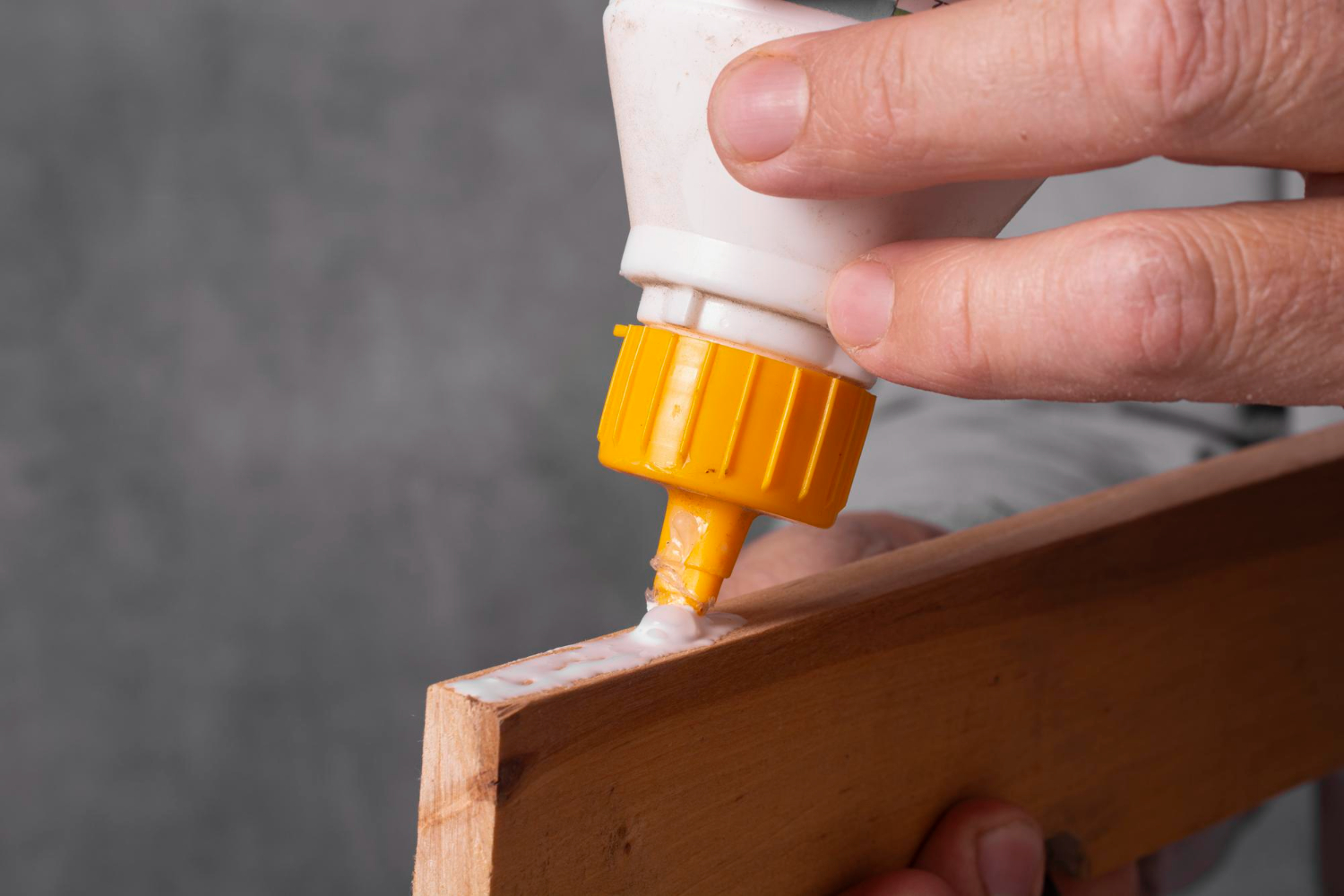
A thin uniform adhesive layer is substantially stronger than a thick one, because a thick layer means more adhesive that can tear internally.
More glue is a reliable way to make a weaker joint. Layer thickness is the counterintuitive property that clamping exists to control.
8. It Fails in One of Two Places
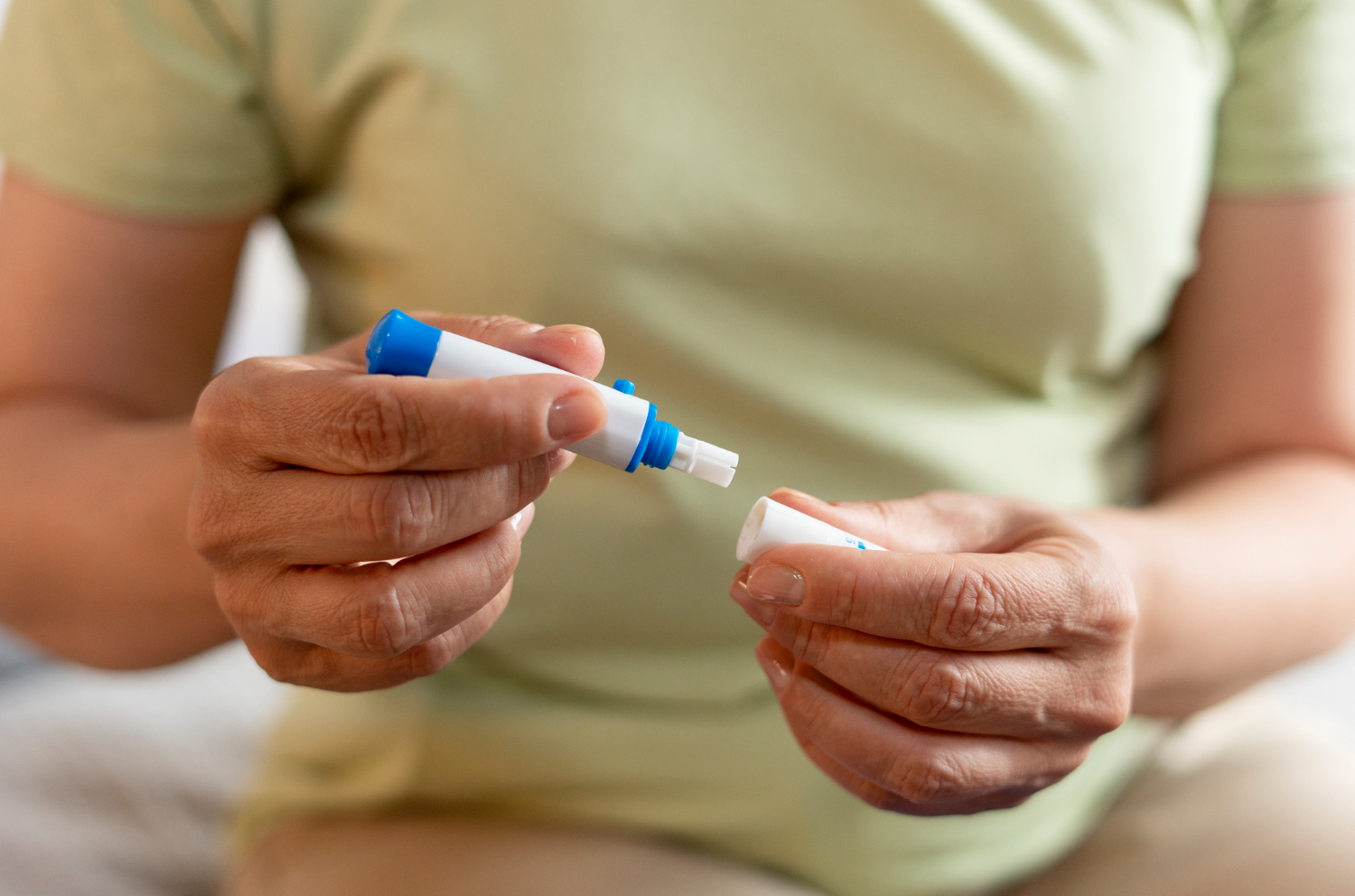
A broken joint either tore through the adhesive itself, leaving residue on both surfaces, or let go of one surface cleanly, leaving all the residue on the other.
Which one happened tells you whether the glue or the surface was the problem. Failure mode is the diagnostic available on any broken joint.
9. The Joint Shape Matters More Than the Glue
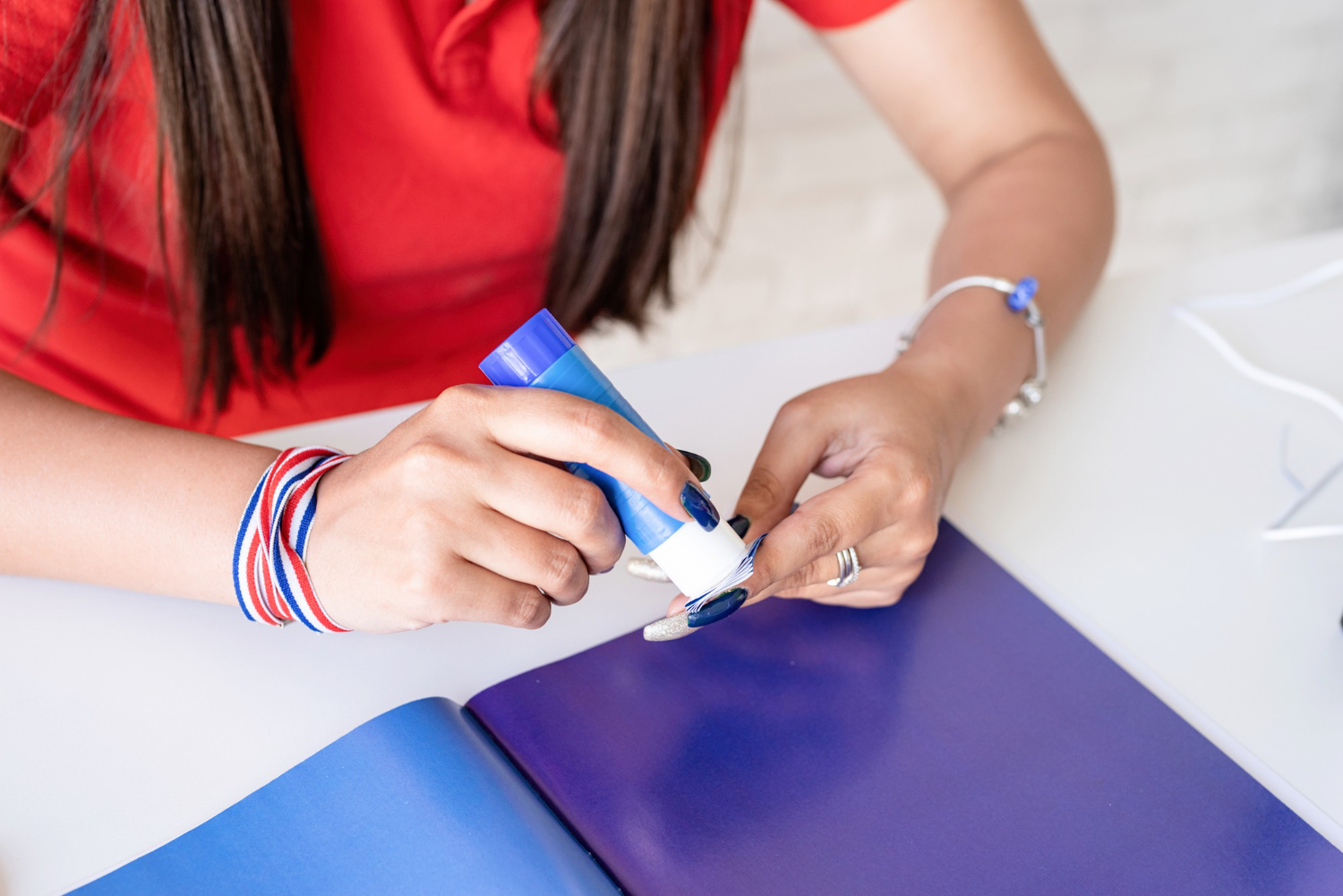
Adhesives are strong when loaded across a large area in shear and weak when peeled from an edge, so the same bond can be immovable or trivial depending on direction.
Peel is the enemy of every adhesive joint. Loading direction is the factor that determines whether a bond survives.
10. Natural Glues Come Undone on Purpose
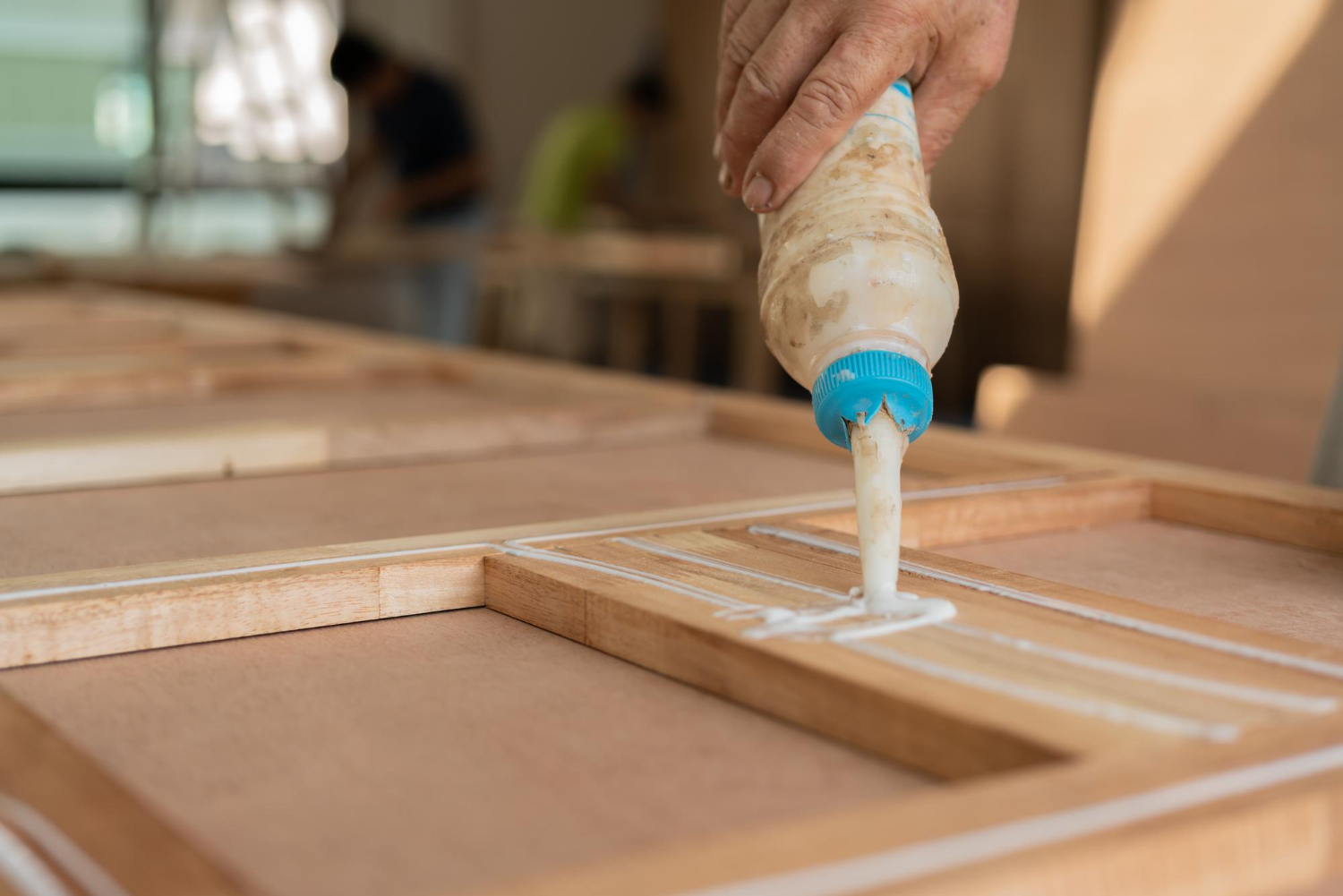
Adhesives made from animal and plant sources soften with heat or water, which is why furniture made with them can be dismantled and repaired rather than destroyed.
Conservators and instrument makers prefer them for exactly that reason. Reversible adhesives are the ones whose weakness is the feature.
11. Curing Continues After It Feels Solid
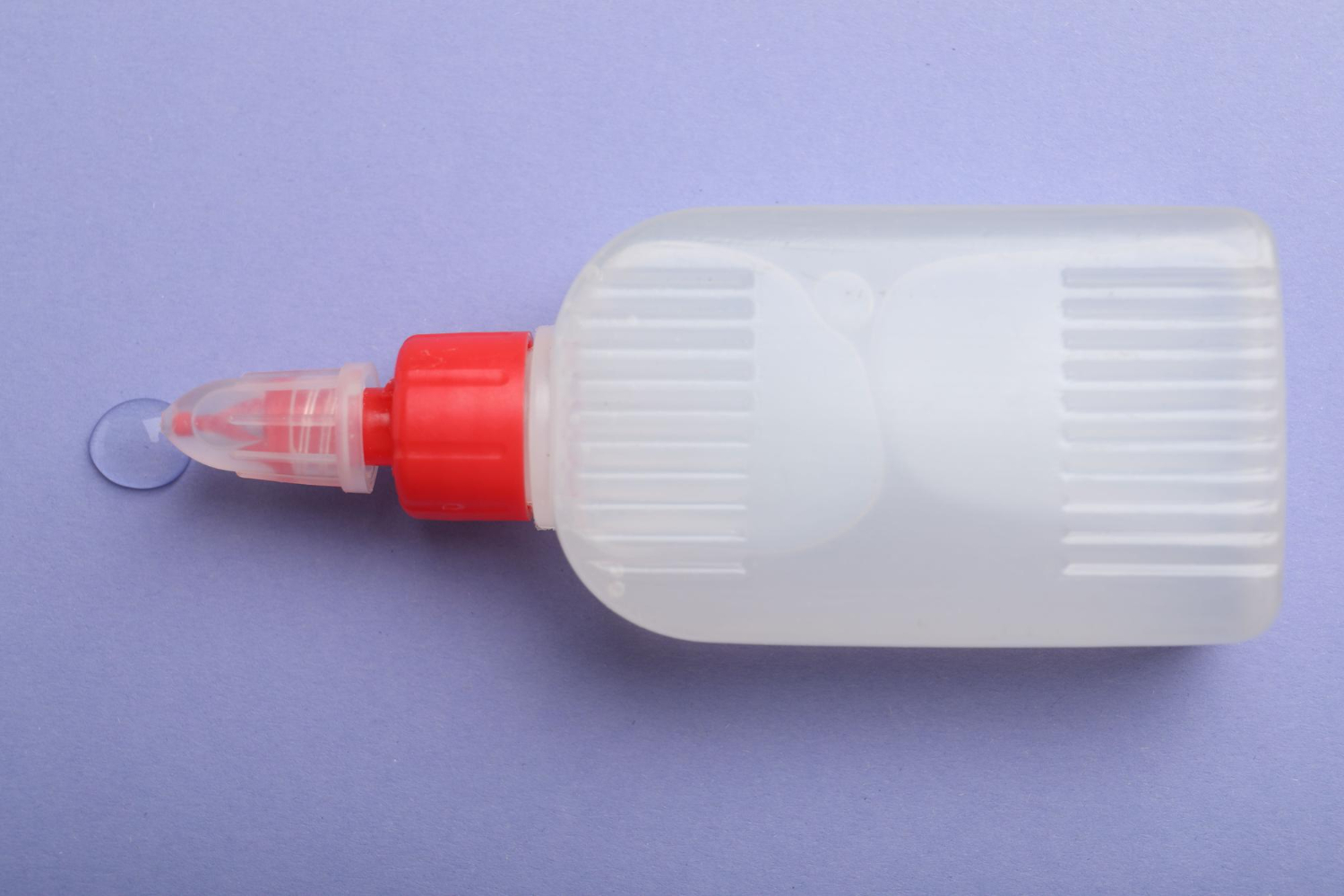
A joint that has set enough to handle is frequently far from its final strength, which continues developing over hours or days as the reaction completes.
Loading it early is a common way to spoil good work. Continued curing is the process that requires patience after it appears finished.
12. Some Adhesion Uses No Adhesive at All
Gecko feet grip through molecular attraction across an enormous number of extremely fine contacts, with nothing sticky involved and no residue left behind.
Materials imitating that structure grip and release repeatedly. Contact adhesion is the mechanism that shows glue is not the only way to stick.
Contact, Then Grip, Then Hold Itself
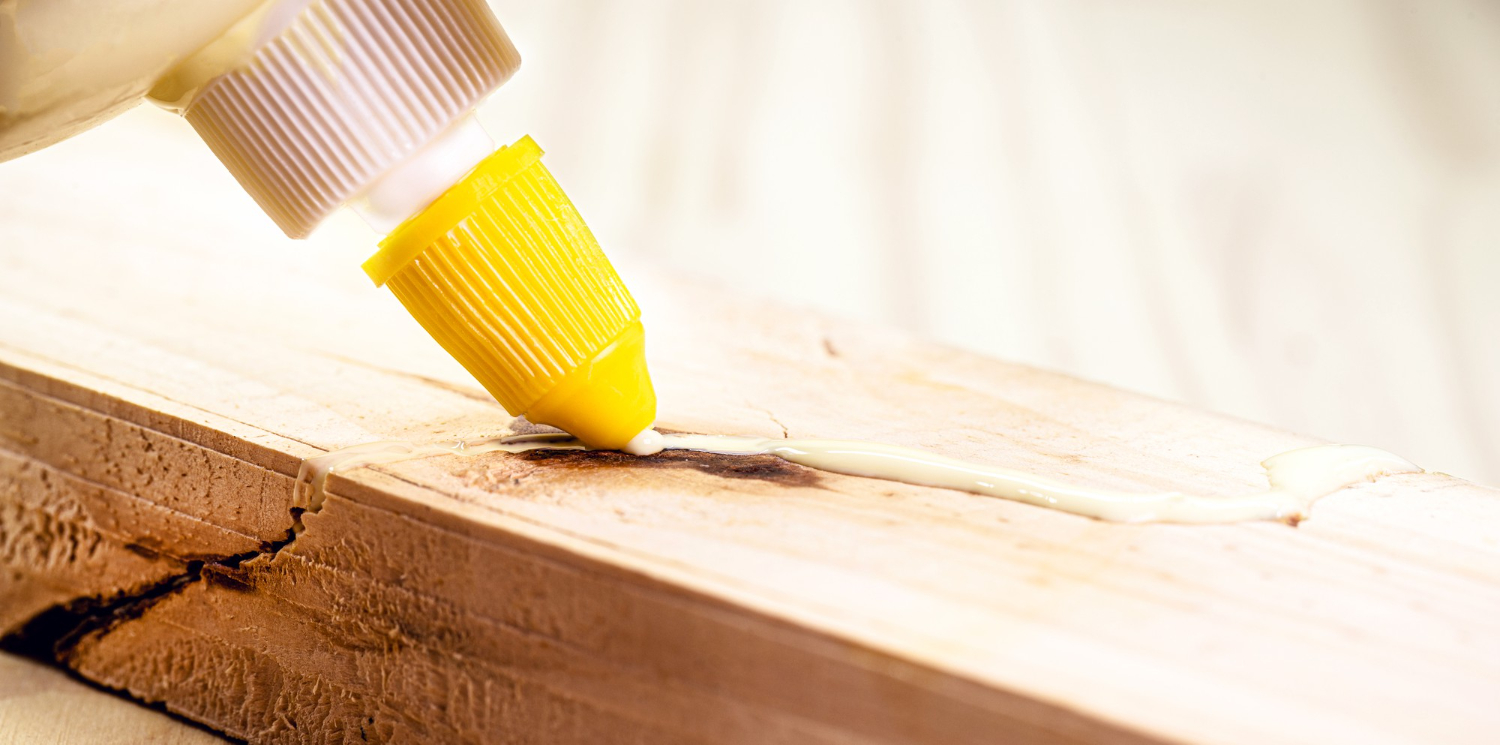
Every item here belongs to one of three stages – making contact with the surface, holding onto it, or holding together internally – and every failure is one of those three, which is why the way a joint breaks tells you what went wrong.
The practical value of this is diagnostic rather than instructive. A joint that failed clean off one surface had a contact problem – grease, the wrong material, or no wetting. A joint that tore through the middle had too much adhesive or the wrong one for the load. And a joint that peeled apart was probably fine and simply loaded in the one direction adhesives cannot handle.
Like our content? Follow us for more.